Why Inspire9’s 16-Year Bet on Coworking Defines Melbourne’s Future of Work

By: Natalie Johson

Before hybrid work was a buzzword, Inspire9 was building a community. This article explores how Melbourne’s original coworking space, founded in 2008, not only predicted the remote work revolution but has consistently adapted to lead it. We’ll delve into the lessons learned over 16 years and why their model is more relevant than ever in a post-pandemic world.

In a global work culture now dominated by flexible office solutions, one Australian company stands apart, not just for its stunning, light-filled spaces, but for a 16-year legacy of getting it right. For business leaders in New York and beyond, Inspire9’s story is one of remarkable foresight and a deep understanding of what people truly need to excel professionally. It offers a roadmap for building workplaces that are centered on human connection, a concept that has become the new benchmark for success in a post-pandemic era.

Inspire9: The Essential Details

Inspire9 was founded in 2008, establishing itself as a pioneer long before the coworking boom swept across the globe. It is strategically located in the heart of Richmond, Melbourne, inside the iconic, heritage-listed Australian Knitting Mills building. Its position directly opposite Richmond Station makes it an accessible and sought-after workspace for commuters from every direction. Since its inception, the company’s mission has remained unwavering: to provide a supportive, community-focused environment where startups, creative freelancers, and small businesses can connect, collaborate, and achieve sustainable growth together.

The Space: A Blend of Heritage and Modern Amenities

The atmosphere at Inspire9 is a deliberate departure from the sterile, corporate office environment that many professionals are eager to leave behind. The company has meticulously preserved the warmth and character of the historic building, showcasing original textures, high ceilings, and expansive windows that flood the workspaces with natural light. This setting is further enhanced with abundant greenery, creating a calm and inspiring atmosphere that promotes focus and well-being. This historical charm is seamlessly paired with every modern convenience. Members have access to high-speed commercial-grade fibre internet, fully equipped meeting rooms with modern AV technology, secure bike storage, and shower facilities, creating an ideal fusion of character and productivity.

The Founding Vision: A Philosophy Built on Community

The philosophy behind Inspire9 was truly ahead of its time, built on the principle of human connection rather than transient desk rentals. This community-first culture remains a powerful asset for the company, fostering a relaxed, down-to-earth vibe that has welcomed over 6,000 members throughout its history. This approach has to be a key differentiator in a crowded market. According to recent industry analysis, the Australian flexible workspace sector is entering a new phase of maturity where community and specialized services are critical for retention and growth.

As member Toby Loft of Built Grid states, “I’ve had the pleasure of working from Inspire9 for over two years, and I couldn’t imagine working anywhere else. The team is community-minded and the facilities are excellent… If you’re looking for a space in Melbourne that blends energy, flexibility, and a genuine sense of community, Inspire9 is it.” This dedication to fostering a sense of belonging is why so many members describe the space as a place that feels like home.

Professional Journey: A 16-Year Timeline of Innovation

Inspire9’s 16-year history serves as a masterclass in adaptation and strategic vision. For more than a decade, it quietly refined the flexible work model, supporting many businesses across diverse industries long before the pandemic forced the world to re-evaluate the traditional nine-to-five structure. This long-term commitment allowed the company to refine its offerings and build a resilient community that was prepared for change. The company’s steady growth has been a testament to its understanding of what professionals need to thrive outside a conventional corporate setting.

The turning point for the broader industry was the global shift to hybrid work, but for Inspire9, it was a profound validation of its foundational model. One report projects that 30% of office spaces will be flexible by 2030. Inspire9 was already well-positioned, with an excellent system and a deeply rooted community, to meet this new wave of demand, cementing its status as a leader in Melbourne’s evolving professional landscape.

Impact & Influence: More Than Just Desks

Measuring Inspire9’s success purely in financial terms would overlook its significant contribution: its profound impact on Melbourne’s startup and innovation ecosystem. It functions as more than just a coworking space Melbourne; it serves as a critical launchpad for new ideas and a vital hub for industrconnectionson and professional development. This value is demonstrated through the high-impact events it hosts, such as “The Raw Reality of Fundraising as a Female Founder Panel,” which creates a platform for honest, supportive conversations among entrepreneurs. By fostering a culture of genuine support, Inspire9 solidifies its role as a thought leader and a true partner in its members’ success.

5 Key Facts That Define the Inspire9 Experience

  1. An Unbeatable Location. Situated directly opposite Richmond Station, Inspire9 is arguably Melbourne’s convenient coworking space. It is located just minutes from the vibrant Swan Street and offers a quick trip to the central business district, making it ideal for professionals across the city.
  2. A Renowned Community. With over 240 five-star Google reviews, its reputation is built on a relaxed, supportive, and non-transactional culture. Member Matt from Nature Boss states, “You will not find a better coworking Space in Melbourne! Really sleek and modern fit out, matched with a truly authentic culture.”
  3. Workspace in a Heritage Landmark. The Australian Knitting Mills building provides a unique, character-rich environment that inspires creativity. This setting stands in stark contrast to the generic, uninspired designs of many modern corporate office buildings.
  4. Valuable Member Perks. An Inspire9 membership includes exclusive perks with local partners like Fitness First and others. This reflects a holistic approach to member well-being that extends beyond the physical workspace and supports a healthy work-life balance.
  5. Designed for Growth. The space offers a versatile mix of hot desks, dedicated desks, private offices, and meeting rooms. These flexible solutions are designed to scale with a business, providing a stable, supportive environment from the startup phase through team expansion.

Why Inspire9’s Model is the Future

As companies in New York and around the globe continue to navigate the complexities of remote and hybrid work models, Inspire9’s 16-year journey offers a clear, inspiring blueprint for success. The company’s endurance and continued relevance prove that trendy designs or superficial perks do not define the future of work; instead, they foster a genuine sense of community, belonging, and mutual support. For sixteen years, it has demonstrated that a focus on people is not just good for morale—it is a sustainable and forward-thinking business model of all.


Beyond the Camera: Howard Goldberg’s Crossroads of Film, Sculpture, and Music

By: Usman Niazi Seo 

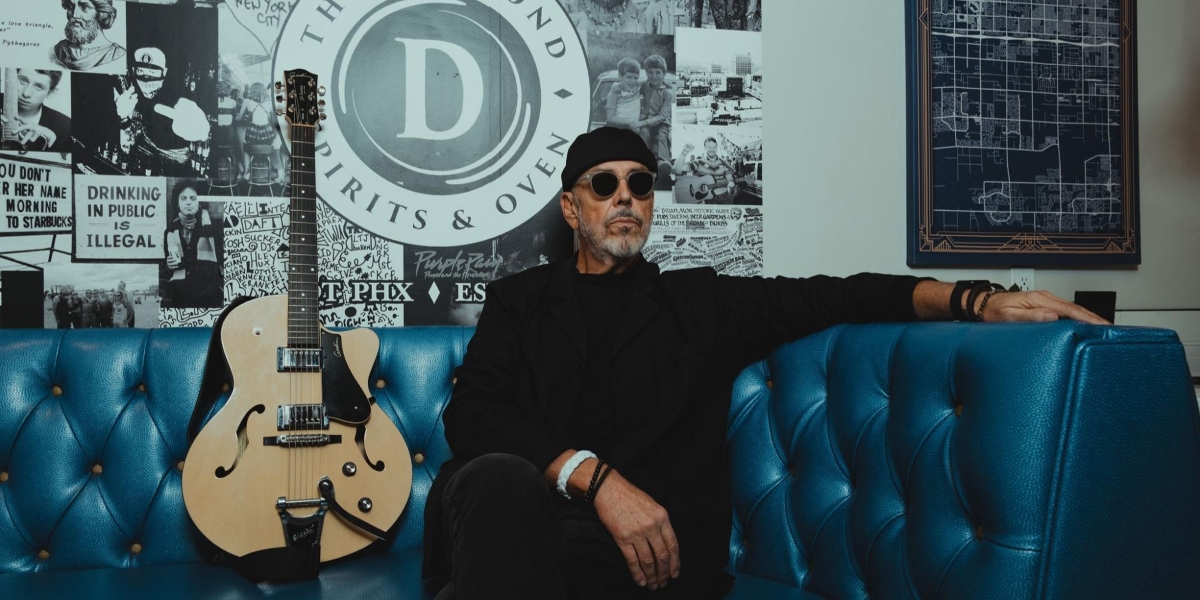
Independent filmmakers are often celebrated for their bold storytelling and willingness to take creative risks. But few have lived at the crossroads of so many artistic disciplines as Howard Goldberg. Known in the indie film world for his surreal and often humorous approach to storytelling, Goldberg has also spent decades shaping his voice through sculpture and music. The result is a career that refuses to be defined by a single medium, instead thriving on the interplay between them.

A Filmmaker With a Sculptor’s Eye

Goldberg first rose to prominence as a filmmaker in the 1970s with Apple Pie, a surreal comedy that won the attention of cinephiles and critics alike. Even in that early work, his visual style bore the influence of a sculptor’s perspective—bold compositions, unexpected juxtapositions, and an appreciation for physical space.

For Goldberg, sculpture is more than a side interest; it is a parallel language that informs how he frames every scene. His pieces often explore texture, qualities that echo in the dreamlike imagery of his films. To him, both mediums serve the same purpose: reshaping the way audiences see the world. Whether it’s a bronze form on a pedestal or a surreal sequence on screen, Goldberg’s goal is to invite people to look closer, think deeper, and question the familiar.

Music as a Narrative Tool

Music has also been central to Goldberg’s creative identity. A longtime musician, he has woven rhythm and melody into his filmmaking in ways that go beyond a typical soundtrack. In his projects, music often serves as a storytelling device, adding layers of emotional resonance or ironic contrast.

This integration of music and film reflects Goldberg’s belief that all art forms are interconnected. Just as sculpture gives weight and shape to space, music provides movement and atmosphere to narrative. In Jake Squared (2013), for example, the soundscape is as integral to the film’s surreal structure as the performances themselves. The overlapping voices, shifting tones, and musical cues all help to blur the lines between past, present, and imagined futures.

A Career Built on Cross-Pollination

Goldberg’s willingness to work across disciplines isn’t just a creative quirk—it’s the foundation of his entire career. Where many filmmakers draw solely from cinematic influences, Goldberg pulls from sculpture, music, literature, and even painting to inform his work. This multidisciplinary approach has given his films a richness that makes them stand out in the crowded world of independent cinema.

For him, the process of creation is less about separating media than about finding the points where they overlap. A sculpture might inspire a camera angle. A piece of music might shape a character’s rhythm of speech. A surreal image might echo the textures of clay or stone. These intersections allow Goldberg to push boundaries in ways that feel both organic and daring.

Living at the Margins of Mainstream

Operating in multiple creative fields has also meant living on the margins of mainstream recognition. Goldberg has never sought the Hollywood spotlight, preferring instead to cultivate smaller audiences who appreciate his eclectic vision. His work has played at festivals, circulated in art galleries, and resonated with niche communities that thrive on experimentation.

Yet this independence has also been a strength. Free from the pressures of formula-driven filmmaking, Goldberg has been able to stay true to his artistic instincts, even when they defy convention. That choice has made him a cult figure—someone admired not for fitting into categories but for breaking them apart.

The Human Element

Despite his experimental leanings, Goldberg’s art is always anchored by the human experience. His films, sculptures, and music all grapple with universal themes—identity, memory, love, regret, and the passage of time. Even when wrapped in surreal humor, these themes strike chords that anyone can recognize.

This balance between figure and relatability is perhaps Goldberg’s greatest strength. He can craft bizarre scenarios—a filmmaker haunted by versions of his younger self in Jake Squared, for instance—and still ground them in emotions that feel raw and real. His sculptures, too, often employ figurative forms to evoke familiar emotions, bridging the gap between concept and feeling.

Lessons for the Next Generation

Goldberg’s career offers a valuable lesson for younger artists navigating an increasingly fragmented creative landscape: you don’t have to choose just one medium. In an era where technology blurs boundaries between art forms, his multidisciplinary path feels more relevant than ever.

By refusing to be boxed in, Goldberg has demonstrated that innovation often occurs at the intersections—where film meets sculpture, where music meets narrative, and where humor meets surrealism. His work serves as a reminder that the richest artistic expressions often come from embracing complexity rather than simplifying it.

A Legacy of Experimentation

Today, Goldberg’s influence stretches beyond individual projects. His films remain touchstones for indie cinephiles, his sculptures continue to provoke thought, and his music adds yet another layer to a lifetime of creative output. Together, these pursuits form a body of work defined not by consistency of medium, but by consistency of vision: a belief in art’s power to challenge, to surprise, and to illuminate.

At a time when industries—from Hollywood to the art world—are wrestling with rapid change, Goldberg’s career stands as a model of resilience and adaptability. He has navigated those shifts not by chasing trends but by following his instincts, wherever they might lead.

The Road Ahead

Howard Goldberg is not done creating. Like many artists who thrive on curiosity, he continues to explore new projects and revisit old ones through fresh lenses. For him, the act of making art—whether behind a camera, with a piece of clay, or strumming a guitar—is both a calling and a necessity. He is excited to work on his upcoming project, a film adaptation of his Off-Broadway musical Buskers, for which he wrote the book music and lyrics.

In a culture that often celebrates specialization, Goldberg’s career is a powerful counterexample. He proves that a life lived across disciplines can produce work that is richer, bolder, and more enduring than the sum of its parts.

Can You Keep Certain Assets After Divorce in California

Divorce remains a difficult reality for many couples in the U.S. According to Freedom For All Americans, first marriages tend to last a median of 21 years. Second marriages typically last around 17 years. Third or later marriages often last approximately 13 years on average.

If you are in the state, the California divorce asset split makes dividing everything in half between the spouses. This includes properties and even debts acquired during the marriage. However, there may be exceptions that allow one spouse to retain certain assets after divorce. Exploring your options can help you make more informed decisions during this challenging process.

Understanding Community Property Laws in California

California is a community property state, which means that it’s essential to understand how community property laws work in the event of a divorce. According to California law, most assets acquired during the marriage are treated as community property, which typically results in an equal division between spouses.

This generally applies to income, property, and debts. Understanding this framework can help you navigate the divorce process with more clarity. It is helpful to gather all necessary paperwork and thoroughly review each asset you own.

Before filing for a divorce, you need to consult a divorce lawyer to ensure that your rights are protected, like Fairport divorce lawyer Jonathan C. Trotto. There are many important decisions you need to make, and a legal counsel can guide you through them.

Identifying Separate Property vs. Community Property

During the divorce process, you’ll likely come across the terms “separate property” and “community property.” Understanding these terms can help you determine which assets need to be divided and which may not be subject to division.

Separate property refers to assets that were acquired before the marriage. It can also include gifts or inheritances received by one spouse during the marriage.

On the other hand, community property refers to assets that are owned jointly by both spouses. This generally includes everything acquired during the marriage, regardless of whose name is on the title. These are assets that may be divided during the divorce process.

Understanding these distinctions can help in securing a fair divorce settlement and provide clarity during what can be a difficult time. It’s useful to have documentation, such as titles, bank statements, and receipts, to support your claims.

By being thorough and patient, you can feel more confident in securing your rightful share and in finding peace through the resolution of this difficult time.

The Role of Prenuptial and Postnuptial Agreements

No one can predict the future, and preparing for various scenarios, such as divorce, may be helpful. Having a prenuptial or postnuptial agreement in place can be beneficial if divorce ever becomes a possibility. These agreements typically outline how assets will be divided and managed, which can lead to greater clarity between both parties.

If you have accumulated significant wealth or possess family heirlooms, a prenup or postnup might help preserve these assets and reduce potential disputes. These agreements can serve as a safeguard and help reduce concerns about future financial disagreements.

Having an open discussion about these agreements may even strengthen the relationship and create a foundation of trust that could benefit both partners.

Strategies for Retaining Assets After Divorce

Even in the event of divorce, there are potential strategies to help retain assets. Documenting your possessions, such as receipts and appraisals, can be helpful in proving ownership.

It also helps to pursue a resolution that benefits both parties. Having a candid and transparent discussion with your partner can help reach a fair agreement. If you have a prenuptial or postnuptial agreement, it could be useful during these conversations.

It is also recommended to work with an attorney who understands California’s laws. A skilled attorney can provide guidance and help you navigate the legal aspects, helping to protect your interests throughout the process. Planning your finances wisely during a divorce can assist in securing a positive future outcome.

This transition, although challenging, can be made smoother with careful consideration and preparation.

Dealing with the Division of Debts and Liabilities

While focusing on retaining assets is important, it’s also essential to address the division of debts and liabilities during divorce. In California, debts incurred during marriage are generally treated as community property, which means both spouses are typically responsible for them, even if one spouse was not directly involved in taking on the debt.

It’s important to gather all relevant financial documents, such as credit card records and loan contracts, to understand the extent of the liabilities.

If an agreement cannot be reached between the spouses, the judge will consider various factors, including the financial circumstances of both parties, before making a decision.

Taking the time to evaluate your options and reflecting on the choices available can help you arrive at a resolution that brings peace of mind and offers a sense of stability for the future.


Disclaimer: The information provided in this article is for general informational purposes only and is not intended as legal advice. The laws surrounding divorce and asset division may vary depending on individual circumstances and legal jurisdictions. For specific legal advice regarding your situation, it is recommended that you consult a qualified attorney who can offer guidance tailored to your needs.

Will Your Money Outlive You? A Data-Driven Guide to Sustainable Retirement Planning with Omni Calculator

Most people worry about the wrong retirement question. Instead of asking how big my corpus should be, the more urgent question is, will my money last as long as I do? That depends on life expectancy, investment returns, inflation, and how quickly you withdraw cash.

This article uses recent government data to show how long retirements now last, why many households are unprepared, and how you can stress-test your own plan.

How Long Are We Retired For, Really

According to the latest US state life tables, a 65-year-old today can expect to live, on average, 16 to 21 more years depending on the state. Many will therefore need income into their eighties and nineties. OECD data show similar patterns across other high-income countries, where life expectancy at 65 often exceeds 20 additional years.

A “typical” retirement is no longer 10 or 15 years. If you retire in your early sixties and live into your late eighties, you are planning for a 25- to 30-year horizon. With continuing medical improvements, it may be even longer.

How Prepared Are Households

Official US surveys show uneven readiness. The Congressional Research Service, using Federal Reserve data from the 2022 Survey of Consumer Finances, reports that only 54.3 percent of households had any retirement account assets. Even among families participating in workplace plans, balances vary widely, and fewer than 10 percent of households in any age group hold more than one million dollars.

A recent Pew Research Center survey of nearly 9,000 adults found that only about a quarter of Americans feel confident their retirement savings will be sufficient. Confidence is notably lower among lower-income groups and many women, Black, and Hispanic adults.

Social Security, the backbone of retirement income for millions, also faces long-term pressure. Retirement beneficiaries will receive a cost-of-living adjustment in 2026, but the trust fund is currently projected to pay reduced benefits after 2034 without policy changes.

Many households will therefore enter long retirements with limited savings and uncertainty around future benefits. This underscores the importance of sustainable withdrawal planning.

What Retirees Actually Spend

To judge whether your money will last, you need a realistic view of expenses.

The US Bureau of Labor Statistics’ Consumer Expenditure Survey shows that while spending patterns shift after retirement, expenses remain substantial. Housing and health care take a growing share among people aged 65 and above.

Earlier Social Security research found that households aged 55 to 64 spent roughly 80 percent more annually than those 75 and older, but even older households continue to face significant costs for food, housing, and medical care.

For planning purposes, many experts suggest replacing 70 to 80 percent of pre-retirement income. For most people, this still means tens of thousands of dollars a year, often for two or three decades.

Why Growth and Withdrawals Must Work Together

Retirement success depends on two linked factors:

  1. How fast your money grows before and during retirement
  2. How fast you withdraw it once retired

The growth side is captured by your portfolio’s compound annual growth rate, or CAGR. During your working years, it shows how contributions and investment returns build your nest egg. During retirement, your effective CAGR—after inflation and fees—determines how much your portfolio can support.

The withdrawal side is governed by spending. The well-known “4 percent rule”, based on historical US market data, suggested withdrawing 4 percent of your initial portfolio in the first year and adjusting each year for inflation. However, newer research questions the safety of this rule in an era of longer lifespans, lower interest rates, and volatile markets.

Rather than relying on a single number, it is more robust to simulate various withdrawal rates, inflation paths, and market outcomes. A retirement withdrawal calculator allows you to model how long your money lasts under different scenarios.

Turning the Numbers Into a Personal Plan

A data-driven retirement plan can follow a simple sequence:

1. Map Your Time Horizon

Estimate your likely retirement age and use a conservative life expectancy. Many 65-year-olds today will live into their late eighties or nineties.

2. Estimate Realistic Growth

Use cautious real CAGR assumptions. Historical averages for balanced portfolios may suggest nominal returns of 5–7 percent, but testing lower values helps account for uncertainty.

3. Project Your Retirement Corpus

Use a CAGR calculator to estimate your future portfolio value and see how contributions or returns affect it.

4. Model Sustainable Withdrawals

Use a withdrawal calculator to test different withdrawal rates, inflation assumptions, and time horizons. Run optimistic, base-case, and stress-case versions.

5. Compare Income and Expenses

Use official expenditure data as a baseline, then build your own retirement budget. Check whether sustainable withdrawals cover essential costs when combined with public pension income.

6. Add Buffers and Flexibility

Plan for lower returns, longer life expectancy, or a lower initial withdrawal rate—perhaps 3 to 3.5 percent. Be ready to adjust spending during poor market years.

Practical Levers If the Numbers Fall Short

If projections suggest your money may not last, several adjustments can strengthen the plan:

  • Increase savings rates before retirement
  • Work a few years longer or shift to part-time work
  • Delay claiming public pensions to raise future benefits
  • Pay down high-interest debt
  • Reduce housing costs or downsize
  • Consider partial annuitisation to secure a lifelong income for core expenses

Retirement is not a fixed event, but a long phase that requires active management and periodic recalibration.

Bringing It Together

Government data make one point clear: retirements are getting longer while preparedness remains uneven. Many households face risks related to longevity, inflation, and uncertainty surrounding future public benefits. You cannot control markets or policy decisions, but you can control how precisely you understand your own numbers.

Treat your retirement plan as a living model. Use official data as guardrails, then regularly stress-test your assumptions on growth and withdrawals. With periodic updates and realistic expectations, the question “Will my money outlive me?” becomes far less daunting and far more manageable.

Disclaimer: This content is for informational purposes only and is not intended as financial advice, nor does it replace professional financial advice, investment advice, or any other type of advice. You should seek the advice of a qualified financial advisor or other professional before making any financial decisions.

Venezuelan Starlet Valentina Avila Makes Directorial and Producing Debut in NYC with Timely and Audacious Production, The Wish

NEW YORK, NY – The New York theatrical landscape is about to receive an injection of fresh energy and talent with the directorial and producing debut of Venezuelan artist Valentina Avila, a multifaceted creative who is redefining the role of the modern theatre-maker. Freshly graduated from the prestigious Stella Adler Acting Studio and holding a BFA in Acting and Directing from Central Michigan University, Avila introduces herself to the New York audience with *The Wish*, a collection of scenes that harnesses live theatre as a transformative force in the face of recent sociopolitical shifts.

Valentina is not just an accomplished actress with credits including Ophelia (*Hamlet*) and Mrs. Soames (*Our Town*), but a technical and academic powerhouse. Her extensive background encompasses experience in lighting design, sound design, and stage management, complemented by prestigious accolades such as “The Bettisworth Endowed Scholarship in Directing” and an Irene Ryan Award nomination for acting.

Avila is the epitome of the complete artist: a creative force with deep academic roots and a bold vision for the future of theatre. Her ability to pivot from interpreting iconic roles to leading the technical and artistic vision of a production is what establishes her as a truly exceptional talent. Avila’s versatility shines through her seamless transition from performer to director, demonstrating a rare depth of artistic insight. Her commitment to pushing boundaries and amplifying underrepresented voices in theatre sets her apart as a trailblazer in the industry.

The Wish: A Punk Reflection on Crisis and Community

*The Wish* marks the launch of Fruit Fly Theatre Company, a new company co-founded by Ávila alongside fellow Stella Adler alumnae, Valentine Alvarado and Naomi Orange. Rooted in the “collaboration and stage art” punk ideology, Fruit Fly Theatre is dedicated to creating a safe space for telling the stories of underrepresented voices and using theatre to address “modern struggles, both global and domestic.”

The Wish delves into the emotional and psychological toll that political upheaval and societal shifts have on individuals and communities, offering a raw, honest portrayal of personal and collective resilience. Through its unique blend of art forms, the play weaves together poignant stories of struggle, hope, and empowerment, while challenging traditional notions of theatre. The incorporation of elements like dance and poetry adds a dynamic layer, making it an immersive experience that resonates deeply with contemporary audiences.

PERFORMANCE DETAILS

  • Play: The Wish
  • Dates: November 15 and 16, 2025
  • Venue: Pluto’s Loft, Manhattan, New York
  • Company: Fruit Fly Theatre Company (Debut)
  • Team: An international cast of 11 and a production team of 15, led by Valentina Avila (Director/Producer), Naomi Orange (Assistant Director/Actor/Producer), and Valentine Alvarado (Actor/Producer).

*The Wish* is not just a debut for Ávila and her company; it is a statement of intent. It is a call to action and community, demonstrating that live theatre remains a powerful tool for change and self-expression in times of uncertainty. Through The Wish, Ávila challenges the status quo, encouraging audiences to confront the complexities of the modern world with a fresh perspective. The production serves as a bold reminder that theatre, at its best, holds the power to spark conversation, foster empathy, and ignite social change.

Key Highlights on Valentina Avila

  • Comprehensive Artist: Mastery in acting, directing, lighting, and sound design.
  • Elite Training: Graduate of Stella Adler Acting Studio (NY) and Central Michigan University (BFA in Acting and Directing).
  • Audacious Leadership: NYC directorial and producing debut, heading her own theatrical company, Fruit Fly Theatre Company, with a “punk” and inclusive philosophy.
  • Academic Recognition: Multiple awards, including a Directing scholarship and an Irene Ryan award nomination for acting.

Music as a Bridge: Darryl Scotti’s Big Yard Fosters Healing and Unity

By: Ethan Lee

Darryl Scotti has spent more than five decades in music. Many know him as the former guitarist for Columbia Recording Artists Spiral Starecase, the group behind the hit “More Today Than Yesterday.” His newest project, Darryl Scotti & Big Yard, charts a different course.

This group, which features Larry Antonino, the bassist for Pablo Cruise, and pop artist Joey Gutos, focuses on purpose over popularity. Their sound is rooted in Americana, blending heartland storytelling and soul. The music carries a clear message: unity may be more likely to overcome division. The group believes music can help families and communities find ways to talk, heal, and rebuild together.

Listen on Spotify. Watch on YouTube.

Beyond Fame: Music with a Mission

For Darryl Scotti, success was never just about the stage lights. After decades of performing, producing, and writing, he came to see music’s potential power. He observed its ability to connect people, regardless of their age, background, or beliefs.

Big Yard is built on that principle. The name itself suggests a welcoming, communal space. Scotti’s songs are not meant as an escape from life, but as a mirror that reflects it.

“We’re not just writing songs; we’re building bridges through music,” Scotti says.

The goal is to open up dialogue. Scotti hopes these conversations can happen not just online, but also around kitchen tables and in community gatherings. This approach could be where real healing begins. The band’s videos use multimedia, which helps capture the essence of the stories he tells.

Music as a Bridge: Darryl Scotti’s Big Yard Fosters Healing and Unity

Photo Courtesy: Neil Schwartz

Songs That Start Conversations

Each Big Yard release contributes to that conversation. The songs are tools designed to make you think and feel.

  • Weight of the World: This song takes a compassionate look at the silent struggles people carry. It addresses mental health directly. It is a reminder to check on your loved ones, to ask how they are, and to listen to the answer. The song encourages you to talk openly about mental and emotional stress, opening a space for support.
  • Better Day: This track offers a sense of shared hope. Life presents many hardships. This song reminds listeners that even the smallest act of kindness can spark ripples of change. It is a message that persistence and community support can make a difference. It helps people feel less alone in their challenges.
  • Coming Home: This song speaks to the universal themes of belonging and redemption. It invites listeners to return to what truly matters. For many, that means faith, family, and connection. It is about finding your way back to your foundations and the people who support you.

These songs are not written for fame. They are written for the people who need to hear that they are not alone. In a world often focused on filtered perfection, Big Yard’s music is authentic. It provides a space to feel, to listen, and to speak honestly.

Unity Over Division

Our world often feels divided. People are separated by politics, social issues, and sometimes even within their own families. Scotti believes music has the potential to be the common ground. He believes it could change the world by changing one person at a time.

Through Big Yard, he challenges the narrative of separation. “When people hear these songs, I want them to feel less alone and more understood,” he says.

The project encourages empathy over ego. It promotes unity over outrage and purpose over performance. The Americana roots of the music are reminiscent of the storytelling of artists like Springsteen, Mellencamp, Isbell, and Stapleton. Yet, its heart beats to a collective rhythm. It asks a simple, powerful question: What can we build together instead of what can we break apart?

Using Social Media for Awareness

In an era where social platforms often reward vanity, Scotti and Big Yard use them as tools for awareness. Their online presence is not about chasing algorithms or applause.

Instead, their platforms amplify real stories. You will find posts about mental health, family resilience, and community connection. Each post, performance, and lyric seeks to spark reflection, not just a passing reaction.

The band’s following is not built on fame; it is built on shared humanity. Their digital footprint becomes an open invitation for you to talk, to care, and to bridge divides, one conversation at a time.

The Family Conversation

At the heart of Big Yard’s mission is a simple idea: change can begin at home.

The music encourages families to talk about what matters. It opens the door to discuss difficult subjects like stress, loss, faith, and hope. By bringing these emotions into the light, Scotti hopes to help people reconnect. He wants to see parents connect with children, friends with friends, and communities with their own sense of belonging.

“Big Yard is more than a band; it’s a place for healing, hope, and honest conversation,” Scotti says.

In this way, the songs are not just melodies. They are catalysts for late-night talks, for reconciliations, and for quiet moments of understanding. These moments could help strengthen the ties that people too often take for granted.

Making a Difference

After five decades in music, Darryl Scotti could have rested on his legacy. Instead, he is using it as a platform for a purpose.

Big Yard stands as proof that art still has the power to move the needle toward compassion. It can remind us of who we are when the world tries to pull us apart. Their message is clear: we all have the power to make a difference. You can do it through music, through dialogue, or through daily acts of kindness. Unity can begin when we choose to care.

Through songs like “Weight of the World,” “Better Day,” and “Coming Home,” Darryl Scotti & Big Yard remind us that social media can do more than sell an image. It can start a movement. And that is how the world might begin to heal: one story, one post, and one song at a time.

Follow Darryl Scotti & Big Yard across the internet through LinkTree.

NYC Restaurateur Warns That New Policies Could Hurt Growth

Running a restaurant in New York City has never been easy. High rents, strict regulations, and intense competition make it one of the most challenging markets in the country. Now, some owners say new policy proposals could make the landscape even harder to navigate.

Stratis Morfogen, a well-known NYC restaurateur, has been one of the most vocal critics. He argues that a proposed $30 minimum wage could push many small establishments beyond their financial limit. From his perspective, when labor costs rise faster than profit margins, restaurants are forced into painful choices: cutting staff, raising prices, or shutting down entirely.

For many New Yorkers, the idea of higher wages feels justified. Living costs are steep, and wages rarely stretch as far as they should. But owners counter that restaurants operate on razor-thin margins. Sudden changes, they say, disrupt the balance between fair pay and economic survival. To them, the issue isn’t about opposing worker wages — it’s about how to achieve higher pay without forcing closures across the city.

This tension sits at the core of the debate: how to protect workers while keeping neighborhood restaurants alive.


Plans Put on Hold Amid Uncertainty

Morfogen recently drew attention when he canceled three planned restaurant openings in New York. He explained that he delayed signing leases until after the mayoral election — and ultimately decided not to move forward once the political landscape shifted.

Instead of expanding in New York, he opened a 400-seat Brooklyn Chop House in Miami, complete with a rooftop lounge inside a hotel known for high tourism traffic. His choice reflects a growing trend among entrepreneurs who see cities like Miami as more cost-effective and more predictable for business planning.

For New York neighborhoods, this raises concerns. Restaurants are more than places to eat — they’re anchors for foot traffic, employment, and cultural identity. When expansion plans shift elsewhere, the loss affects more than just commercial real estate. It touches jobs, community character, and economic momentum.


The Political Moment Behind the Debate

The election of Zohran Mamdani has added fuel to the conversation. At 34, he will be the youngest mayor in more than a century and the first Muslim, South Asian, and African-born leader of New York City. He campaigned on a Democratic socialist platform that prioritizes worker protections, wage increases, and new labor standards.

Supporters view these reforms as overdue — a chance to make the city more equitable for the workers who keep it running. Critics, including some in the restaurant industry, worry the policies may discourage investment or push small businesses to relocate.

Some restaurant owners say the proposals create uncertainty. They fear that stricter labor rules, paired with high costs and ongoing economic pressures, could choke off the city’s ability to support independent restaurants. While these concerns aren’t new, they feel sharper in a city where dining culture is a defining feature.


What It Means for Workers, Owners, and Customers

For workers, the idea of a higher wage can be a source of hope, offering the possibility of easing the pressure of rent, bills, and daily necessities. But owners warn that if businesses close, the number of available jobs may shrink. The challenge is ensuring gains in wages don’t come at the cost of overall employment.

Customers may also feel the impact. Higher labor costs often translate into higher menu prices, which could make dining out less accessible — especially for families or younger diners. If too many restaurants raise prices at once, customers may simply go out less often.

This doesn’t mean the city can’t find common ground. Many economists suggest phased wage increases, tax incentives for small businesses, or targeted support programs that help restaurants adapt while still allowing workers to benefit. In other words, it’s not about choosing workers over owners — it’s about finding a pace that keeps both afloat.


What Comes Next for New York’s Food Scene

Morfogen’s decision to expand in Miami is just one example of how policy signals shape business choices. It shows how entrepreneurs assess costs, evaluate long-term risks, and adjust their strategies accordingly.

But New York’s restaurant industry has always been resilient. Some owners will leave, others will adjust, and new restaurateurs will enter the scene with fresh ideas. The city’s dining culture is constantly reinventing itself.

The key is balance — acknowledging the needs of workers while recognizing the realities of operating a small business in one of the most expensive cities in the world. These debates are part of how cities evolve. Rather than a crisis, they reflect a moment of transition.

For New Yorkers, the conversation matters because restaurants are part of daily life and community identity. How the city moves forward will help determine what the next decade of dining in New York will look like — not just in menus and concepts, but in who gets to build and sustain them.