Interview: Natasha Mikha on Her Journey From Moscow’s Legendary Stages to Hollywood Creativity

By: Jaxon Lee 

Los Angeles, CA — Classically trained pianist-turned-actress Natasha Mikha has developed a career marked by transformation, emotional depth, and international appeal. From performing at Moscow’s historic Lenkom Theatre to launching her own production company in Los Angeles, her path blends tradition with innovation — and art with courage.

Q: Natasha, your artistic story began with music. How did it all start?

I began studying piano at age seven and continued until I was seventeen at a professional music school in Saint Petersburg. My mother dreamed I would become a pianist, and for ten years, I lived surrounded by Rachmaninov and Bach. But life had a different plan.

My mother’s friend, a professional singer, once suggested that I audition for a theatre institute. At that time, I had no idea what acting really was. I was working as a model to earn extra money and thought acting was something similar. He warned me that I had only two months to prepare — while most students trained for years — and that I probably wouldn’t pass, but it would be an interesting experience. He was preparing his daughter for the same exams for a year, yet I was the one who passed. That moment changed everything.

Q: You left music and modeling to pursue acting — what was that transition like?

It was a leap of faith. I gave up my musical studies, modeling, and even an invitation to Milan to study acting full-time. I trained for four years in a conservatory program based on the Stanislavsky method, which became the foundation of my craft.

Those years were incredibly intense — we practically lived at the Theatre Institute. It was a world of endless rehearsals, voice lessons, and movement classes. I was almost ready to quit at the beginning; it felt overwhelming both physically and emotionally. But my favorite acting teachers, Professor Aleksander Kunitsyn and Galina Barysheva, believed in me when I doubted myself. Their guidance and faith helped me stay, grow, and discover my true artistic voice — and I will always be deeply grateful to them. Those years were among the happiest of my life.

While still at university, I already knew I wanted to work at my two favorite theatres — Roman Viktyuk Theatre and Lenkom Theatre — and after graduation, I was invited to both. I began at the Roman Viktyuk Theatre as the lead actress in My Wife’s Name Is Morris after just ten days of rehearsals. Working with Roman Viktyuk, one of the most visionary Russian directors, was extraordinary. Then came Lenkom Theatre and One Flew Over the Cuckoo’s Nest (Eclipse), which later won the Golden Mask People’s Choice Award.

Q: You also started working in film around that time. What were those first experiences like?

One of my first films was Nero Wolfe and Archie Goodwin, a television feature directed by the iconic Evgeniy Tatarskiy. I worked alongside celebrated Russian actors Sergey Zhigunov and Donatas Banionis, and it was an unforgettable learning experience.

Interview: Natasha Mikha on Her Journey From Moscow’s Legendary Stages to Hollywood Creativity


Photo Courtesy: Natasha Mikha

Soon after, I collaborated with another legendary director, Vladimir Bortko, on The Idiot, one of Russia’s most famous television series, watched by nearly 40 million viewers. I also appeared in The Master and Margarita. Both productions received the Golden Eagle Award, Russia’s national television award — an analogue of the American Golden Globe — honoring excellence in film and television.

Q: What inspired your move to Los Angeles?

I always dreamed of exploring international cinema and connecting with artists from around the world. For a while, I divided my time between performing at Lenkom Theatre in Moscow and studying at the New York Film Academy. I remember flying to Moscow and going straight from the airport to the theatre for a performance. It was exciting but exhausting — and finally, I had to make a choice. I decided to move to Los Angeles and begin a new creative chapter in my life.


Q: What was your first artistic step after arriving in Los Angeles?

When I moved to L.A., I missed the energy of live performance. I started writing again and soon created a comedy monologue based on my real-life stories. I auditioned at The Comedy Château, and to my surprise, I was performing on stage that same night! That’s how my comedy journey began — completely spontaneous and full of adrenaline.

The monologue later inspired me to write my first short film script and to establish my own production company, Natasha Mikha Entertainment, so I could bring my original ideas to life.

Q: Tell us about your company’s mission and creative focus.

At Natasha Mikha Entertainment, our mission is to turn imagination into reality.

We believe in the power of bold, beautiful, sometimes impossible-seeming dreams — and we bring them to life through storytelling that is fearless, emotionally honest, and deeply compassionate. Our goal is not only to entertain but also to make people think and reflect. Through the creative, transformative power of art, we strive to reconnect people — to themselves, to one another, and to the world — in a time when disconnection feels too easy.

Q: You’re also developing a solo musical performance about Marilyn Monroe. Can you share more about it?

It is a theatre project produced by my company, Natasha Mikha Entertainment. For a while, I had a strong feeling to create a show about her — I don’t even know how to explain it. It’s almost mystical, but I just knew I had to create a piece where we could see another Marilyn — vulnerable, touching, sophisticated, with a deep soul, desperately wanting acceptance as an actress and a human being.

The world premiere will take place on November 15 at the Santa Monica Playhouse during the BFF Theatre Festival.After the premiere, I plan to tour the production across U.S. cities and internationally, sharing this deeply emotional and artistic project with audiences around the world.


Q: You’re also producing your first short film. What can you tell us about that project?

Another project currently being developed under my company is my first short film, Natasha from Russia. I wrote it myself — which still sounds a little strange, considering I had never written anything before moving to L.A. I think it’s because Los Angeles is such a creative city; it truly inspired me.

The music for the film I also composed and recorded — including my original song My Love Will Come to Me. In this short film, I appear as the lead actress, exploring cross-cultural identity and resilience through a story that blends humor, drama, and self-reflection.

The shooting is scheduled for January, followed by submissions to major U.S. and international short film festivals, including those in Los Angeles and New York. These platforms will introduce Natasha from Russia and Natasha Mikha Entertainment to a broader professional audience.

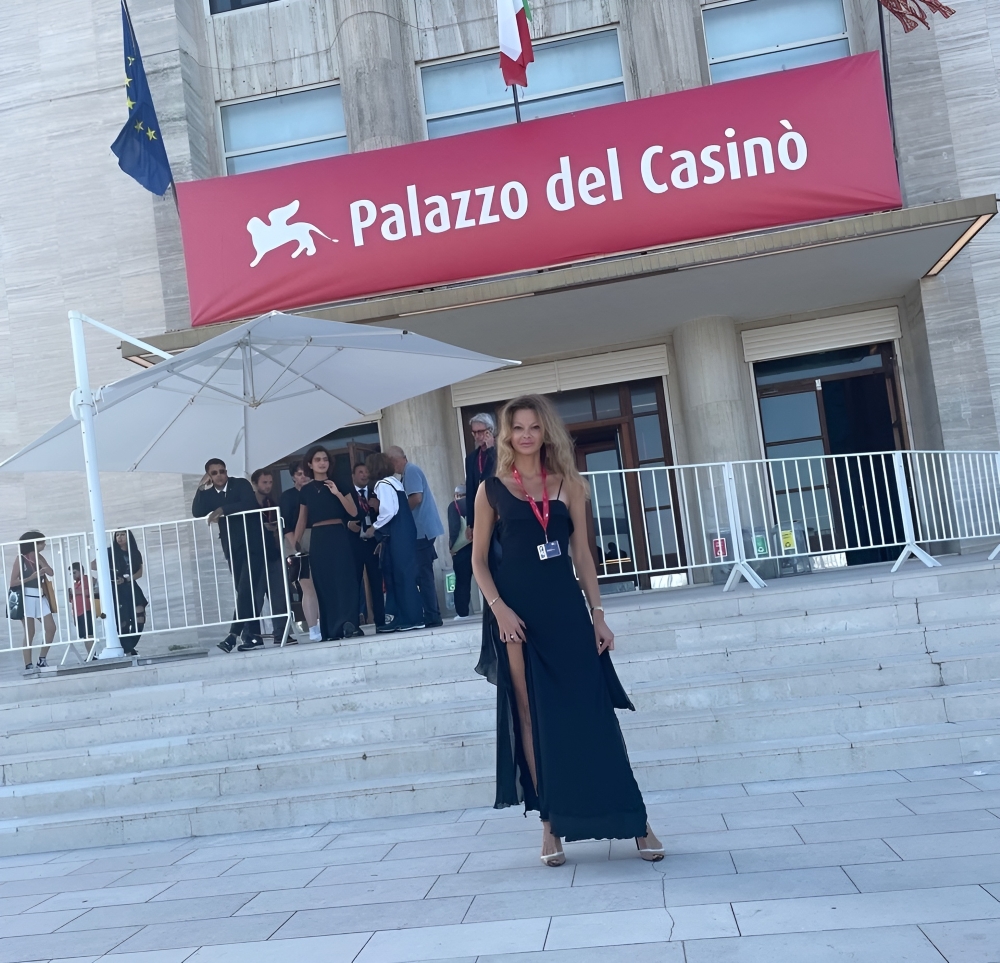
Q: You attended the Venice Film Festival last year as an industry professional. What did that experience mean to you?

It was an unforgettable experience. Being part of the Venice Film Festival gave me valuable insights into international cinema and the latest trends in storytelling. It was inspiring to see how global film culture evolves and to connect with filmmakers from all over the world.

Ideally, I want to create international co-productions, combining the creative depth of European storytelling with the energy and innovation of American cinema. My goal is to produce projects that bridge cultures and bring together audiences across borders.

Q: What continues to inspire you as an artist today?

Transformation and truth. My journey — from playing piano in Saint Petersburg to acting on Russia’s biggest stages and now creating in Los Angeles — taught me that art has no borders. Every story, every role, is a way to explore humanity and connect hearts.

“Everything I do — whether acting, writing, or singing — comes from a deep love of storytelling,” Natasha says. “Art isn’t about fame or categories; it’s about emotion — the empathy and honesty that make us human. We don’t just create stories — we create possibilities.”

From Moscow’s grand stages to Los Angeles’ creative frontier, Natasha continues to redefine what it means to be an artist unafraid of change. Her journey reflects a rare blend of discipline and vulnerability, tradition and innovation — a testament to the belief that true art transcends borders and expectations. With her upcoming projects on stage and screen, Natasha stands as a vivid example of how courage and imagination can transform not only a career but also the way we see the world.


Dr. April Willis and the Rise of the National Nonprofit Collaborative: Building a Smarter Future for Changemakers

Every successful movement starts with a fearless leader with an idea. Dr. April Willis, founder of April Willis Consulting and the National Nonprofit Collaborative (NNC), knew what that idea would be for her: help nonprofits do more good with less stress.

Dr. Willis provides the guidance, tools, and education that help organizations succeed. She is a professional speaker, author, and consultant, and has years of leadership experience in education and nonprofit strategy. 

She saw firsthand how brilliant nonprofit leaders struggle with administrative tasks that distract from their mission. That’s why she created the Collaborative: to remove barriers and help leaders focus on their impact.

The National Nonprofit Collaborative was founded in January 2025. It is a subscription-based platform where nonprofit professionals can access everything they need to operate efficiently. These resources include templates, training materials, and more, all for an affordable monthly fee.

What Makes the National Nonprofit Collaborative So Special

Dr. Willis designed the NNC to fill a major gap in the nonprofit world: accessible operational support. Many nonprofits can’t afford private consulting or full-time staff for tasks like grant writing, HR management, or strategic planning. The NNC gives them the tools to handle these challenges.

For just $9 a month, members gain access to an expanding library of templates, guides, and tools developed by experienced nonprofit leaders. These resources are updated every month. This ensures members always have new and relevant material to support their goals.

Features of the NNC:

  • Practical Resources: Downloadable templates, guidebooks, and strategic planning tools made for immediate use.
  • Learning Opportunities: Webinars by experienced consultants and industry professionals covering leadership, fundraising, and operations.
  • Community Contribution: Members can publish articles, share strategies, and connect with peers in the sector.
  • Continuous Support: Monthly updates add new resources, keeping the library current and dynamic.
  • Social Impact: A portion of proceeds is donated back to member nonprofits throughout the year. 

April Willis Consulting: From Vision to Action

Before launching the NNC, Dr. Willis built April Willis Consulting (AWC). It is a trusted name in strategic business and nonprofit consulting. Based in North Texas and serving clients nationwide, AWC has worked with educational institutions, start-ups, nonprofits, and corporate organizations to turn big ideas into success stories.

Her mission is to empower every client to achieve professional excellence. Through personalized consulting, AWC supports businesses and nonprofits in reaching their goals through actionable strategy and measurable results.

Services Offered by AWC:

  • Business and Nonprofit Consulting: Strategic planning, operations optimization, and growth strategy.
  • Professional Coaching: Leadership, academic, and career coaching to enhance performance.
  • Public Speaking: Keynotes, workshops, and training sessions focused on goal achievement and organizational leadership. 

Dr. Willis does everything with integrity, service, excellence, and joy. She listens to the client’s story, understands their challenges, and creates a plan that works.

How Dr. Willis is Changing the Nonprofit Sector

The nonprofit sector is constrained by limited resources. Dr. Willis understands this tension. Through both AWC and the NNC, she’s changing the way leaders access support and develop sustainable structures.

AWC provides high-level consulting for growing organizations, while the NNC offers affordable access to professional-grade tools for those just getting started. Together, they create a system of resources for the support of the modern changemaker.

Her work focuses on:

  • Empowering leaders through education and mentorship.
  • Reducing barriers to professional resources.
  • Encouraging collaboration across the nonprofit community.
  • Giving back through shared proceeds and scholarships. 

Dr. Willis also established The Willis Scholarship, which awards financial aid to students. She clearly values education and empowerment, and this shows in everything she does.

Conclusion

Dr. April Willis is a catalyst for smart and sustainable impact. Through April Willis Consulting and the National Nonprofit Collaborative, she is helping organizations move from surviving to thriving.

Her belief that “there is no limit to your talent” is reflected in her work. This reminds every client and nonprofit leader that with the right tools and guidance, their potential is infinite. That untapped potential requires a system that allows it to blossom without the burnout of other minor tasks taking over.

Are you looking to strengthen your organization, scale your impact, or simply find clarity in your next step? Dr. Willis offers a clear path forward.

Feather Flags That Flirt with the Wind and Steal Attention

They move, they shimmer, they capture attention in ways that static signs may not be able to. Feather flags transform ordinary spaces into visually dynamic advertising that can catch your eye from a distance. A stationary sign might blend into the environment after you’ve seen it once. A feather flag, on the other hand, tends to continue to grab your attention every time you pass because motion is inherently noticeable. That movement advantage makes feather flags one of the more effective outdoor advertising tools available, yet many campaigns don’t fully take advantage of them.

Humans are neurologically wired to notice movement. It’s an ancient survival instinct that still plays a significant role in how our brains process visual information. A flag moving in the breeze tends to be recognized as important, even when your conscious mind is focused on something else. You might overlook a static sign, but you could notice movement in your peripheral vision without trying. That automatic attention-grabbing quality makes feather flags potentially more effective compared to their cost and effort investment.

The problem most campaigns face is underestimating how much of a difference a movement can make in capturing voter attention. Static yard signs may fade into background noise after a few exposures. Feather flags are more likely to remain visible and interesting because the motion is always slightly different, always a bit fresh. Using feather flags strategically could give you a competitive advantage.

The Movement Advantage

Motion catches eyes instinctively because human vision is calibrated to detect movement as potentially important. A stationary sign is environmental. A moving flag is an event happening in real-time. Even when you’re not looking directly at it, peripheral motion could register as worthy of attention. That neurological response means feather flags may reach people who’ve become less responsive to static signage. Voters who might not notice another yard sign are more likely to notice a feather flag moving in the breeze.

The movement advantage tends to compound across multiple exposures. Someone driving past the same intersection repeatedly may stop noticing a static sign. They’ve processed it, categorized it, and filed it away. That same person might continue noticing a feather flag because the motion is always slightly different. Wind speed varies, angle changes, the flag sometimes moves more vigorously, and sometimes moves gently. That variability means the visual input isn’t exactly repetitive, even though it’s fundamentally the same flag in the same location.

This attention-sustaining quality of movement makes feather flags particularly helpful during low-attention campaign periods when people aren’t actively thinking about elections. A static sign during early campaign stages might reach a few people because attention is low. A feather flag has a better chance of reaching more people during the same period because it cuts through low attention with motion. That efficiency advantage can be particularly valuable early in campaigns when maximizing awareness with limited voter attention is crucial.

Design That Pops in the Breeze

Vertical color flow means arranging colors from top to bottom so the movement emphasizes the color transitions. Stripes oriented vertically may create a stronger visual movement effect than horizontal stripes because vertical motion tends to amplify perceived motion. Colors should contrast strongly so motion creates noticeable visual shifts. A flag with subtle color variation may not be as effective as one with dramatic color contrast that moves visibly with the wind. The way colors flow vertically through the flag is a key factor in determining how visually impactful motion actually is.

Brand contrast matters because your candidate or organization needs to stand out against the background environment. Feather flags visible against the sky may read differently from feather flags visible against trees or buildings. Choose colors that contrast with the typical environment where your flag will fly. This might mean high-contrast combinations that look bold and slightly unconventional in static contexts but could read clearly from a distance and in motion. Test how flags look from typical viewing distances to understand what works in real-world scenarios rather than assuming what works in person translates to visibility from moving vehicles.

Typography on feather flags should be large and bold because readable text at a distance in a moving flag is harder than readable text on a static sign. Large letters, high contrast between text and background, and generous spacing help ensure your message stays legible even when the flag is moving. Avoid intricate designs or small text that might read clearly on static signs but could become a blur on a moving flag. The motion that makes feather flags attention-grabbing also makes fine details impossible to read, so design for legibility first and aesthetics second.

Placement Tips for Maximum Visibility

Wind direction determines flag visibility because flags only move when the wind hits them. A flag placed in a location where wind is blocked by buildings or trees might not move effectively. Position flags where prevailing wind patterns hit them directly. That usually means open areas, high-traffic corridors, and locations not sheltered by structures. Understanding local wind patterns for your campaign season is key to placing flags where they’ll actually move and grab attention rather than hanging limp and ineffective.

Entryways to high-traffic locations are prime real estate for feather flags. Parking lot entrances, shopping center entries, transit stations, and community gathering points concentrate foot and vehicle traffic exactly where flags will be visible. Flags at entry points grab attention as people arrive rather than as they’re leaving, creating awareness during arrival moments when attention is slightly elevated. High-traffic retail areas work particularly well because the flag’s motion is likely to continue to grab attention throughout the shopping visit, creating repeated exposure.

Height and visibility sightlines matter because flags need to be visible from typical viewing distances. Too low, and vehicles might not see them. Too high and they might not move as effectively, or could disappear into the sky in certain lighting. Position flags where they’re visible from typical traffic flow heights and distances. Test from the perspective of someone actually driving or walking through the area rather than standing directly in front of the flag. Adjust height and positioning based on what appears to work for visibility from real viewing distances.

Durability Meets Style

Lightweight poles mean flags can survive wind without becoming unstable or dangerous. Heavy poles could add expense without improving functionality. Feather flags need to be anchored securely but constructed from materials that won’t be damaged easily or become hazardous in high winds. Most quality feather flag kits include engineered poles that balance stability with lightweight design, making them practical for campaign deployment and storage.

Weatherproof fabrics help ensure flags maintain appearance and legibility throughout campaign seasons. UV-resistant materials reduce the risk of fading that would otherwise happen quickly in outdoor sun exposure. Water-resistant fabrics withstand rain and moisture without degrading or developing mold. Quality flags maintain visual impact across weather variations that would damage inferior materials. The extra cost of weatherproof construction can be worth it through extended flag lifespan and maintained visibility throughout campaigns.

Reusable construction means flags from one campaign can be redeployed for future campaigns with updated messaging. Simple design modifications can help adapt flags for different purposes or different political cycles. That reusability makes the per-campaign cost much lower than treating flags as single-use campaign materials. Buy quality once and use it repeatedly rather than treating flags as single-use campaign materials.

Summary

Great feather flags don’t just advertise, they perform. The constant motion can create an attention-grabbing impact that static signs can’t match. Motion is effective when words alone might not catch attention because human brains are hardwired to notice movement. That neurological reality makes feather flags one of the most efficient attention-capturing tools available, yet most campaigns still overlook them.

Strategic placement of feather flags in high-traffic locations where wind will actually move them can lead to sustained visibility that reaches voters multiple times daily. Combined with bold design and high-contrast colors that pop visually, feather flags deliver awareness out of proportion to their cost. They fill gaps that static signage often leaves behind in the attention-grabbing landscape.

Deploy feather flags where movement is possible, where traffic is heavy, and where visibility matters most. The motion does much of the work for you, continuously grabbing attention that static signs might have lost weeks ago. That’s the advantage of understanding how human visual systems actually work and using that knowledge to deploy advertising that works with your target audience’s neurology rather than against it.

Abe Schellenberg Launches Definitive Law Bible to Help Clarify Biblical Law for Modern Believers

By: Elowen Gray

After more than a decade of careful study and cross-referencing Scripture in multiple languages, author Abe Schellenberg is preparing to release a new edition of the New Testament that brings important clarity to famously debated topics in Christian theology, the meaning of “the law.”

For centuries, Christians have wrestled with questions surrounding the law in Scripture. When the Bible says the law was “done away with,” does that include the Ten Commandments? Are believers still called to obey God’s moral principles, or has grace replaced obedience entirely?

Schellenberg’s Definitive Law Bible seeks to untangle these questions by showing readers which law each passage is referring to: moral, ceremonial, civil, or sacrificial, so the Word of God can be read and understood in its proper context.

A Twelve-Year Mission for Biblical Understanding

The creation of this work was not a quick undertaking. Over a span of twelve years, Schellenberg compared different translations of the Bible in English, German, Spanish, and Dutch to identify a consistent gap. Generally, the versions he found use the term law without specifying which kind. As a result, some interpretations have led to differing views on whether all laws were abolished after Christ’s crucifixion, while others maintain that certain laws remain binding.

Schellenberg, after conducting an in-depth study, suggests that this misunderstanding can be addressed by differentiating between two key types of biblical law: the moral law and the ceremonial law. The moral law, symbolized by the Ten Commandments, is often regarded as eternal, reflecting God’s immutable character.

On the other hand, the ceremonial or Mosaic laws, which included sacrifices, rituals, and circumcision, are understood by some as a temporary provision that pointed to Christ’s death on the cross. While the moral law is viewed as applicable to every generation, the ceremonial laws are believed to have been fulfilled at the time of Christ’s mission.

Giving Context to Scripture

Schellenberg’s Definitive Law Bible provides brief notations within the text that identify which type of law is being referenced in each passage. This distinction helps readers to see, for example, that when Paul writes about being “justified by faith without the deeds of the law,” he is addressing ceremonial practices, not moral commandments. By restoring that context, the text becomes more coherent and less contradictory.

This method does not alter the message of Scripture but enhances it, helping readers understand the harmony between faith and obedience. It supports the idea that salvation through faith and adherence to God’s moral principles are not opposing concepts but complementary expressions of a sincere relationship with God.

A Work of Faith and Dedication

The project started off as a personal effort to gain deeper insight into the Scriptures, and it was later converted into an extensive work that could help others. 

Schellenberg dedicated significant time and effort to studying and revising over the years, ensuring that his exegesis remained rooted in the primary meaning of the biblical text. He met with different scholars and religious leaders at different points of his research, but decided to wrap up the project alone in the end to retain its accuracy and intention.

This approach of his expresses a modest devotion to illuminating the text rather than that of being engaged in controversy. Rather than giving a new interpretation of the Bible, Schellenberg’s book can be looked at as a facilitator for a new, clearer road through the text that emphasizes being consistent rather than contradicting.

A Practical Guide for Modern Believers

The Definitive Law Bible is meant to be used for personal and academic purposes. It will be a study tool for those who want to solidify their comprehension of God’s Word and also a resource for church leaders, educators, and theology students who want to investigate the interconnectedness of law, grace, and faith.

By offering a contextual reading of the Bible, the book helps make it clear to the believers that faith is not just a matter of belief but also a matter of action. Moreover, it points out that the moral law isn’t outdated. It is still relevant and can implicitly shape the qualities of righteousness, mercy, and justice that characterize a life of faith. 

Launch and Availability

Schellenberg’s Definitive Law Bible is set to launch soon and will be available on Amazon, Barnes & Noble, and several major Christian retail platforms, both in print and digital formats. The book is positioned as an accessible yet scholarly contribution to modern theology, one that bridges the gap between biblical interpretation and practical understanding.

By helping bring clarity to the concept of “the law,” this work invites believers to rediscover Scripture with fresh eyes and renewed confidence. It encourages readers to see that faith and obedience are complementary, but to coexist as guiding principles for a life rooted in truth and devotion.


Disclaimer: The information provided in this article is for informational and educational purposes only. The views and interpretations presented in Abe Schellenberg’s Definitive Law Bible are those of the author and do not necessarily reflect the views of any religious organization, denomination, or theological body. This work aims to clarify theological concepts related to biblical law; however, readers are encouraged to consult their own religious leaders or scholars for additional guidance on these matters. The book is not intended as a substitute for personal faith, spiritual practices, or professional theological advice. Always exercise personal discretion when engaging with religious or theological content.

Transparent Pricing in Telehealth Services: The RxPros.com Approach

When it comes to healthcare, especially for something as personal as weight management or wellness support, transparency is essential. That’s where RxPros.com stands out among other telemedicine companies, offering patients not only trusted treatments but also pricing that’s easy to understand and straightforward.

For many people searching for weight loss injections, GLP-1 medication online, or NAD supplements, the process can feel confusing, frustrating, and expensive. RxPros.com strives to make this experience easier by offering a clear, affordable path to care with transparent pricing and accessible treatments.

Online Telehealth: Healthcare Delivered to Your Door

One of the most significant advantages of RxPros.com is convenience. Patients can order treatments online, eliminating the need for repeated clinic visits and long wait times. Whether you’re looking for weight loss shots, telehealth support, or guidance on wellness treatments, you don’t need to leave your home.

Through online telehealth appointments and direct access to licensed healthcare providers, RxPros.com offers a legitimate way to explore treatment options from the comfort of your home. Once prescribed, medications are shipped securely, with overnight cold-pack shipping, ensuring they arrive in optimal condition.

Transparent Telehealth Services and Pricing

What sets RxPros.com apart from other telemedicine services is its commitment to pricing transparency. Many telemedicine services may have hidden fees or escalating costs based on dosage. RxPros.com aims to keep things simple:

  • GLP-1 medications starting at $114 per month
  • Same price for all dosage levels—no increases over time
  • No memberships, no surprise charges, and no confusing fine print

This consistent, upfront pricing structure makes it easier to plan your care with confidence. You’ll always know exactly what you’re paying for, which can help ease the process of managing your health.

Weight Management Injections & NAD Supplements: Personalized Treatment Options

Transparent Pricing in Telehealth Services: The RxPros.com Approach

Photo Courtesy: RxPros

RxPros.com offers a range of treatments that may support weight management and wellness. Some of the most commonly requested options include:

  • GLP-1 medications, which may assist in weight management and support blood sugar regulation.
  • NAD supplements are often used to support cellular health and recovery.

These options are offered as part of a personalized care plan, recognizing that treatment responses vary from person to person. RxPros.com ensures patients receive clear guidance tailored to their individual needs.

Trust in Telemedicine

For many patients, especially those exploring weight loss treatments for the first time, trust is crucial. RxPros.com addresses this by following a patient-first philosophy. Every interaction is rooted in transparency and reliability, ensuring that you receive care that you can trust.

Because the company understands that each health journey is unique, RxPros.com focuses on providing clear, straightforward access to treatments that suit individual needs. There are no high-pressure sales tactics, just honest support for your wellness goals.

A Smarter Way to Access Weight Loss Injections & Telemedicine Services

Telehealth should feel empowering, not overwhelming. With RxPros.com, everything from your initial consultation to medication delivery is handled with ease. You can access GLP-1 medications, weight loss treatments, or other wellness services without ever stepping into a clinic. It’s healthcare that meets you where you are—physically, emotionally, and financially.

If you’ve been looking for a better approach to telemedicine, RxPros.com is here to help. From transparent pricing to quick shipping and reliable care, they’re setting a new standard for telehealth.

Start Your Journey with Confidence: Affordable Weight Loss Shots Online & GLP-1 Support

Affordable, accessible, and easy-to-understand care is possible, and RxPros.com proves it every day. By combining personalized treatments with transparent pricing and easy ordering, they’re changing how people think about telemedicine.

To learn more about weight loss shots, GLP-1 support, or other wellness treatments, visit RxPros.com today.

Disclaimer: The information provided by RxPros.com is for informational purposes only and is not intended to diagnose, treat, cure, or prevent any medical condition. Results may vary based on individual health factors, and the effectiveness of treatments is not guaranteed. GLP-1 medications and NAD supplements are compounded and may not be FDA-approved. Always consult with a licensed healthcare provider before starting any treatment. Pricing, services, and availability are subject to change. RxPros.com is not responsible for any outcomes related to the use of its products or services.

Karl Kani Signs North Carolina State Champion King Kendrick as First NIL Athlete, Marking a Historic Partnership Between Sports and Streetwear

LOS ANGELES, CA (October 21, 2025) — Iconic streetwear brand Karl Kani has announced the signing of North Carolina State Champion King Kendrick as its first-ever NIL (Name, Image, and Likeness) athlete, in collaboration with Overtime Sports Management Group (OSMG). At just 17 years old, the rising basketball star becomes the youngest athlete to join forces with one of fashion’s most influential labels, signaling a new era at the intersection of sports, culture, and style.

Born in Columbus, Ohio, King Kendrick began making his mark early, winning two City League Championships and earning two All-City honors before transferring to Caldwell Academy in North Carolina. In February 2025, he led Caldwell to a state championship title, earning All-State recognition and establishing himself among the nation’s top young prospects.

That same month, during NBA All-Star Weekend in San Francisco, NBA superstar Kyrie Irving, who mentors Kendrick and follows him on Instagram, called the young guard “the next prototype in basketball, a player who can score with either hand from anywhere on the floor.”

In April 2025, Karl Kani, widely known as the “Godfather of Urban Fashion,” invited Kendrick to Los Angeles to star in the brand’s official “90s Kid” campaign, photographed by best-selling author and creative visionary Carell Augustus (Black Hollywood: Reimagining Iconic Movie Moments). The collaboration blended the legacy of 1990s streetwear with the forward-looking energy of the next generation, positioning Kendrick as both a rising athlete and a cultural symbol of modern identity.

Over the summer, Kendrick suited up for Team CP3, one of Nike EYBL’s elite grassroots programs, earning an invitation to the prestigious Nike Elite 100 Camp, a development hub for the nation’s most promising basketball talent. His success continued in August 2025 when Kyrie Irving and Anta Sports invited him to the exclusive NBPA x Five-Star Camp in New York, a showcase for top national prospects.

Kendrick’s growing profile extends beyond the court. Steph Curry is among the prominent athletes following him on social media, recognizing his potential as both a player and a future cultural leader.

“This partnership with King Kendrick represents a full-circle moment for Karl Kani,” said a Karl Kani Brand Representative. “From the beginning, Karl Kani has stood for self-expression, empowerment, and authenticity. King Kendrick embodies that same vision — a fearless next-generation voice with the talent, confidence, and originality to inspire millions.”

The partnership marks a pivotal step in the evolution of NIL agreements, illustrating how young athletes can now forge global influence before reaching the collegiate or professional level. With a growing personal brand shaped by athletic excellence, digital engagement, and cultural awareness, King Kendrick represents the future of athlete entrepreneurship.

Karl Kani Signs North Carolina State Champion King Kendrick as First NIL Athlete, Marking a Historic Partnership Between Sports and Streetwear

Photo Courtesy: Karl Kani / King Kendrick

Now entering his junior season at Caldwell Academy, Kendrick remains focused on leading his team to another championship run while simultaneously expanding his influence off the court. The collaboration with Karl Kani cements his place not only in the world of basketball but also within the broader cultural landscape of fashion, media, and youth innovation.

“This is bigger than basketball,” said King Kendrick. “Karl Kani is a legend who broke barriers for culture and creativity. To represent a brand that stands for self-belief and expression means everything to me. I’m honored to be part of this movement.”

As NIL regulations continue to reshape the sports industry, King Kendrick’s partnership with Karl Kani serves as a defining case study in the new model of athlete-brand collaboration — one driven by authenticity, influence, and the power to inspire the next generation.

About Karl Kani

Founded in the early 1990s by designer Karl Kani, the brand helped pioneer the streetwear movement by merging hip-hop culture, fashion, and self-expression. Worn by icons such as Tupac Shakur, The Notorious B.I.G., and Aaliyah, Karl Kani continues to influence the global style landscape through collaborations that blend legacy with innovation.

About Overtime Sports Management Group (OSMG)

OSMG is a boutique athlete management and NIL representation firm focused on bridging sports, media, and brand partnerships. The agency works with elite youth and collegiate athletes to develop long-term strategies for career growth, marketing, and brand alignment in the digital era.

Elevating Your Executive Presence: How Sensory Details Influence Leadership Perception

In leadership, communication often takes center stage—strategy decks, public speaking, and negotiation. Yet some of the powerful signals a leader sends aren’t verbal at all. Presence is built as much through sensory impressions as it is through ideas. The way someone moves through a room, the subtle visual harmony of their wardrobe, the texture of their workspace, and even the quiet rhythm of their voice all shape how others interpret confidence, reliability, and authority.

Competent leaders understand that perception is a multisensory experience. They treat their presence as a composite design, something that people can see, hear, and even feel in subtle ways.

The Visual Language of Leadership

Visual clarity is often the first layer of presence. Clean lines in a wardrobe, thoughtful color choices, and deliberate posture all communicate discipline and focus. Studies in cognitive psychology suggest that observers may make credibility judgments within seconds of seeing someone. Those first impressions, formed visually, may tend to persist.

Leaders who carefully curate their visual signature often find that they don’t need to overstate their ideas. The impression of coherence—the sense that their personal style matches their professional message—builds instant trust. That doesn’t mean uniformity or stiffness. The goal is visual consistency: an appearance that aligns with the values one represents.

Sound as a Marker of Authority

The human voice is another design element of executive presence. Its tone, pacing, and rhythm influence how people process information. A steady cadence conveys composure. Slight variations in tone keep listeners engaged. In leadership training, voice modulation is often overlooked in favor of content rehearsals; however, memorable communicators know how to use sound deliberately.

Even in digital settings, sound cues matter. The crispness of audio in a video call, the absence of echo or background noise—these are signals of professionalism. They tell an audience that a person values clarity and preparation.

Texture, Space, and Environment

The tactile and spatial environments surrounding a leader reinforce their credibility. A clutter-free workspace can convey decisiveness. Natural textures—wood, leather, stone—soften an office without diluting its authority. Lighting influences not only mood but also how colleagues interpret openness and warmth.

Environmental psychologists note that texture and space influence emotional response as strongly as verbal tone. When an executive’s office feels intentionally designed, visitors read that intentionality as competence.

Scent as an Element of Memory

Scent is a direct path to memory and emotional association. It shapes how people recall experiences, even meetings and introductions. While many leaders consider wardrobe or voice as part of presence, few recognize how a consistent personal fragrance can become part of their professional identity.

A refined scent used sparingly can act as a subtle signature, something that stays in another person’s mind long after the conversation ends. For example, a fragrance such as Amouage Guidance, with notes of pear, frankincense, and hazelnut; heart notes of saffron, rose, jasmine sambac, and osmanthus; and a base of cistus, sandalwood, akigalawood, ambergris, and vanilla, offers a composed sensory profile that fits seamlessly into a polished executive routine. Its balance of warmth and structure mirrors the composure expected of strong leadership.

Consistency Creates Recognition

Executive presence isn’t about grand gestures; it’s about recognizable patterns. When colleagues know what to expect from a leader’s tone, attire, workspace, and demeanor, they feel grounded in that predictability. Consistency becomes a trust signal.

That doesn’t mean sameness. It means a reliable rhythm, a voice that always carries calmness, a presentation style that always honors clarity, and details that stay quietly aligned. Presence emerges through repetition done well.

Emotional Resonance and Empathy

Leaders who connect sensory awareness with empathy often create the strongest impressions. Consider how a meeting space feels to others: the lighting that eases tension, the chair arrangement that fosters openness, the pauses that let others speak. Presence isn’t dominance; it’s attunement.

By reading the room and calibrating these small factors, leaders convey respect. That, in turn, increases influence. Research in organizational psychology shows that employees respond more positively to leaders who project both competence and calm. The two qualities often arise from mindfulness in sensory presentation.

Digital Presence in the Modern Executive

As work shifts into hybrid environments, presence must translate across screens. Camera framing, background design, and even the color temperature of lighting affect how others perceive authority online. A neutral palette with a few personal details communicates professionalism without sterility.

Digital scent is, of course, impossible, but the principle of multisensory coherence still applies. Viewers subconsciously assess the balance between sound, visuals, and demeanor. Even through a webcam, these cues influence credibility.

Building Presence Through Routine

A reliable routine reinforces the habits that underpin a strong presence. Small practices—laying out tomorrow’s outfit the night before, keeping a workspace clear, reviewing talking points aloud—strengthen the connection between preparation and calm.

Scent can also anchor those routines. Applying the same fragrance before a major presentation or negotiation can cue the mind for focus. Over time, that scent may become a cognitive switch, potentially linking preparation with performance.

The Subtle Power of Design

When viewed together, these details—sight, sound, texture, and scent—form the architecture of presence. They aren’t superficial; they are the design elements through which others experience a leader’s reliability.

Leadership isn’t just seen; it’s sensed. Effective executives understand that influence operates in all five senses. Every meeting, presentation, and handshake becomes a small exhibition of design, one that leaves an impression long after the moment ends.

Apartment Culture in NYC: What Makes It Stand Out in Business

Apartment culture in NYC isn’t just about square footage or skyline views, it’s a business ecosystem. From the way deals are made to how brands position themselves, the city’s housing habits influence everything from marketing strategy to startup culture. In a city where space is currency and lifestyle is leverage, apartment living has become a defining feature of how New Yorkers work, connect, and build.

Whether it’s the rise of micro-units, the dominance of co-living startups, or the way renters navigate broker fees, apartment culture in NYC reflects the city’s pace, priorities, and personality. And for business leaders, understanding that culture isn’t optional, it’s strategic.

The Business Behind the Broker Fee

One of the most talked-about aspects of apartment culture in NYC is the broker fee. It’s a cost that’s long been baked into the rental process, but recent shifts in legislation and consumer behavior are changing the game. As covered in NY Weekly’s piece on broker fee cuts, renters are pushing back, and platforms are adapting.

This shift isn’t just about affordability, it’s about transparency. In a city where renters are increasingly business-savvy, hidden costs are a liability. Real estate firms are rebranding around clarity, offering fee-free listings and digital walkthroughs to stay competitive.

The ripple effect touches everything from proptech innovation to influencer marketing. Apartment culture in NYC has created a demand for tools that simplify the search, streamline the lease, and personalize the experience. That demand is fueling startups, reshaping agency models, and redefining what it means to “rent smart.”

Micro-Apartments and the Rise of Lean Living

Space in NYC is a premium, and apartment culture reflects that reality. The rise of micro-apartments, compact units designed for efficiency, has become a symbol of urban adaptation. These spaces aren’t just small; they’re strategic. Built-in storage, convertible furniture, and communal amenities turn minimal square footage into maximum utility.

For entrepreneurs and remote workers, micro-living offers flexibility. It’s easier to relocate, easier to budget, and often located in high-demand neighborhoods. That accessibility supports mobility, which in turn supports business.

Brands are responding. Furniture companies are designing modular pieces tailored to NYC layouts. Co-working spaces are partnering with residential buildings to offer hybrid work-live packages. Apartment culture in NYC is driving innovation across sectors, from interior design to logistics.

How Apartment Culture Shapes Work Habits

The way New Yorkers live affects how they work. Apartment culture in NYC has normalized remote collaboration, side hustles, and flexible schedules. In buildings where living rooms double as offices and rooftops host client meetings, the boundaries between personal and professional are fluid.

This shift has implications for business strategy. Companies targeting NYC audiences are rethinking their messaging, emphasizing convenience, customization, and community. Whether it’s a fintech app that helps roommates split bills or a wellness brand offering apartment-friendly workouts, the products that thrive are the ones that fit the rhythm of NYC living.

Even hiring is affected. Employers understand that apartment culture means employees may be working from tight quarters, shared spaces, or rotating sublets. That awareness is shaping policies around remote work, mental health, and team communication.

Renters as Economic Drivers

Apartment culture in NYC is powered by renters, and their influence on the city’s economy is anything but passive. With more than two-thirds of New Yorkers living in rental units, renters shape everything from consumer trends to neighborhood development. Their decisions ripple across industries, driving demand for services, products, and experiences tailored to the realities of urban living.

This influence starts with spending. Renters fuel entire sectors built around convenience and flexibility: food delivery, modular furniture, cleaning services, and subscription-based home goods. Their apartments may be compact, but their expectations are high. Businesses that cater to renters understand the need for speed, customization, and low-friction transactions.

Retail and hospitality are adapting accordingly. In neighborhoods dominated by renters, you’ll find fewer big-box stores and more boutique fitness studios, fast-casual dining spots, and pop-up experiences. These aren’t just aesthetic choices, they’re strategic responses to how renters live, work, and socialize. The demand for walkable, service-rich environments is reshaping commercial real estate and zoning priorities across the city.

Tech startups are also building around renter behavior. Apps that streamline roommate agreements, automate rent payments, or offer virtual apartment tours are thriving. These platforms aren’t just solving logistical problems, they’re tapping into a renter-driven economy that values transparency and control. The rise of proptech in NYC is a direct response to the complexities of apartment culture, and renters are the early adopters pushing innovation forward.

Even real estate developers are paying attention. Amenities like package lockers, coworking lounges, and pet-friendly policies aren’t just perks, they’re business decisions informed by renter preferences. Developers track leasing data, social media sentiment, and demographic shifts to design buildings that attract and retain tenants. In this way, renters are quietly steering the future of urban architecture.

Apartment Culture in NYC What Makes It Stand Out in Business

Photo Credit: Unsplash.com

As NY Weekly explored in its feature on how NYC renters cope with a tight housing market, the pressure to find and keep housing affects everything from career choices to lifestyle habits. Renters are strategic, resourceful, and increasingly vocal about what they want, from flexible lease terms to community engagement. Their feedback isn’t just shaping policy, it’s influencing how businesses position themselves in the market.

Culturally, renters are also redefining what it means to “live in New York.” Their apartments double as content studios, pop-up venues, and brand activation spaces. Influencers shoot campaigns in their kitchens. Designers host trunk shows in their lofts. Founders pitch investors from their living rooms. The apartment isn’t just a private space, it’s a platform for creativity, commerce, and connection.

Renters in NYC are economic drivers in every sense. They influence what gets built, what gets sold, and how brands communicate. Apartment culture isn’t just a backdrop, it’s a business model. And in a city that thrives on movement, renters are the ones setting the pace.

Cultural Identity and Apartment Living

Apartment culture in NYC is deeply tied to identity. The type of building you live in, the neighborhood you choose, the way you decorate your space, all of it signals something. In a city where personal branding is part of daily life, apartments become extensions of self.

This dynamic plays out in media, fashion, and tech. Influencers shoot content in their kitchens. Designers host trunk shows in their lofts. Founders pitch investors from their living rooms. The apartment isn’t just a backdrop, it’s part of the narrative.

That narrative is shaping business. Brands are collaborating with residents to co-create content, host events, and test products. Apartment culture in NYC is turning homes into hubs, and businesses are taking note.

What’s Next for Apartment Culture in NYC

Apartment culture in NYC is evolving. As affordability challenges persist and remote work becomes permanent for many, the city’s housing habits will continue to shift. Co-living models, flexible leases, and tech-enabled amenities are gaining traction.

For businesses, the takeaway is clear: apartment culture isn’t just lifestyle, it’s infrastructure. It affects how people spend, connect, and create. Understanding it means understanding the pulse of NYC.

Whether you’re launching a startup, scaling a brand, or investing in real estate, apartment culture in NYC offers insights that go beyond square footage. It’s a lens into how New Yorkers live, and how business gets done.

Joseph Verrico: Why Google Results Can Make or Break a Career—or a Company

In today’s digital-first world, what Google reveals about a person or business often becomes the foundation for public opinion. A single search can influence decisions in hiring, partnerships, and consumer trust. Whether it’s a professional profile, a dated blog post, or a viral review, the nature and tone of this information play a vital role in shaping perception. 

As emphasized by Joseph Verrico, people rarely look past the first page of search results, making that initial content disproportionately powerful. Managing and curating this digital footprint is no longer optional, but essential, particularly when one’s reputation can be affected by factors beyond their control. With the right plan, it’s possible to influence what others find—and how they interpret it.

How Search Results Influence First Impressions

Before meeting someone or engaging with a new business, people often turn to Google to learn more about them. What they find on the first page instantly shapes their perception. The credibility of that information plays a significant role in forming opinions, and it often happens subconsciously.

Hiring managers may scan search results to get a sense of a candidate’s professionalism. Similarly, consumers may decide whether to trust a brand based on online reviews or news coverage. These quick judgments can make or break opportunities before any direct interaction happens, altering outcomes in personal and professional scenarios. In many cases, the layout of the search results themselves matters. A personal blog that ranks high or a negative headline from years ago can weigh heavily, even if it’s no longer relevant.

What Information Typically Appears Online

When someone’s name or a company is entered into Google, the results often include a mix of profiles, articles, reviews, and even old social media posts. These pieces of content offer a fragmented but powerful snapshot of reputation. What appears isn’t always current or flattering, but it often shapes how others perceive the subject, especially when no context is provided.

Search engines don’t always prioritize the most accurate or recent information. A year-old controversy or outdated blog post can still show up near the top, even if it’s out of context today. This could lead to misunderstandings that affect how others perceive them. The digital trail people leave can follow them much longer than expected, subtly affecting opportunities.

A small business might appear with Yelp reviews, Facebook comments, and local news articles all on the first page. This mix forms the basis of a first impression in seconds, often without the viewer digging any deeper.

Career Consequences of Online Visibility

In hiring, it’s common for recruiters to Google applicants before scheduling interviews. What shows up can either support a polished résumé or raise quiet concerns. A poorly maintained profile or a negative mention in an article may lead to hesitation, even if the candidate is well-qualified. Interviews might never happen if early impressions seem off.


One person’s online footprint might include thoughtful blog posts and professional achievements, while another’s may highlight an old legal issue or controversial opinion. These differences subtly tip decisions in competitive job markets. The real challenge arises when inaccurate or damaging content is nearly impossible to remove, leaving individuals stuck with a digital shadow they can’t shake. Even a minor detail can become magnified in a recruiter’s eyes.

Business Reputation and Search Engine Exposure

A brand’s trustworthiness is often evaluated through what appears in search results. If a potential customer types in a business name and sees negative reviews, outdated complaints, or critical articles, their confidence can falter before they ever make contact. Even satisfied customers may think twice if the online presence looks neglected or inconsistent. First impressions shape whether they stay engaged or keep scrolling.

Startups and established companies alike are affected by search visibility. A single news story or viral post can dominate results for months, influencing investors, partners, and clients. In competitive industries, where credibility is everything, appearing polished and professional online is essential.

Improving and Managing Online Presence

Individuals seeking to cultivate a more favorable digital image typically begin by establishing robust, up-to-date profiles on reputable platforms. Publishing thoughtful content, engaging on professional networks, and ensuring consistent branding across websites can create a more accurate and appealing online presence. Over time, this pushes less favorable content lower in search rankings, building a more cohesive narrative.

Companies frequently turn to reputation management firms to monitor what surfaces online. These services help address inaccuracies, respond to negative reviews, and promote positive stories. In a crowded digital space, visibility alone isn’t enough—what’s visible must also reflect the brand’s values and strengths.

Maintaining Long-Term Control of Online Perception

Digital reputation isn’t something that can be fixed once and forgotten. Search results change, and new content constantly reshapes what others see. Without regular attention, even a strong online presence can become outdated or vulnerable to misinformation. Algorithms change, and so do public interests, making ongoing vigilance necessary.

Staying in control means being proactive. Brands and individuals who consistently post relevant content, respond to feedback, and monitor their visibility are more likely to maintain a trustworthy image. This ongoing effort builds digital resilience, helping them navigate future challenges with greater confidence.

From Queens to Atlanta: Meet the Rockin’ Doc – Dr. Michael Grady Releases New Single “In Your Eyes”

By: Paul Smith

Dr. Michael Grady is no ordinary physician. By day, he’s committed to healing patients. By night, he steps into a different role—as the Rockin’ Doc, a dynamic musician whose story is as unique as his sound. Born in Queens, New York, and now based in Atlanta, Georgia, Dr. Grady’s journey from medicine to music has been anything but typical.

The name “Rockin’ Doc” was born from a spontaneous moment. During a corporate retreat in Boca Raton, Florida, a colleague unexpectedly handed him a weathered, Budweiser-branded electric guitar and insisted he take the stage. With no pick available, Dr. Grady grabbed a quarter and began to play. What followed was a soulful, electrifying performance that captivated the audience. That night, he walked off stage with a new identity—the Rockin’ Doc.

Now, he’s channeling that same spirit into his recording career. His latest single, “In Your Eyes”, is already striking a chord with listeners. The track—his second release from the forthcoming album *House Calls*—blends raw emotion with masterful guitar work, offering an unforgettable listening experience.

“In Your Eyes takes you on an emotional musical journey that makes you feel the passion and intensity behind the lyrics,” says the Rockin’ Doc. “Music is about connecting with people, and I want listeners to feel every note and every word.”

Drawing inspiration from a wide range of artists—legends like B.B. King, Muddy Waters, and Robert Johnson, as well as today’s rising pop stars—the Rockin’ Doc brings together blues, rock, soul, and modern influences into what he describes as a “musical gumbo.” His versatility is not just about genres; it’s about creating music that resonates universally, breaking barriers, and inviting listeners from all walks of life to connect.

While balancing a demanding career in medicine, the Rockin’ Doc continues to pursue his passion for music, proving that creativity has no limits. His story is one of reinvention, resilience, and the pursuit of joy through artistic expression. With each performance and new track, he inspires others to embrace their unique talents, overcome obstacles, and find fulfillment in pursuing their passions. His journey exemplifies the power of following one’s heart, regardless of the challenges that may arise along the way.

“In Your Eyes” is now available on all major streaming platforms and offers a glimpse of what’s to come from the highly anticipated “House Calls” album, which showcases even more of the Rockin’ Doc’s unique blend of passion, skill, and soulful storytelling.

Follow the Rockin’ Doc’s musical journey:

Instagram: rockindocofficial

TikTok: rockindocatl

YouTube: Rockin Doc

About Rockin’ Doc

Dr. Michael Grady, known on stage as the Rockin’ Doc, is a board‑certified physician and musician who bridges the worlds of healing and artistry. Born in Queens, New York, and now based in Atlanta, Georgia, his passion for music began with a spontaneous performance that earned him his unforgettable nickname. By day, he is committed to patient care in the clinic, and by night, he steps into the spotlight with a guitar in hand, transforming life’s experiences into melody. Blending blues, rock, soul, and modern sounds, the Rockin’ Doc creates music that is heartfelt, relatable, and genre‑bending. 

His upcoming album, House Calls, aims to deliver a unique blend of soulful storytelling, expert musicianship, and emotional resonance that reflects both his medical journey and his creative spirit. As he navigates this dual path as both a physician and a performer, he invites listeners into a world where music becomes medicine, and every note speaks to resilience, reinvention, and joy.