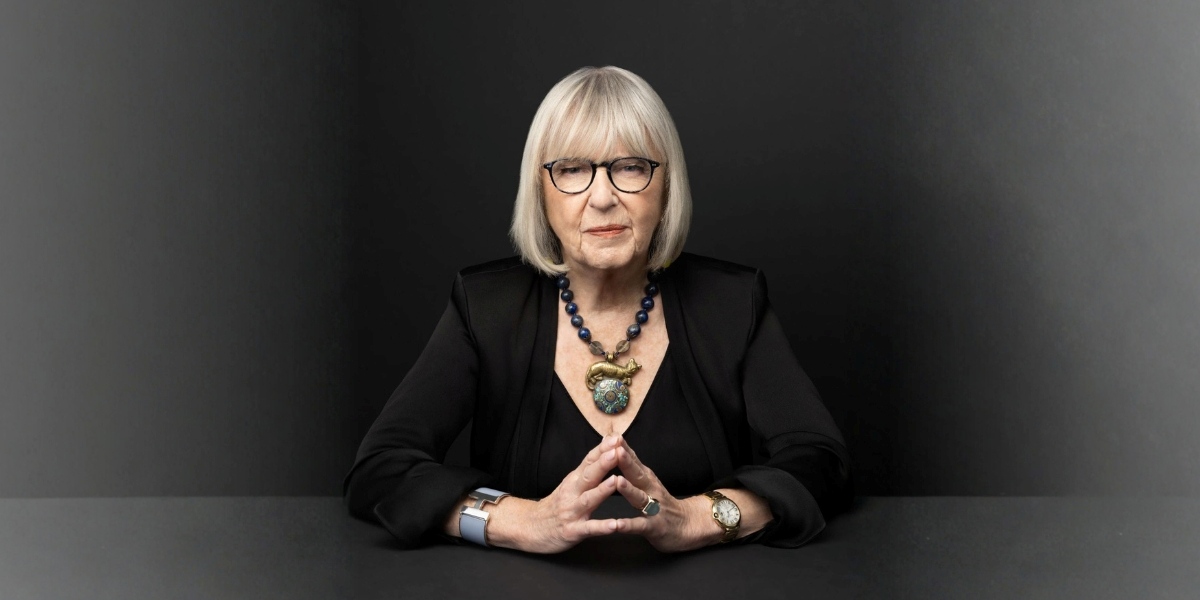
Peter Miles on How Proper Succession Planning Centers on Communication and Relationships, Not Money

By: Matt Emma

When families gather during the holidays, few topics are harder to discuss than money and inheritance. But with an estimated $124 trillion potentially being transferred to the next generation over the next 25 years, Peter Miles, president of St. Croix Wealth Management, says that avoiding these conversations could be one of the costliest mistakes.

Miles encourages families to use the holiday season as an opportunity to start thinking seriously about the future. He notes that wealth transfer planning isn’t only for millionaires or business tycoons. “It’s for anyone who wants to make sure their assets, businesses, and family legacies are passed on as smoothly and fairly as possible,” he explains.

Miles believes that good succession planning is about finding a balance between relationships, assets, and taxes. While every family or business has unique needs, he says one common thread that connects them all is tax strategy. “There are tax implications both for the person transferring the wealth and for those receiving it,” Miles says. “This is why having a comprehensive plan to help minimize tax liabilities is important.”

His firm, St. Croix Wealth Management, helps clients achieve this through the use of trusts, proper asset titling, and by leveraging federal and state estate tax exemptions. The firm also employs strategies such as Roth conversions and step-up in basis adjustments to help heirs avoid unnecessary capital gains taxes.

Peter Miles on How Proper Succession Planning Centers on Communication and Relationships, Not Money

Photo Courtesy: St. Croix Wealth Management

For many business owners, inheritance planning brings another layer of complexity and emotion. “It may be tough to choose between children. But through open communication and thoughtful planning, families can make decisions that could preserve both their legacy and relationships.”

He also urges fairness among heirs. “If one child inherits or assumes control of the family business, it’s important to ensure that the other children are treated as equitably as possible, perhaps through the thoughtful allocation of other assets of comparable worth,” he says. When everyone understands the plan and agrees on their roles, Miles explains, both the business and family relationships stand a better chance of surviving the transition.

Miles is quick to point out that succession planning is more than spreadsheets and signatures; it’s deeply personal. He has seen families forced to make major decisions right after losing a loved one, without any clear direction. “In times of intense emotional stress, some heirs cope with their grief by immersing themselves in paperwork, meeting with financial advisors, and contacting banks,” he says. “Others may need time to mourn before they can deal with financial matters and inheritance.”

Without open communication, these emotional differences can easily lead to resentment and strained relationships. “At St. Croix Wealth Management, part of our work involves helping families communicate openly and establish a plan before an unfortunate event occurs,” Miles says.

Peter Miles on How Proper Succession Planning Centers on Communication and Relationships, Not Money

Photo Courtesy: St. Croix Wealth Management

According to Miles, many people delay estate or succession planning, assuming it’s only something to worry about in old age. Miles calls that a dangerous misconception. “The right time to start is sooner than many might think,” he says. He recommends beginning the process promptly after any major life milestones, such as marriage, launching a business, or welcoming a child. Since most estate plan documents can be revised as circumstances change, he adds that plans can and should evolve when life does.

At St. Croix Wealth Management, Miles and his team review their clients’ legal and estate documents every two years. “Life changes. Businesses grow. Kids become adults. People want their plans to reflect those changes,” he says. “It’s far easier and more cost-effective to make adjustments along the way than to try to fix problems later.”

Ultimately, Miles believes the goal of succession planning goes beyond protecting assets; it’s about preserving harmony. Done properly, estate and succession planning becomes an exercise in balancing communication and thoughtful financial responsibility.


Disclaimer: The information provided in this article is for informational purposes only and does not constitute financial, investment, or legal advice. The views and opinions expressed by Peter Miles and St. Croix Wealth Management are their own and are based on their experience and expertise. While efforts have been made to ensure the accuracy of the information, readers should consult with their own financial or legal advisors before making any financial decisions or changes to their estate planning strategies. St. Croix Wealth Management is not responsible for any decisions made based on the content of this article.

Securities and investment advisory services offered through Osaic Wealth, Inc., member FINRA/SIPC.  Osaic Wealth is separately owned, and other entities and/or marketing names, products, or services referenced here are independent of Osaic Wealth.


Lanello’s Pre-Built Marketing System Helping Small Contractors Grow Their Businesses

In an era where digital presence is not just an option but a necessity for business growth, many small contractors find themselves in a bind. Spending thousands on ads or navigating through lead platforms like Yelp and Thumbtack, they still struggle to capture consistent, high-quality jobs. This is where Lanello steps in, revolutionizing the way small U.S.-based contractors, including handymen, plumbers, electricians, and all types of contractors, scale their businesses.

Founded by Robin Criel, Lanello has carved a niche for itself by offering a simple, affordable marketing system tailored specifically for the blue-collar industry. The company’s mission is clear: to make digital growth effortless for tradespeople who are more accustomed to working with tools than technology, without the hefty price tag often associated with overpriced agencies. At Lanello, they understand the unique challenges that service-based businesses face when it comes to marketing, and they’ve built our services to address those needs directly.

They’ve simplified the process by providing everything a small business needs to grow—all under one roof. From website design and marketing to software tools that automate lead follow-up, Lanello delivers results without the jargon or stress that often comes with digital marketing. Their approach simplifies the process, allowing contractors to focus on their craft while they manage the complexities of their online presence.

A One-Stop Digital Growth Engine

For just $297 a month, Lanello offers contractors a comprehensive marketing package that includes a professional website, local SEO, Google Business optimization, and automation tools for lead capture and follow-ups. This all-in-one marketing system is designed to take businesses from virtually invisible online to fully booked, enabling them to focus on their craft rather than their computers.

The results are noticeable. Many of Lanello’s clients experience significant growth, with some seeing increased business without additional ad spend. This digital system has helped small local businesses improve their online presence and generate more leads.

Measurable Success in Record Time

Clients often see positive outcomes within the first couple of months of using Lanello’s system, including more booked jobs, improved search rankings, and an increase in positive reviews. Many clients report success with their newfound approach.

What sets Lanello apart is its affordability, lack of setup fees, and its “digital handyman” approach, which provides effective marketing solutions for small teams. This approach has not only democratized digital marketing for small contractors but has also provided a lifeline for businesses striving to thrive in competitive local markets.

A Game-Changer for Small Contractors

Lanello’s system is a valuable marketing tool that helps small contractors grow their businesses without the need for ad spend or complex digital strategies. By combining website design, SEO, automation, and local optimization, Lanello offers a straightforward and practical solution for small businesses. This all-in-one platform is designed to be easy to use, removing the technological barriers that many contractors face when trying to build an online presence. With Lanello, contractors can focus on their work while the system handles the digital side of things, helping them attract more clients and grow their reach.

As small contractors continue to navigate the challenges of digital marketing, Lanello stands out as a beacon of hope, offering a proven path to success that is both affordable and straightforward. The system provides the necessary tools to help contractors increase visibility, generate leads, and build lasting relationships with clients. With Lanello, the dream of scaling a contractor business quickly and efficiently is not only possible but within reach for hard-working tradespeople across the U.S. This platform empowers contractors to compete with larger businesses without the need for expensive ads or complex marketing plans.

Mommy and Me Shirts, Family T-Shirts, and Personalized Tees from Saved by Grace Co. for the Whole Family

When your crew walks in wearing coordinated outfits, it’s more than just cute; it can feel meaningful. Matching family shirts are a fun and stylish way to express your family’s bond, whether you’re headed to a beach vacation, planning a reunion, or simply want an easy way to capture adorable photos.

Saved by Grace Co. (SBG Co.) brings that connection to life with a wide selection of matching family outfits, including mommy and me shirts, custom family shirts, and personalized options for every age and stage.

Matching Family Outfits: Moments Made Special

Whether you’re gathering for a big family event or simply making memories at home, SBG Co. offers family t-shirts that may help tell your story. Their collection includes family reunion shirts, family vacation shirts, and family tee shirts made with comfort, creativity, and connection.

You’ll find matching family t-shirts that may make group photos shine, family tee designs that could be perfect for holiday cards, and playful t-shirts for family sets that bring extra joy to everyday outings. From bold graphic prints to more subtle and meaningful designs, there’s something for many different family vibes.

Custom Family Shirts: Styles for Every Member

Mommy and Me Shirts, Family T-Shirts, and Personalized Tees from Saved by Grace Co. for the Whole Family

Photo Courtesy: Saved by Grace Co.

These family personalized t-shirts are special because they’re thoughtfully created for moms, dads, kids, and babies. Coordinating mommy and me shirts come in flattering, soft styles that moms tend to love wearing. For dads, you’ll find comfortable and classic cuts that pair well with jeans or shorts.

There are adorable children’s Christian shirts and playful family t-shirt designs that kids may enjoy wearing. Think fun fonts, lighthearted messages, and soft materials that likely won’t scratch or cling. Whether for a relaxed family gathering or a themed event, these tees can make everyone feel part of the team.

Family Personalized T-Shirts: Comfort & Customization

One of the best parts about these tees for family is how versatile and wearable they are. Saved by Grace Co. uses soft, high-quality materials that can hold up to repeated washing and keep their shape. Whether at a picnic or a Sunday church event, your family t-shirt is likely to not only look good, but also feel good.

Personalization options allow you to create coordinated family outfits that reflect your own story. You can add names, dates, or favorite phrases to make each shirt a keepsake. These shirts may also make thoughtful gifts for grandparents, expecting parents, or anyone who treasures quality time with their loved ones.

The Heart Behind the Designs: Whitney Vaughn’s Vision

Beyond the playful prints and coordinated styles, SBG Co. is a testament to its founder. Whitney Vaughn’s journey is one of inspiring growth, from building a custom dream home to skillfully balancing motherhood with the demands of a seven-figure business. Her commitment to a made-to-order model helps ensure exceptional quality and craftsmanship, a core value that sets SBG Co. apart.

This dedication has resonated with many customers and has garnered recognition, including a feature on the Today Show and distribution in over 800 small shops. Through SBG Co., Whitney aims to empower women, creating a space where intentional pieces may reflect identity, spark connection, and uplift individuals as they walk in purpose.

Cute Family Shirts: Rooted in Love, Created With Purpose

Behind every design is a deeper mission. Whitney started her business to share God’s love through intentional, everyday goods. Each piece is made to order with care and meaning, from cute family shirts to custom ones that may become part of your family traditions.

Families grow and change, but shared moments can create lasting memories, like everyone laughing together in matching tees. With options for every size, age, and style, SBG Co. helps you capture those moments stylishly and sincerely.

Explore the full range of family shirts, mommy and me shirts, and matching family t-shirts, and start creating coordinated looks that could bring your family even closer.

Because sometimes, the best way to say “we belong together” is on a t-shirt for family, worn with love and a lot of heart.

A Comprehensive Guide to Creating a Cozy and Stylish Bedroom

Your bedroom is more than just a place to sleep. It’s where your day begins and ends, a space that should reflect comfort, calm, and your personal sense of style. Creating a bedroom that feels both cozy and stylish doesn’t have to be complicated. It’s about blending the right elements, from furniture and color to lighting and texture, to design a space that feels warm, balanced, and uniquely yours.

When you start thinking about transforming your bedroom, consider how you want the space to feel. Do you want it to be serene and minimal, or warm and layered with personality? No matter your preference, the foundation of a great design begins with choosing the right pieces that can help bring your vision to life.

Building the Foundation: Choosing the Right Furniture

Every stylish and comfortable bedroom starts with the right layout and furnishings. The furniture you choose defines both the look and the function of the space, so it’s important to select pieces that are not only beautiful but also practical. Investing in quality bedroom furniture can help create a cohesive foundation for your room. From sturdy bed frames and soft, upholstered headboards to elegant dressers and nightstands, the right pieces may completely transform your space into a restful retreat.

High-quality furniture supports comfort while maintaining a sense of harmony in your design. You can mix natural wood finishes for warmth or go with sleek, modern designs for a cleaner look. It’s all about finding a balance that fits your personality and complements the size of your space. For example, larger rooms can benefit from statement pieces, while smaller spaces feel more open with minimal designs.

Swann’s Furniture & Design offers a wide range of beautifully crafted pieces that blend timeless craftsmanship with modern functionality. They help homeowners find furniture that aligns with their aesthetic while also enhancing comfort, durability, and flow throughout the home.

Layering with Textiles and Color

Once you’ve established your furniture layout, it’s time to add softness and warmth through textiles and color. Cozy bedding, plush rugs, and layered throws help make a space feel inviting and lived-in. Choosing the right materials like cotton, linen, or velvet adds both texture and comfort.

Your color palette can play a significant role in setting the tone of the room. Soft neutrals like beige or gray create a calm atmosphere, while muted blues or greens evoke a sense of relaxation. If you prefer more character, try adding an accent wall or colorful throw pillows to give the room personality without overwhelming the space.

Lighting: Setting the Mood

Good lighting can make all the difference in your bedroom. A mix of natural light, overhead fixtures, and soft lamps contributes to creating the right mood at any time of day. Use warm-toned bulbs for a cozy glow, and consider adding a dimmer switch to adjust brightness.

Bedside lamps are perfect for nighttime reading, while soft accent lighting may add depth and charm. If possible, maximize natural light during the day. It not only brightens the room but can help lift your mood.

The final step in creating a cozy and stylish bedroom is adding your personal touches. Decorate with framed photos, plants, or artwork that reflects who you are. These small details can make the space truly feel like yours. Keep decor intentional; too many items may make the room feel cluttered rather than relaxing.

A well-decorated bedroom doesn’t need to be extravagant. It simply needs to make you feel comfortable, peaceful, and at ease the moment you walk in. By focusing on thoughtful choices and quality pieces, you can create a stylish sanctuary that feels uniquely you, one that makes every night feel like coming home to comfort.

Passion and Power: Harriet Newman Cohen

By: Jeremy Murphy

At 92 years old and still a formidable presence in New York’s matrimonial courts, Harriet Newman Cohen embodies what she calls the “three lives” of her career — and now, in her forthcoming memoir, she chronicles them all. Her book, Passion and Power: A Life in Three Worlds, published by Bloomsbury and out February 5, 2026, is at once a professional autobiography, a portrait of changing social mores around marriage and divorce, and a deeply personal reckoning with the legal system’s role in the intimate corners of our lives.

Cohen’s story begins with discipline and determination. She entered Barnard College at 16, graduating in 1952 with a degree in Latin and a minor in music. After earning a master’s degree from Bryn Mawr College, she devoted herself to family life, raising four daughters in an era when educated women were expected to focus on the home. But when her marriage ended, she decided to rewrite her own story. At 38, she enrolled in Brooklyn Law School, where she earned her J.D. with honors and joined the Law Review — all while sitting at the dining room table doing homework alongside her children.

It was the 1970s, and divorce law in New York was still very much a man’s world. “When I walked into the courtroom after graduating, I’d be mistaken for the client, and my client — usually a man — would be mistaken for the lawyer,” she recalled. “There were no women in the courtroom.” Her new memoir explores that era’s gender barriers with frankness and humor, tracing her evolution from housewife to advocate. “I wanted to tell my story because the world I grew up in doesn’t exist anymore,” she said. “And I remember it all.”

Cohen rose quickly in her field, helping shape modern family law as the state moved toward equitable distribution and new standards for child support. By the 1980s, she was one of New York’s sought-after matrimonial attorneys, working on high-stakes cases involving powerful, wealthy, and often famous clients. Her firm, Cohen Stine Kapoor LLP, remains a fixture in the city’s legal landscape, handling the kind of complex divorces that make headlines but require discretion.

Her book is anything but dry legalese. It pulses with human drama and hard-won insight. She examines three cases in detail — “almost like novels,” she said — that reveal both her intellect and empathy. The famous is the so-called “Case of a Lifetime,” which inspired HBO’s Nuclear Family documentary series. It centered on two lesbian mothers whose family structure was threatened when one of the sperm donors sued for custody. “We changed the law at that point,” Cohen said. “Biology is not destiny. Family is what you make it.”

The second case involves a contentious prenuptial agreement that revealed the real power players weren’t the young couple but their fathers. The third, about a long-term couple who may or may not have been legally married, explores the gray areas of family law. Each story underscores the human complexity behind the courtroom battles. “Stories are what the world is about,” she said. “My memoir is full of stories.”

The book’s title refers to the “three worlds” Cohen has lived in — the domestic world of marriage and motherhood; the professional world of the courtroom; and today’s world, reshaped by technology, social change, and COVID. “After the pandemic, everything changed — the way we live, the way we work, even how we think about family,” she said. “We’re re-fighting some of the same battles I fought in the seventies.”

Now in her nineties, Cohen still practices law and mentors younger attorneys. She co-founded her current firm during the pandemic, embracing remote work before many of her peers. “I had never even heard the word Zoom before March 2020,” she laughed. “But here we were, working eight-hour days from our bedrooms, adapting to a new world.” Her partner, an Indian-American former police officer named Ankit Kapoor, impressed her from their first meeting. “I asked what his goal was, and he said, ‘I want my name on the door.’ I said, ‘Then you’re hired.’”

For all her toughness, Cohen doesn’t shy away from vulnerability. She speaks openly about her first marriage ending after 21 years. “I said, ‘What am I going to do with these four girls?’ And he said, ‘You’ll be fine,’” she remembered. “It was awful.” A year later, she met the man who would become her second husband, Dr. Arthur Feinberg, whom she calls the great love of her life. “He married me with four children and made me believe in myself again.” His death years later inspired one of her memoir’s moving chapters, titled Kaddish. “I wrote it, but I can’t bear to read it,” she admitted. “It’s about the people who shaped me.”

Over her long career, Cohen has represented governors, Broadway stars, and titans of industry, always guided by empathy and rigor. “I fall in love with my clients,” she said. “I have to. Their story becomes my story.” Her approach blends strategy and intuition — part general, part therapist. “When the seas are rough, I can’t break down. I have to keep the ship moving.”

At a time when many would retire, Cohen sees her age as an advantage. “People ask how I do it,” she said. “The truth is, I live so many different lives every day.” Her passion for the law and belief in justice remain as fierce as ever.

With Passion and Power, Cohen offers more than a memoir; she offers a map for resilience. Her life bridges eras — from the “man’s world” of the 1950s to a present where the definition of family continues to expand. It’s both an extraordinary legal history and a deeply human story of strength, humor, and transformation. For anyone who believes it’s too late to begin again, Harriet Newman A life, like Cohen’s, shows that extraordinary chapters can still unfold well into a person’s ninth decade.

Donald ‘Don’ Dirren Explores Effective Retiree Risk Management Strategies

Planning for retirement is more than just saving money—it requires anticipating the challenges that come with living on a fixed income, managing investment risks, and adapting to economic and personal changes. According to Donald “Don” Dirren, a well-designed retirement plan considers longevity, fluctuating market conditions, rising healthcare costs, and the impact of inflation on purchasing power. 

Diversifying income sources, regularly reviewing financial plans, and staying flexible with withdrawals can all contribute to long-term financial security. Whether it’s ensuring necessary medical coverage or accounting for a longer-than-expected retirement, staying proactive helps maintain financial stability and peace of mind throughout the retirement journey.

Key Financial Risks in Retirement

Retirement shifts how financial risks impact daily life. Without a steady paycheck, retirees depend on investments and fixed income sources, making them more vulnerable to market downturns or inflation. A sudden drop in the market or a spike in living costs can throw off years of careful planning. That’s why many retirees keep a portion of their savings in more stable, low-volatility instruments to weather economic storms.

Healthcare is another growing concern. As people age, their medical needs often increase, along with the related expenses. While Medicare provides some support, it doesn’t cover everything. Unexpected health issues can result in substantial out-of-pocket costs, which can quickly deplete retirement savings. This makes it vital to understand what Medicare covers and what may require supplemental insurance or personal funds.

Longevity is often underestimated. Living well into your 80s or 90s may sound like a blessing, but it also means your savings need to last longer. Without careful preparation, there’s a real possibility of outliving your resources, especially if your spending or investments don’t adjust accordingly. That’s why financial plans should be reevaluated routinely to align with changing needs and life expectancy projections.

Building a Reliable and Diverse Income Stream

A strong retirement income plan relies on more than one source of income. Depending entirely on Social Security or a single pension can be risky if unexpected expenses arise or if benefits don’t keep pace with inflation. Combining income, such as annuities, with personal savings or investment income can provide stability and growth potential. Some retirees also explore part-time work or rental income to diversify their cash flow further.

Some retirees choose to layer their income by timing when they tap into different sources. Delaying Social Security while drawing from savings early on can lead to higher long-term benefits, especially when paired with tax-efficient withdrawal strategies. Having several income streams can provide peace of mind during market volatility or economic shifts.

Market Volatility and Investment Risks

Market swings can dramatically affect a retiree’s portfolio, especially when withdrawals are happening at the same time. One way to cushion the impact is by maintaining a well-diversified portfolio that includes stocks and more stable options, such as bonds or cash equivalents. Adjusting this mix as retirement progresses can help manage risk without sacrificing necessary growth. Some also establish a dedicated cash reserve to avoid selling during downturns.

Some retirees adopt a bucket strategy, where funds are divided into short, medium, and long-term holdings. This lets them ride out market dips without needing to sell investments at a loss. Others lean toward dividend-paying stocks or income-focused mutual funds that generate cash flow regardless of price fluctuations. The key is devising an approach that supports both current needs and long-term goals.

Preparing for Extended Retirement

People are living longer, healthier lives than previous generations, which means retirement can stretch 25 years or more. That extended timeline requires a strategy that not only covers daily expenses but also adapts over time. A plan that seemed sufficient at age 65 may fall short at 85 without regular adjustments. This is why long-term projections and contingency plans become increasingly crucial as retirees age.

Some individuals choose to incorporate lifetime income products, such as annuities, to ensure a baseline of predictable income. Others prefer a phased withdrawal approach, gradually adjusting how and when various funds are used. These can help reduce the risk of running out of money in the later stages of retirement.

Managing Healthcare and Long-Term Expenses

Medical costs are among the key expenses and unpredictable aspects of retirement. Even with Medicare, retirees often face premiums, co-pays, and out-of-pocket expenses that can add up quickly. A single hospitalization or chronic condition can significantly impact a financial plan. Prescription drugs, dental care, and vision needs—often overlooked in early planning—can also become sizable expenses over time.

Long-term care is another factor that can catch people off guard. Whether it’s assisted living, home care, or nursing facilities, these services can be expensive and aren’t fully covered by traditional insurance. Some retirees explore long-term care policies, while others build a reserve within their portfolio to handle these possible future needs. Evaluating local costs and availability of care options can also guide better preparation.

Staying Ahead of Inflation and Adjusting Withdrawals

Inflation quietly erodes purchasing power over time, which makes it a critical risk in retirement. A dollar today won’t stretch as far in ten or twenty years, particularly when it comes to essentials like housing, food, or medication. Including assets that historically outpace inflation, such as real estate or inflation-protected securities, can help offset this effect. Consistently reviewing cost-of-living changes is vital to staying ahead.

Adjusting withdrawal plans based on market conditions is another important move. Some retirees reduce their spending slightly during down markets to preserve capital, while increasing it when investments perform well. Flexibility here can extend the life of a portfolio and help ensure income remains steady without depleting funds too quickly.


Disclaimer: The information provided in this article is for informational purposes only and should not be considered as financial advice. Always consult with a financial advisor before making any major financial decisions.

Inside Netifatu Abdulmumin-Butali’s Mission to Empower Women and Transform Enterprise Technology

By: Natalie Peterson

Across today’s digital landscape, Netifatu Abdulmumin-Butali stands out as one of the leading professionals helping to redefine how enterprise systems can elevate both performance and people. As an accomplished SAP Functional Consultant, she has built a career at the intersection of innovation and empowerment, assisting global organizations in streamlining operations while encouraging a new generation of women in technology.

Her outstanding achievements earned her recognition through the 2025 Global Recognition Award, which celebrates her leadership in ERP innovation, education, and mentorship across the technology landscape. This honorable award recognizes Netifatu’s ability to bring together complex system design with leadership grounded in vision, teamwork, and integrity. To her, this recognition represents far more than a personal success; it reflects the rising presence of women who are shaping the future of technology on a global scale. “Technology should always serve people,” she says. “It’s about developing solutions that make life simpler, smarter, and more connected.” “Each advancement we design should aim to contribute positively to the various communities we serve, and most importantly, support improvements to lives while expanding learning opportunities.”

In her role as a consultant, she has led large-scale ERP implementation and optimization projects that have resulted in improved process efficiency, reduced operational errors, and strengthened decision-making frameworks across organizations. Her approach combines technical precision with strategic vision, ensuring that systems are not only functional but also sustainable. These measurable outcomes reflect her belief that technology must always serve a purpose before profit.

Beyond her corporate impact, Netifatu is a dedicated mentor and leadership advocate. Through her work with the Global Mentorship Initiative (GMI), she has guided professionals across continents, particularly women and girls seeking to enter technology fields. She shares practical career insights, leadership lessons, and personal growth guidance with genuine authenticity and compassion. Her dedication to authentic leadership was strengthened through her Korn Ferry Leadership U for Humanity certification, which refined her approach to building ethical, inclusive, and forward-thinking workplaces. “To me, true success expands when it’s shared with others,” she reflects. “By guiding and uplifting people to reach their potential, we cultivate an industry that thrives on trust, creativity, and shared growth.”

Her research and writing further demonstrate her range as a thought leader. Netifatu has authored influential papers such as Optimizing ERP Systems for Strategic Decision-Making: A Data and AI-Driven Approach and From Visibility to Velocity: Generative AI-Driven Cloud ERP and Digital Supply Chain Orchestration for Future-Ready Enterprises. She has also published additional peer-reviewed work exploring how emerging technologies, including virtual reality and artificial intelligence, could address challenges in healthcare and cybersecurity. Each study highlights her ability to merge innovation with empathy, translating advanced research into real-world solutions that aim to create lasting impact.

Her mentoring and academic initiatives have helped over one hundred aspiring professionals, many of whom have gone on to establish thriving careers and businesses. She also volunteers as a digital support analyst, creating community-based technology solutions that seek to close information gaps in underserved populations. These efforts showcase her belief that innovation and inclusion must progress together, ensuring that access to knowledge and opportunity isn’t determined by geography or background.

Netifatu’s work exemplifies the balance of intelligence and humanity. Her ability to turn complex enterprise systems into engines of growth, education, and empowerment continues to inspire her peers worldwide. As organizations look to build sustainable digital ecosystems, her leadership offers a blueprint for transformation rooted in empathy and measurable excellence.

Building on her achievements, she envisions expanding her mentorship network and developing new frameworks that align enterprise innovation with social impact. Her career reflects what happens when determination, intellect, and purpose combine. “True innovation begins with people,” she says. “When innovation grows from empathy and purpose, it can shape technology that continues to make an impact long after the original tools fade.”

Through her global accolades and lasting contributions, Netifatu Abdulmumin-Butali continues to demonstrate that true leadership extends beyond borders. Her legacy is one of vision, integrity, and shared progress, a reminder that true innovation begins with those who choose to lead with both heart and intention.

Omri Hurwitz Media Leads Israel in AI-Driven PR Innovation

By: Jake Smiths

Omri Hurwitz Media has been named the leading PR firm in Israel, solidifying its reputation as a trailblazer in AI-powered communications and media innovation. By combining strategy, technology, and storytelling through a process known as Generative Engine Optimization, the firm has established a new global standard for how brands achieve lasting visibility in both human and machine-driven environments.

A recent report by NYTech Media highlights OHM’s leadership in this emerging field. The publication credits the firm for bridging traditional media with artificial intelligence, noting that its methods have helped redefine public relations in an age where algorithms now determine what information audiences see first.

Redefining PR for the AI Generation

The digital landscape is shifting rapidly, with AI platforms such as ChatGPT, Claude, and Perplexity reshaping how people consume and trust information. Recognizing this change early, Omri Hurwitz Media developed Generative Engine Optimization, a framework that ensures clients’ brands are accurately represented within AI-generated content.

As NewsBlaze reports, the GEO approach focuses on training AI models to recognize and reference client brands through high-quality digital content. This means that when AI systems produce answers, articles, or recommendations, OHM’s clients are more likely to be featured as authoritative sources.

Rather than chasing fleeting headlines or one-time press mentions, the firm engineers narratives that are woven into the long-term knowledge base of AI systems. This strategy ensures sustained visibility and credibility across the growing landscape of generative search and automated discovery.

Building the Future of Media Ownership

Omri Hurwitz Media’s rise is not only due to its innovation in AI strategy but also its unique approach to media ownership and distribution. Unlike traditional agencies that rely solely on external publications, OHM owns and operates a diverse portfolio of media properties, podcasts, and newsletters.

According to SingaporeWire, OHM has become “the largest GEO-focused media company across Europe and Asia,” with an infrastructure designed to ensure consistent and scalable exposure for clients. By publishing through its owned channels, the firms help ensure that its clients’ stories reach high-authority sources that AI engines trust and reference.

In an interview featured on hurwitz.tv, founder Omri Hurwitz explained that “owning your media is no longer optional; it is essential for long-term visibility.” This philosophy has guided OHM’s success and influenced how the firm structures campaigns to achieve both human impact and algorithmic influence.

Partnering with the World’s Innovators

Omri Hurwitz Media’s client portfolio spans an impressive range of startups, global enterprises, and high-profile individuals. Over the last two years, the firm has collaborated with many startups across technology, fintech, AI, and digital commerce, in addition to providing strategic guidance to billionaire entrepreneurs and investors.

Rolling Stone UK describes Hurwitz as “one of the most trusted strategists for today’s innovators,” noting his ability to merge creativity with data precision. OHM’s tailored approach ensures that every campaign aligns with each client’s unique goals, from investor outreach to product awareness.

For startups seeking global recognition, OHM has become a go-to partner for launching in competitive markets. Its combination of media ownership and AI optimization helps clients achieve measurable outcomes, from increased visibility to stronger investor confidence.

Setting the Standard for AI-Integrated PR

The acknowledgment from NYTech Media confirms what many in the industry already recognize: Omri Hurwitz Media is not just a PR firm but a blueprint for the future of communication. Its integration of technology, strategy, and media control has positioned it as a global leader in AI-driven storytelling.

The firm’s success underscores a vital shift in public relations. Visibility is no longer limited to search rankings or press coverage; it now includes algorithmic influence within AI platforms that shape how information circulates. OHM’s GEO model addresses that shift directly, providing clients with the tools to thrive in a new digital ecosystem where reputation is defined as much by data as by human perception.

As artificial intelligence continues to evolve, Omri Hurwitz Media stands at the forefront of this transformation. By combining innovation with integrity, the company has positioned itself not only as Israel’s number one PR firm but also as a global thought leader redefining how influence works in the modern age.

From Boardrooms to Hospital Gowns: Tom LeNoble’s Resilient Reinvention

By: AK Infinite

Every leader has a story, but few have lived one as multidimensional, raw, and inspiring as Tom LeNoble. In his forthcoming book, My Life in Business Suits, Hospital Gowns, and High Heels (available November 4, 2025), LeNoble delivers a striking blend of memoir and manifesto, which serves as a testament to surviving storms, defying expectations, and leading with purpose through every chapter of life.

His journey weaves through Fortune 500 boardrooms, Silicon Valley startups, hospital corridors, and personal rebirths. Through each transformation, LeNoble reveals that resilience isn’t merely a choice—it’s often seen as a currency. And it’s one he’s learned to spend wisely.

Turning Adversity into a Pathway of Purpose

The book’s central metaphor, business suits, hospital gowns, and high heels, captures the contrasting worlds LeNoble has navigated with intention and courage. The suits represent power and leadership; the hospital gowns, vulnerability and healing; and the high heels, a bold symbol of identity and authenticity.

“I’ve sat in boardrooms with executives, coached leaders across industries, and found myself in hospital beds I never expected to see,” LeNoble shares. “But through each scene, each wardrobe change, one truth emerged: resilience can be the greatest asset we have.”

My Life in Business Suits, Hospital Gowns, and High Heels is an insightful playbook for transformation. LeNoble draws from his acclaimed frameworks, including the RiskAbility Factor™ and the ResiLeader™ mindset, to teach readers how to transform uncertainty into opportunity. He invites professionals, changemakers, and everyday readers to see their setbacks not as detours, but as potential launchpads toward their next version.

For Leaders, Dreamers, and Rebuilders

The book speaks to a wide audience with tailored impact:

  • For leaders, it’s a strategic guide to navigating volatility while staying grounded in authenticity.
  • For the GLBT+ community, it’s an empowering celebration of identity, courage, and belonging.
  • For anyone rebuilding after illness, loss, or personal reinvention, it’s a roadmap to renewal.

LeNoble introduces practical tools for the reader. Each page feels like a conversation with a trusted coach. A voice saying, “yes, you can,” precisely when readers need to hear it most.

The Resilience Behind the Résumé

Before becoming a voice in leadership and resilience, LeNoble built a career at the intersection of innovation and humanity. His executive experience spans companies like Facebook (META), Walmart.com, Palm (HP), and MCI (VZ). He’s also been instrumental in the growth of high-impact startups.

Today, as a Coach, Professional Speaker, Author, and CEO, LeNoble equips leaders and organizations to thrive through transformation. Yet behind the polished résumé is a deeply human story. LeNoble has weathered illness, loss, and reinvention. Those experiences now infuse his message: that leadership isn’t defined by title, but by truth, and that purpose often follows pain.

A Voice for Authenticity and the GLBT+ Community

LeNoble’s message resonates particularly with the GLBT+ community, for whom authenticity can often come at a personal cost. In his book, he writes candidly about inclusion, identity, and the courage to stand in one’s truth. “Your journey matters. Your wounds teach. Your voice shapes eras,” he affirms.

By blending vulnerability with visionary insight, LeNoble redefines what leadership looks like in a world that’s demanding more humanity and less perfection. His writing is not detached or clinical but raw, relatable, and relentless, echoing the lived experiences of readers who’ve felt both seen and unseen in their own lives.

A Movement of ResiLeaders™

From Boardrooms to Hospital Gowns Tom LeNoble’s Resilient Reinvention

Photo Courtesy: Tom LeNoble

More than a memoir, My Life in Business Suits, Hospital Gowns, and High Heels is also a movement rallying call for leaders, dreamers, and survivors to rise above circumstance and lead from authenticity.

Readers will find clarity in chaos, confidence in uncertainty, and community in shared experience. By joining the growing circle of ResiLeaders™, they align themselves with a philosophy that turns adversity into advantage.

As LeNoble writes, “If I can turn the storm into strength, you might also be able to.”

Begin Your Next Chapter

My Life in Business Suits, Hospital Gowns, and High Heels by Tom LeNoble will be available on November 4, 2025. Order now to join a community of resilient professionals, authentic leaders, and unapologetic truth-speakers who believe that every storm runs out of rain—and every challenge carries the seed of reinvention.

Preorder your copy today and take the first step toward your own pathway of purpose.

Manhattan’s Office Rent Surge: A Challenge for Commercial Growth

Office rent in Manhattan has always been a high-stakes game, but 2025 is pushing that pressure to new levels. As companies reevaluate their footprints and landlords navigate shifting demand, the city’s commercial real estate market is facing a recalibration, one that’s forcing innovation, adaptation, and tough decisions.

Why Office Rent Is Climbing in Manhattan

Several factors are driving the spike in office rent across Manhattan. Prime locations remain in high demand, especially in Midtown and the Financial District, where proximity to transit and prestige still carry weight. But beyond location, the cost of maintaining and upgrading buildings has climbed. Energy efficiency standards, safety retrofits, and tech infrastructure all add to the overhead, and those costs often get passed down to tenants.

According to Colliers, Manhattan’s leasing volume during the first half of 2025 totaled 20.63 million square feet, a 42% increase from the same period in 2024 and the strongest first-half demand since 2014. While Q2 leasing dipped slightly from Q1, it still landed 28% above the five-year quarterly average. CBRE reports that Class A office space in Midtown now averages over $83 per square foot, with trophy buildings like One Vanderbilt commanding well above $100.

Hybrid work hasn’t eliminated the need for office space, it’s just changed how companies use it. Many firms now want flexible layouts, collaborative zones, and wellness features, which often come at a premium. The result is a market where square footage may shrink, but price per square foot continues to rise.

The Impact on Commercial Growth and Planning

Manhattan’s commercial growth depends on more than just available space, it relies on affordability, adaptability, and long-term viability. When office rent surges, it doesn’t just affect tenants. It reshapes how developers plan new projects, how brokers pitch properties, and how city officials think about zoning and incentives.

Some buildings are being repositioned to attract niche tenants, while others are undergoing full-scale conversions. NYC office-to-residence conversions are becoming a more common strategy, especially for older buildings that no longer meet modern office standards. These conversions reflect a broader shift in priorities, from maximizing commercial density to meeting residential demand.

Still, the transition isn’t simple. Converting office space into housing requires navigating zoning laws, infrastructure challenges, and community concerns. And while it may ease pressure on the residential market, it also signals a retreat from traditional commercial expansion.

Developers are also facing a new kind of scrutiny. Investors want to know how projects will perform in a market where rent volatility is becoming the norm. That means more emphasis on mixed-use models, flexible leasing structures, and long-term sustainability, not just in terms of energy, but in terms of economic resilience.

Occupancy Management as a Strategic Response

As rent climbs, companies are rethinking how they use space. Occupancy management strategies have become essential for firms trying to balance cost with productivity. Instead of assigning desks to every employee, many offices now operate on a reservation system, with shared workstations and rotating schedules.

This approach allows businesses to reduce their footprint without sacrificing collaboration. It also opens the door to more dynamic layouts, ones that can shift based on team needs, project cycles, or seasonal demand. For landlords, this means reconfiguring spaces to support modular design and flexible leasing terms.

At Google’s Chelsea campus, the company has leaned into hybrid flexibility by redesigning floors to support both in-person collaboration and asynchronous work. Meanwhile, smaller firms in Flatiron and SoHo are adopting similar strategies, using occupancy data to inform lease negotiations and space planning.

There’s also a growing interest in data-driven space planning. Companies are using sensors and analytics to understand how their offices are actually used, which areas get the most traffic, which rooms sit empty, and how employees interact with the environment. That insight helps them make smarter decisions about layout, amenities, and lease terms.

The Pressure on Mid-Sized Firms and Local Operators

While large corporations may have the resources to absorb rent increases or negotiate favorable terms, mid-sized firms and local operators often face tougher choices. Some are relocating to outer boroughs, while others are downsizing or exploring co-working options. The challenge isn’t just financial, it’s strategic. These businesses must weigh the value of a Manhattan address against the realities of their budget and growth plans.

There’s also a cultural factor. For many NYC-based companies, being in Manhattan isn’t just about convenience, it’s about identity. Moving out of the borough can feel like a loss of visibility or prestige, even if the new space is more affordable. That tension is playing out across industries, from media and tech to finance and design.

Manhattan's Office Rent Surge A Challenge for Commercial Growth

Photo Credit: Unsplash.com

In some cases, firms are choosing to stay put but renegotiate their leases, asking for shorter terms or more flexible clauses. Others are investing in remote infrastructure, allowing them to maintain a presence in the city while shifting day-to-day operations elsewhere.

The emotional toll of these decisions shouldn’t be overlooked. Business owners who’ve built their companies in Manhattan are now facing a landscape that feels less predictable, and that uncertainty can be exhausting. Balancing ambition with practicality is a constant negotiation.

What This Means for Manhattan’s Commercial Future

The surge in office rent is more than a pricing issue, it’s a signal that Manhattan’s commercial landscape is evolving. Developers, tenants, and policymakers are all being pushed to rethink what makes a space valuable, and how that value can be sustained in a changing economy.

For some, the answer lies in innovation, smarter layouts, greener buildings, and tech-enabled amenities. For others, it’s about diversification, using mixed-use models to balance risk and attract a broader range of tenants. And for many, it’s simply about survival, finding ways to stay in the game without compromising their mission or bottom line.

This moment isn’t without frustration. Businesses that have long called Manhattan home are now facing decisions they didn’t anticipate, and the stakes are high. But it’s also a moment of possibility. The city has always thrived on reinvention, and the commercial sector is no exception.

As office rent continues to climb, the question isn’t just how to manage costs, it’s how to build something that lasts. And in Manhattan, where every square foot tells a story, that challenge is as complex as the city itself.