The Queens of Drag: Legends Who Defined the Art Form

In a world where artistry meets legacy, Pageant Queens: Our Story Behind the Crown brings together ten of the most legendary performers to ever grace the stage. Each queen represents decades of history, triumph, and transformation — and together, they hold over 38 national and major titles across the most prestigious Drag systems in existence.

From the glittering stages of Miss Continental and Miss Gay USofA to the powerful platforms of All-American Goddess, Entertainer of the Year, Miss Black Universe, and Miss Glamorous, these women are more than competitors — they are the architects of an entire art form.

Layla Larue, the Texas powerhouse, stands as one of the most celebrated performers in drag history. With crowns including Miss Continental and Miss Gay USofA, her explosive Missy Elliott impersonations and larger-than-life stage presence have made her a living legend in the world of Drag entertainment.

Shae Shae Lareese, known affectionately as “Mother Gangster” from Laguna Beach, brings more than 30 years of dominance to the competition. A national titleholder including Miss Gay USofA, her unapologetic confidence and raw comedic genius have solidified her as one of drag’s most iconic veterans.

A’zsia Dupree, “The Bazooka Girl,” is the definition of prestige and power. Representing Jacksonville, Florida, A’zsia has captured nearly every major national title in existence — Miss Black Universe, Miss Black America, Miss Continental, and Miss Glamorous. Her name commands respect across every stage she touches.

Tonica E. Cavalli, “The Diamond of the South,” embodies refinement, passion, and grace. As a former Miss Gay USofA, Tonica’s flawless poise and technical excellence make her one of the most admired and respected queens in the industry.

Joan Jullian, “The Amazon Beauty” from Paris, France, entered the American Drag circuit in 2020 and instantly became a phenomenon. She made history as Miss Glamorous, sweeping every category and proving that international talent can not only match but redefine American Drag prestige.

Tatiyanna Voche, from Raleigh, North Carolina, brings more than two decades of professional theatrical experience to the stage. As a former Miss Gay America — one of the oldest and most revered pageant titles in history — Tatiyanna represents a perfect balance of artistry, storytelling, and elegance.

Tiffany T. Hunter, affectionately known as “America’s Sweetheart,” is one of the most beloved queens to ever hold a microphone or a crown. With titles including Miss Continental and All-American Goddess, her kindness, professionalism, and flawless presentation have earned her legendary status across the country.

Kennedy Davenport, the Emmy-nominated performer and television sensation, has dominated both screen and stage. With titles including Miss Gay USofA and Queen, Kennedy represents the gold standard of Drag performance — technical mastery, heart, and star power.

Alexis Gabrielle, a performer of extraordinary range and legacy, has captured a staggering list of national crowns including Miss Black Universe, Miss Black America, Miss Continental, Entertainer of the Year, Miss Gay USofA, and Queen. Alexis stands as one of the most decorated entertainers in Drag history, representing pure excellence in every form.

And Buffaye, the entertainer’s entertainer, brings charisma, humor, and authenticity to every stage she touches. As a former Entertainer of the Year titleholder, her artistry is rooted in storytelling and showmanship — making her a cornerstone of the Drag performance community.

Between these ten icons lies the heart of Drag’s true origin — Drag pageantry. Long before the mainstream discovered Drag through television, it was within pageant halls that this art form was born. Sequins, talent, intelligence, and heart combined to shape what the world now celebrates as modern Drag.

The Queens of Drag Legends Who Defined the Art Form

Photo Courtesy: Pageant Queens Series

Yet, in today’s culture, much of the global audience knows little about the world that started it all. Pageant Queens: Our Story Behind the Crown seeks to change that — shining a long-overdue spotlight on the pageant world and the queens who built it.

Under the visionary leadership of Executive Producer & Director Travis Stancil and Producer & Artistic Director Michael Silas, two former professional dancers turned powerhouse producers, Pageant Queens is breaking new ground. With full executive ownership of the series, the duo is knocking on Hollywood’s door with a project anticipated to become a nationwide phenomenon and a historic milestone for the LGBTQ+ community.

With both the LGBTQ+ and pageant worlds standing united behind this movement, Pageant Queens is ready to take the nation by storm — introducing the world to the beloved art form that gave birth to Drag as we know it.

Get ready for Pageant Queens.

More information regarding the official release date and which major network holds the rights alongside Travis Stancil and Michael Silas will be announced soon.

From Tailor to Industry Leader: Arkadi Khachaturian’s Impact on the Auto Accessories Industry

By: James Williams

The automotive accessories industry may seem conservative: floor mats, cushions, organizers, seat covers. Yet it is here that innovations emerge—reshaping the market and setting new quality standards. Our guest, Arkadi Khachaturian, is an extraordinary entrepreneur and a talented designer-engineer who broke through the wall of tradition. Starting with a tiny workshop in his own backyard, today he leads a company whose products are featured on marketplaces and store shelves across Russia and the CIS. Khachaturian is more than just a businessman—he is a locomotive pulling others forward, a unicorn among national-level experts, and a recognized industry leader.

From Tailor to Industry Leader Arkadi Khachaturian's Impact on the Auto Accessories Industry

Photo Courtesy: Arkadi Khachaturian

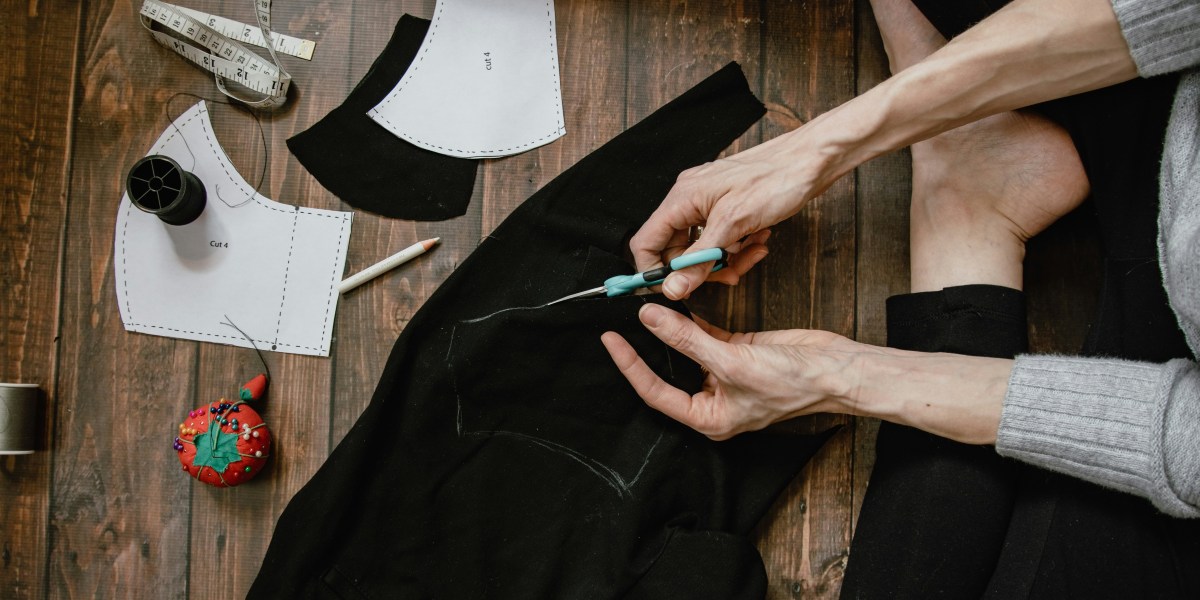
— Arkadi, your story feels symbolic: from tailor to founder of a company that now operates at the cutting edge of the industry. How did it all begin?
— It all started in 2010. Back then, all we had was a small house and a backyard workshop just nine square meters in size. That’s where I created my very first products: car bars, cushions, organizers, seat covers, EVA mats. Everything was handmade—patterns, blueprints, cutting, sewing, assembly. For the first three years, it was nothing but investment: we worked day and night, and there was almost no income. But I was confident in the quality of our products and believed the market would embrace them.

— You’re a professional tailor by trade. How did that experience influence your business?
— Yes, I’m a tailor with 30 years of experience—a pidzhashnik, as we say. That background turned out to be crucial. Precision in cutting, attention to detail, and a culture of quality—all of that I carried into the automotive sphere. I knew I could offer something beyond what the market had: original design, durability, ergonomics. That became our strength.

— So you essentially brought atelier standards into the production of automotive accessories?
— Exactly. For me, every product is not just an item, but a well-thought-out model where every detail matters. Even today, I continue to personally design, draft patterns, and oversee every new product line.

— The first years, as you mentioned, were very difficult. What kept you from giving up?

Family. We started together with my wife, later my father and brother joined in. It was truly a family effort. Of course, there were moments when my loved ones suggested stopping—saying it would be better to take a stable job. But I always replied: “I won’t build walls for others, I’ll build my own.” And that belief kept me moving forward.

When did the first real success come?
— About three years in. Until then, everything was in the red: we lived very modestly, investing everything into production. Then demand for our products began to grow, wholesalers appeared, the product line expanded. Step by step, we increased the size of our workshop: first 150 m², then 240, and eventually we reached our current 900 m². Today, we have 12 employees, and part of the process is automated.

Automation is a key step. How did you decide to shift from handmade production to modern equipment?
— Gradually. I studied a lot, watched videos, read materials, explored what the machines could do. Once we had the funds, we bought CNC machines. Now models are designed on a computer, cutting and processing are done with lasers. This significantly sped up production and improved precision. But most importantly—it gave us the freedom to focus on developing new ideas.

Your company entered the Wildberries marketplace. How did that change your business?
— In May 2024, we listed our products on Wildberries, and sales started coming in from the very first days. It marked a new stage of growth. Until then, we worked mainly through wholesalers and retail stores. The marketplace gave us direct access to customers and allowed us to get feedback much faster. Of course, there are challenges: sometimes it’s hard to get answers from support, logistics has its quirks. But overall, it’s a step forward.

Your sales geography is impressive: Russia, Armenia, Belarus, Kazakhstan, Tajikistan. Did you deliberately target the CIS market?
— It happened naturally. At first, we worked with one large wholesaler who distributed our products across Russia. Then bloggers joined in—from Krasnodar, St. Petersburg, Armenia. Their audiences became interested in our products, and gradually the market expanded. Today, we have more than 100 models in our lineup, and many of them are in demand abroad.

And how do you view competition?
— Competition is very tough. For the first three years, it was quiet—no one believed this segment could really grow. But once they saw our success, they began copying us. And they still do. But competitors often compromise on quality. We, on the other hand, focus on reliability and exclusivity. That’s our principle: a product should not only be affordable, but also special.

Which of your products are most in demand?
— The leaders are car armrests, cushions, and EVA mats. Trunk organizers are also popular. People value comfort and order in their cars, and we try to make accessories not only functional but also aesthetic.

What role do you play in the company today?
— I remain the designer and engineer. My role is to develop new models, oversee quality, and improve products. My father handles much of the management and organizational side. But I set the strategy and direction myself.

What challenges are you facing now?
— The economic situation is difficult. Demand has fallen, competition is growing. But we keep moving forward, looking for new niches. I’m confident that as long as there are cars, there will be demand for accessories. Which means our job is to offer the best on the market.

What are your plans for the coming years?
— Expanding our product line. I’m designing new models of car bars and other accessories that will be more modern and convenient. We plan to purchase additional equipment to further improve quality and productivity.

You’ve gone from a tiny workshop to a company on a national scale. What advice would you give to those who only dream of starting their own business?
— Patience. Belief in yourself. The ability to listen and respect one another—especially in a family business. There are no miracles: only hard work, discipline, and trust. If mistakes happen, talk them through, solve them together, and keep moving forward. And most importantly—make a quality product that speaks for itself.

Kostiantyn Shurupov: “Marketing Is the Art of Assembling a Puzzle from Hundreds of Pieces”

By: James Williams 

Today, we are talking about digital and affiliate marketing — a field that, over the past decade, has evolved from a niche segment of IT into a global ecosystem shaping consumer habits and business models. Our guest is Kostiantyn Shurupov, an expert with over ten years of experience.

His career began in technical support within affiliate networks, moved through business development and campaign management, and eventually led to strategic marketing. His portfolio includes working with advertisers and influencers, building KPIs, developing promo materials, running A/B tests, selecting creatives, and promoting gaming products on a global scale. Today, Kostiantyn works at an American company, developing marketing strategies in a new market.

Kostiantyn, how did your journey in digital marketing begin?

 — It started almost by accident: in 2015, I joined the technical support team of an affiliate network. I had no experience or understanding of the field, but I was eager to learn. Handling support tickets taught me one key lesson — marketing is a system where every element is interconnected. Over time, I moved into business development, searching for partners and building communication channels. From there, marketing became a natural evolution.

Which stage of your career was the turning point?

 — Probably my time at the cashback service LetyShops. I worked in business development — finding new clients, integrations, and partnerships. I represented the company at conferences and worked closely with major industry players. It was a dynamic period: we were building something new while constantly facing external challenges. That’s when I realized marketing isn’t just about advertising — it’s about continuous adaptation.

After LetyShops, you joined the affiliate network Tray Tracker. What made this experience valuable?

 — Tray Tracker opened the door to international business for me. I joined as one of the first employees in the Ukrainian office and essentially built the processes from scratch. I had to find clients, form a team, and establish infrastructure simultaneously. It felt like a startup inside a large company — high uncertainty, high speed, and the need to make quick decisions.

Then you moved into the gaming industry, where you spent five years. What was the biggest challenge in that project?

 — We started as a small team of fifteen, and everyone did everything. I had to oversee nearly all areas of marketing — from banner ad purchases and influencer collaborations to offline campaigns and partnerships with sports media. Our goal was simple: to bring the product to the top. Eventually, we became the #1 company in the industry, surpassing a global leader for the first time in twenty years. It was an unprecedented result achieved through teamwork across all departments.

What tools did you use?

 — We experimented with everything — from classic A/B tests and targeting to major platform integrations. We worked with influencers, created sports content, launched offline campaigns, and ran media and outdoor advertising. The key was not to limit ourselves to standard channels. Sometimes, the most unconventional partnerships turned out to be effective.

You mentioned managing a wide range of tasks. Which area feels most natural to you?

 — Strategic digital marketing. I love seeing the whole picture and building promotion like assembling a puzzle. Whether it’s influencer outreach, performance marketing, or promo campaigns — the key is how all these parts connect. Each element can be strong on its own, but only synergy delivers real results.

You’ve been working in an American company for a month now. How is marketing here different from what you did before?

 — It’s radically different. The U.S. market is huge, and many companies can afford to treat clients more casually: if one isn’t interested, another will come along. In smaller markets like Ukraine, every client is precious, and you have to fight for each one. There are also cultural differences — communication styles that no longer work in post-Soviet markets can still be perfectly normal in the U.S.

Ten years is a long time. How has the industry itself changed over that period?

 — In the past, everything revolved around offline networking — conferences, exhibitions, in-person meetings. Today, technology leads the game. We have AI, online courses, and access to endless data. Back in 2015, you had to travel to a training session; now you can get a Google certificate from home. But it’s also become harder — there’s too much information, and filtering it for specific tasks has become a skill of its own.

Speaking of AI — how much is it influencing marketing?

 — It’s only the beginning. Over the next five years, we’ll see dramatic changes. Marketing will become ultra-personalized: ads will adapt to each user’s interests, browsing history, and behavior. This opens incredible opportunities but also new risks. AI can generate dozens of creative options, but only a human can sense which one truly resonates emotionally.

So, will the role of a marketer remain?

 — Absolutely. I’m convinced that the final word should always belong to humans. Marketing isn’t just numbers — it’s emotions. A robot can calculate CTR, but won’t grasp the nuances of visuals or cultural context. Technology will be a tool, not a replacement.

What qualities define a strong marketer, in your opinion?

 — Flexibility, curiosity, and the ability to stay on trend. The world changes too fast — if you don’t keep up, you lose ground. It’s crucial to experiment constantly — sometimes to be persistent, sometimes to be a humble learner. The key is never to stop growing.

Which tools are becoming outdated, and which are gaining importance?

 — Classic tools still work, but they’re no longer unique. Today, the main factor is the personal brand. Whether it’s a company or an individual, it’s the brand — tied to emotion and trust — that makes one stand out. A great example is the Stanley Cup tumblers story: they became iconic thanks to a single viral TikTok video. That’s the kind of thing that creates millions today.

And finally, what personally motivates you in this profession?

 — For me, marketing is both a challenge and creativity. Every project is like a complex puzzle — combining dozens of elements where advertising, analytics, communication, and product form one cohesive picture. When it all comes together and the product becomes a leader — that’s the real reward.


Disclaimer: The information provided in this article is for general informational purposes only and is not intended as professional advice. While we strive for accuracy, we make no representations or warranties, express or implied, about the completeness, accuracy, reliability, suitability, or availability of this information. Use of this information is at your own risk.

A Quintessential American Girl: How Avarea Alexander Turned Pain into Purpose and Awakening

By: Zach Miller

With the release of her memoir, A Quintessential “American Girl” – The Awakened Path of a Tantrika, spiritual guide Avarea Alexander has released a part of herself in the world. She writes with unflinching honesty about a life that began in abandonment and evolved into awakening. She writes of survival and pain. It is a book that does not hide from the truth but walks through it.

Avarea is a spiritual guide, a tantra practitioner, and a trauma-healing expert who has dedicated her life to helping others reclaim their inner strength. Through her nonprofit organization, Heartstar Ministry, and her center, Altar of Life, she leads others through purification, self-healing, and consciousness awakening. 

Her story is honest and personal. She grew up in foster care, surrounded by instability and emotional neglect. “Healing is not an abstract idea,” she writes. “It’s a daily choice to rise, to breathe, and to remember who we are.” 

These words summarize the message of her book: an invitation to rise above pain and rediscover power through love, spirituality, and truth.

Inside A Quintessential American Girl

A Quintessential American Girl is not merely a memoir. It is a mirror for anyone who has faced trauma and wondered if they could ever heal. The book takes readers through Avarea’s early years of suffering, addiction, and emotional collapse, followed by her spiritual rebirth through tantra and self-realization. Each page is both confession and revelation.

The book follows her path through three emotional phases:

  • Survival and Silence: Childhood trauma and the years spent moving from one foster home to another created emotional isolation. Avarea opens up about the confusion of being unseen and the hidden pain of survival.
  • Breaking and Reclaiming: Addiction, heartbreak, and spiritual emptiness became turning points. These chapters are written with clarity and focus on self-awareness.
  • Awakening and Service: Her eventual discovery of tantra and purification led her to reclaim her body, her faith, and her purpose. This is where the “tantrika” within her is born: a woman who learns to turn sacred energy into healing.

Her writing is clear, direct, and emotionally charged. She does not romanticize suffering. Instead, she uses it as a tool for understanding. Through detailed reflections and honest storytelling, Avarea shows how one can transmute pain into awakening.

The book also weaves in her experiences with spiritual cleansing, a process she later formalized through her Purification Pathway, a 28-day program offered through Heartstar Ministry. This connection between the memoir and her ministry gives readers something practical: a model for their own healing journey.

The Mission Behind the Memoir

Avarea’s mission is not limited to her identity as an exceptional author. Her book is a testimony and teaching, acting as a bridge between trauma recovery and spiritual evolution.

Through her ministry work, she guides others to:

  • Cleanse the body and spirit through ancient Essene practices of purification.
  • Heal emotional trauma with ritual, meditation, and breathwork.
  • Activate inner divinity through tantra and spiritual counseling.
  • Reclaim sovereignty as embodied souls, free from past conditioning.

Her philosophy is inspired by the Essene Gospel of Peace, which speaks of water as a divine element that purifies both the body and the soul. Avarea interprets this metaphor through modern wellness and spirituality. Her work, both in the book and through her retreats in Kaua’i, centers on one clear message: “You deserve to feel radiant, clear, and connected again.”

She describes herself as a “mid-wife to rebirthing souls,” a phrase that carries symbolic and spiritual weight. In A Quintessential American Girl, she lives that truth through storytelling. Every chapter feels like a rebirth, and every reflection offers guidance for readers walking through their own darkness.

Conclusion

“A Quintessential American Girl” is about perseverance. Through its pages, Avarea Alexander turns a story of pain into a map for awakening. Her life is living proof that trauma does not end a story.

Her ministry, her retreats, and her teachings continue the same message found in her book: that every soul can heal, every heart can return to peace, and every person can awaken their divine light.

In her voice and through her pages, readers find what it truly means to be a quintessential American girl: a survivor, a seeker, and a soul reborn.

The Courage to Become: Octavio Moore’s Memoir Offers a Gritty, Hopeful Story of Transformation

Octavio Moore’s Powerful Debut Memoir

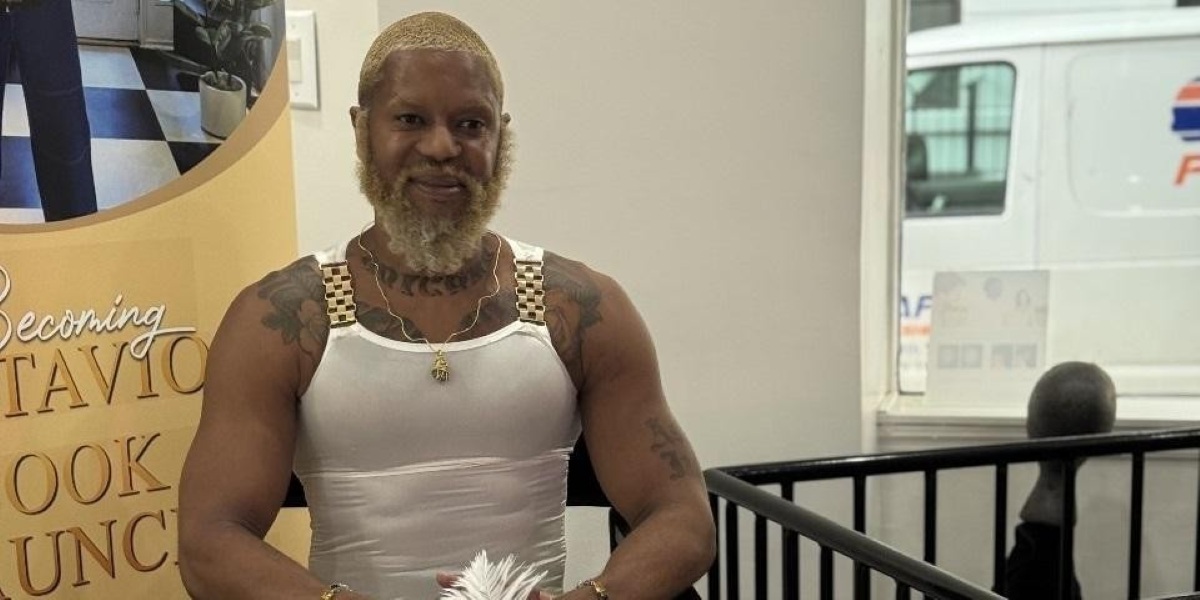
Becoming Octavio chronicles the journey of a young Black boy from Richmond, Virginia, who gradually transforms into a man of conviction, courage, and creativity. Unlike many success stories, Moore’s book offers a raw and authentic look at his life, detailing his struggles with abandonment, rejection, and his ongoing pursuit of his dreams. The memoir underscores the importance of resilience and the belief that, even in the face of hardship, transformation is possible.

A Journey of Self-Worth and Perseverance

Moore’s story is a noteworthy contribution to the landscape of African American memoirs, exploring universal themes of identity, masculinity, and self-worth. Raised by strong women, especially his faith-filled grandmother, he reflects on the stark contrast between the love he found at home and the rejection he experienced from his biological father. These internal struggles were just as impactful as any external obstacles. A deep desire to prove himself—not only as a model but as a man worthy of love and respect—fueled his pursuit of greatness. The book provides an unfiltered glimpse into what it can feel like to be unseen yet determined. His experiences reveal the complexity of emotional resilience and the ongoing journey toward self-acceptance.

From Modeling Ambition to Creative Purpose

A defining thread in Moore’s journey is his ambition to become a model. Inspired by television and supported by cousins in the music industry, he embarked on a long path that was filled with both hope and hardship. His memoir offers an insider’s view of navigating casting calls, financial instability, and cultural rejection while striving to maintain self-worth in a competitive industry. These experiences add to the underrepresented genre of Black male model stories.

An unexpected career turn led Moore to hairstyling, a path that initially began as a misunderstanding in high school but gradually evolved into clarity and purpose. The beauty industry provided him with financial support, freedom, and a community of clients who saw his potential even when he doubted it. This support helped shape his confidence and paved the way for his emergence as an author. His story serves as a testament to the importance of finding one’s calling, even if it takes time to uncover.

A Story of Healing and Realism

At its core, Becoming Octavio is an inspirational story about becoming whole. Moore finds meaning in unexpected places—from his grandmother’s guidance to the encouragement of teachers and even a surprising gift from a loyal client. The memoir is not sanitized; Moore shares painful details of rejection, self-doubt, and emotional abuse, showing readers that healing is not always easy or linear. This focus on emotional labor is rarely addressed in mainstream narratives about men, especially Black men, making the book a notable addition to the genre. Moore’s candid approach to his emotional journey offers readers the opportunity to reflect on their own paths toward healing and self-understanding.

A Voice for Many

The book’s broad appeal makes it a valuable read for young men of color struggling with identity, artists facing rejection, and anyone interested in motivational content for men. It is also a resource that educators, mentors, and counselors may find useful in seeking to understand the complexities of emotional development in marginalized communities. Moore’s honest, reflective, and conversational writing style makes the complex emotions of his story approachable to all readers. His journey resonates with anyone who has had to rebuild their sense of self-worth in the face of life’s challenges.

Becoming Octavio is a refreshingly vulnerable and grounded work in a world of filtered storytelling and overnight success tales. It serves as a reminder that the most important goal may not always be about fame, but about self-definition and discovering who you’ve always been.

Availability

Becoming Octavio is available for purchase on Amazon and through major online retailers like Barnes & Noble, as well as select independent bookstores. Signed copies are available through the author’s website.

Reducing Surgical Waste: Smart Cost Strategies for Hospitals

Hospital operating rooms face a financial paradox. They generate enormous amounts of waste while budgets grow tighter each year. The average surgery produces up to 10 pounds of trash, and disposing of it costs hospitals millions annually. Most facilities treat this expense as unavoidable, but the reality is different. Strategic waste reduction delivers substantial savings without compromising patient safety or care quality. Smart management of medical surgical supplies combined with efficient disposal practices can cut costs dramatically. This article breaks down proven strategies that help hospitals reduce waste expenses while improving their bottom line and environmental impact.

The True Cost of Operating Room Waste

Operating rooms create more waste than any other hospital department. This waste carries hidden costs that extend far beyond the obvious disposal fees.

Breaking down the actual expenses:

  • Biohazard waste disposal costs five to ten times more than regular trash
  • Staff time spent handling and sorting waste adds labor costs
  • Storage space for waste containers takes up valuable real estate
  • Transportation fees for waste removal keep rising
  • Regulatory compliance and documentation require administrative resources

A single operating room can generate $1,500 to $3,000 in waste disposal costs per month. Multiply that across all surgical suites, and the annual expense becomes staggering.

Many hospitals waste money by treating clean materials as biohazard waste. This single mistake can double or triple disposal costs unnecessarily.

Why Hospitals Overspend on Surgical Supplies?

Supply waste starts long before items hit the trash bin. Poor purchasing decisions create a cascade of unnecessary expenses.

Common supply management problems include:

  • Ordering more than needed due to fear of shortages
  • Buying items that expire before use
  • Stocking duplicate products that serve the same purpose
  • Opening sterile packages that never get used during surgery

One study found that up to 30% of opened surgical supplies get thrown away unused. That means hospitals literally throw money in the trash with every procedure.

Standardized surgical kits often contain items that specific surgeons never use. Custom-building these kits to match actual needs prevents waste while cutting costs.

How Proper Waste Segregation Saves Money Fast?

Most hospitals can cut disposal costs by 30-50% through better waste sorting. The key is training staff to distinguish between true medical waste and regular trash.

Understanding Waste Categories: Only materials contaminated with blood or infectious fluids require expensive biohazard disposal. Clean packaging, paper, and uncontaminated plastics can go into regular trash or recycling.

The Red Bag Problem: Many operating rooms default to throwing everything into red biohazard bags. This expensive habit stems from confusion about regulations and fear of making mistakes.

Simple Sorting Solutions: Color-coded bins with clear labels and pictures help staff sort correctly. Place bins strategically where waste gets generated to make proper disposal the easy choice.

One hospital saved $300,000 annually just by training staff to segregate waste properly. The investment in education paid for itself within weeks.

Reusable Items Cut Costs Over Time

Switching from disposable to reusable products requires upfront investment but delivers long-term savings. The math strongly favors reusables for many applications.

Cost Comparison Example: A disposable surgical gown costs $3-5 and gets used once. A reusable gown costs $30 but withstands 75-100 launderings. Over its lifetime, the reusable gown costs pennies per use.

Items Worth Switching: Hospitals see the biggest returns when replacing these disposables:

  • Surgical gowns and drapes
  • Patient warming blankets
  • Hard plastic containers for sterile instruments
  • Surgical towels and linens

The environmental benefits come as a bonus alongside financial savings. Less waste means lower disposal fees and reduced purchasing costs.

Modern sterilization technology makes reusables as safe as disposables. Concerns about infection risk are outdated when proper protocols are followed.

Device Reprocessing Programs Deliver Major Savings

Single-use medical devices cost hospitals billions annually. Many of these items can be safely cleaned, sterilized, and reused through FDA-regulated reprocessing programs.

Third-party reprocessing companies handle the entire process. They pick up used devices, clean them to FDA standards, repackage them, and return them ready for use.

Financial Impact: Reprocessed devices cost 40-60% less than buying new ones. A hospital performing 100 surgeries monthly can save $50,000 to $100,000 per year through reprocessing.

Commonly Reprocessed Items

  • Surgical staplers and cutting devices
  • Electrophysiology catheters
  • Compression sleeves
  • Pulse oximetry sensors

Safety data shows reprocessed devices perform identically to new ones. Thousands of hospitals now use reprocessing programs without any increase in complications.

The savings scale with volume. Larger hospitals see bigger returns, but even small facilities benefit financially.

Supply Chain Optimization Prevents Waste

Better inventory management stops waste before it starts. Modern supply chain strategies reduce expired products, overstocking, and emergency orders.

Just-in-Time Ordering: Ordering supplies closer to when you need them prevents expiration waste. Digital inventory systems track usage patterns and predict needs accurately.

Par Level Adjustment: Many hospitals maintain unnecessarily high inventory levels. Analyzing actual usage data reveals opportunities to reduce stock without risking shortages.

Vendor Partnerships: Some suppliers offer consignment programs where hospitals only pay for items they use. This eliminates waste from expired inventory while improving cash flow.

Group Purchasing: Joining group purchasing organizations provides better pricing and reduces minimum order quantities. Smaller hospitals especially benefit from these arrangements.

Supply chain improvements deliver quick wins. Most hospitals find waste reduction opportunities within their first inventory audit.

Recycling Programs Turn Waste Into Revenue

Many materials hospitals throw away have value. Recycling programs recover costs while reducing landfill waste.

Blue Wrap Recycling: The sterile blue plastic wrapping around surgical instruments is highly recyclable. Specialized companies pay hospitals for this material or provide free waste collection in exchange for the plastic.

Metal Recovery: Stainless steel instruments, equipment parts, and packaging materials contain valuable metals. Scrap metal recycling generates revenue while keeping materials out of landfills.

Cardboard and Paper: Operating rooms receive tons of cardboard packaging. Setting up cardboard recycling diverts significant waste volume at minimal cost.

Some hospitals have turned recycling into a profit center. The revenue rarely covers all disposal costs but helps offset expenses while supporting sustainability goals.

Training Staff Reduces Expensive Mistakes

Human error drives many waste-related costs. Comprehensive training helps staff make better decisions that save money.

Key Training Topics

  • How to identify different waste types correctly
  • When to open sterile packages versus keeping them sealed
  • Proper techniques for waste segregation
  • Understanding the cost impact of waste decisions

Making Training Stick: Short refresher courses work better than one-time annual sessions. Visual reminders near waste bins reinforce correct behaviors. Sharing cost savings data motivates staff by showing their impact.

Champions Program: Identifying sustainability champions within each surgical team spreads best practices organically. Peer-to-peer education often works better than top-down mandates.

Facilities that invest in training see measurable waste reduction within months. The return on investment is clear and quick.

Tracking Data Reveals Savings Opportunities

You cannot improve what you do not measure. Waste audits and ongoing tracking identify where money gets wasted.

Simple Metrics to Monitor

  • Total waste volume per procedure type
  • Percentage of waste properly segregated
  • Cost per pound of waste disposal
  • Supply expiration rates

Conducting Waste Audits: Sort through operating room trash for one week to see what you actually throw away. Most hospitals discover that 50-70% of waste is not truly hazardous.

Dashboard Reporting: Monthly reports showing waste reduction progress and cost savings keep teams engaged. Celebrate wins and address problem areas quickly.

Data-driven decisions outperform guesswork every time. Hospitals that track metrics consistently outperform those that rely on assumptions.

Negotiating Better Waste Disposal Contracts

Waste haulers compete for hospital business. Hospitals with multiple contracts should regularly seek competitive bids.

Contract Review Checklist:

  • Compare per-pound disposal rates across vendors
  • Examine pickup frequency requirements
  • Review any minimum volume commitments
  • Check for hidden fees and surcharges

Volume-Based Savings: As waste volume decreases through reduction efforts, renegotiate contracts to reflect lower service needs. Some hospitals cut disposal contracts by 40% after implementing waste reduction programs.

Service Bundling: Consolidating multiple waste streams with one vendor sometimes yields better overall pricing. However, compare bundled versus separate contracts to ensure savings.

The waste disposal market allows negotiation. Hospitals often accept initial quotes without shopping around, leaving money on the table.

Technology Solutions for Waste Management

New technologies help hospitals track waste, improve efficiency, and reduce costs through automation and better data.

RFID Tracking Systems: Radio frequency tags on waste containers provide real-time data about waste generation by location and time. This granular information reveals specific improvement opportunities.

Automated Sorting: Some facilities use sensor-based systems that help staff sort waste correctly at the point of generation. These systems reduce sorting errors that lead to costly misclassification.

Inventory Management Software: Modern systems track supply usage patterns, predict needs, and alert staff before items expire. This prevents waste from overstocking and expiration.

Technology requires upfront investment but often pays for itself through waste reduction and labor savings within one to two years.

Conclusion

Reducing surgical waste cuts costs significantly while benefiting the environment. Hospitals can achieve substantial savings through proper waste segregation, smart supply management, embracing reusable items, and implementing device reprocessing programs. Better staff training prevents expensive mistakes, while data tracking reveals hidden opportunities for improvement. The financial case for waste reduction grows stronger as disposal costs continue rising. 

Every dollar saved on waste management can redirect toward patient care and essential services. Hospitals that take action on these strategies typically see returns within months rather than years. The path to lower costs and less waste requires commitment but delivers measurable results that improve both financial performance and environmental stewardship across healthcare facilities.

William Mile: Writing to Inspire Depth, Change, and Cultural Upliftment

For author William Mile, writing is not merely a craft—it is a mission to inspire curiosity, challenge assumptions, and ignite cultural dialogue. His work explores the edges of spirituality, psychology, and social consciousness, inviting readers to reimagine what it means to live with purpose in an increasingly complex and rapidly evolving world.

William’s books fall within the realm of spiritual nonfiction, yet his approach is refreshingly original. Rather than reinterpreting familiar self-help formulas, he creates an intellectual bridge between science and spirit, drawing from psychology, history, philosophy, and lived experience to offer perspectives that are both reflective and actionable. His writing encourages readers to question societal conditioning, embrace authentic self-awareness, and engage actively with the world around them.

For William, the written word serves as a catalyst for inner transformation and collective evolution. He seeks not only to inspire personal reflection but also to empower leaders, innovators, and seekers to cultivate empathy, resilience, and purpose in their communities. His work ultimately aims to spark a movement of consciousness that connects individual well-being with the larger social good.

A graduate of William Paterson University in New Jersey, William earned a bachelor’s degree in psychology, a discipline that fueled his fascination with the interplay between thought, emotion, and culture. Parallel to his academic journey, he immersed himself in meditation and contemplative practice for over two decades, developing a profound understanding of how spiritual awareness can influence decision-making, relationships, and leadership.

Through years of observation, William recognized a recurring imbalance in modern spiritual discourse. Many individuals, he noted, became absorbed in inward exploration, seeking enlightenment through detachment while losing sight of their practical responsibilities and potential contributions to the world. This disconnect between spiritual ideals and everyday realities inspired him to write his first book, a bold and transformative examination of how spirituality can be integrated into work, family, and civic life.

In his upcoming works, William continues to challenge readers to move beyond passive self-improvement and embrace an engaged, compassionate way of living—one that unites mindfulness with meaningful action. His writing stands as an invitation to a new era of spiritual realism: grounded, intelligent, and deeply human.

A Writer’s Path

William’s debut, Get Off Your Zen and Get a Job, was published in 2024. It reflects his concern that the pursuit of spirituality has, in some cases, drifted into escapism. In its pages, he examines how devotion to meditation alone can unintentionally create imbalance, and he proposes a path where spiritual depth coexists with practical responsibility. The book blends narrative, history, and logical reasoning to provoke readers into rethinking what it truly means to live spiritually in the modern world.

In 2025, William released his second work, Imagine: Toward a Brotherhood of Man, through American Real Publishing. This book, which he regards as one of his key works, is a sweeping reflection on human society, its structures, and its struggles. He challenges readers to consider the root causes of discontentment and division while pointing toward solutions rooted in cooperation, empathy, and cultural evolution. For William, Imagine represents not just another publication but the culmination of more than 20 years of inquiry into human nature and spiritual growth.

Recognition and Approach

Although William does not define success in terms of sales, he has received recognition for his efforts. His work has been featured through Amazon’s exclusive Vine review program, a selective initiative where reviewers are invited to share their perspectives on new releases. To William, this acknowledgment affirmed that his voice and ideas resonate within a wide literary and cultural landscape.

Yet his goals remain authentic and human centered. “I place more value on my theories resonating with movers and shakers than on making a ton of profit,” he explains. While he appreciates commercial success, he emphasizes that his true reward lies in meaningful connections with readers who find depth and inspiration in his books.

Audience and Intent

William’s audience is as diverse as his subject matter. He writes for seekers of all ages—those questioning their paths, those searching for purpose, and those striving to lead with integrity. His work appeals to spiritual explorers, cultural critics, artists, and everyday individuals who long for depth in a noisy, fast-paced world. Leaders in particular, whether in politics, education, business, or community service, may find his ideas both grounding and challenging.

At the same time, William cautions against consuming his work passively. He encourages readers to step away from screens, to hold a physical book in their hands, and to integrate its lessons into their daily lives. “Go out, find your path, or forge it,” he urges. “Discover your work, do it fully, lead this world and leave it better than how you came into it.”

Looking Ahead

With the release of Imagine: Toward a Brotherhood of Man in late 2025, William continues to deepen his contribution to cultural conversations. While he has no interest in writing formulaic “feel-good” guides, he remains committed to producing literature that is both spiritually rich and socially relevant. His broader goal is to leave behind a legacy of pioneering work that future generations can draw from.

Connect with William

Readers can explore William’s books directly through his website, williammile.com, where he also answers reader questions publicly so others can learn from the dialogue. His books are available on Amazon, including his most recent release, Imagine: Toward a Brotherhood of Man

Instagram – @WilliamMileAuthor

TikTok – @WilliamMileAuthor

Health Psychologist Dr. Robert Lutz Explores the Forces and Choices Shaping a Life Well-Lived from Start to Finish

By: Arthur Brown

In Start to Finish: A Life Well-Lived, Dr. Lutz draws on his decades of experience as a Psychologist, Educator, and Behavioral Medicine Specialist. His book offers insights into how our core needs were shaped over millennia of living in small, cohesive groups as hunter-gatherers, and how these needs continue to play a role in the pursuit of a full life. His message highlights the idea that across all cultures, people are united by a core desire for connection, purpose, and well-being, and suggests ways to increase the likelihood of achieving a meaningful life, regardless of where we begin.

Lutz doesn’t shy away from pointing out that “where we start” is highly variable. He acknowledges that the pursuit of a good life doesn’t rest on a level playing field, making our choices and efforts even more significant.

“Factors outside our control, including the circumstances we’re born into, can have a fundamental impact on how life unfolds. Some children are fortunate to receive the help and encouragement they need to succeed in school and life. Others with similar needs might not have the same opportunities.”

With honesty and compassion, Lutz describes how people generally gravitate toward where their interests, abilities, and opportunities lie, choosing the best available option and creating a path forward to a good, fulfilling life for everyone, provided opportunity exists and is paired with effort.

His writing is like a thoughtful conversation, with relatable descriptions and practical advice. In describing how to reduce self-defeating behaviors, Lutz uses easily relatable examples, such as explaining how emotional processing influences our decisions… like wanting to eat healthy, but craving pizza rather than vegetables in the moment.

Dr. Lutz provides “how-to” steps to navigate life’s challenges and increase the odds in our favor, covering stress management, emotional regulation, positive thinking, effective communication, mental health, and ending with the potentially significant impact of our lifestyle choices for our long-term health and well-being.

In reviewing causes of death and disability, Lutz notes that since the development of antibiotics and vaccines, infectious diseases are no longer a leading cause of death. People now live a lot longer on average, resulting in more wear and tear on our bodies. As a consequence, degenerative diseases like cancer and heart disease, which are largely influenced by lifestyle, have become leading causes of death.

Lutz points out that genetic predispositions for degenerative diseases can often be mitigated by making healthier lifestyle choices. In clear terms, Lutz describes how lifestyle and genetics interact, and provides actionable steps anyone can take to increase their chances for healthier, longer, and more fulfilling life.

“Nature may load the gun, but whether or not the trigger is pulled often depends on the lifestyle choices we make.”

His book ends with a heartfelt review of the vast variability in how people age. Lutz doesn’t shy away from describing harsh realities. Revealing his own strong family history of Alzheimer’s Disease, Lutz describes shortcomings in end-of-life care and makes a poignant case for the importance of expanding Advance Medical Directives to better address current limitations in end-of-life choices.

Why This Book Matters Now?

Inequality in our society is vast and growing. Lutz’s thoughtful review of the fundamental role of luck in how a life unfolds provides a more transparent framework for understanding success and the odds people face. He offers insights into the steps anyone can take to improve their odds, and advocates for society to provide a better safety net to help even the playing field and give more people the chance to get off to a promising and fair start.

People are living longer, but not necessarily better, with too many people spending their last years debilitated and suffering. Lutz provides clear, science-backed advice to help anyone improve their odds for successful aging and overall well-being. In revealing the practical and emotional complexity of long-term care choices, he offers his personal thoughts on how advance medical directives can and should be expanded.


Disclaimer: The content in this article is for informational purposes only and reflects the author’s personal insights and perspectives. The ideas presented are not intended to serve as professional advice or recommendations. Individual circumstances may vary, and readers are encouraged to seek personalized guidance from a licensed professional or expert regarding health, lifestyle choices, or medical care. The views expressed in this article are those of the author and do not necessarily reflect the opinions of any affiliated organizations or entities.

BB Stevens Releases New Album “Hoboken” on Stryker Records

BB Stevens, the talented Baltimore native now residing in Hoboken, New Jersey, has released his latest album Hoboken on September 19th under Stryker Records. Distributed by Virgin Music Group, the 10-track album showcases Stevens’ unique blend of alt-rockabilly, smoky vocals, and post-psychedelic soundscapes, which critics have already begun to praise. The album marks a significant return for Stevens after a lengthy break from the music scene, following a series of personal challenges that led to a period of self-exile.

A Journey Through Life and Music

BB Stevens’ journey into music began with love, but life threw numerous hurdles his way, including multiple divorces, financial struggles, and personal losses. These experiences, while challenging, have shaped the artist into who he is today, giving his music an emotional depth that resonates with listeners. As Stevens reflects on his journey, he echoes a sentiment inspired by Nietzsche’s famous aphorism, “What does not kill us makes us stronger.”

Stevens’ musical career began at the age of sixteen when he signed his first major record deal with Decca Records. Over the years, he has contributed his songwriting and production skills to international superstars, including Madonna. His recent collaborations include a partnership with Saving Abel’s Scotty Austin and award-winning producer Malcolm Springer on the track Lucifer’s Rain (The Bad One Is Back), released in 2023. These partnerships are a testament to Stevens’ enduring talent and his continued influence in the music industry.

The Sound of Hoboken

BB Stevens Releases New Album Hoboken on Stryker Records

Photo Courtesy: Stryker Records

The release of Hoboken signals a new chapter for Stevens, who returned to the scene after a long hiatus. Critics have already begun to describe the album as a “mind-bending, post-psychedelic journey.” The album blends Stevens’ signature alt-rockabilly style with echoes of classic Pink Floyd, creating a captivating listening experience. Songs on the album reflect Stevens’ growth as an artist, weaving together intricate soundscapes and raw, emotional vocals.

One standout track leading up to Stevens new album Hoboken, is Starlight in Me, a single released in September 2024. Produced by Sir Douglas Fabiano and mastered by Malcolm Springer, Starlight in Me brings together the signature influences of Stevens’ musical background, including the distinctive touch of Ian Hunter. The track’s artwork was created by New Jersey-based artist Hope Buzzelli, whose work has already made waves in the fine art world. Buzzelli also directed the music video for the song, marking a unique collaboration between the worlds of music and visual arts.

Beyond Music: The Multi-Faceted Artist

BB Stevens is not just a musician—he is also a published author. Writing under the pseudonym Stevie B, Stevens has authored three novels: Pajamas on a Sun Stained Beach, The Freaky Fungal Family Tree, and Alice. His transition from music to writing further exemplifies his versatility and artistic vision, demonstrating that his creativity knows no bounds.

When he’s not recording new music or writing novels, Stevens keeps busy by performing regularly in the Northeast. He has a residency at Hoboken’s Louise & Jerry’s Tavern, where he enjoys playing for a loyal audience. The tavern’s regulars are part of what Stevens calls his “Freak family,” a community that he finds both welcoming and inspiring. In fact, he regularly performs outside the venue, weather permitting, creating an intimate atmosphere for his fans.

A Personal Philosophy: Bowery Buddhism

Stevens also embraces a unique spiritual philosophy known as Bowery Buddhism, which he humorously admits to having created himself. Unlike traditional religions, Bowery Buddhism encourages individuals to embrace their own inner “freak” and be unapologetically authentic. The core tenets of this philosophy urge followers to find their inner freak, express it freely, and connect with like-minded individuals. For Stevens, this personal philosophy has been a guiding force throughout his career and life, helping him navigate the challenges he has faced. His fans, affectionately called “BBheads,” resonate with his message of individuality and authenticity.

Resilience and Loss: A Tribute to James Lane

BB Stevens Releases New Album Hoboken on Stryker Records

Photo Courtesy: Hope Buzzelli

The recent loss of his personal manager, James Lane, to cancer has had a profound impact on Stevens. Lane’s passing served as a reminder of the importance of maintaining a healthy lifestyle, and Stevens has since committed himself to regular exercise and a disciplined diet. Despite the personal challenges, Stevens remains focused on his music, continuing to create and share his art with the world.

As Stevens moves forward in his career, the release of Hoboken serves as both a personal and artistic milestone. The album is not just a musical release but a testament to his resilience and dedication to his craft. His passion for music, writing, and spirituality shines through in every aspect of his life, and with Hoboken, Stevens offers a fresh perspective on his artistic journey, inviting his fans to join him in this new chapter.

Contact BB Stevens

For more information about BB Stevens, upcoming performances, or to explore his music and writing, visit the following links:

BB Stevens continues to inspire with his music, his philosophy, and his unwavering commitment to creating meaningful art. As Hoboken marks a new era in his career, listeners and fans alike can look forward to the evolution of an artist who has only just begun to share his story.

Lessons from 80 Countries: Tony Gunn’s Cross-Cultural Manufacturing Odyssey

By: Natalie Johnson

Most manufacturing experts develop their expertise within the boundaries of one country, perhaps one region. Tony Gunn has taken a radically different approach, traveling to more than 80 countries to understand how different cultures approach the art and science of making things.

This global perspective has transformed Gunn from a skilled machinist into a unique voice in manufacturing thought leadership. Where others see regional practices, he sees patterns. Where others encounter language barriers, he finds universal truths about craftsmanship, innovation, and human ingenuity.

“Every country has something to teach about manufacturing,” Gunn observes. “Germans approach precision differently than Japanese manufacturers. American innovation differs from Korean efficiency. When you see how the whole world solves problems, you realize there is no single ‘right way’: just different solutions for different contexts.”

His travels have taken him from advanced manufacturing centers in Western Europe to emerging industrial hubs in Southeast Asia. He has visited precision workshops in Switzerland, massive production facilities in China, and innovative startups in Israel. Each experience has added layers to his understanding of what manufacturing is and what it could become.

Gunn’s approach to these visits goes deeper than industrial tourism. He connects with head engineers, spends time on shop floors, and asks questions about not just what is being made, but how decisions are made, how workers are trained, and how companies adapt to change. This ethnographic approach to manufacturing reveals insights that purely technical analysis would miss.

One recurring theme from his global travels is the human element of manufacturing. While technologies and processes vary, Gunn has found that successful operations everywhere share common characteristics: respect for workers, commitment to continuous improvement, and leadership that values both efficiency and quality. These principles transcend cultural boundaries.

The cross-cultural competence Gunn has developed serves him well in his role as a global manufacturing advocate. He can speak credibly about European automation trends, Asian supply chain strategies, and American manufacturing renaissance efforts. This breadth of knowledge makes him a valuable bridge between industries, companies, and countries that might otherwise remain isolated.

His travels have also shaped his values. Exposure to so many different cultures has reinforced Gunn’s commitment to patience, kindness, compassion, and forgiveness. In countries with dramatically different social norms and business practices, these universal values have helped him build relationships and earn trust. They remind him that manufacturing is ultimately about people working together to create value.

Lessons from 80 Countries Tony Gunn's Cross-Cultural Manufacturing Odyssey

Photo Courtesy: Tony Gunn

Gunn brings these global insights to his podcast, The Gunn Show, where he shares stories and lessons from his travels. Listeners gain access to perspectives they would never encounter in their local manufacturing ecosystems. A machinist in Virginia can learn from practices in Germany. An engineer in California can consider approaches used in Japan.

The timing of Gunn’s global work is significant. As supply chains become more complex and international, manufacturing leaders need to understand how different regions operate. As companies consider reshoring or nearshoring, they need insights into comparative advantages. Gunn’s experiences provide exactly this kind of strategic intelligence.

His travels have also given him a unique vantage point on global manufacturing challenges. Skills gaps are not just an American problem: they affect nearly every industrialized nation. Automation anxieties are universal. Sustainability pressures are mounting worldwide. By seeing these challenges in multiple contexts, Gunn can identify solutions that work across borders.

For young people considering manufacturing careers, Gunn’s story offers an appealing vision. Manufacturing is not about being stuck in one place doing one thing. It is a passport to the world, an opportunity to learn continuously, and a chance to connect with fascinating people everywhere. This narrative could help address workforce shortages by making manufacturing careers more attractive.

Not every manufacturing professional can travel to 80 countries, but Tony Gunn’s experiences benefit the entire industry. Through his advocacy, content creation, and thought leadership, he brings the world’s best manufacturing practices and innovations to audiences who need them.

In an increasingly interconnected global economy, manufacturing cannot afford to be provincial. It requires leaders who understand different approaches, appreciate diverse perspectives, and can synthesize lessons from anywhere into actionable insights. Tony Gunn embodies this global mindset, and manufacturing is better for it.