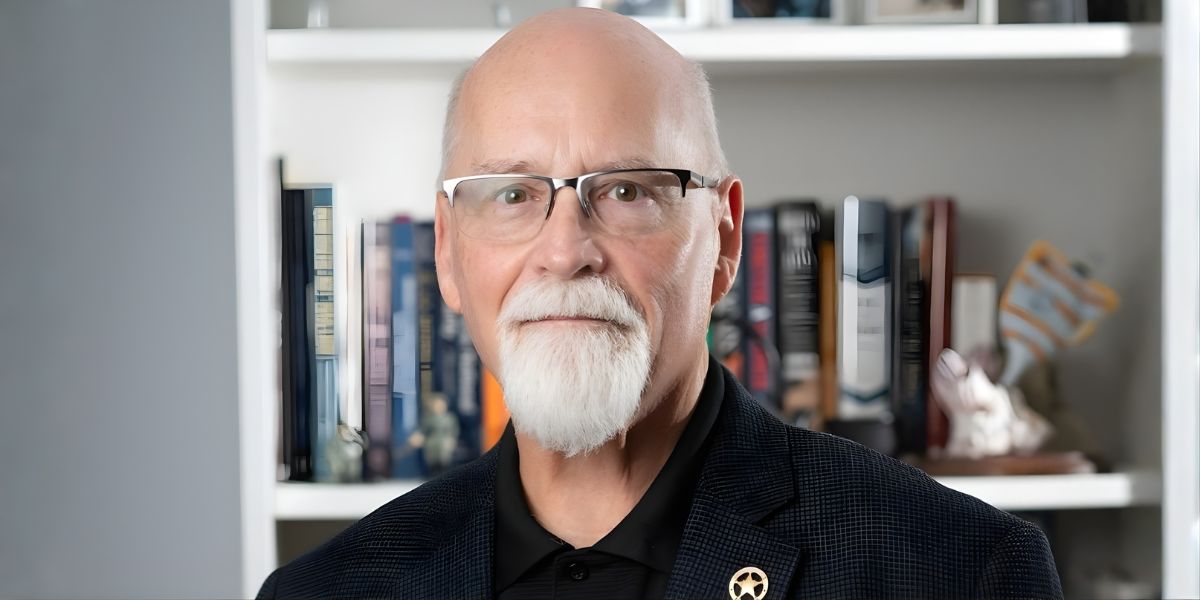
Exploring Material, Precision, and Process – Caleb Summerfelt’s NSB Design Works and Its Approach to Custom Fabrication and Creative Engineering


In a world where computer innovation and imaginative production frequently blend, the frontier between engineering and design remains continually in flux. From building and mechanical gear to specialized installations, corporations increasingly seek solutions that aren’t only well-tuned technically but also visually appealing and constructed in a green manner. The specialty fabrication market in the U.S., according to IBISWorld, has become increasingly elaborate and demanding. Customers no longer demand only performance—they demand design, creativity, and fluency integrated into each and every inch of metal and weld.

As material and tooling improvements rapidly evolve, manufacturers are exploring effective ways to carry out advanced builds, particularly in those fields where strength, precision, and imagination overlap. The capacity to transition seamlessly from engineering schematics to ideation through the aesthetic is no longer a nicety—it’s becoming necessary. This intersection of form and function has created design-centered fabrication studios that merge artistic vision with industrial discipline. Amid this middle ground are firms like NSB Design Works, founded on hands-on design innovation with leadership from someone with extensive experience across several disciplines.

Established by Caleb Summerfelt in 2019, NSB Design Works was founded on the belief that engineering is not detached from creativity but is a vital component. Summerfelt, with years of multidisciplinary experience behind him, has crafted a process that combines mechanical problem-solving with a designer’s perspective. The studio has made a niche for clients requiring custom metal fabrication, precision machining, and conceptual design all in one place.

Summerfelt’s experience ranges across materials and processes. His projects include steel, stainless steel, aluminum, copper, brass, and carbon composites—each selected for strength or longevity and for their performance visually and structurally under certain conditions. The company’s process accommodates this adaptability. Projects may start with design consultations and computer renderings, then move into in-house prototyping, machining, and final fabrication. The outcome is a start-to-finish system in which engineering fundamentals support the creative objective—not restrict it.

The cornerstone of NSB Design Works is flexibility, which has grown more pertinent as industries deal with supply chain interruptions, changing compliance requirements, and increased environmental attention. In a 2022 report by Deloitte, a significant number of manufacturing CEOs highlighted the importance of agility and cross-functional capabilities for growth. Summerfelt’s business model appears to reflect this direction, focusing on collaborative, incremental production cycles that can turn rapidly to accommodate shifts in project scope or customer feedback.

This flexibility also appears in the firm’s project management organization. NSB Design Works is not a typical machine shop or design consultancy—it’s a hybrid. Each project is viewed as a system of interworking parts, where design, materials, and user requirements are continuously analyzed in combination. Clients are small enterprises through to larger entities requiring a single installation or an ongoing design solution. The firm’s products consist of architectural elements, brand installations, and specialty products that demand precision engineering as much as consideration of aesthetics.

Summerfelt’s leadership style balances detail and vision. His participation in shop floor operations and design strategy sessions reflects a leadership approach rooted in engagement. He talks regularly about the need to wed process and intent, which has informed how the studio trains its team and works with external partners. Unlike a top-down system, NSB Design Works has a flat organization in which fabricators and designers tend to work shoulder-to-shoulder.

While NSB Design Works keeps a low profile, its influence on local business and client partnerships has grown prominent. Its combination of technical proficiency and creative adaptability has served it well in an industry dependent on interdisciplinary solutions. The firm has advised on museum displays, branded installations, and industrial prototyping, emphasizing the provision of precision-built objects that are also visually appealing.

The business model also relies intensely on trust-based client relationships. Projects aren’t viewed as transactions but as conversations. Summerfelt often speaks about the power of storytelling in design, in visual identity, and the story behind how an object is assembled. Whether a commissioned art piece or a structural framework for a machine in an industrial setting, the company builds with the knowledge that every piece of work fulfills a larger emotional or functional purpose.

As standards in the industry shift and client expectations grow, NSB Design Works is ideally situated. With a hybrid business model that blends fabrication and idea development and a studio mindset dedicated to staying flexible, the company appears less interested in conforming to standard norms and more interested in reimagining what a design and fabrication studio can be.

Caleb Summerfelt, whose leadership shapes much of this ethos, has shunned the limelight to create processes that speak for themselves. However, as his company continues to provide cross-disciplinary solutions, his method of combining design, engineering, and collaboration offers a possible blueprint for the future of custom fabrication.

Helena Jauregui Shines in New Film Pickle for Pickleball

By: Francis J

For Helena, Pickle for Pickleball represents more than just another acting job. It is a chance to challenge herself with a role that is fresh and unique. She expresses her excitement for the project, saying, “I’m incredibly excited to be part of the cast for such a unique and uplifting story. Every role pushes me to grow, and this one feels like a fresh and exciting challenge.” Her enthusiasm highlights the fact that each new role offers a new opportunity for her to deepen her craft and broaden her horizons. With this new character, she is stepping into unfamiliar territory, one that she believes will allow her to grow both as an actress and as a storyteller.

While Pickle for Pickleball represents an exciting departure from some of the genres and characters Helena has previously portrayed, it is, nonetheless, a natural progression of the career foundation she has so carefully built over the years. In the past year alone, Helena has showcased her talent and versatility across more than 30 professional projects, solidifying her presence in the industry. Among these, her dramatic performances in films like The Goodbye stand out. This deeply emotional narrative not only tested her range but also underscored her ability to convey complex, raw emotions with ease. The Goodbye marked a significant milestone in Helena’s career, demonstrating her skill in nuanced, deeply introspective roles.

Additionally, in the sci-fi thriller Paranormal Body Stream, Helena once again proved her adaptability, immersing herself in a supernatural mystery that demanded both physical and emotional depth. These films, along with her numerous other roles, have enhanced her reputation as a dynamic actress, capable of taking on a wide variety of roles with confidence and expertise. Helena’s career continues to flourish as she explores diverse genres, solidifying her place as one of the reputable talents of her generation.

Helena’s rising star status gained significant attention when she was selected to appear in Disney’s upcoming Freakier Friday, marking an important milestone in her early career. This opportunity placed her on a major studio set, where she had the chance to work alongside renowned actors such as Lindsay Lohan and Jamie Lee Curtis. For Helena, this experience was both a learning opportunity and a moment of personal growth. It provided her with insights into the production process of large-scale Hollywood films, which helped her further solidify her place in the entertainment industry.

Being part of the Freakier Friday project granted her valuable exposure and increased visibility in Hollywood, offering a platform that many rising actors aspire to. While the project is still gaining attention, it has already reinforced the perception of Helena as a talented figure in the industry, someone who continues to prove herself in the entertainment world.

In addition to her work in film, Helena’s versatility as an actress extends beyond the big screen, showcasing her dynamic range and emotional depth. She has also made significant contributions to the world of short films and music videos, where her performances have garnered recognition. One of her well-received performances was in the short film El Bar de Hernando, which earned the Audience Award at Cine Gear Expo, a respected event in the cinematography community. This recognition at a prominent industry event helped to establish Helena’s presence within the independent film scene, demonstrating her ability to excel in both larger productions and smaller, more intimate projects.

Helena’s work in independent cinema highlights her dedication and passion for her craft, reflecting her versatility as an actress. The success of El Bar de Hernando serves as an example of how her talents have been acknowledged in various formats, including short films and music videos, where she continues to contribute meaningfully to the arts.

From Brokenness to Breakthrough: How Jesse S. Gines Transforms Pain into Purpose Through Faith and Discipline

By: Arthur Brown

In a world where self-help advice is often superficial and unconnected to real struggles, Jesse S. Gines provides something completely different: truth derived from personal experiences. His latest book, From Pain to Purpose — A 21-Day Journey to Living Your Life with No Excuses, is more than just a compilation of lessons. It’s a guide to change from within and is rooted in discipline, integrity, and unshakeable faith.

A Life Forged in the Fire

Gines’ story begins with a rocky start. He was raised on the streets of New York and Puerto Rico with broken family dynamics as well as poverty and instability. His childhood was defined by his survival. The years that followed saw homeless, gang involvement, prison, and personal tragedy, all the events which could easily have been the final chapter in his life. But instead, they formed the basis of his story.

In each setback, Gines discovered a greater appreciation for God’s mercy. “I realized that every struggle was shaping me,” Gines writes. “God wasn’t punishing me, He was preparing me.” His life was transformed after he embraced faith and stopped blaming excuses for his shortcomings with discipline, showing that redemption is achievable regardless of the point at which you began.

The “No Excuses” Philosophy

At the heart of From Pain to Purpose lies a message that is both convicting and empowering: Excuses are the enemy of transformation.

Gines debunks the notion that history or circumstances decide the course of life. Based on Scripture and his own experience, he claims that excuses are “weakness disguised as reason,” and discipline is the only way towards liberation.

Every chapter serves as a daily exercise that is part journal and part educational guide. The readers are encouraged to think, write, and then take action. The format transforms ideas into action, helping people take concrete steps towards healing and development.

Themes such as the pressure of leadership, breaking generational chains, fitness as worship, and the creation of a legacy make this work far more than a faith-based devotional. It’s a complete plan to change for the modern believer.

Faith, Family, and Legacy

What makes Gines’ message compelling is the fact that his belief in influence starts with his home. He documents his family’s daily prayer time, which is at seven p.m., which he has upheld for the past 15 years. It’s an easy but powerful instance of how true leadership does not begin at the front of the room, but rather around the table at dinner.

His view of legacy goes beyond the material realm. “Your children inherit what you practice, not what you preach,” he states in a quote that explains his philosophy of generational change. For Gines, creating wealth or a business does nothing if you don’t build character and trust.

One of the most enthralling aspects is the combination of spiritual and physical discipline. After sustaining a major injury that kept him in bed, Gines turned to fitness as a way to honor God as well as self-mastery. He writes that his workouts became an opportunity to surrender, and every push-up became an act of prayer. This link between the body and the spirit is a reflection of his central message: discipline is the bridge between pain and purpose.

Living With Purpose In Every Sphere 

Presently, Jesse S. Gines is known as a multi-dimensional leader mixing entrepreneurship, ministry, and mentoring. By establishing Gines Investment Group LLC, he assists others in taking charge with integrity, faith, and focus. Through his speaking engagements and community outreach, he encourages people to trade comfort for commitment and excuses for execution.

The philosophy of Gines transcends the boundaries of religion. It speaks to anyone who wants to overcome adversity. Gines’ story shows us that healing is attainable; however, it takes dedication, honesty, and faith in what you do.

From Pain to Purpose isn’t just a way to inform readers that change is possible, but rather it prepares readers with the tools to bring it to life. Through the course of 21 days, Gines guides readers through their past, confront their anxieties, and develop a daily routine. It’s a plan for rebuilding an enlightened life with just one choice, one prayer, and one “No Excuses” challenge at a time.

His story isn’t just about the things he’s endured, but also about the person he’s become, an example of how suffering can be used to create something new, and faith can be rebuilt, and the legacy can be reborn.

A Call to Transformation

In the end, Gines’ message is unambiguous as well as universal. “Your past doesn’t disqualify you, it prepares you.”

Through vulnerability, sense of wisdom, and unequivocal conviction, From Pain to Purpose urges readers to put aside their excuses and begin making improvements in their lives, whether that’s spiritually, mentally, or physically.

Because when you turn pain into purpose, you don’t just change your life, you change your legacy.

From Estonia to NYC: Marta Klein’s Chaos-Pop Confessions Arrive with Debut EP Mixed Signals

When 19-year-old singer-songwriter Marta Klein stares into the camera in her new music video, there’s no fake tear or forced smile – it’s just her and a haze of headlights, deadpan confidence, and a message as clear as city lights: I’ve arrived. That video, for her single “cuz i’m bored,” is a visual moment and a major tone-setter. It leads into Klein’s debut EP, Mixed Signals, which dropped  September 12. The five-track release, produced by Chris Clark (Sorum mgmt), captures her signature mix of melodrama, emotional honesty, and alt-pop polish, delivered with an unapologetic bite that feels equal parts confessional and confrontational.

A Cross-Continental Origin Story

Klein’s musical journey started far from the chaos of downtown Manhattan. Born in Estonia, she went to high school in Florida, balancing cultures while figuring out where her creativity fit in. She trained in performance across Spain and the U.S. before eventually landing at NYU’s prestigious songwriting program. Now entirely based in New York City, Klein says the city’s energy, chaos, and drama have seeped into her music, pushing her to write from a more unfiltered, lived perspective. That restless determination, paired with her openness to take risks, has become part of her creative DNA.

The Rise of a Soundtrack Queen

Ahead of the EP, Marta released the music video for cuz i’m bored,” directed by Dylan Bieber and Dylan Esko. Shot at night across New York’s shadowy underpasses and industrial corners, the video features Marta wandering the city with quiet intensity. Her expression rarely breaks, allowing the audience to project their own emotions onto her performance. “It’s about making stupid decisions just for the thrill,” she explains. “That space where you know better, but you’re still human.”

The track itself pulls from a wide range of influences — Avril Lavigne’s pop-punk bite, Alanis Morissette’s raw confessions, and Paramore’s punchy energy. But what emerges isn’t imitation – it’s a sound that is firmly Marta’s own: hook-driven, emotionally unfiltered, and unmistakably contemporary.

Watch the music video for “cuz i’m bored” HERE and stream her EP Mixed Signals here.

What Are We Saying with Mixed Signals?

Across the EP’s five songs, Marta leans into themes that define much of the teenage experience: blurred relationships, restless ambition, and the search for identity in an increasingly chaotic world. Mixed Signals is part diary entry, part anthem, and part warning sign to anyone expecting surface-level pop. Her writing thrives in that in-between space – songs that admit to bad decisions, embrace contradictions, and remind listeners that perfection isn’t the point. 

Looking Ahead

While Mixed Signals marks a milestone, Marta Klein is far from finished. With another EP already in development, an expanding live presence in NYC’s underground venues, and a fanbase steadily growing through social media and word-of-mouth, she’s quickly becoming one of the city’s fresh new voices.

Her dream? To one day play Coachella. But Marta isn’t rushing the process. She’s focused on building the kind of catalog that will stand the test of time and resonate long after the first wave of hype. “I want people to feel like they’ve lived through something with me,” she says. “That’s when the music really matters.”

In the end, the “cuz i’m bored” music video feels like the perfect visual summary of who Marta Klein is right now, caught between rebellion and reflection, growing up in real time while turning that chaos into something beautiful. The dim lights, the late-night city energy, and the quiet confidence she carries through every frame show an artist who’s learning to own her story. It’s raw, honest, and refreshingly unpolished, precisely what makes Marta one to watch as she continues to build her sound and identity. 

For now, Marta Klein’s chaos-pop confessions are carving out space on her own terms – and if Mixed Signals is any indication, she’s only just beginning to arrive.

Why Planning Business Functions with Expert Help Leads to Better Outcomes

In an increasingly complex business landscape, the importance of strategic planning cannot be overstated. Every successful organisation shares one vital attribute: the ability to meticulously plan and execute its business functions. This is not merely a matter of guesswork or intuition; it requires a dedicated approach that often benefits from the insight and expertise of professionals.

Understanding the Need for Expert Assistance

When it comes to planning business functions, expert help can make a world of difference. But why exactly is this the case?

Navigating Complexity

Today’s businesses face a plethora of challenges, from regulatory changes to disruptive technologies and shifting consumer behaviour. Expert consultants bring a wealth of experience that allows companies to navigate these complexities more effectively. They provide insights that internal teams may overlook due to their involvement in day-to-day operations.

Consider a scenario where a small business wants to expand its offerings. An expert can conduct thorough market research to identify potential gaps and opportunities, helping the organisation avoid costly missteps. Their perspective can be invaluable, aiding businesses in making informed decisions rooted in data rather than intuition.

Tailored Strategies

Each business is unique, with its own set of challenges and goals. Off-the-shelf solutions rarely yield significant results. This is where expert consultants shine; they specialise in developing tailored strategies aligned with a company’s specific needs.

For instance, a branding agency like Zentive provides customised marketing solutions that take into account the distinct features of each client. Such specialised assistance often leads to better resource allocation and higher efficiency, as the strategies developed are designed to work harmoniously within an organisation’s existing framework.

The Benefits of Collaborative Planning

Enhanced Creativity

Collaborative planning is another significant advantage of seeking expert help. When professionals from various backgrounds come together, they introduce diverse perspectives that encourage innovative solutions. This collaborative engagement fosters a culture of creativity, offering a safe space for ideas to flourish.

Moreover, engaging in brainstorming sessions with external experts can energise internal teams, rekindling their passion for the work they do. This sense of revitalisation can prove crucial, especially during periods of stagnation.

Objective Assessment

An expert’s external viewpoint allows for an objective assessment of a business’s current functions. Internal stakeholders often have biases that can colour their judgement. An unbiased perspective can shine a light on inefficiencies and redundancies that may go unnoticed.

For example, a consultant might discover that certain processes are outmoded or that resources are being misallocated. This kind of insight can lead to significant operational improvements, driving both efficiency and profitability.

Strategic Implementation

While planning is vital, the execution of strategies is where many businesses falter. This is another area where expert help can be incredibly beneficial.

Structured Approach

Experts can introduce systematic approaches to implementing new business functions. They often have tried-and-tested frameworks to guide the planning process, from initiation all the way to execution and evaluation, which can significantly reduce the potential for errors.

Furthermore, their experience in change management can help smooth the transition, ensuring employees are well-prepared and engaged with any new strategies put in place. Having a structured implementation strategy can ease the resistance often experienced during organisational change.

Continuous Improvement

Finally, expert assistance doesn’t end once a strategy is implemented. Evaluation and adjustment are crucial components of any successful business function. Experts can help businesses develop key performance indicators (KPIs) to measure success effectively.

Regular reviews can identify what is working and what isn’t, allowing for iterative improvements. This ability to adapt and fine-tune operations leads to sustained growth and enhanced outcomes over time.

How Expert Guidance Drives Business Improvement

Many businesses may hesitate to invest in expert help, seeing it as an expense rather than a strategic advantage. However, the benefits of such an investment can be significant over time.

Extracting Value

By investing in expert assistance, businesses can extract considerable value from consulting services. The knowledge gained and the strategies implemented can lead to increased revenue, reduced costs, and improved efficiency, resulting in a more sustainable organisation.

Strengthening Leadership Capabilities

In the long term, working with experts can also strengthen the leadership capabilities of internal teams. Mentorship and training opportunities often emerge through these collaborations, equipping employees with the skills needed for future challenges. This commitment to professional development not only enhances individual capabilities but also elevates the organisation’s overall performance.

Conclusion

The complexities of today’s business environment necessitate a proactive and strategic approach to planning. Collaborating with experts can illuminate paths that may not be immediately visible to internal teams. Whether it’s through navigating market complexities, fostering creativity, or ensuring successful implementation, the benefits are undeniable.

Embracing expert assistance in planning business functions not only catalyses growth but also paves the way for better long-term outcomes. Organisations that invest in such expertise are likely to thrive, harnessing the power of collaboration to transform challenges into opportunities. In today’s fast-changing landscape, strategic planning isn’t just a function of the business—it’s a fundamental pillar for survival and success.


Disclaimer: The information provided in this article is for general informational purposes only and does not constitute professional advice. Companies are encouraged to consult with qualified experts or consultants for personalized guidance specific to their unique needs and circumstances.

Secondary Injuries After a Pedestrian Crash: Hidden Damage & Legal Recovery

A pedestrian crash can turn an ordinary day into a life-changing ordeal. The initial injuries are often obvious—broken bones, lacerations, and bruises—but many victims soon discover that the real battle begins after the hospital stay. Hidden or secondary injuries can appear days or weeks later, causing pain, mobility issues, or emotional distress long after the visible wounds have healed.

For those facing these challenges, legal and medical support are crucial. A trusted law firm like GreeningLaw helps victims understand the full scope of their injuries and fight for the compensation they deserve. Their legal experience ensures that even hidden or delayed complications are recognized and addressed as part of the recovery process.

Understanding Secondary Injuries After a Pedestrian Accident

Secondary injuries are delayed or indirect effects of an initial trauma. After a collision, the body’s shock response can mask pain, allowing deeper damage to go unnoticed. Over time, inflammation, swelling, and nerve compression can create new medical problems that didn’t appear right away.
These injuries might include chronic joint pain, lingering headaches, or soft tissue injuries that can become debilitating weeks later. Because secondary symptoms are less visible than fractures or cuts, they’re often dismissed or overlooked by insurance companies—making thorough medical documentation particularly essential.

The More Common Hidden Injuries After a Crash

Not all injuries from a pedestrian crash are immediately apparent. Some develop gradually as the body begins to heal and adapt to trauma. Recognizing these conditions early on can prevent further complications.
Common secondary injuries include:

  • Soft tissue damage: Strains, sprains, or torn ligaments that worsen over time.
  • Nerve injuries: Tingling, numbness, or shooting pain from nerve compression.
  • Internal bleeding or organ damage: Hidden injuries that could become life-threatening.
  • Chronic pain syndromes: Conditions like Complex Regional Pain Syndrome (CRPS) that can emerge weeks later.
  • Infections: Untreated wounds may lead to infections requiring extended medical care.
  • Post-concussion symptoms: Headaches, dizziness, and memory issues long after impact.
  • Psychological trauma: Anxiety, depression, or flashbacks resulting from the crash experience.

Why Delayed Symptoms Are So Dangerous

After an accident, adrenaline surges through the body, numbing pain and allowing victims to function temporarily. As adrenaline levels drop, previously hidden pain and discomfort might become noticeable. Many victims mistakenly assume their injuries are minor and delay follow-up care, only to find themselves facing serious complications later.

These delays could also affect legal claims. Insurance adjusters often use gaps in medical treatment to argue that an injury wasn’t related to the accident. That’s why seeking immediate and consistent care—even for mild symptoms—is essential both for health and for protecting your right to compensation.

The Emotional Toll of Hidden Injuries

Physical healing is only part of the recovery process. The psychological effects of a pedestrian crash can be equally overwhelming, especially when pain persists long after the incident. Victims often experience anxiety around traffic, difficulty sleeping, or feelings of helplessness as they struggle with prolonged recovery.

Emotional trauma is a valid and significant injury. Left untreated, it may lead to depression, social withdrawal, or post-traumatic stress disorder (PTSD). Therapy, support groups, and open communication with loved ones can help victims process their experiences, regain confidence, and rebuild their sense of normalcy.

Legal Challenges in Proving Secondary Injuries

Proving that delayed or secondary injuries stem from a pedestrian accident can be one of the most difficult parts of a personal injury case. Establishing this link requires careful documentation and expert insight. Key challenges and legal strategies include:

  • Disputes from insurance companies: Insurers often claim that new or worsening symptoms are unrelated to the original crash.
  • Lack of medical documentation: Without consistent medical records and treatment notes, it becomes harder to prove a direct connection between the accident and the injuries.
  • Time gaps between symptoms: Delayed pain or late-emerging conditions could raise doubts about causation, especially if victims didn’t seek immediate medical care.
  • Need for expert medical testimony: Attorneys frequently collaborate with doctors, physical therapists, and specialists to explain how certain injuries evolve over time.
  • Use of diagnostic evidence: Scans, x-rays, and ongoing therapy records may reinforce that the injuries developed as a result of the initial accident.
  • Legal coordination and presentation: Skilled lawyers ensure that all medical and testimonial evidence aligns to establish a clear, credible link between the crash and secondary harm.
  • Securing fair compensation: Strong documentation and expert support can help victims recover damages for long-term pain, lost income, and reduced quality of life.

How Victims Can Strengthen Their Recovery and Claim

Recovering from a pedestrian crash involves both proactive health management and careful recordkeeping. Following medical advice, tracking symptoms, and seeking legal counsel early on can make a significant difference in long-term recovery and compensation.
Victims should:

  • Seek immediate medical attention after any accident, regardless of pain level.
  • Attend all follow-up appointments and document changes in symptoms.
  • Keep a journal describing daily pain levels, emotional challenges, and limitations.
  • Avoid discussing the accident on social media or accepting quick settlements.
  • Contact an experienced pedestrian accident lawyer to review all legal options.

The Road to Healing and Justice

Healing after a pedestrian crash is a journey that extends far beyond physical recovery. Victims often face months of uncertainty, medical appointments, and emotional strain. Yet with the right medical care, support system, and legal advocacy, it’s possible to regain stability and confidence.

Acknowledging the reality of secondary injuries is an important step toward that recovery. They remind us that healing isn’t always linear—and that unseen pain is just as real as what’s visible. With compassion, persistence, and guidance from legal professionals who understand these challenges, victims can rebuild their lives and find justice after enduring unimaginable hardship.


Disclaimer: The information provided in this article is for general informational purposes only and is not intended as legal, financial, or professional advice. While we strive for accuracy, we make no representations or warranties, express or implied, about the completeness, accuracy, reliability, suitability, or availability of this information. Use of this information is at your own risk.

From ANINO to Stardom: Helena Jauregui’s Growth

By:  Matt L.

Helena Jauregui’s journey in Hollywood has been nothing short of extraordinary, defined by determination, rapid growth, and an unwavering commitment to perfecting her craft. Within just one week of receiving her Optional Practical Training (OPT) status, Helena booked her very first paid acting role in the series ANINO. This pivotal moment marked her official debut on a fully professional set, a thrilling milestone that set the tone for her career. Her enthusiasm and ability to thrive in such a high-pressure environment were immediately apparent, despite being surrounded by a talented cast and crew she had never worked with before. “It was an incredible experience,” Helena recalls, reflecting on that initial project. “Being surrounded by professionals who were passionate about their work confirmed how much I love acting and made me even more excited for the journey ahead.”

That first foray into the world of acting served as a springboard, propelling Helena into what would become a remarkably productive year in the entertainment industry. Determined to make the most of her opportunity, she quickly established herself as a hardworking, dedicated, and adaptable performer. She maintained a rigorous audition schedule and steadily booked a variety of projects across different genres and formats. With consistent callbacks and numerous roles to film, often completing one to three projects per week, Helena’s calendar became filled with exciting opportunities to hone her skills and expand her acting experience.

Over the past year, Helena’s work has spanned an impressive array of professional projects, showcasing her ability to tackle a wide range of characters and storylines. From portraying high school students navigating the challenges of adolescence to playing more emotionally complex roles, Helena demonstrated her impressive versatility. Each project added another layer to her growing body of work, positioning her as a highly adaptable and capable actress who is not afraid to take on a diverse set of challenges.

From ANINO to Stardom Helena Jauregui’s Growth

Photo Courtesy: Xpansion Productions

Helena attributes much of her growth as an actress to her invaluable experiences working on various sets. She considers each new project an opportunity to learn, constantly refining her technical skills while also deepening her emotional understanding of her characters. “Each project taught me something new, whether it was about character work, improvisation, or simply how to stay present in the moment,” she explains. “I’ve learned how important collaboration is on set, and I’ve been inspired by so many talented people—actors, directors, and crew members—who are all passionate about telling stories and bringing ideas to life.” Helena’s humility and eagerness to learn from everyone she works with are reflected in her growing reputation as a dedicated and open-minded performer who values teamwork and the shared vision that brings a production to life.

Her expanding résumé reflects not only her talent and work ethic but also her ability to adapt to different storytelling styles. She has seamlessly moved between intense emotional dramas and lighter, more comedic roles, demonstrating her range as an actress. This versatility has allowed her to explore the full spectrum of human emotions, from the raw and vulnerable to the lighthearted and comedic, all while staying true to her core as an artist. “I’m proud of the progress I’ve made and deeply grateful for every opportunity,” Helena says, acknowledging her journey thus far. “Acting continues to challenge me, inspire me, and remind me why I love this art form so much. Every role, big or small, pushes me to grow—and I’m excited to keep exploring new characters and telling meaningful stories.”

Helena’s steady progress and dedication to her craft are what set her apart in an industry known for its competitiveness and ever-changing dynamics. With her unique blend of raw talent, professionalism, and work ethic, she is steadily carving out her path in Hollywood. As she continues to make waves with her increasingly impressive body of work, Helena is undoubtedly one of the most exciting Gen Z actresses to watch. With each new role, she’s not just building a career—she’s contributing to a larger conversation in the entertainment world about authenticity, growth, and the power of storytelling. As her journey unfolds, it’s clear that Helena Jauregui is a name that will only continue to rise in the Hollywood spotlight.

Building Business Resilience: The Role of Infrastructure Review and Disaster Recovery Planning

In today’s fast-paced digital landscape, organizations rely on technology to keep operations running smoothly. Yet, the same technology that fuels growth can also introduce risks. From misconfigured systems to unforeseen disruptions, vulnerabilities can jeopardize both security and continuity. To thrive, companies must take a proactive approach to resilience, beginning with a thorough infrastructure review and extending to robust continuity and disaster recovery planning.

Why Infrastructure Reviews Matter

Infrastructure is the backbone of every business operation. Without a clear understanding of its strengths and weaknesses, organizations risk overlooking hidden gaps that can compromise efficiency or security. An Infrastructure Review helps companies uncover risks, evaluate configurations, and gain actionable insights into the health of their systems.

Key aspects of an effective infrastructure review include:

  • Perimeter evaluation: Identifying what services are exposed to the internet and whether they’re properly secured.
  • System hardening: Locking down configurations to minimize unauthorized access.
  • Access control analysis: Reviewing overly permissive rules that could leave systems vulnerable.
  • Network segmentation: Creating clear boundaries between critical assets to prevent cascading failures.

The value of such assessments extends beyond risk mitigation. They allow decision-makers to prioritize investments, improve performance, and build confidence that their technology foundation can support long-term growth.

Continuity & Disaster Recovery: Preparing for the Unexpected

Even with strong defenses, disruptions are inevitable. Natural disasters, cyberattacks, or simple system errors can cause downtime that impacts revenue and reputation. This is where continuity and disaster recovery (CDR) strategies play a pivotal role.

A comprehensive Continuity & Disaster Recovery plan ensures that organizations are not just reacting to crises, but actively preparing for them. These services typically include:

  • Backups and alternative infrastructure: Ensuring data and systems remain available even during outages.
  • High availability deployments: Reducing single points of failure through multi-zone strategies.
  • Training and simulations: Preparing teams to respond effectively under pressure.
  • Documented crisis procedures: Establishing clear, actionable steps to minimize confusion during emergencies.

When executed correctly, CDR planning reduces downtime, safeguards business operations, and strengthens stakeholder trust.

The Value of Proactive Resilience

Some organizations hesitate to invest in infrastructure reviews or disaster recovery planning, assuming that these processes are costly or overly technical. In reality, the opposite is true. Proactive measures are significantly more affordable than the losses associated with downtime, data breaches, or regulatory fines.

By uncovering hidden risks before they escalate and ensuring continuity strategies are in place, companies can:

  • Minimize financial losses from operational disruptions.
  • Improve decision-making with clear visibility into vulnerabilities.
  • Boost customer and partner confidence by demonstrating reliability.
  • Build a scalable foundation that supports future innovation.

Building Business Resilience

In today’s unpredictable business environment, resilience is no longer optional—it’s essential. A well-structured infrastructure review and disaster recovery plan can safeguard operations from unexpected disruptions such as cyberattacks, natural disasters, or system failures. By regularly assessing IT infrastructure, businesses can identify vulnerabilities, strengthen security measures, and ensure critical systems remain operational during crises. Disaster recovery planning goes a step further by establishing clear protocols for data backup, system restoration, and communication during emergencies. This proactive approach minimizes downtime, protects valuable information, and preserves customer trust. Organizations that invest in infrastructure resilience are better equipped to adapt, recover, and continue operations with minimal interruption. Ultimately, a strong disaster recovery strategy doesn’t just mitigate risks—it enhances overall business continuity and positions companies to thrive even in challenging circumstances. Building resilience today creates a solid foundation for future growth and long-term stability.

Final Thoughts

Business resilience isn’t about eliminating every risk—it’s about being prepared to face them with confidence. Through systematic infrastructure reviews and thoughtful disaster recovery planning, organizations can transform potential vulnerabilities into opportunities for growth and stability.

In a world where uncertainty is the only constant, resilience is no longer optional. It’s a strategic asset that separates businesses that merely survive from those that truly thrive.

Steve Monier’s No One Has to Die: A Story of Leadership, Patience, and Humanity Under Pressure

By: Jeffery Roman

In his compelling book, No One Has To Die: Inside the Longest Armed Standoff in the History of the U.S. Marshals, former U.S. Marshal Steve Monier takes readers deep inside one of the remarkable law enforcement operations in modern U.S. history — the 266-day armed standoff in Plainfield, New Hampshire. With calm authority and rare transparency, Monier recounts how a tense, potentially tragic confrontation was resolved peacefully, without a single shot being fired.

Turning a Historic Standoff into a Story of Hope

When Monier retired from government service in 2017, he knew there was one story left to tell. “I was inspired by the great team we put together to end this 266-day armed standoff in the right way – with no one getting hurt and not a shot being fired,” he says. “It was one of the storied and successful cases in the history of the U.S. Marshals Service, and it deserved to be documented.”

That idea became No One Has to Die — a title that captures both the spirit and the outcome of the operation. What might have ended like Waco or Ruby Ridge instead became a landmark example of strategy, patience, and empathy in law enforcement.

A Marshal’s Eye for Truth and Detail

Monier’s 38-year career in law enforcement shaped every page of his book. His no-nonsense, fact-driven writing style reflects both his years of service and his passion for history. He previously co-authored Crime of the Century, a book about the Lindbergh kidnapping, and has long believed in telling real stories with honesty and context.

“I wrote in the third person to emphasize that bringing an end to such a dangerous standoff was a team effort,” Monier explains. “I wanted readers to understand not just what happened, but why — including the background on the militia and tax denier movements that influenced the Browns’ actions.”

Bringing Humanity to the Front Lines

While No One Has to Die is a true crime and law enforcement chronicle, Monier’s focus is on the people — the Marshals, the townsfolk, and the Browns themselves. He shares the frustrations, long nights, moments of humor, and the deeply human struggles behind the badges. “I tried to humanize the Deputy U.S. Marshals assigned to work on this case,” he says. “There were even funny moments amid the stress, and I wanted readers to see that side too.”

Among his favorite scenes is the extraordinary moment when Ed and Elaine Brown were finally taken into custody — suddenly but without injury, while eating pizza and drinking beer on their front porch with undercover deputies. “That moment captures everything: patience, planning, and professionalism,” Monier recalls.

Teamwork at the Core

Though Monier, as the U.S. Marshal for the District of New Hampshire, was responsible for the operation, he’s quick to highlight the key contributions of others. Retired Chief Deputies Gary DiMartino and David Dimmitt were instrumental in shaping the narrative, offering their notes, memories, and insights. “Both were part of our leadership team and helped devise strategies to bring this dangerous armed standoff to a conclusion,” he says. “Their expertise and perspective were invaluable.”

A Case That Shaped the Future

The Plainfield standoff has since become a case study at the U.S. Marshals Academy — a testament to the power of communication and restraint in law enforcement. It was also the first major federal case where wanted persons used the internet to rally supporters nationwide, a likely foreshadowing of how digital media would transform future investigations.

Lessons for a Divided World

Monier hopes readers walk away with one clear message: violence doesn’t have to be the answer. “Such dangerous and potentially explosive confrontations do not necessarily need to end in tragedy,” he says. “With patience and strategic communication, there’s always the possibility of a different outcome – though law enforcement must always be prepared to defend themselves.”

That belief is at the heart of No One Has to Die. It’s not just a story about law enforcement — it’s a story about leadership, restraint, and the moral courage to wait when waiting is hardest.

What’s Next for Steve Monier

Having written two acclaimed nonfiction books, Monier is now turning his sights toward fiction. He’s developing a series of novels inspired by historical U.S. Marshals Service cases. “I once heard Stephen King say he’d struggle to write nonfiction,” Monier laughs. “I may have the opposite problem.”

Meanwhile, there’s growing interest in adapting No One Has to Die into a limited docuseries, capturing the human tension and behind-the-scenes drama over four or five episodes. “The story would be told as it unfolded,” Monier says, “while exploring the history of other standoffs that didn’t end so peacefully.”

The Power of Patience

Perhaps the moving moment came during a book signing back in Plainfield, where residents packed the old Town Hall to hear Monier speak. When asked how he handled immense pressure from officials demanding a swift resolution, his answer was simple — and profound: “It wasn’t easy. But we knew what outcome we wanted: to end this without a shot being fired. We had plans — and patience. That’s what made the difference.”

In a world too often defined by conflict, No One Has to Die stands as a testament to what’s possible when courage meets compassion — and when those sworn to protect choose humanity first.

Readers who want to experience this remarkable true story of courage, restraint, and leadership can find No One Has to Die available now on Amazon and other major book retailers. Follow Steve Monier online for updates on upcoming projects, events, and the potential docuseries adaptation.


Disclaimer: The views expressed in this article are those of the author, Steve Monier, and do not necessarily reflect the views of the U.S. Marshals Service or any other law enforcement agencies. The content shared is based on the author’s personal experiences and perspectives. Readers should consider all information presented as part of the author’s recounting of the events and not as definitive legal or factual conclusions. All efforts have been made to ensure the accuracy of the information, but the content is provided for general informational purposes only.

Why Some Women Experience Leaking When They Laugh — and How Elitone is Addressing It

Ever laugh too hard and feel that dreaded drip? You’re not alone — bladder leaks affect about 1 in 3 women, yet most of us may prefer to keep it private.

From postpartum moms to women in menopause, “oops moments” are quite common. But a quiet revolution is underway in women’s health, and it’s not about Kegels or surgery. It’s about a simple, wearable device that is helping women manage leaks and regain confidence in their daily lives.

One solution to managing bladder leaks is Elitone, a small, external device designed to support pelvic floor muscle function. The Elitone device uses gentle stimulation to strengthen and relax pelvic floor muscles, providing a non-invasive option for women looking to address this issue.


Why Bladder Leaks Happen (and Why It’s Not Your Fault)

Your pelvic floor muscles act like a hammock holding up your bladder and uterus.

Childbirth, hormonal changes, and even high-impact workouts can weaken those muscles. So when you laugh, sneeze, or lift something heavy, the bladder might not hold tight fast enough — and that’s when leaks may happen.

This is called stress urinary incontinence (SUI), and it’s fairly common. Others experience overactive bladder (OAB), where the bladder sends sudden, uncontrollable signals to go.

Despite how common it is, fewer than 25% of women bring it up with their doctor — often because they think it’s “just part of being a woman.” But this is not necessarily the case.

A Practical Solution in Women’s Health

Elitone is one of the FDA-cleared, 100% external devices designed to help with bladder leaks discreetly.

Instead of inserting anything vaginally, it uses a soft, flexible GelPad worn on the skin over the pelvic region. The device sends gentle stimulation that helps contract and relax your pelvic floor muscles — essentially performing up to 100 Kegels for you.

There’s also Elitone URGE, designed to help calm the bladder for women who experience sudden urges.

Because it’s silent, wearable, and rechargeable, women can use it while working, doing chores, or relaxing — and no one needs to know.

In clinical studies, most women reported up to a 70% reduction in leaks within six weeks, with improved confidence and comfort in daily life.

Confidence, Comfort, and Control — Restored

For Jo, the change was life-changing.

“Within a few weeks, I noticed fewer leaks and more confidence,” she says. “I could finally jump, laugh, or run after my kids without worrying. It gave me back a sense of freedom.”

Thousands of women report similar stories — rediscovering their bodies, confidence, and joy in the everyday moments they once avoided.

The Bottom Line

Bladder leaks aren’t just a physical inconvenience — they can quietly erode confidence and limit how women live their lives.

But they’re also highly treatable, and thanks to innovations like Elitone, women can finally address leaks privately, effectively, and without surgery or shame.

If you’re one of the millions of women dealing with leaks, know this: it’s not your fault, and it’s not something you need to live with.

There’s a quiet revolution in progress — and women everywhere are finding ways to laugh again, with fewer leaks.

Resources:

Anger, J.T. et al. “The Prevalence and Impact of Urinary Incontinence in the United States.” Urology. 2008; 72(3): 556–560.

Disclaimer: The information provided in this article is for informational purposes only and should not be construed as medical advice. Always consult with a healthcare professional before using any medical device or starting any treatment. The FDA clearance of the Elitone and Elitone Urge Urinary Incontinence Devices are based on the safety and effectiveness data submitted by the manufacturer, and individual results may vary. The use of this device should be under the guidance of a qualified healthcare provider.