Breaking the Silence: How Jason Brown’s Grief Inspired a Tool to Help Men Talk About What Matters Most


When Jason Brown lost his wife shortly after the birth of their son, his life changed instantly.

He was left to navigate fatherhood, grief, and an overwhelming sense of responsibility—alone. In the stillness of that loss, one painful truth rose to the surface: there were so many conversations they never had.

Not because they didn’t love each other. But because, like many couples, and especially many men, they simply avoided the hard talks. The ones about death. About money. About emotional preparedness. About legacy.

That realization became the foundation for something meaningful and potentially powerful.

The Birth of The Legacy Deck: Men’s Edition

In the wake of his wife’s passing, Jason began to ask the tough questions—not just about his own life, but about the broader silence that many men in today’s society might live in, often avoiding vital conversations about their emotional health and future. 

The result was The Legacy Deck: Men’s Edition—a conversation tool designed to help men talk about the things that matter most. With prompts centered around legacy, fatherhood, finances, emotional readiness, and more, the deck is both a mirror and a guide, fostering deeper self-reflection. 

Each card is an invitation to speak, to connect, and to plan with intention and purpose, ultimately creating stronger, more meaningful connections.

Why It Matters

People already understand the weight many men carry—the pressure to provide, protect, and prepare. But what often goes unspoken is the emotional load behind that duty.

Too many men avoid conversations about their own mortality, financial preparedness, or emotional needs. Not because they don’t care, but because they’ve never been given a framework to begin.

The Legacy Deck may change that.

It doesn’t just raise the questions—it supports men in answering them, in ways that are potentially practical, healing, and honest. Whether used with a partner, a child, or a group of friends, it can open the door to real connection and clarity.

A New Way to Lead

Jason says it best: “I didn’t want other men to wait until they were in crisis to start having these conversations. I wanted to build something that would empower them to be more proactive, present, and prepared.”

That’s exactly what The Legacy Deck aims to do.

It encourages men to lead not just by doing, but by communicating. Not just by protecting, but by preparing. Not just by providing, but by sharing—hopes, fears, plans, and truths.

More Than a Conversation Starter

The Legacy Deck is not therapy in a box—but it can be deeply therapeutic.

It’s a space for men to be honest with themselves and those they love. It’s a reminder that strength isn’t found in silence—but in showing up, fully present and emotionally aware.

And perhaps most importantly, it’s a legacy in itself: a tool that can help men create a clearer, more intentional future for their families.

Want to Learn More?

To explore The Legacy Deck: Men’s Edition, or purchase the deck, visit The Legacy Card Decks.

It’s never too early—or too late—to start the conversations that matter most.

Jason’s story isn’t just inspirational—it’s a call to action. The Legacy Deck reminds us that courage might not be found in silence, but in the willingness to speak, share, and prepare. In the echoes of his personal tragedy, Jason has built a legacy that invites men everywhere to rewrite the narrative of masculinity—not with stoicism, but with strength, vulnerability, and purpose.


Disclaimer: The Legacy Deck is a conversation tool designed to encourage meaningful discussions. It is not intended to replace professional therapy, medical, or financial advice. Individuals seeking personalized guidance should consult with a qualified professional in the relevant field.


A Closer Look at the Septimius Awards – The Two-Day Amsterdam Event Bridging Global Storytelling and Cultural Diversity

For many people in the movie industry, awards season tends to follow a familiar pattern: Los Angeles, London, Cannes. It is often the same names, same structures, and more or less the same stories. But change is in motion. In Amsterdam, a city known for its cultural diversity and creative innovation, a two-day event is offering a unique stage for global cinema. Since its founding in 2022, the Septimius Awards has quickly become one of the widely regarded international platforms for independent film and media. What sets it apart is not just the high-profile attendees or its elegant ceremonies. It is the bold, inclusive philosophy driving it and the impressive team making it happen.

The Septimius Awards were created by Jan-Willem Breure, a Dutch media entrepreneur with a sharp eye for storytelling and a global mindset. His vision was to craft an event that does not simply mimic the established Western awards circuit but aspires to redefine what it means to celebrate excellence in film on a truly international scale. According to Breure, the entertainment industry lacked a platform that equally emphasized both creative excellence and cultural perspective. The Septimius Awards emerged to help fill that void, bridging continents, communities, and creators.

True to its name, the awards draw inspiration from Septimius Severus, the Roman emperor of North African origin who ruled from 193 to 211 AD. The name symbolizes strength, hybridity, and cultural convergence. These are values at the very heart of the Septimius mission. This global perspective is not just symbolic. It is embedded into the very structure of the event. Submissions are welcome from all over the world, with distinct categories for films from Africa, Asia, the Americas, Europe, and Oceania. This makes it one of the inclusive and representative award ceremonies of its kind.

What truly powers the event, however, is its extraordinary team. This is a group of visionaries and professionals committed to making the Septimius Awards more than just an annual celebration. At the center of operations is Priscilla Kwarteng, the Head Organizer. With her rare blend of strategic insight and cultural sensitivity, Priscilla has been instrumental in executing Breure’s vision. Under her leadership, the awards have expanded in reach, precision, and prestige. Her ability to balance logistics with creativity ensures that every edition of the event feels well-curated, inclusive, and memorable.

Supporting her is a dedicated operations backbone. Fabian Willems and Francis Kwame Opoku, the event’s Volunteer Coordinators, lead a multinational team that handles everything from guest assistance to backstage logistics. Their coordination ensures a smooth flow throughout the event and cultivates an environment of professionalism and warmth. Their behind-the-scenes efforts play a key role in maintaining the ceremony’s reputation for excellence and hospitality.

The visual and thematic experience of the awards is shaped by Nancy Herkul, the Creative Organizer and an official Ambassador. Known for her flair in visual storytelling and branding, Nancy curates the aesthetic direction of the awards. From stage design to promotional content, she ensures that every touchpoint reflects the sophistication and global essence of the event.

Another crucial force is William Osei Bonsu, who manages logistics. A close friend of Breure, William is more than a coordinator. He is a trusted partner who ensures that the mechanics of the event run smoothly. Whether it is managing venue arrangements, coordinating international travel, or liaising with VIP guests, William’s ability to handle complex details is vital to the event’s operational success.

Technology and inclusion go hand in hand. Mahasin Tanyaui, the Diversity and Tech Director, ensures that both are at the forefront of the awards’ growth. Mahasin champions underrepresented voices while implementing modern technologies, from digital ticketing systems to livestreaming infrastructure. These innovations enhance accessibility and engagement for global audiences.

The strategic direction of the Septimius Awards is further enhanced by Keith L. Craig, the Strategic Creative Director and Ambassador. He is a former Disney executive distributor with a résumé that includes blockbusters such as Black Panther, Avengers, Star Wars, and The Lion King. Craig brings global reach, industry insight, and strategic vision. His involvement adds significant weight to the event’s growing credibility on the world stage.

This powerful team works in harmony to deliver an experience that is more than just ceremonial. The Septimius Awards is a movement designed to facilitate collaboration, knowledge sharing, and the creation of an international creative community. The daytime program includes insightful panel discussions featuring filmmakers, producers, educators, and industry professionals. Topics range from content financing and distribution to the evolving role of film in a multicultural world. In contrast to the often self-congratulatory tone of traditional awards shows, Septimius is built around conversation, participation, and progress.

High-profile ambassadors such as Stedman Graham, educator, writer, and advocate for leadership and equity, align with the event’s values of inclusion and thought leadership. Glenn Roggeman, a Belgian film producer and CEO of AED Group with an estimated net worth of over 300 million euros, brings industry credibility and highlights the awards’ growing recognition. Cuba Gooding Jr., Academy Award winner, attended the 2024 event, contributing to its expanding reach and cross-cultural significance.

While a few large corporations still dominate the international film industry, the Septimius Awards offer a distinctive space where emerging talent can stand shoulder to shoulder with established voices. By recognizing underrepresented regions and cultures, and by opening doors for new business relationships and distribution opportunities, the awards are helping to correct industry imbalance and diversify the global film narrative.

Though still young, the Septimius Awards are no fringe event. It is rapidly earning recognition as a credible, world-class platform for those who believe cinema should reflect the entire globe, not just one part of it. Through its mix of inclusivity, strategic leadership, and unwavering commitment to storytelling, the Septimius Awards is leading the way for international recognition in film and transforming how the world celebrates its creators.

Reclaiming Health and Happiness After 40: Debbie Harris’s Bold New Approach to Weight Loss, Hormones, and Self-Love

By: Maya Ellison

For many women, turning 40 marks the start of a new chapter—a time when the body begins to change in ways that are often confusing, frustrating, and even defeating. Menopause brings weight gain, sleep disruptions, mood swings, and a cascade of hormonal upheaval. For those still caught in the cycle of yo-yo dieting, the experience can be especially disheartening. That’s exactly why Debbie Harris’s new book, Dieting Sucks for Women Over 40: 30 to Life – The Ultimate Weight Loss and Hormone Balancing Solution, resonates deeply for many.

Harris, an Integrative Nutrition Health Coach and Certified Hypnotist, is no stranger to the struggles her readers face. In fact, her story is woven through every page of her book. “All of it,” she says. “This book is a deeply personal journey for me. I was the ‘fat kid’ in school. I was made fun of and spent my entire life going from diet to diet.” Her first brush with dieting came at just 12 years old. By her early 60s, she’d spent five decades trapped in the exhausting loop of hope, restriction, temporary success, and eventual regain. “I felt depressed, defeated, unattractive, and uncomfortable in my body and my clothes,” she reflects. “I knew how miserable I had been trying to take weight off during and after menopause.”

That misery was the spark that lit the fire for Dieting Sucks. After finally breaking free from the diet cycle and regaining control of her health, Harris went back to school to train professionally and began coaching women who echoed her own struggles. The need for this book became urgent. “I wanted to shed light on those dark places I had been and knew that other women were experiencing the same thing,” she says.

But Dieting Sucks is not just another diet book claiming six-pack abs and green smoothies. It’s a manifesto for midlife women ready to stop punishing their bodies and start listening to them instead.

A New Message for a New Season of Life

Harris challenges the long-standing myths of the weight loss industry, especially the outdated dogma that success boils down to willpower, eating less, and moving more. “That one-size-fits-all advice doesn’t work,” she asserts. “Hormones matter. Emotional eating matters. And mindset is everything.”

What makes her approach refreshing is its rejection of perfectionism. “I don’t sell deprivation,” Harris says. “I offer empowerment.” This ethos permeates the book, which blends practical tools, such as hormone-balancing food strategies, guided meditations, and journaling prompts, with heartfelt stories and an unmistakable sense of humor. “This book is a conversation, not a lecture,” she says. “I know the mind games women play, and the emotional challenges around food, weight, and loving our bodies.”

At its core, Dieting Sucks is about rewriting the rules for women over 40. It offers a path toward feeling vibrant, youthful, and in control again, but without shame, obsession, or restriction. “There is a way to minimize menopause symptoms, release excess weight, sleep more comfortably, look healthier, feel amazing, and do it all with foods that work for our bodies,” Harris says. “I wanted women to know they aren’t alone.”

Beyond the Plate: Food as Culture, Comfort, and Connection

Unlike many wellness books that focus exclusively on nutrition, Dieting Sucks acknowledges that food is more than fuel, it’s tied to memories, identity, and emotional well-being. Harris doesn’t believe in labeling foods as “good” or “bad” or in banning the things we love. Instead, she teaches readers how to build a healthier relationship with food, one rooted in self-awareness and grace.

“Women are constantly marketed to with the next new way to reduce weight,” she says. “I wanted to give women a way to reach their ideal healthy weight while still understanding how to enjoy the foods they feel emotionally drawn to.”

This inclusive perspective is especially important for women dealing with the emotional upheaval of menopause. “So many challenges pull at women as they approach menopause: physical, emotional, spiritual, and mental,” she explains. Dieting Sucks addresses them all with compassion and clarity.

From Struggle to Service: A Coach Who’s Walked the Path

The credibility of Harris’s message lies in her lived experience. She’s not a 20-something influencer with a fast metabolism and a blender full of kale. She’s a 60-something woman who has lived through the storm and emerged stronger, wiser, and more joyful. That’s exactly what her readers find so compelling.

In addition to her book, Harris offers online coaching, meditations, and a supportive community through her 30 to Life Community Membership, designed to help women implement the principles in Dieting Sucks. Her resource center and video guides create an accessible way for women to get started, especially those feeling overwhelmed by conflicting health information.

“I knew I had to provide women with a way to reclaim their ideal healthy weight, minimize menopause symptoms, replace outdated beliefs and behaviors with those that align with a healthy, vibrant lifestyle, and foster a positive relationship with food,” Harris says.

The Takeaway: It’s Not Too Late, and You’re Not Alone

Dieting Sucks for Women Over 40 is more than a catchy title, it’s a rallying cry for women who’ve been let down by the weight loss industry, ignored by traditional medicine, and dismissed by a culture that tells them their best years are behind them. Debbie Harris is here to tell them otherwise.

With wisdom, wit, and a generous dose of realness, she’s created a guide that’s not about losing weight, it’s about gaining freedom. Freedom from shame. Freedom from restriction. Freedom from feeling invisible.

“Menopause is a great time of life, to be celebrated,” she says. “Feeling out of control is not necessary.”

Thanks to Debbie Harris, thousands of women are discovering that truth for themselves, and finally stepping into a version of health that feels sustainable, authentic, and joyful.

Dieting Sucks for Women Over 40 is available on Amazon and through the author’s official website, offering readers a comprehensive, compassionate, and empowering roadmap to reclaiming their health and vitality.


Disclaimer: The content is for informational purposes only and should not be construed as medical or professional advice. Readers are encouraged to consult with a healthcare provider before making significant changes to their diet, exercise, or wellness routine. Individual results may vary.

24HR Sliding Door Repair Expands Service to Boca Raton and Port Saint Lucie, FL

By: Dmitry P.

Sliding Glass Door Repair, Boca Raton!

Our services include: professional patio door repair, sliding door repair, sliding door rollers repair & replacement, sliding door track repair, sliding door locks & door handles repair and replacement, replacement of broken/shattered glass on sliding doors, and window and screen door repair.

Our clients are always assured of sliding doors that are flawless and smooth because we pay close attention to every project. Our clients are our priority, and we ensure your satisfaction. We offer you a one-year warranty on all our parts and labor.

Residential Sliding Door Repair

When your concern is reliability and quality service for your sliding patio doors, consider hiring 24HR Sliding Door Repair professional services. Our company is a leading provider of sliding door repair services in Boca Raton and the surrounding areas of Palm Beach County. 24HR Sliding Door Repair prides itself on exceptional customer service based on our customers’ reviews, with many years of experience in the field.

Our sliding door repair team of trained technicians offers customer-tailored services with customer satisfaction as our priority. We are also known for our new sliding door installation services that remain intact for a long duration without repairs.

We are available 24 hours a day to provide you with assistance for any sliding door repair concern. CALL us at 561-335-1811 and get a FREE on-site estimate or BOOK SERVICE ONLINE.

24HR Sliding Door Repair Expands Service to Boca Raton and Port Saint Lucie, FL

Photo Courtesy: Sliding Glass Door Repair

Why Choose 24HR Sliding Door Repair

When you are contracting 24HR Sliding Door Repair, you can forget any future problems with your sliding doors. Our sliding door repair team consists of highly ranked professionals who will always ensure you are completely satisfied with the repairs performed.

Any residential sliding door that is difficult to open can easily be transformed into a brand new, easy-to-open one by our skilled experts. Having a sticky sliding door is not a big deal to 24HR Sliding Door Repair experts, who will work on it until it glides as if it were a new sliding door.

We have what is compatible with your design, and all your preferences will be taken care of to ensure that our work is satisfactory to you. Our customers are spoiled for choice as we offer high-quality options to them, whether they need sliding door repair or new sliding door installation services.

Who Are We? Information About Our Company

We are a locally owned and operated company that values honesty and integrity and treats your home as if it were our own. We offer a variety of sliding glass door repair services, screen door, and window repair that are customizable to each individual project. You will find us to be competitively priced, paying close attention to the details of each and every project that we are involved with.

24HR Sliding Door Repair Expands Service to Boca Raton and Port Saint Lucie, FL

Photo Courtesy: Sliding Glass Door Repair

Quality Service in Port Saint Lucie

The expansion is part of a strategic move back into the Northern coast, where 24HR Sliding Door Repair in Port Saint Lucie, FL, brings its high standards of repair service. Port Saint Lucie communities and residents can now benefit from the same expert and professional team, quality parts, and quick response times that South Florida customers have come to expect.

Sliding glass doors are key to many Port Saint Lucie homes, connecting living spaces to patios, pools, and lanai enclosures. Keeping these doors in excellent condition is crucial for comfort, energy efficiency, and security.

Port Saint Lucie Communities rest assured with 24HR Sliding Door Repair:

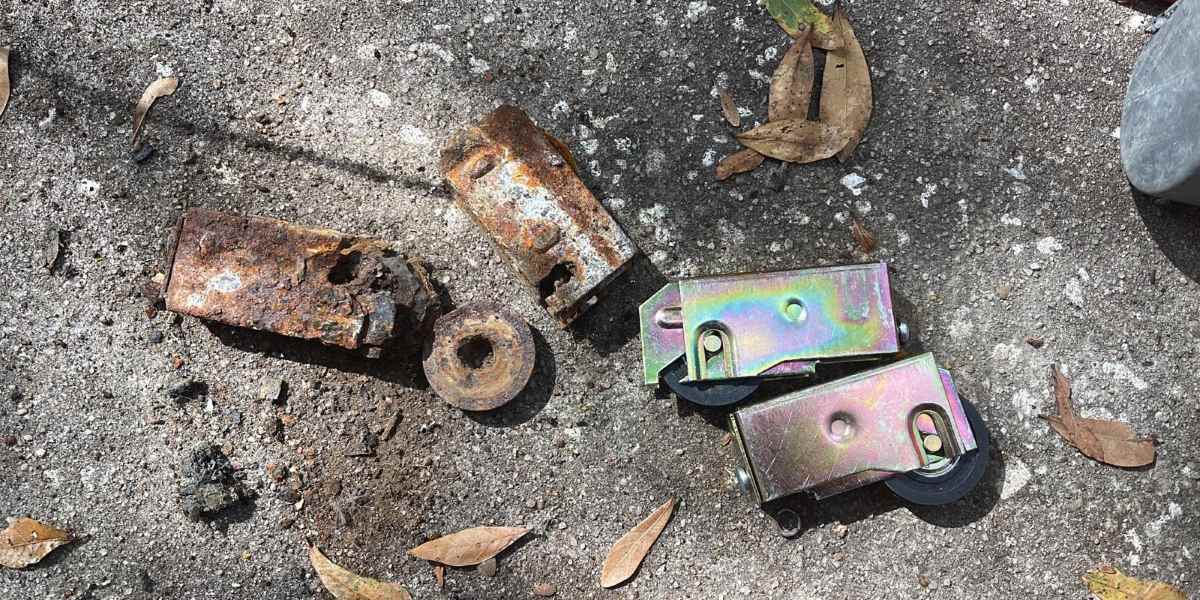
  • Weather-Related Damage: Cities on the East Coast, like Port Saint Lucie, often see door tracks and rollers suffer from rust and corrosion due to the humid weather conditions and moisture. Our company uses the best quality parts, corrosion-resistant, prolonging the lifespan of the replacement parts and ensuring quality repair. We also offer 3 3-month warranty on our parts and labor.
  • Comprehensive Door System Checks: Beyond just the slide, the team provides full system checks, inspecting every component—from handles and locks to screens and seals—to ensure the entire assembly is performing optimally.
  • Preventative Maintenance: By providing timely track cleaning and roller replacement, the service helps Port Saint Lucie homeowners avoid the costly, larger repairs that often result from ignoring initial signs of wear and tear.

24HR Sliding Door Repair grows and expands on the East Coast with a future goal to serve the entire East Coast of Florida, making sure that we can provide a solution just a phone call away for homeowners and businesses in both Boca Raton and Port Saint Lucie.

Exploring a New Concept in Health Technology and Environmental Impact

The idea of a handheld device that could support the body’s natural processes and potentially have an environmental impact might sound like something from the future. However, this innovative concept has emerged from the work of Elan Wallach, who explored the concept of Conducted Directed Current (CDC), a form of electrical flow designed to interact with living systems.

Elan’s theory was groundbreaking, and his nephew, Gal Joe Nahum, recognized its potential early on. Over the span of 12 years, Gal worked on transforming this concept into a functional and safe device, which may offer a new approach to health and well-being.

A Legacy of Innovation and Persistence

The resulting device combines the expertise of both Elan and Gal, drawing from knowledge in electronics, biology, and energy. It utilizes Direct Current in a unique way to support the body’s natural functions, focusing on promoting balance, clarity, and potentially facilitating healing. Rather than working against the body, the technology is designed to align with its natural processes.

Shifting Perspectives on Health and Healing

This device takes a different approach to supporting health. It’s designed to work with the body’s systems, potentially helping the body better understand and react to its own needs. The goal is not to override the body’s natural processes, but to gently encourage alignment with them.

How It Works

The device delivers low-frequency Direct Current pulses that mirror the body’s own electrical signals, interacting with various systems, such as the nervous and immune systems. The goal is to promote synchronization between the body’s systems, helping it find a natural balance. 

The Evolution of a Purpose

While Gal Joe Nahum was initially skeptical of the technology, his perspective changed over time as the results of the device became clearer. He personally experienced benefits, such as improved clarity and reduced discomfort, which further confirmed the potential of this device. What started as a research project evolved into a larger mission to explore the potential of this technology.

Environmental Impact

Beyond its potential effects on the body, early research also suggests that the device may have environmental benefits. It may help neutralize certain biological frequencies and reduce harmful elements in the environment. The device also generates negative ions, similar to those produced naturally near waterfalls, which may help to reduce pollutants. These ions, when reaching higher altitudes, might even contribute to ozone formation, which plays a key role in protecting the environment.

Though still in the research phase, these findings suggest that the device may offer new possibilities for both individual health and broader environmental benefits.

The Road Ahead

The device is still in development, and Gal and his team are actively working to expand research and collaborations with professionals in health and science fields. Their goal is to make the technology accessible to more people, while ensuring that it is rigorously tested and meets ethical standards.

Despite its potential, the technology faces challenges, particularly as it is a new approach in a field that is often resistant to change. However, the aim is not to replace existing methods, but to provide an alternative path for those seeking a different way to support their health.

What’s Next?

As research continues, there is hope for expanding access to this innovative technology. For those facing ongoing health concerns or looking for new ways to support their well-being, this device may offer a new perspective—one focused on understanding the body’s potential to heal and work in harmony with its natural systems.

While the device is not yet available to the public, the research team is excited about the future and the possibilities that lie ahead. Thanks to the vision of Elan Wallach and the work of Gal Joe Nahum, we may soon see the beginning of a new era in wellness.

Contact Information


Disclaimer: This article discusses a concept that is still in development. The device mentioned is not yet publicly available and is not intended to replace medical treatment or healthcare practices. Any claims regarding its potential benefits are based on ongoing research and are not yet verified. The device has not been released for public use, and its efficacy and safety are still under study. Always consult a qualified healthcare professional before considering any new health-related technology or treatment.

How to Make Your Getaway a More Mindful Escape

In today’s fast-paced world, travel often becomes another item on the to-do list—an itinerary packed with activities and destinations to check off. Yet, a getaway should be much more than a break from work or routine. It should be an opportunity to recharge your mind, reconnect with yourself, and rediscover peace in the simplest moments.

Turning your trip into a mindful escape means traveling with intention—focusing on presence rather than pressure, experience rather than expectation.

Whether you’re exploring a charming destination like Pigeon Forge, venturing to a new city, a peaceful mountain town, or a coastal retreat, mindfulness can transform even the shortest getaway into something deeply rejuvenating. It’s not about where you go, but how you experience it.

Finding Comfort and Presence in the Right Stay

The foundation of a mindful escape begins with where you choose to stay. Your surroundings play a powerful role in how easily you can unwind, reset, and remain present. Selecting a comfortable hotel sets the tone for your entire trip, giving you a peaceful base where your mind can truly rest.

If you’re looking for hotel suites in Pigeon Forge, The Inn on the River could be an option for a peaceful getaway. This inviting hotel offers complimentary Wi-Fi to stay connected when needed, indoor and outdoor pools for relaxation, a complimentary hot breakfast bar each morning, and several discount attraction tickets that may allow guests to explore the area at their own pace.

Everything about the environment is designed to help guests slow down, enjoy the moment, and let go of daily stress.

Begin With an Intention, Not an Itinerary

A mindful getaway starts long before you arrive at your destination. Instead of focusing on everything you plan to do, take time to set an intention for the trip. What do you hope to gain—peace, clarity, inspiration, or simply rest? By identifying this intention early, you’ll naturally guide your choices toward experiences that align with your emotional needs rather than external expectations.

For instance, if your goal is to recharge, schedule downtime just as purposefully as activities. Let go of the idea that every moment needs to be filled. It’s perfectly fine to spend an afternoon doing nothing but sitting in a quiet spot, taking in the sounds and sights around you. Mindful travel is about quality, not quantity—less about how many things you see, and more about how deeply you experience them.

Slow Down and Savor Every Moment

The essence of mindfulness is presence—being fully engaged with the here and now. Yet, it’s easy to slip into the habit of rushing, even on vacation. One of the simplest ways to turn your getaway into a mindful escape is to slow your pace.

Walk instead of driving when you can. Observe the architecture, colors, and faces around you. When eating, put your phone away and truly taste each bite. Notice the texture of the food, the temperature, and the aromas that fill the air. These small, sensory details anchor you to the present, reminding you that joy isn’t found in the next destination—it’s right in front of you.

Disconnect to Reconnect

One of the greatest barriers to mindfulness while traveling is constant digital distraction. Phones, cameras, and social media can easily pull you out of the moment. While capturing memories is wonderful, it’s equally important to live them first.

Try implementing “tech-free hours” during your trip—perhaps during meals, morning coffee, or sunset. Leave your devices behind for a short time and engage directly with your environment. Feel the air, listen to the sounds, and observe life happening around you without filters or screens.

Engage All Your Senses

Mindful travel invites you to use all five senses to connect with your surroundings. The more you engage your body in the experience, the more vivid and memorable your trip becomes.

Listen carefully to the natural sounds around you—the rustling of leaves, flowing water, or distant laughter. Notice the feeling of the wind against your skin. Smell the aroma of morning coffee or local flowers in bloom. Every sensory detail can ground you in the present moment.

Cultivate Gratitude Throughout Your Journey

Gratitude is a cornerstone of mindfulness. When you practice gratitude while traveling, you begin to see each moment as a gift rather than a routine. Start or end your days by reflecting on three things you’re thankful for. They don’t need to be extraordinary—a beautiful view, a kind conversation, or even a restful night’s sleep all count.

When you shift your mindset toward gratitude, your experiences feel fuller and more meaningful. Instead of focusing on what you didn’t do, you’ll appreciate what you did experience—fully and deeply.

Make Space for Stillness

True mindfulness thrives in stillness. Amid the excitement of travel, make space to simply be. Whether it’s sitting by a window with a cup of tea, meditating for a few minutes, or journaling your thoughts, stillness allows your mind to catch up with your body.

Even moments of solitude—often overlooked during group trips—can be restorative. Use them to check in with yourself: How do you feel? What do you need right now? This inward reflection helps you stay aligned with your intention and prevents burnout or overstimulation.

Bring Mindfulness Back with You

The beauty of a mindful escape is that it doesn’t end when the trip does. The awareness, calm, and gratitude you cultivate while away can easily flow into your daily life.

When you return home, continue the small rituals that helped you feel grounded—slow mornings, intentional breathing, or moments of quiet before bed. Reflect on how the trip changed your perspective. Did you feel more at ease? Did you notice things you often overlook in your daily routine?

Every journey has the potential to be more than just a trip—it can be a mindful experience that nurtures your body and soul. When you travel with awareness, choose peaceful surroundings, and open yourself to the present moment, you transform the ordinary into the extraordinary.

Beyond the Map: Exploring the Joy of Spontaneous Travel Experiences

Traveling has always carried a sense of adventure. From the moment we step outside our front door, there’s a thrill that comes from not knowing exactly what lies ahead. But in recent years, travel has become increasingly structured — itineraries, ratings, and recommendations often dictate every step. While these tools are helpful, they sometimes strip away the very magic that makes a journey memorable. True adventure lies beyond the map, in the moments of spontaneity — those unplanned detours, unexpected encounters, and discoveries that can’t be found in any guidebook.

To travel spontaneously is to embrace curiosity. It’s about letting the day unfold without an agenda, following your instincts, and being open to surprise. Whether it’s stumbling upon a hidden café, joining a local festival, or finding peace on an unmarked trail, spontaneous travel invites authenticity into the journey. Even in well-loved destinations like Pigeon Forge, there’s always room for surprise — those moments when you step off the beaten path and uncover experiences that feel entirely your own. It’s about letting go of control and rediscovering the joy of simply being present in a new place.

Discovering the Heart of a Place

When exploring a destination, it’s the little-known experiences that reveal its soul. While maps and travel guides can highlight famous landmarks, true travelers know that the real essence of a place often hides in unexpected corners. For example, if you’re exploring Pigeon Forge, there are countless ways to make your trip memorable.

Among the many unique things to do in Pigeon Forge, a few spots stand out for their character and charm. One must-see stop is Goats on the Roof, an attraction that blends humor, creativity, and adventure. True to its name, it features live goats that roam freely on the rooftop, adding a whimsical touch to the experience.

Visitors can enjoy the famous goat coaster, a thrilling mountain ride that twists through scenic landscapes. Afterward, the gift shop offers quirky souvenirs, and the gem mining area provides a fun hands-on activity for all ages. It’s one of those places that feels spontaneous by nature — an unexpected delight you couldn’t plan for, even if you tried.

Next, there’s Parrot Mountain and Gardens, a lush sanctuary that feels like stepping into a tropical paradise. Here, travelers can interact with colorful macaws, toucans, and lories among beautifully landscaped gardens. Each corner offers something new — a flutter of wings, a burst of color, or a quiet moment surrounded by nature’s music. It’s a peaceful retreat where spontaneity meets wonder, reminding visitors that travel is as much about connection as it is about movement.

For something completely different, Smoky Mountain Cat House offers a charming escape tucked away near the historic Old Mill district. This boutique celebrates all things feline, from handcrafted toys to cat-inspired gifts. Even if you’re not a cat owner, it’s hard not to smile at the creativity on display. It’s the kind of place you discover by wandering — a hidden gem that adds an extra layer of personality to your adventure.

Finally, there’s Outdoor Gravity Park, an experience unlike any other in the United States. Known as the only zorbing park in the country, it gives thrill-seekers the chance to climb inside a giant inflatable ball partially filled with water and roll down one of three unique tracks. It’s the definition of spontaneous fun — exhilarating, unexpected, and unforgettable.

These attractions remind us that the joy of travel lies not in checking boxes, but in saying yes to the moment. Spontaneity turns an ordinary trip into a story worth retelling.

The Art of Letting Go

Spontaneous travel isn’t about recklessness — it’s about freedom. It’s the courage to step away from a rigid schedule and trust your instincts. When travelers let go of the need to control every detail, they open themselves to experiences that can’t be planned. That might mean taking a wrong turn that leads to a breathtaking view, striking up a conversation with a local who shares a hidden spot, or staying an extra day simply because it feels right.

This approach to travel cultivates mindfulness. Without the pressure of an itinerary, every moment becomes more vivid — the taste of a local dish, the rhythm of the streets, the sound of laughter in a café. When you’re not rushing to meet a timetable, you notice the details that make a place unique. You also learn to listen to your surroundings, to people, and to your own inner voice.

Connection Through Curiosity

Every destination holds stories waiting to be uncovered, and curiosity is the key that unlocks them. Spontaneous travel thrives on human connection — the laughter shared with strangers, the meal offered by a local family, the friendship formed over a shared experience. These are the moments that give depth to a journey.

When travelers allow themselves to be guided by curiosity rather than checklists, they engage with the world more authentically. Asking questions, exploring local markets, or joining a spontaneous street performance can create lasting memories. It’s not about finding the “perfect” experience, but about participating in the life of a place.

Embracing the Unknown

The unknown can be intimidating, but it’s also where the magic happens. Traveling without a strict plan encourages creativity and confidence. It allows you to navigate unfamiliar situations and discover your own resourcefulness. That feeling of finding your way — without a map, without certainty — is deeply empowering.

Sometimes, the ideal experiences emerge from detours. Maybe the museum you planned to visit is closed, but a walk down a side street leads you to a small art gallery instead. Perhaps a missed train introduces you to new friends at a café. These moments of serendipity often become the highlights of a trip — not because they were grand, but because they were real.

Finding Joy in Simplicity

At its core, spontaneous travel celebrates simplicity. It’s about stepping away from screens, from schedules, and from expectations. It’s about the quiet joy of wandering, the laughter that comes from surprise, and the satisfaction of finding beauty in small moments.

Traveling beyond the map isn’t about escaping reality — it’s about rediscovering it. When we move through the world with open hearts and curious minds, every path leads somewhere meaningful. The map may guide our way, but it’s the unexpected turns that make the journey truly unforgettable.

Jean Shafiroff Hosts Reception for the Samuel Waxman Cancer Research Foundation 2025 Collaborating for a Cure Gala

By: Melyssa Janel 

Philanthropist, author and Television host Jean Shafiroff hosted a reception at her New York home to honor the upcoming 28th Collaborating for a Cure event benefitting the Samuel Waxman Cancer Research Foundation (SWCRF) on Wednesday, October 22nd, 2025. The event will be a celebration of scientific breakthroughs, will serve as the official announcement of the launch of the new Samuel Waxman Institute for Aging & Cancer and will honor Jean Shafiroff, Robert Wiener and Jeffrey Settleman PhD.

The private event brought together numerous supporters and friends of both Jean and the Foundation to toast the organization’s nearly 50-year commitment to funding crucial research that has facilitated many important discoveries to prevent and better treat cancer. 

Dr. Samuel Waxman and Jean Shafiroff received citations from NYS Assemblywoman Rebecca Seawright for their devotion to critical medical research and philanthropy.

Notable attendees included: Jean Shafiroff, Martin Shafiroff, Dr. Samuel Waxman, Marion Waxman, Hunt Slonem, Rebecca Seawright, Candace Bushnell, Ramona Singer, Maribel Lieberman, Montgomery Frazier, Joseph Hernandez, Dennis Basso, Lucia Hwong-Gordon Consuelo Vanderbilt-Costin, Leesa Rowland, David Hochberg, Geoffrey Banks, Shannon LePie, Gail Worth, and Bill MCuddy.

About Jean Shafiroff:

Jean Shafiroff is a philanthropist, humanitarian, TV host, writer, and the author of the book “Successful Philanthropy: How to Make a Life By What You Give”. Jean works extensively as a volunteer fundraiser and leader in the philanthropic world. She serves on the boards of 8 charitable organizations and each year chairs upwards of eight to ten different charity galas.  She also hosts and underwrites many large parties in her homes for different non-profits.   Among the many causes she champions are those involved in women’s rights, rights of underserved populations, health care, and animal welfare. In addition to hosting her own TV show, entitled Successful Philanthropy, Jean Shafiroff often appears on TV shows, podcasts and then in the press about her fashion and philanthropy.  She is an international leader who strives to motivate people of all ages and backgrounds to get involved in the philanthropic process.

Jean Shafiroff serves on the boards of the  French Heritage Society, Southampton Hospital Foundation,  NYC Mission Society,  Couture Council of the Museum at FIT,  New York Women’s Foundation, Casita Maria, Global Strays, and Southampton Animal Shelter Foundation Honorary Board.  In addition, she is a member of the Advisory Board of the Historical Society of Palm Beach County. A Catholic,  Jean served on the board of the Jewish Board for 28 years and now is one of their honorary trustees. Jean Shafiroff has been honored numerous times by a variety of charitable organizations for her work and is regarded Jean as being among the leading ladies of philanthropy.

For more information, please visit www.jeanshafiroff.com

IG: @JeanShafiroff @JeanShafiroffAtWork | F: Jean-Shafiroff-Style-Philanthropy | X/T: @JeanShafiroff

About the Samuel Waxman Cancer Research Foundation (SWCRF):

The Samuel Waxman Cancer Research Foundation is an international organization dedicated to curing and preventing cancer. The Foundation is a pioneer in cancer research, and its mission is to eradicate cancer by funding cutting-edge research that identifies and corrects abnormal gene function that causes cancer and develops minimally toxic treatments for patients. Through the Foundation’s collaborative group of world-class scientists, the Institute Without Walls, investigators share information and tools to speed the pace of cancer research. Since its inception in 1976, the Samuel Waxman Cancer Research Foundation has awarded more than $120 million to support the work of more than 200 researchers across the globe.

For more information, visit www.waxmancancer.org

IG: @waxmancancer | F: WaxmanCancer | X / T: @waxmancancer 

Fresh vs. Frozen Donor Eggs: Which Is Right for You?

Weighing the choice between fresh and frozen donor eggs? Chances are, you’ve already been through a lot. The emotional ups and downs, the endless research, and the appointments can all feel like too much sometimes. If you’re like most people, you want clarity and hope that you’re making the best decision for your future family.. Choosing the right path isn’t easy, but knowing the differences between fresh and frozen eggs can help bring a bit more peace to your process. Companies like YourEggs have made both options more accessible than ever, giving you the flexibility to choose what fits your situation. Here’s how to know which one is right for you.

What are Fresh Donor Eggs?

Fresh donor eggs come from a donor who is currently undergoing an egg retrieval cycle specifically for you. That means the eggs haven’t been frozen—they’re retrieved and then fertilized right away. It’s a process that requires timing, coordination, and a bit of patience.

One of the main draws of fresh donor eggs is the potential for higher success rates. Since the eggs haven’t gone through the freezing and thawing process, there’s less concern about cellular damage or loss of quality. Many people like knowing they’re working with eggs that are as “natural” as possible. 

But here’s the thing: fresh cycles also demand more from you. You’ll need to synchronize your cycle with the donor’s, which can mean weeks (or months) of planning, medication, and waiting. 

What are Frozen Donor Eggs

Now, frozen donor eggs have changed the game in so many ways. Thanks to advancements in freezing technology—especially a process called vitrification—frozen eggs can be stored safely without compromising much of their quality. You can choose from a larger pool of donors, often without having to wait for cycle coordination.

One of the biggest perks of using frozen eggs is convenience. You can move forward on your schedule, not the donor’s. That flexibility can make a world of difference, especially if you’re balancing work, travel, or other commitments. You don’t have to stress about whether your cycle will align perfectly with someone else’s. It’s one less logistical headache to deal with.

Generally, frozen donor egg cycles are less expensive than fresh ones because the eggs are already retrieved and stored. You pay for the eggs, the lab work, and the IVF process, but you skip over the synchronization and donor stimulation expenses. It’s a faster, often more predictable option, and for many people, such reliability offers peace of mind.

Emotional and Lifestyle Considerations

This part often gets overlooked in the decision-making process. It’s easy to focus on numbers—success rates, costs, timelines—but the emotional side is just as important. How much waiting can you handle before you feel completely burned out? Do you need the process to move quickly so you can focus on other aspects of your life?

With fresh donor eggs, there’s a sense of personalization that some people find deeply meaningful. You’re working directly with a donor whose cycle aligns with yours—it feels connected, intentional, and unique. For those who want to feel involved every step of the way, that’s a big emotional win.

Frozen eggs, on the other hand, can remove some of that emotional weight. There’s no need to stress about the donor’s response to medication or the timing of retrieval. You can just focus on your own treatment plan and mental well-being. Some people find that detachment helpful—it simplifies things. 

So, Which Option Is Right for You?

Honestly, the best choice comes down to what matters most to you. Whichever route you choose, take your time. Ask questions. Talk to your doctor and your partner. And remember—you’re not alone in this. Companies like YourEggs are here to help you navigate every step of the process, offering guidance, care, and reassurance when you need it most.


Disclaimer: The content provided in this article is for informational purposes only and should not be construed as medical or professional advice. Always consult with a healthcare provider or fertility specialist to discuss your specific needs and options before making any decisions regarding fertility treatments.

Grace Chunmei Yin: Building a Cultural Bridge Through Dance

By: Anna Cui

The Artistic Path of Inheritance and Leadership

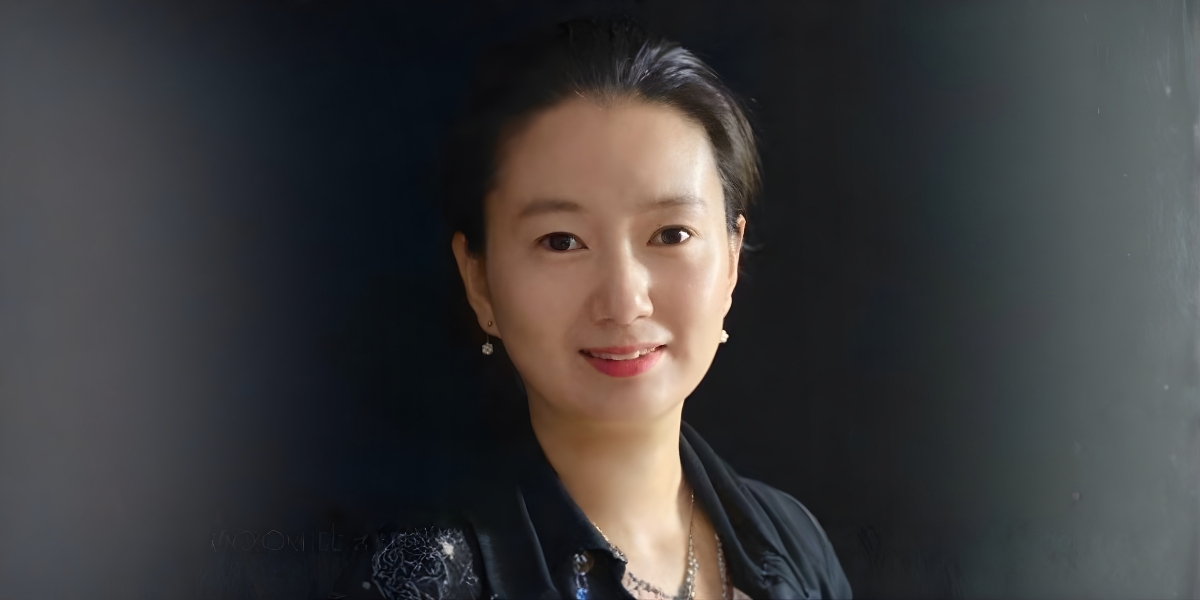
Grace Chunmei Yin, an accomplished choreographer and educator, graduated from the Dance Department of the Shenyang Conservatory of Music and the Art College of Yanbian University, majoring in Chinese classical dance. Her early years were devoted to nurturing young talents at Wuman Dance School, where her disciplined yet expressive approach to movement earned her recognition among peers. She later advanced to become the Teaching Director and Executive Principal at Beijing International Vocational College’s Aor Arts School, where she oversaw curriculum innovation and the training of future dance educators.

In 2014, she founded Beijing Daien Dance Academy, a professional institution dedicated to cultivating technical mastery and artistic expression in Chinese dance. Yin designed comprehensive training systems that combine traditional Chinese movement vocabulary with modern stage aesthetics. Many of her students have since been admitted to prestigious Chinese universities, a testament to her effectiveness as both a teacher and a visionary arts leader.

Cross-Cultural Dance Exploration

From 2016 to 2018, Yin participated in the China–Singapore Dance and Cultural Exchange Program, a collaborative project organized by the Singapore Performing Arts Association. Through this initiative, she promoted cultural understanding between artists from both countries and introduced contemporary Chinese choreography to Southeast Asian audiences.

After relocating to the United States in 2022, Yin continued her creative journey as a volunteer choreographer and artistic director. Her original works—such as Looking to the Horizon, Rhythms of the Spring, Resilient Willows, and Chinese Knot—have been widely recognized in major U.S. dance competitions including Showstopper and KAR, earning Platinum, Gold, and Overall High Score awards. Beyond competition success, her choreography is celebrated for its poetic sensibility, blending the refinement of classical Chinese dance with the expressive energy of modern performance.

Honors and Artistic Achievements

Yin’s works have been showcased at prominent international festivals such as the China International Cultural and Arts Festival and the Singapore International Dance Festival, where Seeking and Looking to the Horizon advanced to the finals. She was also part of the Opening Ceremony of the 2008 Beijing Olympic Games, a career highlight that deepened her understanding of performance as both national representation and personal expression.

Throughout her career, Yin has received numerous accolades, including the Outstanding Management and Leadership Award from Beijing International Vocational College’s Aor Arts School. Her leadership extends beyond choreography—she has mentored hundreds of students and young instructors, shaping a generation of dancers who continue to bring Chinese cultural aesthetics to the global stage.

Art Without Boundaries: Dancing with the Soul

“Dance is an art without boundaries,” Yin reflects. “Through every movement, I hope audiences can feel the rhythm and beauty of Chinese culture—dance needs no translation; it speaks directly to the soul.”

Now based in California, Grace Chunmei Yin continues to choreograph, teach, and promote artistic exchange between East and West. With nearly 20 years of experience, she remains committed to her lifelong mission: to build a bridge of understanding through the universal language of dance.

Her work remains a profound and enduring influence within the global dance community, bridging cultural gaps and encouraging meaningful cross-cultural dialogue. Yin’s commitment to Chinese classical dance has not only enriched contemporary performance but has also spotlighted the enduring relevance and beauty of traditional forms in modern contexts. Through her ongoing dedication to education, choreography, and artistic leadership, she has carved out a crucial role in the dance world. Yin has become a driving force in promoting cultural understanding, ensuring the preservation of her heritage while adapting it for future generations. Her influence extends beyond the stage as she shapes and mentors the next wave of artists, instilling in them a deep respect for tradition, while also encouraging innovation and creative exploration on the international stage.