Are Two-Piece Toilets Worth It? 3 Needs + 4 Key Factors to Help You Decide

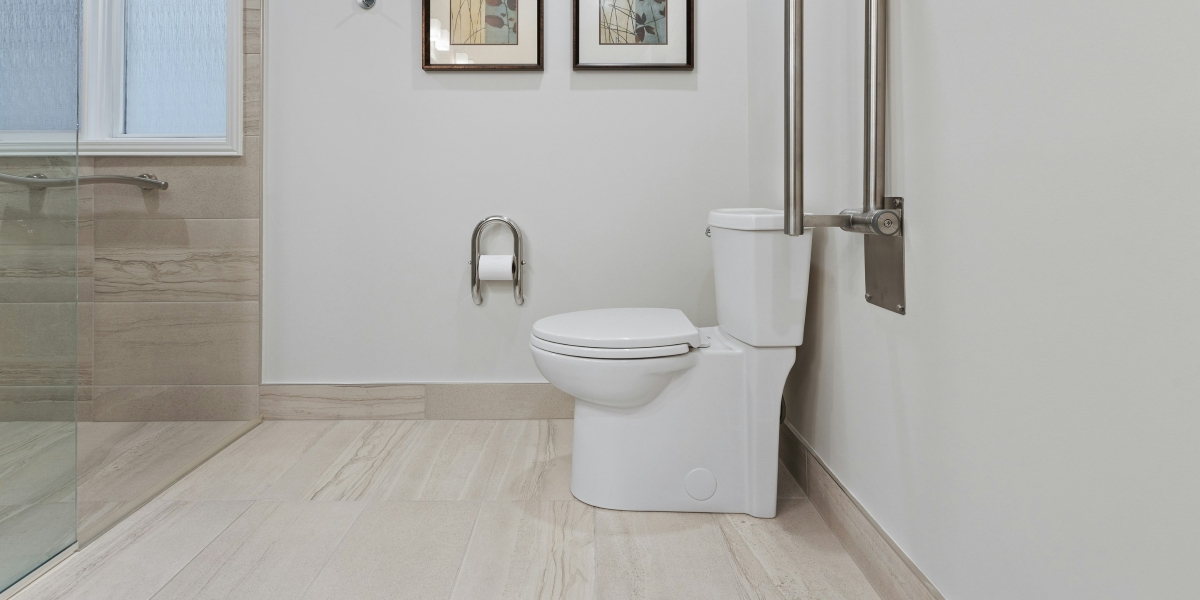
When remodeling a bathroom, many homeowners wrestle with the same question: one-piece or two-piece toilet? While one-piece toilets often receive praise for their seamless look, the classic two-piece design remains a popular choice with affordability, easy maintenance, and wide compatibility. However, it may not be the best fit for every situation. Whether a two-piece toilet makes sense depends on your home’s layout, your daily habits, and your budget.
This guide breaks down everything—from advantages to drawbacks—to help you make an informed decision.
First Things First: What Is a Two-Piece Toilet?
A two-piece toilet has two separate parts: the tank and the bowl. They’re joined with bolts and a gasket during installation. This design has been around for decades, making it the most commonly used toilet type in American homes. It’s generally regarded for its reliable water efficiency, flushing performance, and long-term maintenance.
3 Reasons Why Two-Piece Toilets Could Be a Smart Choice
Budget-Friendly: Solid Performance Without the Price Tag
Because the tank and bowl are manufactured separately, production and shipping costs tend to be lower—typically 30%–50% cheaper than one-piece toilets.
For example, a reliable two-piece toilet with siphon flushing and dual-flush technology can cost between $120–$250, while a one-piece with the same features might start at $300 or more.
For families remodeling on a budget—whether it’s a starter home, a rental property, or a basic upgrade—a two-piece toilet could be an affordable option without significantly increasing costs.
Lower Maintenance: Replace Parts, Not the Whole Toilet
The separate tank design offers potential benefits for long-term care:
- Easier part replacement: Fill valves and flush valves usually last 3–5 years. With a two-piece, you can swap them out for $10–$20 parts from any hardware store, often DIY-friendly. In contrast, one-piece toilets typically require professional repair—and in some cases, a full replacement.
- Simpler repairs: If the bowl clogs or the seat cracks, you only need to deal with that part. With one-piece toilets, the heavier design (often 100+ lbs) means shifting the entire fixture, which can risk damaging floor seals.
Data from home repair services suggests that two-piece toilets could cost about 60% less to maintain and repair compared to one-piece models.
High Compatibility: Works in More Homes
Two-piece toilets tend to adapt well to tricky layouts:
- Older homes: Many older bathrooms don’t have standard rough-in distances (the space between the wall and the drain pipe). Two-piece toilets are typically more flexible, and some brands even offer custom rough-in sizes.
- Small bathrooms: Slim-tank models (as thin as 5–6 inches) take up less depth than comparable one-piece toilets, which can be a good fit in compact bathrooms.
- Low water pressure: Certain two-piece toilets come with pressure-assisted tanks, making them effective in older homes with weak plumbing systems. One-piece models generally require stronger pressure to flush efficiently.
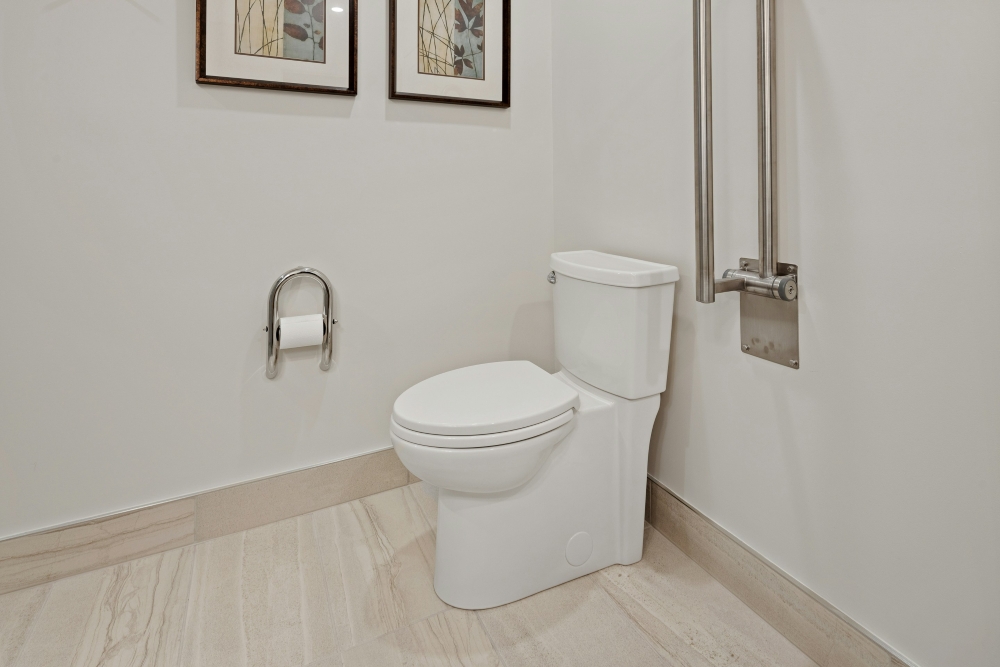
Photo: Unsplash.com
2 Potential Downsides You Should Know
Style & Cleaning: Seams Collect Dust
The joint between the tank and the bowl is a dust trap. While the seal typically prevents leaks, dirt and water stains might build up, requiring extra scrubbing.
Style-wise, two-piece toilets are often considered more practical. If you’re going for a sleek, high-end, minimalist look, the seam may disrupt the visual flow. In that case, one-piece toilets could be the better aesthetic fit.
Installation Precision: Must Be Done Right
Installing a two-piece toilet isn’t overly complicated, but it does require precision:
Bolts and gaskets must be tightened evenly.
The tank must align perfectly with the bowl to prevent leaks.
While a trained installer should handle this easily, a one-piece toilet may be simpler since it comes as a single unit.
Final Decision: Who Should—and Shouldn’t—Choose a Two-Piece Toilet
Ideal For:
- Budget-conscious households: Prioritizing function and reliability without paying a premium for design.
- Low-maintenance families: Elderly residents or busy workers who prefer easy-to-repair fixtures.
- Special situations: Older homes with odd plumbing layouts, smaller bathrooms, or low water pressure.
Better off with a one-piece toilet if:
- You want seamless style: A good option for modern, luxury, or minimalist bathrooms.
- You hate extra cleaning: One-piece models are often easier to wipe down with no seam for dirt to collect.
3 Tips for Choosing the Right Two-Piece Toilet
- Pick siphon-flush over direct-flush: Quieter, more powerful, and less splashback.
- Check the tank components: Look for well-known brands like Fluidmaster or Geberit for valves and flush systems—they are known to last longer.
- Confirm installation quality: Ask for silicone gaskets plus bolt tightening, and request a 24-hour leak test after installation.
Bottom Line
Two-piece toilets may not win beauty contests, but they’re generally reliable, cost-effective, and versatile. For most families, the real priority isn’t looks—it’s performance, durability, and value. That’s where the two-piece design may shine.
When choosing a toilet, it’s not about following trends; it’s about fitting your lifestyle. If practicality and price matter most, a two-piece toilet might be worth considering. If seamless style and easier cleaning come first, then a one-piece model could be a good choice.
Further Reading: Are Smart Toilets Really Hygienic? A Deep Dive into Their Antibacterial Technology