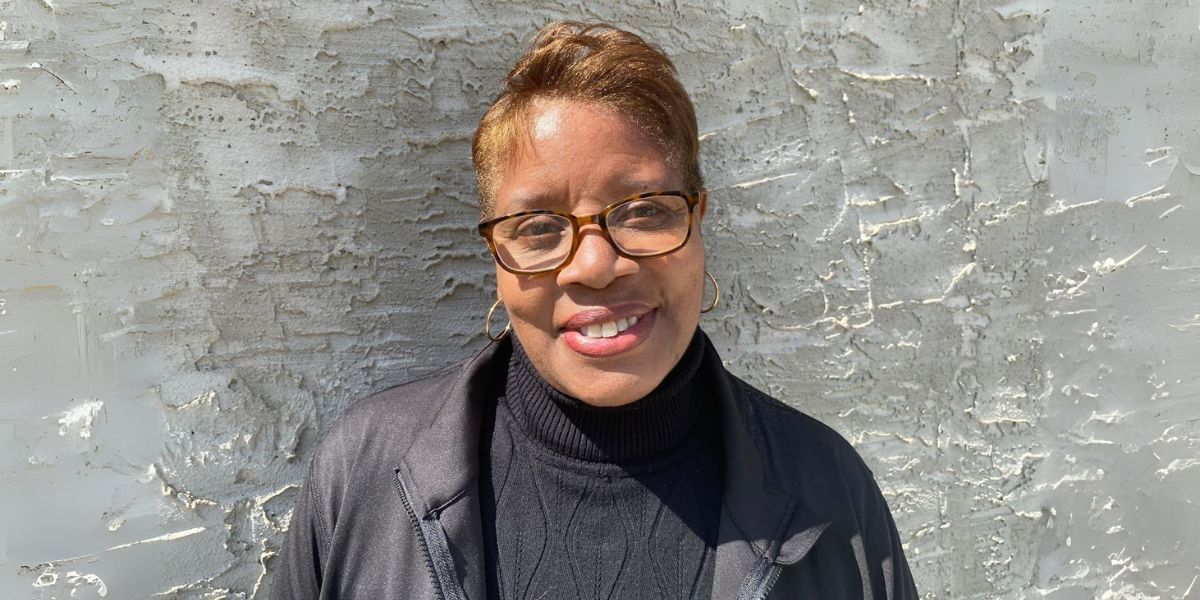
Shanshonie Matthews: A Journey of Grace, Grit, and Greatness

By: Umair Malik 

Shanshonie Matthews is not simply stepping into the spotlight, she is owning it. With a powerful combination of talent, determination, and authenticity, she has transformed her dreams into achievements that continue to inspire audiences worldwide.

Her story is one of courage and evolution, unfolding from the bright lights of the runway to the creative energy of film sets. In every arena, Shanshonie proves that her presence is both magnetic and meaningful.

Defining Moments on the Runway

Her modeling career began with a bold leap, competing for the first time at the IMTA in New York. Walking with remarkable poise, Shanshonie left her mark by earning three medals and setting the tone for her future in fashion.

From that moment, opportunities poured in. She was featured as Beauty of the Month during Black History Month, an honor that celebrated not just her beauty but her growing role as a voice of representation and inspiration. Her confidence, paired with her ability to command a room, quickly made her a standout in the modeling world.

Crowned with Confidence

Pageantry became another stage where Shanshonie’s dedication shined. Through determination and hard work, she earned the coveted title of World’s Perfect Woman Supermodel, a crown that symbolized perseverance, presence, and the belief that true beauty lies in confidence.

But her pageantry success did not end there. Shanshonie also holds the titles of World’s Perfect East Coast Woman and Ms. Tampa Citrus, further affirming her ability to compete and triumph among the best. Each crown she wears tells a story of resilience, discipline, and the grace she brings to every stage. These accomplishments are more than accolades. They are milestones in a journey defined by growth and strength.

Stepping Into the World of Film

While her stride on the runway is unforgettable, Shanshonie’s artistry does not end there. She has steadily built her film and television career with credits that include Friend Zone, A Man’s Worth, A Change of Heart, and the thrilling series The Hunted. Each project allowed her to expand her range, proving she can embody stories just as powerfully as she embodies fashion.

Her work on screen reflects the same authenticity she carries on stage. Whether in background roles or leading moments, Shanshonie approaches film with the same mindset that has guided her pageantry and modeling career: to show up, shine, and leave an impact.

Embracing Identity and Empowerment

For Shanshonie, the journey has also been deeply personal. Growing up, she often faced harsh opinions about her appearance, told that her skin color somehow made her less beautiful. Rather than breaking her, those words built her strength.

Today, she is unapologetic about who she is, a proud Black woman whose beauty shines from within. “I will never put my chin down,” she says. “I lift my head up and carry my uniqueness with pride.”

Her voice echoes far beyond fashion and film. It is a message of resilience, authenticity, and empowerment. Shanshonie’s story reminds others that beauty comes in every shade, size, and form, and that true confidence is built on self-acceptance.

A Star Still Rising

From pageants to magazine features, from film sets to crowns, Shanshonie Matthews has crafted a portfolio of achievements that tell a story of resilience and brilliance. Yet, her journey is far from over. Every step she takes adds another layer to her legacy, one built on faith, determination, and fearless self-expression.

Looking ahead, she hopes to continue inspiring others not only through modeling and film but also through mentorship, encouraging young women to embrace their individuality and chase their passions without hesitation. For Shanshonie, success is not only about the spotlight. It is about leaving a legacy of strength, grace, and empowerment for those who follow.

Shanshonie Matthews is more than a model or actress. She is a storyteller, a role model, and a shining example of what it means to rise with grace.

Cultural Commentary and Spiritual Perspectives: Identifying Where Current Society Crosses Enduring Human Faith and Practice

By: Atif Sharif 

Spiritual perspectives and discourse on culture in contemporary circumstances

Spiritual Views offer us ways to understand life beyond material, and Cultural Commentary allows societies to take stock of traditions, values, and changes in human behavior. When these two powerful concepts become part of the whole, they allow us to see how systems of belief shape day-to-day experience and how societies develop over time.

How Commentary on Culture Shapes Human Perception of Believers

Cultural Commentary often refers to how societies treat traditions, ritual, and modern challenges. As an example, discussions of family value, practice in education, or even in art often contain subtle references to something a society believes to be important. Referencing those discussions to Spiritual Perspectives helps everyone to better understand why practices endure or change.

Role of Spiritual Perspectives in One’s Day-to-Day

Spiritual perspectives exhort people to find more than surface-level happenings in events. Spirituality in daily activities may not take the form of rituals or daily practices. It can take the form of being benevolent, in contributing to society, or even in comforting oneself in times of hardship. When these practices become understood by society through Cultural Commentary, it becomes simpler to comprehend how belief systems come to be.

Commentary as Continuity Between and Among Ages and Traditions

Cultural Commentary provides future generations access to the knowledge of history without abandoning today’s value systems. It becomes simpler to question past traditions for youth, but through free comment, they can recast them in relation to today, and this doesn’t nullify tradition but preserves it through reinterpretation. Spiritual Perspectives bolsters this process by grounding reinterpretations in universally human value systems.

Cultural Commentary and Spiritual Perspectives: Identifying Where Current Society Crosses Enduring Human Faith and Practice

Photo: Unsplash.com

Crossroads Between Spiritual Perspectives and Ethnocultural Commentary in Media

Contemporary media have strong roles to play in how audiences think of traditions and belief systems. Film and book cultural commentaries, social pages, and writing often consider how spirituality intersects human conflict and celebrations. Films exploring family honor, sacrifice, or personal serenity, for example, will often repeat Spiritual Views in various societies. This blend of religion and commentary makes messages less unfamiliar to audiences who have varied backgrounds.

What Spiritual Traditions Can Bring to Social Solidarity

Spiritual Perspectives also teaches us to be consequential and to value compassion and unity. Cultural Commentary, in responsible practice, generates dialogue, not divisiveness. When belief systems and traditions impact social institutions, communities can transition to treat one another justly and to demonstrate respect. This balancing act steers clear of hostilities resulting from misunderstanding or disrespect of differing lifestyles.

Response to Culture and Spiritual Perceptions in Schools

Education was one of the most powerful points of convergence in Spiritual Perspectives and Commentary on Culture. Schools do not merely pass on information; they build belief and identity. When education also teaches in belief and tradition, students learn tolerance of difference. Spiritual perspectives, in turn, provide emotional and moral ground, and students become empathetic human beings.

How Spiritual Insights Shape Cultural Identity

Cultures tend to define themselves through their rituals and ceremonies as much as through collective systems of belief. Cultural Commentary provides an understanding of why these identities last and how they evolve over time. Migration, as an example, tends to reposition identities, entangling new and old practices. These evolutions come to best being under both cultural and spiritual viewpoints.

Globalization and Changing Dynamics of Credo Systems

Globalization also set forth new modes of religious and cultural interchange. Spiritual Perspectives, as such, map out how human beings, in spite of practices in transformation, long for meaning, peace, and being part of something beyond themselves. The two, in tandem, therefore, afford us an enduring presence of spirituality even in situations that are ever in transition.

FAQs

Q1: What do you know as Cultural Commentary in simple terms?

Cultural Commentary can also be described as how someone talks and provides commentaries on traditions, practices, and how society changes over time.

Q2: What type of impact do Spiritual Views have on day-to-day life? 

Spiritual Views enable one to experience peace, direction, and compassion in one’s day-to-day life, and indeed often outside of religious practice.

Q3: What in one combines Spiritual Perspectives and Commentary on Culture?

They can be compared in that both outline how belief functions to organize society and how society enacts belief.

Q4: Can Commentary on Culture educate young people in traditions? 

Indeed, it provides young people with an opportunity to re-designate traditions in new creative terms for today’s experience of life.

Q5: What happens to Spiritual Perspectives due to globalization? 

Globalization alters practices, but in aspiring for meaning and peace, they endure, testifying to spirituality’s potency.

Conclusion 

Spiritual Views and Culture Commentary, as two entities, in combination, provide an ideal perspective to observe the world through. While one speaks to eternal truths and religion, the other addresses how people communicate and live those through culture. When both paradigms converge, it becomes less challenging to observe how contemporary life echoes and complements timeless traditions. This recognition not only generates understanding and appreciation for differences, but it also maintains cultures in equilibrium as they proceed into the future.


Disclaimer: The content provided in this article is for informational and reflective purposes only. It does not constitute professional advice on spiritual, cultural, or societal matters. Readers are encouraged to explore diverse viewpoints and consult relevant experts when making decisions or forming opinions based on the topics discussed.

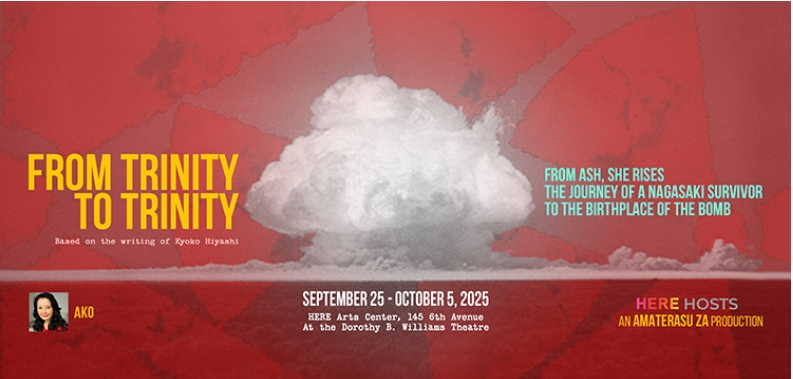
Bearing Witness: Ako Brings From Trinity to Trinity to New York in the Shadow of War and Remembrance

By: Tally Daniels

When Ako takes the stage at HERE Arts Center in From Trinity to Trinity, she carries more than a script. She carries the voice of Kyoko Hayashi, a survivor of the Nagasaki bombing who decades later stood on the scorched earth of the Trinity Site in New Mexico. Ako, founder of the bilingual theater company Amaterasu Za, sees this story not only as history but as a warning—made urgent by the world’s accelerating race for nuclear weapons.

“This year is the 80th anniversary of Nagasaki,” Ako said in a recent interview. “It’s a good time to bring this story to New York. Because right now, leaders are talking about nuclear power like it is a tool for politics. But nuclear is anti-human. It is threatening life itself. People don’t know how awful it is.”

At 14, Hayashi was working at the Mitsubishi Munitions Factory when the bomb fell. More than fifty years later, she traveled to the American desert where the first atomic weapon had been tested. In her writings, Hayashi described the silence of that landscape, where “nothing seemed alive.” The juxtaposition of Nagasaki and Trinity forms the spine of the play, translated into English by Eiko Otake, with Ako inhabiting Hayashi’s words.

“Hayashi carried radiation sickness her whole life,” Ako explained. “When she visited Trinity, she saw no trees, no living things. It was like another death. That perspective makes the piece heavier, but also more universal.”

For Ako, who recently appeared in FX/Hulu’s Shogun, the hardest task was restraint. “I try not to show too much emotion,” she said. “If I cry, the audience steps back. I want them to come close, to feel the story with me. That is more difficult than playing my own experience.”

Bearing Witness: Ako Brings From Trinity to Trinity to New York in the Shadow of War and Remembrance

Photo Courtesy: Ako / From Trinity to Trinity

Ako views theater as a vessel for testimony at a time when survivor voices are fading. “We artists keep the stories alive,” she said. “If anyone invites me, I go anywhere to tell this story. Because if we don’t, it disappears. And then people repeat the mistake.”

The company she founded, Amaterasu Za, is dedicated to cross-cultural, bilingual storytelling. “Usually, we performed in Japanese,” Ako noted. “But here, we wanted Americans to hear directly, to understand. The translation helps balance the Japanese feeling with the American audience. I am on stage for 45 minutes. I realize I must do this play now. Later may be too late—for me, for the world.”

Ako’s parents raised her on war stories—her father served in the military and described soldiers starving, children dying. Those memories, layered with today’s wars in Ukraine and Gaza, push her urgency. “It is unfair,” she said.

While From Trinity to Trinity runs through October 5, Ako’s vision stretches forward. She dreams of staging Shakespeare with six Asian actors from different countries, each performing in their native language. “Every language has its rhythm,” she said. “Put them together, it is like a new music. That is the future I want to make.”

For now, Ako remains focused on amplifying Hayashi’s testimony. “Peace, remembrance, responsibility,” she said simply. “I hope people carry those words after they leave.”

From Trinity to Trinity

September 25 – October 5, 2025; Opening Night: September 28

Presented by Amaterasu Za

Performed by Ako; Translated by Eiko Otake

Running Time: 55 minutes

Performance Schedule: Tuesday- Saturday at 7 PM; Saturday Matinee at 2 PM; Sunday Matinee at 2 PM. 

HERE is located at 145 6th Ave.  (Enter on Dominick, 1 block south of Spring)

For tickets and Information: visit here.org 

The Journey of Ruth Tosic: Supporting Families Through Healthcare Crises

By: Lorie Ann Joven

Ruth Tosic refuses to let setbacks diminish her mission. The retired healthcare professional turned published author continues to guide families through medical emergencies, despite facing industry pushback and modest book sales. Her determination stems from witnessing countless families struggle with complex healthcare systems that often leave them confused, frustrated, and financially burdened.

“The challenges families face today in healthcare navigation are more complex than ever before,” Ruth explains. “My experience shows families how to advocate effectively and make more informed decisions during healthcare crises.” With healthcare costs continuing to rise and systems becoming more complicated, Ruth’s guidance is becoming increasingly relevant.

Publishing Dreams Meet Industry Reality

Ruth’s journey began with high hopes when she published her healthcare navigation guide in 2021. She anticipated immediate success, envisioning her book reaching families in desperate need of guidance. However, the reality was far from what she had hoped, as her publisher’s publicist deemed her work irrelevant and unmarketable. The rejection was disheartening for Ruth, who had poured her healthcare expertise and personal experiences into every page.

“I really thought once I wrote this book, I would become an overnight sensation,” Ruth admits with characteristic honesty. “But the reviews on Amazon have been encouraging. I never realized how much time, effort, and investment it takes to gain recognition.” Her book, I Am Not the Girl: Memoirs of a Certified Nursing Assistant, has maintained a 4.3-star rating on Amazon, validating the quality of her advice, even though it has reached only thirty readers since its publication.

The silence from the publishing industry underscored her difficulties in reaching a wider audience. Ruth sent copies to news outlets, celebrities, and healthcare organizations but received little to no responses, highlighting the challenges authors face when dealing with sensitive medical topics.

Continuing Her Mission Despite Setbacks

Despite facing professional rejection, Ruth’s commitment to helping families has never wavered. She continues to assist friends and family members grappling with healthcare crises, applying her decades of experience in long-term care. Her in-depth understanding of nursing home operations, insurance navigation, and family advocacy has proven invaluable to those overwhelmed by medical bureaucracy.

Healthcare emergencies often create confusion for families who are unprepared. Ruth’s guidance helps them understand insurance requirements, communicate effectively with medical staff, and make more informed decisions about care options. Her approach draws from real-world experience rather than theoretical knowledge, offering practical strategies families can immediately implement during crisis situations.

Ruth’s persistence also reflects broader challenges that older voices face in publishing. Age discrimination is prevalent in industries that tend to prioritize younger perspectives over the experience that comes with age. Ruth’s story mirrors the struggles of many seniors whose valuable insights remain overlooked due to systemic biases rather than a lack of merit.

Healthcare Wisdom from Ground Level

Ruth’s extensive healthcare background provides a solid foundation for her advocacy work. She has witnessed firsthand how families struggle to navigate intricate medical systems while also dealing with the emotional strain of caring for loved ones. Her book tackles real issues families face, from understanding medical terminology to handling insurance denials and navigating facility transfers.

The current healthcare challenges make Ruth’s expertise increasingly relevant. America’s aging population is confronting soaring medical costs while healthcare systems grow more complicated. Families need advocates who understand both the clinical realities and the bureaucratic hurdles that can delay treatment plans and deplete savings.

“God has placed me in a position to fulfill this dream,” Ruth reflects on her publishing journey. “The right organization reached out to me just one month after being rejected by the first publisher I approached.” Her faith continues to fuel her mission, even when commercial success is slow. Ruth is currently working on her second book while also exploring opportunities for speaking engagements and charitable work with senior-related causes.

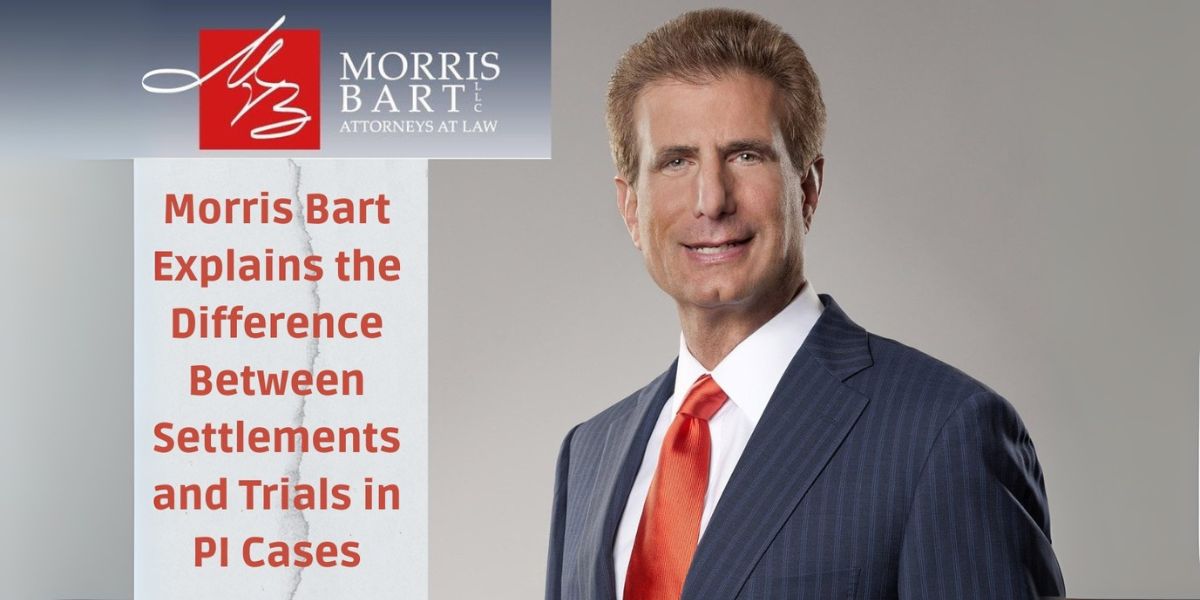
Morris Bart Explains the Difference Between Settlements and Trials in PI Cases

By: Anikha Sharma

Personal injury cases can be complex, with victims often facing confusion about whether their case will be resolved through a settlement or go to trial. Understanding the differences between these two paths is crucial, as the choice can affect compensation, time, and stress levels. In Birmingham, Alabama, accident victims frequently seek legal guidance to navigate this process. With decades of experience, Morris Bart has been a trusted name in handling personal injury claims across the region, ensuring clients understand their legal options and rights.

Settlements are a common occurrence in personal injury litigation in the city of Birmingham because they offer a mechanism whereby plaintiffs can compensate themselves without having to suffer the psychological effects of litigation. However, there are some situations where litigation may be necessary if negotiations fail or if liability is disputed. A holistic comprehension of the positive and negative aspects of the two avenues of procedure also provides the affected persons with the necessary knowledge to better understand how to foresee future developments.

Settlements: A Faster Resolution

Settlements are agreements reached after both parties agree on the payment outside the court. This option is normally fast and less traumatic to the plaintiffs, since it avoids the lengthy litigation process. Settlements are especially useful in cases of accidents in which victims may be in urgent need of financial support to cover medical bills, lost earnings, and other damages. Insurance companies are negotiated with by lawyers in order to achieve fair results, but plaintiffs need to be careful because initial proposals are often lower than what they might be entitled to.

Trials: Pursuing Justice in Court

In case a fair compromise is not reached, the case can be tried. Trials are the process where evidence is presented before a judge or a jury, after which they decide on liability and determine compensation. Although trials could result in higher monetary awards, they are lengthy and uncertain. Plaintiffs should expect to wait, appeal, and possibly experience the psychological impact of reliving the incident. However, trials might be the best approach in cases where the conflicting party does not want to take responsibility or underestimates the claim.

The Role of Legal Representation

Legal services cannot be easily dismissed, no matter whether a case is settled or tried out in a court of law. Lawyers carry out research, gather facts, and bargain with insurance companies. If necessary, they can be present in court to represent the plaintiff in hopes of securing maximum compensation. The example of Alabama lawyers in Birmingham is highly experienced in local laws and local practices in litigation, which makes their work in navigating the litigation system more manageable. Without strong legal advice, the plaintiffs could be more likely to accept unjust offers or risk losing a suit in court.

Factors That Influence the Decision

Various factors determine the outcome of a case, whether it is settled or goes to trial, and these can include the strength of the evidence, the extent of injuries, the approaches of insurers, and the willingness to compromise by both parties. Settlements are also favored by insurers as they typically help to reduce the costs of litigation, but trials may become necessary when the liability is ambiguous. Plaintiffs must carefully consider their choices with professional guidance from their lawyer.

Key Takeaways

Trials may offer higher compensation, but they are associated with uncertainty, a longer period, and emotional difficulty.

Legal representation is an essential aspect during both the settlement process and the trial.

It is possible to say that the most suitable course of action is determined by the evidentiary basis, nature and severity of injuries, and the victim’s willingness to negotiate.

Every case will be unique; hence, before proceeding, victims are encouraged to meet professionals.


Disclaimer: The information provided in this article is for general informational purposes only and does not constitute legal advice. Every personal injury case is unique, and the outcomes of settlements or trials can vary depending on the circumstances. It is recommended that individuals seek the advice of a qualified attorney to discuss their specific legal situation.

Embracing a DIY Mindset to Save Money

Why Doing It Yourself Matters

Most people want to save money, but the usual advice often feels repetitive—cut out lattes, stick to a budget, track your expenses. While these strategies help, there’s another powerful approach many overlook: developing a do it yourself mindset. Choosing to tackle projects, repairs, and even hobbies on your own can lead to real financial savings while also building confidence and new abilities. It’s a shift that’s about more than cutting costs—it’s about reshaping the way you interact with money. Just as services like debt consolidation in Ohio offer a way to simplify financial obligations, embracing DIY simplifies how you meet your daily needs and empowers you to take charge in ways you might not have thought possible.

Learning Skills That Pay Off

Every time you choose to learn a skill instead of hiring someone, you’re making an investment in yourself. Fixing a leaky faucet, sewing a button back on a shirt, or even repainting a room are all tasks that save money in the short term. More importantly, these skills build up over time, creating a toolbox of abilities you can rely on. Each small win boosts your confidence and reduces your dependence on outside services. The money you don’t spend becomes savings or goes toward more meaningful goals.

DIY as a Form of Self Sufficiency

A do it yourself mindset naturally builds independence. You’re no longer waiting on someone else’s schedule or budget. Instead, you’re taking control of your own situation. This sense of self sufficiency reduces stress because you know you can handle challenges when they come up. Whether it’s assembling furniture, cooking meals at home, or tackling basic car maintenance, each action contributes to a lifestyle where you rely more on your own resourcefulness than your wallet.

Creativity Over Consumerism

DIY also shifts the focus from consumption to creativity. Instead of constantly buying new, you find ways to repair, repurpose, or create. Old jars become storage containers, scrap wood becomes shelving, and leftover fabric becomes household items. These creative approaches not only save money but also reduce waste and bring a sense of pride. When you make something with your own hands, it holds more value than a store bought item, and it often lasts longer too.

The Hidden Health Benefits

Surprisingly, embracing DIY projects can improve your well being. Physical projects like gardening, home improvement, or cooking keep you active and engaged. They can even reduce stress by giving you something tangible to focus on. Mental health benefits also come from the satisfaction of learning and completing tasks. Accomplishing something on your own provides a sense of achievement that money simply can’t buy.

When to DIY and When Not To

Of course, a DIY mindset doesn’t mean you need to take on every single task. Some projects require specialized knowledge or involve safety risks. Knowing your limits is just as important as pushing your boundaries. For instance, while you might learn to fix a leaky pipe, you might leave major plumbing repairs to professionals. The key is to balance what you can reasonably take on while being mindful of safety and long term costs. This balance ensures your DIY approach remains sustainable and beneficial.

Saving Money Without Sacrificing Quality

Many people assume that doing things yourself means settling for lower quality, but that’s not always true. With the right effort and patience, DIY projects can actually lead to better results because they’re customized to your needs. Cooking at home, for example, often means fresher and healthier meals than eating out. Building or repairing something yourself also gives you the chance to choose higher quality materials within your budget, which can outlast cheaper store bought versions.

DIY as a Long Term Strategy

The real power of a DIY mindset shows up over time. Each project completed saves a little bit of money, but when added together over months and years, the impact is significant. Think of it like compounding interest—not just in financial terms but in the skills and confidence you’ve built. The money saved can go toward paying down debt, funding an emergency savings account, or investing in long term goals. This ongoing effect turns DIY from a simple cost cutting tactic into a lifelong strategy for financial well being.

Final Thoughts

Embracing a DIY mindset is about more than just saving money. It’s about building independence, creativity, and confidence while reducing reliance on outside services. Each project you take on strengthens your financial position and enriches your personal life. Over time, this approach transforms money management from a stressful task into a source of empowerment. By choosing to do more yourself, you create a life that’s not only more affordable but also more rewarding.

Svitla: AI And Analytics In Energy – From Predictive Maintenance To Load Forecasting

Power systems age while demand fluctuates by the minute. Weather adds variability. Without precise data and fast models, the grid may face issues related to both reliability and profitability. This is where AI and applied analytics can help. They are designed to identify hidden signals, predict potential risks, and suggest actions to mitigate them. In this article, we will cover data foundations, predictive maintenance, and load forecasting, along with operations, security, and economics. The goal is straightforward: to transform SCADA, meter, and IoT telemetry into actions that can improve uptime, planning accuracy, and margin.

Data And Infrastructure: What AI Needs

AI relies on data. For optimal results, it needs complete, clean, and fast data streams. Sources include SCADA, AMI meters, PMU, field IoT sensors, weather data, market prices, and maintenance plans. It’s important to synchronize everything to UTC, as correlations may drift otherwise. Time series should be stored in a TS database, raw data in a Data Lake, and reusable features in a Feature Store. In some cases, scoring at the edge can lead to quicker reactions, while the cloud is better suited for training models. Events should be transmitted through Kafka or MQTT with versioned schemas and idempotency. Data should be encrypted, and Zero Trust policies must be enforced. An SLA for latency and quality should also be clearly defined.

Predictive Maintenance: From Signals To Action

Predictive maintenance can reduce downtime and failures. By capturing data such as vibration, temperature, currents, THD, partial discharge, and oil analysis, AI models can compute various metrics like RMS, spectrum, trends, and z-scores. The process involves detecting anomalies (via methods like Isolation Forest, autoencoder, LSTM/TCN), diagnosing faults (e.g., gradient boosting, logistic regression), and utilizing a risk score to trigger actions, such as opening a CMMS/EAM work order or adjusting the asset’s operational mode. Key performance indicators like Precision/Recall, warning horizon, unplanned downtime reduction, and MTBF gain can be tracked. A typical stack covers telemetry ingestion, streaming, and ERP integrations. Mature energy software solutions can accelerate rollout and streamline operations.

Load Forecasting: Horizons, Features, Models

Accurate forecasts help reduce reserve requirements and avoid penalties. Horizons include intra-day (5–60 min), day-ahead, week–month, and seasonal forecasts. Features may include load lags, weather conditions (e.g., temperature, humidity, wind, irradiance), HDD/CDD, calendar variables, DER/renewables, TOU tariffs, and DR events. Models commonly used include SARIMA/ETS, gradient boosting (LightGBM/XGBoost/CatBoost), N-BEATS, TFT, and ensemble methods. The evaluation typically involves metrics like MAE/RMSE and MAPE/WAPE, and incorporating intervals (Pinball Loss, CRPS) can improve predictions. It’s important to refresh forecasts regularly, typically every 5–15 minutes, and retrain on a scheduled basis. Monitoring seasonality and feature drift is also recommended.

MLOps And Integrations: From Pilot To Scale

To manage data, code, and models effectively, versioning is essential. Keep models in a registry, and deploy them via canary, shadow, and A/B methods. Quality, latency, and cost monitoring are essential components of the process. The feedback loop can be closed by involving field crews to confirm labels and dispatchers to rate the usefulness. Services should be embedded into EMS/DMS/OMS and CMMS/ERP through an event bus. Messages should follow schemas, keys should be idempotent, and channels should be divided by criticality. Before deployment, running models in shadow mode, validating rollback procedures, and implementing access controls are prudent steps. Documenting runbooks and incident playbooks can help ensure smooth operations.

Security And Compliance: Protecting Data And Operations

As a critical infrastructure, the grid requires strong security measures. Implementing Zero Trust and segmentation protocols is crucial. Data should be encrypted both at rest and during transit. Secrets must be stored in a secure vault, and keys should be rotated periodically. Keeping immutable audit logs of changes made, along with testing RPO/RTO in drills, is important. It’s recommended to follow standards like ISO 27001 and sector-specific rules such as NERC CIP. Additional precautions should include closing unnecessary ports on IoT devices, updating firmware regularly, and securing time synchronization. Since models depend on their inputs, protecting those inputs is key to ensuring reliable decision-making.

Economics And Roadmap: How To Measure And How To Move

To understand the impact of AI, start by measuring baseline losses, such as downtime, false alerts, imbalance penalties, stress from forced starts, and fuel overruns. MAE can be converted into MW of reserve and money. A higher MTBF may translate into saved hours and deferred CAPEX. Project OPEX/CAPEX—covering sensors, connectivity, storage, compute, integrations, and support—should be carefully considered. It’s important to show how the investments will lead to payback and IRR. The roadmap is relatively simple: focus on one or two use cases, build a minimal data pipeline, establish a baseline, and then move from shadow mode to canary and finally to production, while actively monitoring drift and staying within budget.

Team And Platform: Roles And Selection Criteria

Clear roles are essential for a successful project. The product owner connects models to goals and SLOs. The data engineer builds pipelines and schemas. The ML engineer is responsible for feature development and model calibration. The OT/SCADA engineer ensures secure access to field systems. MLOps handles CI/CD, observability, and rollbacks. The security lead enforces policies and auditing procedures. For platforms, look for support for Modbus/DNP3/IEC 61850, TS-store performance, bus stability, observability, and TCO. A simpler, manageable stack your team can support often works better than an overly complex system that lacks the necessary resources for upkeep.

Case Studies And Pitfalls: What Works In Practice

One operator reduced unplanned transformer downtime by 38% and improved MTBF by 22% after implementing predictive maintenance. A city utility managed to lower peak MAPE by 1.7 percentage points, reducing reserve by 40 MW. A gas plant detected rising bearing kurtosis 11 days in advance, allowing for a shift in the fix to a planned maintenance window. Common mistakes include starting with models rather than focusing on data, neglecting time zone or daylight saving time adjustments, overlooking business metrics, not having a rollback plan, failing to define intervals, and applying overly complex models to messy data. The solution is focusing on data discipline, establishing a strong baseline, and adhering to strict MLOps practices.

Summary: The Practical Value Of AI In Energy

AI can add value when data is clean, processes are rigorous, and decisions are integrated into operations. Predictive maintenance has the potential to reduce failures and downtime, while load forecasting can help trim reserve requirements and minimize penalties. Together, these applications may increase grid reliability and margins while facilitating the integration of renewable energy. It’s important not to overcomplicate the process. Start small, measure the impact, and scale gradually. Focus on explainability, security, and economic analysis to maintain system health. As AI evolves, it can transform from a showcase technology into an essential tool for operational efficiency.

Philadelphia Hip-Hop Artist CallMeShotti Blends Music, Academics, and Community Impact

By: Plugstar Entertainment 

Philadelphia has always been a breeding ground for hip-hop excellence. From its battle rap culture to its rich legacy of storytellers, the city continues to produce voices that capture the raw realities of urban life. Among its rising stars is Nazahn Warren, better known as CallMeShotti, an independent hip-hop artist who is quickly building momentum as one of Philadelphia’s most authentic and inspiring talents.

With over 200 songs already in his catalog, CallMeShotti blends sharp lyricism, genre versatility, and unfiltered honesty to create music that resonates beyond trends. His sound speaks to real-life struggles, triumphs, and perseverance—qualities that have helped him build a loyal following. “If you want to know how I really feel, listen to my songs,” Shotti says, highlighting the authenticity that sets him apart in today’s music industry.

On September 5, 2025, Shotti dropped his full-length album Unrequited, now available on all streaming platforms. The project delivers a mix of raw confessional tracks and motivational anthems, making it both deeply personal and universally relatable. “This album was therapy for me,” he explains. “But I also wanted it to be therapy for anyone who listens.” With themes of heartbreak, healing, and hope, Unrequited is already earning attention as a standout project in the independent hip-hop scene.

Adding to the buzz, Shotti has collaborated with multi-Grammy-nominated, multi-Platinum producer Herb Middleton, whose work has shaped some of hip-hop and R&B’s biggest names. That partnership has elevated Shotti’s artistry, solidifying his reputation as more than just an underground rapper. He will next bring his dynamic stage presence to the Launch Music Conference in Dallas on October 4, 2025, an important milestone for his career.

What makes Shotti’s rise even more remarkable is his ability to balance artistry with academics. While grinding in the studio and performing live, he is also pursuing a degree in Electrical Engineering. That discipline and determination reflect the duality of his journey—one rooted in creative expression but grounded in long-term vision. He credits much of his drive to his mother, Tenysha, who also manages his career. Together, they’ve built his brand independently, proving that a self-funded hustle and family support can push an artist forward without compromising integrity.

But Shotti’s mission extends far beyond his own career. Through his nonprofit, Shotti Cares, Inc., he is working to empower the youth of Philadelphia through creative arts and performance programs. His long-term vision includes establishing a state-of-the-art facility where young artists can access professional resources, mentorship, and safe spaces to explore their talents—all free of charge. To sustain the initiative, Shotti plans to host an annual festival blending music, art, and community engagement.

“I don’t want this just to be about me,” he says. “I want kids to see that their voices matter, that their creativity has value, and that they don’t need to wait for permission to build something meaningful.”

Unlike many artists who rely on gimmicks or fabricated personas, Shotti’s strength lies in his transparency. “I’m real, I don’t fake it. What you see is what you get. I’m not trying to portray a character or use gimmicks to garner attention. I put my talent on the front line and go to work,” he emphasizes. That honesty, combined with his ability to transform social anxiety into commanding performances, makes him stand out in today’s competitive hip-hop community.

Looking ahead, Shotti envisions himself headlining major festivals, touring internationally, and signing with a record label in the next five years. More importantly, he hopes to use his platform to inspire unity, peace, and love within the Black community—ending division and encouraging collective progress.

With Unrequited out now, a growing catalog, and his nonprofit on the rise, CallMeShotti is proving that Philadelphia’s hip-hop scene is alive, thriving, and ready to lead a new era of independent artistry.

Connect with CallMeShotti

Image Credits: Quavaughn – QNC Photography | @yireh.studios

Adela Osmani: A New Language of Contemporary Abstraction

By: Adela Osmani

On the global art stage, a few creators seem to transcend every trend, building a language that may belong solely to them. Adela Osmani is widely regarded as one of these voices. Her paintings are not simply works of art: they are spaces that invite viewers to think, feel, and linger.

Her canvases, where black deepens into an expansive universe and white bursts forth as pure light, interact with flashes of gold, blue, and green, creating a compelling tension between radiance and shadow. Nature and cosmos, stillness and eruption, coexist in her work, reminding us that art is not merely visual; it is an experience.

Roots and Journey

Born in Tirana on November 2, 1998, Adela Osmani felt art as a language deeper than words from a very young age. Color, form, and texture sharpened her sense of the world. She experimented consistently with materials and techniques, searching for an expression that could belong to no one but herself.

Her decision to devote her life to art was not a casual choice but an inner calling. “There was a moment when I realized this isn’t just a love for painting,” she has said in interviews. “It is my way of life.”

Extensive travels through diverse cities and cultures have likely infused her vision with new influences: deserts stretching toward infinity, luminous metropolises pulsing with the tempo of time, tranquil shores that draw one inward. Each place left a trace — a color, a texture, a feeling.

Adela Osmani A New Language of Contemporary Abstraction

Photo Courtesy: Adela Osmani

Style: A Dialogue of Light and Shadow

Osmani’s work is easily recognizable. Dark backgrounds create a profound depth, while white light seems to emerge from within the canvas. Gold and silver are not simply decorative elements but integral parts, imparting a cosmic glow. Each painting feels like its own galaxy, where universal energies may take shape through pigment and texture.

This is more than aesthetics; it is philosophy. Her paintings reflect life’s contrasts — past and future, silence and explosion, brilliance and obscurity. Every piece is an invitation to reflect, a space where the viewer can find a personal story.

A Career with a Global Horizon

At an age when many artists are still searching for their voice, Adela Osmani has already forged an international profile. Her works have traveled to some of the world’s most influential art capitals, capturing the attention of critics, collectors, and curators alike.

Her exhibitions suggest that art knows no borders. Osmani’s paintings resonate equally in cutting-edge contemporary spaces and in cultures where tradition and symbolism remain significant. Each show marks a new step in her artistic growth.

Art as Living Encounter

Adela Osmani believes art is never a silent object. It is a living dialogue between creator and viewer. “A painting only gains meaning when someone stands before it and feels something,” she says. “It might be calm, a memory, a question. What matters is that a spark can occur.”

For many, that spark is immediate. Collectors and visitors alike speak of an energy that fills the room, a presence that alters the atmosphere. Her canvases are not merely to be seen; they are to be experienced.

The Weight of Material and Process

Her creative process is meticulous and physical, at times involving her entire body in a wordless communication between artist and canvas. Every layer of paint, every fragment of gold or silver leaf holds intention. Textures gradually build, shifting with the light throughout the day. In the morning, they appear as tranquil universes; by evening, they seem to possess new life.

This reverence for material imbues her work with permanence. These paintings are not simply pigment on fabric; they are structures capable of enduring time and evolving with each viewer’s gaze.

Entering the American Art Scene

Adela Osmani now prepares for a defining step: her debut in the United States, a market known for its boldness and appetite for the new. Her forthcoming exhibition in New York will present monumental works that speak a universal language, poised to appeal to an audience attuned to authenticity.

This is more than a presentation; it is a dialogue with a culture that thrives on diversity and innovation, a perfect stage for an artist whose vision recognizes no geographic or cultural limits.

Adela Osmani A New Language of Contemporary Abstraction

Photo Courtesy: Adela Osmani

Art That Outlives the Name

Osmani does not seek to place herself at the center of every conversation. She allows the work to speak. While her name is inseparable from her canvases, her aim is for the art to exist independently, to breathe beyond biography. This humility enhances the power of her vision, granting viewers the freedom to discover their own meaning.

Ultimately, she believes true art belongs to the world. “Once a painting leaves the studio, it is no longer only mine,” she reflects. “It becomes part of the memory and the experience of whoever encounters it.”

A Vision Beyond Time

In every work, Adela Osmani strives to capture what lies beyond the fleeting moment, a search for the intangible, a bridge between the visible and the unseen. Her art is not merely beautiful; it is profoundly resonant, a meeting point of the human and the universal.

From Albania to the world’s great art capitals, her journey suggests that true art knows no borders. It travels, it touches, it endures.

Adela Osmani is an artist of her generation, yet her works seem to belong to eternity. She creates not only for today, but for a future where art remains the strongest bridge between humanity and the infinite.

Dr. Gary Wiren: The Legendary Voice of Golf Who Redefined the Game

Golf is more than a sport. It is an experience, a philosophy, and, for those who embrace it, a lifelong journey of growth and discovery. Few individuals have done more to shape that journey than Dr. Gary Wiren, one of the most respected figures in the game’s history. With a career that spans decades, Dr. Wiren is not only a world-renowned instructor but also an innovator, author, motivator, and a living testament to the transformative power of golf.

A Career Built on Passion and Purpose 

From the very beginning, Dr. Wiren’s mission has been clear: to make the game more enjoyable for every golfer, from beginner to professional. His passion for teaching and his dedication to sharing knowledge has touched lives across the globe, and his influence can be felt in every corner of the sport. He believes that golf is not just about learning technique but also about discovering confidence, patience, and resilience.

He has served as a Master Professional in Instruction for the PGA of America, authored The PGA Teaching Manual, considered a foundational text for instructors worldwide, and written or contributed to over a dozen books, including When Golf Is a Ball. His contributions are more than academic; they are practical, transformative, and rooted in decades of firsthand experience. Many coaches and teachers today still draw on his material, ensuring that his legacy continues to influence new generations.

A Global Impact 

Dr. Wiren’s expertise has taken him far beyond American fairways. He has taught, lectured, and inspired in over 30 countries, spreading the joy of golf to diverse cultures and audiences. Whether standing before aspiring juniors, seasoned professionals, or corporate leaders, his message remains the same: golf is not just a game you play, but a way you live. His ability to adapt his message to resonate with people of all backgrounds is one of the many reasons he is celebrated around the world.

In recognition of his contributions, Dr. Wiren has received numerous awards, including his induction into the PGA Golf Professional Hall of Fame. He has also been honored as one of Golf Digest’s “Top 50 Teachers” and Golf Magazine’s “Top 100 Teachers.” Yet for Dr. Wiren, the real reward lies in seeing students light up when the game clicks, when they feel the magic of a perfect swing and understand that golf can be a lifelong source of joy.

The Philosophy That Sets Him Apart

At the heart of Dr. Wiren’s teaching is a philosophy that blends technical mastery with human connection. “Golf isn’t about perfection,” he says. “It’s about improvement, enjoyment, and the people you share it with.” He reminds players that the real measure of success in golf is not just in lowering scores but in building memories and friendships on the course.

That philosophy has inspired countless golfers to not only play better but to embrace the game as a source of joy, patience, and personal growth. Students often describe his approach as refreshing because it focuses on the human side of the sport, reminding them why they fell in love with golf in the first place.

Looking Ahead 

Now, as Dr. Wiren prepares to release his highly anticipated new book The Key to Golf: JOY, along with exciting digital projects, his mission remains as strong as ever: to enrich the lives of golfers everywhere. These new ventures are designed to reach an even wider audience, ensuring that his insights will continue to inspire players in the years to come.

Golfers and fans can follow his journey, updates, and insights through his website www.drgarywiren.com and his official social media channels @DrGaryWiren. 

For Dr. Wiren, golf is not just about the scorecard. It’s about the lessons learned, the friendships forged, and the legacy of passion passed from one generation to the next. 

And that’s what makes him more than a teacher. Dr. Gary Wiren is a true ambassador of the game.