Yichen: Why Excavator Rock Saws Are Becoming a Valuable Tool in the Construction Industry

By: Shaz Zeeshan

The construction and mining industries are constantly evolving with the introduction of new technologies that improve efficiency, accuracy, and cost-effectiveness. One piece of equipment that has been making significant strides in recent years is the excavator rock saw. This powerful tool has quickly gained popularity among contractors, engineers, and developers for its ability to cut through tough stone with remarkable precision and ease.

In this article, we’ll explore why rock saws have become a valuable addition, how they compare to traditional cutting methods, and why they are increasingly seen as an important tool in heavy-duty projects.

Understanding the Excavator Rock Saw

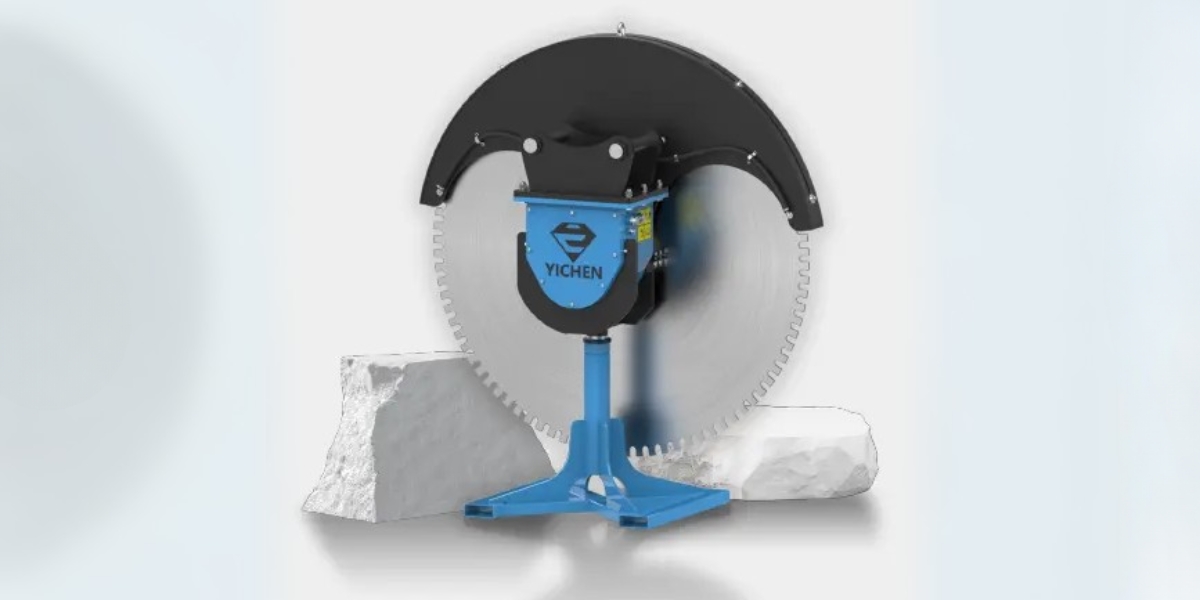
An excavator rock saw is a specialized cutting attachment designed for excavators. Instead of relying on hammers, blasting, or drilling to break through stone, the rock saw uses a diamond-tipped circular blade that can cut through rock, concrete, and other dense materials. This design not only enhances the process but also reduces vibration and dust, making it safer and more environmentally friendly.

Contractors often opt for a rock cutting saw when they need precise trenching, controlled demolition, or detailed cuts in areas where blasting or jackhammers would cause unwanted disruption. The accuracy of these tools helps reduce waste and improve results.

The Advantages of Rock Cutting Saw Technology

The rise in popularity of rock saws can be attributed to several benefits:

Precision and Control

Unlike blasting, which can result in unpredictable fractures, a rock cutting saw allows for more controlled cuts. This makes it ideal for projects requiring accuracy, such as creating utility trenches, cutting through reinforced concrete, or shaping stone for construction.

Reduced Environmental Impact

Traditional methods like blasting produce dust, noise, and vibrations that affect the surrounding area. In contrast, a rock saw operates with less noise and generates a cleaner work environment. For projects in urban or environmentally sensitive areas, this can be a considerable benefit.

Lower Operating Costs

While the initial investment in an excavator rock saw attachment may seem high, it can often prove cost-effective over time. Reduced labor, less downtime, and minimized cleanup all contribute to lower overall project costs.

Durability and Longevity

Diamond-tipped blades are designed to last, and with proper maintenance, they can handle extended hours of cutting. Contractors looking for a long-term solution often find that investing in a quality excavator rock saw saves money over time compared to disposable or less durable tools.

Applications of an Excavator Rock Saw Attachment

The versatility of an excavator rock saw attachment makes it a valuable tool across a wide range of industries. Some of the most common applications include:

  • Trenching and Utilities: Ideal for laying water, sewer, or electrical lines through hard rock formations.

  • Mining and Quarrying: Used to extract blocks of stone with precision, reducing waste and increasing yield.

  • Road Construction: Perfect for cutting through rock during the construction of highways, tunnels, or foundations.

  • Demolition Projects: A controlled method of cutting through reinforced concrete or stone without causing structural damage.

  • Landscaping and Architecture: Used for shaping stone for walls, pathways, and decorative projects.

Rock Saw Attachment for Excavator vs. Traditional Methods

When comparing a rock saw attachment for excavators to more traditional rock-breaking methods, the advantages become even clearer:

  • Blasting: While effective, it’s unpredictable, noisy, and often restricted in populated areas due to safety concerns.

  • Hydraulic Hammers: Useful for breaking large chunks of rock, but they produce uneven results, require more cleanup, and increase wear on excavators.

  • Rock Saws: Deliver precision cuts, minimize vibrations, and allow for cleaner, more predictable results.

This shift toward precision tools is why many contractors are considering upgrading their equipment fleets with rock saws.

Choosing the Right Excavator Rock Saw for Sale

When searching for an excavator rock saw for sale, there are several factors to consider to ensure you make a well-informed investment:

  • Blade Quality – Look for high-grade diamond-tipped blades that can handle continuous use.

  • Compatibility – Ensure the attachment is compatible with your excavator model in terms of weight and hydraulic requirements.

  • Cutting Depth – Depending on your project, you may need shallow or deep cutting capabilities.

  • Durability – Choose a model designed for heavy-duty projects to avoid frequent replacements.

  • After-Sales Support – Consider suppliers who provide training, parts, and ongoing maintenance services.

Investing in the right saw can enhance your project timelines and reduce operating costs.

Safety Benefits of Rock Cutting Saws

Another key reason why rock saws are transforming the industry is their improved safety profile. Traditional methods like blasting create significant risks for workers, from flying debris to vibration-related injuries. A rock cutting saw minimizes these risks by providing controlled cutting with less vibration and fewer unexpected fractures.

Contractors also appreciate the reduction in dust levels, which improves air quality and helps projects comply with environmental regulations.

Real-World Examples of Rock Saw Success

Around the world, contractors are reporting substantial gains after adopting rock saws:

  • Urban Construction Projects: In cities where noise and vibration restrictions are strict, rock saws allow trenching without disturbing nearby buildings or residents.

  • Mining Operations: Operators have seen reduced waste and increased yields when using precision cutting compared to traditional blasting.

  • Infrastructure Development: Large-scale projects like tunnels and highways are being completed faster and with fewer disruptions by using excavator rock saw attachments.

The Future of Rock Saw Technology

With the increasing emphasis on sustainability, efficiency, and precision, rock saws are expected to become even more advanced in the future. Manufacturers are already developing blades with longer lifespans, improved cutting speeds, and enhanced dust control systems. As these innovations continue, contractors will likely find even more reasons to invest in these powerful tools.

Summary

The rise of the excavator rock saw marks a significant transformation in the construction and mining industries. By offering precision, reduced environmental impact, lower costs, and enhanced safety, rock saws have become an important attachment for forward-thinking contractors.

Whether you’re considering an excavator rock saw attachment, looking into purchasing an excavator rock saw for sale, or simply exploring options for a rock saw attachment for an excavator, it’s clear that this technology is shaping the future of heavy-duty projects. For those looking to cut through rock efficiently while maintaining accuracy and safety, a rock cutting saw may be the ideal solution.


What Role Do Antioxidants Play in Electrolyte Powders?

Electrolyte powders have come a long way from their early days as simple salt-and-sugar mixes. Today, many blends do more than just rehydrate; they also support recovery, energy, and overall well-being. One way they do this is by incorporating antioxidants, which help the body manage stress from exercise, heat, or illness.

Products like Dash Hydration Powder are formulated with both electrolytes and antioxidants to provide comprehensive hydration support. While electrolytes replenish what’s lost through sweat, antioxidants add a layer of protection at the cellular level.

What Are Antioxidants?

Antioxidants are compounds that help neutralize free radicals, unstable molecules that can damage cells when present in high amounts. Free radicals are a natural byproduct of metabolism, but they increase during physical exertion, illness, and exposure to environmental stressors. Without enough antioxidants to counterbalance them, oxidative stress can occur.

Oxidative stress doesn’t always lead to immediate symptoms, but over time, it can contribute to fatigue, slower recovery, and long-term health concerns. Antioxidants help manage that stress, supporting normal cellular function and reducing the impact of wear and tear on the body.

Why Do Antioxidants Matter During Physical Activity?

Physical activity temporarily increases oxidative stress in the body. While moderate exercise promotes overall health, more intense or prolonged activity can overwhelm the body’s natural antioxidant defenses. This can lead to post-workout fatigue, soreness, or slower recovery.

Including antioxidants in hydration products can help counteract these effects. By addressing oxidative stress during and after exercise, antioxidants support energy levels, reduce inflammation, and protect muscle cells. When combined with rehydration, this dual approach helps the body recover more efficiently and feel better after exertion.

How Do Antioxidants and Electrolytes Work Together?

Electrolytes and antioxidants serve different but complementary roles. Electrolytes like sodium, potassium, and magnesium help regulate fluid balance, muscle function, and nerve signaling. Meanwhile, antioxidants support the body’s ability to repair cells and manage stress from physical exertion.

When used together, these components can create a more well-rounded hydration experience. While electrolytes quickly address dehydration and mineral loss, antioxidants work behind the scenes to support longer-term recovery and resilience. This combination makes certain hydration powders more suitable for workouts, travel, and high-stress conditions.

What Are Common Antioxidants Found in Electrolyte Powders?

Several antioxidants are commonly added to electrolyte powders for their protective and restorative benefits. Vitamin C is one of the most widely used. It is known for supporting the immune system and helping combat oxidative damage during physical stress. It also contributes to collagen formation, which plays a role in tissue repair.

Vitamin B12 is another frequently used antioxidant, especially in blends aimed at active individuals. This vitamin plays a key role in converting carbohydrates, fats, and proteins from food into usable energy, making it a natural fit for beverages marketed toward athletes or those needing a boost. It also helps maintain healthy nerve function, which complements the role of electrolytes like sodium and potassium in supporting the nervous system.

Together, these ingredients offer an extra layer of support that goes beyond hydration.

Are Antioxidants Necessary in Every Formula?

Not every electrolyte powder includes antioxidants; for some users, they may not be a make-or-break inclusion. A person who is hydrating for everyday reasons, such as after travel or mild dehydration, may not require additional antioxidant support. In these cases, a basic mineral blend may be enough to restore balance.

However, antioxidants become more useful in products designed for athletic recovery, illness recovery, or high-exertion scenarios. People who work out frequently, spend time in high-heat environments, or experience elevated stress may benefit from hydration formulas that go further than water and salt. Plus, health-conscious or wellness-focused people may like knowing there’s an added benefit from having antioxidants present in their daily mix.

Including antioxidants in an electrolyte powder can help reduce the wear and tear that accompanies repeated physical stress, supporting long-term health and daily energy levels. For people who prioritize performance and recovery, having antioxidant support in an electrolyte powder may offer noticeable benefits over time.

Antioxidants May Support Immune Function During Recovery

Strenuous activity can temporarily suppress immune function, especially after long or intense workouts. Including antioxidants like vitamin C or zinc in electrolyte powders may help support the immune system during this recovery window. This added support can be beneficial for athletes, frequent travelers, or anyone under consistent physical stress.

Smarter Hydration Goes Beyond Electrolytes

Electrolyte powders have evolved into more than basic rehydration tools. When formulated thoughtfully, they can offer complete support for hydration, recovery, and cellular defense. Antioxidants enhance these benefits by addressing the oxidative stress that often comes with physical activity and environmental exposure.

While not necessary in every situation, antioxidants add meaningful value to electrolyte powders designed for active or wellness-conscious lifestyles. They help the body recover more efficiently, protect against cellular damage, and support long-term wellness. For anyone looking for more than quick hydration, choosing a powder that includes antioxidants is a smart step toward more complete wellness.

Disclaimer: The information provided in this article is for educational purposes only and should not be considered as medical advice. While antioxidants and electrolytes play a role in supporting recovery and overall health, individual needs may vary. Always consult with a healthcare professional before making changes to your diet, supplementation, or hydration routine, particularly if you have any underlying health conditions or are taking medication. The effectiveness of antioxidant-enriched electrolyte powders may differ from person to person. Results from their use should not be expected to replace professional medical treatment or care.

Flag Pole Climbing Safety Tips Every Technician Should Know

By: Jacob Maslow

Climbing flagpoles requires skills and safety measures. Technicians should follow these safety practices to maintain efficiency and minimize risks. This guide covers tips that technicians may find useful before engaging in such tasks.

Importance of Proper Equipment

Safe flagpole climbing is only possible when the right tools are used. While some technicians may use various tools, it is crucial to ensure that harnesses, helmets, and climbing shoes are in proper condition. If any signs of wear or damage are visible, it is advisable to replace them. Faulty equipment could potentially contribute to accidents that could lead to injuries for the technician or others nearby.

Conducting a Safety Check

Before any ascent, it is necessary to conduct a detailed safety check. It’s important to assess the stability of the flagpole and look for any signs of wear such as rust or weakness in the structure. These issues can sometimes weaken the pole, making it less safe to climb. Ensuring that all bolts and fasteners are tightened is also crucial, as loose components could cause sudden shifts during the climb.

Understanding Weather Conditions

Weather plays a significant role in outdoor tasks such as flagpole climbing. It’s advisable to avoid climbing during adverse weather conditions, including rain, snow, or high winds. Wet surfaces are more likely to be slippery, and strong winds could potentially make climbing more dangerous. Being mindful of the weather forecast ahead of time might help reduce such risks.

Using Personal Protective Gear

Wearing appropriate protective equipment is essential for flagpole climbing. Helmets offer head protection, while gloves help improve grip. Harnesses are used to secure technicians to the pole and prevent falls. All gear should be fitted properly, as loose or ill-fitting equipment could limit movement and affect the technician’s ability to work efficiently.

Training and Certification

Training plays an important role in ensuring safety. Technicians engaged in flagpole climbing should ideally have completed certified climbing programs that focus on climbing techniques as well as emergency procedures. Having proper certification can be an indication that technicians are prepared for different situations and are more likely to respond effectively when faced with unexpected challenges.

Communication and Teamwork

Effective communication can greatly enhance safety during the task. Technicians should ideally work with a partner when possible, as having assistance at the scene can provide valuable support. Communication tools such as radios can help maintain connection between team members throughout the task.

Planning and Preparation

Proper planning is vital before starting the climb. Technicians should evaluate the site and determine a more efficient approach. A clear procedure should be in place to guide actions. This also includes ensuring all necessary tools are accessible and within reach during the climb.

Emergency Procedures

It is also beneficial to have basic knowledge of first aid and emergency response techniques. Technicians should be aware of how to handle injuries or accidents that might occur. Having a first aid kit on-site is also recommended, ensuring that everyone knows where it is located and how to access it if needed.

Staying Hydrated and Rested

Climbing requires physical endurance, and it’s important to stay hydrated and take breaks when needed. Fatigue can potentially affect decision-making and increase the chances of making mistakes. Ensuring that technicians get enough rest and are physically prepared for the climb can help keep them focused and reduce the likelihood of errors.

Continuous Learning and Improvement

Safety practices evolve over time, and staying up to date with the latest safety standards is essential. Technicians should continue to refresh their knowledge through workshops or training sessions. Promoting a culture of safety awareness and continuous learning can help ensure that technicians are proactive in reducing risks while improving their overall competency.

Summary

Climbing a flagpole involves serious safety considerations. Following these safety tips can help technicians stay equipped to handle the task effectively. By prioritizing safety, technicians not only protect themselves but also contribute to the successful completion of the job. With the right gear, adequate training, and careful planning, the risks associated with flagpole climbing can be minimized.

Disclaimer: The information provided in this article is for general guidance and informational purposes only. While every effort has been made to ensure the accuracy and completeness of the content, the safety recommendations and practices discussed should be followed at your own discretion. Technicians and individuals engaging in flagpole climbing or similar activities must assess and adhere to their specific safety regulations and workplace guidelines. Always use appropriate protective equipment, conduct safety checks, and ensure proper training and certification before attempting any climbing or related tasks. The publisher and author are not liable for any accidents, injuries, or damages that may occur as a result of following the safety tips provided in this article. Always consult with a professional or safety expert when necessary.

Beyond the Trophy: How Crystal Awards Reflect Corporate Values

By: Anikha Sharma

In today’s workplace, recognition is about more than just saying “thank you.” It is about creating meaningful moments that inspire employees, strengthen culture, and reinforce what a company stands for. That is why many organizations turn to elegant symbols of appreciation, like glass awards, to capture both the achievement itself and, more importantly, the values behind it. These awards are not just decorative; they are powerful reminders of excellence, integrity, and the shared vision that helps drive a business forward. 

Recognition That Tells a Story

When someone receives a crystal award, they are not just being handed a trophy. They are being given a story, one that acknowledges their hard work, celebrates their contribution, and reflects the values the company aims to uphold. For example, a globe-shaped crystal award can symbolize global thinking and innovation, while a flame-shaped design may reflect passion and drive. The physical form of the award becomes a storytelling device, one that reinforces the company’s mission and makes employees feel like true ambassadors of its culture.

Why Crystal Awards Stand Out

So, what makes crystal awards such a popular choice in corporate recognition programs? For starters, they demonstrate elegance and permanence. Unlike certificates or small gifts, a crystal award feels weighty, both literally and symbolically. Its clarity and brilliance can reflect qualities like transparency, trust, and excellence — values that many organizations strive to embody.

Another reason these awards stand out is their versatility. From classic towers and obelisks to colorful art glass pieces, there is a design to match nearly any achievement or company personality. This flexibility makes them suitable for a wide range of recognition, from honoring top sales performers to celebrating years of dedicated service.

Reinforcing Corporate Values Through Design

The design of an award often mirrors the values a company wants to emphasize. Here are a few ways that happen:

Leadership and Growth: Tall, sleek crystal towers can convey ambition, progress, and upward momentum, making them ideal for recognizing individuals who embody leadership.

Innovation and Creativity: Vibrant art glass awards, with their unique swirls of color, reflect originality and a willingness to think outside the box.

Global Reach: Awards that incorporate globe designs can highlight international vision and collaboration.

Dedication and Loyalty: Solid, timeless designs like clear crystal plaques can communicate stability and long-term commitment.

By intentionally choosing a style that aligns with corporate values, companies ensure their recognition programs resonate more deeply with employees.

The Personal Touch: Customization

Beyond the Trophy: How Crystal Awards Reflect Corporate Values

Photo Courtesy: Edco Awards

Another element that elevates crystal awards is the ability to personalize them. EDCO, for instance, offers free engraving, logo placement, and even custom shapes that align with a company’s brand identity. Imagine presenting an architect with a crystal award shaped like a building, or recognizing a healthcare leader with a design featuring medical symbolism.

These personalized touches make the award unique while also showing that the organization put thought into aligning recognition with its values and the recipient’s specific contributions.

More Than Just an Award—A Lasting Symbol

Because of their durability and striking design, recipients are likely to proudly display them on desks, shelves, or mantels for years. Every time someone glances at that award, they are reminded not just of their accomplishment, but of the company that valued them enough to present it. This creates a ripple effect where, when coworkers see the awards displayed, they may be inspired to strive for the same recognition. It is a quiet but powerful way to keep corporate values alive in everyday work.

Beyond the Trophy: How Crystal Awards Reflect Corporate Values

Photo Courtesy: Edco Awards

Summary

At the end of the day, recognition is about the meaning behind the award. Crystal awards stand out because they embody values like excellence, creativity, dedication, and vision in a tangible form. They can be bold reflections of what a company stands for and the culture it aspires to build. So, the next time your organization looks for ways to celebrate achievement, think beyond the trophy. Choose recognition that reflects your values, and you might create not just a moment of pride, but a lasting symbol of what makes your company great.

Insurance Checklist Coverage for New Auto Repair Shop Owners

Opening an auto repair shop is an exciting step for entrepreneurs who love working with cars and keeping them running smoothly every day. From hiring skilled technicians to investing in equipment, launching a shop requires planning and protection. One of the important aspects of running your new business is making sure you have the right insurance coverage in place. Without it, you could face financial risks that may threaten your shop’s future.

Choosing the right insurance for auto repair shop businesses can feel overwhelming, especially if you’re new to the industry. There are multiple types of coverage available, and each protects against different risks, from customer claims to property damage. To make things easier, here’s a checklist of the essential insurance policies to consider as a new auto repair shop owner.

General Liability Insurance

Every business should carry general liability insurance, and auto repair shops are no exception. This coverage protects your shop if a customer or visitor is injured on your property. For example, if a customer slips on an oil spill in your waiting area and requires medical care, general liability insurance helps cover the costs. It also provides protection if a customer claims your services caused damage to their vehicle.

Garage Liability Insurance

This coverage is designed specifically for auto repair shops, garages, and service centers. Garage liability insurance goes beyond standard liability coverage by addressing the unique risks of working on customers’ vehicles. It can help cover third-party injuries and property damage that may occur as part of your shop’s daily operations.

Garagekeepers Insurance

What happens if a customer’s car is stolen, damaged in a fire, or vandalized while it’s in your care? Garagekeepers insurance steps in to protect vehicles stored on your premises. Since customers trust you with their property, this coverage is often recommended for avoiding costly disputes.

Commercial Property Insurance

Your tools, diagnostic machines, lifts, and building space are critical to your shop’s success. Commercial property insurance helps protect those assets from risks like fire, theft, or severe weather. Even if you rent your garage space, you’ll want this coverage for your equipment and inventory.

Workers’ Compensation Insurance

If you have employees, many states require workers’ compensation insurance. It provides coverage for medical expenses and lost wages if an employee is injured on the job. In a shop environment where heavy equipment and hazardous materials are present, this coverage is essential for both compliance and employee safety.

Business Interruption Insurance

Unexpected events, such as a fire or natural disaster, could force your shop to close temporarily. Business interruption insurance helps replace lost income and covers certain operating expenses while you recover. This protection ensures you can keep paying bills and staff even when you’re not actively repairing cars.

Commercial Auto Insurance

If your shop owns service vehicles, such as tow trucks or parts delivery vans, you’ll need commercial auto insurance. Personal auto insurance policies typically won’t cover business-related use, making this coverage vital for protecting your fleet.

Cyber Liability Insurance

Many auto repair shops now store customer data and process payments electronically. Cyber liability insurance protects your business in the event of a data breach, helping cover notification costs, legal fees, and other expenses tied to cyber risks. As technology evolves, this coverage is becoming increasingly important for small businesses.

As a new auto repair shop owner, securing the right mix of insurance policies is one of the important steps you can take to protect your investment. From covering customer vehicles to safeguarding your employees and property, each type of coverage plays a role in keeping your shop financially secure.

Use this checklist as a helpful guide when speaking with your insurance provider. By tailoring your policies to your shop’s unique needs, you’ll build a strong safety net that allows you to focus on what matters most, delivering quality service and growing your business.

Disclaimer: The information provided in this article is for general informational purposes only. While every effort has been made to ensure the accuracy and reliability of the content, it should not be construed as professional advice. The reader is encouraged to consult with a licensed insurance provider to determine the suited coverage for their specific needs. The author and publisher do not assume any responsibility or liability for actions taken based on the information provided in this article.

Exploring the Growth of Online Firearm Auctions: A Collector’s Guide

By: Isaiah Miller

If you’re in the firearm collector community, you may already know that online gun auctions have become an increasingly popular arena for gun buyers.

Many collectors have shifted from traditional brick-and-mortar shops or gun shows. There are several reasons for this shift, including ease of product discovery, broader reach, price transparency, and the assurance of legal safety.

In this article, we explore the reasons given by many gun collectors for preferring online firearm auctions to traditional methods of sourcing firearms.

Access to Scarce and Historic Pieces

Countrywide, and in some cases, even global reach, allows firearm auction sites to gather inventories that typical retail channels might not offer. These platforms host listings and allow dealers to source pieces that might be hard to find in the average brick-and-mortar shop.

Some auctions occasionally offer curated catalogs that highlight rare or valuable guns, along with estate collections, limited-run models, and provenance-rich pieces that may appeal to patient bidders.

This offers an opportunity to find firearms that might otherwise be difficult to acquire, especially if you are unable to travel extensively or track down rare items.

Price Discovery Through Competition

Gun auctions run on competitive bidding, which can sometimes help establish a firearm’s market value in real time. This dynamic environment can benefit both sellers and buyers.

For instance, when interest in a particular lot is high, sellers might realize a price that reflects strong demand. Conversely, observant collectors may spot opportunities to acquire pieces for a bargain when bidding is less competitive.

Product Info at Your Fingertips

To bid with confidence, collectors need accurate information, and reputable auction houses aim to provide that. Even more importantly, they present the information in a way that is easily accessible for easy lookup and review.

Gun auction websites typically empower buyers with extensive documentation, including high-resolution photographs, detailed descriptions of the firearm’s condition, and notes on unique markings or flaws. This level of transparency can help you make an informed decision from nearly anywhere and at almost any time.

A Framework for Legal Safety and Compliance

Perhaps one of the most significant benefits of using professional gun auction sites is the built-in legal framework. This structure helps reduce the ambiguity and potential legal risks that can accompany informal sales.

Auction sites and firearm sellers typically follow specific rules and regulations to ensure legal transactions online, even across state lines where federal law prohibits direct firearm transfers between private citizens. A key part of the solution is that online auctions require a Federal Firearms Licensee (FFL) for each transaction.

The process is designed to be clear and standardized, providing peace of mind. After winning an auction, the seller typically ships the firearm to a licensed FFL dealer of the buyer’s choice.

The buyer then visits the dealer to complete the ATF’s (ATF) Form 4473. The FFL runs the required background check through the National Instant Criminal Background Check System (NICS).

This process aims to ensure that every transfer is legal, documented, and secure for both the buyer and seller.

Efficiently Building and Managing Your Collection

Online auctions serve as a valuable tool for managing a collection strategically. Firearm searches are made easier by automatic filters and tools. Whether you’re seeking a specific wartime pistol or a rare sporting shotgun, auctions bring together sellers from a larger area, saving time and effort.

Moreover, auctions provide a potentially practical and disciplined exit strategy. When it comes time to refine or prune your collection, the auction marketplace offers a transparent venue to sell your pieces at what could be considered fair market value.

This approach avoids the uncertainty and potential haggling of private sales, ensuring your firearms find their way to other passionate collectors through a legally compliant channel.

Disclaimer: The content provided in this article is intended for informational purposes only. The process for buying or selling firearms through online auctions may vary based on specific laws, regulations, and auction house policies. Always consult legal professionals or relevant authorities to ensure that any transaction complies with all applicable laws. The author and publisher do not assume responsibility for any errors, omissions, or legal issues that may arise from following the guidelines outlined in this article.

Brian S. Bradley Explores Meaning Behind Clichés in New Book

By: Roy Abraham

At first glance, Brian S. Bradley’s life reads like an adventure novel—Florida beaches, Colorado mountaintops, solo travels across Europe at 18, and a long stretch spent saving lives as a ski patroller in the Rockies. But if you ask him, the most daring thing he’s ever done wasn’t carving down powdery slopes or moving states. It was picking up a pen at fifty.

Yes, fifty.

While some people start writing as teenagers and others dream of publishing all their lives, Brian’s foray into authorship came from a deeper impulse: the need to express and make sense of the words we all use every day. And not just any words, clichés.

You know them: “It is what it is.” “Think outside the box.” “The grass is always greener.” We throw them around like conversational confetti, often without stopping to think about what they really mean, or if they mean anything at all.

In The Cliché Chronicles: A Whimsical Journey Through the World of Clichés, Brian talks about those everyday phrases with both wit and wonder. And the result is a book that’s as thoughtful as it is entertaining, as informative as it is unexpectedly engaging.

From Mountain Rescues to Manuscripts

Brian’s journey to writing wasn’t inspired by writing workshops or publishing connections. Instead, it was shaped by lived experiences—by years of seeing people at their best and worst, on the side of a snow-covered slope or sitting around a family dinner table. He’s lived in Boca Raton, Delray Beach, Denver, Frisco, and now Blue Ash, Ohio. He’s worked outdoors, traveled solo, and, like many of us, eventually reached a point where the stories inside him couldn’t be ignored any longer.

At fifty, that creative urge turned into action.

A Fresh Take on Familiar Words

The book isn’t your typical dictionary of definitions or dry linguistics lecture. It’s lively and full of cultural references, writing prompts, and literary observations. Brian combines the academic with the accessible, tracing the history of phrases from Shakespeare to TikTok while maintaining a conversational tone.

Each chapter tackles a different angle: clichés in comedy, business, digital culture, inspirational quotes, writing, and even cross-cultural communication. There are reflections on overused office phrases like “Circle back,” laugh-out-loud deconstructions of stand-up routines that rely on phrases like “If at first you don’t succeed,” and thoughtful critiques of sayings like “Everything happens for a reason.”

But perhaps the book’s biggest strength is how self-aware it is. Brian doesn’t simply criticize clichés. He invites readers to interact with them and even reimagine them. Exercises like the Cliché Twist Challenge and the Cliché Innovation Lab make the book interactive and enjoyable, encouraging everyone to get in on the act.

Humor Meets Humanity

What sets The Cliché Chronicles apart is Brian’s voice. It’s the voice of someone who’s been around the block, but still wonders at every turn. There’s humility in the pages, the kind that comes from knowing what it’s like to doubt your creative worth, to wonder if anyone will care what you have to say.

When his debut book was finally complete, Brian felt the same nervous excitement many authors feel—wondering whether people would relate to it or if they would even bother to purchase it.

The answer? An enthusiastic yes.

Early readers have appreciated the book’s blend of insight and humor, and many say it changed how they see the everyday language they use. One thing is clear: The Cliché Chronicles is more than a book. It’s a reflection. It shows us how much we rely on language to make sense of the world, and how often that language is repeated and reshaped.

A Writer in the Second Act

Now, with his first book behind him and more ideas in the pipeline, Brian is not just a writer. He’s a creator entering his second act. His story reminds us that it’s never too late to start something new, never too cliché to say, “Why not now?”

In fact, that might be the greatest twist of all: a man who turned the most overused phrases into something original, thoughtful, and unexpected.

So, the next time someone says, “At the end of the day…” you might just hear Brian’s voice in the back of your mind, encouraging you to laugh and rethink the way you speak your world into being.

The Texas Law Dog Breaks Down Dog Bite Trends in High-Risk Cities

Dog bites aren’t random events. They tend to occur in certain places, seasons, and routines—and understanding these patterns can help reduce risk. A nationwide study by The Texas Law Dog suggests that the U.S. sees an estimated 4.5 million dog bites each year, with around 1,000 people daily requiring emergency care. Geography, seasonality, and daily routines all appear to play significant roles in when and where bites happen.

The Scope of the Problem

  • Annual cases: It is estimated that around 4.5 million dog bites occur each year.
  • Medical care: Approximately 850,000 people seek medical treatment, with around 370,000 requiring emergency care.
  • Demographics: The average age of victims is 28.9 years, with men accounting for just over half of the incidents.

Postal Workers: A Barometer of Urban Risk

Postal service data consistently highlights urban bite hotspots. In 2023, Los Angeles, Houston, and Chicago were among the cities with the highest recorded postal worker attacks. Statewide, California (727 attacks) and Texas (411) led the nation, followed by Ohio, Pennsylvania, and Illinois.

High population density, large dog populations, and frequent door-to-door deliveries are believed to contribute to these numbers. Carriers often encounter dogs at gates, stoops, or mail slots—which can be prime opportunities for defensive reactions.

Cities with Postal Worker Attacks (2023): Los Angeles, Houston, Chicago, St. Louis, Cleveland, San Diego, Dallas, Cincinnati, Philadelphia, Columbus.

States (2023): California, Texas, Ohio, Pennsylvania, Illinois, New York, Florida, North Carolina, Michigan, Missouri.

Children Face the Highest Stakes

Children account for approximately 70% of bite victims, and their smaller size means injuries are often more severe.

Age group most affected: 5–9 years old.

Fatalities: An average of 16 child deaths annually.

Psychological toll: More than half of child victims report developing PTSD, with many also experiencing long-term dog phobias.

During the pandemic, pediatric cases increased due to more time spent at home and more frequent dog-child interactions.

Where and When Bites Happen

  • Setting: Roughly 80.2% of bites occur at home.
  • Timing: Incidents typically peak in summer and on weekends.
  • Cause: Most incidents are likely unintentional, involving familiar dogs in familiar environments.

Breeds, Bite Force, and Context

While any dog has the potential to bite, fatalities are disproportionately linked to certain breeds:

  • Pit bulls: Reportedly involved in a significant percentage of recorded fatalities, around 65.6%.
  • Rottweilers: Linked to approximately 10.4% of fatalities.

Bite force: The Kangal breed, with its measured bite strength of 743 PSI, ranks among the highest.

Context remains important: The majority of incidents occur at home, underscoring that supervision, training, and responsible ownership matter more than breed alone.

Practical Prevention for Families and Communities

  • Secure entry points: Use fences, self-closing gates, and exterior mailboxes to reduce direct encounters.
  • Training and socialization: Begin early and maintain consistently throughout a dog’s life.
  • Supervision: Keep pets leashed or indoors during deliveries.
  • Child education: Teach kids to avoid approaching tethered, feeding, or unfamiliar dogs.
  • Routine and exercise: Regular physical activity lowers stress and may reduce bite risk.

Cities with high housing density and heavy delivery volumes may benefit most from coordinated campaigns across HOAs, schools, and delivery services. Even small adjustments—such as keeping dogs in another room during expected delivery times—can help reduce incidents.

Why It Matters

Postal carriers are among the more visible victims, but their experiences point to a broader public safety concern. In high-density urban areas, daily interactions between people and pets can escalate without proper prevention measures.

Understanding the “when” and “where” of dog bites can provide communities with a roadmap for reducing risk. And with an estimated 4.5 million annual incidents, the need for action is clear.

This article draws on research and nationwide analysis conducted by The Texas Law Dog.

You can read the research at the link.


Disclaimer: The information provided in this article is based on available research and nationwide studies. The statistics and findings referenced reflect general trends and should not be considered as absolute or universal. The views and conclusions expressed in this article are for informational purposes only and do not constitute professional advice. Readers are encouraged to consult relevant authorities and experts for specific concerns or situations.