Aleksandr Kalinin: “SEO Today Is Not Just Promotion, but a Strategy of Digital Innovation”

By: James Williams

The frontlines of digital business innovation feature many bright professionals, but Aleksandr Kalinin stands out as one of those rare specialists who can be called extraordinary. His journey from working at major SEO companies to founding his own studio and launching scalable web platforms illustrates how personal expertise and a willingness to experiment can break through the barriers of a conventional industry. Kalinin is an experienced SEO professional who combines marketing, data analytics, and development in his work, and he is seeking recognition for his contributions to the digital industry while steadily advancing in his field.

Aleksandr, you started your career at major SEO companies but moved to freelancing early on and later founded Kalinin Studio. What was the turning point?

Working in larger firms gave me a solid foundation, but there was always a limit to growth. Processes were often rigid, approvals and budgets were required for every new idea, and experimentation was limited. I wanted freedom and personal responsibility. When you’re self-employed, you feel a direct link between results and income, and you can try new approaches and test hypotheses. At first, I took on projects solo, but as the workload increased, I started building a team in 2017. That’s how Kalinin Studio was born.

What opportunities did self-employment open up for you, beyond freedom?

— First of all, deep immersion in the process. I learned to build websites from scratch, understand CMS platforms, and identify which technologies offer the best value for money. Now I can develop a project from concept to technical implementation and promotion. This has led to significant growth and enabled me to offer clients solutions that genuinely benefit their business.

Your studio combines SEO with the development of proprietary tech platforms. How is working on internal products different from client work?

— Internal projects are both a challenge and a growth zone. While client work often involves adapting existing solutions, in our platforms, we have to develop custom engines, database structures, data parsers, and service logic from the ground up.

For example, in our aggregator platforms in the metal products niche and on marketskidok.ru, we built the engines from scratch to enable flexible functionality—user accounts, database updates,and ad system integration. In these projects, I’m not just an SEO specialist but also the architect of the entire product ecosystem.

Why did you choose niches like metal products and discount aggregators?

— I was looking for areas with high traffic and monetization potential. Metal products are a B2B niche with expensive advertising and limited competition. If you create a user-friendly search and offer extra services like premium listings or notifications, the project becomes very promising. The discount and deals segment responds directly to consumer needs. People want to find current offers quickly—especially as prices rise. There’s massive search traffic here, and if you create a convenient interface and keep the database updated, the project becomes profitable. Both directions allow for content aggregation from multiple external sources—unlike blog formats that require constant, unique content creation. Given that AI can now easily generate such content, aggregators with a good structure and real-time data will have the advantage.

AI and neural networks are trending worldwide. Are you using them in your work?

— Absolutely. AI helps reduce routine tasks, speed up competitor analysis, assist in structuring pages, and even generate code. Where it used to take hours to analyze competitors, now—if you phrase the task correctly—AI can do it in about 20 minutes. For example, I can quickly create an HTML calculator for a site without needing a programmer. This saves time and money and delivers faster results for clients.

You perform SEO audits for clients. What common mistakes do you see from other specialists?

— Significant problems are poor strategy and a lack of system thinking. I often see sites optimized for just 20–30 keywords, with no structure expansion, duplicate pages left untouched, or empty pages left live. Sometimes it’s due to inexperience, but often it’s just a lack of care. I teach my team to treat each project like it’s their own business—the better we build it today, the longer the client will stay with us.

You mentioned personal engagement and responsibility as key principles. What other values do you prioritize when working with clients and your team?

— I always recommend solutions as if I were making them for myself. This includes everything from choosing a hosting provider to crafting a promotion strategy. The second principle is transparency and process clarity. The client must understand what we’re doing and why. The third principle is long-term thinking. I build relationships so that our work brings results not just in the moment but for years to come.

Looking back on your journey, what would you say is your outstanding professional achievement?

— My outstanding achievement is the ability to integrate all stages of a digital project—from SEO and analytics to development and platform scaling. I can serve as a link between the client, developers, designers, and marketers, propose non-standard solutions, and bring them to life. Today, I’m confident that my skillset allows me to create world-class projects—and that’s why I’m applying for recognition as an alien of extraordinary ability.

Disclaimer: The views expressed by Aleksandr Kalinin in this article are his own and reflect his personal experiences and professional insights. The information provided about his career, the development of Kalinin Studio, and his work with SEO and digital platforms is based on his own statements and practices. Any references to specific companies, such as Demis Group or Skobeev & Partners, are included solely for context and do not imply any direct endorsement or affiliation with these organizations. The results, technologies, and methods discussed may vary depending on individual circumstances and market conditions. This article is intended for informational purposes only and does not constitute professional advice.

What Vitamin B12 Does for Your Body: Benefits, Deficiency, and Impact on Energy, Mood, and Beauty


Vitamins play an essential role in maintaining your body’s functions, whether from the foods you consume or your favorite Dash Hydration Powder. Among the many vitamins available, one particular nutrient stands out: vitamin B12. Ever wonder about what this vital nutrient really does for your body? This guide offers a closer look at its benefits.

Read on to explore the important role of vitamin B12 in supporting your overall well-being.

What Is Vitamin B12?

Vitamin B12, or cobalamin, is a water-soluble vitamin that is necessary for various bodily functions. Since it’s not naturally produced by plants or animals, it must be obtained through dietary sources like meat, fish, dairy, or other fortified products.

This vital nutrient plays a significant role in energy production, nerve cell maintenance, and the formation of red blood cells. It also has an impact on mood regulation, cognitive health, and even physical appearance, promoting the health of your skin, hair, and nails. A solid understanding of vitamin B12’s role can set the stage for appreciating its impact on your holistic well-being.

How Can Vitamin B12 Boost Your Energy?

If you’ve ever felt like you needed a bit of help to get through the day, vitamin B12 could be a contributing factor. One of its main roles is its involvement in energy production, as it helps convert the food you consume into glucose, which your body then uses as fuel.

In addition, vitamin B12 is important for maintaining healthy nerve cells and supporting the formation of red blood cells, which are essential for oxygen transport. If you’re feeling a bit sluggish, it’s worth considering that your vitamin B12 levels could use some attention.

How Can Vitamin B12 Help Lift Your Mood?

Your mental well-being is closely linked to the nutrients you intake, and vitamin B12 is no exception. Some research indicates that vitamin B12 may play a role in mood regulation, with deficiencies possibly contributing to fatigue, irritability, and even depressive feelings.

Besides mood, B12 is also key for cognitive functions, memory, and overall mental clarity. If you want to keep your mind sharp and your mood steady, making sure you’re getting enough B12 could be an important step to consider.

What Are the Beauty Benefits of Vitamin B12?

Vitamin B12 may also support your physical appearance. This essential nutrient is linked with healthy skin, hair, and nails because it aids in cell production and regeneration, helping to maintain the health and vitality of these tissues. Additionally, B12 is associated with regulating metabolism, which may influence weight management.

What Is Vitamin B12 Deficiency and Its Consequences?

While vitamin B12 offers numerous benefits, a deficiency in this critical vitamin can have several negative effects. Symptoms of B12 deficiency can vary, ranging from fatigue, weakness, and tingling sensations to more serious issues such as anemia, neurological problems, and mood disturbances.

It’s important to be mindful of potential deficiencies and address them by making dietary adjustments or considering supplements under the guidance of a healthcare professional. Taking action to correct a deficiency can help minimize the potential long-term effects of insufficient vitamin B12 levels.

Who Is at Risk of Vitamin B12 Deficiency?

Certain individuals are more likely to experience a vitamin B12 deficiency. Vegetarians and vegans, for example, might find it challenging to get enough B12 from plant-based foods since it’s primarily found in animal products.

Older adults, people with gastrointestinal conditions that affect nutrient absorption, and individuals using certain medications that can interfere with B12 absorption may also face higher risks. In these cases, B12 supplements might be a helpful addition to your routine to help ensure optimal health.

Unlock Vitality With the Power of Vitamin B12

While vitamin B12 is just one nutrient among many, its impact on your body should not be underestimated. From supporting energy levels and cognitive functions to promoting healthy skin and nails, vitamin B12 is a powerful ally.

By understanding the roles of vitamin B12, recognizing the signs of a deficiency, and taking proactive steps to ensure adequate intake, you can empower yourself to live a healthier, more vibrant life. Enjoy those vitamin B12-rich foods, consider supplements when necessary, and remember the importance of this essential vitamin as you move toward your wellness goals.


Disclaimer: The information provided in this article is for informational purposes only and should not be considered as medical advice. While vitamin B12 is essential for overall health, the content presented here is not intended to diagnose, treat, or prevent any medical conditions. Always consult with a healthcare professional before making any significant changes to your diet or taking supplements, especially if you have any underlying health conditions. Individual needs may vary, and professional guidance is important to ensure that you are meeting your specific health requirements.

The CEO Job Description Just Changed to Chief Storyteller

By: Kate Sarmiento

You can have the sharpest product, the cleanest financials, and a team that grinds day and night, but if you’re hiding behind your logo, you’re already losing.

Audiences don’t buy from faceless corporations anymore. They buy from people they trust. If you are not showing up as the face of your company, someone else is stealing that spotlight.

That shift is exactly what defines the rise of the founder-influencer.

Your head of marketing can build campaigns, but you are the campaign. The companies winning today are not just selling products; they are selling the people behind them. These are “founder brands,” businesses where the leader doesn’t simply manage the company; they embody it. When a founder steps into the role of CMO, the strategy changes from pushing a brand message to telling a personal story.

Think about it. Elon Musk is Tesla. Sara Blakely is Spanx. Richard Branson is Virgin. People buy into them before they buy into the product. That’s not an accident, it’s the strategy.

Why the Founder’s Voice Builds Trust

Trust is the currency every brand is chasing, and the fastest way to earn it is not through ads or taglines, it is through the voice of the person leading the company. People don’t put their faith in logos, they put their faith in people. They want voices, faces, and stories that feel real.

That trust doesn’t come from polished statements written in a boardroom. It comes from leaders who step forward, share their perspective, and own the narrative. When a founder speaks directly, it carries weight because it brings context, personality, and credibility that no corporate script can deliver.

It humanizes the brand. Hearing directly from a leader, whether it is through an article, an interview, or even a quick social post, feels more transparent. And when a founder is willing to share the tough moments alongside the wins, it shows integrity. That kind of honesty builds lasting trust with customers and investors alike.

It builds credibility. People want to feel like they are part of something bigger than just a purchase. When a founder shows up consistently and keeps sharing their vision, it creates a community of supporters who rally behind the mission, not just the merchandise.

It drives loyalty. People want to feel like they are part of something bigger than just a purchase. When a founder shows up consistently and keeps sharing their vision, it creates a community of supporters who rally behind the mission, not just the merchandise.

It cuts through the noise. The digital landscape is crowded with polished ads and branded messages. A founder’s authentic voice stands out because it feels different, raw, unfiltered, and human. In a world of corporate jargon, real stories win attention.

It influences investors and talent. A strong founder voice does more than connect with customers. It gives investors confidence that the leader has conviction, and it attracts the kind of talent that wants to work with someone inspiring and trustworthy.

A founder who actually leans into their own voice makes the whole company feel more approachable and real. And in today’s crowded market, being relatable isn’t just a nice extra, it is what fuels real growth.

From Executive to Storyteller: Stop Hiding Behind the Logo

This is where many CEOs get stuck. They are comfortable in boardrooms, not recording short form videos. They know how to track KPIs, but TikTok trends? Not so much. The leaders who stand out are the ones willing to adapt, embracing content creation, thought leadership, and personal storytelling. Being the storyteller is no longer optional… it is what makes a company relatable, memorable, and trusted.

The challenge is simple: stop hiding behind your logo. People are not looking for polished statements, they want the real story. Your team, your investors, and your customers want to know who is steering the ship and why they should trust you with their time, money, and attention. Owning the role of storyteller means stepping into the spotlight and showing up where your audience already is.

So how do you actually make that shift from executive to storyteller?

Start with your origin story. Share why you started the company in the first place. The struggles, sparks, and scrappy beginnings are often the most compelling parts of your brand.

Show up consistently. Whether it is LinkedIn posts, podcast interviews, or guest articles, consistency builds recognition and authority. If you only show up occasionally, you will never stay top of mind.

Mix in vulnerability. People trust leaders who show the messy middle, not just the highlight reel. Sharing challenges or failures makes your wins feel earned and relatable.

Educate, don’t just promote. Position yourself as a thought leader by offering insights and lessons others can learn from. Customers and investors gravitate toward leaders who add value, not noise.

Leverage multiple platforms. Your story should not live in one place. Social media, podcasts, panels, and press are all opportunities to reinforce your narrative and reach different audiences.

At Don’t Be A Little Pitch (DBALP), we built our entire approach on this belief. We do not just pitch brands, we pitch the people behind them. By turning founders into thought leaders, media darlings, and storytellers-in-chief, we help companies grow faster and stand taller. Because when the founder shines, the brand follows.

The CEO Job Description Just Changed to Chief Storyteller-2

Photo Courtesy: Don’t Be A Little Pitch (DBALP) / Bryce North

When Bryce North, Founder and CEO of DBALP, started this agency, it was with one core belief: the founder is the most underused growth asset in business. With his own track record of scaling startups across 40 countries and building his personal brand in the media, Bryce knows what happens when leaders step forward. If you do not tell your story, someone else will. The logo might represent your brand, but only you can bring it to life.

Own the Spotlight, Don’t Borrow It

If you’re a CEO reading this, consider it your wake-up call. The future belongs to founder brands. Not the ones that blend in, but the ones brave enough to put their face where their logo used to be.

So here’s the question: are you going to keep hiding behind the logo, or are you ready to become the CMO of your own story?

If you are ready to step forward, start with the team that knows how to turn founders into storytellers. Visit dontbealittlepitch.com and let’s build your spotlight together.

The Rich Thinking Conference Returns to Philadelphia for 2025: A Day of Growth, Connection, and Transformation

By: Westwood Media Group

Philadelphia, PA — October 10, 2025 — The Rich Thinking Conference is returning, offering another opportunity for thought leaders, entrepreneurs, educators, and everyday visionaries to gather for a one-day experience aimed at encouraging growth, fostering connections, and inspiring change. This year’s event promises to be even more impactful than previous ones.

A Conference with a Mission

The Rich Thinking Conference was created with one clear purpose: to provide a space where people from all walks of life can step away from their daily routines, make new connections, and explore their personal and professional potential. At its core, this event is not just about listening to speakers or attending workshops—it’s about facilitating transformation.

The conference was born out of a shared vision between Renee (Vee) Vardouniotis and Mitzi Campbell, two educators and mindset/self-growth enthusiasts. Their goal was to build a community where confidence, communication, and connection could grow. By curating not just an event, but a movement, Renee and Mitzi are creating an environment that supports breakthroughs, encourages resilience, and equips attendees with actionable strategies they can implement in their own lives.

“We wanted to create a space where people could take a step back from the busyness of life and focus on their growth,” says co-creator Renee Vee. “Too often, professionals, parents, and leaders put themselves last. The Rich Thinking Conference is about reminding people of what’s possible when personal growth is prioritized.”

Why Attend?

Unlike many traditional conferences, Rich Thinking is not structured around endless presentations and superficial networking. Instead, it is intentionally designed to be engaging, personal, and immersive.

Attendees can expect to:

  • Gain actionable strategies for personal growth and communication.
  • Hear inspiring stories from speakers who have overcome challenges and achieved success.
  • Connect with a community of individuals who are passionate about growth.
  • Leave with inspiration and practical tools, ensuring that the lessons learned can be translated into action in real life.

Each aspect of the conference—from the speaker lineup to the interactive exercises—is carefully designed to ensure that attendees leave with renewed focus and a clear plan to advance their personal and professional lives.

What to Expect This Year

The 2025 Rich Thinking Conference will continue to balance professionalism with enjoyment. Expect a lively, energizing atmosphere where learning and engagement go hand in hand.

The agenda will feature powerful talks, interactive exercises, and networking opportunities that help attendees connect with like-minded individuals. Unlike large, impersonal events, this conference is built on intimacy. With only 85 seats available, every person in the room plays an integral part in the experience.

“Small rooms allow for meaningful breakthroughs,” notes co-founder Mitzi Campbell. “We’ve seen the power of what happens when 85 highly driven individuals come together. Connections strengthen, collaboration happens, and growth is nurtured.”

Because of the intentionally limited seating, attendees are ensured a personalized experience. This isn’t the type of event where guests fade into the background. Instead, participants will have the opportunity to engage directly with speakers, ask questions, and form meaningful connections with both presenters and peers.

The Speaker Lineup

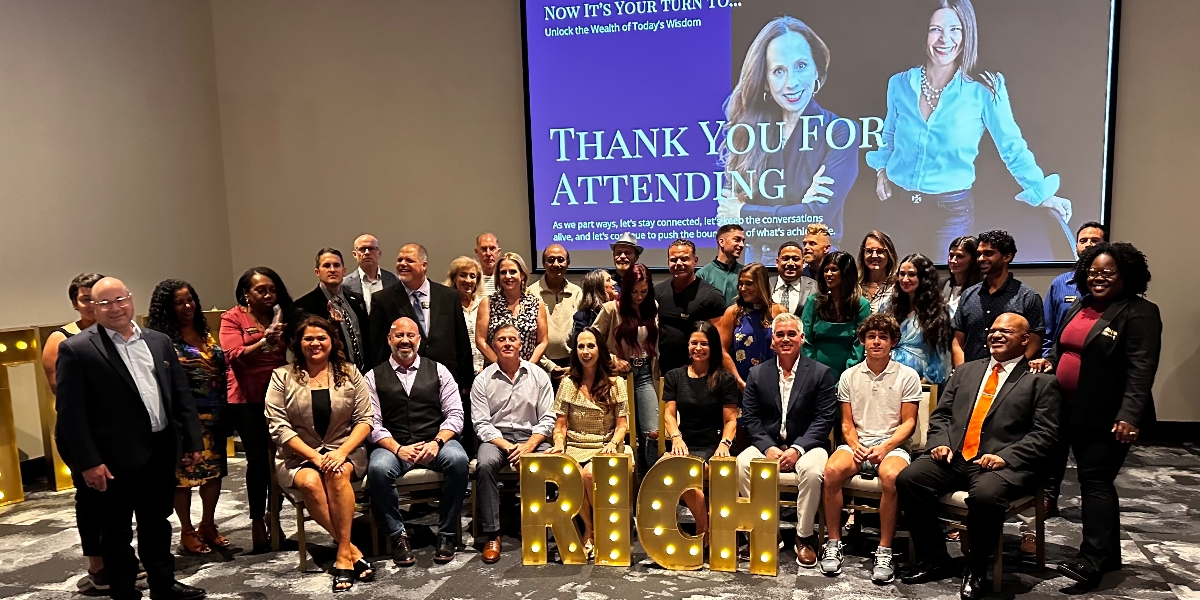
The Rich Thinking Conference Returns to Philadelphia for 2025 A Day of Growth, Connection, and Transformation

Photo Courtesy: The Rich Thinking Conference

This year’s Rich Thinking stage features a diverse group of speakers from across business, resilience, mindset, and leadership. These experts will share their stories, strategies, and insights to inspire growth and transformation for attendees:

  • Amberly Lago – Resilience coach and best-selling author known for turning pain into power.
  • Lisa Condon – Gratitude expert and business strategist who teaches how mindset influences success.
  • Molly Smith – Positive psychology specialist who brings fresh insights into mindset shifts.
  • Ron Johnson – Former NFL player turned coach and mentor, sharing powerful lessons on perseverance and leadership.
  • Jim Morris – Inspirational speaker on alignment and the role of human connection.
  • Lena Khais – Mindset coach helping leaders turn intention and confidence into tangible business breakthroughs.
  • Dylan Smith – Entrepreneur and strategist who turned dyslexia into a business asset.
  • Fred Moskowitz – Businessman, educator, and author, teaching the power of financial literacy and alternative finance.

Each speaker brings a unique perspective, ensuring that attendees leave with wisdom across a broad range of topics: mindset, business, resilience, leadership, and financial empowerment.

Impact Beyond the Stage

The Rich Thinking Conference Returns to Philadelphia for 2025 A Day of Growth, Connection, and Transformation

Photo Courtesy: The Rich Thinking Conference

“When people believe in themselves by stepping into spaces like this, they don’t just change their mindset—they change their lives,” says co-creator Renee Vee. “The ripple effect reaches beyond the individual—it impacts families, businesses, and entire communities.”

That ripple effect is what makes this gathering different. It’s not just about what happens on stage—it’s about the conversations in the room, the connections made, and the courage built through shared experience.

Event Details

Location: Philadelphia, PA

Date & Time: Friday, October 10, 2025

Tickets: Available now at www.richthinking.org

Dress Code: Smart casual—comfortable but polished. Come ready to connect, grow, and be inspired.

Final Thoughts

The Rich Thinking Conference 2025 promises to be a highly valuable event for those committed to growth, leadership, and connection. With a diverse speaker lineup, a culture of excellence, and an intimate setting that allows for meaningful engagement, this event offers an experience unlike any other.

Seats are extremely limited, and with only 85 spots available, this is not the type of conference where attendees can afford to wait until the last minute.

For those ready to transform their thinking, expand their connections, and walk away with practical strategies for life and business, October 10th in Philadelphia is the place to be.

Why Personalization is the New Standard in Luxury Accessories

By: Neha Zubair

Luxury isn’t standing still. Accessories are shifting from symbols of ownership to markers of individuality. Consumers are asking for pieces that reflect them …not just a logo.

That’s why personalization has become the new standard. McKinsey reports that 71% of consumers now expect brands to offer personalized experiences, and in luxury that demand is even stronger.

This article explores why personalization is redefining accessories and what it means for you as a buyer, collector, or brand.

The Shift from Status Symbols to Personal Statements

Luxury once revolved around recognition. A watch, a bag, or a pair of shoes signaled access to a world only a few could afford. But the meaning of luxury is evolving. Today’s high-value customer is looking for more than display; they’re looking for a sense of connection.

Data supports this change. According to Bain & Company, personalization is now one of the fastest-growing drivers of luxury purchases, with nearly 80% of Gen Z luxury consumers saying they prefer items that feel unique to them. For this generation, personalization isn’t an optional add-on; it’s part of the definition of luxury.

What does that look like in accessories?

  • Engraved Watches: Rolex and Audemars Piguet buyers increasingly request engravings or unique dials — making the timepiece not only rare, but personal.
  • Customized Leather Goods: Brands like Louis Vuitton and Hermès have expanded bespoke programs where colors, finishes, and initials make each bag one-of-a-kind.
  • Independent Designers: Smaller luxury houses are building their reputations on limited personalization runs — think hand-painted sneakers, tailored jewelry, or modular handbags designed to be reconfigured by the buyer.

Ricardo Monteon, from Hollywood Gems explains, “This personalization isn’t about exclusivity in the old sense. It’s about identity. When someone chooses a monogrammed bracelet or a custom-material clutch, they’re not just buying luxury; they’re making a statement: this belongs to me, and only me.”

That’s why personalization is becoming the standard — it aligns with where luxury is moving: individual value, emotional attachment, and long-term relevance.

Technology Is Fueling Personalization at Scale

When you hear “personalized luxury,” you probably picture someone’s initials stitched onto a leather bag. That’s part of it, sure, but what’s happening now is much bigger. Technology has turned personalization from a one-off feature into something that can happen at scale without losing the exclusivity you expect from luxury.

Think about it this way: you’re no longer choosing from a catalog. Instead, you’re stepping into a design experience. You can see how a different material changes the look of your bag, or how a subtle engraving transforms your watch, all before you order. That interaction isn’t just convenient — it’s part of the luxury.

For independent designers, this shift is huge. They can use digital tools to offer the same level of choice that big houses do, but with more creativity and flexibility. You, as the buyer, end up with something unique — not just a product, but a piece of your style translated into design.

Personalization and the Emotional ROI of Luxury

Luxury has always been tied to emotion. You don’t buy a high-end accessory just because it’s practical — you buy it because of how it makes you feel. That’s where personalization takes things further, says Jonas Kloer, Founder of Hot Tub Hotels.

When you choose the finish of a necklace or engrave a date inside a wallet, that piece becomes yours on a deeper level. It’s not just something you own, it’s a story you carry with you. And let’s be honest, that feeling is the real return you get on luxury.

This is why personalization keeps people loyal to certain brands or designers. You’re not just buying another accessory; you’re investing in something that reflects who you are. And when a brand gives you that kind of connection, you’re going to come back again and again.

From Exclusivity to Identity

Luxury has always thrived on exclusivity. But today, exclusivity doesn’t just mean limited supply. It means personal fit. When your accessory reflects your taste, your history, or even your initials, it creates a kind of identity that mass-produced pieces can’t touch – Marissa Burrett, Lead Design for DreamSofa.

This is where personalization is rewriting the rulebook. It’s no longer about being the only one to own a certain bag or watch, it’s about having one that feels like it was created with you in mind. That shift matters because it makes luxury less about status symbols and more about self-expression.

And let’s be honest, that’s what keeps accessories relevant to a new generation that values individuality more than conformity.

Why Personalization Wins in the Digital Age?

We live in a time where everything is digital, and choice is overwhelming. Scroll through any online marketplace and you’ll see hundreds of similar styles. That flood of options doesn’t feel luxurious; it feels exhausting.

Personalization solves this. Instead of sifting through endless pages, you get shown designs that actually fit your lifestyle and your personality. That’s the difference between browsing and being understood. In luxury, being understood is the highest service a brand can offer – Julian Lloyd Jones, from Casual Fitters.

And it’s not just about comfort. When personalization cuts down on trial and error, you waste less money, return fewer items, and build more confidence in what you buy. It’s smart shopping at the highest level, where technology and craftsmanship work together to save your time and elevate your style.

Conclusion

Personalization has become the new mark of true luxury in accessories. It’s no longer about buying what everyone else has … it’s about owning something that feels made for you. When style meets individuality, the accessory becomes more than just an item; it becomes part of your story. That’s why personalization isn’t a passing trend, it’s the standard shaping the future of luxury.

8 Free Ways to Remove Write Protection from SD Card

By: Umair Malik

How to Remove Write Protection From SD Card [Windows 11/10/8/7]

If you’re trying to edit or save files on your SD card and it displays a write-protected error, it can be frustrating. We understand how challenging it can be to remove write protection from a micro SD card, but before taking any action, it’s essential to understand the correct way to address the issue. Write protection can occur due to various reasons, some intentional and others accidental. In this post, we’ll share several methods to help you remove write protection from your SD card, depending on what’s causing the issue.

Part 1: What Does Write Protection Mean on an SD Card?

Write protection on an SD card essentially places it into a read-only mode, preventing you from adding, modifying, or deleting files. While in this mode, you can still open and view existing files, but you won’t be able to save new ones or make changes. This feature is designed to protect your data from unintended changes or removal and may also help safeguard against certain types of viruses.

Part 2: How to Remove Write Protection From SD Card on Windows 10?

Here’s a guide on how to remove write protection from an SD card on Windows 10, based on whether the issue was caused by a physical switch, software settings, or another error:

Method 1: Check the Physical Lock Switch

Some SD cards feature a physical switch that triggers the ‘write-protected’ error. This switch, when turned on, locks the card in read-only mode. To resolve this:

Step 1: Remove the SD card from the reader. Look for the small lock switch on the side of the card.

Step 2: Slide the switch up to the unlock position. Reinsert the card into the reader and check if you can access the files now.

Method 2: Scan the SD Card for Viruses

Occasionally, viruses can cause write protection on SD cards by modifying their settings. To address this, you can scan your card using an antivirus program. Here’s how you can do this:

Step 1: Install and run an antivirus software such as Norton, McAfee, or Avast on your computer.

Step 2: Insert the write-protected memory card into your computer and scan it for any viruses.

Method 3: Recover and Reformat the Disk

If the SD card’s file system is corrupted, you might encounter the ‘this disk is write-protected’ error. Reformatting the card can resolve this, but keep in mind that this will erase all data stored on it. Before you proceed, it’s a good idea to back up any important files using a recovery tool like 4DDiG Data Recovery, which can retrieve files from write-protected or corrupted cards.Plus, this SD card recovery software can support recovery of 2000+ file types, including photos, videos, audio, documents, archives, etc.

Here’s how to use 4DDiG Data Recovery:

Step 1: Connect the write-protected memory card to your computer. Install and open the recovery tool. Select the memory card and choose the file types you wish to recover. Click “Scan.”

8 Free Ways to Remove Write Protection from SD Card

Photo: Unsplash.com

Step 2: Pause or stop the scan once you find your desired files. You can refine the search using filters or keywords.

Step 3: Preview the recovered files and click “Recover” to save them to your computer or cloud storage.

After recovering your data, you can proceed with formatting the card using File Explorer or Disk Management for more control. If these built-in tools don’t work, consider using the SD Memory Card Formatter tool mentioned later in this article.

Method 4: Modify Registry Settings

Incorrect or corrupted registry settings in Windows can sometimes make your SD card appear write-protected. You can attempt to resolve this by modifying the registry:

Step 1: Insert the write-protected memory card into your computer. Press “Windows + R” to open the Run dialog, type “regedit,” and press Enter.

Step 2: In the Registry Editor, navigate to “HKEY_LOCAL_MACHINE.”

Step 3: Go to “System” > “CurrentControlSet” > “Control” > “StorageDevicePolicies.”

Step 4: Double-click “WriteProtect” and change its value to “0.” If “WriteProtect” is missing, create a new “DWORD (32-bit) Value,” name it “WriteProtect,” and set its value to “0.” Exit the Registry Editor and restart your PC.

Method 5: Disable Encryption

Your SD card may be write-protected if it is encrypted with BitLocker or another encryption tool. In this case, you can disable encryption using the same software that was used to encrypt the card, thus removing the write protection and restoring access to your files.

Method 6: Use Diskpart Command

If the write protection was triggered by the read-only attribute, you can clear it using Diskpart, a built-in Windows tool:

Step 1: Connect the write-protected memory card to your computer. Open the Command Prompt by typing “cmd” in the Windows search box and selecting “Command Prompt.”

Step 2: Type the following command and press Enter:
diskpart

Step 3: Next, type the following commands and press Enter after each one:

  • list volume 
  • select volume [drive letter] (Replace “[drive letter]” with the letter assigned to your SD card) 
  • attributes volume clear read-only 

Step 4: Exit Diskpart and restart your computer.

Method 7: Update or Reinstall Drivers

An outdated or corrupted SD card reader driver could be causing the write protection. To resolve this, update or reinstall the driver:

Step 1: Insert the write-protected memory card into your computer. Right-click on the “Start” button and open “Device Manager.”

Step 2: Expand “Disk drives,” right-click on the SD card reader, and select “Update driver.”

8 Free Ways to Remove Write Protection from SD Card

Photo: Unsplash.com

Step 3: If updating doesn’t help, right-click the driver and select “Uninstall device.” Restart your computer, and Windows will automatically reinstall the driver.

Method 8: Use SD Memory Card Formatter

If all else fails, you can use the SD Memory Card Formatter tool from the SD Association to remove write protection:

Step 1: Download and install the SD Memory Card Formatter tool from the SD Association’s website.

Step 2: Connect the write-protected memory card to your computer. Run the formatter and choose your SD card.

Step 3: Choose either “Quick format” or “Overwrite format.” Set a volume label and click “Format.”

Part 3: What Makes an SD Card Write-Protected?

There are several potential causes for an SD card to become write-protected, including:

  • The physical lock switch on the SD card being turned on
  • File system errors
  • Viruses or malware
  • Incorrect registry settings in Windows
  • Wear and tear on the hardware
  • Power loss during use
  • Excessive write cycles
  • Environmental factors like heat, vibration, or humidity
  • Improper removal of the card

Summary

Write protection on an SD card can be triggered by a variety of factors, including physical switches, software settings, and hardware issues. Fortunately, there are multiple ways to remove write protection, depending on the root cause. However, keep in mind that some methods, such as reformatting, may result in data loss. We recommend using 4DDiG Data Recovery to recover your files before attempting to remove the write protection.


Disclaimer: This article provides information on how to remove write protection from an SD card using various methods. While the methods suggested may work in many cases, we cannot guarantee success for every situation. The use of third-party software, is recommended at the reader’s discretion. Please ensure you back up your data before attempting any solution. We do not endorse or promote any specific products or services in this article.

How Fashion Startups Are Redefining What It Means to Shop Sustainably

By: Neha Zubair

Sustainable fashion used to mean compromise—style on one side, responsibility on the other. Now, that’s changing.

More shoppers are asking before they buy: Where was this made? Who made it? What happens when I’m done with it?

Fashion startups have the freedom to answer those questions differently. They’re building sustainability into every step from day one, proving you don’t have to choose between looking good and doing good.

Here’s how they’re making it the starting point, not an afterthought.

Sustainability as the Starting Point

For the new wave of fashion startups, sustainability isn’t a side project—it’s the blueprint. As Heba Al Fazari, Founder & CEO of Coveti, puts it, “Sustainability is no longer a niche — it’s a baseline. Fashion startups are leading the way by rejecting overproduction and embracing made-to-order, local sourcing, and circular design. At Coveti, we give a platform to designers who treat sustainability not as a checkbox, but as a core creative principle. It’s how we redefine luxury: responsible, rare, and resonant.”

That shift reframes the design process. Instead of asking, “How can we make this collection greener?” founders start with questions like, “What’s the most responsible way to make this at all?” and “How will this piece live beyond its first owner?”

The answers shape every step—choosing fabrics for both feel and recyclability, designing garments that can be repaired, and producing only what’s been ordered. It’s not about adding a sustainable element to a traditional model—it’s about building a model where responsibility is the default.

Rethinking Production: From Stockpiles to Made-to-Order

Overproduction is one of fashion’s significant waste problems—unsold stock ends up discounted, destroyed, or dumped. Startups are sidestepping this by only making what’s already been sold. Made-to-order models let them match production to actual demand, cutting waste and freeing up resources to focus on quality.

Some brands open short pre-order windows to gauge interest, then produce in small, tightly managed batches. This approach means customers wait a little longer for delivery, but they get something explicitly made for them—often with better construction and attention to detail. It’s a slower rhythm, but it keeps stock lean, waste minimal, and quality high.

Local Sourcing and Short Supply Chains

Big brands often source from multiple continents, adding shipping miles and making oversight harder. Startups keep things closer to home. Working with local mills, workshops, and suppliers reduces transport emissions, supports regional economies, and allows for quicker adjustments if something needs to change mid-production – Chris Muktar, Founder & CEO of Userbird.

Local sourcing also makes transparency easier. When your fabric comes from a nearby mill and your garments are sewn a short drive away, it’s simple to verify working conditions and material quality. For customers, it’s reassurance that “locally made” isn’t just a label—it’s a clear, traceable choice.

Designing for Circularity

For many startups, sustainability isn’t just about how clothes are made—it’s about what happens after. Designing for circularity means creating garments that can be repaired, resold, or recycled instead of ending up in a landfill. This can include using fully recyclable fabrics, hardware that’s easy to remove, or modular designs that can be updated over time.

Some brands offer take-back programs, where customers return worn items for store credit. Others build repair services into the purchase, so a missing button or worn seam doesn’t mean the end of the garment’s life. The goal is simple: keep clothes in use longer, reduce waste, and make sustainability part of the ownership experience.

Transparency as a Trust Builder

Shoppers want proof, not promises. Startups are leaning into this by showing exactly where their materials come from, who made the garment, and how it was produced. Digital product passports and QR code tags make this easy—scan, and you see the whole story, from raw fibre to finished piece, Liam Derbyshire, CEO & Founder of Influize – Digital Marketing.

This level of transparency turns the supply chain into part of the product’s value. Instead of being hidden, the process becomes a selling point. Customers know what they’re supporting, and brands build loyalty through honesty. When the facts are that clear, “sustainable” becomes more than a marketing word—it’s something you can verify for yourself.

Making Sustainable Fashion Desirable

Sustainability works when it’s something people want, not just something they feel obligated to choose. Startups are proving that responsible fashion can be as stylish, modern, and exciting as anything else on the rack. They use bold cuts, rich textures, and thoughtful detailing—showing that design ambition and sustainability can go hand in hand.

Bill, from QuickPeopleLookup says, “By telling the story behind each piece—the fabric’s origin, the maker’s craft, the journey from workshop to wardrobe—they create an emotional connection. Customers aren’t just buying clothes; they’re buying meaning. This blend of style and story makes sustainable fashion feel aspirational instead of restrictive.”

Conclusion

Fashion startups are shifting the conversation from “eco-friendly” as a niche to sustainability as the norm. They’re building businesses that reject overproduction, embrace local sourcing, design for circularity, and share their process openly. The result is fashion that’s responsible in its impact, rare in its availability, and resonant in its meaning.

For shoppers, this means the most exciting clothes in the room might also be the most sustainable. And when that becomes the standard, shopping responsibly stops being a choice—it becomes second nature.

Disclaimer: The information and opinions expressed in this article are those of the author and do not necessarily reflect the views of the publication or any affiliated organizations. While we strive for accuracy and relevance, the fashion industry’s practices and trends are continually evolving. The examples provided regarding sustainable fashion startups may vary based on company practices, market conditions, and regional differences. Always verify specific brand claims and product details before making purchasing decisions. The inclusion of any company names, individuals, or products does not imply endorsement or affiliation.

A Guide to Small Business Risks in New York

By: Natalie Johnson

New York City’s competitive commercial environment presents unique challenges for small businesses. Operating in this vibrant setting requires a keen awareness of potential risks affecting daily operations and long-term stability. Understanding these challenges is the first step toward creating a secure and successful business. For entrepreneurs in New York, being prepared for these risks is not just good practice but a necessity for survival and growth. This guide outlines some of New York businesses’ common risks.

Premises Risks

Every business with a physical location in New York faces premises risks. These are dangers associated with the property where the company operates. One of the common issues is slip-and-fall accidents. A wet floor, an uneven sidewalk, or poor lighting can lead to injuries for customers, employees, or delivery personnel. The likelihood of such incidents increases in a city with heavy foot traffic.

Another consideration is property damage. Events like fires, floods, or break-ins can cause significant financial loss. A burst pipe in a neighboring apartment could flood a retail store, destroying inventory and equipment. Similarly, theft and vandalism are persistent threats that can disrupt business activities and require expensive repairs. Business owners must assess their properties for potential hazards and keep the environment safe for everyone who enters.

Workplace Safety Risks

Maintaining a safe workplace is critical for any business, and New York has specific regulations to protect employees. Workplace safety risks involve any condition that could cause injury or illness to staff. For example, restaurant kitchen staff face dangers from hot surfaces, sharp objects, and slippery floors. Office workers might experience ergonomic injuries from improper workstation setups.

Construction sites are particularly hazardous, with risks of falls, equipment failures, and exposure to dangerous materials. Employers must provide proper training, safety equipment, and a hazard-free environment regardless of the industry. Failing to meet the prescribed safety standards can result in employee injuries, regulatory fines, and more. Promoting a safety culture helps protect the people, which is most important to the business’s success.

Product Risks

Businesses manufacturing, distributing, or selling products must be aware of product-related risks. These dangers arise when a product causes harm to a consumer. A defect in a product’s design, a mistake during the manufacturing process, or a failure to provide adequate warnings can all lead to liability claims.

For instance, a food product contaminated with an allergen could cause a severe reaction in a customer. A children’s toy with small, detachable parts could present a choking hazard. In New York, businesses can be held responsible for the safety of their products throughout the supply chain. This means a retailer could be liable for a defective product, even if they did not manufacture it. Careful quality control and clear labeling are essential steps in managing these risks.

Employee-Related Risks

Employees are a valuable asset, but they also introduce certain risks. One area of concern is employee conduct. An employee’s intentional or accidental actions can have serious consequences for a business. For example, an employee who makes a mistake while operating machinery could cause an accident. In some scenarios, an employer can be held liable for any harm or negligence caused by an employee in performing their duties, as specified in New York vicarious liability laws.

Other employee-related risks include theft, fraud, and harassment. A disgruntled employee might steal from the company or create a hostile work environment for their colleagues. Hiring practices, employee training, and clear workplace policies are all part of a sound strategy to address these potential problems. Businesses must diligently manage their workforce to protect their operations, reputation, and other employees.

Charting a Course for Business Security

Running a small business in New York is a rewarding venture, but it comes with a distinct set of challenges. Business owners can build a stronger, more durable enterprise by recognizing and preparing for the risks associated with their premises, workplace, products, and employees. Proactive risk management is not about avoiding all potential problems but about being ready to handle them effectively when they arise. This foresight allows business owners to concentrate on what they do best: innovating, serving their customers, and contributing to the city’s dynamic economy.


Disclaimer: The information presented in this content is for educational and informational purposes only and is not intended as professional advice. The views and opinions of the author are based on their research, education, and experience and do not necessarily reflect those of the publisher. Individual results may vary. Always consult with a qualified attorney before beginning any new program or making decisions about your business.

Why Knee Pain Is So Common in New York City — And What You Can Actually Do About It

Why Knee Pain Is So Common in New York City — And What You Can Actually Do About It

Photo: Unsplash.com

Knee pain isn’t just a medical issue in New York City — it’s part of daily life for millions. Whether you’re hustling through the subway, climbing walk-up apartment stairs, or walking miles across city blocks, your knees take a constant beating.

It’s no surprise that knee problems are one of the most common complaints among New Yorkers of all ages. But what makes NYC such a hotbed for joint issues? And what are the most effective treatment options available today?

Let’s break it down.

Why NYC Is So Tough on Your Knees

New Yorkers are known for walking — a lot. In fact, people in the city walk more than nearly any other population in the country. Add in uneven sidewalks, multiple staircases per commute, and a lifestyle that rarely slows down, and you get a perfect storm of stress on the knee joints.

This relentless activity wears down the structures in your knees over time — especially the cartilage, tendons, and ligaments that keep the joint functioning smoothly. And unlike smaller cities or suburban areas where driving is the norm, avoiding movement in NYC is nearly impossible. Your knees are working overtime — every single day.

The Common Causes of Knee Pain in NYC

While every case is different, most knee pain in New York falls into one of the following categories:

  1. Degenerative Conditions

Osteoarthritis is the most common cause of long-term knee pain. It’s the result of cartilage slowly breaking down due to age, use, and repetitive stress — a condition made worse by years of walking and stair climbing on hard city surfaces.

  2. Inflammatory Disorders

Conditions like rheumatoid arthritis can trigger the body to attack its own joints, causing swelling, stiffness, and chronic pain. These disorders tend to worsen without targeted treatment.

  3. Overuse Injuries

Many New Yorkers develop “runner’s knee” or patellofemoral pain syndrome — caused by misalignment and overuse of the kneecap. This is common not just among athletes, but also among office workers and delivery staff who are constantly on the move.

  4. Traumatic Injuries

Sudden falls on icy sidewalks, twists during sports, or even stepping off a curb the wrong way can tear ligaments or damage the meniscus. In a high-movement city like New York, these injuries are frequent and often under-treated.

First-Line Treatments for Knee Pain

Most knee problems start with conservative care — and for many people, this is enough. These options are widely used across NYC:

  • Lifestyle changes: Losing even a small amount of weight can reduce pressure on the knees.
  • Exercise: Low-impact activities like swimming or indoor cycling help strengthen muscles around the joint without causing more wear.
  • Medication: Over-the-counter pain relievers and anti-inflammatories are often used for temporary relief.
  • Bracing and orthotics: Knee braces and custom shoe inserts help improve alignment and reduce strain.
  • Corticosteroid injections: When pain persists, doctors may recommend injections to reduce inflammation. These can provide short-term relief but are not long-term solutions.

The Rise of Regenerative and Minimally Invasive Treatments

New Yorkers increasingly seek treatments that offer real healing — not just pain management — and don’t require downtime. Two of the most popular options include:

Shockwave Therapy (Extracorporeal Shockwave Therapy, or ESWT)

This non-invasive treatment uses focused sound waves to stimulate blood flow, reduce inflammation, and promote tissue repair. It has shown promising results for conditions like patellar tendinopathy (jumper’s knee) and chronic tendon pain.

In NYC shockwave therapy is especially appealing because it requires no anesthesia, minimal sessions, and no downtime. Most patients return to normal activity immediately. For people looking for a modern, effective alternative to surgery or repeated cortisone shots, this therapy is rapidly becoming a top choice.

Platelet-Rich Plasma (PRP) and Stem Cell Injections

These biologic treatments use the patient’s own cells to support natural healing. PRP involves injecting concentrated platelets from your own blood, while stem cell therapy often uses cells from fat or bone marrow to help regenerate tissue.

While not appropriate for all knee problems, these therapies have gained popularity in NYC among patients looking to avoid surgery and promote long-term joint health.

When Surgery Becomes Necessary

In severe cases where cartilage is completely worn down or structural damage is too great, surgery may be the best option. Fortunately, surgical techniques in New York City have advanced dramatically:

  • Robotic-assisted knee replacement allows for more precise implant placement, improving recovery times and long-term results.
  • Cartilage restoration procedures — such as microfracture surgery or cartilage grafts — are often used for younger patients to avoid full joint replacement.
  • Meniscus repair or replacement can restore shock absorption when the original tissue is too damaged.

Surgical outcomes depend heavily on proper rehab, which is where NYC once again stands out.

Rehab in NYC: Smarter, Faster, More Personalized

Top physical therapy clinics in New York now offer high-tech rehab programs, including:

  • Motion tracking and neuromuscular re-education to improve movement and prevent re-injury
  • Blood flow restriction (BFR) therapy, which builds strength without overloading the joint
  • Virtual reality rehab, turning recovery into an interactive, data-driven process

This personalized, tech-driven approach helps patients bounce back faster and maintain long-term results.

Complementary Therapies That Support Recovery

Many New Yorkers also turn to holistic and integrative approaches to complement their treatment plan:

  • Acupuncture and dry needling can help reduce pain and muscle tension.
  • Nutritional support and supplements, including omega-3s and glucosamine, may aid joint health.
  • Mental wellness practices, such as cognitive behavioral therapy or mindfulness, help manage chronic pain’s emotional toll.

This multi-faceted approach reflects a growing awareness that knee pain is both physical and psychological — especially in a high-stress city like New York.

What’s Next: The Future of Knee Pain Treatment

New innovations in knee care are emerging, many of them already being tested or adopted in leading NYC clinics:

  • Bioprinting and tissue engineering aim to create custom cartilage replacements from a patient’s own cells.
  • Wearable tech is being developed to track knee movement, pressure, and recovery progress in real time.
  • Genetic testing may soon allow for personalized treatment plans based on how your body responds to different therapies.

As these technologies mature, New Yorkers will have even more tools to fight knee pain effectively — without slowing down.

Final Takeaway: Don’t Ignore Knee Pain — Especially in NYC

In a city that never stops moving, knee pain can quietly rob you of your mobility, energy, and quality of life. The longer it goes untreated, the harder it becomes to recover.

The good news? You have options — from conservative care to cutting-edge treatments like shockwave therapy, PRP, and advanced surgery.

By acting early and choosing the right solution, you can stay active, independent, and pain-free in one of the most dynamic cities in the world.


Disclaimer: The information provided in this article is for general informational purposes only and should not be considered medical advice. Knee pain and its treatments vary from person to person. Always consult with a healthcare professional before making any decisions about treatment or lifestyle changes related to knee pain.


6 Meal Planning Tips for Busy Professionals

By: Lyssanoel Frater

Eating well may sound simple. But when you’re buried in deadlines, stuck in traffic, or squeezing in one more meeting before the day ends, planning your meals can become the last thing on your mind. If your meals usually come from a drive-thru or are skipped altogether, you’re not alone. Most professionals are juggling too much to plan or prep elaborate dishes every day, but that doesn’t mean you need to sacrifice your health or energy just to keep up.

So, how do you make time for meals when your schedule barely has room to breathe? Here are six meal planning tips that can work for your busy life.

1. Set Aside a Weekly Planning Time

Instead of winging it day by day, carve out 30 minutes once a week to plan your meals. Choose a time that works consistently, such as Sunday evenings or Monday mornings. During that half hour, decide what meals you’ll eat for the week, check what ingredients you already have, and write down a food shopping list.

This simple routine of creating a grocery list helps prevent the midweek scramble of trying to figure out what to cook. It also keeps you from overspending at grocery stores or wasting food that gets pushed to the back of the fridge.

If you’re unsure how to build a balanced weekly plan or you’re dealing with health concerns, consider seeking guidance from board-certified registered dietitians. They can help tailor your meal choices to match your lifestyle, nutrition goals, and cooking skills so you’re not figuring it all out on your own.

2. Choose Recipes That Share Ingredients

Avoid meal prep burnout by picking recipes with overlapping ingredients. For example, roasted vegetables can double as a dinner side dish and a salad topping for lunch the next day. A batch of grilled chicken can be turned into wraps, rice bowls, or even tossed into pasta.

Using the same base ingredients in different meals can effectively cut down on meal prep time and make your grocery list more manageable. It also minimizes food waste and streamlines your workflow in the kitchen.

6 Meal Planning Tips for Busy Professionals

Photo: Unsplash.com

3. Prep Ingredients Ahead, Not Entire Meals

Meal prepping isn’t for everyone, and that’s okay. Instead of assembling entire dishes, why not focus on prepping key components? Wash and chop produce, cook a batch of grains, marinate proteins, or portion out your frozen veggies for the week.

Doing this on your day off or after dinner makes a big difference later in the week. You’ll save time on cooking, reduce cleanup, and lower the temptation to order out just because you’re too tired to start from zero.

4. Create a Personal Menu of Easy Meals

Busy weeks don’t leave much room for decision fatigue. That’s why having a selection of simple, satisfying meals can help tremendously. These are recipes you can make without thinking twice, or dishes you know how to prepare quickly and with ingredients you almost always have on hand. You can check out food blogs and recipe sites for easy meal prep recipes and dinner ideas.

Keep this list somewhere visible, like on your fridge, phone notes, or planner. On nights when you’re too mentally drained to brainstorm dinner, a quick glance at the list gives you direction and saves you from defaulting to takeout. You can update the list over time as you find new meal ideas that fit your schedule and food preferences.

5. Stock Your Kitchen With Essentials

Running out of basics is one of the biggest obstacles to sticking with meal plans. Avoid last-minute grocery shopping trips by keeping your pantry, food storage, fridge, and freezer stocked with staples that support your most-used meals.

Pantry staples like rice, lentils, canned beans, pasta, olive oil, and seasonings can form the foundation of dozens of quick recipes. In the fridge, keep eggs, shredded cheese, sauces, and leafy greens. Frozen foods like veggies, fruits, and protein foods are also great for quick meals when fresh options aren’t available. When your kitchen’s ready, you’re less likely to rely on takeout and can still commit to healthy eating.  

6. Use Time-Saving Kitchen Tools

Having the right tools can cut your cooking time in half. Kitchen gadgets like slow cookers, pressure cookers, and air fryers are popular for a reason. They help you prepare full meals with minimal hands-on time.

You can toss ingredients into a slow cooker in the morning and come home to a hot dinner. Air fryers make crisp veggies or proteins in minutes without needing to preheat the oven. Even something as simple as a good-quality knife can make prep faster and easier. You don’t need a kitchen full of gadgets, but investing in one or two tools that match your batch cooking style can make meal prep less of a chore and more of a habit.

Key Takeaway

Meal planning doesn’t need to be complicated or rigid. A little preparation now can mean fewer decisions, healthier meals, and more control over your busy week. So, start small, stay flexible, and build a meal planning system that actually works for you.


Disclaimer: The information provided in this article is for general informational purposes only. It is not intended as medical, nutritional, or dietary advice. Always consult with a registered dietitian, nutritionist, or healthcare professional before making significant changes to your diet or meal planning. The author and publisher are not responsible for any consequences resulting from the use of this information. Individual results may vary.