Navigating New York’s Criminal Justice System

If you or someone you care about is arrested in New York, it can understandably feel overwhelming. The criminal justice system here is complex, fast-paced, and filled with legal terms that may be difficult to understand, especially when the outcome can potentially have a significant impact on your future.

Having a basic understanding of the stages of a criminal case can help reduce uncertainty and make it easier to navigate this stressful situation. Whether facing a misdemeanor or a more serious felony, understanding the process can offer a clearer picture of what to expect.

The Arrest

The process typically begins with an arrest. However, before the police can make an arrest, they must have reasonable cause to believe that a law has been broken. For lower-level offenses, such as a misdemeanor, the officer may issue a Desk Appearance Ticket (DAT), which is a notice to appear in court at a later date, and no jail time is required. In cases involving more serious charges or if the individual has a criminal record, it is more likely that they will be taken into custody and held until their first court appearance, known as arraignment.

Arraignment

Arraignment generally takes place within 24 hours of the arrest. This is the first time the individual will appear before a judge and be formally informed of the charges against them. At this stage, they will enter a plea, typically “not guilty,” even if they are open to resolving the case later.

The judge will then decide whether to set bail, release the person on their recognizance (referred to as “own recognizance” or “ROR”), or hold them without bail. For certain charges, like DWI, the judge may also suspend the individual’s driving privileges immediately.

Felony Hearing or Grand Jury

If the charge involves a felony and the person is still in custody, the prosecution must act quickly. Within six days, they are required to either present the case to a grand jury or hold a felony hearing. A grand jury is made up of a group of citizens who review the evidence and decide if there is sufficient evidence to formally charge the individual.

If the grand jury votes to proceed, the case moves forward with an indictment. In some cases, the prosecution may have a grand jury indictment before the arrest even occurs.

Motions, Discovery, and Defense Work

After arraignment, pre-trial motions may be filed. These formal requests may ask the judge to exclude specific evidence or dismiss charges.

At this stage, access to evidence held by the prosecution is requested. While New York’s discovery rules are more limited than in some other states, it remains possible for the defense to seek relevant information that could impact the case. In some instances, independent investigations may take place, which could include locating witnesses or gathering additional evidence.

Plea Bargaining

It’s important to understand that most criminal cases do not go to trial. Instead, they are often resolved through plea bargaining. This is when both sides may reach an agreement, typically involving a lesser charge or reduced sentence. The judge still has the authority to accept or reject the deal, but in many cases, it offers both sides a way to avoid the time and uncertainty of a full trial.

Pre-Trial Hearings

If the case continues, additional hearings may be held to focus on whether the police followed the appropriate rules during the investigation. These hearings might cover whether a confession was voluntary or if a search was lawful. If the judge determines that evidence was obtained improperly, it may be excluded from the trial. In some situations, this could lead to the dismissal of part of the case or prompt a more favorable plea offer.

Trial and Sentencing

If no agreement is reached, the case proceeds to trial, which can be held either before a jury or a judge alone, known as a bench trial. The prosecution must prove guilt beyond a reasonable doubt. If the person is found guilty, the next step is sentencing, where penalties can range from probation to several years in prison, depending on the severity of the crime and the individual’s prior criminal history.

Summary

Facing criminal charges in New York can be incredibly stressful and may have lasting consequences. However, understanding the process can help you anticipate what to expect at each stage. Whether dealing with a misdemeanor or felony charge, knowing how the system works can offer greater clarity and reduce some of the uncertainty involved.


Disclaimer: The information provided in this article is for general informational purposes only and is not intended as legal advice. While every effort has been made to ensure the accuracy of the content, the criminal justice system is complex, and individual cases may vary. Readers are encouraged to seek professional legal counsel for specific advice tailored to their unique situation.

Safe Neighborhoods to Consider Living in New York City

Choosing where to live in New York City is a decision that combines excitement with the need for careful consideration. The city offers numerous opportunities, a vibrant culture, and diverse communities. However, safety remains a significant concern for many individuals when deciding on the right place to call home. Feeling safe, walking home at night, and having trustworthy neighbors are key factors that contribute to making a neighborhood feel like home, whether you’re a family, a working professional, or an older adult.

With that in mind, many people search for the safest neighborhoods in NYC that offer a sense of security. A safer neighborhood typically means fewer accidents, access to quality schools, and lower exposure to risks that can affect daily life.

Park Slope (Brooklyn)

Park Slope is frequently regarded as one of the most popular neighborhoods for families looking for a safe and community-oriented environment while still being part of the city. The area is known for its well-maintained brownstones, wide sidewalks, and a close-knit community that helps foster a welcoming atmosphere. Its walkability and reliable public schools make it an appealing option for parents. Park Slope is also known for having relatively low crime rates, particularly regarding violent crime, which contributes to its reputation as a safe neighborhood for families.

Forest Hills (Queens)

Forest Hills offers a more quiet and suburban feel within the borough of Queens, making it suitable for those who prefer a quieter environment. Its tree-lined streets, combined with easy access to public transit, create a balance between peace and convenience. The 112th Precinct serves the area, and crime levels tend to remain relatively low. Residents often appreciate the clean, consistent atmosphere of Forest Hills, which has been known to be one of the safer neighborhoods in New York City.

Battery Park City (Manhattan)

Battery Park City is a well-planned and well-maintained neighborhood in Manhattan, designed with residents in mind. The neighborhood features green spaces, waterfront areas, and a generally secure environment. It may be especially attractive to families and professionals who desire the convenience of downtown Manhattan without the typical hustle and bustle. The strong local schools and numerous parks help contribute to a more serene living environment, making it a popular option for those seeking peace and security in the city.

Riverdale (The Bronx)

Riverdale provides a residential and peaceful setting in the Bronx, offering a calm escape from the busier parts of the borough. This neighborhood is known for its stable, community-driven feel, with many residents choosing to stay long-term. Most of the housing consists of single-family homes or low-rise buildings, contributing to the quiet atmosphere. Active local leaders and organizations work to maintain the area’s security, making it one of the more tranquil and often considered safe places in the Bronx.

Tottenville (Staten Island)

Located farther from the city center, Tottenville offers a peaceful, suburban environment with larger properties and less traffic. This slower pace of life tends to contribute to a sense of calm and may reduce the likelihood of crime or accidents. The neighborhood’s strong school performance and consistent homeownership help provide stability, making Tottenville a good option for those seeking space, security, and a quieter lifestyle.

Summary

The safety of a neighborhood is an important factor to consider when choosing where to live in New York City. A secure environment can offer peace of mind, reduce potential risks of accidents, and provide access to quality schools and community resources. Each of the neighborhoods highlighted above offers its own unique blend of safety, convenience, and tranquility, giving various options for those seeking a secure and comfortable living space in the city.

The Science Behind Cold Plunge Tubs: Why They May Offer More Than A Trend

It’s easy to scroll through wellness trends. From infrared saunas to breathwork apps to ice baths in the morning, it sometimes feels like everyone’s hurtling towards the extreme. But there are some practices that transcend, not because they’re trendy, but because they may deliver benefits.

Cold water immersion is one of them. Although its trend may be recent, the practice itself is not. Recovery specialists, athletes, and even mental therapists have been incorporating cold plunges into their physical routines for a long while.

What’s changed is the accessibility.

With sleek, self-cooling tubs designed for daily use, this once niche recovery tool is finding its place in backyards, garages, and home gyms.

What’s behind the shift?

It isn’t just hype. Research suggests cold water immersion can be beneficial for body and brain. To understand why these tubs are gaining popularity, you have to look past the cold in biology, endurance, and habit.

How the Body Responds to a Cold Plunge?

The Science Behind Cold Plunge Tubs: Why They May Offer More Than A Trend

Photo: Unsplash.com

Immersion of the body in cold water, usually between 37°F and 55°F, initiates a physiological response chain almost instantly. The blood vessels constrict, and the blood is redirected to vital organs, which causes the body to experience mild stress. As uncomfortable as the initial response feels, it may set the stage for recovery.

With a cold plunge tub, there is consistency in temperature and submersion of the entire body, which can be more effective at triggering these responses than improvising with ice or water. A sudden decrease in skin temperature may trigger the release of norepinephrine and dopamine, neurotransmitters linked with alertness, mood control, and focus.

At the same time, some studies suggest that inflammation is reduced, the metabolic rate increases, and recovery may be enhanced. These benefits may be especially helpful for anyone experiencing chronic pain, fatigue, or muscular strain.

The body’s balance after immersion may also support vascular elasticity and circulation. Many users report they feel refreshed and energized rather than drained.

Find Focus in the Freeze

In addition to the physical benefits, cold plunges also appear to have a deep effect on the nervous system. Regular exposure may help the body to respond to stress. It’s not about gritting it out but rather about reconditioning how your brain reacts to discomfort.

When you immerse yourself in cold water, you activate the parasympathetic nervous system. You need to have gentle, controlled breathing. This practice may help reduce baseline anxiety with repetition and build mental resilience.

People who cold plunge regularly often describe improved focus, patience, and a greater sense of presence. In short, it may teach the brain how to remain calm in chaotic surroundings.

Cold Plunge Tubs Have Evolved—Here’s Why That Matters

Traditionally, cold plunges required effort: bags of ice, a bathtub, and a lot of guesswork. Today, with modern systems, all that’s changed. Integrated cold plunge tubs contain in-tub cooling, filtration, and temperature control, eliminating the hassle and making consistency easier.

These systems are engineered for daily use. They’re not just durable; they’re hygienic. Ozone sanitation and micron filtration help keep the water clean without harsh chemicals, even when shared among multiple users.

Design also plays a part. They’re made from compact models, featuring ergonomic insulation and digital control panels, making them easy to use regardless of whether you’re a high-performance athlete or simply recovering from a day’s work.

The Physiology Behind Daily Cold Plunge Use

For the average healthy person, cold plunging once a day is typically safe and can be rewarding when done with caution. The two primary variables to control are time and temperature.

Begin with short exposure, typically one to three minutes, to fairly cold water. As your body becomes accustomed, you may gradually increase exposure.

It is equally essential to respond to your own bodily signals. Numbness, tingling, or dizziness could be warning signs to halt. Individuals with circulatory or heart disease should first consult a physician before embarking on a regimen.

When performed responsibly, daily cold plunges may enhance metabolic health, regulate mood states, and improve sleep cycles. It stops being a challenge and instead becomes a reset switch.

Recovery, but Also Prevention

This is where science and habit collide.

You’re not just using a tub to feel better after a hard workout. You’re conditioning your body and mind to perform more efficiently over time. Ten minutes a day could translate into lasting changes in how you feel, think, and operate.

Why the Surge in Popularity Now?

Part of the growth is cultural. More people are seeking natural ways to manage their energy, sleep, and performance. But there’s also a shift in how recovery is viewed. It’s no longer seen as passive. Recovery is active.

It’s planned. It’s optimized.

And cold plunging fits that mindset perfectly.

Unlike supplements or wellness apps, a cold plunge can offer tangible, immediate effects. You feel it. You see the difference in how your body responds over time. That kind of feedback creates motivation, and motivation in turn builds a habit.

The accessibility of premium cold plunge systems has only accelerated adoption. People want results, but they also want convenience. A reliable, clean, at-home setup offers both.

Building Discipline Through Cold Immersion

Cold plunging isn’t just recovery; it’s a habit-forming ritual. Getting in the cold water when you don’t want to requires a small but mighty act of follow-through. Not allowing other things to get in your way and doing it over and over again may develop your consistency muscle even when it’s tough.

It makes you do it this time in front of resistance. That state of mind also translates into life, work, relationships, training, or even recreation. Cold insists on presence. It requires you to breathe across stress, rather than around it. And that initial moment of morning-controlled discomfort could become an instrument of mental resilience, not merely physical recovery.

Not Just a Trend, But a Tool

The once niche wellness method is now scientifically supported as one of the greatest recovery and performance aids, rooted in biology. Cold plunge tubs are not a new trend, but instead redefine what recovery, resilience, and wellness could mean to daily living.

After the routine is established and the equipment is installed, it’s automatic. The real payoff isn’t altered by the drop itself, but by the expertise that gives you health, temperament, and vitality.

To heal faster, think more clearly, or just build healthier habits, a cold plunge may offer benefits supported by science.


Disclaimer: The information provided in this article is for general informational purposes only and is not intended as medical advice. The benefits of cold plunge tubs, including those related to recovery, mental clarity, and physical health, may vary between individuals. Always consult a healthcare professional before starting any new wellness practice, especially if you have pre-existing medical conditions or concerns. The claims made regarding the effects of cold immersion are based on research and available studies, but individual experiences can differ. The use of cold plunge tubs should be approached with caution and responsibility.

Culture Is the Strategy: How Haojie Jay Ma Is Shaping Creative Marketing

“Storytelling is about finding an authentic cultural voice that resonates with your community, but so many brands fall short of perfect marketing,” – Haojie Ma.

When Haojie Ma co-founded Jay Ma Consulting LLC, he did so with a clear dream – to combine business entrepreneurism with powerful, cultural storytelling. As a boutique PR and creative marketing agency working at the intersection of fashion, hospitality, and culture, JM Consulting occupies a unique corner of the market designed to empower people all over the world to showcase the best versions of themselves – something Haojie himself has also worked hard to master.

What better person to trust with your creative marketing than a creative entrepreneur who has been there and done it for himself on a global scale? Haojie Ma – Jay to his friends – spent his childhood in Zhengzhou, China, surrounded by rich Asian culture, before swapping his homeland for the bright lights of Toronto, Canada. For the next four years, Jay studied Business Management at university, which earned him a prominent place within the Public Relations industry. It was here that Jay not only refined his marketing skills but also discovered a deep passion for creative communication.

The famous old saying claims that ‘every idea has already been thought of’. That is not a school of thought that Jay and his team subscribe to. Keen to fill his head with marketing know-how and his heart with global culture, Jay continued his tour of the world from China to Toronto to Paris, France. After expanding his cultural and creative lens in the City of Love, he finally set up foundations in New York City, where he launched Jay Ma Consulting.

Jay’s own multicultural journey continued to shape his worldview and creative process as he connected with his first clients within the arts. Not only did his own experiences allow him to find a voice and a pulse for his clients, but his rich knowledge of the global landscape granted Jay a unique talent to build networks. Identifying publications, stylists, editors, VIPs, and influencers that fit client needs. Actively building relationships with editor-influencer hybrid creators and talent agents. Conducting market research based on specific editorial requests, press clippings, and cultural landscapes. Jay did it all!

Jay Ma Consulting found significant success within the fashion industry, working with established names such as Peter Do, PANCONESI, Mykita, and more. Jay played a key role in bridging clients with major fashion publications, including Vogue, ELLE, GQ, and Hypebeast, further sharpening his editorial eye and deepening his understanding of visual storytelling. It was here that Jay lit the spark that would eventually become his niche – mixing fashion aesthetics with hospitality branding. Keen to expand their horizons, Jay Ma Consulting then broke into the cuisine sector, leading branding and marketing strategies for Ling Long while reimagining Shanghainese culture for the NYC food scene. Combining those two well-established talents, JMC then worked with Spicy Moon to build buzz through a perfect blend of fashion influence and food storytelling.

Fast forward to the present day, and Jay Ma Consulting is now one of the most trusted brands for curating social media campaigns, artist collaborations, extensive rebranding, and community building, all the while using food, art, and fashion to bridge cultural divides. Jay is recognized as a promising voice in NYC’s creative marketing scene, known for turning local spaces into cultural platforms. No matter how much JMC grows, Jay is keen to always remember the roots from which he built – helping developing brands, new artists, and BIPOC creators to support their communities through strong, visible storytelling. “To me, it’s about providing consultancy that uplifts creative voices through authentic communication,” Jay said. “I can’t wait to keep expanding into more unique PR and artist partnerships, launching campaigns that focus on sustainability and inclusivity above all else. Jay Ma Consulting is here to stay, and we will continue striving to become the creative lab for cultural innovation.”

They say that ‘every idea has already been thought of’, but that could not be further from the truth. That’s why Jay founded Jay Ma Consulting: to turn cultural thoughts into actionable ideas that spark new stories.

Jessica Papineau Turns Wardrobes Into a Pathway for Personal Transformation

Jessica Papineau didn’t grow up with a front-row seat to the world of fashion. Her earliest experiences with style weren’t about runway trends or high-end boutiques; they were about imagination, resourcefulness, and the quiet strength of creating something beautiful with limited means. Raised in rural Maine without running water or electricity, she learned early on how to see possibility where others might see limitation. It was in this environment that the seeds of CSJ Styling were planted long before she ever realized fashion would be her life’s work.

Jessica’s journey to founding CSJ Styling has always been rooted in her deep love for fashion and beauty—but it was guided by a greater purpose: using style as a powerful vehicle to help women embody confidence, alignment, and transformation. Her first job in retail, back in high school, showed her that clothing wasn’t just fabric. It shaped how you felt, how you carried yourself, and how others experienced you. Later, after spending many years in the fashion industry and going through her own personal transformation, she came to understand something deeper: the way a woman dresses can either mirror her growth or resist it. That clarity became the driving force behind CSJ Styling’s mission.

Today, CSJ Styling is a trusted brand for high-achieving women entrepreneurs, executives, creators, authors and speakers who are ready to align their external image with their internal transformations. These women have done the inner work. They’ve invested in their businesses, their families, and their personal growth. But when it comes to wardrobe, many still feel disconnected or unsure. That’s where CSJ Styling steps in.

Jessica Papineau Turns Wardrobes Into a Pathway for Personal Transformation

Photo Courtesy: Jessica Papineau / CSJ Styling

Jessica’s philosophy is simple: style is a tool for confidence, not just clothing. This belief informs everything from her Signature Styling program to the Aligned to Rise Mastermind, which blends personal styling with community, support and strategic growth. Her work isn’t about following rules or chasing trends. It’s about helping women show up in the world as the most authentic version of themselves.

What sets CSJ Styling apart is its emphasis on transformation over transaction. While traditional stylists may focus on seasonal looks or body types, Jessica helps her clients craft a wardrobe that reflects their vision, values, and lifestyle. She incorporates intuitive coaching to dig beneath the surface, helping women uncover who they are and who they’re becoming then dressing them accordingly.

For many clients, the shift is powerful and immediate. One entrepreneur and public speaker came to CSJ Styling after realizing her old wardrobe no longer reflected her evolving brand. Over six months, she worked closely with Jessica to develop a style that felt aligned, magnetic, and empowered. The results? She doubled her income, booked more speaking engagements, and began attracting new opportunities that matched her energy and ambition.

This story isn’t an outlier. It’s a common outcome for women who go through CSJ Styling’s programs. Whether it’s through the Signature Styling Experience, the Simplify & Elevate course, or the Aligned to Rise Mastermind, clients consistently walk away feeling more confident, aligned, and empowered to show up fully in every area of their lives.

Jessica believes a woman’s presence should speak before she ever says a word. And in a world where so many women feel the pressure to fit into outdated molds, CSJ Styling creates space for them to show up in a way that feels true, powerful, and fully aligned. It’s never about dressing for acceptance—it’s about dressing in alignment with who you are and where you’re headed.

The brand’s tagline, Uniquely Unstoppable Style, reflects its core mission: helping women step into a presence that feels fully expressed and unmistakably their own. At CSJ Styling, there’s no one-size-fits-all formula—every client receives a highly personalized experience shaped by her lifestyle, identity, and the woman she’s becoming. The result is a wardrobe that feels effortless, aligned, and deeply authentic—not curated for performance, but grounded in truth.

As the brand continues to grow, Jessica is focused on expanding her impact. The Aligned to Rise Mastermind is designed to support women not just through styling, but through networking, mentorship, and continuous transformation. The Jessica Papineau Show Podcast was just launched, and on the horizon is expanded digital resources to make the CSJ experience more accessible.

For women ready to stop settling for a wardrobe that feels disconnected from their purpose, CSJ Styling offers more than a service; it offers a shift. One that goes beyond the wardrobe and into every aspect of how they move through the world.

You can follow Jessica’s work and book your free styling call at www.csjstyling.com. To connect with her community or explore programs like Signature Styling or the Aligned to Rise Mastermind, visit her on Instagram (@thejessicapapineau), Facebook, LinkedIn.

Because when style reflects who you truly are, confidence isn’t something you search for. It’s something you wear.

Entering The Quantum Era: What AI And Future Tech Mean For Community Internet

By: Natalie Johnson

When people think of technologies like artificial intelligence or quantum computing, they often imagine corporate labs or university campuses – not rural schools, local libraries, or small-town health clinics. But according to MCNC President and CEO Tracy Doaks, that’s precisely where these technologies need to land next.

Doaks leads MCNC, a nonprofit that operates North Carolina’s statewide middle-mile network. The organization connects thousands of public institutions across all 100 counties, including K-20 schools, libraries, health clinics, and local governments.

Under her leadership, MCNC is aiming to prepare these systems not only for today’s needs, but for the technologies that will help define tomorrow.

Investing In The Future

With a career that spans public-sector IT, broadband strategy, and statewide cybersecurity, Doaks has always been attuned to how rapidly technology evolves. She also understands that the pace of innovation often outstrips access, especially in rural communities.

That awareness drives MCNC’s long-range strategy: focusing not on near-term upgrades alone, but on targeted investments that support the infrastructure demands of AI, quantum computing, and other future-facing tools.

This includes increasing fiber capacity, reducing latency, and enhancing security for real-time, high-volume data environments.

Doaks has emphasized that some communities can’t wait until new technologies are widespread to start preparing for them. Infrastructure needs to be in place before those innovations arrive, so that those who need them most can hit the ground running when that final connection is made.

Quantum, AI, And Public Infrastructure

MCNC is already working to ensure that the state’s public digital backbone can support these emerging technologies.

Whether it’s precision medicine, advanced research, or smart agriculture, many future applications will rely on networks that are fast, secure, and deeply integrated across regions.

Doaks sees this work not as a luxury, but as a necessity, especially for rural areas that risk being left behind. For her, AI and quantum capacity will close the digital divide; preparation, therefore, is an act of equity.

Innovation With Inclusion In Mind

At the heart of MCNC’s approach is a belief that infrastructure must be built with people in mind. The organization doesn’t just expand fiber, it builds partnerships with educators, health care providers, and local leaders to understand what future-readiness means for their communities.

With people at the heart of these innovations, Doaks has long advocated for digital literacy and workforce development as part of infrastructure planning. She believes that access alone isn’t enough; communities also need the tools, knowledge, and confidence to use what technology makes possible.

That perspective is especially relevant as AI reshapes learning, hiring, and health care. Preparing networks is just one part of the equation. Preparing people is the other.

Infrastructure For All – Not Some

At MCNC, preparing for future technologies means looking beyond fiber and hardware. It means creating infrastructure that strengthens communities, supports public missions, and keeps pace with rapid change.

Whether it’s defending against next-generation cyber threats or enabling breakthroughs in AI and quantum, the work is about readiness for everyone.

For Tracy Doaks, true innovation means building a future where no community is left waiting for access, security, or opportunity.


Disclaimer: The information presented in this article reflects the views and experiences of Tracy Doaks and MCNC as of the publication date. While the article discusses emerging technologies and infrastructure efforts, it does not guarantee specific outcomes or results. The future applications of AI, quantum computing, and other technologies mentioned are based on current trends and expectations, and actual developments may vary. The content is for informational purposes only and should not be construed as professional advice or an endorsement of specific products, services, or technologies.

Hair Transplant in Istanbul – Here’s What You Should Know!

By: Ethan Rogers

Considering a hair transplant in Istanbul? Here is what you need to know!

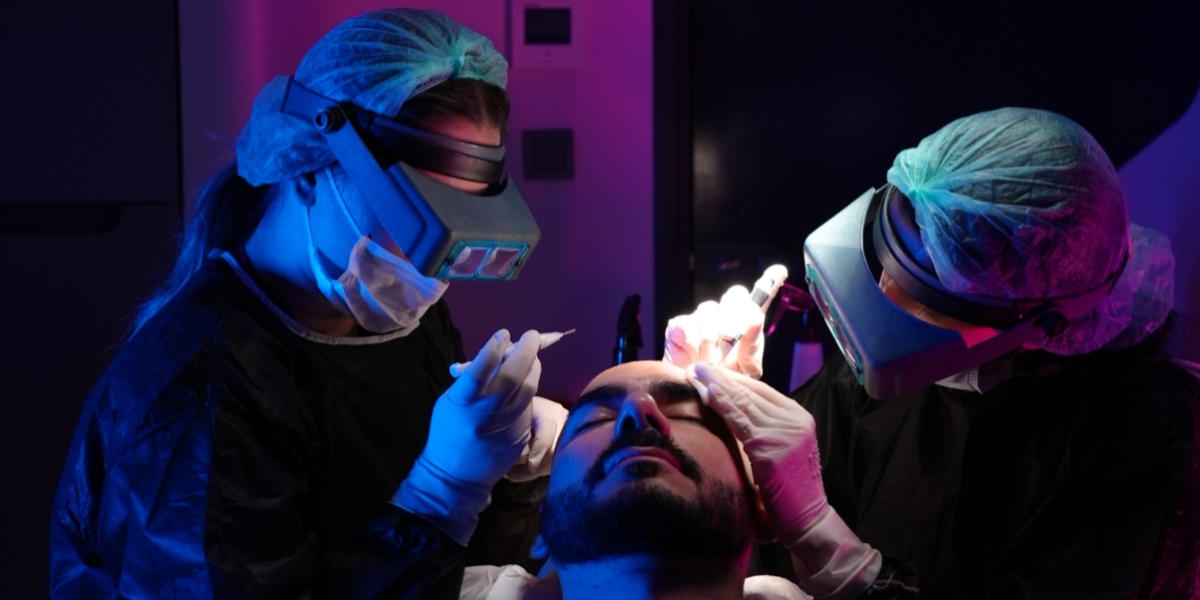
Cosmedica Clinic is considered as one the leading hair transplant clinics in Istanbul, Turkey 

Getting a hair transplant in Turkey sounds like a smart move for many people with hair loss. And often, it is. Not just because of the lower hair transplant costs, but especially thanks to the experience of local surgeons, the all-inclusive treatment packages, and the impressive hair transplant results.

When we talk about hair transplants in Turkey, we’re talking especially about hair transplants in Istanbul. Since the best clinics in the country are located in this city. It’s also the most convenient place to get hair plugs in Turkey, since it’s best connected to Western Europe, Asia and the USA.

But as with any medical procedure, it’s crucial to choose the right clinic. In this article, we expand a little bit more on that.

Why Is Turkey So Popular for Hair Transplants?

Turkey has become an international hotspot for hair transplantation surgery. Especially in Istanbul, you’ll find dozens of specialized clinics performing hair transplant procedures daily. This routine ensures quality, efficiency, and competitive prices. But what exactly makes it so appealing?

  • Doctors use advanced techniques like the Sapphire FUE and DHI methods
  • Most packages include everything: hotel stay, transfers, consultation, and aftercare
  • Prices are much lower than in the US or Western Europe

That combination of technology, experience, and affordability makes Turkey a top destination for hair restoration.

Is Getting a Hair Transplant in Turkey Safe?

That depends entirely on the clinic in Turkey you choose. If you go with a certified hair transplant surgeon with proven experience, your chances of a great outcome are high. Always check the following: 

  • Is the procedure performed by a certified expert in hair transplantation services?
  • Which hair transplant technique do they use: the FUE method, DHI, or Sapphire DHI?
  • How many hair transplant operations do they perform per day?

Reliable clinics have built a strong reputation based on quality, transparency, and consistent aftercare. That way, you’ll know exactly what to expect.

How Much Does a Hair Transplant Cost in Turkey Compared to the USA?

In the US, you’re typically looking at $10,000 to $15,000. In Istanbul Turkey, you’ll pay between $2,000 and $4,000 – and that includes accommodation and transport. The difference lies in labor costs, efficiency, and economies of scale. Curious about a specific price? Have a look at the current overview here: Turkey hair transplant cost.

What’s included in the price?

Most hair restoration clinics in Istanbul offer all-inclusive packages. A trusted transplant clinic in Turkey will typically provide: 

  • A consultation with the doctor
  • Hotel accommodation
  • Private transfers to and from the clinic
  • The full hair transplant procedure
  • Aftercare and medication

So you’re not just paying for the surgery itself, but for the complete medical experience. This is often by far more expansive as if you do a hair transplant in the USA.

Where to Get the Right Hair Transplant in Istanbul?

Cosmedica

Hair Transplant in Istanbul - Here’s What You Should Know!

Photo Courtesy: Cosmedica

Before-after results that speak for themselves: Cosmedica’s hair transplant in Turkey.

Cosmedica welcomes patients from all over the world, largely thanks to their high-end approach and personal guidance by Dr. Levent Acar. His expertise in hair transplants make him one of the most well known doctors of Turkey and beyond.

The procedures are among the most advanced in the world. They offer an all-in package for customers abroad, with a stay in a 5-star hotel and a transfer to the clinic from the hotel.

Here’s What the Procedure of a Micro Sapphire DHI Hair Transplant Looks Like:

  • Follicular Unit Extraction using a micro punch tool
  • Incisions made with a micro sapphire blade for minimal trauma
  • Implantation using a special implanter pen to place the hair follicles with precision
  • Aftercare the day(s) after the hair transplant surgery

Each Hair Transplant Package at Cosmedica Includes:

  • Personalized consultation and hairline design by Dr. Levent Acar
  • HD microscope graft preparation
  • Post-operative result check with Dr. Acar
  • Personal companion and translator
  • Luxury 5-star hotel accommodation
  • VIP transportation between airport, hotel, and clinic
  • FotoFinder donor area analysis
  • Oxygen therapy for quicker healing
  • Hair Power Boost Pack (covering months 1–4 post-surgery)

What Should You Look for When Choosing a Clinic?

Choosing the right clinic might be the most important step of your entire journey. Don’t just focus on photos and prices: take a closer look at the people behind the scenes. Who will actually perform the procedure? How experienced are they with these types of hair transplant operations? What do previous patients say about their experience? And do you receive clear information about aftercare, techniques, and the recovery process? And lastly, but maybe this is the most important one, how does it feel when you talk to the staff? Do you feel like they care about you as a patient?

A qualified hair transplant surgeon won’t just discuss your goals, but also your limitations. They’ll be transparent about the expected hair transplant result, the number of hair follicles that can be transplanted, and what kind of hair growth you can realistically expect in the long term. That’s the only way to move forward with real confidence.


Disclaimer: The information provided in this article is for general informational purposes only. The details discussed regarding hair transplant procedures, costs, and clinics may vary depending on individual circumstances and clinic practices. Readers are encouraged to consult with medical professionals for personalized advice and to thoroughly research and verify any clinic or procedure before making decisions.

Why Timing Matters More Than Price in SaaS Exits: Imran Tariq’s Perspective

By: Huey Lee

For many SaaS founders, the question of transitioning ownership often leads them to ask: 

“What’s my company worth?” 

While valuation is a key factor, Imran Tariq — co‑author of The 3‑4 Cash Rule with Imre Games and Carlton Augustine Pesima — suggests that focusing too heavily on price can sometimes detract from what truly determines a successful exit: timing.

“Price is a snapshot,” Tariq explains. “Timing influences the overall transition — from how smooth the process feels to how well the business adapts after the exit.”

In the SaaS world, where customer loyalty, recurring revenue, and technology cycles evolve rapidly, getting the timing right can be a significant factor in determining whether the transition will be seamless or challenging.

Why Timing Is So Critical in SaaS

SaaS companies operate in a dynamic environment where technology stacks evolve, competitors change strategies, and customer expectations shift. As a result, the conditions that make a business appealing to potential buyers can change unexpectedly.

The ideal timing for a SaaS exit generally aligns with:

  • Strong retention metrics – When churn is low, and customer loyalty is high.

  • Positive growth trajectory – When recurring revenue and user adoption are moving upward.

  • Market readiness – When the product’s category is in demand or likely to expand.

  • Operational stability – When key processes and teams are in place to facilitate a smooth transition.

Step 1: Recognizing the “Window of Strength”

In The 3‑4 Cash Rule, Tariq and his co-authors emphasize the importance of recognizing moments when a business is at its operational and market peak. For SaaS founders, this often means considering an exit before encountering slowed growth, increased churn, or significant market changes.

Tariq explains, “A common mistake is waiting until the business feels overwhelming or starts to plateau. Great opportunities typically arise when the founder still has momentum and leverage.”

Step 2: Avoiding the “Too Soon, Too Late” Trap

Exiting too soon might mean leaving untapped value, while waiting too long can make the transition more complicated. The key challenge is finding a midpoint where both the outgoing and incoming teams can clearly see the path forward.

By monitoring operational health metrics — such as customer lifetime value, acquisition cost, and engagement rates — a founder can more easily identify when the business is at its most appealing for potential successors.

Step 3: Preparing Long Before the First Conversation

One of the major advantages of working with a deal finder is the ability to prepare well ahead of any potential buyer conversations. This preparation includes:

  • Ensuring that customer data and key metrics are organized and easily accessible.

  • Documenting onboarding, support, and product development processes.

  • Confirming that the technical infrastructure is stable and scalable.

With these elements in place, a SaaS company is clearer to understand, easier to evaluate, and better positioned for a smooth transition, no matter the final price.

Step 4: Matching Timing to the Right Successor

The ideal timing for one successor might not align with another. Some acquirers thrive on scaling products that are ready for significant expansion, while others prefer to stabilize before scaling.

By using a relationship‑driven process, founders can better match their timing with successors who have the capabilities and goals that align with the company’s current stage.

As Imre Games points out in The 3‑4 Cash Rule, “The right match depends on readiness on both sides. If one side is rushing while the other is hesitant, the deal’s momentum can falter.”

Step 5: How Timing Affects Negotiations

When a SaaS company enters the market at the right time, negotiations often proceed more smoothly and quickly. Why?

  • The seller is positioned more favorably, able to present positive trends.

  • The buyer sees immediate potential, reducing any hesitation.

  • Both sides can focus on alignment instead of needing to address potential problems.

Carlton Augustine Pesima notes, “When timing is right, it can eliminate many obstacles that slow deals down. If both parties sense momentum, the process flows more easily.”

Step 6: The Role of Discretion in Timing

Announcing a potential sale too early — particularly in the SaaS sector — can unsettle employees and customers. Therefore, Imran Tariq advocates for discreet, staged conversations with pre‑qualified successors.

This approach ensures that timing isn’t just about market readiness; it’s about internal readiness, keeping the business stable until the transition is complete.

Step 7: Post‑Transition Benefits of Good Timing

When the timing is right, post‑transition results tend to be more favorable for everyone involved:

  • Customers experience minimal disruption.

  • The team feels secure and supported.

  • The incoming leadership can focus on growth, rather than handling problems.

Tariq emphasizes that this is one of the overlooked advantages of prioritizing timing over price: “A slightly higher price becomes insignificant if the transition fails. The ideal deals are those where the product, the people, and the plan all thrive post‑handover.”

Why Curated Connections Get Timing Right

In high‑volume deal environments, timing often gets lost in the rush for quick matches. A curated process, such as the one outlined in The 3‑4 Cash Rule, allows for:

  • Careful alignment of operational readiness and market demand.

  • Introductions are made only when both parties are ready to proceed.

  • Conversations that are built on shared expectations from the start.

This method helps avoid the pitfalls of “too soon” or “too late,” guiding SaaS founders toward exits that are strategically planned, rather than reactive.

The Bottom Line for SaaS Founders

While price certainly matters, in the fast‑moving SaaS world, timing often becomes the key factor that drives long‑term success. Imran Tariq, alongside Imre Games and Carlton Augustine Pesima, champions a model where the right timing, paired with the right connection, leads to smoother negotiations, faster closings, and stronger post‑handover results.

As Tariq notes: “The ideal time to exit is when both you and the business are ready — not when the market signals it’s time, but when your momentum and the right match align.”

For SaaS founders considering their next steps, the shift in focus from “How much?” to “When?” can potentially open the door to a more strategic, smooth transition for everyone involved — from the product’s users to the team that built it.


Disclaimer: This article is for informational purposes only and reflects the perspectives of the author, Imran Tariq, and his co-authors. It is not intended as business, legal, or financial advice. Readers are encouraged to consult with a professional advisor to address their specific needs and circumstances before making any decisions related to SaaS exits or company valuations.

Beyond Biohacking: The Rise of Medical-Grade Wellness for Leaders

By:Aimee Tariq

For years, ambitious leaders experimented with supplements, wearable trackers, and the latest fitness fads in the hope of gaining an edge. The biohacking trend offered quick improvements and personal optimization, but its limitations are becoming more apparent. As a result, an increasing number of high-performing executives are exploring more structured approaches, such as medical-grade regenerative wellness programs.

While regenerative medicine remains non‑FDA‑approved and in the emerging stage of development, its appeal among executives lies in the combination of advanced diagnostics, personalised protocols, and professional oversight. For leaders used to data-driven decision-making, the move away from trial-and-error wellness toward clinically guided strategies is a logical next step.

1. The Limits Of Diy Wellness

Many self-directed wellness routines focus on surface-level optimisation—sleep tracking, over-the-counter nootropics, intermittent fasting, and other widely available tools. While these can provide incremental improvements, results often plateau without precise data or targeted interventions.

Dr. Luis Del Rio, founder of Peak Health, frames the distinction simply: “Wellness is for the general population. Regeneration is for those who lead it.” His point is not about exclusivity, but about the depth of analysis and customisation required to match the demands of elite leadership.

2. Closing The Data Gap

Many biohacking tools collect data, but it’s often incomplete or lacks context. A heart rate score without hormone levels. Sleep tracking without inflammatory markers. Nutrition logs without mitochondrial function insights. Without a full picture, leaders may optimise one variable while missing the root cause of fatigue or performance dips.

At Peak Health, every client begins with comprehensive testing, which may include:

  • Epigenetic and genomic panels
  • Hormonal and metabolic mapping
  • Inflammatory and immune response assessment
  • Mitochondrial function evaluation

These diagnostics form the foundation for any subsequent protocol, ensuring the approach addresses underlying factors rather than symptoms alone.

3. What “Medical‑grade” Really Means

In Dr. Del Rio’s framework, “medical‑grade” is more than a marketing term—it represents a standard of care grounded in licensed clinical oversight, laboratory precision, and ongoing monitoring. While still non‑FDA‑approved, Peak Health’s protocols operate within wellness parameters and are delivered by trained professionals.

Elements of these programs may include:

  • Infusions prepared with regenerative research in mind, such as exosome‑derived solutions
  • Peptide programs dosed in alignment with biomarker trends
  • Clinical‑grade supplementation tailored to lab data
  • Regular reviews to adapt the program as new results come in

This approach shifts the conversation from “hacking” biology to systematically managing it.

4. Executives As Health Operators

Effective leaders apply operational discipline to every area of their business. Increasingly, they are applying that same mindset to their personal biology. Instead of viewing health as an afterthought, they track it like a key performance metric.

In this model, regenerative‑inspired wellness becomes a recurring investment—reviewed, measured, and refined quarterly, much like corporate strategy. By integrating health into their operational planning, executives treat their energy, focus, and resilience as assets to be managed, not just maintained.

5. Oversight And Outcomes

One hallmark of medical‑grade regenerative programs is consistent clinical oversight. At Peak Health, many clients opt for secure, at‑home IV therapy and wellness visits to minimise disruption. Biomarkers are tracked at each stage, and protocols are adjusted accordingly.

Clients have reported experiences such as improved focus during complex strategy sessions, steadier energy during long workdays, and quicker recovery after travel. These are individual accounts rather than promised results, but they underscore the difference between unstructured experimentation and guided, data‑informed practice.

6. From Experiment To Infrastructure

The shift from DIY biohacks to structured regenerative wellness mirrors the maturity of the executive mindset. Leaders understand that enterprise systems don’t run on untested beta apps—and they are beginning to view their own health through the same lens.

Rather than piecing together supplements, wearable feedback, and internet advice, they are building an integrated, professionally supported “infrastructure” for sustained performance. In this way, regenerative‑inspired protocols are less about chasing trends and more about establishing long‑term stability.

7. The End Of Guesswork

Hope and guesswork are not strategies in the boardroom, and many executives are realising they shouldn’t be strategies for personal health either. By combining comprehensive diagnostics with professional oversight, leaders can move away from trial‑and‑error routines toward a more intentional, measured approach.

Dr. Del Rio summarises the philosophy this way: “We give clients a full map of where they are, and then design the route to where they want to be. It’s not about doing more—it’s about doing what matters, at the right time, with the right tools.”

In Summary:

 Medical‑grade regenerative wellness is not about replacing healthy habits, but about refining them through science, precision, and professional guidance. For executives, the attraction lies in moving beyond generic optimisation toward customised strategies designed to sustain leadership capacity.

Clinics like Peak Health, under Dr. Luis Del Rio’s direction, are creating models that integrate advanced testing, personalised protocols, and adaptable planning—always with transparency about the non-FDA-approved status of regenerative interventions.

In an era where leadership demands are relentless, this shift represents more than a trend. It’s part of a broader recognition that sustaining influence, decision‑making, and stamina over decades requires more than DIY wellness—it requires treating personal health as the most valuable enterprise you run.

Disclaimer: The information presented in this article is intended for informational purposes only and should not be interpreted as medical advice. The regenerative therapies and wellness programs discussed, including those offered by Peak Health, are not FDA-approved and remain in the research or exploratory stages. Any statements regarding the potential benefits of regenerative medicine, longevity science, or the clinic’s offerings are based on emerging technologies and current scientific understanding, which may evolve over time. Results may vary, and there is no guarantee of efficacy. Individuals considering participation in such programs should consult with a qualified healthcare professional before making any decisions related to their health and wellness. The content does not endorse or guarantee the success of any treatments or therapies mentioned.

Inside Tandem Vet Care’s Tech-Powered Health Hub: AI, Telehealth, and the Future of Veterinary Wellness

Tandem Vet Care, a vertically integrated veterinary platform, is reshaping pet medicine at a moment when Americans love animals more than ever. The American Pet Products Association’s 2025 report shows 94 million U.S. households now share life with at least one pet, and dog ownership alone has climbed to 51% of households. Demand for appointments is rising just as studies warn the nation may need up to 55,000 more veterinarians by 2030 to keep pace. Tandem’s response is a five-thousand-square-foot health hub opening this summer in Somerville, Massachusetts, that links software, mobile vans, video visits, and in-clinic care so every step flows through one system. Tandem aims to give pets better care, give veterinarians back their time, and make each visit easier for families.

Using Innovation to Rethink Veterinary Care

A typical vet visit can feel like running a relay. Owners carry files from one office to another, messages get lost, and the same test may be run twice. Tandem replaces this maze with a connected network. Routine shots happen in mobile neighborhood clinics, quick video calls solve minor worries, and the Somerville clinic will handle surgery and imaging. Every encounter lands in the same digital file within seconds, giving doctors the full story on a single screen and sparing owners repeat explanations. The model fits a market where the global veterinary telehealth sector is valued at about $306 million in 2024 and projected to reach $365 million next year, growing roughly 20% a year through 2030.

How Laika Is Enabling More Intelligent Pet Care

Running behind this network is Laika, Tandem’s proprietary AI platform. Early versions of Laika struggled in real exam rooms filled with barking dogs and busy families. These issues led engineers to spend months working alongside veterinarians to refine Laika’s ability to filter out noise and convert free-flowing conversations into clear notes before the pet leaves the examination table. Rather than replacing a veterinarian’s judgment, Laika enhances it, adding a layer of safety and support without slowing the visit.

Using Technology to Address Burnout in Veterinarians

Long shifts, endless screen time, and the emotional weight of caring for sick animals leave many clinicians feeling worn out. The AAHA Retention in Veterinary Medicine Survey, which polled nearly 15,000 team members, found that roughly 30% of professionals in clinical practice plan to leave their jobs within the next year, with half intending to exit hands-on care altogether. Tandem’s Laika platform tackles the root cause of that flight—lost time. The company’s $10 million funding round reports that Laika’s automated scribe, scheduling, and follow-up tools save veterinarians an average of two hours of paperwork every day. To put that reclaimed time in perspective, a typical small-animal appointment lasts about 15–30 minutes, so those freed-up hours could support four to eight additional consults or, just as importantly, let a veterinarian finish on schedule and take a real break. By giving back minutes instead of adding digital chores, Tandem’s technology aims to make the job sustainable again.

Streamlining Pet Care for Today’s Pet Owners

Pet owners already bank, shop, and work on their phones, so they expect veterinary help to be just as quick. Tandem’s mobile app puts vaccination histories, lab results, and real-time chat behind a single login and lets owners start a live video consult when a quick check is all that’s needed. Notes from a pop-up clinic vaccination or a telehealth call flow into the same record, without having everyone repeat explanations at the next in-hospital visit. Owners quoted on Tandem’s site describe mobile appointments as “super helpful” and say the calmer setting made the whole process so much easier.

Developing Veterinary Wellness for the Future

When Tandem’s Somerville flagship opens this summer, it will serve as a working model for an all-in-one veterinary future. Doctors will experience hours of relief, parents will receive a single, clear schedule, and pets will transition smoothly from triage to treatment. Crucially, the model can travel—whether it’s a mobile clinic in a rural county or a partner clinic across the country, the same digital framework keeps each case connected. And by turning disconnected tasks into one humane workflow, Tandem sets the pace for an industry ready to work smarter and care deeper.