The Dance of Love: Embodying Power, Presence, and Passion in Relationship

By: Shelley Montgomary 

In a time when many of us are longing for deeper connection but unsure how to navigate the emotional terrain of modern relationships, The Dance of Love by Ann O’Brien arrives as a grounding force. Drawing from her background in Aikido—a martial art rooted in harmony and energy redirection—O’Brien reveals a powerful path for staying centered in conflict, sustaining passion, and embodying both strength and sensitivity. In this third conversation, we dive into how Aikido’s principles apply not just to the dojo but to the everyday dance of intimacy, personal growth, and real emotional engagement.

The Power of Staying Centered

In emotionally charged moments, being centered can feel like a superpower. O’Brien describes it as the ability to stay in touch with your own energy, thoughts, and feelings—even when someone else’s reality is very different.

The book offers practical guidance on how to achieve this centeredness. Using postural techniques, breath awareness, and real-life relational examples, O’Brien shows how staying grounded helps us relate more effectively with all kinds of people and situations.

“Being centered means you retain your own power no matter what is going on around you,” she writes. “It means you don’t get overwhelmed by intense situations or energies.”

Aikido: A Somatic Model for Love

The Dance of Love weaves Aikido’s principles seamlessly into relationship guidance. Far from abstract theory, Aikido offers actionable tools that help us navigate emotional conflict and power dynamics.

Techniques include:

  • Reflection & Integration. Our actions resonate and evolve both internally and relationally.
  • Timing & Conditional Alignment. Catch the right moment to move.
  • Harmony & Blending. Reacting with openness turns clashes into choreography of connection rather than confrontation.
  • Centering & Grounding. Grounding yourself emotionally and spiritually enables greater resilience, clarity, and sensitivity.

This somatic lens helps us shift from reactive patterns—fight, flight, freeze—to presence, movement, and relational flow.

Assertiveness and Responsiveness: A Dynamic Dance

One of the book’s central teachings is how to balance two essential relational skills:

  • Healthy assertiveness (a masculine trait): initiating, guiding, and offering direction with love and clarity.
  • Attuned responsiveness (a feminine trait): feeling, sensing, and reacting to what’s really happening—not just what we fear or expect.

Mastering this balance creates mutual respect and deep connection. It empowers both partners to show up fully and engage consciously.

Overcoming Numbness and Resignation

In today’s hyper-digital world, many people fall into disconnection without realizing it. O’Brien warns of the dangers of numbness and resignation, and offers grounded advice for staying emotionally alive:

“Get off the screens sometimes! Whether or not you practice Aikido, find a mind-body discipline, and spend time in a real-life community. Commit to people and practices long enough to be called into your full self.”

Centering Amid Conflict

To love well, we must remain centered—even when emotions run high. O’Brien describes being centered as staying connected to your own energy, thoughts, and truth, regardless of the intensity around you.

Through specific Aikido-based positioning and awareness practices, readers learn to stay grounded under relational pressure. Real-life stories make these practices accessible and relatable, showing how to remain open without collapsing and staying strong without shutting down.

Personal Insights and Relational Transformation

O’Brien shares her own journey with raw honesty. She admits to patterns of freezing and over-functioning—traits many readers will relate to. By shifting from reactivity to accurate responsiveness, she has experienced profound relational shifts.

One of her favorite practices? Asking:
“What would love do?”

This simple question, rooted in the Aikido principle of Ai (love/harmony), reconnects her to a larger wisdom. It moves her out of the small self and into a relationship with something greater—conserving energy and inviting clarity.

One Sentence That Captures It All

If The Dance of Love could be summarized in a single sentence, O’Brien offers this:
“Remember your infinite nature and join with other people as that you.”

To apply this today?
Get quiet. Reflect. Ask your higher self for one step you can take to embody that truth right now.

Whether you’re new to relationship work or deep on the path, The Dance of Love is a guidebook for the heart, body, and soul. It offers timeless wisdom for modern love—full of practical tools, embodied practices, and spiritual insight.

Ready to live your own dance of love? This book will show you how.

Disclaimer: The information provided in this article is for general informational purposes only. The article is not intended to replace consultation with a licensed therapist, relationship expert, or professional coach. Ann O’Brien’s approach to love and relationships, as presented in The Dance of Love, is based on personal experience and the principles of Aikido. Readers are encouraged to seek professional advice and guidance as needed.

The Hidden Emotional Side of Retirement Planning Financial Planner Cindy Giovacchino Shares Important Questions to Ask Yourself

Retirement is often viewed through a financial lens, defined by savings goals, investment strategies, and a projected date for when work will end. But ask anyone who’s approaching that milestone, and a different reality often emerges: Retirement planning can be just as emotional as it is financial.

Cindy Giovacchino, a seasoned financial planner and the founder of Gio Financial, encounters this emotional aspect of retirement planning regularly. While spreadsheets and strategy are important, she believes the process should also include space for deeper reflection on identity, purpose, and the kind of life someone hopes to build after their working years.

These aren’t questions most people are accustomed to asking themselves. Fortunately, a thoughtful financial planner like Cindy Giovacchino can guide clients through them. In fact, much of her work involves helping clients step back and consider not only what they can afford, but also what they truly want this next phase of their life to look like.

“Who Am I Without My Job?”

For many, work has offered more than a paycheck—it has shaped their identity. Whether you’re a business owner, a nurse, or a tradesperson, stepping away from your career can sometimes feel like stepping into the unknown.

Some clients don’t struggle with the numbers; they struggle with the psychological shift. Retirement may signal a loss of structure or purpose, which can feel unsettling. But when financial planners like Cindy Giovacchino raise questions like this, it can help clients think ahead about how to build a fulfilling life beyond work.

“Is My Lifestyle Helping or Hurting My Long-Term Plan?”

Even high-income earners can find themselves facing challenges if spending outpaces planning. Consider someone with multiple properties, expensive tastes, and a $20,000/month lifestyle. On paper, they may seem secure, but projections might suggest a different outlook. Reducing monthly spending, even by a few thousand dollars, could extend their assets significantly.

The challenge isn’t just the math—it’s navigating values and trade-offs. This is where an advisor’s role becomes critical. Someone like Cindy Giovacchino can help guide the conversation with clarity and respect, helping clients understand the long-term implications of their current habits.

“Can I Retire Now—or Should I Ease Into It?”

For those with modest savings, the retirement question is often about timing. A client who spent decades in a hands-on trade might want to travel or slow down, but they aren’t certain if full retirement is realistic just yet. Part-time work or phased retirement can offer a helpful bridge between financial stability and personal fulfillment.

A financial planner can model these different paths and discuss how each option aligns with specific goals, helping clients feel more confident in whichever timeline they decide to pursue.

“What Do I Want My Legacy to Be?”

Legacy is about more than money. It can be about family, community, or a cause close to your heart. Many people may not think to ask themselves about their legacy until they’re already retired. An advisor like Cindy Giovacchino often introduces this question early, helping it shape not only estate plans but also meaningful financial decisions throughout retirement.

Retirement Is More Than a Financial Plan

Cindy Giovacchino approaches retirement planning as both a technical process and a personal journey. Her work emphasizes the reality that people aren’t just planning for the end of work—they’re preparing for a new chapter of life. And that requires more than projections. It requires the opportunity to ask and be guided through the right questions.

By working with a financial planner who recognizes the emotional side of this transition, individuals can approach retirement with more clarity, confidence, and a plan that supports not just their finances but their future selves.

About Cindy Giovacchino

Cindy Giovacchino is a dedicated financial planner with over 25 years of experience, passionate about helping clients work toward financial security. She offers personalized, hands-on guidance, whether working with high-net-worth individuals or those just beginning their financial journey. Giovacchino is known for building lasting relationships.

Cindy Giovacchino is an Osaic Institutions Financial Professional. Securities offered through Osaic Institutions, Inc. Member FINRA/SIPC. There is no assurance that investing through a financial professional will improve net results.


Disclaimer: This article is for informational purposes only and does not constitute financial, legal, or tax advice. Readers should consult with a qualified financial advisor or other professional to discuss their individual circumstances before making any financial decisions.

LUCKY 13: Reflections and Insights on Life’s Challenges

By: Elowen Gray

Life moves at a relentless pace, often leaving little time for reflection. Bobby Bland’s latest work, LUCKY 13: Life Lessons Learned The Hard Way, offers a refreshing perspective on personal values, communication, and resilience. It presents ideas in a way that feels thoughtful and accessible, making it relatable to a broad audience.

Rather than relying on abstract concepts, the book focuses on real-life experiences. Early discussions highlight the importance of treating others with kindness and the impact of simple, thoughtful actions. Through relatable narratives, it shows how everyday choices influence relationships and personal growth. The approach is neither preachy nor prescriptive but instead provides observations that encourage self-reflection.

As the book progresses, it explores the nature of doubt and hesitation. Hesitation is often seen as a weakness, yet this work presents it as a potentially valuable tool when used correctly. It encourages questioning assumptions rather than allowing uncertainty to become an obstacle. The balance between personal stories and broader observations ensures these ideas remain relevant and engaging.

A particularly insightful section addresses the way perception shapes interactions. It suggests that seeing is not merely about visual input but about understanding what lies beyond the surface. The ability to interpret situations correctly can influence the course of relationships and decision-making. The writing style remains accessible while prompting readers to consider how their perspectives influence their actions.

Practicality remains a key focus throughout the book. One section presents problem-solving as an essential skill rather than an innate talent. The emphasis on adaptability highlights how shifting approaches can transform challenges into opportunities. Without relying on overly technical advice, the book provides meaningful strategies that feel applicable in both personal and professional settings.

Communication is a recurring theme. The book illustrates how shared experiences create meaningful connections, reinforcing the idea that storytelling is more than just an art form. It is a powerful bridge between people. Rather than offering abstract theories, the work uses tangible examples to show how effective communication fosters understanding.

Health and well-being are also addressed, but not in a conventional manner. As a Health Coach and Life Coach, the author takes a broader look at how personal choices affect overall quality of life. Food is discussed not just as sustenance but as a key component of lifestyle decisions. Rather than promoting rigid guidelines, it encourages balance and personal awareness of dietary habits.

A shift toward self-identity and confidence follows, reinforcing the idea that individuality should be appreciated. The writing style remains engaging, using references that feel familiar and relatable. Rather than urging readers to change who they are, the book highlights the strengths that already exist within them.

The final sections tie together various themes, encouraging deeper reflection without dictating conclusions. Instead of offering definitive answers, LUCKY 13 leaves room for interpretation, ensuring that its impact extends beyond the final page.

Unlike many self-improvement books that rely on repetitive affirmations, this one takes a different approach. It avoids overstated claims and instead focuses on ideas that have shown relevance over time. The writing remains thoughtful without being dense, making it an engaging read for anyone seeking meaningful insights.

At its core, the book speaks to the realities of daily life. The combination of humor, sincerity, and sharp observations makes it entertaining and valuable. It does not attempt to provide a one-size-fits-all solution but instead presents perspectives that encourage readers to think differently. Whether seeking guidance or simply a fresh way of looking at the world, this book offers something worth considering.

In a genre often dominated by predictable advice, LUCKY 13 stands out for its authenticity. It does not assure instant change or unrealistic results but instead provides an honest look at how small adjustments in thinking can lead to meaningful outcomes. Those looking for a book that is both thoughtful and practical will find plenty to appreciate within its pages.

Also, at the end of each chapter, the “Food for Thought” section offers reflective questions that can inspire significant growth in your life development. Goal setters, thought provokers, and outright challenges make this book a real difference-maker.

Author Name: Bobby Bland
Book Title: LUCKY 13: Life Lessons Learned the Hard Way
Book Published by: Author Publications
Book Available on leading platforms:

Exploring the Variety of Organic Loose-Leaf Tea Options

Tea is an age-old remedy many have enjoyed for its calming effects and helpful properties. Loose-leaf organic varieties bring a wonderful aroma and taste to anyone who enjoys them. Harvesters cultivate organic teas without harmful insecticides and provide a pure and fine brew. This post will examine ten of the best quality organic loose-leaf teas to drink daily.

1. Green Tea

Green tea is famous for its fresh taste and health benefits. It is high in antioxidants and may help your body stay healthy. Many relish this tea for its mild flavour, which can be refreshing and soothing. Sip organic loose-leaf teas to start your day or enjoy them in the afternoon when you need to wind down.

2. Chamomile Tea

Chamomile tea is a popular relaxation tea. Recognized for its mild, palatable floral notes, it can be beneficial in calming the mind and body. It promotes restful sleep, which many people find helpful. Ideal for your evening rituals, this caffeine-free alternative provides serenity in every sip.

3. Peppermint Tea

Peppermint tea offers a minty burst of thirst-quenching flavor. Its cooling effect refreshes all five senses and can even aid digestion. Natural menthol has a crisp flavor, which makes it a preferred tea after a meal. Caffeine-free, it is great as an afternoon booster without jitters.

4. Earl Grey Tea

The unique bergamot scent sets Earl Grey tea apart. This deliciously robust black tea blend will tickle your senses. Bergamot essence lends a citrusy scent, which makes it a lovely morning routine option. Bonus points for a slice of lemon on the side for an even more zesty kick.

5. Rooibos Tea

Rooibos tea comes from South African regions. It is naturally caffeine-free and full of antioxidants. It is a comforting option because of its boreal flavor with earthy, nutty tones. Consume this staple with milk and honey or drink it as is for a calming daily ritual. From morning to night, rooibos is effortlessly adaptable.

6. Jasmine Tea

With its heady fragrance and light flavor profile, jasmine tea entices its consumers. You can make this tea by combining green tea leaves with jasmine flowers. The gorgeous scent makes it a lovely selection for meditation or unwinding, as it can bring peace to the moment.

7. Hibiscus Tea

Hibiscus tea is well-known for its beautiful hue and sour flavor. You can sip this vitamin C-packed herbal infusion hot or iced. A crisp tart flavor is tempered with a hint of sweetness, and can provide refreshment on warmer days or a brisk morning wake-up.

8. Oolong Tea

Oolong tea has an in-between taste, between green and black tea. Partially oxidized, it offers a distinctive flavor. Depending on the varieties, Oolong can be floral, fruity, or toasty. Take it easy to explore its subtle personality.

9. White Tea

White tea is known for its subtle nature and gentle flavor. It is least processed and made from young leaves and buds. This tea has a mild, sweet, gentle palatability. You can sip it throughout the day as the low caffeine content is soothing.

10. Ginger Tea

Ginger tea has a spicy nature and warming properties. Commonly employed for digestion and immunity. It offers an invigorating taste, ignites the senses, and brings comfort on cold days. A little bit of honey or lemon makes it even more delicious, and a great combination.

Selecting the Right Tea

Choosing the best organic loose-leaf teas depends on your preferences and the effect you are looking for. While some may be partial to the refreshing properties of green or peppermint tea, others may turn to chamomile or jasmine. Trying different teas can help you find one you like.

Brewing Tips

If you want the great cup, then try some brewing hints. Steep the leaves at the proper temperature using fresh filtered water. Letting the tea steep for too long can make it taste bitter, while steeping it for too short may result in a lack of flavor. Purchase a good teapot or infuser from which to drink it.

Summary

Organic loose-leaf teas added to our daily patterns can lend mere moments of peace and joy. Each variety has different tastes and advantages; ensure you enjoy tea with a personal touch. With the great balance of quality and flavor, these teas offer a natural yet delectable means of elevating everyday rituals, whether you want relaxation or some added vibrancy to your day.


Disclaimer: This article is for informational and educational purposes only and does not constitute medical or health advice. The content is not intended to diagnose, treat, cure, or prevent any health condition. Individual experiences with tea or any dietary ingredient may vary. Readers should consult with a qualified healthcare professional before making any changes to their diet or wellness routine. This article does not promote or endorse any specific brand, product, or company.

Why Elite High Performers Need Confidence Training to Sustain Their Success

Just because someone’s at the top doesn’t mean they feel steady. High performers—whether they’re athletes, CEOs, or creative leaders—often look confident, but behind the scenes, it’s a different story.

According to Kasia Siwosz, a London-based life and executive coach for high achievers in finance, law, private equity, and tech, “The higher the success, the bigger the expectations. You’re not just trying to win—you’re trying to keep winning. That pressure doesn’t fade. It stacks.”

And over time, it can quietly chip away at confidence.

Kasia works with clients who seem unshakable on the outside, yet internally wrestle with doubt, burnout, or the fear of slipping. What she’s learned: confidence isn’t something you build once and carry forever. It’s a muscle—and for high performers, it needs constant reinforcement.

In this article, we’re drawing on her insights to explore why even the successful leaders invest in confidence training—and how it helps them stay clear, focused, and steady at the top.

The Hidden Cost of High Achievement

Success comes with a price—one that usually people don’t see. From the outside, it looks like winning. But on the inside, it often feels like pressure to keep proving yourself. There’s little room to pause or admit fear. There’s even less room to fail.

High performers often carry the weight of everyone’s expectations—teams, clients, fans, investors. And that creates a mindset of constant performance. Every move matters. Every mistake feels bigger than it should. It’s no longer about growth; it becomes about not slipping.

This mental load leads to quiet burnout, self-doubt, and second-guessing, even if the results still look impressive. The pressure to always be “on” can drain confidence slowly, without anyone noticing.

That’s why some of the successful people work with coaches who understand high-performance pressure from the inside. Coaches like Kasia Siwosz—who’ve lived it, navigated it, and now help others stay strong through it—create space for realignment. Confidence training isn’t a motivational boost. It’s a way to regain control before pressure takes the wheel.

Why Confidence Isn’t a One-Time Trait

Confidence isn’t permanent. It shifts—just like your role, your goals, and the environment you’re operating in. What made you feel steady five years ago may no longer hold up when the stakes are higher, the visibility sharper, and the decisions heavier.

That’s where many high performers get stuck. They’ve evolved, but their internal systems haven’t kept pace. On the outside, everything looks polished. But inside? There’s often hesitation, second-guessing, or a growing fear of being found out.

That disconnect—between how others see you and how you actually feel—only widens when left unaddressed.

Confidence training bridges that gap. It’s not about surface-level affirmations or performance hacks. It’s about building the kind of internal steadiness that can hold under pressure. You learn to trust your instincts again, make tough calls with clarity, and lead without the noise of self-doubt.

Many of Kasia Siwosz’s clients arrive at this exact crossroads. They’re not broken—they’re evolving. And they need new tools to match the level they’ve stepped into.

Confidence, at this stage, isn’t optional. It’s fundamental.

Common Signs Elite Performers Need Confidence Support

Just because things are going well doesn’t mean your confidence is where it should be. In fact, high performers often hide the cracks better than anyone else. Here are the signs that something deeper needs attention:

  • You overthink decisions you used to make easily. You’ve done this before, but now you’re stuck in loops—what if this move backfires? What if this time, you’re wrong?
  • You avoid risk, even when the upside is huge. Instead of leveling up, you stay safe. Not because it’s smart—but because the fear of losing what you’ve built is louder than your drive to grow.
  • You need more external validation than you used to. Praise used to feel like a bonus. Now, it feels like a lifeline. Without it, your confidence drops.
  • You secretly worry people will “find you out.” Even with the results and success to back it up, there’s a quiet fear you’re just performing well enough to hide the truth—that you’re not as capable as everyone thinks.
  • You micromanage because you don’t fully trust others—or yourself. Letting go feels risky. Delegating feels like a loss of control. So you overcompensate and carry more than you should.

These patterns don’t mean you’re weak. They mean you’ve hit a level where your inner systems need an upgrade. Confidence training gives you space to reset—to quiet the noise, rebuild trust in yourself, and operate from a place of clarity, not pressure.

Confidence Training vs. General Coaching

Not all coaching is the same. General coaching focuses on performance goals, productivity, or leadership tactics. That’s useful—but it doesn’t always get to the root. Confidence training goes deeper. It’s about how you relate to yourself when the pressure hits hardest.

High performers don’t struggle because they don’t know what to do. They struggle because they’re carrying internal weight no one else sees. Doubt. Isolation. Fear of slipping. And they rarely feel safe enough to talk about it.

Confidence training creates that space. It’s not there to fix you—it’s there to help you reconnect with what’s already strong but buried under pressure. It strips away the noise and sharpens your ability to lead, decide, speak up, and step forward without hesitation.

It also respects the level you’re at. No fluff. No basic mindset tricks. Just direct, structured work that fits your experience, your role, and the level of complexity you’re managing every day. That’s what makes it different—and necessary.

How Confidence Training Sustains Long-Term Success

Success isn’t just about momentum—it’s about staying steady when the terrain shifts. Kasia Siwosz has worked with enough high performers to know: talent and drive might get you to the top, but only emotional stability keeps you there.

Confidence training, at this level, isn’t motivational fluff. It’s strategic inner work. It helps leaders develop the emotional endurance to handle volatility—so when something breaks, shifts, or stalls, they don’t spiral. They recover, recenter, and move forward with intention.

Kasia often sees clients navigating transitions—stepping into bigger roles, managing more visibility, or making legacy-defining decisions. The pressure increases, but the internal systems haven’t caught up. Confidence training helps close that gap. It gives them tools to lead through uncertainty without losing their edge.

It also sharpens presence. As Kasia says, “When you’re grounded, people can feel it. You stop performing and start leading.” That quiet steadiness builds trust—within teams, with investors, and in yourself.

And perhaps important, it supports growth without burnout. You stop operating from a need to prove, and start showing up from a place of clarity. That shift changes everything—from how you make decisions to how you sustain long-term success in high-stakes environments.

Ready to Strengthen the Foundation?

If you’re operating at a high level and feel like your confidence isn’t keeping up with your success, you’re not alone—and you don’t have to navigate it in isolation.

Kasia Siwosz works privately with ambitious professionals who are ready to lead with more clarity, composure, and consistency—without the pressure leaking into every corner of their life.

Disclaimer: The information provided in this article is for general informational purposes only. It is not intended to provide professional advice, including but not limited to financial, legal, or psychological advice. The views and opinions expressed in this article are solely those of the author, Kasia Siwosz, and are based on her experiences and insights. Individual results may vary, and the success outlined in this article does not guarantee similar outcomes for everyone. Please consult a qualified professional before making any significant changes to your personal or professional development.

The Extraordinary Love Story of Linda and Jerry A Journey Through Faith, Commitment, and Resilience

By: Hannah J. Davis

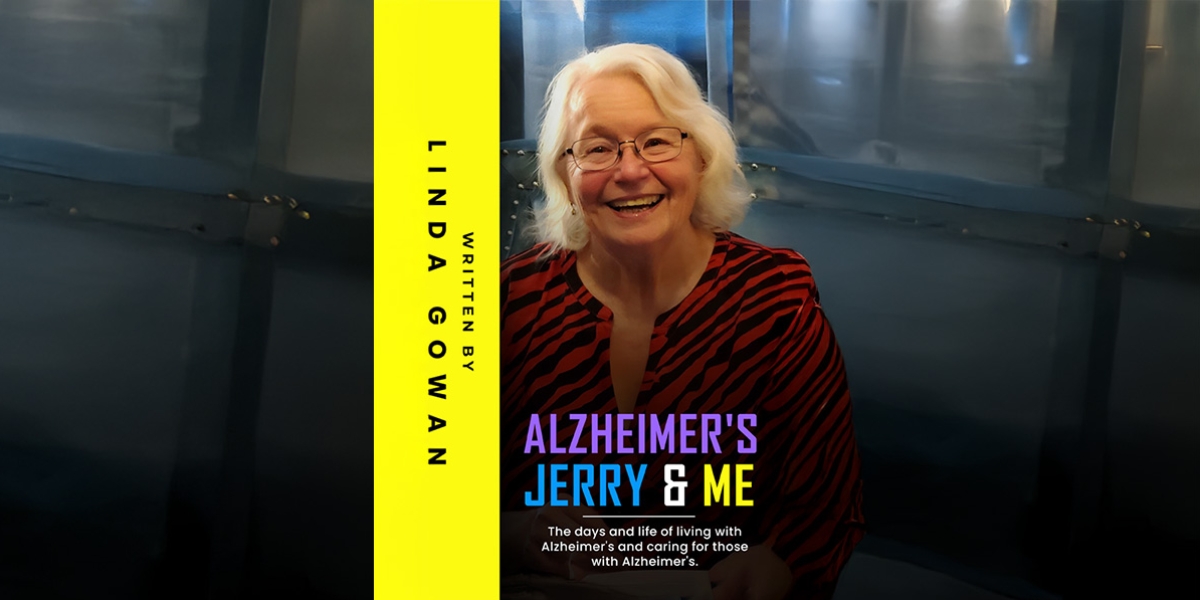
Some love stories have a way of staying with you, leaving a lasting impression. Linda Gowan’s biography Alzheimer’s Jerry & Me captures one such unforgettable journey—the deep bond between Linda and her husband, Jerry. It’s the kind of story that reminds you of what true partnership looks like: love, faith, and an unwavering commitment to stand by each other through every challenge.

Why This Book Will Resonate with You

Linda and Jerry’s relationship isn’t built on flashy moments. Their love was made strong in the day-to-day, the little things that truly matter. Married just six weeks before Linda graduated high school, they set out on a life filled with shared experiences, challenges, and a love that only grew deeper with time.

For anyone who has ever faced the ups and downs of marriage, this book offers a window into a partnership that perseveres with grace and resilience. Linda’s storytelling brings you right into the heart of their relationship, making you feel the strength of their bond on every page.

A Love That Thrived in the Everyday Moments

Linda beautifully recounts the seemingly simple moments that held so much meaning for them. Take, for instance, Jerry’s love for grilling. No matter how long his day had been, he would fire up the grill, filling their home with the warm, comforting smell of pecan wood smoke. For him, it wasn’t just about cooking—it was about creating joy for his family.

Their love was tested in many ways, particularly by distance, as Jerry’s job with Halliburton often took him away. But what could have driven them apart only made their bond stronger. Every phone call, no matter how far Jerry was or how much it cost, was a reminder of their deep connection. It’s in these moments that you see how a relationship can flourish, even in the face of adversity.

Faith: The Backbone of Their Relationship

One of the most moving aspects of Linda and Jerry’s story is how they leaned on their faith to navigate life’s challenges. For Linda, faith wasn’t just a part of her life—it was her foundation. And it was this shared belief that helped them face whatever life threw their way.

Their story is a beautiful reminder of how faith can anchor a relationship, giving it the strength to endure and thrive.

Lessons on Love, Resilience, and Faith

As you read about Linda and Jerry’s journey, you’ll find yourself reflecting on your own life. Their ability to embrace life’s changes and challenges together is inspiring. Whether it was moving across continents or simply finding joy in everyday tasks like grocery shopping or laundry, their love never wavered.

Linda’s perspective offers profound insights into how a strong partnership can make life’s toughest moments easier to face. This book isn’t just about their story—it’s about how love, faith, and resilience can shape anyone’s life.

Why You Shouldn’t Wait to Read This

Alzheimer’s Jerry & Me is a guide for anyone seeking to understand what it takes to build a lasting relationship, navigate life’s challenges, and find joy in the simple things. Whether you’re looking for inspiration, a story that touches your heart, or just a reminder of what really matters in life, this book is for you.

The relationship between Linda and Jerry in Alzheimer’s Jerry & Me is a heartwarming example of love built on faith, respect, and mutual support. Their ability to deal with life’s challenges together, find joy in simple moments, and maintain a deep spiritual connection showcases the strength and beauty of their bond.

Order Now: A Story You Won’t Forget

Don’t miss the chance to read this heartwarming and deeply inspiring story. Linda Gowan’s biography, Alzheimer’s Jerry & Me is soon to be available online. Whether you’re looking for inspiration, comfort, or just a heartfelt read, this book has it all.

Disclaimer: The content of this article is based on Linda Gowan’s personal experience and her memoir, Alzheimer’s Jerry & Me. It is intended for general informational and inspirational purposes only and should not be considered as professional medical or therapeutic advice. The views and opinions expressed are those of the author and reflect their personal journey. For any medical concerns or advice, please consult a healthcare professional.

Echoes of Sappho: The Resonant Voice of Ping Gu

By: Angela Li

Amid New York City’s bustling opera houses and concert halls, Chinese mezzo-soprano Ping Gu is gradually making a name for herself in the American classical music landscape. Her voice—velvety, nuanced, and marked by a sense of quiet strength—carries both lyrical sensitivity and emotional depth. With a striking vocal range and instinctive musicality, Ms. Gu has the potential to become a significant voice in a competitive, tradition-rich art form.

At Mannes Opera, Ms. Gu has demonstrated her talents not only as a gifted vocalist but also as a captivating singing actress. In 2024, she took on the role of Sappho in Mark Adamo’s revised version of Lysistrata, or the Nude Goddess. Rather than simply updating Aristophanes’ classical comedy, Adamo recasts it as a meditation on power, desire, and the tension between personal and political identity. Within this complex framework, Ping’s Sappho is not merely a poetic symbol, but a well-developed human figure—at once tender and unyielding, lyrical and defiant. Her performance showed a deep psychological engagement with the role, exploring the inner conflicts between idealism and reality, individual freedom and collective duty.

Later that year, Ms. Gu appeared as Ottone in Monteverdi’s L’incoronazione di Poppea during the Mannes Sounds Festival. The role demands not only vocal control but also emotional precision. Ms. Gu handled the challenge with poise, delivering a portrayal marked by vulnerability, restraint, and dramatic insight. Her tone shimmered with sorrow, capturing Ottone’s tortured soul with clarity and elegance.

In 2023, Ping took on a distinctive role in Ravel’s fantastical opera L’enfant et les sortilèges, performing as Un Pâtre. The work’s vibrant, fairy tale-like textures allowed Ping to showcase another facet of her artistry—one defined by lightness, playfulness, and vocal agility. Her interpretation brought a touch of pastoral innocence to the character, enriching Ravel’s musical language with warmth and imagination.

Ms. Gu’s artistry also shines in the recital setting. At her 2025 graduation recital at OPERA America’s Scorca Hall, she curated a program that elegantly spanned Classical, Romantic, and 20th-century repertoire. Her interpretations of Mozart and Dvořák were technically assured and stylistically authentic, but it was in Tchaikovsky’s Seven Romances that Gu’s emotional depth truly came to the fore. With a voice both rich and transparent, she channeled the composer’s intimate melancholy, drawing the audience into a space of introspection and lyrical longing. Her performance of Ravel’s Chansons madécasses was equally compelling—sultry, mysterious, and rhythmically precise, revealing her facility with diverse vocal idioms and cultural aesthetics.

Echoes of Sappho: The Resonant Voice of Ping Gu

Photo Courtesy: Maria Baranova
Ping Gu (third of row center) at Gerald Lynch Theater

For her, music is more than performance—it is a vehicle for connection. “One of the song cycles I performed was La Regata Veneziana, which tells the story of a young woman watching her lover compete in a Venetian boat race,” she said in a recent interview. “It brought me back to my own time in Venice. I wanted the audience to feel that beauty with me.” This kind of emotional authenticity is at the heart of her artistic identity.

Importantly, Ping is not an artist bound by convention. She brings a thoughtful, contemporary sensibility to the classical tradition—integrating precise technique with a bold approach to character, language, and repertoire. Whether interpreting canonical roles or navigating lesser-known modern works, Ping approaches each piece with intellectual curiosity and emotional honesty.

As one director who collaborated with her remarked, “The beauty of Ping’s voice lies not only in its timbre but in her extraordinary interpretive insight. She doesn’t just sing a role—she inhabits it.” This rare combination of technical mastery, musical intelligence, and emotional resonance marks Ping Gu as a promising new presence in today’s opera world—and a voice that could have a significant impact in the years to come.

The Myths That Can Harm Community College: Five Misconceptions to Be Aware Of

By: Tom White

There’s a persistent myth in American culture that education is a linear climb, ideally beginning at a prestigious residential four-year university and ending somewhere between an Ivy League degree and a job with a Patagonia vest dress code. While this narrative is common, community colleges are often overlooked, despite the fact that they play a significant role in educating nearly 40% of the country’s undergraduate students. Despite their crucial role, they remain subject to deep-rooted misconceptions that can have negative impacts, both on the institutions themselves and the students they serve, as well as the communities they sustain.

As Dr. Carrie B. Kisker, a leading researcher and advocate in higher education, points out: “Community colleges are a vital component of American higher education. Not only do they provide access to the system, but they help support mobility within it, enabling students of various backgrounds to pursue the American Dream. Community colleges are also closely connected to the economic health and prosperity of local communities. Unfortunately, due in large part to recent efforts to question the value of higher education, many Americans have become skeptical about the benefits of the system. While much of the distrust is often aimed at the most selective institutions, it tends to harm institutions like community colleges the most, particularly those that educate students from marginalized groups—those who are less likely to be encouraged to attend college at all.”

In that spirit, here are five myths about community colleges and the truths that deserve more attention.

1. Community college is just for students who couldn’t get in elsewhere

This stereotype can be subtly harmful. It suggests that community colleges are fallback options for students who weren’t smart or ambitious enough for a four-year institution. In reality, community colleges serve a diverse student population: working adults returning to education or training, high-achieving high school students earning dual credit, high-achieving high school graduates taking honors courses, first-generation college-goers, and those who prefer or need to stay close to home. Additionally, students who opt to start locally at a community college often save substantial amounts of money and then transfer to universities. Their motivations are varied, but none of them suggest a lack of intelligence or ambition.

2. You get what you pay for, so community colleges must be lower quality

Because community colleges are more affordable by design, they are often mistakenly seen as offering a less rigorous or less valuable education. However, the pedagogical focus at many of these institutions is well-established and, in some cases, more individualized than what you might find at large lecture-hall-filled universities. Smaller class sizes, professors trained in teaching rather than research, and more intentional student-professor relationships contribute to a highly engaged learning environment. Many community colleges also offer honors programs, opportunities for research, internships, apprenticeships, and applied bachelor’s degrees, all of which can offer valuable experiences and education that rival those found at larger institutions.

3. Community colleges only offer two-year degrees, so they are not for serious students

It is true that community colleges have traditionally awarded associate degrees and certificates. But the landscape has changed. More institutions are now offering applied baccalaureate degrees and other credentials designed to prepare students directly for the workforce. Furthermore, transfer pathways to four-year universities have become more accessible and streamlined than ever. A student could attend a community college, transfer to a reputable university, and graduate with less debt and more clarity about their educational path. Alternatively, they could choose to complete their bachelor’s at the community college and transition into a well-paid position in a high-demand industry.

4. Community colleges are not real colleges because they are local and/or online

The rise of remote learning after COVID has blurred the lines between online, hybrid, and in-person learning entirely. Today, almost every college offers some online component. Community colleges were among the first to embrace flexible hybrid and online models, and their ability to meet students where they are should be seen as a strength, not a limitation. Local does not mean limited. For many, it means accessible, practical, and deeply connected to the economic and cultural needs of a community.

5. Employers do not value community college degrees

Hiring managers sometimes hold implicit biases against community college graduates, assuming they are not polished or sophisticated enough for competitive roles. But many employers have found that by overlooking these candidates, they miss out on some of the most adaptable, resilient, and hard-working individuals in the job market. Community college students often juggle multiple jobs, family responsibilities, and their education all at once. They bring real-world problem-solving skills, deep empathy, and determination shaped by experience, not just theory. As Dr. Kisker notes, “Instead of automatically dismissing the resumes of candidates who attended community colleges, more and more hiring managers are choosing to give them serious consideration, discovering that these prospective employees possess many of the skills sought in today’s workforce, including strong communication, collaboration skills, and an innate drive to work hard and innovate.”

Misconceptions about community colleges and their students not only distort public perceptions of the value of higher education, but they can actively disrupt lives. They discourage bright, motivated people from seeing themselves as college material. They may reduce funding for programs that fuel the workforce, lead some employers to overlook excellent candidates, and undermine confidence in a critical aspect of the American higher education system that is affordable, flexible, and genuinely dedicated to the public good.

It is time to look beyond the myths. If we do not work to preserve, protect, and value all that community colleges and their students do for our workforce and society, we risk further limiting one of the most accessible and impactful pathways to opportunity, prosperity, and the American Dream.

The Myths That Can Harm Community College: Five Misconceptions to Be Aware Of

Photo Courtesy: Carrie B. Kisker

What You Can Do

If you care about expanding access to meaningful, equitable postsecondary education, or if you’re ready to challenge outdated narratives, it is time to take a closer look at the role community colleges play. These institutions are not just stepping stones; they are launchpads for economic mobility, social justice, and lifelong learning. Rethinking the way we talk about and invest in them is important for building a more inclusive and resilient higher education system.

Here are a few concrete ideas for how you can support community colleges and their students:

  • If you are an employer, reach out to your local community college to learn how you may be able to support programs preparing students for work in your industry. Ask if you can interview graduates, donate equipment, or speak with faculty about the skills and abilities needed for your future workforce.

  • If you are a high school student or parent, explore opportunities for dual enrollment at your local community college. This will not only give you a head start on college (saving thousands of dollars), but will also better prepare students for success at any future institution.

  • If you are a policymaker or business owner, consult with college presidents and trustees in your region to ask how you can better support their work and build capacity for economic and community growth.

  • If you are a college leader interested in growing your capacity for innovation, especially related to partnerships with external businesses and community organizations, consider utilizing Kisker Education Consulting  to help manage strategic change and innovation processes on campus.

  • If you are a member of the media or any other organization seeking to learn or write more about institutions that strengthen communities, visit the Center for the Study of Community Colleges (CenterforCommunityColleges.org) or contact Dr. Carrie B. Kisker via KiskerEdConsulting.com

Finally, anyone interested in the major challenges or issues community colleges face, or who wants to learn more about the people who attend, teach in, lead, or study these institutions, will enjoy listening to the SPOTLIGHT ON COMMUNITY COLLEGES Podcast, available wherever you get your podcasts.