Legal Tactics Lawyers Use in Ann Arbor Truck Crash Claims

Truck collisions often involve extensive damage, severe injuries, and high financial stakes. Given the size and weight disparity between commercial vehicles and passenger cars, victims in these incidents frequently face complex legal and procedural challenges. In Ann Arbor, attorneys use specific legal strategies to hold trucking companies and drivers accountable, especially when negligence plays a role.

Victims should contact a truck accident lawyer in Ann Arbor as early as possible. Delays can compromise evidence, timelines, and legal positioning. Attorneys who handle these cases use various tactical methods to build strong claims, establish liability, and pursue compensation through insurance negotiations or litigation.

Preserving Critical Evidence Through Rapid Response Protocols

After a crash, trucking companies often deploy their investigators to control the narrative. Lawyers counter this with immediate evidence preservation letters, also known as spoliation notices. These documents legally compel the defendant to retain logbooks, black box data, maintenance records, and dashcam footage.

Preserving the vehicle itself is equally important. Lawyers arrange for independent truck inspections to assess mechanical failures, brake conditions, and load security. Without early intervention, companies might repair or destroy essential physical evidence that could indicate driver error or equipment malfunction.

Analyzing Federal Regulations for Violations

Commercial drivers must adhere to strict regulations enforced by the Federal Motor Carrier Safety Administration (FMCSA). Attorneys examine whether the operator exceeded driving hour limits, falsified logs, or skipped required inspections. Any violation can serve as a foundation for negligence claims.

Lawyers also scrutinize hiring and training practices. A firm may be liable if it employs a driver with a history of substance abuse, traffic violations, or insufficient qualifications. Revealing systemic safety lapses within the trucking company strengthens the argument for punitive damages or broader accountability.

Using Expert Witnesses to Establish Fault and Consequences

Due to the technical nature of truck crashes, attorneys often enlist specialized experts. Accident reconstruction professionals recreate the scene using vehicle dynamics, road geometry, and impact analysis. Their findings help determine speed, braking patterns, and decision-making that led to the crash.

Medical experts, economists, and vocational specialists contribute to damage calculations. They quantify lost earning potential, future medical needs, and long-term care costs. Presenting these figures through objective sources adds credibility and supports demands for full compensation.

Building a Chain of Responsibility Beyond the Driver

Unlike standard auto collisions, truck crash claims frequently involve multiple parties. Liability may extend to the carrier, the freight broker, a third-party maintenance provider, or even the company that loaded the cargo.

Attorneys investigate contracts, delivery schedules, and shipping procedures to identify all contributors to the accident. Holding several parties accountable increases potential recovery sources and reduces reliance on a single insurance policy, which may have coverage limits.

Utilizing Digital Evidence to Prove Negligence

Modern trucks have telematics systems that record GPS data, engine metrics, and braking activity. Lawyers access this digital trail to understand driver behavior, fatigue patterns, and speed trends. Pairing this data with surveillance videos or cell phone records often reveals distracted or reckless driving.

Digital communications, such as dispatch logs and text messages, can also implicate company supervisors who pressured drivers to violate safety standards. These insights form the basis for establishing negligence at both the individual and corporate levels.

Navigating Michigan’s Comparative Fault Doctrine

Michigan follows a modified comparative fault system. If the plaintiff is found to be partially responsible for the crash, any awarded damages are reduced proportionally. A finding of more than 50% fault eliminates eligibility for non-economic compensation.

Attorneys anticipate this challenge by compiling compelling evidence to minimize or refute claims of shared blame. They highlight compliance with traffic laws, proper vehicle operation, and defensive driving behaviors. Strategic legal arguments reduce exposure and protect the value of the claim.

Filing Timely and Compliant Insurance Claims

Deadlines in truck crash cases are unforgiving. Michigan requires no-fault benefits to be claimed within a year, and personal injury lawsuits must be filed within three years of the incident. Missing these windows often results in case dismissal.

Lawyers ensure all notices, claims, and legal documents comply with state and federal requirements. Early filing also prevents insurers from leveraging procedural errors to deny legitimate claims. This attention to detail supports a streamlined legal process and maximizes negotiation power.

Documenting Non-Economic Harm Through Credible Testimony

Compensation for pain, emotional trauma, and quality-of-life reduction depends on persuasive narrative construction. Lawyers gather testimony from family members, caregivers, and colleagues to show how the injury changed the victim’s daily existence.

Journals, videos, and psychological evaluations humanize the claim and illustrate long-term effects. Such narratives counter the insurer’s attempts to minimize the damage and allow jurors to empathize with the injured party.

Preparing for Trial While Pursuing Settlements

While many cases resolve through negotiation, lawyers build every claim with litigation in mind. Thorough trial preparation creates leverage in settlement talks and signals seriousness to opposing counsel. Depositions, expert reports, and mock trials ensure readiness if courtroom proceedings become necessary.

This trial-focused strategy prevents hasty settlements and empowers clients to reject inadequate offers. It also preserves the right to a complete legal remedy should negotiations falter.

Strategic Litigation Yields Sustainable Results

Truck crash litigation demands more than standard legal knowledge. Attorneys in Ann Arbor employ targeted tactics to uncover negligence, quantify harm, and hold all responsible entities accountable. With high medical expenses, regulatory complexity, and multi-party liability, success relies on a methodical and assertive approach. The right legal strategy protects victims from undercompensation and ensures their comprehensive and just recovery.


Disclaimer: This article is for informational purposes only and does not constitute legal advice. If you have been involved in a truck accident, consult a qualified attorney to discuss your specific situation and legal rights.

Published by Stephanie M.

Barbados Bliss: What to See, Savor, and Soak In on the Island of Warmth

Often celebrated as a jewel of the Lesser Antilles, Barbados, the easternmost island in the Caribbean, is widely admired for its silky white-sand beaches, rich culture, and a warmth that radiates from the heart of every Bajan. This sun-soaked paradise seamlessly blends relaxation and adventure against a backdrop of turquoise water and lush landscapes, offering something special for every type of traveler. From historic sites and vibrant local traditions to culinary delights and waterborne excursions, Barbados invites visitors to enjoy an experience that often lingers in memory long after they leave. Many travelers choose to begin their Caribbean escape with private air travel for added comfort, opting for services like Nova Jet Aviation Group to enhance their journey.

Coastal Calm at Carlisle Bay

Barbados reveals itself in layers. Many start their journey along the coast, and Carlisle Bay, just outside Bridgetown, provides a stunning introduction. Its stretch of white sand and calm, turquoise waters is well-suited for swimming, paddleboarding, or simply unwinding under the Caribbean sun. Below the surface, the protected marine park features six shipwrecks teeming with sea turtles and tropical fish, making it a favorite snorkeling spot among visitors.

Local Flavor at Oistins Fish Fry

For a taste of authentic island life, head to Oistins on a Friday night, when this fishing village transforms into a vibrant street party. Music, dancing, and plates piled high with fresh grilled fish create an atmosphere that’s equal parts festival and family gathering. The aromas, the calypso rhythms, and the easy mingling between locals and visitors offer a genuine glimpse into Bajan culture.

Explore the Depths at Harrison’s Cave

Those looking for a literal change of pace—and temperature—can discover Harrison’s Cave, a crystallized limestone cavern that cools and captivates. A tram carries visitors through flowing streams, soaring chambers, and breathtaking rock formations. It’s both a remarkable geological site and a refreshing retreat from the tropical heat.

Botanical Beauty at Hunte’s Gardens

Botanical enthusiasts and lovers of tranquil beauty will likely appreciate Hunte’s Gardens. Set inside a naturally formed sinkhole, these lush grounds are the vision of horticulturist Anthony Hunte. Walking the shaded paths accompanied by the hum of classical music, spotting hummingbirds darting through exotic blooms, you may find yourself completely immersed in the moment.

Timeless Elegance at St. Nicholas Abbey

On the historical side, St. Nicholas Abbey, a preserved Jacobean mansion dating back to 1658, offers more than just architectural charm. It hosts a working rum distillery and a heritage railway with scenic views over the estate and coast, blending history, landscape, and craftsmanship in one noteworthy visit.

Swim with Sea Turtles

For many, one of the most cherished experiences in Barbados is the opportunity to swim with sea turtles. Catamaran tours often stop near the wrecks of Carlisle Bay, where turtles glide through the water undisturbed. It’s a gentle, awe-inspiring encounter with the island’s marine life, one that many visitors hold dear.

Northern Wonders at Animal Flower Cave

At the island’s northernmost point lies the Animal Flower Cave, named after the sea anemones found in its natural rock pools. The cave’s open windows overlook the crashing Atlantic, while jagged cliffs above provide dramatic panoramic views—ideal for reflection, photography, or both.

Taste History at Mount Gay Rum Distillery

No trip to Barbados feels complete without a nod to its most famous export. Mount Gay Rum Distillery, operating since 1703, offers tours that guide visitors through the history of one of the world’s oldest rums, culminating in tastings of their award-winning blends. It’s a flavorful way to appreciate the island’s craftsmanship and legacy.

Rugged Beauty at Bathsheba Beach

While the West Coast is known for its serenity, those seeking wild coastal beauty often venture to the east at Bathsheba Beach. With its pounding surf, natural rock sculptures, and salty sea spray, it’s a striking contrast—and a favorite spot for photographers and surfers alike. Even if you’re not dipping in, the views alone make it worth the trip.

Historic Bridgetown and Its Garrison

Don’t miss Historic Bridgetown and its Garrison, a UNESCO World Heritage Site steeped in colonial architecture and cultural texture. Whether walking past the Parliament Buildings or exploring the old military barracks, the capital weaves together history, shopping, and character in a way that’s distinctly Barbadian.

Barbados is not just a destination—it’s a collection of experiences. Whether you come for the history, the beaches, the rum, or the people, each corner of the island has something unique to share. From its welcoming shores to its inland adventures, Barbados embodies warmth in every sense of the word.

Published by Stephanie M.

Why is Food Waste Recycling Important?

Large-scale agri-food waste dumps represent a significant gap in resource management by humankind. We throw away hundreds of millions of tonnes of food. Beyond the notable social and economic implications, this substantial quantity of food waste contributes to environmental challenges, including climate change and resource depletion concerns. Once in the landfill, the decomposition process releases enormous quantities of methane, a problem that extends beyond groundwater and atmospheric pollution. Methane has been found to have 25 times the heat-trapping potential of carbon dioxide over a 100-year period, highlighting the importance of accelerating food waste recycling initiatives.

Through food waste recycling, we could potentially reduce an estimated 170 million metric tons of carbon dioxide equivalent, comparable to the CO2 emissions from 42 coal-fired power plants. To explain further, landfill decomposition of food occurs in an anaerobic environment (without oxygen), which tends to release methane emissions. While methane is more potent than carbon dioxide in trapping heat, it typically has a shorter atmospheric lifespan. Diverting waste can help mitigate these emissions, potentially contributing to a more stable global climate. Additionally, the resources invested in wasted food, such as water, energy, land, and labor used in production, processing, and transportation, are often lost. Recycling food waste offers a way to return these resources to the circular economy.

Beyond limiting greenhouse gas emissions, food waste recycling provides several environmental benefits, including reducing the need for new landfill sites, which can have ecological and social drawbacks. When food waste is recycled through composting or anaerobic digestion, it can be transformed into nutrient-rich soil amendments that may improve soil health and lessen reliance on landfills. This approach also supports agroecology. Furthermore, anaerobic digestion can generate biogas, a source of renewable energy that might be used for electricity, heat, or even vehicle fuel. This energy loop aligns with sustainability goals on a broader scale.

Food waste recycling also offers economic advantages. For municipalities and businesses, diverting food waste from landfills often leads to lower disposal fees, as recycling organic waste tends to be more cost-effective than landfill disposal. Establishing recycling systems can also create job opportunities in collection, processing, and the distribution of recycled products. Households may also benefit, as reducing food waste could lower trash collection costs. These economic incentives encourage broader participation and investment in recycling infrastructure.

Given these potential benefits, many communities and organizations have begun promoting food waste recycling. In Canada, several initiatives are underway, ranging from municipal green bin programs to larger-scale industrial solutions. Food waste recycling companies and other agencies and organizations are at the forefront of this movement, developing new technologies and services to assist households, businesses, and institutions with participation. Some provide specialized collection services and composting facilities, while others focus on advanced anaerobic digesters or small on-site processing units for commercial kitchens. These efforts play a key role in transforming an environmental challenge into a valuable resource and advancing a circular food system.

In summary, food waste recycling is more than an environmental priority—it is also an economic opportunity and a step toward a more resilient, sustainable future. Recognizing the significant impact of wasted food and adopting recycling efforts could help reduce our collective carbon footprint, conserve resources, and repurpose waste into enriched soils and clean energy. Even small actions, like keeping food out of landfills, can create a ripple effect, positively influencing multiple aspects of our environment and economy.


Published by Jeremy S.

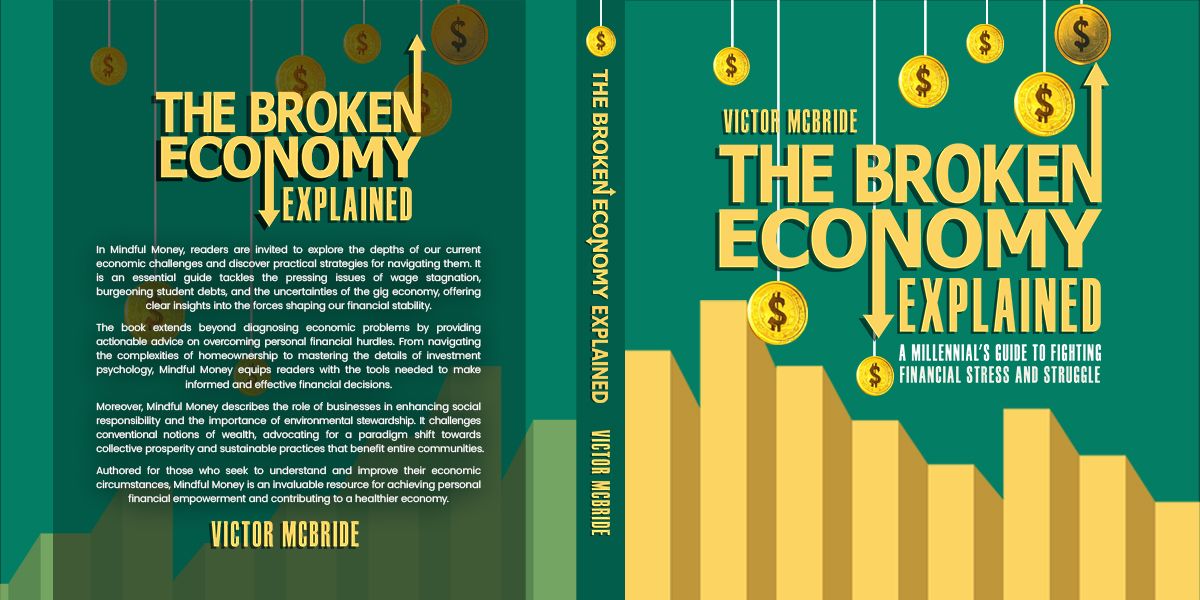
The Broken Economy Explained Victor McBride Exposes Why Millennials Can’t Get Ahead

Millennials were told the path to success was simple go to college, work hard, buy a house, and save for retirement. But that promise has been broken.

In The Broken Economy Explained: A Millennial’s Guide to Fighting Financial Stress and Struggle, author Victor McBride boldly and unflinchingly examines why millions of Americans are struggling—despite doing “everything right.” 

His book is a wake-up call for a generation overwhelmed by rising costs, stagnant wages, and outdated advice.

With a clear and empathetic voice, McBride pulls back the curtain on a system that has left many spinning their wheels. Millennials are trying to build wealth in an economy where the rules have quietly changed.

Crushing Debt, Unstable Work, and Skyrocketing Costs

One of the book’s most gripping early chapters concerns student loans, which McBride describes as “a burden handed out with every diploma.” 

Graduates enter the workforce with tens of thousands of dollars in debt. And what do they find? An economy that no longer ensures stable jobs.

The traditional job market is disappearing, replaced by a gig economy. This new world offers flexibility but lacks security. 

Many millennials now juggle freelance work, contract roles, or low-paying jobs. Health insurance and retirement benefits are often out of reach. McBride argues that this new reality is not just inconvenient; it’s unsustainable.

He also addresses the housing crisis. In many major cities, rent eats up half—or more—of a young adult’s income. Buying a home, once the cornerstone of financial security, feels impossible. McBride doesn’t rely on statistics alone. He shares stories of people delaying family plans, skipping medical care, or working second jobs just to make rent.

The Emotional Toll of Financial Stress

What sets McBride’s book apart is how openly it discusses the emotional weight of money stress. This isn’t just about numbers; it’s about identity, dignity, and peace of mind.

Millennials aren’t just broke. Many are burnt out.

McBride explores the shame people feel over money—even when the problems aren’t their fault. He describes the exhaustion of living paycheck to paycheck, the embarrassment of asking parents for help, and the dread of opening a credit card bill. These are invisible wounds that leave lasting scars.

The book doesn’t just analyze these struggles—it validates them. McBride shifts the blame from individuals to the broken systems around them, aiming to start an honest, compassionate conversation.

Clarity and Strategy in a Complex World

McBride doesn’t only highlight the problems. He provides tools to manage them.

This isn’t a “get rich quick” guide. There are no shortcuts or empty promises. Instead, McBride emphasizes clarity, discipline, and long-term habits. He teaches readers how to manage debt, build emergency savings, adjust spending, and use income with intention.

But he’s careful to make one thing clear: personal effort isn’t enough. People need to do what they can. But they also need to understand the larger picture. The system is failing. His message is firm: You’re not the problem. The economy is.

The Case for Systemic Change

McBride doesn’t stop at personal finance. He makes a strong case for systemic reform. He calls for student loan forgiveness. 

He supports affordable housing, universal healthcare, and labor protections for gig workers. These aren’t political talking points. They are practical, urgent responses to real problems.

The book challenges readers to imagine a better world in which financial security isn’t a rare privilege but a basic right.

A Voice of Empathy and Empowerment

Victor McBride’s greatest strength is how he blends realism with compassion.

He acknowledges that times are hard, and he doesn’t sugarcoat the challenges. But he also believes in the power of understanding. 

When people see the truth clearly, they can take action. His tone is warm and grounded. He doesn’t lecture; he walks beside the reader.

For millennials feeling disillusioned or discouraged, this book is more than advice. It’s a lifeline.

Final Thoughts

The Broken Economy Explained isn’t just a financial book. It’s a generational reckoning.

It helps readers understand why so many hardworking, educated people are still falling behind. It speaks to the confusion, frustration, and quiet despair that often go unspoken. And most importantly, it offers a path forward.

Victor McBride’s message is powerful. You are not alone. You are not irresponsible. You are living in a broken economy. Now that you understand it, you can start to fight back—with knowledge, with purpose, and with hope.


Published by Jeremy S.

Global Finances, Local Expertise: The Role of a Cross-Border Tax Accountant

In an increasingly connected world where individuals and companies often traverse geographic boundaries, money management can become a maze filled with diverse tax laws. As investors, income, and assets are scattered across many jurisdictions, the complexities of international taxation can confuse and may lead to compliance challenges or potential unintended liabilities. This is where the services of a cross-border tax accountant become invaluable, helping to bridge different regimes while working toward the ideal financial outcome.

A cross-border tax accountant offers more than a typical tax preparer. They are well-versed in tax treaties, foreign tax credits, disclosure requirements for foreign assets, and the nuances of differing residence laws. This expertise is particularly beneficial to those who:

  • Work in one jurisdiction but reside in another: This scenario arises commonly, especially in border regions, where individuals commute for work and may have tax obligations in both the country of residence and the country of employment.
  • Are expatriates or repatriates: Moving to another country or returning home after an extended period can involve complicated tax consequences related to residency status, foreign earned income exclusion, and the tax treatment of retirement plans or investments.
  • Own property or investments abroad: Tax planning should be considered when dealing with rental income from abroad, capital gains from foreign property sales, or dividends from international investments to help prevent double taxation and ensure correct reporting.
  • Have businesses with foreign clients or operations: Companies that trade across borders, employ people in different countries, or receive income from foreign sources may encounter a myriad of international tax rules.

One of the key duties of a cross-border tax accountant is navigating tax treaties. These agreements are designed to avoid double taxation on the same income and to clarify taxing rights between countries while facilitating cooperation and information exchange. A professional can help interpret these treaties to determine which country has the primary right to tax certain types of income and how relief from double taxation might be achieved, whether through foreign tax credits or exemptions. Without this expertise, individuals and companies could end up paying more tax than necessary or facing penalties for inaccurate reporting.

Beyond treaty interpretation, cross-border tax accountants also assist with compliance regarding international reporting requirements. Many countries, including Canada, have strict rules for declaring foreign assets and income, even if no tax is payable. Non-compliance with these requirements can result in serious penalties in many jurisdictions, including substantial fines, regardless of intent. A cross-border accountant helps ensure that all necessary reports are filed correctly and on time, reducing the risk of penalties.

Cross-border tax accountants also provide strategic tax planning advice. They guide clients in structuring their finances, investments, and business operations in a tax-efficient manner while adhering to the tax laws of all relevant jurisdictions. Topics may include effective ways to receive retirement income, strategies for handling capital gains from property sales, or how to structure business entities to reduce tax liabilities legally. Their insights can help individuals and businesses make more informed financial decisions amid the complexities of global taxation.

Moving to or from Canada can involve intricate tax matters. For Canadians and non-Canadians alike, it’s important to understand Canadian residency rules, which may differ for tax purposes compared to immigration rules. Additionally, taxation of foreign pensions, reporting offshore assets, and understanding the tax implications of leaving Canada require careful attention. This specialized knowledge can be crucial in avoiding pitfalls.

In summary, a cross-border tax accountant helps bring clarity and compliance to an increasingly globalized financial landscape. Combining local expertise with international tax knowledge can provide peace of mind, reduce the likelihood of costly mistakes, and support individuals and businesses in achieving optimized financial positioning across borders. Given the ever-changing tax landscape, ongoing collaboration with these professionals is no longer just beneficial—it’s often essential for anyone operating across multiple jurisdictions.


Disclaimer: This article is for informational purposes only and does not constitute legal, tax, or financial advice. Cross-border tax matters are complex and subject to change; individuals and businesses should consult qualified tax professionals or legal advisors to obtain guidance tailored to their specific circumstances.

Published by Stephanie M.

Navigating Personal Injury Claims in New York: A Step-by-Step Guide

Under New York law, personal injury claims may provide a legal avenue for individuals harmed by another party’s negligence or wrongful actions to seek compensation for their losses. Each case is unique, but the goal often remains the same: to help injured parties seek damages for medical expenses, lost income, pain and suffering, and other hardships caused by the accident.

Filing a personal injury claim in New York can involve a detailed and time-sensitive process, requiring injured individuals to gather evidence, meet legal deadlines, and negotiate with insurance companies. This is where a Brooklyn personal injury attorney can serve as an invaluable advocate.

If you or a loved one has been injured due to someone else’s actions, it may be beneficial to take control of your situation. With a clear understanding of New York laws and a commitment to protecting clients’ rights, an attorney can help guide injured parties through each critical step of the claims process.

Immediately After an Accident

After an accident in New York, taking the right steps may significantly strengthen your personal injury claim. The priority is ensuring safety and seeking immediate medical attention for any injuries, even if they seem minor at first. Prompt medical care not only protects your health but also can help establish a record linking your injuries to the accident.

Next, gathering evidence is often important. This includes taking photos or videos of the accident scene, documenting visible injuries, and collecting contact information for witnesses. Additionally, filing a police report is typically essential, as it provides an official account of the incident.

Throughout the process, keeping detailed records—such as medical bills, repair estimates, and correspondence with insurance adjusters—can help establish the value of your claim.

Initiating a Personal Injury Claim

The process of filing a claim often begins with notifying the at-fault party or their insurance company about your intent. This step can be critical to start negotiations and protect your claim within the applicable deadlines. In car accident cases, you generally must report the incident to your insurance company and may need to file a claim with the at-fault party’s insurer. For workplace accidents, notifying your employer is usually required.

Providing strong documentation can help establish liability and the extent of your damages. You may also need to file specific claims depending on the nature of the accident. If the damages exceed the no-fault limits or involve serious injuries, you may be able to pursue a personal injury lawsuit against the at-fault driver.

It’s important to be mindful of the statute of limitations in New York, which is generally three years for personal injury claims. Filing within this timeframe is typically crucial to avoid losing your right to compensation.

Assessing the Viability of Your Personal Injury Case

Assessing the viability of a personal injury case in New York often involves evaluating several critical elements, such as who may be legally responsible for the incident, how fault is shared, and the types of damages that might be recovered. The strength of a case can depend on the ability to establish liability through evidence and legal standards, particularly those involving negligence.

New York adheres to a pure comparative negligence system. This means that if a plaintiff is partially at fault for their injury, their compensation may be reduced by their percentage of fault. This system allows plaintiffs to recover damages even if they are more at fault than the defendant, although their compensation will likely be adjusted accordingly.

Negotiating With Insurance Companies

Engaging with insurance companies after a personal injury in New York often involves anticipating how adjusters operate and responding with preparation and clarity. Insurance adjusters frequently make early contact and may request statements or documents related to the incident and medical care. Their initial settlement offers are often lower than what the claim may be worth.

Insurance companies sometimes use tactics intended to limit payouts. These may include causing delays in communication or decisions, questioning who is at fault, and overwhelming claimants with excessive documentation requests. Recognizing these practices can help protect the value of a claim.

Seeking legal input can also be beneficial in responding to insurance tactics and making informed choices during negotiations. With a structured and informed approach, claimants may place themselves in a stronger position when dealing with insurers.

When to Consider Filing a Lawsuit Instead of Settling

Most personal injury cases are often resolved through settlements. However, there are situations where pursuing a lawsuit might be more appropriate. Additionally, if the statute of limitations is approaching, filing a lawsuit can help preserve your right to pursue the claim. While litigation can sometimes be time-consuming and may involve additional costs, it might also lead to a more favorable outcome when settlement negotiations are unproductive. Your attorney can assist you in evaluating your options and guide you through the process of filing a lawsuit, if necessary.

Finalizing the Personal Injury Claim Process

One of the most critical components of finalizing a claim is usually the settlement agreement, which includes a release form that permanently waives the right to pursue further legal action related to the incident. Before signing, the terms must be clearly understood, as the agreement becomes final and legally enforceable. After execution, insurance companies typically issue the payment within 21 days, or up to 90 days if a public entity is involved.

Once compensation is received, the claimant should address outstanding medical bills, liens, and legal fees. The remaining funds are then disbursed to the claimant, accompanied by a detailed financial summary.

Securing Fair Compensation with the Help of a Brooklyn Personal Injury Attorney

Taking the right steps when filing a claim can be essential to protect your rights and pursue the compensation you need to rebuild your life. With the guidance of a skilled Brooklyn personal injury attorney, you can approach the legal process with confidence, knowing that an advocate is working on your behalf to hold the responsible parties accountable. Contact a Brooklyn personal injury attorney today to discuss your situation, explore your options, and take the first step toward seeking the compensation that may help you move forward.


Disclaimer: This article is intended for informational purposes only and does not constitute legal advice. Personal injury laws and procedures can vary based on individual circumstances and jurisdictions. For advice specific to your situation, please consult a licensed attorney experienced in New York personal injury law. No attorney-client relationship is formed by reading this content.


Published by Jeremy S.

Introducing the Enigma L-110: Pakistan’s First Smart Watch Designed Exclusively for Women

Living in the digital world, technology is no longer only about performance; it is also about personalization, lifestyle, and identity. Login Smart Technology has built a reputation as a trusted brand in providing well-crafted mobile accessories in Pakistan, and it understands how to resonate with Pakistani women by offering wearable tech that aligns with the modern woman.

Login, a well-known mobile accessories brand in Pakistan, has taken a step forward with the launch of its first-ever women’s smartwatch. The Enigma L-110, a highly regarded smartwatch in Pakistan, reflects Login’s commitment to innovation, beauty, and smart living for the women of Pakistan. In this blog, we will discuss the notable features of this latest tech product, so let’s begin.

A Brand Pakistan Recognizes and Values

When it comes to tech, few options are as trusted as Login, a respected mobile accessories brand in Pakistan. The brand offers durable and reliable phone chargers, earphones, and power banks. Over time, Login has become a preferred choice for mobile accessories in Pakistan, thanks to its consistent quality and forward-thinking approach.

Now, after establishing itself in mobile accessories, Login is taking the next step—bringing that same attention to detail to the world of wearable tech. And it’s starting with a focus on women’s needs.

The Enigma L-110: More Than Just a Smartwatch

Login, a trusted mobile accessories brand in Pakistan, recognizes that Pakistani women have been looking for a smartwatch that aligns with their needs. That is why the brand is preparing to launch the Enigma L-110, a thoughtfully designed smartwatch in Pakistan that aims to enhance your lifestyle in many ways.

This versatile companion is well-suited for any woman balancing multiple responsibilities. Whether you are a busy professional, a fitness enthusiast, a style-conscious student, or anyone in between, this smartwatch offers features designed to help simplify your life while maintaining a fashionable aesthetic.

Designed for Women Who Do It All

If you have been looking for a smartwatch that complements your lifestyle, the Enigma L-110 could be a strong contender. Login, a leading mobile accessories brand in Pakistan, is launching a feature-rich smartwatch in Pakistan to help you track steps, monitor heart rate, and observe sleep patterns.

The upcoming smartwatch is already gaining attention in the market with its sleek and elegant design. Each feature has been carefully selected to address the needs of modern Pakistani women. From students to busy professionals to multitasking moms, many women may find this smartwatch both practical and stylish.

Smart Features for Smart Living

Login, known for its mobile accessories in Pakistan, is now launching the Enigma L-110, a smartwatch in Pakistan, with the following key features to support every woman’s lifestyle:

  • Heart rate monitoring
  • Call and message notifications
  • Extended battery life
  • Sleep quality analysis
  • Real-time fitness tracking
  • Customizable watch faces

These well-considered features aim to help women stay on top of their goals while looking effortlessly chic. From tracking a morning run to managing your schedule on the go, this watch is designed to keep you connected and in control.

Introducing the Enigma L-110: Pakistan’s First Smart Watch Designed Exclusively for Women

Photo Courtesy: Login Smart Technology

Why Consider The Enigma L-110 from Login?

While there are several smart watches in Pakistan, few are tailored specifically for Pakistani women like Login’s newest offering.

It is not just any other smartwatch. It is crafted with attention to detail and style, aiming to meet the demands of modern multitasking women. The Enigma L-110 strives to be a harmonious blend of innovation and elegance. One could say Login Smart Technology didn’t just create a wearable—they designed a companion.

Exclusively Available Online – Launching Soon!

Don’t have time to visit the store? The Enigma L-110 will be exclusively available on our website, offering a hassle-free shopping experience. You won’t need to stand in queues—just a few clicks, and this stylish smartwatch could be yours.

So, stay tuned. Keep your eyes on our social channels and website for launch updates, exclusive offers, and early bird deals.

Crafted for elegance, powered by innovation — coming soon.

To Sum It Up

The Enigma L-110 is not only a standout smartwatch in Pakistan but also a reflection of how tech can adapt to women’s lifestyles.

It’s for the women who lead, inspire, and seek more from their devices. The first women’s smartwatch from Login aims to redefine wearable technology in Pakistan with its balanced blend of form and function.

This new venture into smart wearables suggests that Login isn’t merely following trends; it is working to set them, reinforcing its position as a trusted name in mobile accessories in Pakistan.

Are you curious to explore how this smartwatch could fit into your lifestyle? The future looks sleek, futuristic, and on the horizon.

Published by Stephanie M.

Behind CEO Bob Bartosiewicz’s Passion for Business and Community Development

By: Georgette Virgo

Founder Bob Bartosiewicz has built a career running defiantly against the prevailing trends. While most tech entrepreneurs focus on building global ventures, he chose to anchor his digital marketing company in downtown Rochester. Instead of leasing sterile spaces in generic office parks, he invested in purchasing and renovating historic buildings.

Instead of focusing on Fortune 500 clients, his marketing agency, CGI Digital, tends to work with small-town chambers of commerce and small to medium businesses. His video magazine, Hellonation.com, often showcases popular local favorites and explores lesser-known places and activities that might interest him.

Behind this unique niche lies a distinct story of purpose from the small town of Thomaston, Connecticut, sharpened through decades of business evolution. What drives a successful CEO to reject the conventional playbook for success? 

Going Back to His Roots


Bartosiewicz’s foundational values were shaped in Thomaston, Connecticut, where he grew up in a family defined by work ethic and community commitment. His hardworking father, who worked in a factory, and his mother, who served as a nurse, instilled in him the principles of reliability, persistence, and service to others.

The close-knit community of Thomaston helped him understand how local businesses and municipal services form the backbone of American towns, an insight that would later inform his business vision. 

These formative experiences directly influenced Bartosiewicz’s business trajectory when he relocated to Rochester, New York. Initially selling rust-proofing for cars to combat winter corrosion, he soon spotted an opportunity in community mapping and founded Community Graphics Inc. This pivot was not merely a business decision but reflected his inherited values about community connection and practical problem-solving. 

“The rest is history,” Bartosiewicz mentions. “The journey wasn’t easy. From Community Graphics Inc. to CGI Digital, we have embraced change and used it to drive our strategies, striving to meet and exceed our clients’ expectations.”

Looking Outside the Limelight

As a self-made CEO, Bartosiewicz understands how pivotal moments of opportunity can help transform potential into achievement. Having built CGI Digital from scratch, he recognizes that success often hinges on seeing possibilities where others don’t. 

For Bartosiewicz, this journey was not about privileged connections or abundant resources but about identifying underserved needs in small communities and persistently developing solutions to address them. 

This philosophy directly shapes how CGI Digital and Hellonation.com champion the overlooked and underestimated. Bartosiewicz empowers small businesses with 10-15 employees by offering advanced digital marketing tools, leveling the playing field against larger corporations.

Hellonation.com’s platform transforms municipally owned attractions, cultural assets, and community traditions from local footnotes into compelling stories with national reach. Bartosiewicz seeks to establish local “go-to” experts, such as police chiefs, veterinarians, and civic leaders, across towns and states. This initiative aims to amplify underrepresented voices and foster community knowledge-sharing opportunities.

Bartosiewicz shares, “When a small-town museum or family restaurant appears on Hellonation.com, it receives the same quality of production and digital visibility that was once exclusive to major destinations and chains.”

This democratization of digital presence directly reflects Bartosiewicz’s conviction that hidden gems deserve their moment in the spotlight. They deserve that not as charity but because, when adequately showcased, their unique contributions strengthen the broader community.

A People-Centric Perspective

In his years in the business, Bartosiewicz’s service has been acknowledged, as evident by his recent recognition with the 2024 Global Recognition Award for his leadership in digital marketing as CEO of CGI Digital. From a modest startup, it grew into a thriving company with over 300 employees headquartered in Rochester, New York, actively participating in local revitalization efforts through marketing. 

Prestigious organizations like the US Conference of Mayors and the National League of Cities have endorsed Bartosiewicz’s Hellonation.com. He used his business aptitude to diversify into various sectors, restore historic buildings in downtown Rochester, and create a unique “Digital SEO Backlink Strategy,” driving his company’s growth toward America’s 250th anniversary in 2026.

Beyond these accomplishments and recognitions, Bartosiewicz’s work has touched many people and communities across America. Over its 30-year history, his company has collaborated with numerous communities, contributing to local economies and highlighting the unique qualities that make each place special.

During challenging times like the COVID-19 pandemic, Bartosiewicz’s initiatives provided free business listings to struggling enterprises, demonstrating his belief that success isn’t measured by profit margins but by community resilience. 

Whether at CGI Digital or Hellonation.com, Bartosiewicz’s ultimate motivation has always been the people whose lives he touches. Behind his standards and relentless drive lies a fundamental commitment to uplifting communities and honoring the hardworking ethos instilled by his humble upbringing. This legacy continues to shape his outlook on business and life.


Disclaimer: This article is intended for informational and inspirational purposes only. The views and opinions expressed herein reflect those of Bob Bartosiewicz and the author and do not constitute professional business or investment advice. Readers should conduct their own due diligence before making any business decisions based on the content provided.

Published by Stephanie M.

Steven Quay: The Relentless Pursuit of Medical Innovation

By: Elowen Gray

For some, science is a career. For Steven Quay, it’s a lifelong obsession. With nearly 94 US patents to his name, seven FDA-approved pharmaceuticals, and over 12,000 citations in medical literature, Quay has made significant contributions to modern medicine. But beyond the numbers, his journey is one of curiosity, persistence, and a willingness to challenge conventions.

Raised in Northville, Michigan, Quay’s fascination with science started early. His father, a high school science teacher, nurtured his inquisitive mind, while his mother, an elementary school teacher, reinforced the value of education and honed his English language communication skills. That foundation carried him to Western Michigan University, then the University of Michigan Medical School, where he pursued an M.D., M.A., and Ph.D. in Biological Chemistry. His academic journey didn’t end there. A postdoctoral fellowship at MIT followed, where he worked under Nobel Laureate H. Gobind Khorana, further sharpening his scientific rigor.

It was during his time at Massachusetts General Hospital, however, that Quay’s scientific convictions were put to the test. In the 1970s, he found himself in the middle of a research integrity controversy. A senior colleague had falsified data, and Quay chose to speak out, knowing full well that exposing scientific misconduct can come at a personal cost. His actions were later documented in the book Betrayers of the Truth, by New York Times journalists Nicholas Wade and William Broad, highlighting the difficult balance between professional ambition and ethical responsibility in the research world.

Despite the challenges, after moving to Stanford Medical School as a young faculty-scientist, Quay pressed forward, making notable contributions to medical imaging and drug development. In 1983, he founded Salutar, Inc., pioneering MRI contrast agents that helped transform diagnostic imaging. He then turned his attention to ultrasound, leading SONUS Pharmaceuticals to develop patents for Optison, an FDA-approved contrast agent that could improve ultrasound imaging clarity. His work wasn’t just about innovation; it was about solving real-world problems in medicine.

But Quay isn’t one to stay in his comfort zone. Over time, his focus shifted toward therapeutic development, particularly in oncology. His company, Atossa Therapeutics, is dedicated to advancing treatments for breast cancer, an area that has seen progress but still faces limitations in treatment options. One of Atossa’s most notable developments is (Z)-endoxifen, a drug targeting estrogen-driven breast cancer. Unlike traditional tamoxifen therapy, which relies on the body’s metabolism to activate, (Z)-endoxifen is a direct, active metabolite, which may offer a more effective and predictable treatment for patients.

His contributions to breast cancer research extend beyond drug development. Recognizing the need for early detection tools, Quay also developed the MASCT System, an FDA-cleared device designed to collect nipple aspirate fluid for breast cancer screening. The idea was simple: if mammography isn’t perfect, what other noninvasive tools could help identify risk earlier? His work underscores a broader theme: medical innovation isn’t just about creating new treatments; it’s about exploring better ways to detect, prevent, and manage disease before it becomes life-threatening.

Quay’s drive to innovate is matched by his commitment to public engagement. He has testified before Congress, advised the U.S. State Department on complex medical issues, and written extensively on biomedical research and pandemic preparedness. His TEDx talk on breast cancer prevention has been viewed over 229,000 times, reflecting a broader effort to bridge the gap between scientific research and public understanding. In an age where misinformation can spread faster than facts, Quay sees communication as an essential extension of his work.

Despite his success, Quay remains deeply reflective about the field of medical research. He has seen firsthand how funding priorities, regulatory challenges, and entrenched systems can slow progress. Yet, his career demonstrates that persistence, backed by strong ethics and scientific curiosity, can lead to meaningful change. He doesn’t chase recognition; he chases solutions. And in doing so, he continues to push the boundaries of what’s possible in medicine.

Ultimately, Quay’s story is not just about patents or FDA approvals; it’s about the human drive to solve problems, the courage to question the status quo, and the hope that science, when done right, can contribute to better lives. His work is far from finished, and if history is any indication, the next chapter could be just as impactful as the last.


Published by Jeremy S.

The Real Road to Sustainability – Quick Fixes, Hard Problems, and the Role of Fossil Fuels

By: Jacob Maslow

Is switching to electric cars and banning plastic bags enough to save the planet? Sustainability is often presented as a series of simple lifestyle changes, but the reality is more complex. Behind the headlines and hashtags are intricate systems powered by fossil fuels, global supply chains, and aging infrastructure.

While clean energy is growing, it’s not yet fully prepared to replace all the energy the world relies on every day. Understanding the gap between short-term fixes and longer-term solutions is key to making meaningful progress—and that starts with an honest look at what we’re facing.

The Appeal of Quick Fixes

Quick fixes are popular because they offer visible, immediate changes that make people feel like they’re contributing to environmental goals. Swapping plastic straws for paper, driving an electric car, or installing solar panels are all actions that signal environmental awareness.

They’re easy to understand, easy to share on social media, and often promoted as solutions anyone can adopt. Governments and companies also lean on these ideas because they’re politically safe and create a sense of progress without requiring disruptive overhauls to complex systems.

But while these fixes are helpful in certain contexts, they often do not address deeper systemic issues. An electric car still depends on power that may come from coal, and solar panels require mined materials and energy to produce.

Replacing disposable items with other disposable items doesn’t necessarily change the throwaway culture—it can simply shift the materials involved. The greater challenge isn’t just changing what we buy. It’s changing how we think about energy, production, and long-term sustainability. Quick fixes have a role to play, but they’re no substitute for broader system-level change.

The Hard Problems No One Likes to Talk About

Global Infrastructure Dependence

Most of the world’s infrastructure—from cargo ships and long-haul trucks to steel mills and commercial airliners—runs on fossil fuels, not because of stubbornness, but because no scalable, cost-effective alternatives are widely available yet.

These systems were built over decades with fossil energy at their core, and switching them out isn’t just expensive—it involves reimagining how global logistics, manufacturing, and transportation work. Until that reimagining occurs, these sectors will remain largely fossil-fuel dependent, even as greener technologies continue to develop.

Energy Storage and Grid Limitations

Renewables like wind and solar are promising, but they don’t generate power around the clock—and that’s where storage becomes a significant bottleneck. Current battery technologies aren’t efficient or widespread enough to carry entire regions through cloudy weeks or windless nights.

In many areas, aging electrical grids weren’t designed to handle the variable output of renewables, which can cause instability or require backup power from fossil fuel plants. Without substantial upgrades to grid infrastructure and better storage systems, the goal of 100% clean energy remains technically challenging.

Behavioral and Economic Inertia

People and industries don’t change overnight, especially when greener choices come with higher costs or logistical challenges. Many households cannot yet afford electric cars, and businesses won’t abandon fossil fuels unless cleaner options become similarly reliable and affordable.

Additionally, political gridlock often slows climate action, with policies stuck between short-term economic concerns and longer-term sustainability goals. These human and institutional habits are as important to address as the technological gaps.

Material Footprint of Green Tech

Green energy technologies rely on materials that are not always sourced sustainably. Building batteries, solar panels, and wind turbines requires mining lithium, cobalt, and rare earth metals—often in countries with varying labor and environmental standards.

The mining process can lead to deforestation, water pollution, and ecosystem damage. So while the technology may be clean in use, its production can have a considerable footprint. A sustainable future will require not just cleaner energy, but also improved supply chain practices.

Fossil Fuels in the Present and Near Future

Despite the push for renewables, fossil fuels remain a significant part of global energy systems. They power industries that can’t yet operate efficiently on electricity, such as aviation, heavy shipping, cement production, and large-scale agriculture.

Natural gas is also a major source of heating and electricity, especially during peak demand when solar and wind cannot fully meet needs. In many developing regions, fossil fuels are still among the most accessible and affordable options for meeting basic energy needs, making a rapid global phase-out difficult without considerable investment and technological support.

Even the infrastructure supporting these systems (like pipelines, refineries, and power plants) relies on specialized components such as OS&Y valves and others, which help control flow and maintain safety in high-pressure environments.

That said, there are ways to make fossil fuel use cleaner in the short term. Technologies like carbon capture and more efficient natural gas systems can help reduce emissions while renewable infrastructure expands.

The idea isn’t to defend fossil fuels indefinitely, but to recognize that they remain part of the energy mix for now—and ignoring that reality can slow meaningful progress. A responsible transition involves using all available tools to lower emissions, even if that includes making fossil fuel use less harmful as we work toward longer-term change.

A Balanced Path Forward

The road to sustainability isn’t about choosing between renewables and fossil fuels—it’s about integrating the best available technologies while building smarter systems. That means combining solar, wind, hydro, and nuclear power where they are most effective, while using natural gas and transitional technologies to maintain system stability.

Upgrading power grids, improving battery storage, and investing in cleaner industrial processes are all necessary steps that require long-term planning, not just individual consumer choices. No single solution will lead the way, but a layered strategy offers potential.

True sustainability also means shifting focus from individual actions to systemic change. Policies supporting green infrastructure, public transit, circular economies, and clean tech innovation are likely to have more impact than banning plastic straws or promoting isolated fixes.

It’s about creating resilient systems that reduce emissions, conserve resources, and adapt to future challenges. A balanced path forward requires honesty about trade-offs, patience with progress, and a willingness to face difficult problems—without losing momentum on achievable goals.

Summary

What good is a green solution if it only addresses part of the problem? Real sustainability demands more than quick fixes and hopeful slogans—it requires confronting the complex realities of how we produce, consume, and power the world.

Fossil fuels continue to play a role in this reality, and disregarding their presence won’t speed the transition. By combining practical short-term approaches with sustained systemic reforms, we can move toward a future that is not just cleaner, but increasingly sustainable.

Disclaimer: This article is intended for informational purposes only and does not constitute professional, legal, or environmental advice. The views expressed are based on current knowledge and research and may evolve as new information becomes available. Readers are encouraged to consult relevant experts or authorities before making decisions related to sustainability, energy use, or environmental practices.


Published by Jeremy S.