Haircare Innovations Shaping Atlanta’s Salon Scene

The past few years have been nothing short of phenomenal for the haircare industry. Here in Atlanta, we are seeing some of the cutting-edge salons spearheading this exciting transformation. With the arrival of the latest innovations and breakthrough products, these establishments are raising the standard for hair health and style. In this guide, we will explore some of the new and impactful haircare innovations offered by a reputable hair salon in Atlanta, GA, which is currently making waves in the beauty scene.

Sustainable Hair Care Products

Sustainability has emerged as a significant trend in hair care today. Atlanta’s salons are embracing eco-conscious products that not only deliver high performance but are also gentler on the planet. This movement towards sustainability places a stronger emphasis on reducing carbon footprints and promoting healthier lifestyles.

The sustainable hair salon in Atlanta, GA, now offers natural, chemical-free product lines. These environmentally friendly options are designed to support better hair health while also being mindful of the planet. More clients are showing interest in salons that embrace sustainable practices, and this growing trend appears to be continuing.

Advanced Repair Hair Treatments

Hair damage remains a significant concern for many. Fortunately, a new wave of restorative treatments is transforming the way salons address this issue. Leading salons in Atlanta are now offering advanced repair solutions specifically formulated to revive damaged hair.

A popular approach involves the use of protein-rich formulas that work to strengthen the hair from within. These deeply penetrating treatments help mend broken bonds and restore vitality, leaving hair visibly healthier. Clients consistently rave about the enhanced texture, softness, and shine achieved after undergoing these innovative services.

Customized Solutions for Haircare

Personalized haircare has become a cornerstone of modern salon services. Reputable salons across Atlanta are now offering in-depth consultations and personalized haircare plans tailored to each client’s unique needs. Stylists assess factors such as hair type, texture, and overall condition before recommending targeted regimens using high-quality brands and professional-grade products.

By customizing treatments and recommendations, salons are achieving more effective results. This individualized attention not only helps achieve optimal outcomes but also fosters stronger client relationships, ultimately boosting satisfaction and loyalty.

High-Tech Styling Tools

The use of advanced technology is gradually influencing the hair styling industry. Salons in Atlanta are incorporating modern tools that aim to improve styling results and reduce potential hair damage. These include updated flat irons, curling wands, and hairdryers with new features designed to enhance performance.

Many of these tools utilize infrared heat to help ensure even heat distribution, thus reducing the risk of heat damage. Additionally, ionic technology helps seal the hair cuticle, resulting in sleeker, shinier styles. Clients appreciate how quickly and effectively these tools work, making every styling session smoother and more satisfying.

Scalp Health Focus

Healthy hair begins with a healthy scalp, and salons in Atlanta are taking this seriously. A growing number of high-quality salons are now incorporating scalp-focused treatments into their service offerings. These treatments cleanse, exfoliate, and nourish the scalp, creating the ideal environment for hair growth.

Scalp therapies may be especially beneficial for conditions such as dryness, flakiness, or oil buildup. By promoting a balanced scalp, these treatments contribute to overall hair wellness. Clients often report feeling refreshed and rejuvenated after undergoing these restorative services.

Color Innovation

Hair coloring techniques have advanced significantly, offering clients more vibrant and versatile options than ever before. Atlanta salons have developed modern color applications, producing vivid, long-lasting, and beautifully pigmented results.

Ammonia-free color formulas have become a popular choice, as they tend to be gentler on the hair and are considered more environmentally friendly. Techniques like balayage and ombré remain popular for creating soft, sun-kissed looks. These methods enable personalized styles that align with contemporary color trends.

Integrative Approaches to Haircare

Holistic haircare, which considers the connection between overall health and hair quality, is gaining traction in Atlanta. Many salons are now integrating wellness principles into their services, recognizing the strong link between body wellness and hair vitality.


This approach includes offering guidance on diet, stress management, and lifestyle habits that impact hair health. By addressing these internal factors, salons provide a more comprehensive experience. Clients leave with not only stunning hair but also a renewed sense of balance and wellness.

Conclusion

Salons in Atlanta are embracing modern approaches to haircare, offering a variety of advanced services and products. With a focus on sustainability, customization, and the use of high-tech tools and holistic treatments, they are shaping the current beauty trends. Clients can enjoy a relaxing salon experience with results that last longer and contribute to healthier hair. As new innovations emerge, Atlanta salons continue to prioritize quality, helping clients leave feeling confident and looking great.

Disclaimer: The information provided in this article is for general informational purposes only and reflects trends and services available at select salons in Atlanta, GA. Results may vary depending on individual hair types and conditions. Always consult with a licensed professional before undergoing any new haircare treatments or using new products. The author and publisher do not endorse any specific salon or product mentioned in this article.


Published by Jeremy S.

How Dental Specialties Work Together to Keep Your Smile Healthy

People will admit they are not big fans of going to the dentist. However, when you have a toothache, a child with a cavity, or a teenager who needs braces, it is essential to know which dentist to call.

Not every dentist is right for you. There are several types of them, each with its own area of expertise.

Let me walk you through the common types of dentists and what each one does, so next time you’re in the chair, you’ll know exactly who’s got your back.

General Dentist: Your Primary Oral Health Provider

This is the dentist you probably grew up visiting. 

They do your cleanings, check-ups, fillings, and even early diagnosis of oral health problems. For instance, if you have a cavity or need a crown, this is the person you’ll see first.

Moreover, you can say they’re your oral health quarterback, coordinating care and referring you to specialists when needed.

The visiting frequency is lower. If you’re happy with your smile, you should visit your general dentist twice a year, and people never require a specialist. 

Pediatric Dentist: Specializing in Children’s Dental Care

If you’ve got kids, the Pediatric dentists are the ones that you want to know about.

Such professionals are specially trained to handle tiny teeth and nervous little patients. From a baby’s first tooth to teen braces, pediatric dentists focus on age-appropriate care with a gentle, patient-centered approach.

They know all the tricks for making kids feel comfortable, which include fun offices, distraction techniques, and sticker rewards that have proven effective. 

So, whenever your child is facing any dental issue, go to Google search for a nearby kids dentist who gets what it’s like to wrangle a wiggling five-year-old in the chair.

Orthodontist: Straightening Teeth and Fixing Bites

We all know orthodontists as the professionals behind braces and retainers, but their work extends far beyond teenage smiles. 

Orthodontists are the specialized professionals who correct dental and jaw placement, and that isn’t just about aesthetics: It can also help sufferers eat, speak, and avoid long-term wear.

Wanna get something more interesting? Today, they offer much more than just traditional metal braces; they also provide almost invisible clear aligners.

So whether your child needs orthodontic care or you’re finally ready to straighten your smile as an adult, these pros know how to get you there.

Emergency Dentist: For Urgent Dental Problems

Have you ever been in the following situations? 

Cracked a tooth on a popcorn kernel? Woke up with a swollen jaw? That’s when an emergency dentist steps in. 

These dental pros know how to play fixer because they cannot wait for problems such as knocked-out teeth, severe pain, and sudden infections.

One of the significant advantages of emergency dentists is their ability to provide prompt, targeted care when it is needed. Many general dentists also offer emergency slots, but dedicated clinics specialize in urgent care and can often get you in on the same day.

The moral of the story is: do not have to suffer over the weekend. There is help if your dental health is in crisis.

Periodontist: Treating Gum Disease and Supporting Structures

If your gums are receding, bleeding, or just not feeling right, a periodontist should be on your radar. These specialists treat the foundation of your teeth, your gums, and the bones underneath.

You know gum disease is sneaky. Typically, it starts with a slight redness in or on the gums and can progress to severe bone loss if left untreated. Deep cleanings, gum grafts, tooth extractions, and everything else that periodontists can do to keep your mouth healthy from the roots up.

They’re also the ones to see if you’re considering dental implants. You can call them the structural engineers of the dental world.

Oral Surgeon: Performing Advanced Dental Procedures

Let’s say you need your wisdom teeth out, or your general dentist finds a cyst that needs removal. That’s when you’ll be referred to an oral surgeon. These experts are trained to perform complex procedures, often involving sedation or even complete anesthesia.

Oral surgeons don’t just sort out your dull pain in the tooth; they also take care of jaw alignment, facial injuries, and other precision jobs not correctly handled by regular fillings. These are the heavy lifters of the dental world.

Don’t worry; they are also very good at making you feel at ease, even if you are someone who gets nervous just hearing the word ‘surgery.’

The Bottom Line

That’s a quick yet comprehensive look at the main types of dentists you might encounter. Whether you’re scheduling your child’s first cleaning, experiencing a sudden toothache, or planning a cosmetic upgrade, there’s someone available to help you.

And when you’re looking for a dentist in your area, don’t just Google and seek out trusted, specialized care that fits your needs and your schedule.

So, next time you’re referred to someone new, you’ll know exactly what they do and why it matters.

Disclaimer: The information provided in this article is for general informational purposes only and is not intended as medical advice. For specific dental concerns or treatment options, it is recommended to consult with a licensed dental professional. The details shared here do not replace the need for professional evaluation, diagnosis, or treatment.


Published by Jeremy S.

What to Expect When Facing Felony Charges: Observations from San Francisco Legal Professionals

The weight of serious criminal allegations can be overwhelming. If you are a victim of harassment or sexual assault, navigating this system can be overwhelming, but it is crucial to have an understanding of how the process works and the steps you need to take. Over here in San Francisco, legal professionals have developed various methods to assist individuals who have been charged with a felony. These methods not only help individuals deal with the law but also work to protect their rights and future.

Understanding the Charges

The first step in navigating the legal system is understanding the type and severity of the charges being faced. A consultation with a criminal defense lawyer in San Francisco may offer valuable clarity, helping individuals understand not only the legal definitions but also the potential consequences associated with those charges. Whether the offense is classified as non-violent or serious, understanding the nature of the allegations—and how they may be addressed in court—is a critical part of preparing for what comes next.

The Importance of Documentation and Context

In many felony cases, those involved pay close attention to records, documentation, and surrounding context. While gathering relevant information is typically handled by attorneys, those accused may be encouraged to keep track of pertinent paperwork, timelines, or communications that could inform their legal team’s approach.

Collaborative Legal Teams

Many San Francisco-based legal professionals describe complex felony cases as requiring collaboration across a range of experts. These may include legal counsel, investigators, and subject-matter specialists who assist in building a clear picture of the events in question. While outcomes depend on numerous factors, this multidisciplinary approach is often described as beneficial.

Exploring Plea Bargains

Some felony cases are resolved without going to trial. Legal experts note that plea negotiations—voluntary agreements between the prosecution and defense—are a common practice. The decision to explore such options typically depends on a range of factors, including the strength of available evidence and the risks associated with the trial. It’s a process that reflects broader legal strategies and is always tailored to individual cases.

Trial and Error — Why it Matters

When trial becomes inevitable, understanding this is crucial. They involve the presentation of evidence, witness testimony, and closing arguments. Observers often note how preparation, including knowing the charges, rehearsing statements, and understanding courtroom etiquette, can influence how individuals experience the process.

Sentencing and Appeals Process

If a conviction occurs, sentencing follows. In some cases, legal representatives may pursue an appeal, a process that examines whether errors occurred in the application of law during the original trial. Appeals are technical and usually hinge on specific legal standards, rather than the facts of the case alone.

Staying Grounded Through the Process

Individuals who have been through felony proceedings often emphasize the importance of maintaining clear communication with their legal team and seeking emotional support during what is typically a challenging time. This support may come from family, community resources, or counseling services.

Emotional and Social Support Matters

The impact of felony charges isn’t limited to the courtroom. Many individuals face anxiety, strain on relationships, or isolation. In San Francisco, support networks—whether through friends, nonprofits, or professional counseling—play a key role in helping individuals maintain stability during legal proceedings.

Conclusion

Navigating a felony charge is a deeply personal and often difficult experience. While each case follows its course, insights from the broader legal community in San Francisco suggest that preparation, collaboration, and emotional resilience can make a meaningful difference. For those facing such challenges, staying informed and connected to supportive resources may provide clarity and strength through an otherwise uncertain process.


Disclaimer: This article is for informational purposes only and should not be construed as legal advice. The information provided reflects general observations from San Francisco legal professionals and is intended to offer an overview of the legal process related to felony charges. Each case is unique, and legal outcomes depend on various factors specific to individual circumstances. It is strongly recommended to consult with a qualified criminal defense attorney for guidance tailored to your specific situation.


Published by Jeremy S.

From Gridiron to Financial Guru: Tony Hills’ Playbook for Success

By: Ciara Suesberry

How a Super Bowl Champion Is Redefining Wealth and Purpose for the Next Generation of Athletes

When Tony Hills stepped off the football field for the last time in 2017, he carried with him far more than a game-day jersey. He left the NFL not just as a Super Bowl XLIII Champion, but as a man shaped by discipline, grit, and grace. Today, as the Founder and President of STATT Financial Services in Plano, Texas, Tony’s mission is clear: to guide athletes toward financial stability, purpose, and legacy—long after the final whistle.

“I tell every athlete I meet: your gifts are bigger than the game,” Tony says. “The real win comes when you use what you’ve learned on the field to lead a fulfilling and secure life off of it.”

It’s a perspective shaped through years of trial, transformation, and trust.

Tony’s transition into financial services wasn’t a pivot—it was a natural progression. After years playing for powerhouse teams like the Pittsburgh Steelers and Dallas Cowboys, Tony knew the mental fortitude that made him a champion could serve him—and others—in the next season of life.

“I had to ask myself: Who am I when the cheering stops? That’s a question every athlete wrestles with,” he shares. “For me, the answer was found in service and strategy.”

That clarity became STATT Financial—a firm built on the belief that financial literacy should be accessible, athlete-focused, and values-driven. Tony works with current and former athletes, offering them guidance through long-term wealth planning, entrepreneurial readiness, and life beyond the spotlight.

At the heart of Tony’s work is mentorship. His coaching approach blends financial wisdom with lessons from the locker room—adaptability, preparation, and focus. It’s a playbook he built as a young leader at the University of Texas, where he earned the prestigious D. Harold Byrd Leadership Award, and refined through years in high-pressure huddles.

“The NFL taught me that no season lasts forever. But if you prepare well, one season can set up the next,” Tony explains. “That’s true in sports, in business, and in life.”

His philosophy? Purpose lives at the intersection of proficiency and calling. Once you find it, he believes, it becomes your God-given mission to serve others with it.

While many know Tony for his Super Bowl ring, those who work with him now know him for his consistency, compassion, and clarity. Whether speaking to young athletes, mentoring business owners, or creating pathways to generational wealth, Tony is focused on one thing: making sure the next chapter of someone’s life is just as meaningful as the last.

His company tagline, “Strength in Every Season,” isn’t just a slogan—it’s a value he works to instill.

“Financial freedom isn’t just about having resources,” he says. “It’s about having the wisdom and courage to use them well. My job is to help people step into that.”

Tony Hills isn’t just talking about wealth—he’s building a legacy of wellness, wisdom, and witness. And he’s doing it with the same drive that made him a champion. Through STATT Financial, public speaking, and mentoring programs, he’s showing that life after football isn’t the end of the story.

It’s the beginning of the next chapter.


Disclaimer: The information provided in this article is for general informational purposes only and does not constitute financial, investment, or professional advice. While Tony Hills and STATT Financial Services share insights based on their expertise and experience, individuals are encouraged to seek advice from qualified financial professionals before making any financial decisions. The views expressed reflect the personal perspectives of Tony Hills and may not be applicable to every individual or situation.


Published by Jeremy S.

How Businesses Can Effectively Manage Employee Payments

Managing employee payments is an important aspect of running a business as it affects operational efficiency and staff satisfaction. You must ensure that payments are accurate, timely, and compliant with regulations to reduce legal risks and foster trust within the workforce.

In our increasingly digital world, businesses must adapt to new technologies and systems that simplify payment management. Whether you’re a startup or an established enterprise, here is how to handle employee payments properly.

Choose the Right Payroll System

The right payroll system helps to manage employee payments more efficiently. Businesses should opt for a system that integrates with accounting software, ensures compliance with tax regulations, and supports various payment methods. 

These payroll systems offer innovation and security, reducing errors, saving time, and improving transparency. Consequently, they ensure that employees are paid accurately and on time while minimizing workload.

Set up a Payment Schedule

Properly managing employee payments also involves setting up a consistent payment schedule. Businesses should establish clear timelines for pay periods, whether weekly, bi-weekly, or monthly, allowing workers to know when to expect payments. 

This improves cash flow management, fosters trust, and prevents delays. Regular and timely payments contribute to higher employee satisfaction and retention.

Link to Bank Accounts or Payment Systems

Businesses should consider linking to payment systems or bank accounts to disburse salaries more easily. Most businesses use internet banking services to make payments to their employees. However, this option increases convenience because it automates the process and integrates seamlessly with other business systems.

Issue Pay Stubs to Employees

Issuing payment stubs ensures transparency between businesses and their employees. Brands should provide workers with detailed stubs that outline their earnings and other details, including:

  • Gross wages
  • Deductions
  • Taxes
  • Hours worked
  • Overtime earnings

Businesses can even use a pay stub maker to generate these stubs more easily. This ensures clarity, helps employees track their income, and serves as proof of payment.

Gather and Update Employee Information

To manage employee payments effectively, you’ll need up-to-date employee information. Businesses should regularly gather and update information, such as bank details, tax withholding preferences, and benefits enrollment information. This ensures accurate payments and prevents delays. Reviewing this information frequently helps to prevent errors and ensures compliance with tax regulations.

Properly Categorize Employees

To properly manage employee payments, businesses must categorize their staff. Businesses should differentiate between full-time, part-time, contract, and freelance workers to apply their direct compensation rates and benefits.

Accurate categorization ensures compliance with labor laws and seamless payment processing. It also prevents legal issues and helps businesses pay each employee appropriately.

Review and Improve Your Payment Process

Businesses must regularly review and improve their payment systems, ideally on a monthly, quarterly, or annual basis. This involves evaluating the performance and efficiency of the current payment system and schedule. This way, companies can identify and resolve any issues or errors that may come up. Asking for feedback from your employees is a great way to start.

Endnote

To run a business effectively, you must handle employee payments accurately and efficiently. This involves selecting the appropriate payroll system, establishing a schedule, integrating with bank accounts, and issuing pay stubs. Businesses may also need to collect and update employee information, categorize workers, and implement improvements in the payment system.


Published by Jeremy S.

The IRS Current Mileage Rate and How It Changes Throughout the Year

How the Current Mileage Rate Works and Why It Changes

The current IRS mileage rate—also known as the IRS standard mileage rate—is a crucial tax tool used by millions of Americans to deduct vehicle-related expenses. Updated annually (and sometimes mid-year), this rate represents the IRS’s estimate of the per-mile cost of operating a personal vehicle for approved uses like business, medical, charitable, or moving (military only).

For taxpayers who drive frequently, especially for work or volunteering, understanding when and why this rate changes can help you plan deductions better, track more accurately, and avoid mistakes during tax season.

Why the Mileage Rate Changes

The IRS doesn’t pick a number arbitrarily. Each mileage rate is based on national averages across key cost categories:

  • Fuel prices

  • Vehicle depreciation

  • Insurance premiums

  • Maintenance and repairs

  • Licensing and registration fees

When these costs rise or fall significantly, the IRS responds by adjusting the mileage rate. In recent years, fuel price volatility and inflation have caused frequent fluctuations—including a rare mid-year update in 2022.

Historical Examples of Mileage Rate Changes

Let’s look at how the rate has shifted in the past few years:

The IRS Current Mileage Rate and How It Changes Throughout the Year

This mid-year adjustment in 2022 was introduced in July to respond to record-high fuel prices, signaling that the IRS is willing to adjust rates more than once per year when economic conditions demand it.

How Mid-Year Rate Changes Work

If the IRS changes the mileage rate mid-year, you’re required to split your mileage tracking accordingly:

  • Miles driven before the change should be calculated using the old rate

  • Miles driven after the change should be calculated using the new rate

Example Scenario:

  • Jan–Jun: 6,000 business miles × $0.655 = $3,930

  • Jul–Dec: 7,000 business miles × $0.67 = $4,690

  • Total deduction = $8,620

Accurate logs are critical. If you lump all 13,000 miles into one rate, you risk under- or over-claiming your deduction.

How to Stay Updated on Mileage Rate Changes

The IRS announces new mileage rates in the following ways:

  • IRS official website – typically updated in December for the upcoming year

  • Press releases through IRS.gov/newsroom

  • IRS Notice, published in the Internal Revenue Bulletin

  • Tax software alerts (TurboTax, H&R Block, etc.)

  • Professional CPA guidance

To stay proactive, set a calendar reminder each December to check the IRS mileage rate, or sign up for IRS tax tips emails.

Who Is Affected Most by Mileage Rate Adjustments?

Self-Employed Individuals

Those filing with Schedule C and tracking their own business mileage stand to gain (or lose) the most with rate changes. A few cents per mile can mean hundreds in deductions over time.

Delivery & Gig Economy Workers

Rideshare drivers or delivery personnel often drive 20,000+ miles per year. A 1.5 cent increase can equate to $300+ in extra deductions.

Employers & HR Departments

Reimbursement programs based on the IRS rate must adjust quickly to stay compliant—especially in years with mid-year rate shifts.

Active-Duty Military (Moving)

When relocating, service members use the moving mileage rate to calculate non-reimbursed travel expenses. A change can affect how much is deducted or reimbursed.

What to Do If the Rate Changes Mid-Year

If you hear the IRS announces a mid-year rate adjustment:

  1. Update your tracking app or spreadsheet to log miles by date

  2. Separate logs into two periods—before and after the change

  3. Apply the correct rate to each group of miles

  4. Double-check reimbursement systems if you manage employees

  5. Communicate with your tax preparer or accountant about how to apply changes during filing

Being organized ensures you don’t miss out on potential tax savings—or make costly reporting errors.

Is the Charitable Mileage Rate Ever Adjusted?

No. The IRS charitable mileage rate has been fixed at 14 cents per mile since 1997, because it’s set by statute—not updated automatically like business or medical rates.

There have been repeated calls to update it, but unless Congress passes a new law, it will remain unchanged.

Final Tips for Adapting to Rate Changes

  • Use a mileage tracking app like Everlance, MileIQ, or TripLog to simplify date-based logging

  • Check for updates every December and July

  • Record odometer readings at the start and end of each tax year

  • Educate your employees or clients about rate changes and their impact

  • Keep IRS-compliant logs for at least 3 years after filing

Conclusion

The current mileage rate is a dynamic number that reflects the real-world costs of driving—and staying on top of how it changes throughout the year is critical for accurate tax reporting.

Whether you’re driving for business, reimbursing employees, or moving for military service, knowing when the IRS updates the mileage rate helps you claim the right deductions and stay compliant. Watch for changes each year, track your mileage precisely, and always apply the correct rate to maximize your tax savings.


Disclaimer: The information provided in this article is for general informational purposes only and should not be construed as tax advice. Tax laws and IRS regulations may change, and the mileage rate adjustments discussed here are based on current information. Always consult a tax professional or the IRS directly to ensure compliance and accuracy when applying the IRS mileage rates to your specific situation.


Published by Jeremy S.

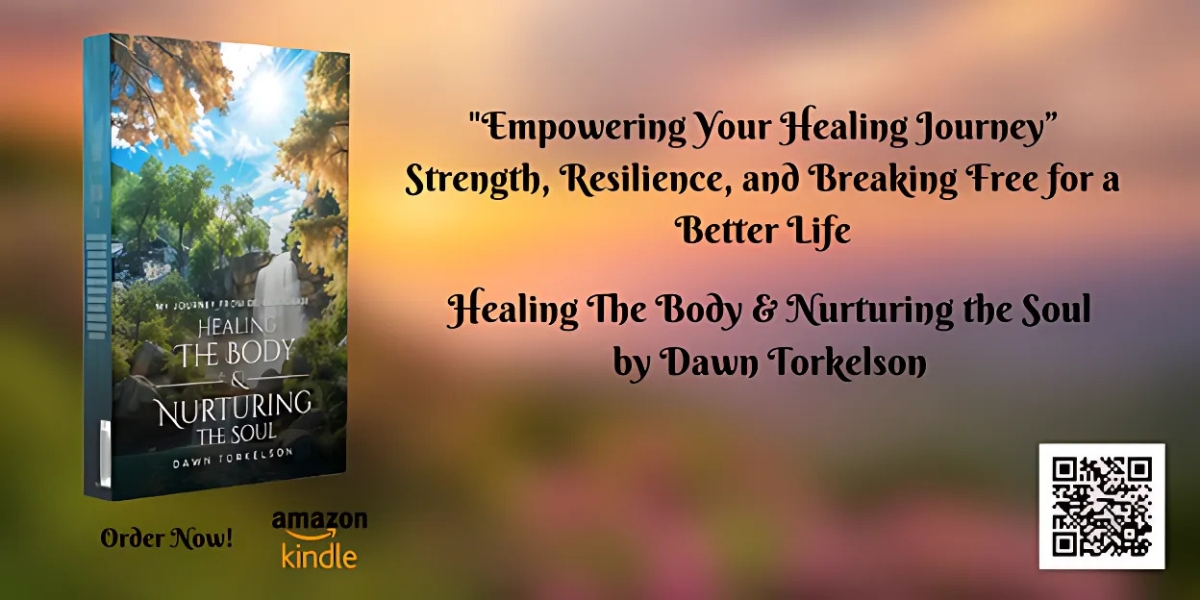
How Healing the Body & Nurturing the Soul Offers A Journey of Strength, Resilience, and Hope

Life often presents challenges that test our strength, forcing us to confront pain, fear, and uncertainty. In Healing the Body & Nurturing the Soul: My Journey from Dis-ease to Ease, Dawn Torkelson shares her personal story of facing a life-changing diagnosis and how she transformed her experience into an inspiring narrative of resilience and healing.

With raw honesty and steadfast courage, Dawn invites readers into her world—a journey marked by physical pain, emotional turmoil, and, ultimately, self-discovery. Diagnosed with Stage 4 breast cancer that had metastasized to her bones, she chose not to let despair define her path.

Instead, she explored a holistic approach to healing, blending traditional treatments with alternative therapies, mindfulness, and the potential of the subconscious mind.

From the first pages, Dawn engages readers with her transparent storytelling, recounting the excruciating pain that signaled something was wrong. Her search for answers led her down a winding road of medical appointments, misdiagnoses, and moments of self-doubt. Yet, through it all, she remained steadfast in her belief that healing could be possible not just for her body but for her mind and soul as well.

Her book is not only a memoir but also a guide for anyone facing physical, emotional, or spiritual challenges. Dawn shares insights into how the subconscious mind may influence healing, the role of emotional well-being in physical health, and the potential benefits of holistic therapies such as hypnotherapy, NLP, meditation, and energy healing.

Taking Charge of Your Health

One of the most compelling aspects of the book is its focus on empowering readers. The author doesn’t just share her story—she provides practical tools and techniques that may help individuals take charge of their well-being. Whether you’re struggling with illness, stress, or emotional wounds, her book suggests a roadmap to finding peace, balance, and a renewed sense of purpose.

By bringing together personal experiences, scientific insights, and spiritual wisdom, she presents a holistic approach to healing that invites readers to listen to their bodies, trust their intuition, and consider a lifestyle of self-care and self-love.

Why You Might Find This Book Valuable

  • Inspiration & Hope – Dawn’s story illustrates the resilience of the human spirit.
  • Practical Healing Techniques – Discover meditation, visualization, self-hypnosis, and other approaches that could support well-being.
  • Mind-Body Connection – Explore how emotional and mental well-being may play a role in physical health.
  • A Holistic Approach – Learn about combining traditional medicine with alternative healing practices.

Takeaway

If you’re searching for a book that may uplift, inspire, and offer tools to navigate life’s toughest challenges, Healing the Body & Nurturing the Soul could be a meaningful read. It provides hope for anyone facing the turbulent waters of illness and adversity.

Dawn Torkelson’s spirit and insightful guidance help illuminate the path toward recovery and self-discovery. Her story serves as a reminder that healing often involves multiple dimensions—physical, emotional, and spiritual. Consider exploring her journey from dis-ease to ease by getting your copy today!


Disclaimer: The content shared in Healing the Body & Nurturing the Soul: My Journey from Dis-ease to Ease is based on the personal experiences and perspectives of the author, Dawn Torkelson. The information provided is not intended as medical advice, diagnosis, or treatment. Readers should consult a qualified healthcare professional before making any changes to their healthcare regimen or adopting any new wellness practices. The author’s journey and the holistic healing approaches discussed are unique to her experience and may not be applicable to everyone. The book is meant to inspire, empower, and provide insight, but individual results may vary.


Published by Jeremy S.

Finding Meaning in Life’s Struggles Through ‘Walk With Me’: Anna Marian Lachman’s Path of Resilience

By: Hermelinda H. Wolf

Life often brings unexpected hardships. It is a journey filled with both joy and challenge, often testing our strength and resilience in unexpected ways. In the face of struggles, many find solace in words that inspire and uplift.

Anna Lachman’s Walk With Me: A Journey Through The Seasons of Life offers one such perspective, a thoughtful reminder that even in the darkest times, faith and determination can often guide us forward.

Anna’s personal journey, marked by love, loss, and perseverance, resonates with the heart of what it means to endure. Her battle with Stage III colon cancer was a defining moment, one that significantly shaped her perspective and deepened her appreciation for the beauty of life.

Throughout her book Walk With Me, Anna shares heartfelt reflections on the power of faith. She attributes her survival to her belief in God’s plan, suggesting that even the most painful experiences may have a purpose. When faced with illness, it is easy to feel isolated and afraid. The uncertainty, the exhaustion, and the endless questions can sometimes consume even the strongest of hearts. But Anna’s words highlight the importance of holding on, of considering that every battle might carry meaning.

Loss is another theme woven throughout Walk With Me. Anna speaks of losing cherished loved ones and the overwhelming sorrow that follows. Grief can feel like a storm, uprooting everything familiar and leaving behind a void that seems impossible to fill. Yet even in loss, she finds light. She proposes that love never truly fades; it lives on in memories, in small gestures, in the quiet moments when we feel their presence. Her words gently guide readers toward healing, encouraging them to embrace both the sorrow and the joy of remembrance.

Anna’s reflections underscore the importance of gratitude. Even after facing illness, she views each day as a gift, a chance to love, to forgive, and to cherish the people who matter most. Her book suggests that struggles do not define us; our response to them can. It is a message of hope, urging us to keep walking, even when the road feels uncertain.

Anna Lachman’s words convey a compelling message about love, not just romantic love, but the kind that sustains us through life’s trials: the love of family, friends, and the steadfast presence of those who stand by us. Walk With Me artfully captures the essence of this love, showing how it can carry us through even the toughest times. Anna’s journey reminds us that love, in all its forms, may be one of the greatest sources of strength and healing.

If you are seeking a story of resilience, faith, and the power of love, Walk With Me: A Journey Through The Seasons of Life might speak to you. Let Anna Lachman’s journey remind you that even in life’s struggles, there can be a path forward, and often a reason to keep walking.

Visit: www.annalachman.com


Published by Jeremy S.

The Secrets of Okinawa: Longevity and Lifestyle

Okinawa, a small island in Japan, is renowned for being home to the world’s longest-living people. The inhabitants of Okinawa have garnered international attention due to their exceptional life expectancy and the health and vitality they exhibit well into their later years. The Okinawan lifestyle is based on a combination of diet, physical activity, social connections, and a positive outlook on life. This article delves into the key factors that contribute to the Okinawan way of life, offering insights into the habits and practices that support longevity.

Read also: Youth Engagement in Politics Through Education and Awareness

The Okinawa Phenomenon: The World’s Longest-Living People

The Okinawan population has one of the highest percentages of centenarians in the world, with a significantly higher number of people living to 100 and beyond compared to other populations. This phenomenon has intrigued researchers and health experts for decades, prompting studies on the unique lifestyle factors that contribute to their extraordinary longevity.

Several key aspects have been identified as contributing to their long life expectancy. These include diet, physical activity, social support, and a sense of purpose. The combination of these factors creates a holistic approach to health that not only extends life but improves quality of life as well.

Diet and Eating Habits (Hara Hachi Bu Principle)

The diet of Okinawans plays a pivotal role in their longevity. One of the central principles of their eating habits is the concept of Hara Hachi Bu, which means eating until you are 80% full. This principle helps prevent overeating and supports long-term health by reducing the intake of excess calories.

The Okinawan diet is rich in nutrient-dense, low-calorie foods such as vegetables, seaweed, tofu, and fish. It is particularly known for its high intake of sweet potatoes, which provide a significant source of energy and nutrients. Okinawans also consume a variety of herbs and bitter melon (known as “goya”), which are believed to have anti-aging and health-boosting properties.

Unlike many Western diets that are high in processed foods and animal fats, the Okinawan diet is plant-based, with modest amounts of fish and lean meats. This type of eating pattern has been linked to lower rates of chronic diseases such as heart disease, diabetes, and cancer.

Physical Activity: Moving Naturally Every Day

Physical activity is a natural part of daily life for Okinawans. Unlike structured workout routines, the people of Okinawa engage in natural movement that is integrated into their everyday activities. Gardening, walking, and even traditional practices such as tai chi contribute to their overall physical health.

Okinawans tend to remain active well into their later years. Many older individuals are seen walking, cycling, or participating in group exercises. The idea of “moving naturally” is deeply embedded in Okinawan culture, and it is believed that this constant, low-intensity physical activity helps keep the body agile and strong as individuals age.

The benefits of physical activity extend beyond physical health to mental well-being. The act of staying physically engaged is not just about longevity—it also helps improve mood, boosts energy, and strengthens cognitive function.

Community and Social Ties: The Role of “Moai”

In Okinawa, strong community bonds and social ties are central to well-being. Okinawans form close-knit groups known as “moai”, which are lifelong social networks. These groups are built around shared interests, mutual support, and a sense of belonging. Moai members offer emotional support, assistance during difficult times, and companionship throughout life.

Having a strong social network provides a sense of purpose and connection, which are crucial factors in mental health. Studies have shown that strong social relationships are associated with lower levels of stress, improved mental health, and a reduced risk of chronic diseases. The Okinawan practice of maintaining close social ties and forming supportive groups is thought to contribute significantly to their longevity.

Moreover, social connections also provide opportunities for emotional expression, which helps reduce the negative effects of stress and anxiety. The supportive nature of Okinawan communities fosters a sense of belonging, helping individuals navigate the ups and downs of life with resilience and positivity.

Spirituality and Optimism in Daily Life

Spirituality and a positive mindset are also essential components of the Okinawan approach to longevity. Okinawans typically adhere to Shinto and Buddhist traditions, which emphasize living in harmony with nature, showing gratitude, and maintaining a balanced and mindful approach to life. A key principle is Ikigai, which refers to the concept of having a sense of purpose in life. Having a reason to wake up each morning, whether it is family, work, or personal passions, is considered a fundamental aspect of happiness and longevity in Okinawan culture.

Okinawans are also known for their ability to maintain a sense of optimism despite challenges. The combination of spiritual beliefs, a sense of purpose, and a generally optimistic outlook on life helps reduce the effects of stress, promotes emotional well-being, and contributes to a positive attitude toward aging. Research has shown that people who maintain a hopeful outlook tend to live longer and enjoy better overall health.

The Okinawan lifestyle offers valuable lessons for those seeking to live longer, healthier lives. By adopting principles like moderate eating, natural physical activity, strong community ties, and maintaining a positive outlook on life, individuals can improve both their quality of life and life expectancy. The combination of these elements creates a holistic approach to well-being that has helped Okinawans maintain vitality well into their later years. The longevity and lifestyle of Okinawa are a testament to the power of balancing physical health, mental well-being, and community support.

Read also: The Power of Flow and Living in the Moment

Paul Scribner of Raven Resources on Strategic Investment and Sustainable Business Growth

By: Tom White

Paul Scribner, CEO of Raven Resources Corp, has cultivated an investment approach that emphasizes long-term, sustainable growth by identifying underexplored potential and applying strategic expertise. His methodology aims to combine efficient decision-making with relationship-driven partnerships to help foster meaningful value across sectors.

The Investment Philosophy Behind Sustainable Growth

Scribner’s approach to building forward-thinking companies diverges from conventional investment models. Rather than focusing solely on short-term returns, he uses a broad-based strategy grounded in several guiding principles:

  • Strategic Opportunity Identification: Scribner is recognized for evaluating opportunities quickly and thoughtfully, often identifying value in situations others might initially overlook. His ability to examine underlying factors allows him to spot promising opportunities that may require creative thinking.

  • Relationship-Centered Business Development: Beyond executing transactions, Scribner prioritizes partnerships founded on mutual trust and aligned objectives. His method combines technical expertise with financial insight to support collaborative, long-term outcomes instead of one-off deals.

  • Forward-Looking Approach: Raven Resources works to anticipate shifts in the market landscape, helping portfolio companies move from planning to execution through structured, strategy-driven implementation plans. This proactive focus can help businesses better prepare for evolving challenges and emerging opportunities.

The Raven Method for Sustainable Investment

Scribner’s methodology, often referred to as the Raven approach, is characterized by agility and strategic depth. Decision-making processes are streamlined, with due diligence and assessments often completed in a shorter timeframe than traditional investment cycles.

This nimble structure can help uncover value that might otherwise be missed. Raven’s team has become known for identifying overlooked or undervalued assets, using operational efficiency to maximize returns for both the company and its partners. Their responsiveness to time-sensitive opportunities may offer a strategic advantage in competitive scenarios.

Results Through Strategic Partnership

The impact of Scribner’s strategy is reflected in the evolution of several portfolio companies. Some manufacturing businesses associated with Raven Resources have undergone measured facility expansions, accompanied by reported growth in revenue over time.

Scribner’s knowledge of deal structuring supports portfolio companies in navigating both public and private funding options while aiming to reduce unnecessary tax burdens and mitigate exposure to market volatility. This approach has contributed to improved outcomes across a variety of sectors.

The Four Pillars of Sustainable Growth

Scribner’s strategy for building adaptable, growth-oriented companies is built around four key pillars:

Transparent Communication

Raven Resources commits to open, timely communication throughout its operations. This approach enhances project execution by maintaining clarity with stakeholders and establishing a solid foundation for collaborative efforts.

Creative Problem-Solving

Financial adaptability is central to Scribner’s process. His structured finance expertise allows for the exploration of flexible solutions to complex challenges, facilitating deals that might otherwise stall due to conventional limitations.

Strategic Stakeholder Alignment

Scribner emphasizes uniting stakeholders around shared goals. His team’s ability to translate complex financial and operational strategies into accessible terms helps reduce friction and enhance alignment across functional teams.

Operational Excellence

Raven Resources encourages portfolio companies to embrace bold thinking and continuous improvement, regardless of their size. Strategic insights and proactive guidance are used to uncover operational opportunities that may have previously gone unrecognized.

The Future of Strategic Investment

Paul Scribner’s vision represents a measured shift in modern investment thinking—one that extends beyond transactions toward value-driven, long-term partnerships.

The Raven methodology promotes strategic clarity by evaluating all options carefully and maintaining flexibility in execution. This model emphasizes balance—grounding investment strategies in operational awareness and long-term potential.

Scribner’s investment philosophy—with its focus on relationship-building, strategic adaptability, and sustainable growth—positions Raven Resources as a thoughtful contributor to the evolving investment landscape.

Disclaimer: The information provided is for general informational purposes only and should not be construed as financial advice. Readers are encouraged to seek professional consultation before making any investment decisions.


Published by Jeremy S.