Mobile Gaming Trends 2024: Insights from Laurel Gaming’s Expert Analysis

By: James Smith

The mobile gaming industry has experienced significant growth over the past decade, which has helped reshape the landscape of interactive entertainment. Among the many titles contributing to this expansion, Mobile Legends: Bang Bang (MLBB) stands out as one of the successful examples, representing some of the trends and opportunities that mobile gaming presents, especially for professional gamers.

The Growth of Mobile Gaming

Mobile gaming has evolved from a casual pastime into a prominent force in the global gaming market. In 2023, global consumer spending on mobile games reached an estimated $107.3 billion, illustrating the considerable impact the sector has had on the gaming industry. This growth is supported by the widespread adoption of smartphones, improvements in mobile internet infrastructure, and the increasing sophistication of mobile game development.

Emerging markets have played a key role in this development. Countries such as Brazil, Turkey, and the Philippines have seen notable increases in mobile gaming users, driven in part by affordable mobile devices and more accessible internet services. This expansion has contributed to the democratization of gaming, allowing a more diverse demographic to engage with interactive entertainment and creating a more inclusive global gaming community.

Trends Influencing Mobile Gaming

Several important trends are shaping the future of mobile gaming:

  • Hybrid-Casual Games: The shift from hyper-casual to hybrid-casual games reflects a trend towards titles that combine simple gameplay mechanics with more intricate progression systems. This approach has the potential to improve player retention and create more monetization opportunities.
  • Technological Integration: Advances in artificial intelligence (AI) and cloud gaming are transforming mobile gaming experiences. AI helps tailor content and creates dynamic game environments, while cloud gaming enables higher-quality gaming experiences without the need for high-end hardware.
  • Esports and Competitive Play: Mobile esports have seen significant growth, with games like MLBB at the forefront. The widespread availability of mobile devices has made it possible for a larger audience to take part in competitive gaming, which in turn has contributed to a growing esports ecosystem.

Mobile Legends: Bang Bang – A Case Study

Mobile Legends: Bang Bang, developed by Moonton, exemplifies some of the success that can be achieved in the mobile gaming space. Launched in 2016, MLBB has grown to become a central player in mobile esports, particularly in Southeast Asia.

The game’s esports scene has grown considerably in recent years. In 2024, MLBB was among the most-watched mobile esports titles, with an estimated 475 million watch hours globally. This increase in viewership can be attributed to factors such as regular updates, a diverse cast of heroes, and a solid community and esports infrastructure.

From a financial perspective, MLBB has demonstrated strong performance. In-app purchase revenue was reported to have reached approximately $190.71 million in 2024, reflecting the game’s successful monetization strategy and its dedicated player base.

The Impact on Professional Gamers

The rise of mobile gaming, particularly through titles like MLBB, has significant implications for professional gamers:

  • Expanded Opportunities: The growing number of mobile esports tournaments has opened up more platforms for professional gamers to showcase their skills. Events such as the MLBB Professional League offer substantial prize pools and global recognition.
  • Accessibility and Inclusivity: Mobile gaming has lowered the barrier to entry for aspiring professional gamers. The widespread availability of mobile devices has made it easier for individuals from various backgrounds to participate in competitive gaming.
  • Career Viability: The financial success of mobile games has led to more viable career options for professional gamers. Sponsorships, streaming opportunities, and tournament earnings can contribute to building a sustainable career.

Conclusion

The growth of mobile gaming, highlighted by the success of Mobile Legends: Bang Bang, marks an important shift in the gaming industry. Emerging trends such as hybrid-casual games, advancements in technology, and the rise of mobile esports are helping to redefine the gaming landscape. For professional gamers, this evolution creates new opportunities, making competitive gaming more accessible and fostering a more inclusive global community.

References

  • Sensor Tower. “2024 State of Mobile Gaming.”
  • CrazyLabs. “Gaming Experts Reveal 2024 Mobile Gaming Trends.”
  • Moonton Games. “Mobile Legends: Bang Bang is among the most watched mobile esports titles of 2024!”
  • Statista. “Mobile Legends revenue worldwide 2024.”


Published by Joseph T.

The Art of Writing Through Pain: A Glimpse into Anita Aasen’s Journey

By: Elowen Gray

When grief strikes, it doesn’t politely knock. It barges in uninvited and unrelenting, demanding attention and reshaping life in an instant. 

For Anita Aasen, a licensed clinical social worker and therapist, grief wasn’t just a clinical concept—it became personal. Her book From Grief to Grace: A Therapist’s Journey of Healing After Loss is a tribute to her beloved cousin Lou and chronicles loss, love, and the aching journey of healing. But what sets it apart is not just the story—it’s the act of writing itself.

Writing, for Anita, was not a polished process born out of literary ambition. It was survival.

“Despite my years of experience supporting others, I find myself amid an intensely personal battle with grief,” she writes early in the book. “Grief is not a straight path… healing doesn’t mean moving forward linearly but unfolding over time, sometimes slowly and with effort.”

That line alone gives readers a window into the soul behind the story. And it also marks the beginning of her art of writing through pain.

The Blank Page as a Mirror

The Art of Writing Through Pain: A Glimpse into Anita Aasen's Journey

Photo Courtesy: Anita Aasen

For some of us, grief brings silence. For Anita, it has a pen. She turned inward—and then outward—writing to make sense of the chaos. The process was anything but neat. There were long, teary drives, moments of shouting into the void, and silent prayers whispered in gas station parking lots.

She transformed all those moments into words. Pages. Chapters.

Anita started with journal entries of her memories and thoughts, which became a powerful source of storytelling that charts her emotional terrain, from raw despair to a quiet grace. Writing became a sacred form of therapy. 

In writing, Anita permitted herself to step from behind the therapist’s desk onto the fragile ground of human vulnerability.

Memory, Mourning, and the Power of Presence

Anita’s cousin Lou wasn’t just family; he was her “brother by bond,” her lifelong confidant. As he battled terminal illness, Anita traveled back and forth across states, physically and emotionally navigating a goodbye she never wanted to say. The grief was anticipatory, intimate, and overwhelming.

Through her writing, readers witness the sharp moments—hospital rooms, hushed prayers, car rides layered with fear and fragmented hope. But in all of it, the thread of presence is unwavering.

And writing helped her stay present.

“Each day became a battleground of emotions,” she writes. “I found myself struggling to navigate my own tangled emotions while, at the same time, trying to be a pillar of strength for him.”

Documenting these moments allowed Anita to breathe life back into the details she feared would fade. Her storytelling became a memorial and an act of defiance against forgetfulness.

The Blurring Lines Between the Professional and the Personal

As a therapist, Anita had long been trained to hold space for others’ grief. But when loss knocked on her door, she discovered that theory offers no armor against heartbreak. The professional lens did not protect her—it deepened her vulnerability.

And that is what makes her voice so resonant. She doesn’t try to sound like an expert here. She sounds like someone sitting across from you, coffee in hand, heart in pieces, saying, “I get it.”

There’s no performative resilience. No tidy wrap-ups. Instead, Anita’s writing lives in the tension of being both therapist and sister, healer and mourner. Her dual perspective enriches her story without diluting its emotional truth.

Writing as Transformation

By the time we reach the end of Anita’s journey, the pages haven’t solved her grief but transformed it. 

She describes leaving the hospital, driving 13 hours in a haze of despair, and arriving home with only pretzels and prayer to keep her grounded. But those very moments—messy, human, unspeakably complicated—fill her pages with authenticity.

And it’s in the final chapters that we see it: grief doesn’t get wrapped up in a bow. It becomes integrated. Writing allows Anita to carry Lou forward—not as a memory frozen in time but as a presence that continues to shape her.

“I wasn’t just a sister or a companion in his struggle—I became a quiet architect, piecing together any support that might give him hope. It was all I could do, but it was everything I had.”

In choosing to write, Anita didn’t escape her pain. She sat with it, studied it, and then offered it to the world.

This is the art of writing through pain: not to cure it, but to cradle it.

And through that cradle, Anita’s words carry the rest of us.

Visit the author’s website to learn more.


Published by Joseph T.

Step Into the Surreal World of Dan Freedman’s Poetry

By: Linda J. Hancock

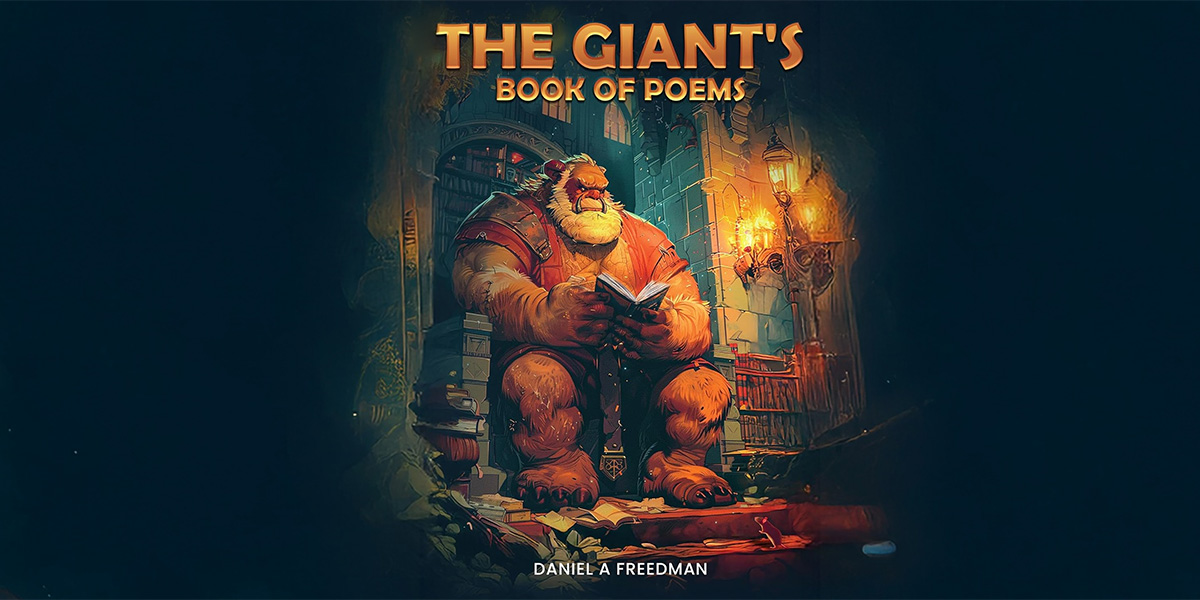
The Giant’s Book of Poems by Daniel A. Freedman offers what many describe as a literary experience unlike any other—weaving together surrealist imagery, philosophical insight, and satirical commentary into what could be considered a compelling poetic journey that often challenges and delights. With over 50 poems spanning topics such as love, mortality, social critique, and artistic rebellion, Freedman seeks to invite readers to explore the complex dimensions of human experience through a unique, imaginative lens.

A Surrealist Landscape with Purpose

Drawing inspiration from literary surrealism, Freedman’s poetry often blurs the boundaries of reality. From the opening lines of “Dream Lecture” to the celestial journey of “Timeless Night,” readers may find themselves immersed in dreamscapes where symbolism and emotion take center stage. His images—candles ascending mountaintops, souls dissolving into light, and conversations with archetypes like John Wayne—could be interpreted as poignant metaphors for connection, transformation, and the human longing for meaning.

This approach appears to resonate not only with seasoned poetry enthusiasts but also with imaginative minds drawn to fantasy and role-playing games. The layered storytelling, mythic undertones, and bold visual metaphors might speak directly to fans of immersive experiences like Dungeons & Dragons, Blood Bowl, and narrative-driven RPGs.

Sharp Satire Meets Social Commentary

Freedman also demonstrates a knack for using satire as a vehicle for critical reflection. In “Psycho Logic,” he seems to interrogate the cultural and creative decline of modern America with what some may describe as unflinching candor and a sense of urgency. His language can be visceral and evocative—“blind men strap on electronic nightmares”—hinting at a society driven more by consumption than by imagination.

“Lobster vs. Millstone” offers what could be seen as a striking example of how absurdist imagery might critique environmental negligence. A mutant lobster’s assault on a nuclear power plant may appear bizarre on the surface, but beneath the humor lies what some interpret as a sobering message about the fragile balance between human innovation and ecological consequence.

Aesthetic Whimsy with Emotional Weight

Though the themes can be heavy, Freedman’s poetic voice often carries a playful, even whimsical tone. In “Pure Jelly,” he describes his poetry as “boiled in tears—no sweetener added,” a line that seems to capture his ability to blend emotional authenticity with creative wordplay. His poems tend to walk a delicate line between levity and depth, offering moments of introspection while remaining engaging for the reader.

“Picasso on the Half-Shell” takes a stylized approach to history and artistry, referencing the likes of Apollinaire, Matisse, and Cocteau with wit and reverence. Freedman’s engagement with the arts, philosophy, and cultural criticism positions his work within a broader intellectual tradition—yet maintains a tone that many find refreshingly accessible.

Bridging Literature, Music, and Youth Culture

One of the more notable aspects of this collection is its cultural relevance. With endorsements from Taylor Swift and Miley Cyrus, The Giant’s Book of Poems appears to be resonating with new readers—particularly younger audiences who might not otherwise engage with poetry. Freedman’s upcoming music release could further amplify interest in his writing, creating a potential crossover between the literary and music worlds.

This dual artistic presence—poet and musician—echoes the multifaceted artistry of Swift and Cyrus, both of whom have successfully blended storytelling with sonic expression. Like them, Freedman seems to explore vulnerability, defiance, and transformation in his work. The result could be seen as a body of work that feels timely, resonant, and thought-provoking.

For the Imaginative Reader

Whether you are a lover of lyrical poetry, a fan of myth and metaphor, or part of the ever-growing community of young readers seeking deeper emotional and intellectual engagement, The Giant’s Book of Poems offers a variety of themes to explore.

Its surrealist appeal, critical edge, and literary sophistication make it a noteworthy addition to contemporary American poetry. At the same time, the artful humor and fantastical elements could give the collection broad appeal—especially among creative thinkers, gamers, and the modern music-minded generation.

Discover More and Connect with the Author

To explore more of Daniel A. Freedman’s work—including his music—visit facebook.com/goldenconch8 and leave him a message. Engage with his creative journey and perhaps become part of a growing audience that spans genres, generations, and realms of imagination.


Published by Joseph T.

Essential Guide to Marine Fasteners: Types, Uses, & Installation Tips

When it comes to maintaining, repairing, or building marine structures, the materials’ quality and durability are of utmost consideration. One of the most overlooked yet vital components in these projects is the marine fasteners. While these may be small, they pose great significance in holding docks, boats, and other marine constructions together, withstanding the mighty challenges of hard oceanic saltwater environments, corrosion, and moisture. 

Thus, we shall now look into the various types of marine fasteners and their applicability, along with some expert tips on how to pick and install the most suitable marine fasteners for your next project.

Marine Fasteners and Their Importance

For the unfamiliar, marine fasteners are specially designed hardware items consisting of screws, nuts, washers, and bolts with unique compositions to withstand extreme marine conditions. In contrast with standard fasteners, marine-grade fasteners are crafted to resist structural degradation, corrosion, and rust, which gradually occur with prolonged exposure to UV rays, instant temperature changes, and saltwater.

That is why, use of low-quality fasteners in any marine project brings in the risk of hazardous equipment failures, structural instability, and costly repairs. Hence, researching and picking the perfect marine fasteners is not only about functionality, but also about durability, long-term performance, and safety.

Types of Marine Fasteners and Their Applications

Now, there are numerous kinds of marine fasteners designed for specific tasks and structures. Here are the most common options:

Stainless Steel Fasteners

  • Stainless steel marine fasteners are composed of stainless steel with incredible chromium content, making it highly resistant to rust and corrosion.
  • They are best suited for railings, deck hardware, hinges, and other above-water installations.
  • If you choose this, be sure to pick either the Grade 314 or 316 stainless steel. However, Grade 316 stainless steel is best for any saltwater installation due to its added molybdenum content, which significantly improves its corrosion resistance.

Silicon Bronze Fasteners

  • The composition of silicon bronze fasteners consists of tin, silicon, and copper, crafting an excellent corrosion resistance capability, especially in underwater environments.
  • They are best used for underwater fastenings and wooden boat construction.
  • As the case may be, silicon bronze fasteners are technically softer than stainless steel ones. So, one should be cautious when tightening these marine fasteners to prevent stripping.

Monel Fasteners

  • Monel fasteners have the composition of a nickel-copper alloy, making them exceptionally strong/durable and seawater corrosion-resistant.
  • They are best suited for applications in highly corrosive environments involving deep-sea equipment and offshore oil rigs.
  • Since Monel fasteners are high-cost, they are usually used only for critical applications where there is minimal to zero scope of failure.

Galvanised Steel Fasteners

  • Galvanized steel fasteners come with a protective zinc coating, helping with rust and corrosion prevention.
  • They are usually used for freshwater applications or temporary marine structures.
  • Since galvanized marine fasteners have low durability compared to silicon bronze or stainless steel in saltwater environments, they are best applied in low-cost or short-term projects.

How to Pick the Suitable Marine Fasteners

Selecting the correct fasteners for marine projects usually involves some key factors:

  • Material compatibility: Be sure that your fasteners are highly compatible with the materials you will be using to prevent galvanic corrosion. This type of corrosion usually occurs when dissimilar metals are exposed to a marine environment.
  • Corrosion resistance: If you work on projects involving exposure to saltwater, consider materials like silicon bronze or stainless steel Grade 316.
  • Load-bearing capacity: Carefully evaluate your project’s structural needs and pick the correct marine fasteners with the capacity to handle unexpected load and stress.
  • Aesthetics: For areas visible to the naked eye, you can choose to go with fasteners that aesthetically match your marine project’s look, such as polished stainless steel.

Installation Tips for Marine Fasteners

Proper installation is just as vital as choosing the perfect fasteners. So, here is some expert advice on securing a long-lasting fit:

  • Pre-drill pilot holes: Pre-drilling pilot holes before driving in the screws helps prevent cracking of fiberglass or splitting wood.
  • Use anti-seize compound: To prevent galling, you can apply anti-seize lubricants to the threads of your stainless steel marine fasteners. Galling is a type of friction welding that can make the fasteners seize up.
  • Torque control: Do not over-tighten the screws, as this may deform the fastener or strip its treads.
  • Regular inspection and maintenance: Make a routine to regularly inspect your fasteners for signs of loosening, damage, or corrosion. You can replace them at the right time to maintain structural integrity.

Final Words

Whether you are maintaining a dock, outfitting a luxury yacht, or building a wooden sailboat, picking the most suitable marine fasteners is vital for the project’s longevity and success. By knowing the varied kinds of marine fasteners, their usage, and installation tips, you can ensure a durable, corrosion-resistant, and secure outcome.

Bear in mind that while investment in best-quality marine fasteners does have a high upfront cost, in the long-run, it’ll save you time, money, and workload. Despite their small size, fasteners are one of the core holders of marine installations and maintenance.


Published by Joseph T.

Themed Event Planning Simplified by Elle Cuisine: Helping Bring Your Ideas to Life

A themed event can make any occasion more exciting. Elle Cuisine helps with catering and planning, so everything can come together smoothly. With the right theme, décor, and menu, your event has the potential to be one to remember.

Why Themed Events Can Be Effective

A theme can make an event feel more special. It often ties everything together, from invitations to decorations and food. Elle Cuisine assists in bringing your ideas to life with professional planning and catering.

A clear theme can make the event more fun for guests. It helps set the mood and can keep things exciting. When many details fit the theme, the experience often feels more complete.

How to Plan a Themed Event

Planning a themed event typically starts with a clear idea and good organization. Choosing the right theme, venue, food, and décor can help create a memorable experience.

Pick a Theme That Suits Your Vision

The theme should match the occasion and be relatively easy to follow. A Hollywood party, tropical getaway, or Bollywood night can create a fun atmosphere. Elle Cuisine offers guidance to shape your ideas and may suggest food, décor, and entertainment that fit.

Choose the Right Venue

The location should ideally match the theme and have enough space for guests. A garden might work for rustic events, while a ballroom could be better for formal gatherings. Elle Cuisine collaborates with venues that fit different styles.

Plan a Menu That Complements the Theme

Food often plays a big part in any theme. A Parisian event might feature croissants and cheese, while a night of Indian food in Richmond could include butter chicken and samosas. Elle Cuisine customizes menus to align with the theme and guest preferences.

Use Décor and Entertainment to Enhance the Atmosphere

The right decorations and music can help bring the theme to life. A 1920s party might incorporate gold décor and jazz, while a beach theme could feature palm leaves and tropical drinks. Elle Cuisine partners with vendors to support a seamless experience.

Essentials for a Smoothly Planned Event

A well-planned event tends to run smoothly and can help keep guests happy. Clear organization, good timing, and thoughtful details often make the experience enjoyable for everyone.

Keep Guests Comfortable and Engaged

Seating should ideally encourage conversation, and there should generally be space to move around. Fun details like signature drinks and live stations can keep guests entertained. Custom gifts like a high-quality water bottle with an event logo may serve as nice souvenirs.

Stick to a Clear Schedule

A well-planned timeline helps keep everything running smoothly. Guest arrivals, meals, and entertainment should ideally be scheduled thoughtfully. Elle Cuisine manages logistics so the host can focus on enjoying the event.

Wrap Up the Event Thoughtfully

Sending thank-you messages or sharing event photos can help guests remember the experience. Feedback may also help improve future events. Elle Cuisine often assists with cleanup and food distribution to reduce waste.

Why Choose Elle Cuisine

Elle Cuisine simplifies event planning by handling food, décor, and logistics. Their team strives to ensure everything fits the theme as closely as possible. From menu selection to setup, they manage every detail.

With years of experience, Elle Cuisine provides high-quality catering with a wide range of cuisines. Whether it’s a plated dinner or a themed buffet, their chefs aim to create dishes that match the occasion. They also assist with venue selection and entertainment, making the process more straightforward.

Make Your Event Memorable with Elle Cuisine

Planning a themed event should be fun, not overwhelming. Elle Cuisine handles the details, from food to décor, so everything can come together effortlessly. Our team works to ensure the event runs smoothly, allowing you to focus on enjoying the moment. With professional planning and delicious catering, we invite you to let us turn your vision into a memorable experience.


Published by Joseph T.

Is a Genuine Leather Sofa Right for Your Home? Here’s What to Know

When it comes to choosing the right sofa for your home, the material matters just as much as the style or size. One of the talked-about options is genuine leather — often praised for its durability, appearance, and timeless appeal. But with a higher price tag compared to fabric or synthetic alternatives, many homeowners wonder: is a genuine leather sofa worth it?

Here’s what you should consider before making your decision.

Understand Your Space and Lifestyle

Before discussing whether or not leather sofas are worth it, take a step back and assess your space. Ask yourself:

  • How big is the room?
  • Is it a high-traffic area?
  • Do you have kids or pets?

These questions help determine the type of fabric (genuine leather, linen fabric, or boucle) and the durability you’ll need. For family homes, genuine leather can offer a good balance between softness and resilience.

Durability That Stands the Test of Time

Genuine leather is often praised for its durability — but why?

Genuine leather is generally known for its longevity. Unlike many fabric sofas, which may show wear and tear within a few years, leather sofas can age gracefully. It doesn’t tear or fray easily, and with proper care, it has the potential to last for decades. Over time, quality leather may develop a patina — a soft sheen that adds character and depth.

Leather sofas of exceptional quality can sometimes carry a certain collector’s value, especially those made from full-grain cowhide, crafted with care, or designed by well-known brands. Iconic styles such as Chesterfield, vintage, or mid-century modern designs are often favorites. When properly maintained, these pieces not only stand the test of time but may also gain value, offering a unique blend of durability, elegance, and lasting appeal.

Aesthetic Versatility

An appealing factor about a leather sofa is its ability to blend seamlessly into just about any space. Whether your home leans classic or contemporary, minimal or cozy, leather has a quiet confidence that can adapt without trying too hard. It doesn’t shout for attention, but it can anchor the room with a kind of timeless presence. That’s why you’ll find it works well in a polished living room, a relaxed family room, or a multifunctional den. It simply works — effortlessly and elegantly.

Because leather ages beautifully and comes in a range of finishes and tones, it can either anchor the design or quietly support other statement pieces. That flexibility makes it a popular choice for interior designers and homeowners alike.

Comfort That Improves Over Time

While some may feel that leather sofas can be cold in winter and sticky in summer, leather actually offers a unique level of comfort throughout the year.

In winter, leather quickly adapts to body temperature, providing a stable and cozy seating experience. During the summer, its breathability helps reduce discomfort and keeps users feeling dry. Compared to other materials, leather’s durability and easy maintenance often outweigh seasonal concerns, and the leather adapts to your body over time, gradually becoming softer the more you use it. The initial firmness can gradually change to a more relaxed, comfortable sitting experience.

Low-Maintenance Appeal

Leather is known for being relatively easy to clean, especially when compared to fabric, which tends to absorb spills and stains much quicker. For everyday messes, a simple wipe with a damp cloth is usually all that’s needed to keep your leather sofa looking fresh. This makes leather a practical choice for families with children or pets, where spills and accidents are inevitable.

While leather is easier to maintain than many fabrics, it’s important to remember that it still requires occasional care. Regular conditioning helps keep the leather soft and prevents it from drying out or cracking over time. With a bit of attention, your leather sofa could stay cleaner and retain its beauty for years to come.

Price vs. Value

Genuine leather sofas are more expensive upfront. Many people often wonder about the true cost of purchasing a leather sofa, and the answer isn’t always straightforward. The price can vary significantly depending on the leather quality, size, and upgrades. While it’s true that leather furniture often comes with a higher upfront cost compared to fabric alternatives, the long-term value may make it a wise investment.

Leather’s durability, ease of maintenance, and timeless appeal contribute to its overall lifetime value, which could far outweigh that of cheaper options. When you factor in how long a well-maintained leather sofa can last — often decades — the initial expense may start to seem more reasonable. So, while the price tag might be higher at first glance, leather sofas are often a more cost-effective choice in the long run.

The Timeless Value of Leather Sofas

In the end, choosing a genuine leather sofa is about more than just the initial cost. It’s an investment in quality, durability, and timeless style. With its ability to withstand years of use, easy maintenance, and classic appeal, leather is a choice that can deliver value long after purchase. If you’re looking for a piece of furniture that combines beauty and practicality, a leather sofa could be worth considering for your home.


Published by Joseph T.

Staying Informed on Title Matters During Texas Land Auctions with TLTA Resources

By: James Brown

Texas, a state recognized for its expansive landscapes and economic resilience, presents varied opportunities for individuals exploring land acquisition. Whether one is considering land for personal retreat, agricultural activities, or potential development, understanding the relevant processes and regional considerations in Texas land auctions can help support more informed choices. This guide offers practical insights into auction participation, with an emphasis on regulatory awareness, due diligence, and risk-aware decision-making.

Why Texas Land Auctions Attract Interest

Economic and Geographic Diversity

Texas’s economy, ranked among the largest in the U.S., is bolstered by sectors such as energy, technology, and agriculture. Ongoing urban expansion in areas like Austin and Dallas has contributed to growing land interest, while rural regions continue to offer opportunities in farming, ranching, and outdoor recreation.

Types of Land Commonly Listed

  • Agricultural Land: Used for ranching, farming, or emerging agritourism efforts.

  • Development Parcels: Undeveloped plots located near growing communities.

  • Recreational Properties: Land appropriate for outdoor activities or environmental preservation.

Understanding Auction Processes

Auction Formats

  • Absolute Auctions: The property goes to the highest bidder regardless of price.

  • Reserve Auctions: Sellers establish a minimum acceptable bid.

  • Online vs. In-Person: Online platforms increase access, while in-person events may allow on-site property viewings.

Observed Advantages of Auctions

  • Transparency: Bidding processes are generally open and competitive.

  • Efficiency: Transactions often conclude more quickly than through traditional channels.

  • Variety: Auctions may include foreclosures, surplus public lands, or private listings.

Platforms specializing in land auction list properties throughout Texas, serving both individual and institutional interests.

Legal and Procedural Considerations

Title Verification and Ownership Checks

Verifying ownership history, liens, and easements through county-level records is typically a prudent step. Resources such as the Texas Land Title Association provide general information, though consulting a licensed title professional is strongly recommended for transaction-specific guidance.

Resource Rights and Environmental Factors

  • Mineral and Surface Rights: In Texas, these rights are often separated. Auction listings should clarify which rights are included.

  • Zoning and Compliance: Regulatory frameworks vary by locality. Counties like Travis may enforce more detailed development standards than some rural jurisdictions.

Note: Environmental evaluations—such as for flood risks or protected habitats—can offer valuable insights and are handled by licensed specialists.

Financial Preparation for Auctions

Funding Options

  • Seller Financing: May involve negotiated payment terms between buyer and seller.

  • Land-Specific Loans: Offered by certain agricultural lenders and credit institutions.

  • Government Programs: Some buyers may be eligible for government-supported financing (e.g., USDA or Texas Veterans Land Board programs); terms vary and should be confirmed with authorized lenders.

Budget Planning

  • Buyer’s Premium: Typically ranges from 10–15% of the final bid amount.

  • Closing Costs: These may include title insurance, land surveys, and associated legal documentation.

Risk Management in Auction Participation

Market Variability

Land prices may fluctuate based on a range of economic factors, such as commodity trends, interest rates, or local development. Spreading investment across different land types may help reduce overexposure.

Due Diligence Practices

  • Property Inspections: Checking access, utilities, and landscape features is advised. Geospatial tools can support remote assessments.

  • Legal Review: Potential issues such as unrecorded easements or prior contamination should be examined by qualified professionals.

Bidding Discipline

Establishing a firm bidding ceiling based on thorough research helps prevent cost overreach and supports financial planning.

Seller Strategies for Auctions

Highlighting Property Features

  • Development Readiness: Sellers may wish to highlight proximity to roads, utilities, or approved zoning changes.

  • Existing Uses: Properties leased for agriculture, hunting, or renewable energy may attract buyers with specific interests.

Timing Considerations

Listing land during periods of seasonal or regional interest—such as ahead of infrastructure projects or agricultural planning windows—can increase visibility among buyers.

Trends Influencing Texas Land Auctions

Technology and Sustainability

  • Virtual Tours: These tools enable buyers to preview properties remotely, expanding participation.

  • Renewable Energy: Interest in solar or wind leases has grown, particularly in areas with existing utility access.

Urban Growth Patterns

As cities like Houston and San Antonio expand outward, nearby undeveloped land may draw increased attention from developers and individual buyers alike.

Final Recommendations

  • Collaborate with Professionals: Work with realtors, attorneys, and licensed surveyors experienced with Texas property rules.

  • Leverage Public Data Sources: Tools such as the Texas Natural Resources Information System (TNRIS) offer data on soil, water tables, and flood zones.

  • Prioritize Research: A detailed review of the property’s legal, environmental, and logistical aspects can help buyers identify risks before committing.


Disclaimer: This article is intended for general educational purposes and should not be used as a substitute for legal, financial, or professional advice. Readers are encouraged to consult licensed professionals for personalized guidance based on their circumstances.


Published by Joseph T.

Can a Farmer’s Market Flourish in New York City?

New York City, a bustling hub of commerce and culture, might seem like an unlikely place for something as traditional as a farmer’s market to truly thrive. With towering skyscrapers and a fast-paced lifestyle, one might wonder if there’s enough space or demand for local produce. However, when you dig a little deeper, it becomes clear that farmer’s markets not only survive in NYC but can genuinely flourish, offering a fresh contrast to urban living.

It’s not just about selling fruits and veggies; it’s about connecting city dwellers with the source of their food, fostering community, and supporting regional agriculture. So, can a farmer’s market truly flourish in the concrete jungle? Let’s chat about what makes them work in this unique setting.

Read also: Essential Tools for Sustainable Farming Practices

Finding Their Spot: Location and Demand in the City

One of the first things that comes to mind when thinking about a farmer’s market in a busy city like New York is, “Where would it even go?” Space is always a consideration here. But the city has found creative ways to integrate these markets into its fabric. Many successful markets set up shop in public parks, plaza areas, or even quiet street stretches that can be temporarily closed off. Think of well-known spots like Union Square Greenmarket or the markets that pop up in different neighborhoods.

The key is finding a location that’s easy for people to get to, whether they’re walking, biking, or using public transport. It also needs to be in an area where folks are genuinely interested in fresh, local produce. New Yorkers are often quite health-conscious and keen to support local businesses, so the demand for fresh, often organic, options is definitely there. Even with many grocery stores around, the unique appeal of buying directly from the farmer creates its own draw.

More Than Just Groceries: Building Community and Connection

Farmer’s markets in New York City are about a lot more than just grabbing ingredients for dinner. They really serve as community gathering spots. In a city where personal connections can sometimes feel fleeting, these markets offer a chance for neighbors to chat, for farmers to share stories about their produce, and for people to simply enjoy a more relaxed pace.

This direct connection between consumers and farmers is a significant draw. Shoppers can ask questions about how their food was grown, learn about different varieties of produce, and even get cooking tips directly from the people who harvested the food. This kind of interaction builds a sense of trust and community that’s hard to find in a regular supermarket aisle. Many markets also host cooking demonstrations or educational workshops, adding to their appeal as neighborhood hubs.

Freshness and Food Access: Bringing the Farm to the City Table

A primary benefit of having farmer’s markets in a dense urban environment like New York City is the access they provide to incredibly fresh, local food. For many city residents, getting produce that was picked just hours or a day earlier is a welcome change from items that have traveled long distances. This focus on freshness means tastier, often more nutritious, food for consumers.

Moreover, farmer’s markets often play a role in improving food access in neighborhoods that might not have a lot of healthy options. Programs like SNAP (Supplemental Nutrition Assistance Program) benefits are often accepted at these markets, and some even offer incentives like “Health Bucks” that double the value of these benefits when used for fresh fruits and vegetables. This helps ensure that more people, regardless of income, can enjoy the benefits of locally grown produce, making healthy eating more attainable across the city.

Read also: NeptuneChain’s Innovation Path: Equipping Farmers and Resolving Water Quality Challenges

Overcoming Urban Hurdles: Making Markets Sustainable

While farmer’s markets can certainly flourish in NYC, they do face specific urban hurdles. Logistics, for instance, can be a challenge – getting farmers and their produce into and out of busy city locations, often requiring special permits and careful planning for traffic and setup. The cost of space can also be a factor, even for temporary setups. Weather, of course, is always a variable, though many markets operate year-round, adapting their offerings to the season.

However, many organizations and city initiatives are dedicated to supporting these markets. They work on everything from securing locations and managing logistics to promoting the markets and helping farmers navigate urban regulations. This robust support system, combined with strong consumer demand for fresh, local food and the community benefits they provide, helps farmer’s markets in New York City not just survive, but truly thrive as vibrant spots where city life and agricultural roots beautifully intertwine.

Tablets Revolutionizing Creative Media Workflows in New York

For anyone who thinks about New York City, chances are they imagine it buzzing with creative energy. It’s a place where new ideas pop up constantly, and everything moves at a quick pace. For folks working in design, film, advertising, and other creative fields there, finding tools that offer more flexibility, efficiency, and fresh ways to express themselves is always on their minds. What might have started out as just devices for watching videos or reading, tablets have now become incredibly important. They’re genuinely changing how creative media workflows happen all across the city’s lively studios, film sets, and agencies. These aren’t just gadgets anymore; they’re becoming key parts of how creative work gets done, bringing a lot more agility to the whole process.

Read also: How To Repair A Tablet That Won’t Turn On

The New Canvas: What Tablets Bring to the Creative Table

A big part of how tablets are shaking things up for creative work comes down to what they can actually do. They’re no longer just screens for consuming content; they offer a wonderfully intuitive way to create. With their super responsive touchscreens and special pens, like the Apple Pencil or Samsung S Pen, artists and designers can get a really natural, direct feel for their digital canvas. This is a noticeable step up from just using a mouse and keyboard, often feeling more like working with traditional art supplies when someone is drawing, painting, or doing detailed photo touch-ups. A person can sketch freely, move graphic elements around with simple gestures, or even sculpt 3D models with a smoothness that was once hard to picture without lots of special gear.

This easy-to-use input pairs up with the growth of professional-level apps now made for tablets. Software that once needed a powerful desktop computer is now designed for these mobile devices. One will find programs like Procreate for illustration, Affinity Photo for detailed image editing, LumaFusion for serious video editing, and many versions of Adobe Creative Cloud apps, such as Fresco or Photoshop for iPad, that pack a punch. These apps let people do pretty advanced creative work, without having to be stuck at a regular desk. This mix of natural interaction and strong software builds a solid foundation for the creative shifts happening on these compact devices.

Unleashing Mobility: Creative Work Wherever One Goes

One of the clearest ways tablets are changing how work gets done, especially in a sprawling city like New York, is by making everything incredibly portable and mobile. Creative professionals here are often moving around—maybe heading to client meetings, checking out different filming spots, or working from co-working spaces or just at home. A tablet becomes a helpful companion, letting work continue and ideas get captured almost anywhere.

Picture a graphic designer tweaking a logo concept while riding the subway, or an illustrator sketching new characters during a coffee break. Film crew members can jot notes directly on scripts while on set, and photographers can quickly review and edit shots right after they’re taken. This level of mobile productivity means that the creative process isn’t tied to a specific desk or studio anymore. It gives individuals the power to make the most of their time and act fast on creative urges, no matter where they are. For a city that thrives on speed and quick responses, being able to work effectively while moving around offers a clear advantage, making workflows much more efficient and flexible. This ease of movement allows for a smoother flow of ideas and execution, adding a lot to how dynamic creative work becomes.

Seamless Integration: Blending Tablets into Professional Flows

While tablets can do a lot on their own, their real impact in professional settings often shines through how easily they fit into bigger, more complex work systems. These devices aren’t usually used by themselves; instead, they act as adaptable parts of a connected setup. Many creative folks might start a project on their tablet, maybe sketching out initial ideas or doing rough edits, and then effortlessly send their work to the cloud. From there, they can pick up the project on a more powerful desktop computer for final touches, detailed layering, or advanced effects. This “hybrid workflow” lets people use the strengths of both mobile convenience and desktop processing power, making each step of the creative journey better.

Collaboration also gets a nice boost thanks to tablets. During client meetings or team reviews, a creative can show designs, video edits, or interactive mock-ups directly on the tablet. This allows for quick, on-the-spot adjustments based on feedback, and even lets them mark up changes right there in the meeting. This interactive way of working can really speed up the approval process, cutting down on endless email chains and creating a more lively and involved way of working together. This kind of flexibility is especially useful in New York’s busy agencies and studios, where quick turnarounds and constant updates are standard. Being able to move creative work between devices and teams so smoothly helps make the whole production process quicker and more responsive.

Read also: Max Mao: Shaping the Future of Digital Artistry

Impact Across the Metropolis: Changing NYC’s Media Landscape

The widespread use of tablets is clearly changing how different parts of New York City’s creative media world operate. For example, in advertising and design agencies, tablets are helping teams quickly brainstorm campaign ideas, sketch visual concepts during meetings, and show visually engaging mock-ups directly to clients. The interactive nature of these presentations can lead to faster client decisions and a more back-and-forth design process.

In the film and video production world, tablets have become common tools on set for marking up scripts, managing shot lists, reviewing video clips almost instantly, and even making basic color changes right there. People working in post-production find them helpful for putting together initial edits or organizing footage and creating visual mood boards from anywhere. For the fashion and illustration industries, tablets let designers sketch clothing ideas, create digital patterns, and develop detailed illustrations digitally with a good deal of precision and speed. This makes the initial design phase smoother and more open to changes. And in journalism and general content creation, tablets allow professionals to edit photos and videos on the spot, quickly make graphics for social media, and publish content right from the field. This is important for keeping up with fast news cycles and telling stories in real-time.

All this use of tablets is truly giving creative people a noticeable level of flexibility, agility, and new ways to bring their ideas to life. They’re playing a big part in New York’s lively and ever-changing media scene, helping professionals work smarter, team up more effectively, and make their creative visions happen with impressive agility.

Industry Challenges in the Specialty Retail Landscape

The specialty retail sector has long been defined by its ability to provide unique, high-quality, and often niche products that cater to specific consumer interests. However, as the retail industry evolves, specialty retailers face an increasing number of challenges that threaten their sustainability and growth. From shifting consumer behavior to economic pressures and supply chain disruptions, these businesses must adapt quickly to survive in an increasingly competitive landscape.

In this article, we explore the key challenges shaping the specialty retail sector in 2025 and how businesses can navigate these changes.

Read also: What Retail Stores Need to Survive in New York

1. Evolving Consumer Behavior

Shift to E-Commerce

One of the most significant challenges specialty retailers face is the ongoing shift to online shopping. Consumers are increasingly favoring the convenience, variety, and price transparency offered by e-commerce giants like Amazon. The rise of online marketplaces, coupled with advancements in logistics and same-day delivery options, has further reduced the need for consumers to visit physical stores.

For brick-and-mortar specialty retailers, this shift has resulted in declining foot traffic and a growing need to establish a strong digital presence. Many small retailers struggle to compete with the pricing and convenience of major online platforms, forcing them to rethink their business models and invest in online strategies such as social commerce, mobile shopping apps, and personalized digital experiences.

Demand for Personalized Experiences

While e-commerce has disrupted traditional retail, it has also heightened consumer expectations for personalized shopping experiences. Modern shoppers expect brands to understand their preferences and offer curated recommendations, exclusive products, and loyalty rewards. Specialty retailers must now leverage customer data and analytics to provide a more tailored experience both in-store and online.

Retailers who fail to adapt to this demand risk losing customers to competitors who excel at personalization, including digitally native brands that use AI-driven recommendations and targeted marketing to enhance customer engagement.

2. Technological Advancements

Integration of Smart Retail Technologies

Technology is reshaping the way specialty retailers operate. The integration of smart retail technologies, including augmented reality (AR), artificial intelligence (AI), and machine learning, is becoming increasingly necessary to enhance customer engagement and streamline operations.

For example, AR-powered virtual try-on tools allow customers to visualize how products like eyewear, cosmetics, and apparel will look before purchasing. Similarly, AI-powered chatbots and virtual assistants provide instant customer support and product recommendations. While these innovations present exciting opportunities, many specialty retailers lack the resources or expertise to implement them effectively, creating a gap between tech-savvy brands and traditional retailers.

Omnichannel Retailing

Customers today expect a seamless shopping experience across multiple channels—whether they are browsing products on a retailer’s website, shopping through social media platforms, or visiting a physical store. Omnichannel retailing has become essential for survival, requiring specialty retailers to integrate their online and offline presence.

However, many businesses struggle with creating a cohesive omnichannel strategy. Issues such as inventory mismanagement, inconsistent pricing across platforms, and outdated point-of-sale systems prevent retailers from offering a smooth customer experience. Investing in robust omnichannel solutions is now a necessity rather than an option.

3. Supply Chain Disruptions

Global Supply Chain Challenges

The COVID-19 pandemic exposed the vulnerabilities of global supply chains, and specialty retailers continue to feel the effects years later. Supply chain disruptions have led to increased lead times, unpredictable inventory shortages, and rising shipping costs. Many specialty retailers rely on international suppliers for unique products, making them particularly susceptible to delays and fluctuating import costs.

To mitigate these risks, some retailers are exploring nearshoring strategies—sourcing products from suppliers closer to home to reduce dependency on global supply chains. However, this shift often results in higher production costs, which may be difficult to absorb without impacting pricing and profitability.

Rising Logistics Costs

Logistics costs—including transportation, warehousing, and last-mile delivery—have skyrocketed in recent years. This challenge is especially pressing for specialty retailers offering high-quality, niche products with limited distribution channels. Unlike large-scale retailers who benefit from bulk shipping discounts, specialty stores often face higher per-unit shipping costs, making it difficult to compete with larger competitors who can afford to offer free or low-cost shipping.

Retailers must find ways to optimize their supply chain operations, such as leveraging third-party logistics providers (3PLs) or exploring localized fulfillment strategies.

4. Economic Pressures

Inflation and Rising Costs

Inflation remains a major challenge for retailers, impacting everything from raw materials to labor costs. As prices rise, consumers become more selective with their spending, prioritizing essentials over discretionary purchases. Specialty retailers, particularly those selling non-essential goods, face the risk of reduced consumer demand.

Retailers can navigate this challenge by adopting value-based pricing strategies, offering flexible payment options, and diversifying their product offerings to include more budget-friendly alternatives.

Shrinking Middle-Class Purchasing Power

The widening economic gap is altering spending patterns, with middle-class consumers feeling the brunt of rising living costs. Specialty retailers catering to this demographic may see decreased sales as consumers cut back on non-essential purchases.

One potential solution is to offer tiered pricing models that provide affordable entry-level products alongside premium offerings. This strategy allows retailers to maintain their customer base while still catering to high-end consumers.

5. Sustainability and Ethical Practices

Consumer Demand for Sustainability

Modern consumers are increasingly prioritizing sustainability when making purchasing decisions. Specialty retailers that fail to adopt eco-friendly practices may find themselves losing market share to brands that prioritize ethical sourcing, environmentally friendly packaging, and carbon footprint reduction.

Many specialty brands are responding to this shift by using recycled materials, adopting zero-waste production processes, and offering sustainable product alternatives. However, the transition to sustainability can be costly and complex, requiring long-term investment and operational adjustments.

Transparency in Supply Chains

Consumers today want to know where their products come from and how they are made. Transparency in supply chains is becoming a key differentiator, with buyers favoring brands that openly share details about their sourcing and manufacturing processes.

Retailers must invest in traceability technologies such as blockchain to provide verifiable proof of ethical sourcing and sustainability claims.

6. Competitive Landscape

Rise of Direct-to-Consumer (DTC) Brands

The rise of direct-to-consumer (DTC) brands has intensified competition in the specialty retail space. Many new brands are bypassing traditional retail channels and selling directly to consumers through e-commerce platforms, allowing them to offer lower prices and a more personalized shopping experience.

Specialty retailers that rely heavily on third-party distributors may find it challenging to compete with agile DTC brands that control their entire supply chain. Investing in an owned e-commerce platform and building a loyal customer base through unique brand storytelling can help counteract this challenge.

Consolidation in the Retail Sector

The retail industry is seeing a wave of mergers and acquisitions as businesses seek to consolidate resources and gain market share. While consolidation can lead to increased efficiency, it also creates challenges for independent specialty retailers who must compete against larger, better-funded competitors.

To survive in this environment, smaller retailers must differentiate themselves through hyper-specialization, exceptional customer service, and community-driven engagement strategies.

Read also: Excitement Around New Office Projects in Manhattan

7. Regulatory Challenges

Data Privacy Regulations

As online shopping grows, so do concerns around data privacy. Stricter regulations, such as the General Data Protection Regulation (GDPR) and the California Consumer Privacy Act (CCPA), require retailers to implement robust data protection measures. Specialty retailers that collect customer data for marketing and personalization must ensure compliance with these regulations, which can be costly and time-consuming.

Trade Policies and Tariffs

Shifts in trade policies, import tariffs, and international relations can impact product pricing and supply chain stability. Specialty retailers that source products globally must stay informed about regulatory changes and explore alternative sourcing options to mitigate risks.

The specialty retail industry faces a complex landscape filled with both challenges and opportunities. From navigating supply chain disruptions and rising costs to embracing sustainability and technological advancements, retailers must be agile and forward-thinking to stay competitive.

By adopting innovative strategies, enhancing customer engagement, and leveraging data-driven insights, specialty retailers can overcome these hurdles and continue to thrive in an ever-changing market. While the road ahead is challenging, those who adapt and evolve will find new opportunities for growth in 2025 and beyond.