The Importance of Regular Health Screenings for Seniors

By: James Brown

As we age, it becomes increasingly important to monitor our health through regular screenings and check-ups. Getting recommended health screenings and lab tests can help identify potential health issues early, when they may be more treatable. For seniors, regular health screenings are an important part of maintaining quality of life and independence.

Vision Screenings

One of the first signs of aging that many seniors notice is a decline in vision. Conditions like cataracts, glaucoma, macular degeneration, and diabetic retinopathy become more common as we get older. The American Optometric Association recommends seniors get a baseline eye exam at age 60 and then every 1-2 years after, depending on risk factors. This screening can help detect vision problems and eye diseases in their early stages. Early detection can provide seniors with the best chance at preserving eyesight with treatment. An optometrist may recommend more frequent exams for those with diabetes, high blood pressure, or a family history of eye disease.

During a comprehensive eye exam, the optometrist will check visual acuity, prescription, eye alignment, eye pressure, the front and back of the eyes, and eye drainage. They will also dilate the pupils to get a closer look at the retina and optic nerve to spot potential issues. Catching problems like cataracts, glaucoma, or macular degeneration early allows eye doctors to monitor the condition and slow further vision loss. Eye exams can also detect signs of diabetes and high cholesterol. For an aging population at greater risk for vision problems, regular eye screenings can help protect seniors’ eyesight and overall health.

Hearing Screenings

Age-related hearing loss affects nearly half of people over the age of 75. Gradual hearing loss caused by aging is so common that many people assume it is simply an inevitable part of getting older. However, treatment options available today, like hearing aids and solutions, can offer significant benefits to seniors’ hearing and quality of life. The American Speech-Language-Hearing Association recommends that adults get their hearing screened periodically, starting at age 50 or earlier, if problems are noticed. Hearing tests can identify the degree of hearing loss and whether hearing aids may help. The sooner hearing loss is detected, the easier it is to adjust to using a hearing aid before the problem becomes more difficult to manage.

A hearing screening is a quick, non-invasive test that checks a person’s ability to hear different sound tones. If screening indicates hearing loss, a full diagnostic hearing evaluation will determine the type and degree of impairment. From there, audiologists can decide if hearing aids are appropriate or if other assistive devices and communication strategies may help. Hearing loss left untreated can contribute to social isolation, depression, poorer cognitive function, and reduced quality of life. Proper screening supports early intervention, helping seniors stay engaged and connected.

Cognitive Health Screenings

Cognitive decline is a significant concern for many seniors and their families. Doctors may begin assessing cognitive function around age 65 by asking questions or having patients complete simple tasks. Screenings for dementia and Alzheimer’s typically focus on issues with memory, attention, thinking, reasoning, and judgment that can interfere with daily life. If signs of cognitive impairment are detected early, further evaluation and testing can help identify the cause. This can help uncover reversible conditions such as medication side effects, thyroid problems, vitamin deficiencies, sleep apnea, or depression that may be affecting cognition. Early diagnosis also provides seniors with more time to plan for the future and remain actively involved in decisions.

A brief cognitive screening is often the first step in detecting potential issues. If needed, a full neuropsychological evaluation can help identify areas of cognitive difficulty and determine whether they impact daily living activities. This information can guide treatment and care planning. Cognitive decline has many possible causes, some of which may be treatable. Early screening enables doctors to identify contributing factors, such as medication interactions, poor nutrition, or lack of physical activity. Addressing these factors, along with treatment for Alzheimer’s or dementia, may help manage cognitive decline and slow further deterioration.

Blood Pressure Screenings

High blood pressure becomes more common with age. According to the CDC, about 71% of U.S. adults aged 65 and older have hypertension. Because it often has few or no obvious symptoms, high blood pressure is sometimes referred to as the “silent killer.” If left uncontrolled, it can gradually damage arteries, the heart, and other organs over time, increasing the risk of serious health issues such as stroke, heart attack, heart failure, kidney problems, dementia, and vision loss.

Regular blood pressure screenings during annual wellness visits or whenever unusual symptoms arise can help detect and manage hypertension early, potentially reducing these risks. For seniors already diagnosed with hypertension, doctors typically monitor their condition more closely to ensure that medications are working effectively. Home blood pressure monitoring between doctor visits also provides valuable data to better manage hypertension.

Uncontrolled high blood pressure can harm blood vessels, limiting blood flow to essential organs like the heart and brain. Seniors may not be overly concerned about subtle symptoms like dizziness, headaches, or blurred vision, but identifying and addressing high blood pressure can significantly lower the risk of severe complications as we age. Incorporating blood pressure screenings into regular senior care can promote healthier aging.

Cancer Screenings

Many cancers become more prevalent with increasing age. Regular screening improves the chances of detecting certain cancers in early, more treatable stages. The American Cancer Society provides guidelines for recommended cancer screenings beginning at age 45 or 50, depending on personal risk and the type of screening. Some examples include:

  • Mammograms for breast cancer screening starting at age 45.
  • Colonoscopies to screen for colorectal cancer beginning at age 45.
  • Annual PSA blood tests and digital rectal exams to check for prostate cancer starting at age 50.
  • Lung cancer screening for heavy smokers from ages 50-80.

Screening does not diagnose cancer, but it can reveal warning signs that lead to life-saving diagnostic tests. Seniors should discuss scheduling appropriate cancer screenings with their doctor based on age, family history, and other risk factors. While screening guidelines provide a starting point, doctors may tailor recommendations for more or less frequent testing based on each patient’s health profile. Adhering to recommended cancer screening timelines increases the opportunity for early intervention, less extensive treatment, and improved survival.

The Value of Preventive Care

Making regular wellness exams and age-appropriate health screenings part of senior care promotes early detection of medical issues when they are most treatable. Monitoring vision, hearing, cognition, blood pressure, and cancer risks through routine screening allows problems to be addressed in their earliest stages before they progress. Prioritizing preventive care helps seniors maintain health and quality of life as they age. Screenings also provide valuable peace of mind that any health changes are caught promptly, so timely support and intervention can be provided.

Disclaimer: The information provided in this article is for general informational purposes only and is not intended to replace professional medical advice, diagnosis, or treatment. Seniors should consult with their healthcare provider to discuss individual health concerns and determine appropriate screening schedules. Regular health screenings and check-ups should be part of a comprehensive health management plan tailored to the specific needs of each individual.


Published by Jeremy S.

Authority & Influence: Project I AM’s Mission to Empower New Authors

The power of words has shaped history, transformed lives, and given voice to the silenced. Stories of triumph, faith, and resilience have the ability to encourage others and bring healing to those who feel lost. Recognizing this transformative power, Project I AM, led by Horacio and Liz Pereda, stands as a beacon for first-time authors who seek to share their testimonies with the world. Through their publishing company, they provide a platform for individuals to turn personal experiences into compelling narratives that uplift and inspire.

A Publishing Company Unlike Any Other

Project I AM is more than a traditional publishing house. With nearly 50 books published, 15 of which have become #1 bestsellers on Amazon, this company focuses exclusively on helping authors bring their testimonies to life. Unlike many other publishers, Project I AM ensures that authors retain full rights to their books and take home 100% of their royalties. This unique approach gives writers the freedom to control their creative vision while still receiving expert guidance in the publishing process.

But Project I AM does not stop at publishing. With a remarkable online presence, including over 118,000 subscribers on YouTube, the company goes the extra mile by providing marketing and public relations support. Authors are not left to navigate the competitive world of publishing alone; instead, they are equipped with the tools and knowledge needed to reach a broad audience.

To learn more about Project I AM, visit their official website at https://www.lizfuerteministries.com/ and explore their YouTube channel @lizfuerteministries

Authority & Influence: Project I AM's Mission to Empower New Authors

Photo Courtesy: Liz Pereda

The Power of Testimony

Project I AM operates on the profound belief that personal stories have the power to change lives. The guiding scripture behind this mission comes from Revelation 12:11: “And they overcame him by the blood of the Lamb and by the word of their testimony, and they did not love their lives to the death” (NKJV). This verse reflects the core of what the company seeks to achieve—helping people find victory and healing by sharing their personal journeys of faith, struggle, and redemption.

Many aspiring authors hesitate to put their experiences into words, either out of fear or uncertainty about the process. Project I AM eliminates these barriers by offering a structured program that enables individuals to write their testimonies in just 60 days. By creating a supportive environment, the company ensures that every story told through its platform has the opportunity to reach and impact lives around the world.

The Visionary Leadership of Liz Pereda Fuerte

At the forefront of this movement is Dr. Liz Pereda Fuerte, a best-selling author, international evangelist, and entrepreneur. Her book, Women in the Well, is a testament to her own transformative journey from brokenness to breakthrough. Designed for women from all walks of life, the book offers hope and encouragement to those who have reached their lowest points and are seeking a way out.

Authority & Influence: Project I AM's Mission to Empower New Authors

Photo Courtesy: Liz Pereda

Liz’s own testimony is a powerful example of overcoming adversity. Having experienced domestic violence, alcoholism, and homelessness, she understands the pain and struggles that many face. However, through faith and determination, she turned her darkest moments into a mission to help others. Her bold, transparent approach resonates deeply with those who hear her story, making her a compelling force in the world of faith-based publishing.

Your Story Matters

Project I AM extends an invitation to all who feel called to share their stories. Whether someone has experienced hardship, redemption, or a divine encounter that changed their life, their testimony has the power to inspire and heal others. Through Project I AM’s streamlined publishing process and unwavering support, aspiring authors are given the opportunity to take their experiences and turn them into lasting legacies.

The mission is clear: to empower individuals to rise up, embrace their calling, and use their words as a beacon of hope. By providing first-time authors with the tools they need, Project I AM is not just publishing books—it is creating movements, shaping voices, and amplifying testimonies that have the power to change the world.


Published by Jeremy S.

A Heartwarming Tale of Resilience and Love by Catherine Martell

By: Valarie S. Stewart

Catherine Martell, a proud dog mom and gifted storyteller, is set to captivate readers with her heartwarming book, Runty Ralph – How I Got My Name and an upcoming series that promises to inspire and uplift. This touching story, rooted in a miraculous true event, celebrates the unbreakable bond between humans and their furry companions.

Born stillborn on a cold winter’s night in Arizona, Runty Ralph’s survival is nothing short of a miracle. Catherine’s unwavering determination and love breathed life back into the tiny puppy, forging a bond that would change her life forever. Runty Ralph – How I Got My Name is the heartfelt story of this extraordinary puppy who defied the odds to become the hero of his own tale.

Catherine’s narrative is a powerful reminder of the resilience of the spirit and the transformative power of love. “Runty Ralph is more than just a puppy—he’s a symbol of hope, perseverance, and the incredible bond between humans and animals,” she says.

The book is just the beginning of an upcoming series that will continue to explore the adventures and life lessons of Runty Ralph. Catherine’s storytelling is filled with moments of laughter, tears, and inspiration, making it a must-read for animal lovers of all ages.

A Story of Miracles and Unconditional Love

Catherine Martell’s journey with Runty Ralph is one of those rare stories that remind us of the miracles that can happen when love and determination collide. On that fateful winter night, when Runty Ralph was born stillborn, Catherine refused to give up. Through her relentless efforts, she managed to revive the tiny puppy, setting the stage for a bond that would inspire countless others.

Runty Ralph – How I Got My Name is not just a story about a puppy; it’s a celebration of the lessons we learn from our furry friends. Runty Ralph’s journey is one of overcoming adversity, finding joy in the little things, and embracing the love that surrounds us.

A Journey of Inspiration and Hope

Readers will be captivated by the heartfelt narrative, which is filled with moments of laughter, tears, and inspiration. From Runty Ralph’s early struggles to his triumphant milestones, Catherine’s storytelling brings his journey to life in a way that resonates with animal lovers of all ages.

“Runty Ralph has taught me so much about life, love, and resilience,” says Catherine. “Through his story, I hope to inspire others to embrace the challenges they face and find joy in the little moments that make life so special.”

The Beginning of a Paw Some Series

Runty Ralph – How I Got My Name is just the first instalment in an upcoming series that will continue to explore the adventures and life lessons of this extraordinary puppy. Catherine’s upcoming books will delve deeper into the bond between Runty Ralph and his human mom, offering readers more heartwarming stories filled with love, courage, and the joy of companionship.

“Runty Ralph’s story is far from over,” Catherine shares. “There are so many more adventures to tell, and I can’t wait to share them with the world. Each book will be a celebration of the love and resilience that define our journey together.”

Why Runty Ralph’s Story Matters

In a world that often feels chaotic and uncertain, Runty Ralph’s story is a beacon of hope and positivity. Catherine’s book reminds us of the simple yet profound joys that come from loving and being loved by our pets. It’s a story that will resonate with anyone who has ever experienced the unconditional love of a furry friend.

What Readers Are Saying

Since its release, Runty Ralph – How I Got My Name has touched the hearts of readers across the globe. Fans of the book have praised Catherine’s heartfelt storytelling and the inspiring journey of Runty Ralph.

One reader shared, “This book is a beautiful reminder of the power of love and the miracles that can happen when we refuse to give up. Runty Ralph’s story brought tears to my eyes and joy to my heart.”

Another fan wrote, “Catherine’s love for Runty Ralph shines through on every page. This book is a must-read for anyone who has ever loved a pet.”

Join the Adventure

Runty Ralph – How I Got My Name will be available soon on Amazon and at major bookstores. Whether you’re a dog lover, an animal enthusiast, or just someone who enjoys a heartwarming story, Runty Ralph’s journey is sure to inspire and uplift. Stay tuned for the release!


Published by Jeremy S.

Tips for Navigating a Personal Injury Claim

Managing a personal injury claim can be overwhelming, given the need for careful attention to every step, whether dealing with the insurance company or collecting evidence. The challenges of recovery and the uncertainty surrounding compensation can sometimes be significant sources of stress. However, with the right strategy, and by making well-informed decisions, you may improve your chances of a successful claim. If you are injured due to someone else’s negligence, you don’t have to navigate the process alone. Here are five tips that may help you navigate a personal injury claim and work toward the compensation you deserve.

Seek Medical Attention as Soon as Possible

You might feel fine initially, but some injuries, such as concussions and injuries to internal organs, may not be immediately apparent. Seeking medical attention promptly helps ensure your safety and allows you to receive the necessary documentation to support your claim.

Delays in seeking medical help could potentially affect your case. Insurance companies may attempt to argue that your injuries are minor or caused by something unrelated to the incident. By seeing a doctor right away, you help confirm that your injuries are real and need treatment, which strengthens the foundation of your claim.

Collect and Preserve Evidence

Solid evidence is often key to a successful personal injury claim. Take photographs of the scene where the injury occurred, visible injuries, and property damage. If possible, gather contact information from witnesses and have them provide statements about what they saw. Additionally, obtain a copy of the police report if law enforcement was involved.

You should also keep track of medical bills, lost income, and any other costs related to your injury. The more documentation you have, the better. Well-documented claims generally have a higher chance of receiving adequate compensation for medical costs, pain and suffering, and other losses.

Consult Legal Experts

Pursuing an injury claim on your own can feel intimidating, especially if the other party is disputing responsibility or if insurance companies are making the process more difficult. Seeking the help of a qualified personal injury lawyer could improve your chances of receiving fair compensation.

California legal professionals, in particular, are well-versed in the nuances of personal injury law and can represent you in negotiations. When you engage with lawyers in California, it’s a good idea to review their background and experience in handling personal injury cases. With their expertise, they can help assess the strength of your case and suggest appropriate legal steps. Having an experienced lawyer on your side helps ensure your rights are protected during the process.

Be Cautious When Communicating with Insurance Companies

When dealing with an insurance adjuster, it’s important to be thorough and precise in everything, from filing to negotiating. Any mistakes or missteps on your part may make it easier for the insurance company to offer lower settlements. This includes avoiding admitting fault, expressing concerns about medical treatments, and being careful with the information you provide.

Whenever possible, correspond with insurance companies in writing, and carefully review any settlement offers before agreeing to them. If you feel pressured to accept an offer that doesn’t meet your needs, consult an attorney to ensure you’re not agreeing to less than you deserve.

Be Persistent and Patient

Personal injury claims can take time to resolve, especially when they are complicated and require negotiations or even litigation. Patience is essential, and you should avoid rushing into accepting a low settlement offer. Insurance companies may try to take advantage of claimants who feel pressured to resolve their cases quickly.

Stay persistent and follow through with medical treatments, legal guidance, and all necessary documentation. Your efforts may result in compensation that covers both your immediate and future needs. Keep in close contact with your legal team whenever something new arises to make sure any changes do not negatively affect your claim.

Endnote

Pursuing a personal injury claim can be complex, but with the right approach, you can protect your rights while working toward the compensation you may be entitled to. It all starts with prioritizing your physical and mental well-being, along with involving specialized legal professionals. By taking the proper steps, you can help reduce the chances of others taking advantage of your situation.

Disclaimer: The information provided in this article is for general informational purposes only and does not constitute legal advice. Every personal injury case is unique, and outcomes may vary depending on the specific circumstances. It is strongly recommended that you consult with a qualified attorney to discuss your individual situation and to obtain professional legal guidance.


Published by Jeremy S.

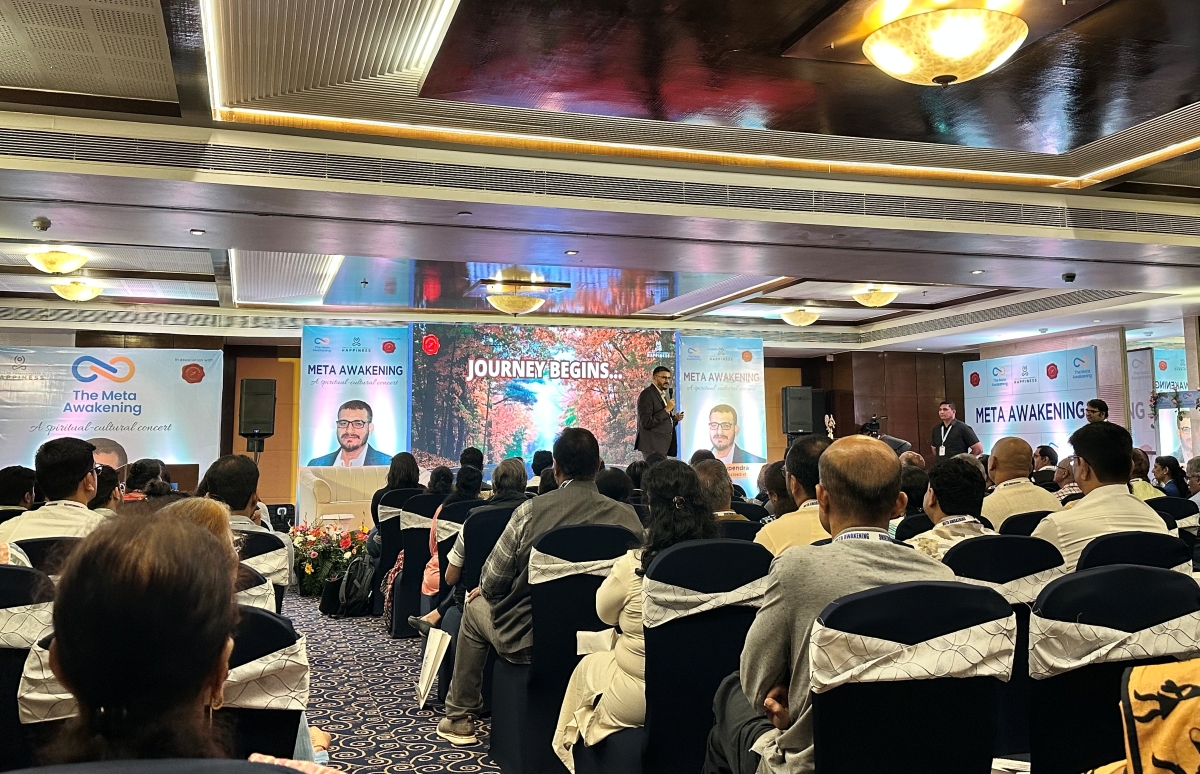
The Science of Self-Inquiry: Bhupendra Chaudhary’s Breakthrough Approach

Unlocking Clarity in a World of Information Overload

Modern professionals are inundated with data, yet clarity remains elusive. Despite the proliferation of knowledge, decision-making is often clouded by cognitive biases, stress, and an overwhelming influx of information. Research underscores that self-awareness is a pivotal factor in leadership, well-being, and effective problem-solving, yet few possess a structured means to cultivate it. Bhupendra Chaudhary offers a transformative, evidence-supported approach to self-inquiry—one that turns consciousness into a measurable and actionable tool for success.

In today’s hypercompetitive corporate and entrepreneurial landscape, the ability to make sound, intuitive decisions is a differentiator. The highest-performing individuals and organizations are no longer defined by their ability to process information but by their ability to distill clarity from it. Self-inquiry, as modernized by Chaudhary, could become the compass that helps navigate through the noise, offering precision in thought, execution, and leadership.

The Neuroscience of Self-Inquiry: Reshaping Neural Pathways

Self-inquiry is not passive reflection; it actively rewires neural pathways. Studies suggest that structured self-inquiry strengthens executive function by activating the prefrontal cortex, which enhances focus, strategic thinking, and emotional regulation. Additionally, it helps regulate the default mode network (DMN), which may break repetitive thought patterns that contribute to stress and indecision. By reducing cognitive load, self-inquiry may enhance mental efficiency, allowing professionals to make clearer and more confident choices in high-stakes situations.

By shifting individuals from reactive, stress-based decision-making to a proactive, intentional mode of operation, self-inquiry could train the mind to operate at peak cognitive performance. When leaders make decisions based on a refined internal awareness rather than emotional impulses or external pressures, they build organizations that are more resilient, adaptive, and innovative.

The Psychological Foundations of Modernized Self-Inquiry

Drawing on established psychological principles, self-inquiry leverages metacognition—awareness of one’s thought processes—to enhance emotional intelligence and leadership effectiveness. Research in cognitive behavioral science highlights that structured self-inquiry can disrupt automatic negative thinking, fostering a more constructive and resilient mindset. Additionally, self-inquiry facilitates flow states, where individuals experience deep engagement and a heightened sense of purpose in work and life.

For high-level professionals, this ability to recognize and shift mental patterns is invaluable. It may enable them to break free from cycles of overthinking, self-doubt, and impulsivity—hallmarks of modern workplace stress. By refining mental clarity, self-inquiry gives professionals the potential to step back, assess challenges from a neutral perspective, and respond rather than react.

Self-Inquiry vs. Traditional Mindfulness and Meditation

While mindfulness encourages passive observation and meditation often prioritizes relaxation, self-inquiry is an active cognitive tool designed for insight-driven problem-solving. Unlike traditional methods that emphasize detachment, self-inquiry promotes a structured investigation of thought patterns, enabling individuals to recognize and reframe limiting beliefs. This makes it particularly valuable for professionals seeking tangible improvements in clarity, performance, and decision-making.

Chaudhary states, “Mindfulness tells you to notice the thought, while self-inquiry challenges you to ask—who is thinking it, and is it even true?”

This shift from observation to interrogation is what makes self-inquiry a potential game-changer. The distinction between these methodologies is crucial. While meditation can help individuals manage stress, it does not necessarily equip them with the ability to deconstruct subconscious biases or reframe limiting narratives. Self-inquiry, on the other hand, may sharpen critical thinking and self-awareness simultaneously, making it an optimal tool for high-performance individuals navigating complexity and uncertainty.

The Science of Self-Inquiry: Bhupendra Chaudhary’s Breakthrough Approach

Photo Courtesy: Bhupendra Chaudhary

Measuring Consciousness: Can Self-Awareness Be Quantified?

Advancements in neuroscience suggest that self-awareness could be tracked through physiological and behavioral markers. Research on heart rate variability (HRV) indicates that greater self-awareness correlates with enhanced emotional resilience. EEG studies reveal distinct neural activity patterns associated with higher levels of consciousness. Behavioral outcomes further validate these findings, with professionals who practice self-inquiry reporting measurable improvements in leadership effectiveness, stress management, and ethical reasoning.

Essentially, leaders who engage in self-inquiry may demonstrate:

  • Faster recovery from setbacks
  • Higher emotional intelligence in negotiations
  • Increased capacity for ethical and long-term strategic thinking
  • Improved ability to handle ambiguity without stress-induced decision fatigue

Chaudhary’s approach takes this further by integrating qualitative assessments, measuring how self-awareness translates into tangible leadership effectiveness. This positions self-inquiry not as a theoretical concept but as a measurable, actionable tool for corporate and personal success.

How Self-Inquiry Elevates Leadership and Performance

Corporate leaders and entrepreneurs are increasingly recognizing the value of self-inquiry in refining decision-making and cultivating resilience. By understanding cognitive biases, self-aware individuals navigate complex challenges with greater composure, cultivating trust within teams and driving strategic success. For innovators and business owners, self-inquiry minimizes reactive thinking and strengthens long-term vision, empowering them to lead with clarity and confidence.

Self-inquiry strengthens leadership in three key ways:

  1. Cognitive Objectivity: Leaders become aware of their biases before they unconsciously influence decisions.
  2. Resilience Under Pressure: By identifying and detaching from reactive emotions, leaders maintain clarity in volatile situations.
  3. Trust and Influence: A self-aware leader communicates with authenticity, creating alignment rather than authority-based compliance.

Beyond individual leadership, self-inquiry is shaping organizational culture. Teams led by self-aware executives exhibit stronger collaboration, improved psychological safety, and higher engagement levels. When leaders operate from a place of clarity rather than emotional turbulence, it creates a ripple effect—enhancing creativity, reducing friction, and nurturing a work environment where challenges are met with adaptability rather than resistance.

The Future of Self-Inquiry: A New Paradigm for Success

As neuroscience and consciousness research continue to evolve, self-inquiry could become a mainstream tool for professional and personal development. Bhupendra Chaudhary’s modernized approach aligns with cutting-edge scientific insights, offering a practical framework for integration into leadership training, education, and mental wellness programs. In an era where clarity is a competitive advantage, operationalized self-inquiry could provide a pathway to more intentional living and decision-making.

Forward-thinking companies are beginning to recognize that the best investment is not just in skill development but in consciousness expansion. Employees trained in self-inquiry may demonstrate greater adaptability, ethical reasoning, and decision-making precision—qualities essential for sustainable success in an unpredictable world.

A Practical Path to Conscious Leadership

Self-inquiry is no longer a philosophical exercise—it is a potentially measurable, evidence-based strategy for those seeking greater self-awareness and effectiveness. Moving beyond autopilot thinking requires deliberate practice, and Bhupendra Chaudhary’s work offers a research-backed method for unlocking one’s full potential. As complexity in the modern world grows, those who cultivate self-awareness are likely to be best positioned to lead with vision, adaptability, and purpose.

For professionals looking to future-proof their leadership skills, self-inquiry is not just an option—it is a necessity. In an era where attention is constantly hijacked and decision-making is clouded by noise, the ability to turn inward, refine one’s thinking, and operate from a place of clarity may determine who thrives and who struggles. As Bhupendra Chaudhary’s groundbreaking work continues to gain traction, the question is no longer whether self-inquiry is valuable but rather how soon individuals and organizations will integrate it into their core strategies for sustainable success.


Published by Mark V.

What Are the Key Features of the SMB Protocol?

The Server Message Block (SMB) protocol is widely used for sharing files, printers, and other resources across a network. This article explores the key features of SMB, including its security enhancements, performance optimizations, and compatibility with modern network environments.

What is the SMB Protocol?

Server Message Block (SMB) is a network communication protocol used to share access to files, printers, and serial ports among devices on the same network. Originally developed by IBM, SMB has evolved significantly over the years. It operates in a request-response mode, where clients send requests to access resources and servers respond with the appropriate data. SMB is commonly used in Windows environments but is also supported by Linux and macOS through implementations like Samba. Modern SMB versions offer improved security features, better performance, and enhanced compatibility with various network configurations.

What Are the Main Features of SMB?

Security Enhancements

One of the standout features of the SMB (Server Message Block) protocol is its robust security enhancements. Modern versions of SMB, particularly SMB 3.0 and above, include end-to-end encryption using AES-based algorithms. This encryption ensures that data transmitted over the network is protected from eavesdropping and tampering. Additionally, SMB 3.1.1 introduced preauthentication integrity, which safeguards against interception attacks by ensuring that the negotiation and session setup messages are cryptographically hashed.

Performance Optimizations

SMB is designed to optimize performance, making it suitable for high-speed networks and demanding applications. Features like SMB Direct leverage Remote Direct Memory Access (RDMA) to enable high-throughput, low-latency communication with minimal CPU usage. This is particularly beneficial for applications like Hyper-V and SQL Server. SMB Multichannel further enhances performance by allowing multiple connections per session, thereby utilizing the full bandwidth of available network interfaces and providing fault tolerance.

Compatibility and Versatility

SMB’s versatility and compatibility make it a preferred choice for network file sharing. It supports a wide range of operating systems, including all versions of Windows since Windows 95, various Linux distributions, and macOS. SMB also facilitates seamless integration with cloud services like Azure Files, which supports SMB 3.0 and above. This compatibility ensures that SMB can be used in diverse environments, providing consistent and reliable access to network resources.

Overall, these features make SMB a powerful and secure protocol for file sharing and network communication, suitable for both on-premises and cloud-based environments.

How Has SMB Evolved Over Time?

The Server Message Block (SMB) protocol has undergone significant evolution since its inception. Initially known as CIFS (Common Internet File System), SMB1 was chatty and had major security flaws. With the introduction of SMB 2.0 in Windows Vista and Server 2008, the protocol saw reduced chattiness and improved security. SMB 3.0, introduced in Windows 8 and Server 2012, added critical features such as SMB Direct and encryption, enhancing performance and security. The latest versions, SMB 3.1.1 in Windows 10 and Server 2016, introduced further encryption enhancements and preauthentication integrity, ensuring robust security and performance.

Summary

The SMB protocol offers robust features for secure, efficient, and versatile file sharing across networks. With enhancements in security, performance, and compatibility, SMB continues to be a crucial component in modern network environments, supporting various applications and ensuring data integrity and accessibility.


Published by Mark V.

Brewing Evolution: How Espresso Mio and Thermoplan Are Influencing NYC’s Coffee Culture

By: Joselin La Vecchia

In the relentless rhythm of New York City, where time is valuable and excellence is often expected, the humble cup of coffee has gradually transformed from a simple necessity to a more sophisticated art form. Behind this evolution stands a notable partnership: a family-owned New Jersey service company and a precision-focused Swiss manufacturer. Together, Espresso Mio and Thermoplan are significantly influencing how the city that never sleeps gets its caffeine fix.

The Lisi Legacy: From Mechanics to Business Leaders

Carlo Lisi’s hands tell a story. Calloused and coffee-stained, they’ve dismantled and rebuilt countless espresso machines across decades of service. In 2001, when he founded Espresso Mio in a small New Jersey garage, few could have predicted how the landscape of commercial coffee service would change—or how central his family would become to that evolution.

“My father understood machines like they were extensions of himself,” explains Vinnie Lisi, who took over the company’s operations in 2019. “But he also understood that what we’re really servicing isn’t just equipment—it’s a business’s reputation, delivered cup by cup.”

This philosophy has guided Espresso Mio’s growth from a one-man repair shop to what many industry insiders now recognize as one of the leading coffee equipment service providers in the tri-state area. Their client roster includes a diverse range of establishments: boutique hotels in Manhattan, artisanal bakeries in Brooklyn, and numerous coffee purveyors across the region.

The company’s trajectory changed significantly when Vinnie stepped in six years ago, bringing contemporary business practices to complement his father’s mechanical expertise. “We were analog in a digital world,” Vinnie admits. “Great service isn’t enough anymore—you need data, predictive maintenance, and technological integration.”

Swiss Precision Meets American Hustle

Three thousand miles away in Weggis, Switzerland, Thermoplan was developing innovative approaches to coffee’s future. Founded in 1974, the company gained international recognition when Starbucks selected their machines to power their global expansion in the late 1990s.

“Thermoplan doesn’t just make coffee machines; they engineer experiences,” explains Joe Lisi, who is part of the Espresso Mio team and Service Director. “Every variable—water temperature, grind size, extraction time—is monitored and controlled with Swiss precision.”

This exactitude is what attracted Espresso Mio to Thermoplan’s products. In 2020, Vinnie Lisi made a strategic decision: instead of simply servicing whatever machines his clients purchased, Espresso Mio would become the exclusive distributor for Thermoplan in the New York metropolitan area.

“It was a strong match,” says Vinnie. “Their engineering excellence combined with our service infrastructure created something unique that neither company could achieve alone.”

Influencing the Status Quo

The partnership’s impact on the New York hospitality scene has been notable. Traditional Italian espresso machines—gleaming, chrome-plated monuments requiring skilled baristas—dominated the landscape for decades. These machines, while beautiful, presented significant challenges: inconsistent quality, extensive training requirements, and frequent maintenance issues.

Thermoplan’s super-automatic machines, serviced exclusively by Espresso Mio’s technicians, offered a compelling alternative. “It’s like comparing a mechanical watch to a smart watch,” explains Tom La Vecchia, Marketing Director for Espresso Mio. “Both make beautiful timepieces, but one requires constant attention while the other tends to be more reliable.”

The partnership’s impact extends beyond financial metrics. As sustainability becomes increasingly important to both businesses and consumers, Thermoplan’s efficiency and Espresso Mio’s preventative maintenance approach have yielded notable environmental benefits.

“These machines use approximately 23% less water and 17% less energy than their traditional counterparts,” explains Joe Lisi, “When you multiply that across hundreds of machines making thousands of beverages daily, the ecological impact is considerable.”

Espresso Mio has further enhanced these benefits by implementing a progressive parts recycling program and transitioning their service fleet to electric vehicles—initiatives that have earned them recognition from local environmental organizations.

The Human Element

Despite the technological focus, both companies emphasize that their success stems from understanding the human dimensions of coffee service.

“Coffee isn’t just a beverage; it’s a moment in someone’s day,” reflects Carlo Lisi, who still occasionally visits client sites despite his semi-retirement. “The machine might be automatic, but the experience should feel personal.”

This philosophy explains why Espresso Mio technicians undergo extensive customer service training alongside their technical certification. It’s also why Thermoplan’s machines, despite their automation, are designed to preserve the theater of coffee-making.

The Future Brewing

As their influence grows, both companies are looking toward innovations that could further shape New York’s coffee landscape.

Thermoplan is developing advanced AI systems that can adjust brewing parameters based on ambient conditions and bean characteristics, aiming to ensure consistent quality despite environmental variables. Meanwhile, Espresso Mio is expanding its training academy, preparing the next generation of specialized technicians.

“The future isn’t just about better machines,” says Vinnie Lisi. “It’s about better integration—connecting equipment, service, and customer experience in ways that could potentially improve the overall experience.”

This vision is already materializing in select locations, where Thermoplan machines connected to Espresso Mio’s monitoring systems can predict maintenance needs before failures occur, automatically scheduling service during off-hours to minimize disruption.

A Cultural Shift

Perhaps the most significant indicator of the partnership’s success is the changing perception of automated coffee systems among New York’s notoriously discerning coffee enthusiasts.

“Five years ago, many serious coffee people wouldn’t touch a super-automatic machine,” adds Carlo. “Now they’re recognizing that technology and quality can coexist.”

This cultural shift is visible in the changing language of coffee menus across the city, where terms like “precision-engineered extraction” and “algorithmically optimized brewing” have begun to appear alongside traditional Italian terminology.

As New York continues its post-pandemic evolution, the partnership between Espresso Mio and Thermoplan offers a compelling example of how family businesses can leverage global expertise to create local impact. In a city defined by its coffee culture, they’ve demonstrated that innovation doesn’t require abandoning tradition—just reimagining how it’s delivered.

From Carlo Lisi’s oil-stained garage to the sleek cafes of Fifth Avenue, the journey of Espresso Mio and Thermoplan reflects New York itself: pragmatic yet passionate, technically sophisticated yet deeply human. Cup by cup, they’re brewing not just better coffee, but a promising model for how tradition and technology can coexist in the city that never sleeps—but always caffeinated.


Published by Stephanie M.

Bridging Tradition and Modernity: Yu Tong Tiffany Ling’s Design Journey

By: Katherine Watkins

San Francisco, CA – Yu Tong Tiffany Ling is an accomplished Product Designer who has made notable strides in UX/UI design, product strategy, and visual communication. With a career spanning multiple industries, including AI, workforce analytics, smart home applications, and e-commerce, Ling has established herself as a creative professional who often blends technology with user-centered design. Her award-winning project, XYG Window, demonstrates this synergy by merging traditional Chinese aesthetics with modern interface design.

Ling’s design career is built on a solid foundation of education and industry experience. She holds a Master’s degree in Integrated Innovation for Products and Services from Carnegie Mellon University and a Bachelor of Fine Arts in Communication Design from Parsons School of Design. Her expertise spans user research, interface prototyping, and branding, making her a highly capable leader in digital product design.

Currently, Ling serves as the Lead UI/UX Designer at DataPizza, where she has played a key role in the creation of a custom video data labeling platform for Adobe Firefly. By integrating a human-model-in-the-loop approach with ChatGPT API, she reportedly increased labeling accuracy from 70% to over 90%, surpassing many previous industry solutions. At GoodCompany, she directed workforce analytics and career platform design, contributing to the securing of three rounds of funding. Additionally, as the Lead Product Designer at MathGPTPro, she helped achieve a 47% increase in product usage, highlighting her impact on user engagement and business growth.

Beyond startups, Ling has also worked with major corporations such as CGI and Alibaba Group, leading initiatives like the design of a Progressive Web App for Southern Company, which reportedly enhanced operational efficiency by 25%, and the development of 3D fashion interfaces and AR features for Taobao, which were noted to improve online shopping satisfaction significantly. Her ability to optimize product experiences through both user research and technical design tools positions her as a respected figure in the UX industry.

Among Ling’s many contributions to the design world, her award-winning project, XYG Window, is particularly noteworthy for its thoughtful integration of traditional Chinese artistry with contemporary visual communication. Recognized with the Red Dot Design Award in 2023, XYG Window serves as the visual identity for XYG Studio, a creative agency that values both innovation and heritage.

Inspired by the ancient literati aesthetic, Ling sought to capture the elegance of traditional seal script and the architectural beauty of Suzhou’s classical gardens. By deconstructing the studio founder’s name and reconstructing it in seal script style, the resulting design aims to embody both historical reverence and modern minimalism. This careful balance between past and present is a defining feature of Ling’s work.

Beyond a striking visual identity, XYG Window extends its artistic philosophy to interactive elements. The website’s homepage navigation leverages the interplay between yin and yang spaces, turning the negative space left by the logo into functional interface components. This unique approach is designed to enhance the user experience by creating a dynamic yet intuitive way to explore the site.

The project’s development was guided by precision and mathematical harmony, incorporating the Fibonacci sequence and grid systems to refine the brand’s structure. Ling also curated a sophisticated color palette featuring traditional Chinese shades—“gangqing” (steel blue, R20, G35, B52) and “zaohong” (purplish red, R124, G24, B35)—which help reinforce the design’s cultural authenticity.

To further embed the brand into tangible experiences, Ling expanded XYG Window beyond digital design. The project includes an array of physical products, such as bloodstone seals, eco-bags, and business cards, ensuring that the studio’s branding extends seamlessly from the digital world to real-world interactions. This multi-faceted approach reflects Ling’s belief that design should not only capture attention but also tell a story—a philosophy deeply rooted in traditional Chinese art.

Yu Tong Tiffany Ling’s work on XYG Window illustrates her ability to weave historical elements into contemporary design, creating products that are not only aesthetically compelling but also deeply meaningful. As a product designer, she continues to explore the boundaries of UX/UI innovation, ensuring that each project she touches strives to enhance user experience while maintaining cultural integrity.

With her broad skill set and strategic mindset, Ling is poised to leave a significant impact on the design industry, suggesting that technology and tradition can indeed coexist harmoniously. As she continues to evolve as a designer and leader, the industry eagerly anticipates her next groundbreaking project. 

Published by Drake M.

The Fine Line Between Reality and Illusion: ‘A Victim of Circumstance’ – When the Mind Betrays You

By: Senoria Williams

The human mind is a powerful thing. It holds memories, emotions, and logic, helping us make our way through life. But what happens when the mind turns against you? When the line between reality and illusion fades, and you can no longer trust your own thoughts?

This is the terrifying experience of Roy, the protagonist in A Victim of Circumstance by Name. His struggle with addiction and trauma takes him to a place where reality bends, and the world he thought he knew becomes something entirely different.

Roy was an ordinary man, a writer living alone, battling chronic pain. His life changed the moment he started using Oxycodone, a painkiller prescribed by his doctor. At first, it helped him cope with his physical suffering, but over time, it became more than just medication. It altered his perception, creating a new world where real events and hallucinations mixed together. What started as simple pain relief led him into a reality where he could no longer tell what was real and what was a trick of his own mind.

One night, as he sat writing, he experienced something strange. When he closed his eyes, a movie played in his head—vivid, detailed, and too real to ignore. He was no longer just a viewer; he was part of it. The hallucinations grew stronger, appearing even when he was awake.

At times, he believed he was living inside a thriller, where unseen enemies were controlling his life, manipulating his actions, and stealing his identity. His fears were not completely unfounded—he was being followed, his inheritance had vanished, and a crime he did not understand was unfolding around him. But the question remained: how much of it was real, and how much was a creation of his drug-induced mind?

A Victim of Circumstance explores this fine line between reality and illusion. Roy’s struggle is not just about addiction; it is about losing control of one’s own mind. His perception of time becomes fractured. He finds himself in the middle of events he cannot fully remember.

He believes his children have been kidnapped. He is convinced his long-dead wife is still alive, standing in front of him, speaking to him as if nothing had happened. But can he trust what he sees? Or is it another illusion created by his mind, desperate for answers?

His journey becomes even more terrifying when he realizes that his confusion is not just a personal struggle—it has real-world consequences. The police don’t believe his story, doctors dismiss his fears, and even those closest to him question his sanity. The isolation deepens, leaving him trapped in a prison of his own thoughts. This is where A Victim of Circumstance becomes more than just a thriller; it is a deep dive into the human mind, showing how trauma and addiction can break a person, leaving them defenseless against their own fears.

Roy’s experiences reflect the real-life struggles of many who battle addiction. Prescription painkillers, while meant to heal, can sometimes take control, leading to dependency, memory loss, and hallucinations.

Many people, like Roy, continue taking medication as prescribed, unaware of how it is slowly changing them. They lose time, they forget details, and they start to question their own reality. The danger is not just in the addiction itself but in the way it reshapes the world around them.

This is what makes A Victim of Circumstance such a gripping read. It is not just a story about crime and mystery; it is about a man fighting against the betrayal of his own mind.

His battle is not only with those who have deceived him but also with himself. As readers, we are forced to ask: how much can we trust our own memories? If reality can be altered by trauma, fear, and addiction, then who decides what is real?

Roy’s journey is unpredictable, filled with twists and turns that challenge both him and the reader. One moment, he believes he is uncovering the truth; the next, he questions if any of it ever happened. The book takes us through his struggle, making us feel his confusion, his desperation, and his need to escape the trap his mind has created.

If you are looking for a book that will make you question reality itself, A Victim of Circumstance is a must-read. It is not just a thriller—it is a psychological experience that pulls you into a world where truth and illusion collide. Get your copy today and step into a story that will leave you wondering: what if your own mind turned against you?

Published by Anne C.

Chinese Ceramic Artist Liang Zhang Gains Recognition After TRYST Alternative Art Fair

By: Dan Chen

As the TRYST Alternative Art Fair prepares for its return in July 2025, the impact of the previous edition, held in August 2024, continues to be felt. Among the standout participants was Liang Zhang, an acclaimed Chinese ceramic artist and co-founder of Artdrop.LA. Reflecting on last year’s fair, Zhang’s work has garnered significant recognition, reinforcing her status as an innovative and influential figure in contemporary ceramics.

TRYST is an international art fair for artist-run spaces and collectives, as well as a global gathering to address the needs and future of international exchange among artist-run spaces, collectives, and organizations. Run through the Torrance Art Museum (TAM) and the City of Torrance, this will be the third edition of TRYST. With the increasing need for opportunities and artistic exchange worldwide between grassroots artist organizations, the fair aims to facilitate the exposure of international artists to new Los Angeles audiences. It provides a space for artists and collectives to network, engage, and provoke further international exchanges and interaction. The program includes talks, performances, and social events for participants, fostering a vibrant dialogue between artists from diverse backgrounds.

Torrance Art Museum is a program of the Cultural Services Division of the City of Torrance Community Services Department. The Museum encourages all people to develop and increase their understanding and appreciation for modern and contemporary artwork via a variety of exhibitions offered in its gallery spaces, as well as educational programs, artist talks, lectures, and symposia.

Chinese Ceramic Artist Liang Zhang Gains Recognition After TRYST Alternative Art Fair

Photo Courtesy: Liang Zhang / www.torranceartmuseum.com

Through its emphasis on contemporary artistic expression in Southern California and globally, TAM brings together visual artists and community members, fosters personal and civic well-being by inspiring understanding and appreciation of the visual arts, promotes meaningful experiences in the arts to strengthen creative and critical thinking skills, and builds bridges between the visual arts and other disciplines in the humanities and sciences.

Chinese Ceramic Artist Liang Zhang Gains Recognition After TRYST Alternative Art Fair

Photo Courtesy: Liang Zhang

As an artist dedicated to bridging cultural heritage with modern artistic expression, Zhang has consistently demonstrated exceptional talent and influence. Her participation in the 2024 TRYST Alternative Art Fair was a significant milestone, garnering critical attention and leading to new opportunities for artistic engagement. Through Artdrop.LA, a Los Angeles-based artist collective, Zhang has championed experimental and site-specific approaches to art-making, creating immersive experiences that challenge conventional narratives.

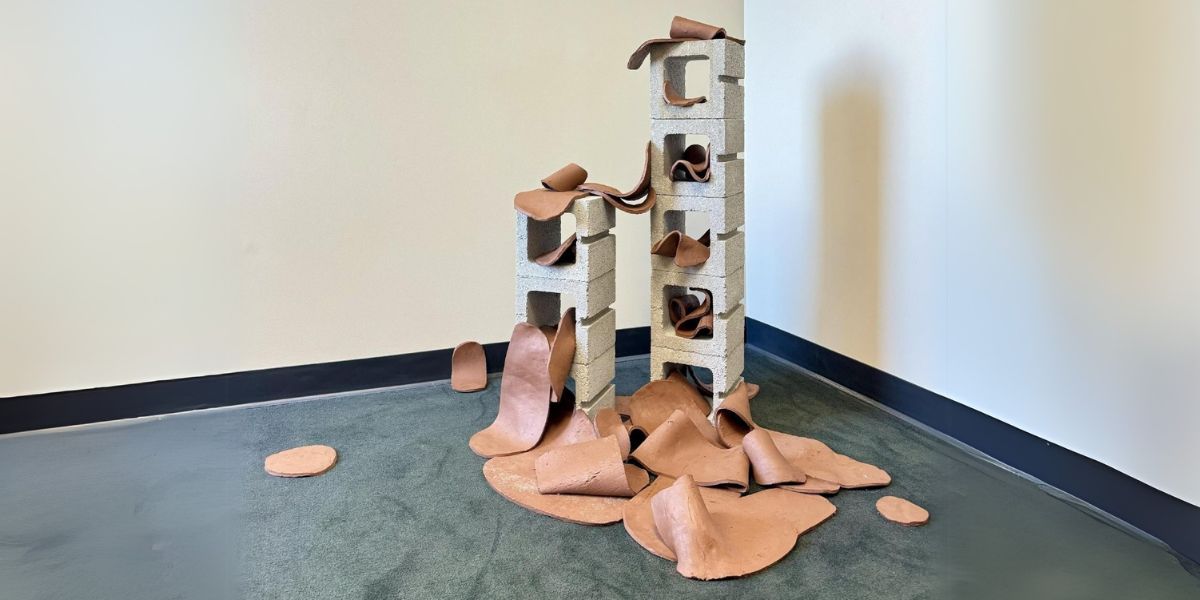
At TRYST, Zhang presented “Yielding to the Solid” (2024), an installation composed of concrete blocks and clay, exploring the tension between rigidity and adaptability. The piece delves into the contrast between the unyielding nature of societal structures and the flexibility of human behavior. The concrete blocks symbolize the rigid frameworks of laws, norms, and systems that govern and restrict, while the clay slabs, placed within and around the concrete, represent human resilience—soft, malleable, and ever-changing. The interplay between these elements invites contemplation on how individuals navigate restrictive societal boundaries, finding freedom and self-expression even within constraints.

The installation captivated audiences and critics alike, sparking discussions on contemporary societal structures and personal agency. The response to “Yielding to the Solid” has extended beyond TRYST, earning Zhang recognition from curators and collectors, as well as invitations to showcase the work in additional exhibitions. The piece has been noted for its ability to merge traditional ceramic craftsmanship with conceptual depth, further establishing Zhang as a leading voice in contemporary ceramics.

Beyond the art fair, Zhang’s impact extends into curatorial initiatives, cross-disciplinary collaborations, and educational outreach. As a recognized leader in the field, she has exhibited in prestigious galleries and institutions like 4C gallery in San Gabriel, CA and Atifact Projects in New York, influencing a new generation of artists through mentorship and community-driven projects. Her dedication to pushing the boundaries of ceramic art and fostering meaningful discourse within the art community underscores the significance of her practice.

With a career marked by excellence and innovation, Zhang exemplifies the extraordinary talent and vision of a leading artist. Her participation in TRYST Alternative Art Fair continues to affirm a lasting artistic legacy, demonstrating an ongoing commitment to cultural dialogue, creative evolution, and global impact.

For more information on Liang Zhang’s work and upcoming exhibitions, visit liangzhang.art.

Published by Anne C.