Strategic Development Tactics That May Help Boost Sales Revenue

Sales can feel like a never-ending battle. You’re chasing leads and trying new strategies—but revenue might not be growing as fast as you’d like. Sounds familiar?

Many businesses face this challenge. The market is competitive, and customer expectations keep evolving. What worked yesterday may not be effective tomorrow.

So, what’s the solution? Exploring strategies that drive success and adapt to market dynamics. Focus on these development tactics, and you could unlock new revenue opportunities.

Ready to refine your approach? Here are seven strategic tactics that may help boost your sales revenue.

Sales Team Training & Development

A skilled sales team plays a crucial role in revenue growth. Even the best products don’t always sell themselves. So, your team needs the right approach.

Think about a car dealership. The top salespeople aren’t pushy. They know how to listen, highlight the right features, and make customers feel confident about their purchases.

Invest in regular sales team training to sharpen your staff’s skills. Teach them to handle objections, build trust, and close deals effectively. You can do this through workshops, online courses, or role-playing exercises. Remember, a well-trained sales team can help build lasting customer relationships.

Customer-Centric Approach

Approach selling as solving problems rather than just pushing products. Many customers don’t buy because of fancy features; they buy because something addresses their needs.

Take Apple, for example. They don’t just sell phones—they sell a seamless user experience. Their focus on customer needs has contributed to their strong brand loyalty.

To boost sales, put yourself in your customers’ shoes. What do they struggle with? What solutions are they looking for?

Use surveys, reviews, and direct conversations to understand their pain points. Then, tailor your messaging, products, and services around what truly matters to them.

Data-Driven Decision Making

Guesswork alone doesn’t grow revenue—data can provide valuable insights. Successful businesses make decisions based on numbers, not just intuition.

Think about an online store. If they notice that customers abandon their carts at checkout, they don’t assume why—it’s all in the data. Maybe shipping costs are too high, or the process takes too long. By analyzing trends, they might identify the issue and recover lost sales.

Your business should do the same. Use analytics to track customer behavior, sales trends, and marketing performance. Are certain products selling better on weekends? Does one sales email get more responses than another? The answers could be in the numbers.

Upselling & Cross-Selling Techniques

Have you ever compared the cost of acquiring versus retaining a customer? Bringing in new customers often costs significantly more than retaining the existing ones. So, why not maximize sales from the clients you already have?

Ever ordered a burger and got asked, “Would you like fries with that?” That’s cross-selling—offering a related product. Upselling is similar but involves offering a better version of what the customer is already buying.

Amazon does this effectively with its “Frequently Bought Together” section. They make it easy for customers to buy more without feeling pressured. Train your team to suggest relevant add-ons or upgrades to increase potential sales.

Streamlining Sales Processes

A slow, complicated sales process can discourage potential buyers. Customers don’t have time for endless forms, confusing checkouts, or back-and-forth emails.

Think about how easy it is to buy from Amazon. A few clicks, and you’re done. That’s because they’ve streamlined the process.

Look at your own sales funnel. Where are customers dropping off? Are there too many steps? Are they waiting too long for responses? Automate what you can—like follow-up emails, payment processing, or appointment scheduling—to create a smoother experience.

Leveraging Digital Marketing

If people don’t know about your business, they can’t consider buying from you. But with digital marketing, you have the opportunity to attract relevant leads.

Imagine a small bakery that starts posting behind-the-scenes videos on Instagram. Within weeks, locals flood in, excited to try the treats they’ve seen online. That’s the power of online visibility.

SEO (search engine optimization) can help people find your business on Google. Social media marketing can build brand awareness. Email marketing can nurture leads into customers. Paid ads can drive immediate traffic.

Maximize your digital marketing and focus on strategies that keep your business visible to the right audience. The more people you reach, the more potential opportunities you create.

Building Strong Customer Relationships

Repeat customers tend to spend more and buy more often. But loyalty doesn’t happen overnight; it’s built through trust and connection.

Starbucks is a prime example. People don’t just go for coffee; they go for the experience, the familiarity, and the rewards program. That’s customer relationship-building in action.

Engage with your customers beyond the sale. Follow up with them, offer exclusive deals, and provide excellent customer service. Personal touches—like a thank-you email or a birthday discount—can make a meaningful difference.

Conclusion

Want to grow sales? Don’t think about quick fixes. You need smart, strategic moves to compete effectively.

Train your sales team, put customers first, and use data to guide decisions. Add in digital marketing and upselling, and you’ll be positioning yourself for long-term success.

But remember, relationships matter most. A loyal customer often holds greater value than a one-time sale. Keep delivering value, adapt to market dynamics, and your revenue may start to grow.


Disclaimer: The strategies and tactics mentioned in this article are for informational purposes only and do not guarantee specific financial results. Sales performance depends on various factors, including market conditions, competition, and individual business execution. Readers should evaluate their own business needs and consider consulting a professional before implementing any sales or marketing strategies.

Published by Tom W.

Types of Benefits Available for Mesothelioma Victims and Their Families

Asbestos exposure has been linked to the development of mesothelioma, a rare yet aggressive form of cancer. This illness poses significant emotional, physical, and financial difficulties for victims as well as their families. Authorities have implemented various measures to assist victims by providing necessary benefits in recognition of these hardships. Here are five main benefit categories, including guidelines to help maximize compensation and care coverage.

Legal Compensation

A legal approach can often be an effective means of securing potential compensation. Cases involving mesothelioma fall under the categories of wrongful death claims or personal injury claims, depending on whether the affected individual has passed away or is still alive.

How the Lawsuit Works

  • Personal injury claims: A lawful instance that allows victims of asbestos exposure to file complaints against companies allegedly responsible for their condition. The legal complaint seeks possible payment for physical discomfort, lost income, medical expenses, and punitive damages when applicable.
  • Wrongful death claim: This applies when the victim passes away before filing a lawsuit. Here, compensation may include loss of companionship, funeral expenses, and lost income.

Asbestos Trust Funds

Insurance trusts established by bankrupt asbestos companies exist to provide financial relief to victims of asbestos exposure. There are specific eligibility requirements for these trusts that necessitate medical evidence of mesothelioma and proof of asbestos contact with the particular company involved. Typically, asbestos trust funds aim to provide financial compensation efficiently, ensuring that eligible claimants can receive funds without extensive delays. Benefits may include:

  • Medical coverage for treatments such as surgery and chemotherapy
  • A relatively short waiting period for compensation, often around 90 days or less

This compensation system can help cover both temporary and permanent job-related disabilities due to health issues caused by asbestos exposure. Consulting a competent asbestos attorney may improve the likelihood of maximizing compensation and ensuring a claim is filed on time.

Workers’ Compensation Claims

People who develop mesothelioma after workplace exposure in construction, manufacturing, or firefighting may qualify to file claims with state-run workers’ compensation funds. Benefits often include:

  • Medical coverage for treatments (surgery, chemotherapy).
  • Wage replacement

The compensation system is designed to provide financial assistance for temporary or permanent job-related disabilities.

Veterans Benefits

Veterans Benefits include a wide array of government-created programs alongside support resources intended to assist military veterans. These may cover:

  • VA disability compensation: Monthly tax-free payments for veterans with service-connected disabilities
  • VA healthcare: Veterans Affairs hospitals may provide no-cost or reduced-price medical services, including specialist care for mesothelioma patients.

President Carter enacted laws to allow the VA to reimburse veterans for medical travel costs when they need to commute to their appointments.

Government Disability and Healthcare Benefits

Social Security Disability Insurance (SSDI) and Supplemental Security Income (SSI)

SSDI provides financial assistance to workers who have contributed through Social Security taxes. Additionally, SSDI offers expedited approval through the Compassionate Allowances Program. This program enables automatic qualification for benefits, potentially leading to a significantly faster processing time, typically within a matter of weeks.

Medicare and Medicaid

Medicare insurance may cover up to 80% of healthcare treatment costs for patients aged 65 or those who have received Social Security Disability Insurance coverage for two years. Through the Medicaid initiative, states and the federal government offer financial support for low-income groups by paying for medical copays, hospice services, and some experimental medical treatments.

Hospice Care Benefit

Hospice services are generally covered by Medicare, Medicaid, and private health insurance for individuals with terminal illnesses. These services encompass pain management and family support, including counseling and home-based care.

Endnote

The benefits designated for mesothelioma patients can provide essential financial relief and aid in accessing extended medical support. Through legal action, trust fund claims, veterans’ programs, and government assistance, victims and families may be able to obtain significant compensation. When facing these complex issues, seeking professional guidance and acting promptly can be vital for obtaining necessary support and dignity during this very difficult period.


Disclaimer: The content in this article is provided for general knowledge. It does not constitute legal advice, and readers should seek advice from qualified legal professionals regarding particular cases or situations.

Published by Drake M.

The Unseen Perils of Military Operations

Many veterans experience lasting health issues long after their service ends. This is often the result of prolonged exposure to toxic environments and intense physical activity. Breathing problems, hearing loss and behavioral challenges are also among the major problems that persistently impact their quality of life. While certain risks are thoroughly documented, others tend to be neglected or go unnoticed. This deprives many individuals of the necessary support or awareness needed for self-protection.

A Silent Legacy

Valued for its heat and fire resistance properties, asbestos was widely used in military fleets, transport vehicles, and buildings until the late 20th century. Personnel involved in shipyard work, equipment maintenance or construction were at particularly high risk of inhaling these hazardous fibers.

This simply meant veterans and mesothelioma went hand in hand, with an increasing risk of serious lung diseases many years down the line. The worst part is that the lengthy latency period of these conditions makes diagnosis and treatment challenging. This has caused many individuals to encounter their effects unexpectedly later on in life.

The Unseen Enemy

Burn pits were widely used in military bases to incinerate waste from armed operations. The smoke emitted from these sites contained a mixture of particulate matter and hazardous substances. This included carcinogens linked to various respiratory illnesses and cancers.

Veterans exposed to these fumes frequently report chronic breathing issues, along with increased rates of asthma and bronchitis. Delayed onset also complicates efforts to establish a direct link between health problems and pollutant  exposure.

The Overlooked Battlefield

The thunderous sounds of engines, explosive blasts, and constant machinery noise are more than just fleeting disruptions. They have lasting effects on auditory function. Hearing loss and tinnitus rank among the most prevalent service-related disabilities. These also significantly impair daily communication and quality of life. Even with protective equipment, many veterans encountered harmful resonance levels that exceeded safety limits.

Hidden Threats

While physical injuries often receive the most focus, chemical and radiological hazards are equally dangerous. Veterans who worked with munitions, fuels, or other toxic materials have a heightened risk of developing cancer and organ damage. Likewise, individuals stationed near nuclear test sites or involved in cleanup efforts may face issues due to excessive exposure. The most concerning part is that these effects can develop silently over time and emerge long after personnel leave active duty.

Long-Term Toll

The physical demands of combat and intense training routines can severely impact the body. They often result in chronic pain and musculoskeletal problems. Without adequate rehabilitation, these injuries may progress into long-term disabilities that impair mobility and daily functioning. This can necessitate continuous care and sometimes result in increased reliance on pain medications. Sadly, prolonged use of drugs can lead to side effects that further complicate these issues.

Endnote

As veterans endure unseen scars and physical challenges from their service, it is crucial for society to recognize and address these issues with urgency. Supporting them requires comprehensive healthcare, improved access to disability benefits, and continued research into occupational hazards.

Published by Anne C.

NYC Locksmith Guide: Finding Trusted and Affordable Help

When you are locked out of your New York City home, office, or car, you need a fast, reliable, and affordable locksmith. With countless locksmith services available, finding the right NYC locksmith can be overwhelming. Whether you need emergency lockout assistance, key duplication, or high-security lock installations, selecting the right professional is crucial to your safety and peace of mind.

New York City is home to a bustling population, and with that comes a demand for locksmith services that cater to various needs. Locksmiths operate across the city from Manhattan to Brooklyn, Queens to the Bronx, and Staten Island, offering different service levels, expertise, and pricing. But how do you distinguish the exceptional from the ordinary? This guide will help you navigate the process of choosing the ideal locksmith in NYC by outlining key factors to consider.

Licensing and Certification: Why It Matters

One critical factor when selecting a locksmith in NYC is verifying their licensing and certification. In New York, locksmiths are required to hold a license issued by the New York Department of State. This helps them have undergone background checks and possess the necessary skills to perform locksmithing tasks legally and ethically.

A licensed locksmith will adhere to industry standards and ideal practices, reducing the risk of fraud or subpar workmanship. Certifications from organizations such as the Associated Locksmiths of America (ALOA) can further demonstrate their credibility and expertise. Before hiring a locksmith, ask for their license number and check its validity through official state websites. Choosing a licensed professional helps to be a reliable service and protects against potential issues.

Availability and Response Time: The Need for Speed

Emergencies can happen at any time, so it’s essential to choose a locksmith who offers 24/7 availability and rapid response times. Getting locked out of your apartment in the middle of the night or dealing with a broken car key on a busy street requires a locksmith who can arrive promptly and resolve the issue efficiently.

When researching locksmiths, look for those who advertise fast response times, typically within 30 minutes. Many reputable NYC locksmiths use GPS tracking to dispatch technicians quickly based on your location. Reading customer reviews can also provide insight into their reliability during emergencies. The ideal locksmiths prioritize customer needs and help so that no one is left stranded for too long.

Transparent Pricing: Avoiding Hidden Fees

Price is a significant factor when hiring a locksmith, but it’s essential to aim for transparency in pricing. Some locksmiths may advertise low initial rates only to inflate costs after completing the job. To avoid unexpected expenses, ask for a detailed estimate before work begins.

Reputable locksmiths provide clear pricing structures for lock changes, rekeying, and emergency lockouts. They should be upfront about additional costs for after-hours services, new hardware, or complex lock repairs. Comparing prices from multiple locksmiths can help you find one that offers fair and competitive rates without compromising quality.

Reputation and Reviews: What Customers Say Matters

A locksmith’s reputation can tell a lot about their reliability and professionalism. Customer reviews on platforms such as Google, Yelp, and the Better Business Bureau (BBB) provide real-world experiences from past clients. Pay attention to feedback regarding punctuality, service quality, and overall customer satisfaction.

Word of mouth is another helpful tool. Ask friends, family, or colleagues for recommendations, as personal experiences often lead to trustworthy referrals. A locksmith with consistently positive reviews and testimonials is more likely to provide exceptional service. Be wary of those with numerous complaints about hidden fees, poor workmanship, or unresponsiveness.

Specialization and Services Offered

Not all locksmiths offer the same range of services. Some specialize in residential locksmithing, while others focus on commercial or automotive locksmithing. Understanding a locksmith’s expertise can help you find the right professional.

Standard locksmith services include lock installation, key duplication, master key systems, smart lock installation, and security system upgrades. If you require specialized services such as safe cracking, biometric lock installation, or high-security lock repairs, make sure the locksmith you choose has experience in those areas. The more diverse their skill set, the better equipped they are to handle unique locksmithing challenges.

Insurance and Warranty: Protecting Your Investment

A reputable locksmith should be insured to cover any accidental damages during service. Insurance helps avoid liability for any mishaps, whether a damaged door frame or a malfunctioning lock installation.

Additionally, the ideal locksmiths in NYC offer warranties on their work. A warranty assures that any lock or key service issues may be addressed within a specified period at no extra cost. Always ask about warranties and insurance coverage before hiring a locksmith to help with your property’s peace of mind and protection.

Advanced Technology and Security Solutions

The locksmith industry has evolved with technology, and modern security solutions are now available to enhance safety. If you’re looking for advanced locking systems such as keyless entry, biometric locks, or smart home security integration, choose a locksmith familiar with the latest innovations.

NYC residents and businesses increasingly adopt electronic locks and remote access control systems for added security. A locksmith who stays updated with emerging trends and offers installation and maintenance of high-tech security systems can help you safeguard your home or office effectively.

Customer Service and Professionalism

The ideal locksmiths provide expert technical services and prioritize excellent customer service. Professionalism is evident in how they communicate, arrive for appointments, and handle customer inquiries. A locksmith who values customer satisfaction will be courteous, respectful, and transparent throughout the process.

Look for locksmiths who clearly explain their services, answer questions patiently, and offer professional advice on security enhancements. A good locksmith understands the importance of trust and reliability and strives to build lasting client relationships.

Locally Owned vs. National Chains: Which is Better?

Choosing between a locally owned locksmith and a national chain can impact your overall experience. Local locksmiths often provide more personalized service, as they rely on community reputation and customer loyalty. They may also have better knowledge of NYC neighborhoods and common security concerns.

On the other hand, national chains provide standardized services and may be more widely available. Some customers appreciate that locally owned businesses can offer a different level of flexibility, pricing, and customer service. Choosing a provider with a solid reputation and professional standards can be beneficial.

Conclusion

Finding the suitable locksmith in NYC requires careful consideration of licensing, reputation, pricing, services, and customer support. Whether you need a quick lockout solution, security upgrades, or routine key duplication, choosing a licensed, reliable, and affordable locksmith can help ensure a stress-free experience.

By researching and selecting a trusted professional, you can rest assured that your security needs are in good hands. The ideal NYC locksmiths prioritize fast response times, transparent pricing, and high-quality workmanship, helping residents and businesses receive high-quality service whenever needed. With the right locksmith, you can enhance your security and prevent future lock-related emergencies before they happen.

Published by Anne C.

The Art of Entertaining: Mastering Hospitality in the Modern Era

By: Jay Feldman

In an age of digital interactions and fast-paced lifestyles, the importance of etiquette and hospitality has evolved significantly. Once seen as mere social niceties, these skills have become essential in personal and professional settings. Maggie Fleming’s book, “The Art of Entertaining,” delves into the intricacies of modern hospitality, offering a guide on how to host, engage, and create meaningful social experiences.

From corporate gatherings to intimate dinner parties, thoughtful hosting creates an environment where guests feel valued, and the experience remains memorable long after the event concludes. This article explores key themes from “The Art of Entertaining” and how they apply to contemporary social and professional interactions.

The Evolution of Hospitality and Social Etiquette

Hospitality has long been a defining element of human interaction, shaping how societies interact and engage. Traditionally, hosting was viewed as a formal responsibility, involving strict rules and elaborate settings. However, as Fleming points out in “The Art of Entertaining,” modern hospitality has shifted towards approachability.

Today’s hosts often accommodate guests with different hospitality preferences, dietary needs, and communication styles. Rather than focusing on strict formalities, the goal is to create a welcoming environment that encourages connection.

The Role of Hosting in Professional Success

Entertaining is not limited to personal gatherings — it extends to networking, corporate events, and professional engagements. Fleming underscores how mastering hospitality may help enhance career opportunities and leadership presence. From meetings to high-profile business dinners to industry conferences, those who understand social etiquette can make lasting impressions on colleagues, clients, and potential investors.

Key takeaways from “The Art of Entertaining” in a professional context include:

  • Attention to Detail: Help with seamless event execution by anticipating guest needs.
  • Presentation Matters: The way the décor is curated makes an overall impact.
  • Conversational Leadership: Guide discussions while making all attendees feel valued.

Hosting Beyond the Table: Digital Etiquette and Virtual Gatherings

With the rise of remote work and virtual events, the principles of digital hospitality have become just as important as in-person hosting. As Fleming highlights, etiquette extends beyond physical spaces and applies to Zoom meetings, online networking, and virtual conferences.

Ideal practices for digital hospitality include:

  • Punctuality: Helping all participants are given time to speak and feel included.
  • Respect for Boundaries: Understanding when to transition between professional and personal discussions.
  • Engagement: Responding thoughtfully, even in digital settings.

Cultural Sensitivity in Hospitality

One of the relevant aspects of Fleming’s book is her emphasis on awareness and inclusivity in hospitality. Successful hosts must recognize and respect diverse traditions, customs, and dining principles in an increasingly globalized world.

For example:

  • In Middle Eastern cultures, sharing food is an act of trust and generosity.
  • In Japanese settings, attention to detail in presentation is a mark of respect.
  • In Western traditions, firm handshakes establish rapport.

By being mindful of these cultural nuances, hosts can create more welcoming and inclusive experiences for their guests.

Practical Applications: How to Elevate Your Hosting Skills

Fleming’s “The Art of Entertaining” provides actionable insights that can be easily implemented. It mainly helps beginners but illuminates professionals, whether hosting a dinner party, corporate event, or casual brunch.

Some practical takeaways include:

  • Crafting a Thoughtful Guest List: Invite individuals who will contribute to an engaging and dynamic atmosphere.
  • Personalized Touches: To enhance the guest experience, add unique elements, such as handwritten place cards or customized menus.
  • Mastering the Art of Conversation: Know when to lead discussions.

The Intersection of Hospitality and Business Leadership

Maggie Fleming’s insights extend beyond etiquette; they reflect a more profound philosophy about leadership. Hospitality, at its core, is about making others feel valued — a principle that applies directly to business and leadership.

Studies show executives who master etiquette and social intelligence excel in negotiations, team management, and client relations. Business leaders prioritize interpersonal skills and hospitality to build relationships and foster trust.

LeadAfi has covered Fleming’s expertise in hospitality, highlighting her contributions to business leadership and etiquette refinement.

The Lasting Impact of Thoughtful Hospitality

In an era where digital interactions often replace in-person gatherings, the ability to host with intention and authenticity has become valuable. Fleming’s “The Art of Entertaining” is a modern guide to navigating hospitality business, and social interactions.

By embracing the principles of attentive hosting, awareness, and digital etiquette, individuals can create lasting impressions and build stronger relationships — personally and professionally.

This internationally recognized book explains how to refine your hospitality skills. Whether you’re hosting a dinner party, leading a team, or attending a corporate event, the ability to engage meaningfully will always set you apart.

This article was created under the direct supervision of Evrima Chicago Newsroom. For interviews or collaborations with Meggie Fleming, write to us at pr@evrimachicago.com.


Disclaimer: This article is for informational purposes only and is based on insights from The Art of Entertaining by Maggie Fleming. The perspectives shared reflect the author’s approach to modern hospitality and social etiquette but may not encompass all viewpoints on the subject. Readers are encouraged to adapt the recommendations to their unique personal and professional contexts.

Published by Drake M.

Unveiling the Complexity of Morality and Murder in Austin Stone’s Work

By: Michael E. Edwards

Austin Stone’s Missing, Murder Suspected: A True Crime Trilogy takes readers on a deep look into the psychological and emotional complexities surrounding three notorious murder cases. The book, edited posthumously by Edmund (Ed) J.A. Stone is not just a recounting of horrific events but an exploration of the dark side of human relationships and the moral dilemmas that can lead to murder.

Each story in the trilogy reveals the profound impact of love, hate, and guilt on the individuals involved, offering a nuanced understanding of the human psyche and the tragic outcomes that can emerge from even the most intimate of connections.

The Intersection of Love and Violence: “Love and Hate Among the Chickens”

The first story in the trilogy, Love and Hate Among the Chickens, revolves around Norman Thorne, whose tragic love affair ultimately leads to murder. At its heart, this narrative explores the fragile nature of love and the devastating consequences when passion and obsession intertwine. Thorne’s relationship becomes toxic, pushing him to a moral crossroads where he must reconcile feelings of betrayal with the ability to commit an unforgivable act.

Stone’s approach is striking because it focuses not just on the events of the murder but on the internal turmoil of the characters. The story reveals how intense emotions like jealousy, revenge, and guilt can blur the line between right and wrong. Thorne’s actions reflect the darker sides of human relationships—emotions often unspoken and hidden beneath the surface of polite society. In the face of betrayal, love can turn into hate, and from that hate, violence can erupt.

The Horrors of the Mind: “A House of Horror”

The second part of Stone’s trilogy, A House of Horror, delves into a chilling case that explores the minds of both the victims and the perpetrator. While it examines a gruesome crime scene and the investigation, it focuses more on the relationships and psychological dynamics that led to the horror. Stone pushes the boundaries of typical true-crime storytelling by emphasizing the emotional and moral landscapes over the crime itself.

The investigation is not just about finding the killer but understanding how they arrived at a point of no return. How did the perpetrator justify their actions? What moments in their life led to such a heinous act? Stone challenges readers to look beyond the crime’s surface and reflect on the emotional turmoil and moral conflicts that often drive violence.

This story reveals that murder is rarely a black-and-white act of evil. It is often the result of personal history, moral failings, and twisted relationships. The killer here is not a mindless monster but a human who made choices leading to a deadly confrontation. The psychological complexity of the narrative forces readers to confront the unsettling truth that we all have the potential for violence, often hidden beneath ordinary facades.

The Price of Guilt and Redemption: “Four Sacks for a Shroud”

The third section, Four Sacks for a Shroud, shifts Stone’s focus to guilt and redemption. While it follows another murder investigation, the emotional aftermath takes centre stage. The murderer, burdened by guilt, seeks forgiveness and struggles to reconcile past actions with their present self.

Stone’s portrayal of guilt as all-consuming offers a powerful commentary on the complexity of human relationships and moral dilemmas. He shows that while the consequences of murder are irreversible, the emotional journey is more than one-dimensional. Redemption is difficult to achieve, and the pain of guilt can outweigh the crime itself. This section highlights the importance of moral reckoning and the struggle to live with one’s choices.

The Dark Side of Human Relationships

In Missing, Murder Suspected, Austin Stone repeatedly explores the complexities, contradictions, and moral dilemmas inherent in human relationships. Whether depicting a passion-driven murder or the psychological toll of guilt in Four Sacks for a Shroud, Stone’s focus remains on the emotional and psychological factors shaping

human behaviour. His characters are neither heroes nor villains, but individuals caught in a web of conflicting emotions, making life-altering choices.

By avoiding oversimplification, Stone challenges readers to think deeply about morality, love, hate, and guilt. The characters are not inherently evil; they are shaped by their circumstances and emotional struggles. In doing so, Stone forces us to confront the darker aspects of human nature, urging us to question how well we truly understand others’ motivations.

Conclusion

Missing, Murder Suspected: A True Crime Trilogy is a profound exploration of the emotional and psychological depths that drive individuals to commit unspeakable acts. Austin Stone’s unique approach to storytelling brings the dark side of human relationships into sharp focus, offering readers a gripping and thought-provoking read. This book offers valuable insights into the complexities of human emotions, morality, and the motivations behind murder, making it a compelling read for those interested in these topics.

By focusing on the human stories behind the crimes, Missing, Murder Suspected goes beyond the surface-level details of true crime and invites readers to reflect on the broader themes of love, hate, guilt, and redemption. Austin Stone’s literary legacy lives on through this posthumous work, and its emotional depth makes it a valuable contribution to the true crime genre.

Author’s Notes:
In this volume I have taken three cases where the victims were missing for some time before discovery of the crime and have endeavoured to present them in such a way that the reader is not only given an early glimpse into the lives of both victim and accused, but is able, thereafter, virtually to live and breathe with them over the vital period, so that when eventually the crime is revealed, every detail, both factual and psychological, is already known. The brilliance of the expert comes afterwards.

Although at times this may read as fiction, only a minimum of ‘author’s license’ is involved, every fact being authentic, every conversation based on the evidence of witnesses. In this way it is hoped that the reader will be able to fully appreciate the tension and drama, as well as the workings of providence, which often conspire to bring tragedy into the lives of ordinary people.”

Published by Drake M.

4 Key Areas of Personal Injury Law You Might Want to Know About

By: Jacob Maslow

In recent years, the laws governing personal injury claims have seen changes. These changes have impacted core legal areas such as torts, sentencing, and class actions. Recent developments have also taken into account how emerging technologies have influenced perspectives of the law over the years.
Speaking to personal injury attorney Rich Godshall of Ostroff Godshall Injury and Accident Lawyers can provide additional insight on the matter.
This article will highlight the changes in the areas above of personal injury laws.

Torts

Over the years, legislators have passed laws that have altered the interpretation of personal injury laws. For example, the law puts a settlement threshold on damages that do not have an economic impact. Some of the newer legislation has also affected the duration window for filing a personal injury lawsuit and the amount an attorney can charge a person for personal injury lawsuits. Many have argued that these changes are viewed by some as both a blessing and a challenge.


On one hand, the law may have created circumstances where victims of personal injury might not always receive fair compensation for their damages. Conversely, newer legislation could be seen as helping to curtail the predominance of unnecessary personal injury lawsuits.
Since the higher rate of personal injury lawsuits is often linked to increased insurance costs, reducing the number of lawsuits may encourage insurance companies to reconsider their costs, which could result in lower insurance costs.

Penalty

Over the years, judges have weighed the penalty in proportion to the severity of the damages caused. Also, judges consider stricter penalties on some personal injury lawsuits to serve as a warning for others. So, when awarding damages, judges typically consider these two factors.
However, in recent years, many have expressed concerns that penalties sometimes negatively impact defendants’ sources of income. This is especially true when the penalty is not always consistent with the damages.

As a result, recent developments in personal injury lawsuits have prompted some judges to depart from the traditional model gradually. Now, judges may consider several factors before deciding the defendant’s penalty.

Class Action

Indications from different sources suggest that there is a growing trend in class action lawsuits. This is because getting a big corporation to pay compensation for the harm it causes to one individual can prove challenging.

That is why lawyers often adopt class action lawsuits when the personal injury case involves a big multinational or conglomerate company. To carry out a class action, the lawyers generally need to prove that the company’s negligence harmed one person and many others.

A company can be held liable for harm caused by their products or services.
Lawyers may also file a class action suit if the manufacturing process of the company’s products leads to environmental problems that harm people.

Impact of Technology

The emergence of artificial intelligence and predictive analysis has had a significant effect on the landscape of personal injury cases. Now, lawyers can use technology tools to help prove their cases.

Also, modern software now allows for easier communication and document passing. Thus, filing a lawsuit, gathering evidence, and agreeing on settlements are now more efficient and quicker than before.

In conclusion, these recent developments appear to have the potential to slowly change the face of personal injury lawsuits and champion a departure from traditional methods.

The changes also make it easier for courts to be more accessible and lead to faster resolution of court cases, which might have otherwise taken longer. This is a big plus for victims.
The changes will likely also affect defendants’ positions in personal injury cases. The legislation seeks to reduce the negative impact personal injury lawsuits may have on defendants’ businesses while also attempting to drive down the number of unnecessary personal injury lawsuits.

Summary

Recent developments in personal injury law continue to reshape the legal landscape for both plaintiffs and defendants. These changes aim to balance fair compensation with limiting excessive lawsuits. Advances in technology are improving the efficiency of legal processes, while evolving tort laws and class actions are changing how claims are pursued. Understanding these updates is crucial for anyone involved in a personal injury case. Consulting an experienced attorney can provide clarity on how these changes may impact your claim and help you navigate the complexities of modern personal injury litigation more effectively.


Published by Stephanie M.

Bridging Faith and Identity: Ann Russo Shares Approach to Inclusive Mental Health Care on the Broken Brain

“No one should have to choose between their faith and their identity.”

That’s how Ann Russo, mental health advocate and founder of AMR Therapy, opened her conversation on The Broken Brain Podcast. With a focus on helping queer individuals heal from religious trauma, Ann shared how her work bridges the gap between spirituality, sexuality, and mental health.

For Ann, this mission is personal. Raised in a queer household during the 1980s, she witnessed the hostility directed at LGBTQIA+ communities. At home, love and acceptance thrived. Outside, messages of fear and rejection dominated. 

Ann shares that she grew up asking, “Why don’t these people like us?” 

That question led her to study theology, earn her master’s degree, and devote her career to helping others reclaim their sense of worth.

Today, Ann specializes in working with queer clients and non-monogamous couples, supporting them through religious trauma, stigma, and identity struggles. At AMR Therapy, her team of 15 therapists provides affirming, trauma-informed care with an emphasis on culturally responsive mental health support.

What Is Religious Trauma?

Ann explains that religious trauma often starts early. Many queer people are raised hearing that heterosexual marriage is the only valid path. Some receive direct messages that being gay, trans, or non-monogamous is sinful. Others absorb the rejection more subtly through sermons, teachings, or cultural norms.

The damage goes beyond spiritual fear. 

“Imagine believing your existence is wrong,” Ann says. “Then imagine hearing that from your family, your church, and your community.” The result is often deep shame, anxiety, and self-hatred.

For some, this trauma becomes physical. 

Ann highlights the ongoing practice of conversion therapy, which remains legal in many states. Survivors of these programs often experience lasting psychological harm, all in pursuit of trying to change something that cannot—and should not—be changed.

Healing Through Understanding

In her practice, Ann focuses on helping clients understand why they believe what they believe. Many were raised in high-control religious environments where questioning wasn’t allowed. 

“People don’t always realize they can ask why,” Ann points out. “So that’s where we start.”

Ann helps her clients explore the origins of their beliefs. She invites them to reflect on their teachings about sexuality, faith, and identity. With her theology background, she provides context around scripture, history, and culture—especially when clients are struggling with internalized messages of fear.

Her goal isn’t to push people away from faith. Instead, she helps them reclaim their spirituality in a way that supports their full identity. 

“You don’t have to choose between being queer and having faith,” Ann says. “You can find a path that honors both.”

Love Over Fear

At the center of Ann’s work is one simple principle: love. She encourages clients to ask themselves whether they are acting from fear or love. 

“Fear tells us we have to hide, reject, or punish parts of ourselves,” she says. “Love allows us to be whole.” 

Ann believes this question applies to communities as well. Harm often comes from people who think they are acting in love but are actually acting out of fear. That’s why her work also includes training other mental health professionals. 

She helps therapists provide inclusive, affirming care, especially for marginalized communities often excluded from traditional therapy spaces.

Moving Forward

“We all deserve to live authentically,” Ann says. “Healing happens when we stop choosing between parts of ourselves and start embracing who we truly are.”

Ann is currently writing a book about religious trauma, aiming to give people tools to heal and reclaim their stories. She also continues her work through AMR Therapy, where her team supports people from LGBTQIA+ communities, non-monogamous relationships, and faith backgrounds seeking liberation from shame. You can reach out to her via the links on her website or click here to subscribe to her newsletter

Disclaimer: The views, thoughts, and opinions expressed in this article are those of Ann Russo and do not necessarily reflect the views of NY Weekly or its affiliates. This article is for informational purposes only and is not intended to serve as medical or mental health advice. Readers should not rely solely on the information provided here and are encouraged to seek the guidance of qualified mental health professionals for individualized care. Any mention of services, organizations, or resources does not constitute an endorsement.

From Aerospace to Real Estate: How Michael Guenther Prevents Foreclosure

Michael Guenther has always enjoyed finding solutions to complex problems. Growing up in the Philadelphia area, he developed a passion for learning and thinking creatively, which led him to pursue a degree in mechanical engineering at Penn State University. 

Michael built a career in aerospace engineering, where he tackled complex challenges when he spent seven years at the American aerospace manufacturer Pratt & Whitney, applying his analytical skills to intricate engineering challenges. During this time, he earned an MBA from Indiana University, which helped him gain a broader perspective on business.

But Michael’s ambitions extended beyond the structured world of aerospace. In 2019, he bought his first home and discovered a new passion in real estate. What began as an interest in real estate soon became his main focus. By the end of 2024, he made a bold decision: He left his corporate job to focus entirely on building a real estate business dedicated to helping homeowners in crisis.

Applying an Engineer’s Mindset to Real Estate

Real estate might seem like a far cry from aerospace engineering, but Michael’s transition was smooth. His ability to analyze systems, refine strategies, and solve problems creatively became invaluable in the unpredictable world of real estate investing.

Michael explored various aspects of the industry, from managing rental properties in multiple states to renovating homes and running short-term rentals. He even built a business generating leads for other investors. But what ignited his passion was the realization that his skills could be used for more than business success—they could help people.

Helping Families Stay in Their Homes

Foreclosure is a devastating experience for any homeowner, often leaving families with limited options and uncertain futures. Recognizing this gap, Michael and his business partner, Caleb, launched a company with a mission to rescue homeowners from foreclosure. Their goal is simple: provide as much value as possible to people in need, helping them overcome financial hardship and regain stability.

Michael takes the same approach to foreclosure cases as he did in engineering, breaking them down into smaller steps to find the best way forward. His company works with homeowners to explore alternative options, allowing them to stay in their homes whenever possible or find the best path forward if relocation is unavoidable.

From Aerospace to Real Estate: How Michael Guenther Prevents Foreclosure

Photo Courtesy: Michael Guenther

Leaving Aerospace Behind to Help Homeowners

Leaving a stable aerospace career to take on real estate was a risk, but Michael thrives on trying new things. He believes success comes from solving real problems and making a tangible impact on people’s lives, and that’s how he approaches real estate. By leading with honesty, transparency, and a commitment to solving real problems, he has positioned himself as a trusted resource for struggling homeowners.

Michael wants to help at least 50 families this year through direct assistance or equipping them with the knowledge they need to make informed decisions. For Michael, every homeowner he helps represents a chance to change someone’s future.

Advice for Aspiring Entrepreneurs

Michael’s advice to aspiring entrepreneurs is simple: keep learning. Real estate is a dynamic field that requires adaptability, curiosity, and a willingness to challenge the status quo. Aspiring entrepreneurs can uncover creative solutions to even the most demanding challenges by questioning existing systems and daring to try new approaches.

Michael’s career shift shows that opportunities often come from unexpected places—and that the right skills can make a real difference. As he continues to grow his business and help families in need, his impact extends beyond real estate but is about giving people a second chance.

Learn more about Michael’s work by visiting Home Rescue Partner.

Disclaimer: This article is for informational purposes only and does not constitute financial, legal, or real estate advice. The experiences and strategies discussed reflect the views of the subject and may not apply to all foreclosure situations. Readers should consult with a qualified financial advisor, attorney, or real estate professional before making any decisions regarding foreclosure or real estate transactions.

Published by Stephanie M.

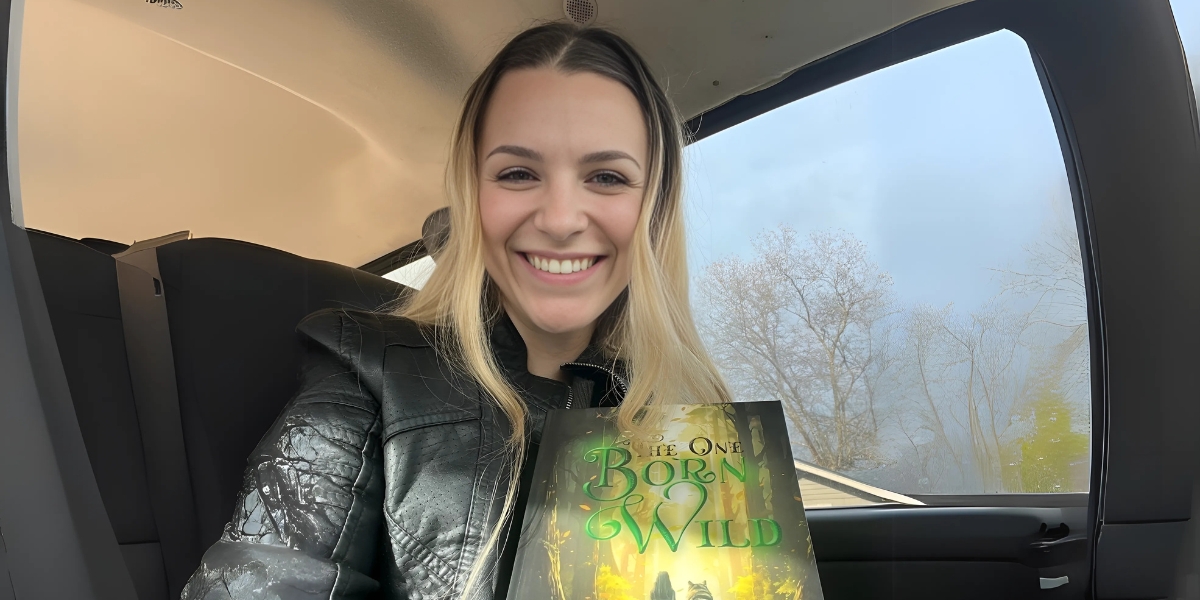
Taming Your Wild Side: The Inspiration for B. D. Robyn’s ‘The One Born Wild’

By: Paul White

Going through the motions, it is easy to get caught up in the mundaneness of existence. In pursuing success, we often begin following the crowd, sometimes abandoning our uniqueness. We may start to contain our chaos, thinking it can only lead to destruction. But what if we learned to better understand and channel it, using it to our advantage?

What if we embraced our wild side?

One book in the fantasy fiction genre has been generating significant attention lately—author B. D. Robyn’s The One Born Wild.

The story revolves around Elaine, who, throughout her life, has felt something missing or trying to break free. This feeling rolled in her chest and never went away. As secrets unfolded, magic became real, and monsters became real. It turns out she is one of them—a werewolf with a mate and a prophecy to fulfill. Cedric and Elijah have their own agendas and secrets. Elaine finds herself surrounded by lies and obstacles she doesn’t know how to solve without violence. But violence is what pumps through her veins, and as secrets and lies come out, Elaine makes a decision that may lead to the downfall of their world.

The book explores themes of controlling your demons, embracing your true self, and navigating the possibility of changing your fate.

We had the privilege of sitting down with the author to discuss her story, the inspiration behind her book, and her plans.

Meet B. D. Robyn

Behind every great story is an author who has been through a journey.
B. D. Robyn grew up in an environment that helped nurture her creativity. She explains:

“My parents used to have us read a book a week as a family. We’d sit down and take turns reading a chapter, and when we finished the book, if there was a movie, we’d watch it. There was something about knowing someone sat down and wrote every word we read.

The only thing I could think of was that I wanted to sit down and write something, anything. My uncle bought me my first journal to write in. He encouraged me to write whatever was bouncing around in my head because it would stay there until I did. So I wrote. I filled up six of those journals before I was fifteen. My parents got me a dinosaur computer, and I wrote so much that it ran out of space and died.

It wasn’t until I was a senior in high school and had to write a short story that I realized I might have a knack for writing. It was a short story, using the first sentence from Frankenstein; I wrote the first idea that popped into my head. The entire class looked at me differently after I finished reading it aloud; I was utterly silent, and my teacher was shocked. Granted, it was a bit dark, but the idea that people liked my writing encouraged me to keep writing.”

And then, the rest was history. Robyn is relentless with her creativity and demonstrates a strong command of words. She lets her wildness radiate freely, which can be felt through her writing.

But what particularly inspired B. D. Robyn to write The One Born Wild?

Inspiration

Much like many of us, B. D. Robyn once fantasized about having a knight in shining armor protecting her from the cruel world. Hence, she wanted to write something along those lines. After all, what’s better than having the perfect man to sweep you off your feet? However, it is important to understand and make peace with the reality that perfection is often elusive. She wanted the story to be raw and at times violent. She wanted the protagonist to struggle and show her making mistakes, just like the rest of us. The authenticity in the story and the plight of the protagonist seem to be what’s making readers so hooked on Elaine.

The protagonist struggles with her anger throughout the book, learning when it might help the situation and when it doesn’t—something she has been grappling with her whole life.

The One Born Wild has the potential to leave audiences on the edge of their seats and deeply engaged with the dynamics between the main characters.

D. Robyn teases her plans as an author as well:

“I have a vast number of stories sitting on my computer, and I never seriously considered publishing a single one of them. I enjoyed writing the story and rereading what I had come up with, but I never thought anyone else would find it worth reading. My family and my friends have been so supportive during this journey, encouraging me to try, publish, and continue to write. I hope someone reads my work and likes it enough to keep it on their shelf.”


Stay tuned for more information.


Published by Stephanie M.