How to Create a Mobile-Friendly Popup That Enhances User Experience

If you place popups on your website to collect new subscribers or motivate visitors with bonuses for purchases, you should pay attention to mobile responsiveness. Many potential customers visit your site from smartphones, so every detail of interacting with your company should be convenient.

Creating a mobile-friendly popup is necessary for online businesses that don’t want to lose customers. This article will discuss how to make your popups mobile-friendly to retain existing clients and attract new ones.

Why Mobile-Friendly Popups Are Essential

You can’t simply copy a desktop version of the popup and use it for your mobile site. The design needs to be different since mobile screens are smaller, and there’s no mouse cursor. You must consider the fonts, images, and how easily a user can close the popup. Additionally, there are specific rules for mobile users’ experience. According to Google’s guidelines, popups should not completely cover the page content. Mobile popups should enhance the user’s interaction with your site, not disrupt or complicate it.

Statistics show mobile popups have higher engagement and conversion rates than desktop ones. That’s why it’s worth putting in the effort to ensure your mobile popups perform effectively.

Key Features of an Effective Mobile-Friendly Popup

Let’s reveal things you should focus on when designing mobile popups.

Responsive Design

Since companies often don’t create popups from scratch but use popup builders, this aspect largely depends on the platform’s functionality. Some builders automatically adapt popups to different screen sizes. Additionally, many offer a preview feature, allowing you to see how your popup will look on screens of various sizes.

Minimalist Content

This point stems from the limited space available on mobile screens. Include only the essentials in your popup: the key message you want to communicate to the visitor and a clear CTA button. Fonts must also be more extensive than the desktop version to ensure readability.

Exit Intent on Mobile

On desktops, exit-intent triggers when users move their cursor outside the website area to close it. But how can this be achieved on mobile? You can set the popup to trigger when a user is inactive for a certain period or presses the back button.

Thumb-Friendly Design

The close button for the popup should never be hidden. Doing so won’t improve your conversions; it’s more likely to irritate visitors. Design the close button to be easily visible and conveniently located for users to tap. The same applies to the CTA button—make it easily accessible and thumb-friendly.

Steps to Create a Mobile-Friendly Popup

  • Choose the Right Tool: Start by choosing the exemplary service. You can create mobile popups without the need for a designer or developer. Some popup builders even offer free plans, which are great for evaluating the platform’s usability and functionality. However, free versions usually come with certain limitations.
  • Set Clear Objectives: You can create popups for various purposes: collecting new subscribers, gathering their feedback and additional data, or drawing attention to specific products or pages. These goals will influence your popups’ design, timing, and segmentation. It’s helpful when a popup builder offers advanced customization options and detailed rules for setting up their display.
  • Set up triggers. Choose popup services that offer a variety of rules for trigger display. This will help you create and configure mobile popups that attract new subscribers and customers rather than scare them away or annoy them. For instance, you can display a popup when someone visits your site from a specific source, like social media, if you’ve launched a campaign and directed traffic to your website. Alternatively, set popups to show only to visitors from specific geographic regions if the special offer in the popup is valid only in that area.
  • A/B Testing: Don’t settle for just one popup version. Think about what might engage your site visitors more, and test it. For example, try different CTAs, display conditions, bonuses, and more. Some popup builders include A/B testing tools among their features, so you won’t need additional services. You’ll simply create the popups for testing, and over time, you’ll receive automated results showing which version performed better.

Conclusion

The effectiveness of your popups depends on how well you configure them for the mobile version of your site. Many potential subscribers and customers will access the mobile version, so popups must be responsive. This applies to both their design and display conditions. Users should find it convenient to interact with the popup—whether clicking CTA or close buttons or entering data into fields. Carefully set up display conditions and test your popups to find an effective approach.

Published by Stephanie M.

The Future of Urban Living: Innovative Real Estate Solutions from Around the World

As we step into the future, one thing is clear: how we live in cities is profoundly transforming. Urbanization, technological advancements, and shifting societal values redefine the urban landscape. At the forefront of this change are innovative real estate solutions reimagining how we design, build, and interact with our living spaces.


In the UK, for instance, Redstones Estate Agents has been at the vanguard of this shift, offering bespoke property services that cater to the evolving needs of urban dwellers. But the UK is not alone in this revolution. From Tokyo to New York, and from Singapore to Sydney, cities worldwide embrace cutting-edge real estate solutions prioritizing sustainability, community, and technological integration.

The Rise of Sustainable Urban Living

One of the most significant trends in urban real estate is the push toward sustainability. As concern for the environment grows, developers and architects respond with eco-friendly designs that reduce carbon footprints and enhance the quality of urban life. Green roofs, solar panels, and energy-efficient buildings are becoming the norm rather than the exception.


In Copenhagen, for example, the pioneering CopenHill project has transformed a waste management facility into a ski slope and recreational hub, complete with lush greenery and stunning city views. This innovative approach to urban planning doesn’t just reduce waste; it creates vibrant community spaces that foster social connection and a sense of belonging.

The Resurgence of Community-Driven Spaces

Another key aspect of the future of urban living is the resurgence of community-driven spaces. As people increasingly seek meaningful connections daily, developers respond with mixed-use projects that blend residential, commercial, and public areas. These vibrant hubs promote social interaction, support local businesses, and help build resilient, diverse communities.


In Melbourne, the award-winning Nightingale Housing project exemplifies this approach. By combining apartments, community gardens, and shared facilities, Nightingale has created a thriving ecosystem prioritizing resident well-being and social cohesion. This pioneering development serves as a model for urban planners and developers worldwide, demonstrating the power of community-driven design in shaping the future of cities.

Technological Integration: Smart Cities and Beyond

Technology is also playing a transformative role in the future of urban living. From smart home automation to integrated citywide networks, innovation is enhancing urban environments’ efficiency, safety, and livability. In Singapore, the Smart Nation initiative has harnessed cutting-edge tech to create a seamless, interconnected city experience, streamlining everything from transportation to healthcare.


Similarly, New York City’s Related Companies’ Hudson Yards development has set a new standard for smart urban living. By incorporating advanced technologies like energy-harvesting windows and AI-powered building management, Hudson Yards is redefining the urban lifestyle, providing residents comfort, convenience, and sustainability.

Innovative Materials and Construction Techniques

Innovative materials and construction techniques also shape the future of urban living. Researchers and developers are responding with groundbreaking technologies as the world seeks more sustainable and efficient building solutions. These advancements are poised to revolutionize the built environment, from self-healing concrete to translucent wood.


In Japan, for example, the pioneering work of architect Kengo Kuma has showcased the potential of innovative materials in urban design. By incorporating natural, sustainable elements into his buildings, Kuma has created structures that minimize environmental impact and foster a deeper connection between inhabitants and their surroundings.

Photo: Unsplash.com

The Human Touch: Putting People at the Heart of Urban Design

As we embrace the future of urban living, it’s essential to remember that the ultimate goal of innovative real estate solutions is to enhance the human experience. By prioritizing people-centric design, developers can create vibrant, inclusive communities that support the well-being and happiness of all residents.


In Vancouver, the remarkable Granville Island project has achieved just this, transforming a former industrial site into a thriving public market and community hub. By engaging with local stakeholders and incorporating their feedback into the design process, the developers have crafted a space that truly reflects the needs and spirit of the community.

Embracing the Future of Urban Living

As we look to the future, one thing is clear: the possibilities for urban living are endless. By embracing innovative real estate solutions, prioritizing sustainability and community, and harnessing the power of technology, we can create more efficient, environmentally friendly, and more just, equitable, and beautiful cities.


In this exciting new era of urban development, the opportunities for growth, connection, and innovation are limitless. As we step forward together, let us remember that the future of urban living is not just about buildings or technology – it’s about the people who call our cities home.


Disclaimer: The information provided in this article is for informational purposes only and does not constitute professional real estate, financial, or legal advice. While efforts have been made to ensure accuracy, market conditions and urban development strategies may vary by location and over time. Readers are encouraged to conduct independent research or consult professionals before making real estate decisions. The mention of specific companies or projects does not imply endorsement.


Published by Stephanie M.

Piegari Ristorante: A Slice of Little Italy in Miami

By: Fer Aceves

Welcome New Yorkers to the 305 – A Taste of Little Italy at Piegari Ristorante

The migration from New York to Miami continues to grow at an unprecedented rate. With lower taxes, booming job opportunities, and a thriving cultural scene, Miami has become the go-to destination for professionals seeking a fresh start. But for many New Yorkers, leaving behind the culinary legacy of Italian Food in NYC is one of the hardest parts of the move. Fortunately, Miami’s evolving dining scene is ensuring that those making the leap won’t have to say goodbye to authentic handmade pastas and world-class Italian cuisine.

Enter Piegari Ristorante, a celebrated Italian eatery from Buenos Aires, which has brought its renowned homemade pastas to Wynwood—marking its first U.S. location and offering a slice of Italian heaven for new Miami residents and visitors alike.

Why New Yorkers Are Choosing Miami

According to a recent Newsweek report, New York has seen a significant population drop, with tens of thousands of residents flocking to Florida in search of better quality of life, lower living costs, and a more relaxed lifestyle. Miami’s international appeal, luxury developments, and expanding job market have made it an attractive alternative to the Big Apple. But what about the food?

Piegari Ristorante: A Slice of Little Italy in Miami

Photo Courtesy: Piegari Ristorante / @worldredeye / MKDA

A Slice of Italy in Miami – Piegari Ristorante

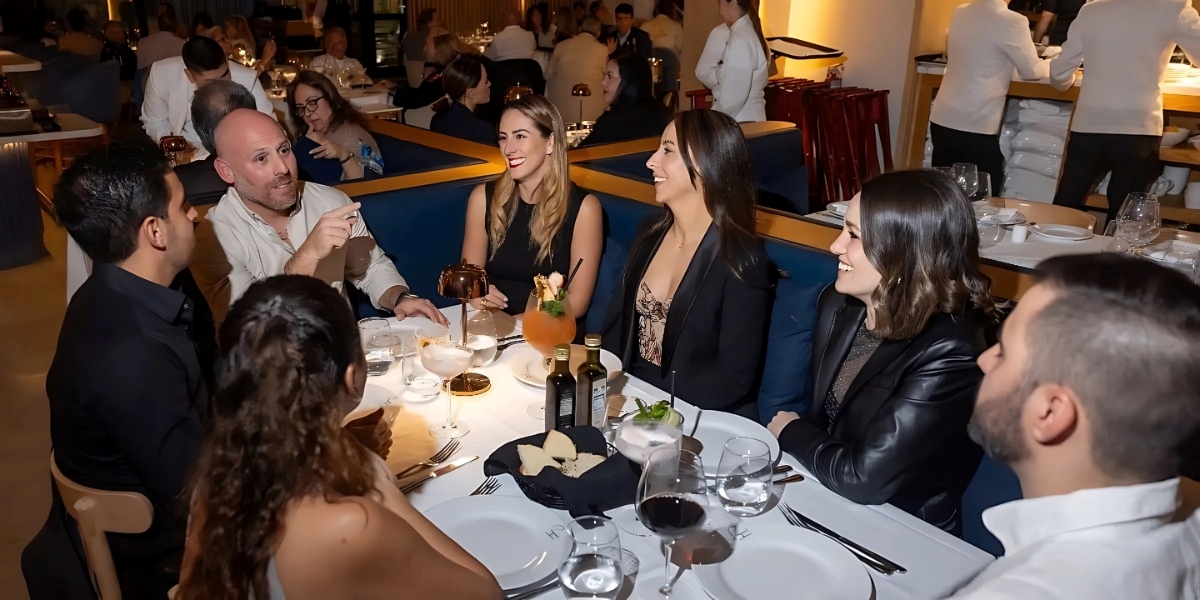
For Italian food lovers, the transition from New York’s Little Italy to Miami’s sun-soaked streets might feel daunting. But Piegari Ristorante is making sure that handmade pastas, rich sauces, and old-world Italian hospitality are thriving in the 305. Known for its Corde di Chitarra alla Carrettiera, Ravioli alla Piegari, and Bucatini Amatriciana, Piegari brings over 30 years of culinary expertise to Miami’s thriving food scene.

Piegari Ristorante, brings over 30 years of Italian fine dining excellence from Buenos Aires to Miami, creating a truly exclusive and intimate experience unlike any other. Founded in 1994, Piegari quickly became a staple of Argentinian gastronomy, renowned for its handmade pastas, fresh ingredients, and impeccable service. Their open kitchen concept allows guests to witness the artistry behind each dish, from the signature Corde di Chitarra pasta to indulgent risottos made with the finest ingredients Miami has to offer.

Lunch Specials & Happy Hour for Professionals on the Move

For the professionals relocating to Miami for business opportunities, Piegari Ristorante offers weekday lunch specials with carefully curated handmade pastas starting at just $22. Available Wednesday through Sunday from 12 PM to 4 PM, the lunch menu offers a variety of Italian dishes for different occasions.

Even better, happy hour at Piegari runs Tuesday through Friday, 5 PM to 7 PM, featuring a buy-one-get-one-free cocktail special, making it the ideal spot for networking, unwinding after work, or catching up with fellow transplants.

Piegari Ristorante: A Slice of Little Italy in Miami

Photo Courtesy: Piegari Ristorante

Live Music Thursdays – Elevate Your Miami Nights

In true New York fashion, Piegari understands that great food is only part of the experience. That’s why every Thursday night, the restaurant transforms into a hub of live music, bringing a unique and entertaining touch to your dining experience. Whether you’re celebrating a new job, catching up with friends, or simply missing the lively energy of NYC’s restaurant scene, Piegari’s Thursday night events offer a lively atmosphere for an enjoyable evening.

Miami’s Growing International Dining Scene

Piegari is just one of many world-renowned restaurants bringing global flavors to Miami. With an influx of Michelin-star chefs, high-end eateries, and celebrated international brands, Miami’s dining scene is booming like never before. For New Yorkers craving their favorite flavors, there’s never been a better time to explore Miami’s ever-expanding food landscape.

Visit Piegari Ristorante

If you’re new to Miami or just visiting, Piegari Ristorante is a great spot to explore. Whether you’re indulging in their handmade pastas, enjoying their live music Thursdays, or unwinding with their unbeatable happy hour specials, Piegari offers everything a discerning New Yorker-turned-Miamian could want.

Location: Wynwood, Miami Lunch Hours: Wednesday – Sunday, 12 PM – 4 PM Happy Hour: Tuesday – Friday, 5 PM – 7 PM Live Music: Thursdays

Reserve your table here to enjoy the flavors of Piegari, a unique Italian dining experience in Miami.

Published by Stephanie M.

The Art and Science of Naming: How Margaret Wolfson Built River + Wolf into a Global Brand Naming Powerhouse

A name is more than just a word—it’s often the first impression, a foundational element of identity, and can be a key factor in a brand’s long-term success. Few understand this better than Margaret Wolfson, founder and chief creative officer of River + Wolf, regarded as one of the most respected naming agencies in the world.

Margaret’s entry into the branding industry was anything but typical. Coming from a rich background in theatre and literature, she brought a unique creative perspective to the field of naming.

The Story Begins

Prior to founding River + Wolf in 2014, Margaret was deeply immersed in the arts. As a professional storyteller performing world myths and epics, she mastered the craft of narrative and distillation—both often considered crucial elements in branding. Additionally, her extensive experience as a performer not only honed her storytelling skills but also gave her a deep understanding of cultural nuances, which she frequently applies in her naming practice at River + Wolf.

During her performance career, she also worked as a naming consultant, developing names for branding and advertising agencies. She also spent time, unusual for most freelance naming consultants, informally studying trademark law. “Naming,” she points out, is far more than clever wordplay. It involves a blend of linguistics, client understanding, and legal considerations. Without the latter, even the most powerful name may not succeed.”

Carving a Niche in a Competitive Industry

By the time Margaret established River + Wolf, many high-tier naming agencies had already been operating for decades, particularly in San Francisco’s tech hub. Entering a well-established industry was a challenge, but Margaret’s approach quickly began to set her firm apart.

While multinational corporations with vast numbers of stakeholders often require multiple rounds, Wolfson believed there was a more efficient way to develop potentially winning names for solopreneurs and mid-sized clients. To accomplish this, she developed a workshop process that helps such clients better identify their naming interests.

Providing clients with the option to stop at one round, rather than locking them into the two or more rounds—a structure typical in the naming and broader branding industry—led to more competitive pricing and appears to have been a winning formula.

Recognition and Influence in the Branding World

Margaret’s impact in the naming industry has been widely acknowledged. In 2018, she was named a top female entrepreneur by The Huffington Post, and River + Wolf has been frequently ranked among the best naming agencies by industry review platforms like Clutch and The Manifest.

Beyond awards and rankings, Margaret’s insights have been featured in the New York Times, Fast Company, The Wall Street Journal, and Wharton Magazine, helping to solidify her reputation as a thought leader in brand naming and verbal identity. Passionate about naming education, she has lectured at universities like Wharton, Columbia, and the Harvard Business Club, as well as professional institutions such as the Institut Français de la Mode and Cinquième Sens in Paris.

She also founded the NOD (Names of Distinction) gallery, a monthly feature on the River + Wolf website that celebrates outstanding brand names and the craftsmanship behind them. In addition, she frequently writes about names in the news, examining their pros and cons. Most recently, she took a deep dive into Stargate and DeepSeek.

Lifelines for the Journey

A longtime poetry lover, Wolfson draws inspiration from its deep insights, jotting down lines that resonate with her on index cards. She keeps them on her bedside table, ensuring they are the last words she sees at night and the first in the morning. Margaret’s personal passion for poetry not only fuels her creativity but also seems to permeate the culture at River + Wolf.

Knowing the power of design to amplify words, she collaborated with a design colleague to transform compelling poetic lines into typographic posters that now adorn the walls of River + Wolf’s studio, providing inspiration for not just herself, but the broader team as well.

The Future: Beyond Words

Looking ahead, Margaret’s ambition to create a supportive community for creatives builds naturally on her history of innovative practices and her role as a thought leader in the naming industry. She hopes to create a digital and live platform for those working in the creative industries.

“Unlike the work of traditional artists, who often measure success by personal standards, ours is intrinsically bound to our clients’ expectations,” Wolfson explains. “This poses distinct emotional and psychological challenges. Having a digital and physical space where creatives can gather to offer support and share best practices is something I hope to build in the future.”

As she continues to lead her naming agency, teach, and work towards building this community, Margaret Wolfson appears poised to maintain her influential role in the industry, creating memorable names for large and small clients and championing the art and science of naming and the creatives who invent them.


Published by Stephanie M.