

What Are the 4 Types of Childhood Trauma? A Comprehensive Breakdown

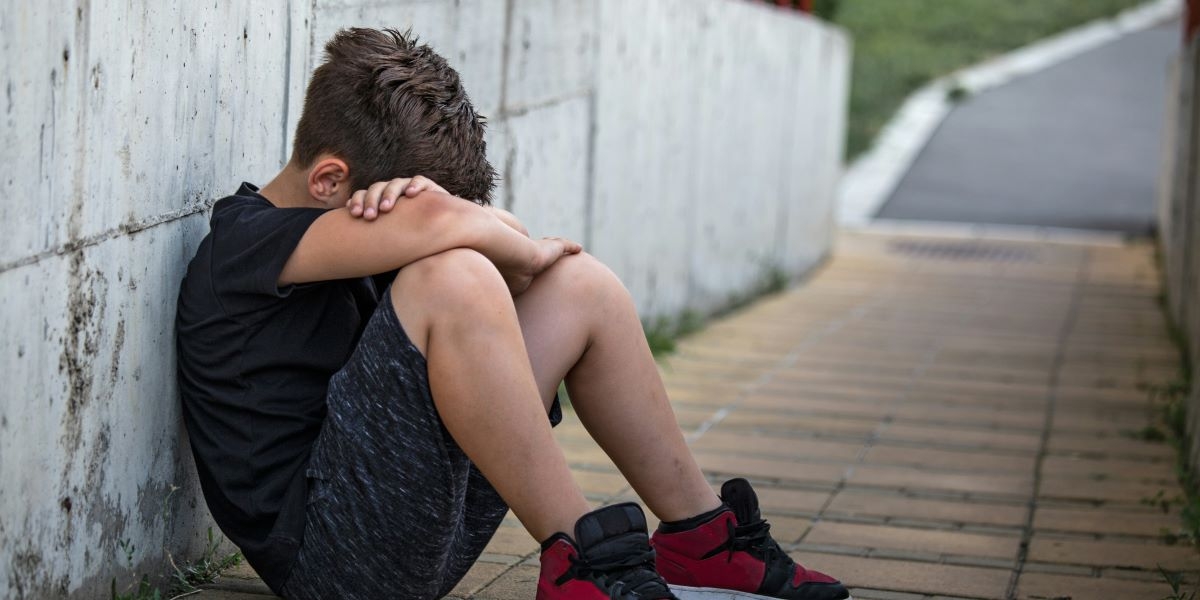
The 4 Main Types of Childhood Trauma: What They Are and Why They Matter
Childhood trauma happens when a child goes through something very upsetting or harmful, which makes them feel unsafe or overwhelmed. Such traumatic experiences can initiate strong reactions — both emotional and physical — that may persist long after the event.
There are various classifications and types of childhood trauma. Yet, in the guide, we’ll discuss the main ones.
What are the four types of childhood trauma? These are physical abuse, emotional abuse, sexual abuse, and neglect. Let’s explore their differences, how they impact children and adults, and what might be the first steps to healing.
Physical abuse
Physical abuse means that a child is purposely injured or put at risk of harm by another person. This term can include any actions that cause pain or injury. It may happen once or repeatedly and is often linked to excessive punishment or uncontrolled anger from a caregiver.
It’s always recommended to reach out to a licensed mental health professional to overcome the symptoms of physical abuse. This can make a significant difference in breaking the cycle of trauma and preventing long-term emotional wounds.
Yet, there are also ways to start healing without professional help. Except for reaching out to a therapist, ideas on how to heal from childhood trauma without therapy may include:
- Practicing self-compassion
- Setting healthy boundaries
- Trying self-defense or strength training
Another helpful approach is to create a constant sense of safety. This means surrounding yourself with supportive people or engaging in activities that promote relaxation. Small, consistent actions help rebuild a sense of security lost during childhood.
Emotional abuse
This type of abuse includes non-physical behaviors that are meant to control, isolate, or frighten a child. It can be constant criticism, rejection, or manipulation. Unlike physical abuse, emotional abuse affects a child’s self-esteem, sense of worth, and emotional stability.
Children who experience emotional abuse may feel shamed, ignored, or blamed for things beyond their control. Parents or close ones might say that they are “useless,” “unlovable,” or “a burden.” In some cases, caregivers use silent treatment or guilt-tripping to manipulate behavior.
The National Library of Medicine states that many people who experienced emotional abuse as children show feelings of hopelessness, poor self-esteem, reduced sense of social support, and poor satisfaction with life. Neurobiological changes in stress response systems, structural and functional brain deficits, as well as a heightened risk of developing psychiatric disorders, are other possible symptoms.
Since emotional abuse often happens in everyday communication, it may be harder to recognize. Some people can downplay their experiences, thinking, “At least I wasn’t physically hurt.” However, emotional wounds can be as damaging as physical ones, sometimes even more so.
- Healing starts with recognizing the harmful messages from childhood and replacing them with self-compassion and self-validation.
- You may also benefit from rebuilding self-esteem, setting boundaries, and learning to trust your emotions, whether on your own or with a professional.
Sexual abuse
When answering the question, “What are the four types of childhood trauma?” we can’t forget about sexual abuse. This term means a sexual activity with a child by an adult, adolescent, or older child. It can include touching, forced acts, or exposing the child to sexual material or situations.
Sexual abuse often happens in secret, with the abuser using threats or guilt to keep the child silent. Because of this, people with such experiences may feel shame, confusion, or fear and might not speak up, especially if the abuser is someone they trust, like a family member.
Children who are sexually abused might show changes in behavior, including:
- Withdrawing from others
- Having nightmares
- Self-harming
- Avoiding physical touch
Healing from sexual abuse can be a complex process, but it is possible. It usually involves learning to trust again, gaining control over one’s body, and working through the trauma in a safe way. While professional therapy is beneficial, people can engage in activities that make them feel secure and surround themselves with those they trust.
Neglect
Last but not least. Neglect means failing to meet a child’s basic needs, likely to cause difficulties with the child’s health or development. This can include insufficient food, shelter, medical care, supervision, or love. It can make a child feel ignored, unloved, or abandoned.
Neglect might not be as apparent as other types of abuse. Also, it can affect a child’s physical health, emotional well-being, communicational skills, and ability to form relationships as they grow up. Neglect can lead to problems like health issues, anxiety, poor self-esteem, and difficulty in school.
Children who experience neglect may show signs like withdrawing from others, being extremely hungry, having poor hygiene, or having trouble trusting people. They may also find it challenging to manage their emotions.
Healing from neglect can start with small, often overlooked steps. For instance, creating a safe personal space at home can provide a sense of control and comfort. This practice may not seem significant, but it may make a difference in your healing from any of the 4 types of childhood trauma.
Important links
- The National Child Traumatic Stress Network. “About child trauma”
- Mayo Clinic. “Child abuse”
- National Domestic Violence Hotline. “What Is Emotional Abuse”
- National Library of Medicine. “Emotional abuse and neglect: time to focus on prevention and mental health consequences.”
- Positive Childhood Alliance NC. “About Child Sexual Abuse”
- GOV UK. “Childhood Neglect: Improving Outcomes for Children Handout”
Disclaimer: This article is for informational purposes only and should not be considered as medical or psychological advice. The content discusses general information about childhood trauma and potential healing strategies but does not substitute for professional therapy or consultation with a licensed mental health provider. If you or someone you know is experiencing trauma or emotional distress, it is highly recommended to seek professional help.
Published by Mark V.


