The Importance of Organic SEO: Boost Visibility and Trust for Long-Term Business Growth

In today’s digital landscape, businesses are vying for attention in an ever-crowded online space. Organic search engine optimization (SEO) emerges as a crucial strategy for enhancing visibility without relying on paid advertising. By optimizing their websites for search engines, businesses can attract more relevant traffic, ultimately leading to increased conversions and growth.

Organic SEO isn’t just about ranking higher on search results; it’s about building credibility and trust with audiences. When a website consistently appears at the top of search results, it signals authority and reliability to potential customers. This not only fosters brand loyalty but also ensures a sustainable flow of traffic over time.

Moreover, organic SEO offers long-term benefits that paid strategies can’t match. While paid ads provide immediate visibility, they require ongoing investment. In contrast, a well-executed organic SEO strategy continues to deliver results long after initial implementation, proving to be a cost-effective and powerful tool for any business looking to thrive online.

Understanding Organic SEO

Organic SEO, known as Organic Search Engine Optimization, enhances a website’s visibility in unpaid search results. Unlike paid methods, organic SEO focuses on improving content, structure, and technical elements. By targeting specific keywords and optimizing these elements, websites can achieve higher rankings on search engines like Google.

  1. On-page SEO: High-quality pages, targeted keywords, optimized title tags, headings, and meta descriptions are essential.
  2. Off-page SEO: Building backlinks from reputable websites acts as external endorsements, bolstering a site’s credibility and search engine rankings.
  3. Technical SEO: A smooth-running website, crawlable by search engines and optimized for mobile and fast loading, is critical.

Benefits of Organic SEO

Organic SEO offers a range of advantages, making it a vital strategy for businesses seeking sustainable growth in the digital landscape.

Cost-Effectiveness

Organic SEO is cost-effective compared to pay-per-click advertising. Once a site is optimized for search engines, the cost-per-click for organic search traffic drops to zero since there are no payments for clicks. Although the initial investment may involve time and money, the return on investment (ROI) can be substantial due to minimal ongoing costs. This allows businesses to allocate resources efficiently while enjoying increased visibility.

Long-Term Results

Organic SEO delivers long-term benefits. Unlike PPC campaigns that cease traffic once they end, organic SEO continues to drive relevant traffic as long as the website adheres to best practices and stays updated. This enduring presence ensures businesses can sustain brand visibility and reach over time without constant reinvestment in ads.

Enhanced Credibility and Trust

Organic SEO enhances credibility and trust. When a website ranks high in search results, users are more likely to perceive it as trustworthy and authoritative. This perception helps build brand loyalty and encourages user engagement. Moreover, organic SEO prioritizes quality content, creating a reliable resource that meets users’ needs and expectations.

Key Strategies for Effective Organic SEO

Organic SEO is a crucial strategy for businesses aiming to enhance their online visibility, drive targeted traffic, and achieve sustainable growth without relying on paid advertising.

Why Organic SEO is Important

  • Brand Awareness and Credibility: Ranking highly in organic search results increases brand visibility and credibility. Users perceive websites that rank organically as more trustworthy and authoritative, leading to higher click-through rates and conversions.
  • Cost-Effectiveness: Organic SEO is a cost-effective way to generate leads and drive traffic. Organic rankings do not incur per-click charges unlike paid search ads, providing long-term benefits with minimal ongoing expenses.
  • Sustainable Growth: Organic SEO leads to sustainable growth as it continues to drive traffic and generate leads even after the initial investment. This contrasts with paid advertising, which stops generating traffic once the spending stops.

Key Strategies for Effective Organic SEO

Effective organic SEO strategies enhance online presence and improve search rankings to attract more targeted traffic over time.

Quality Content Creation

Producing valuable content is essential for organic SEO. High-quality content engages users, retains their interest, and encourages sharing. Blog articles, videos, and infographics provide insightful information that addresses user needs and queries.

Keyword Optimization

Optimizing keywords is critical to improving search visibility. Proper keyword research identifies relevant terms users search for online. Keywords strategically placed within content, titles, metadata, and descriptions align the site with search engine algorithms.

Backlink Building

Building credible backlinks boosts a site’s authority. Quality backlinks from reputable websites serve as endorsements and improve rankings. Effective strategies include guest blogging, partnerships, and content promotion to earn valuable links.

Measuring the Success of Organic SEO

Determining the effectiveness of organic SEO involves analyzing specific metrics and tools. These insights help businesses understand how their strategies impact visibility and engagement.

Analytics Tools

To assess organic SEO success, analytics tools like Google Analytics and SEMrush provide invaluable data. Google Analytics tracks organic traffic, offering insights into user behavior, visitor demographics, and site performance. SEMrush helps monitor keyword rankings, competitor analysis, and backlink profiles. By leveraging these tools, businesses gain a comprehensive view of their SEO performance and identify areas for improvement.

Key Performance Indicators

Key performance indicators (KPIs) serve as benchmarks for SEO efforts.

  • Organic Traffic: Measures how many users visit through search engine results, indicating site visibility and audience alignment.
  • Keyword Rankings: Tracks website positioning for specific keywords, reflecting the success of on-page optimization and content strategies.
  • Click-Through Rate (CTR): Evaluates the percentage of users clicking the site link from a search engine results page, assessing the appeal of titles and meta descriptions.
  • Conversion Rate: Monitors the percentage of site visitors completing desired actions, like purchases or sign-ups, measuring the effectiveness of calls to action and user experience.

These KPIs offer insights into the impact of SEO strategies and guide optimization efforts.

Frequently Asked Questions

What is organic SEO and why is it important for businesses?

Organic SEO involves optimizing a website to improve its visibility in unpaid search results. It is crucial for businesses because it increases online visibility, attracts relevant traffic, and enhances conversion rates. Unlike paid advertising, organic SEO builds long-term credibility and trust, leading to sustainable growth without continuous financial investment.

How does organic SEO differ from paid methods?

Organic SEO focuses on enhancing content, site structure, and technical components to improve search rankings naturally. It doesn’t require ongoing payments like paid advertising. Instead, it offers long-term benefits through strategies like keyword optimization, quality content creation, and building credible backlinks, ensuring more cost-effective results.

What are the key components of organic SEO?

The main components of organic SEO include on-page SEO, off-page SEO, and technical SEO. On-page SEO involves creating quality content with targeted keywords, optimized title tags, and meta descriptions. Off-page SEO focuses on building backlinks from reputable sources. Technical SEO ensures that the website is crawlable, efficient, and mobile-friendly.

Why is organic SEO considered more cost-effective than pay-per-click advertising?

Once a website is optimized for organic SEO, the cost-per-click for organic traffic is essentially zero, unlike pay-per-click advertising, which requires ongoing payments. This allows businesses to allocate their resources more effectively and benefits from sustained visibility and traffic over time without regular financial outlay.

How does organic SEO improve credibility and trust with audiences?

High search engine rankings achieved through organic SEO lead users to perceive a website as authoritative and reliable. This enhances credibility and trust, fostering a strong relationship with audiences. As users recognize consistent, high-quality content, it encourages brand loyalty and engagement.

What are some effective strategies for organic SEO?

Effective strategies for organic SEO include quality content creation to engage users, keyword optimization to improve search visibility, and backlink building from reputable sites to boost authority. These strategies drive targeted traffic and enhance online visibility, contributing to sustained growth and increased brand awareness.

How can businesses measure the success of their organic SEO efforts?

Businesses can measure organic SEO success using analytics tools like Google Analytics and SEMrush. Key performance indicators (KPIs) like organic traffic, keyword rankings, click-through rate (CTR), and conversion rate provide insights into SEO effectiveness. These metrics help identify successful strategies and areas for improvement.

Published by: Nelly Chavez

Why Choose a Local Marketing Agency?

Businesses today need to implement effective, efficient strategies to stand out, get noticed, and connect with their target audiences. With the global reach of online searches, competition has never been fiercer, and business owners and managers must select the right marketing agency with whom to partner to get the message out to the right people, at the right time, and in a way that resonates.

For businesses with a local clientele, it makes sense to consider working with a local marketing agency – one either located near you or near your target market.

What is a Marketing Agency?

A marketing agency is a team of professionals specializing in helping clients attract relevant prospects and engage with target audiences to drive traffic and conversions. This is achieved through various channels, including digital marketing, branding, advertising, website design, content creation, social media marketing, search engine optimization, email marketing, video strategies, public relations, and more.

Why Local Makes Sense

Here are several reasons why partnering with a local marketing agency is beneficial:

  • Greater Understanding of the Local Market

Perhaps one of the biggest advantages of choosing a local marketing agency is that they are likely to have unique insights into your local market, insights that providers situated further away may not possess. They will understand your regional demographics, the audience you wish to reach, and have experience with similar target bases to guide what is most effective for marketing in that area. They can also identify region-specific keywords and phrases (such as “soda” versus “pop”) that are relevant to your audience.

  • Tailored Approach

Marketing, much like business, thrives on relationships. Working with a local boutique agency can often mean a more personalized approach, with greater accessibility and collaborative engagement. Instead of hiring a larger, more impersonal marketing conglomerate, a local agency is generally more invested in understanding your business’s vision and working closely with you to achieve it.

  • Convenience

While working with a marketing firm located at a distance can be successful – and there are many examples of productive long-distance partnerships – having an agency in the same time zone can simplify communication. When immediate feedback or adjustments are necessary, a local provider can be more accessible and responsive.

  • Support for Building a Local Vendor Network

A local marketing agency may have its own network of contacts and vendors, which can be leveraged for your business. This can extend to partnerships, sponsorships, micromarketing opportunities, and other community-based initiatives that could benefit your brand locally.

  • Access to Local Media Relations

For local businesses, connecting with local media outlets can be invaluable. A local marketing agency often has established relationships with these outlets, which can help facilitate outreach to your target audience. This can include everything from local news websites and radio to TV and print media, providing a pathway to reach prospects in your region.

Summary

Choosing a local marketing agency offers multiple benefits. Not only can it make building an in-person relationship easier, but a local agency can also provide a more comprehensive understanding of your regional market, facilitate connections with other local businesses, and streamline communication. For many local businesses, working with a nearby marketing partner simply makes sense in terms of efficiency and effectiveness.

Published by: Holy Minoza

The Ultimate Guide to Shopping in Online Stores: Convenience, Choices, and Challenges

Shopping in online stores has transformed how I browse and buy everything from clothes to electronics. With just a few clicks, I can explore countless options, compare prices, and discover deals that weren’t accessible in traditional brick-and-mortar shops. The convenience of shopping from home or on the go has become a game-changer, offering a seamless experience that fits into my busy lifestyle.

As online shopping continues to evolve, it’s fascinating to see how technology enhances our purchasing journey. From personalized recommendations to virtual try-ons, these innovations make it easier and more enjoyable to find exactly what I need. Plus, the added benefits of customer reviews and detailed product descriptions empower me to make informed decisions.

In this digital age, online shopping isn’t just a trend—it’s a necessity for many. It’s reshaping the retail landscape, offering unparalleled access and convenience, and I’m excited to explore its ever-expanding possibilities.

Benefits of Shopping in Online Stores

Shopping in online stores has revolutionized how I browse and buy products. It offers unmatched convenience and variety, transforming the shopping experience into an accessible and efficient process.

Convenience and Comfort

Shopping online provides incredible ease and comfort. I can shop from my couch or on the go since online stores operate 24/7. This flexibility means no more rushing to beat store closing times. I also bypass the hassle of traveling, saving gas, and avoiding parking struggles and crowds. With streamlined checkout options like one-click payments, my purchases are secure and swift, enhancing the overall experience.

Wider Selection of Products

Online stores offer a broader range of products compared to brick-and-mortar outlets. I can access international brands and niche items not available locally. Without the limitation of physical space, these stores maintain larger inventories, presenting countless choices at my fingertips. This vast selection allows me to compare different options, ensuring I make the best choice for my needs.

Competitive Pricing and Discounts

The competitive nature of online markets often leads to better pricing and attractive discounts. I find that many online stores eliminate middlemen, reducing costs and passing savings onto me, the customer. Seasonal sales, special promotions, and exclusive online-only deals offer further opportunities to save money while shopping in online stores.

Challenges of Shopping in Online Stores

While online shopping offers numerous conveniences, it also presents distinct challenges that affect the consumer experience.

Security and Privacy Concerns

Data security is a major concern for online shoppers. Data leaks can jeopardize personal and financial information, eroding trust in the platform. About 92% of U.S. consumers prioritize secure transactions, seeking assurance that their data’s protected. Payment failures amplify this issue, adding to frustration and resulting in abandoned carts for 62% of shoppers. A smooth payment process with clear order confirmations is vital to maintain confidence.

Issues with Product Quality

Evaluating product quality online can be tricky. Descriptions and images might not truly represent the item, leading to disappointment upon arrival. Customer reviews can assist, but inconsistencies remain a challenge. Sellers aiming for transparency must ensure accurate depictions and encourage honest reviews to build consumer trust.

Shipping and Delivery Delays

Delivery timelines can impact satisfaction, especially with unforeseen delays. Factors like courier inefficiencies or supply chain disruptions can extend wait times. Online stores should provide realistic delivery estimates and clear tracking to alleviate uncertainty. Setting expectations with precise information helps manage customer anticipation and improve overall satisfaction.

Tips for a Positive Online Shopping Experience

Navigating the world of online shopping can be both exciting and daunting. I recommend prioritizing security by shopping on reputable sites and using secure payment methods. Carefully read product descriptions and reviews to ensure you know what you’re purchasing. When possible, take advantage of virtual try-ons or size guides to minimize the risk of returns. Keep an eye out for exclusive deals or discounts, but always compare prices across different platforms to get the best value. Lastly, manage your expectations regarding shipping by checking delivery estimates and tracking your orders. By staying informed and vigilant, you can enjoy the convenience and variety online shopping offers while minimizing potential pitfalls.

Published by: Nelly Chavez

How Do Medications Fit Into PALS Cardiac Arrest Algorithm?

Applying the PALS cardiac arrest algorithm improves critically ill children’s chances of survival. Having the skill set to apply the algorithm correctly is crucial for managing pediatric emergencies. The PALS cardiac arrest algorithm offers a systematic approach to resuscitate pediatric cardiac arrest patients. Different medications are also used in the procedure, and each has a particular indication, route of administration, dosage, and mechanisms of action. This ensures the overall success of resuscitation. 

This blog discusses the key role medications play in pediatric cardiac arrest.

PALS cardiac arrest algorithm

The algorithm emphasizes recognizing cardiac arrest early, giving high-quality CPR, performing rapid defibrillation, and administering correct medication. Below is a summary of the algorithm.

1. Immediate recognition and activation of Emergency Medical Services (EMS).

2. Start cardiopulmonary resuscitation.

3. Shockable rhythm: Deliver shock and resume CPR for two minutes after each shock.

4. Non-shockable rhythm: Perform CPR for two minutes and administer epinephrine.

5. Medication and advanced interventions: Administer medications like epinephrine, amiodarone, lidocaine, magnesium sulfate, sodium bicarbonate, atropine, and calcium chloride.

6. Advanced airway management.

7. Identify reversible causes and treat them.

8. Post-resuscitation care: After the return of spontaneous circulation (ROSC), oxygenation and ventilation are optimized, hypotension is treated, and Targeted Temperature Management (TTM) is considered.

Role of medication in the PALS cardiac arrest algorithm

Each medication recommended by the PALS cardiac arrest algorithm has a specific indication, dosage, and route of mechanism. The treatment includes two administration routes: intravenous (IV) or intraosseous (IO).

When you want quick action from medication, you can consider the IV route as it offers rapid delivery of medicine to the bloodstream. If you fail to get IV access, consider IO, where you inject medication into the bone marrow, and the rich vascular supply ensures fast absorption and effect. Below is a list of the medications for the PALS cardiac arrest algorithm:

Epinephrine

Administer epinephrine if fluid resuscitation and basic life support fail to restore effective circulation.

Indication: Use epinephrine for ventricular fibrillation (VF), asystole (Flatline), pulseless electrical activity (PEA), and pulseless ventricular tachycardia (PVT).

Administration: Administer a dose of 0.01 mg/kg (0.1 mL/kg of 1:10,000 solution) either through intravenous (IV) or intraosseous (IO). Repeat this administration every 3-4 minutes during the pediatric cardiac arrest.

Mechanism of action: Epinephrine stimulates alpha and beta receptors. This enhances cerebral and myocardial blood flow by increasing myocardial contractility and systemic vascular resistance.

Amiodarone

Amiodarone is used to treat pulseless ventricular arrhythmias, supraventricular arrhythmias, and stable ventricular arrhythmias.

Indication: Use it for pulseless ventricular tachycardia unresponsive to defibrillation or ventricular fibrillation unresponsive to defibrillation.

Administration: For refractory VF/pVT, give the pediatric patient a 5 mg/kg IV/IO bolus and repeat up to two times.

Mechanism of action: Amiodarone is a class III antiarrhythmic. It prolongs the action potential and refractory period in myocardial tissue.

Lidocaine

Use lidocaine to treat pulseless ventricular arrhythmias and the initial treatment of shock-refractory ventricular arrhythmias in pediatric patients.

Indication: Use lidocaine as an alternative to amiodarone for VF or pVT.

Administration: Ensure the dosage is 1 mg/kg IV/IO loading dose. In terms of frequency, give additional doses of 0.5-1 mg/kg. You can repeat this every 5-10 minutes to a maximum of 3 mg/kg.

Mechanism of action: As a class IB antiarrhythmic medicine, lidocaine inhibits sodium channels, reducing the conduction velocity in the myocardium and thereby suppressing ventricular arrhythmias.

Magnesium sulfate

Magnesium sulfate stabilizes the motor membrane and is a crucial cofactor in the sodium-potassium-ATPase enzyme system.

Indication: Use it for suspected hypomagnesmia and Torsades de Pointes.

Administration: Give 25-50 mg/kg IV/IO (maximum dose: 2 grams).

Mechanism of action: Magnesium sulfate is useful for stabilizing cardiac membranes. It also terminates Torsades de Pointes by influencing ion fluxes across the cardiac cell membranes.

Sodium bicarbonate

Using sodium bicarbonate in pediatric patients during resuscitation is limited to certain indications.

Indication: Use sodium bicarbonate for hyperkalemia and severe metabolic acidosis or prolonged resuscitation.

Administration: To administer, use a 1 mEq/kg IV/IO dose.

Mechanism of action: Use sodium bicarbonate to neutralize excess hydrogen ions and correct metabolic acidosis. It is also useful for stabilizing cardiac membranes in the presence of hyperkalemia.

Calcium chloride

Calcium chloride has limited uses in pediatric resuscitations.

Indication: Use calcium for hypocalcemia, hypermagnesemia, hyperkalemia, and as a calcium channel blocker overdose.

Administration: To administer, consider a dosage of 20 mg/kg (0.2 mL/kg of 10% solution) IV/IO slowly.

Mechanism of action: Calcium chloride increases myocardial contractility and stabilizes the cardiac membranes. It counteracts the impact of high magnesium or potassium levels and improves myocardial function.

Atropine

Administer atropine for vasovagal-induced bradycardia or to treat primary atrioventricular (AV) block.

Indication: Use it for bradycardia that has failed to respond to epinephrine.

Administration: Consider 0.02 mg/kg IV/IO (minimum dose 0.1 mg, maximum single dose 0.5 mg for children and 1 mg for adolescents).

Mechanism of action: Atropine is an anticholinergic to inhibit vagal activity. This leads to increased heart rate by blocking the effects of the vagus nerve on the heart.

Conclusion

The PALS cardiac arrest algorithm offers a detailed guideline to manage pediatric cardiac arrest efficiently. While medication is an important part of the algorithm, the guidelines also emphasize the need for early recognition, provision of high-quality CPR, and the appropriate application of defibrillation. Thus, to protect pediatric patients from severe brain injury symptoms, you must provide pediatric post-resuscitation care as outlined in the algorithm.

 Disclaimer: This content is for informational purposes only and is not intended as medical advice, nor does it replace professional medical expertise or treatment. If you have any health concerns or questions, always consult a physician or other healthcare professional.


Published by: Holy Minoza

Revolutionizing Shopping Online: Convenience, Innovations, and Safe Practices

In today’s fast-paced digital world, shopping online has become a staple of modern life. With just a few clicks, consumers can explore countless products from around the globe, all without leaving the comfort of their homes. This convenience has transformed how people shop, offering unparalleled access to everything from everyday essentials to unique, hard-to-find items.

As e-commerce continues to evolve, it’s reshaping consumer expectations and driving innovation across industries. The rise of mobile shopping apps, secure payment methods, and personalized recommendations are just a few examples of how technology enhances the online shopping experience. For many, the allure of online shopping lies in its convenience and the ability to compare prices, read reviews, and discover new brands effortlessly.

The digital marketplace offers endless possibilities, but it also comes with its own set of challenges. Navigating this vast landscape requires savvy shopping strategies to ensure a safe, satisfying experience.

Benefits of Shopping Online

Online shopping provides numerous benefits that enhance the consumer experience by making it more efficient and enjoyable. In a rapidly evolving digital landscape, these advantages continue to shape how people engage with e-commerce.

Convenience and Accessibility

Shopping online offers unmatched convenience by allowing users to purchase items at any time, from any location with internet access. This accessibility is particularly advantageous for individuals in rural areas or with unique work schedules. Online shopping removes the need to travel to physical stores, saving time and money on gas while avoiding the hassles of parking and crowds. Features like saved payment information and one-click ordering further streamline the process.

Wide Selection and Variety

Online shopping allows consumers to access vast products that may not be available locally. Shoppers can explore offerings from global retailers, eliminating geographical limitations. This wide variety ensures that consumers find what they need, from niche items to international brands, enhancing the shopping experience.

Competitive Pricing and Discounts

E-commerce platforms often provide competitive pricing and attractive discounts due to reduced overhead costs compared to physical stores. Consumers can quickly compare prices across multiple platforms to find the good deals. Many online retailers offer exclusive sales events, discount codes, and special promotions, allowing consumers to save significantly on their purchases.

Challenges of Online Shopping

Online shopping influences consumer habits and business strategies but presents distinct challenges requiring attention.

Security and Privacy Concerns

Data security is crucial for online shopping, as breaches can damage consumer trust. Robust measures such as advanced encryption and real-time monitoring protect sensitive information and comply with data protection regulations. Retailers must prioritize these measures to reassure customers and maintain platform confidence.

Lack of Physical Experience

Online shoppers need help to physically inspect products before purchase. This limitation can lead to consumer dissatisfaction with received items that do not meet expectations. High-quality images and detailed customer reviews help mitigate this obstacle by providing better product insight.

Shipping and Returns

Logistics issues, including delayed shipping, costly fees, and complex return processes, impact customer satisfaction. Clear shipping policies and efficient return systems are essential for online shopping platforms to address these concerns and enhance consumer experience. Offering free shipping and hassle-free returns can improve customer loyalty and repeat purchases.

Tips for an Optimal Online Shopping Experience

Navigating the world of online shopping effectively requires a few strategic approaches. He or she can enhance their shopping experience by considering these key factors.

Research and Compare Products

Thorough product research and comparison improve decision-making in online shopping. Shoppers should look for detailed product information, which should include descriptions, specifications, and features that matter most. High-quality, multi-angle images provide valuable visual insights, particularly those showing products in use. Easy navigation and website search tools help users access desired items quickly, increasing user satisfaction.

Read Reviews and Ratings

Reading reviews and ratings bridges the gap between expectation and reality. Customers share their experiences with products, shedding light on performance and potential drawbacks. Consumer ratings typically indicate overall satisfaction levels, so they serve as a helpful gauge in decision-making. Utilizing reviews allows buyers to validate product claims and decide with confidence.

Secure Payment Practices

Secure payment practices are critical in safeguarding user information during online shopping. Shoppers should always verify that online platforms use advanced encryption technologies, such as SSL (Secure Socket Layer) certificates, to protect personal and financial data. Trustworthy e-commerce sites often display security badges and logos from well-known authorities, providing an additional layer of assurance. Secure payment methods, like credit cards or digital wallets equipped with fraud protection, further ensure a safe browsing and purchasing experience.

The Future of Online Shopping

Online shopping is poised to become an even more integral part of our daily lives, with technological advancements continuing to enhance the consumer experience. As e-commerce platforms evolve, they’ll likely offer more personalized and efficient shopping experiences driven by artificial intelligence and machine learning. The emphasis on secure transactions and seamless logistics will remain crucial, ensuring consumers can shop confidently. As the global e-commerce landscape expands, businesses must adapt to meet changing consumer demands and expectations. Embracing innovation and maintaining a customer-centric approach will be key to thriving in this dynamic digital marketplace.


Published By: Aize Perez

Why Choose Corporate Chauffeur For Business Travel

When we talk about business travel, comfort and luxuries are essential. You can’t travel by local transportation because of your company’s standard image. Professional chauffeur service lets you have a great experience with your clients during business travel and impress them.

Chauffeur transportation offers many advantages, giving you peace of mind and protecting you from the sophisticated environment you could face if you go locally. Let’s see why choosing a corporate chauffeur for business travel is advantageous.

Save Your Precious Time

Sometimes, we are in a hurry and don’t want to waste our time. In this situation, a chauffeur service can save us time. Every minute in business counts whether we are meeting in or out of the office. With corporate Limo Web Chicago service, we value your time and manage everything to ensure your business travel is time-saving. We are punctual and regular in our services, so our drivers will never embarrass you during your business travel.

Comfort Zone and Stress-Free Environment

Businesspeople want a stress-free environment, especially for a business trip or meeting. A luxury travel ride can make your mood happy even when you feel like it’s going to be a tough day or a headache today.

Comfortable zones and stress-free travel are the main things you can get only from a professional chauffeur service. If you are going to attend a meeting or an event, pick a flight at the airport, or plan a business meeting, then it is highly recommended to hire only a chauffeur-driven luxury limo service.

Safety and Security

Safety and security are important aspects when hiring a luxury car or chauffeur. The rules for these luxury rides are also strict. But don’t worry about anything because if you go with your rider, you should stay calm. A private, professional chauffeur knows the rules and regulations and how to deal with any severe issues regarding safety and security. Also, the things used by the driver are good and intact, so there is no chance of an unsafe trip.

Leave A Positive Impression On Your Clients

A high-luxury vehicle like a limo or corporate chauffeur can leave a positive and long-lasting impression on your clients. Usually, business owners prefer to deal with their business issues in an office room where interruptions can disturb them. Especially if you are going to plan your meeting outside of the office, it will be good to choose a private chauffeur Chicago IL limo service. When you hire corporate chauffeur services, it does not mean you are only hiring a car; it will showcase that you are treating your client with respect and professionalism.

Privacy Option

One of the main reasons for hiring a professional chauffeur is to seek privacy. During business meetings and travel, we need to make calls or answer emails. Some emails or calls need to be answered privately, which is why we always prioritize privacy. A private chauffeur leaves you alone without any interruptions. You can sit there with peace of mind and do your private tasks, such as calls, emails, document sharing, important conversations, etc.

They are fully trained and professional in their work and value your privacy and respect. So, whenever you feel like having a private meeting or dealing with any business outside, you should hire a professional chauffeur.

Book An Appointment Today With Limo Web Chicago

If you have any questions or would like to book an appointment with us for Chicago, IL limo service, please call us today at 866-825-8257. We provide our customers with high-quality and professional private corporate chauffeur services. You can also reach us via Email at book@limowebchicago.com.

Conclusion

Corporate chauffeur services can make your travel needs easier and more cost-effective. It is the best smart option for businesspersons who love to attend their events and meetings in luxury cars or vehicles. If you hire Limo Web Chicago service, you will get the advantages of pick-ups and drop-offs. We value your time and privacy. So, save your time and do not go in a rush locally; hire chauffeurs and reduce your stress.


Published by: Holy Minoza

How to Produce a Polished Concrete Floor

Smooth, long-lasting, and modern, a polished concrete floor can make any room look better. To get that high-gloss, mirror-like finish, you need to carefully prepare the concrete and use the right techniques to bring out its natural beauty.

This blog will guide you through the essential steps to produce a Polished Concrete Floor UK. 

1. Preparing the Concrete Surface

A concrete floor needs to be clean and ready to be polished before it can be done. Start by removing any furniture, debris, or loose materials from the floor. Sweep and mop to ensure it’s clear of dust and dirt. 

If there are any cracks or holes, fill them in to create a smooth surface. Also, you should use a chemical remover or a floor scraper to get rid of any old coatings, such as paint or sealant. Make sure the floor is dry before moving on. 

2. Grinding the Concrete

Use a concrete grinder with diamond grinding pads, starting with coarse pads and moving to finer ones as you go. Begin with a rough grind to remove imperfections and level the floor. 

Gradually switch to finer grit pads for a smoother finish. This step may take time, as you’ll need to cover the whole floor evenly. 

If needed, wear protective gear to avoid inhaling dust, and keep the area well-ventilated. Grinding is an essential step that makes the surface smooth and prepares it for polishing.

3. Applying a Densifier

Once you’ve finished grinding, apply a concrete densifier to the surface. This liquid solution reacts with the concrete, making it harder and more durable. 

Use a mop or sprayer to spread it evenly over the floor. Let the densifier dry completely before moving to the next step; this usually takes a few hours. The densifier fills in pores and adds density, which helps the floor shine when polished. 

4. Polishing the Concrete

Start with a finer grit polishing pad than the one used for grinding and work your way to even finer grits. This process smooths the floor and brings out its natural shine. 

You can polish to different levels of gloss, depending on how shiny you want the floor to be. Take your time to polish the floor evenly, as this will make a big difference in the final appearance. 

5. Sealing and Protecting the Surface

Once polishing is complete, apply a concrete sealer to the floor using a mop or roller. The sealer adds a protective layer that keeps the floor looking fresh. 

Allow the sealer to dry fully, which may take several hours. Some sealers may require more than one coat for the ideal results. This step helps the floor resist dirt, spills, and wear, preserving the polish for longer. 

Achieve a Beautiful, Polished Concrete Floor Now

Whether for a residential or commercial area, following the right steps ensures a lasting, stunning result. Start your project today, and enjoy the beauty and resilience of a polished concrete floor for years to come.


Published by: Holy Minoza

The Future of Organic Search: Adapting to AI and User Trends

In the ever-evolving digital landscape, the future of organic search holds exciting possibilities to transform how users find information online. As search engines become more sophisticated, businesses and individuals alike are keen to understand organic search trends. With advancements in AI and machine learning, search algorithms are becoming more innovative, predicting user intent with remarkable accuracy.

The shift towards voice search, mobile-first indexing, and personalized search results redefines SEO strategies. Companies must adapt to these changes to maintain visibility and relevance in search engine rankings. By focusing on high-quality content and user experience, businesses can effectively navigate this dynamic environment.

As the digital world advances, staying ahead of the curve in organic search is crucial. Embracing these changes enhances online presence and ensures that users receive the relevant and valuable information, fostering a more connected and informed digital community.

Current Trends in Organic Search

Organic search is experiencing transformational shifts due to emerging technologies and changing user behaviors. Understanding these changes is crucial for businesses aiming to improve their online visibility and SEO strategies.

The Rise of Mobile Search

Mobile search has become dominant with over 60% of all searches now conducted on mobile devices. Businesses must ensure their websites are mobile-friendly, featuring responsive design and fast loading times. Google’s mobile-first indexing means sites optimized for mobile can improve search rankings. As users increasingly rely on smartphones, local searches (‘near me’ queries) continue to grow, making local SEO strategies essential for targeting mobile users.

Voice Search Optimization

With the proliferation of smart speakers and virtual assistants like Alexa and Siri, voice search is becoming integral to search behavior. Predictions suggest that by 2024, over 50% of households will have smart speaker devices. To optimize for voice search, content must be conversational and query-focused. Voice searches often consist of longer, more natural phrases, so incorporating these into content can capture more organic traffic. Structured data and schema markup further enhance how content appears in voice search results.

The Impact of Artificial Intelligence

Artificial intelligence is redefining organic search through Google’s SGE (Search Generative Experience), influencing how search results are personalized and displayed. SGE adapts results based on personal interests, search history, and behavior, making the search experience more tailored. AI-driven algorithms prioritize websites offering superior user experience (UX), impacting rankings. Websites need high-quality content and intuitive design to thrive in this AI-centric search landscape. Furthermore, geographical and time-based relevance in SGE adjusts search outcomes to reflect users’ current contexts, benefiting local and time-sensitive content visibility.

Challenges in Organic Search

The future of organic search signifies a substantial evolution driven by emerging technologies and shifting user preferences. As search engines adopt advanced AI, SEO strategies must evolve to maintain visibility online.

Challenges in Organic Search

The integration of AI, particularly by Google, stands as a cornerstone in reshaping the organic search landscape. It creates an interactive experience where AI-driven tools, like Google’s Bard, deliver direct answers, altering traditional search dynamics. Consequently, SEO experts must strategize differently, considering AI’s impact on users’ interactions with search engines.

Algorithm Changes

Search algorithms are becoming more sophisticated with AI advancements. Google’s use of machine learning refines search result accuracy and relevance. These algorithm updates demand continuous monitoring and adjustments by SEO professionals to ensure content aligns with constantly evolving criteria.

Competition for Keywords

The competitive landscape for keywords has intensified. AI technologies enable search engines to recognize semantic meaning and context, making keyword strategy more complex. SEO specialists now focus on long-tail keywords that match users’ conversational queries, aligning with the expectations of natural language processing and voice search trends.

Maintaining relevance in organic search involves adapting to AI advancements and evolving user behavior while continuously refining SEO strategies to secure a prominent position in search engine results.

Innovations Shaping the Future

The organic search landscape is evolving with technological advancements and changing user behavior. Significant progress in AI is transforming how search engines operate and how users interact with search results.

AI-Powered Search Engines

AI integration into search engines, particularly Google, is fundamentally altering organic search. Google’s AI initiatives include features like the “bard” tool, designed to compete with ChatGPT by providing specific answers in chat and linked formats. This tool demonstrates how AI enriches the search experience by offering both AI-generated results and integrating human-authored content. Furthermore, the new Google search layout will include enhancements such as AI-powered “Overviews,” which are supported by the Gemini model, to deliver more tailored search results.

User Experience and Engagement

Improving user experience and engagement is crucial in the future of organic search. AI-powered search engines offer users faster and more accurate results by better understanding context and semantics. Personalization plays a significant role in user engagement, with search engines tailoring results based on individual preferences and behavioral data. Additionally, mobile-first indexing highlights the necessity of mobile-friendly websites, as over 60% of searches now occur on mobile devices. As a result, SEO strategies increasingly focus on responsive web design and optimized content for diverse device usage. Through AI and user-centered strategies, search engines strive to enhance user satisfaction and search efficiency.

Strategies for Success

In the evolving digital landscape, organic search strategies are crucial. With AI revolutionizing search mechanics, adapting to new trends ensures ongoing visibility.

Content Quality and Relevance

Google’s Search Generative Experience (SGE) emphasizes personalized and contextual content. Content creators need to focus on highly relevant material that aligns with user interests and behaviors. By analyzing search history and preferences, creators can tailor content that meets specific audience needs. Hierarchical and integrated content forms the backbone of effective SEO strategies. Content is structured to enhance navigation, presenting essential information in a cohesive manner that addresses user inquiries.

Leveraging Social Media

Social media complements organic search efforts by amplifying reach and engagement. Integrating SEO with social platforms boosts visibility, as shared content extends its lifespan and audience reach. Creating shareable and engaging material encourages audience interaction, increasing brand presence and searchability. The synergy between social media and SEO drives sustained traffic, reinforcing the importance of cohesive digital strategy execution.

Frequently Asked Questions

How is AI transforming the future of organic search?

AI is reshaping organic search by enhancing personalization and understanding of search queries. Technologies like Google’s Search Generative Experience (SGE) prioritize high-quality, contextually relevant content. AI tools provide direct answers, altering traditional search dynamics and requiring SEO strategies to adapt to more sophisticated algorithms. As AI advances, it fuels the transition towards conversational, query-focused content, demanding continuous adaptation from SEO professionals.

Why is mobile-first indexing important for SEO strategies?

Mobile-first indexing is crucial because over 60% of searches now occur on mobile devices. This trend necessitates websites to be mobile-friendly to maintain visibility in search results. Mobile-first indexing prioritizes content that is easily accessible and navigable on mobile devices, emphasizing local SEO strategies. Ensuring your website is optimized for mobile enhances user experience, which is a key factor in search engine rankings.

How do voice search trends impact SEO?

Voice search, influenced by smart speakers and virtual assistants, requires SEO content to be conversational and tailored to natural language queries. This shift necessitates focusing on long-tail keywords and query-focused content to match users’ spoken questions. Adapting to voice search trends is essential for maintaining visibility, as more users prefer voice-activated search tools, transforming how they interact with search engines.

What challenges does AI integration present in organic search?

The integration of AI in search engines presents challenges like intensified keyword competition and the need for content that aligns with semantic and contextual understanding. SEO experts must adapt strategies to accommodate AI’s influence, which provides direct answers and reshapes user interactions with search results. Continuous monitoring and content adjustments are necessary to meet evolving algorithm criteria and maintain search visibility.

How can content creators stay relevant in the evolving digital landscape?

Content creators can stay relevant by producing highly relevant, personalized, and contextually appropriate material. Structuring content hierarchically enhances navigation and addresses user inquiries effectively. Focusing on high-quality content that aligns with user interests, behaviors, and search trends, while integrating social media to amplify reach, is crucial. SEO strategies must adapt to AI advancements and changing user behaviors to maintain a strong online presence.

Why is personalization important in organic search?

Personalization is vital because it tailors search results based on individual preferences and behavioral data, enhancing user experience. AI-powered search engines prioritize personalized content, delivering faster and more accurate results by understanding user context. Implementing personalized strategies ensures users receive relevant information, supports engagement, and maintains prominence in search engine results, ultimately fostering a more connected digital community.


Published by: Annie P.

Brand Impact with Advertising and Promotional Products

In today’s fast-paced business landscape, advertising and promotional products have emerged as powerful tools for enhancing brand visibility and engagement. These customized items, ranging from T-shirts and mugs to USB chargers and tote bags, serve as tangible reminders of a company’s presence, effortlessly integrating into daily life. By strategically distributing these branded goods, businesses can create lasting impressions on current and potential customers alike.

Promotional products aren’t just about giving away freebies; they’re about crafting a memorable experience that resonates with the recipient. Whether it’s a swag bag for new employees or a branded pen for prospective students, these items foster a connection between the brand and its audience. The versatility of promotional products allows organizations across various sectors—commercial, nonprofit, academic, and governmental—to leverage them for diverse marketing objectives.

As companies navigate the complexities of modern marketing, the strategic use of promotional products can drive brand awareness and deliver a significant return on investment.

Understanding Promotional Products

Promotional products are branded items companies give away to bolster their marketing efforts. These items, which include T-shirts, mugs, and keychains, serve as effective tools for brand visibility. By adding a company’s logo or message, these products provide constant exposure and keep the brand front of mind for recipients.

Promotional items offer various strategic benefits. A standout feature is their ability to create ongoing impressions by being useful and memorable. Many consumers actively enjoy receiving these products, with a majority of 94% expressing a liking for them, as supported by PPAI’s 2021 Consumer Study Report. Companies use promotional products to enhance brand identity and modify consumer behavior effectively.

Promotional products drive brand recognition and customer loyalty. Statistics reveal that 76% of consumers recall the brand name on a promotional item. These products can shift brand perceptions, which can be crucial for sectors aiming to align their identity with specific attributes. For instance, healthcare brands may use wellness-themed items to resonate with consumers’ health priorities.

Businesses use promotional products across diverse contexts. From trade shows to corporate events, these items are versatile marketing assets. They serve purposes such as employee appreciation, customer engagement, and investor relations. Companies strategize around these products, customizing them to meet the varied needs of their audience. This adaptability ensures that promotional products remain powerful marketing tools adaptable to different industries and objectives.

Popular Types of Promotional Products

Promotional products play a crucial role in brand promotion by offering practical items that keep a company’s logo in constant circulation. They create long-lasting impressions and serve various marketing purposes.

Pens and Stationery

Pens are versatile promotional items due to their widespread use. Quality options include plastic, metal, and stylus pens. These writing instruments can be personalized with logos or messages, promoting brand recognition each time they’re used. Other stationery like custom notebooks, post-it notes, and magnets also provide effective marketing tools. They’re convenient to distribute and widely applicable in settings like offices or events.

Drinkware and Bags

Drinkware items such as mugs, tumblers, and water bottles offer high visibility. They’re used throughout the day in offices, gyms, and during travel, ensuring consistent brand exposure. In particular, stainless steel insulated tumblers and custom water bottles with unique designs are trending. Custom bags, such as drawstring or tote bags, further enhance brand presence as they’re practical for carrying essentials.

Apparel and Accessories

Apparel items such as T-shirts and caps serve as wearable advertisements. These items often feature company logos or taglines, generating extensive exposure. Accessories like lanyards and keychains are highly valued due to their functionality and portability. Such products can expand a brand’s reach by transforming wearers and users into brand ambassadors.

Brand Impact with Advertising and Promotional Products

Photo: Pexels.com

How Promotional Products Enhance Marketing Strategies

Promotional products play a key role in marketing by increasing brand visibility. Items like custom writing instruments, bags, and drinkware are frequently used and seen by many people. This helps generate numerous brand impressions at an affordable cost. According to a PPAI study, 83% of people like receiving promotional products with an advertising message, highlighting their effectiveness.

Promotional products offer long-term exposure. Unlike traditional ads, items like mugs and reusable water bottles ensure repeated brand interaction for long periods. For instance, a coffee mug used daily can provide exposure for months, constantly reminding users of the brand.

The practicality and utility of promotional products drive their success. Items such as tote bags, pens, and hats are kept and used often, creating ongoing engagement. A study by the Advertising Specialty Institute shows that 85% of people remembered the brand on a promotional product they received.

These products also help in reinforcing brand identity. Apparel and accessories like T-shirts and caps can turn wearers into brand ambassadors. When people wear these items, they become mobile advertisements, enhancing brand recognition in various settings.

Promotional items are versatile for achieving multiple marketing goals. From boosting sales at trade shows to increasing customer retention through appreciation gifts, they cover broad objectives. Companies can leverage them to build relationships with stakeholders, improving loyalty and long-term engagement.

Selecting the Right Promotional Products for Your Brand

Effective promotional products align with your brand strategy and audience preferences. They enhance brand visibility and engagement when chosen wisely.

Audience Considerations

Understanding the target audience’s preferences and needs is crucial for selecting impactful promotional items. The Advertising Specialty Institute’s (ASI) Ad Impressions Study indicates distinct preferences across regions and demographics. For instance, outerwear and performance wear are influential in the US, while umbrellas gain traction in the Northeast. Gender-specific trends also matter; men often prefer outerwear, performance wear, and writing instruments, whereas women lean towards outerwear, health and safety items, and bags. Tailoring promotional products to these preferences enhances their effectiveness.

Budget and Quantity

Budget constraints and quantity requirements dictate the selection of promotional products. Aligning the chosen items with available resources ensures that campaigns remain financially viable. Incorporating high-impact yet cost-effective items maximizes the return on investment. Industries must balance quality with quantity to maintain brand image. For example, selecting fewer high-quality items may yield better long-term brand impressions than numerous low-quality alternatives.

Designing Effective Promotional Items

When it comes to designing effective promotional items, businesses should focus on aligning these products with their brand strategy and audience preferences. Understanding what resonates with the target audience can significantly enhance the impact of promotional efforts. It’s essential to choose items that are not only practical and useful but also reflective of the brand’s identity and message. By carefully selecting high-quality products that maintain brand integrity, companies can ensure a strong return on investment. Ultimately, promotional products serve as a powerful tool in a brand’s marketing arsenal, capable of creating lasting impressions and strengthening customer connections across various platforms and events.

Frequently Asked Questions

What are promotional products, and why are they important?

Promotional products are branded items given away by companies to enhance their marketing efforts. They are important because they boost brand visibility and foster customer engagement by creating lasting impressions. Items like T-shirts, mugs, and pens remind customers of the brand and can transform recipients into brand ambassadors. These products are not just giveaways but strategic marketing tools that drive brand recognition and loyalty across various sectors, delivering a strong return on investment.

How do promotional products affect consumer behavior?

Promotional products significantly impact consumer behavior by enhancing brand identity and recognition. According to a PPAI study, 94% of consumers like promotional products, and 76% recall the brand name after receiving them. This boosts customer loyalty and encourages positive consumer actions, such as repeat purchases or engagement with the brand. By serving as constant reminders of a company’s presence, these items can effectively alter consumer perceptions and behaviors.

What types of promotional products are effective?

Effective promotional products are practical and useful, ensuring repeated use and ongoing brand exposure. Items like pens, stationery, reusable drinkware, bags, and apparel such as T-shirts and caps, are highly effective. These products are versatile and provide high visibility, making them ideal for keeping a brand in circulation. Their practicality ensures that users frequently interact with the brand, reinforcing brand identity and enhancing marketing strategies.

How do companies select the right promotional products?

Selecting the right promotional products involves aligning them with the brand strategy and understanding the target audience’s preferences. It’s important to consider the audience’s distinct likes and needs, as suggested by the Advertising Specialty Institute’s Ad Impressions Study. Budget considerations are crucial, ensuring a balance between quality and quantity to maintain brand image and maximize return on investment. By tailoring products to specific goals and audiences, companies can enhance effectiveness and create lasting impressions.

What are the typical costs associated with promotional products?

The cost of promotional products can vary widely, ranging from 10 cents to over $1,000, depending on the item and customization level. The average cost is around $1 per item. Companies need to consider their budget and target audience when choosing promotional items to ensure they achieve the desired impact while maintaining affordability and quality.


Published by: Khy Talara

Carbon Certify Leads the Way in Eco-Conscious Consumption

Environmental awareness is rising, leading consumers to become more conscious of the impact their choices have on the planet. Carbon Certify, an AI-powered app, is at the forefront of this movement, equipping businesses and consumers with the tools needed to make informed decisions about their purchases and reduce their carbon footprints.

From Production to Consumption: A Journey of Awareness

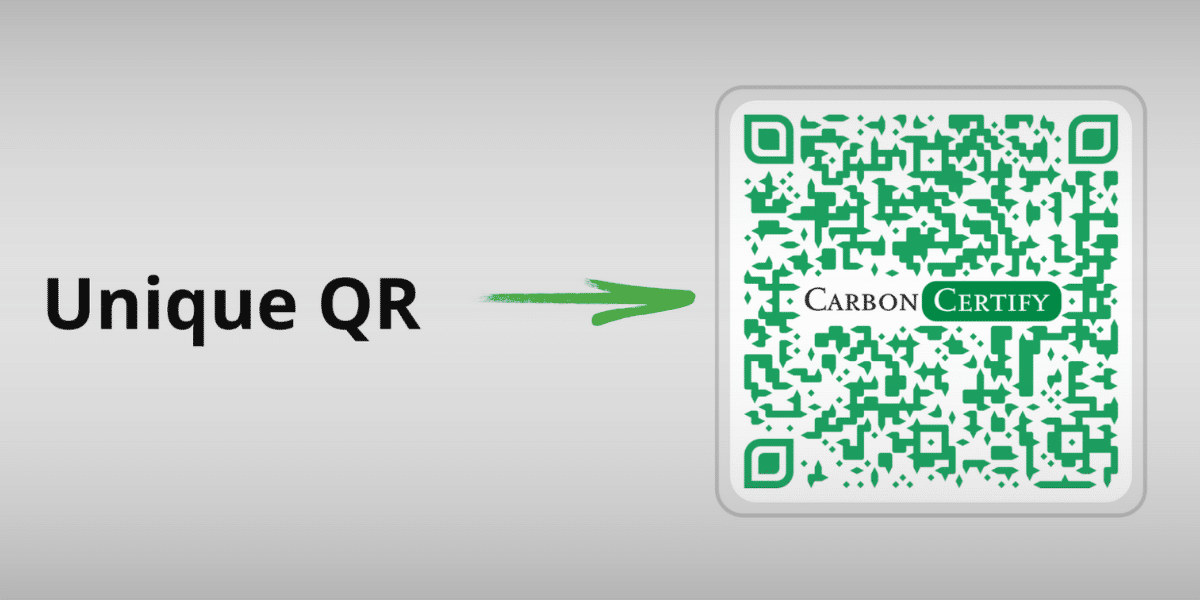
The process of eco-conscious consumption begins with businesses using Carbon Certify to calculate the carbon footprint of their products. By inputting data about materials and the manufacturing location, companies receive a comprehensive analysis of each item’s environmental impact. Carbon Certify calculates the carbon footprint and generates a unique QR code for the product.

This QR code is a gateway for consumers to access vital information about the product’s environmental impact. Companies can print the QR code on product packaging or include it as a label on items like clothing. When consumers scan the QR code with their smartphones, they are directed to a dedicated page that provides detailed insights about the product.

Unlocking Information at Your Fingertips

Scanning the QR code allows consumers to access a wealth of information about the product, including:

  • Carbon Footprint Data: The company provides transparency about the product’s environmental impact, including the amount of carbon dioxide emitted during production.
  • Materials Used: Details about the materials used in the product allow consumers to make more informed choices regarding sustainability.
  • Certification Date: Information about when the product was certified by Carbon Certify, giving consumers insight into the timeliness of the data.

“Consumers today want to understand the true impact of their purchases, and our app provides them with the transparency they need,” says Jacob Szender, CEO of Carbon Certify. “Scanning the QR code allows people to see exactly what went into making a product and how it affects the environment.

Practical Tips for Reducing Carbon Emissions

Carbon Certify goes beyond providing data by offering practical insights on how consumers can reduce their carbon footprint through product use. Each product page includes tailored tips and suggestions to promote responsible consumption:

  1. Optimal Usage Guidelines: Advice on the most effective ways to use the product, ensuring maximum efficiency and minimal waste.
  2. Maintenance Tips: Guidance on how proper care can extend the product’s life, reducing the need for replacements and the associated carbon emissions.
  3. Recycling and Disposal Information: Instructions on how to recycle or dispose of the product responsibly, contributing to a circular economy and minimizing landfill waste.
  4. Sustainable Practices: Additional suggestions for combining products or using them in ways that further reduce energy consumption.

Tailored Insights for Manufacturers, Wholesalers, and Online Sellers

Carbon Certify is focused on empowering consumers and provides customized tips for manufacturers, wholesalers, and online sellers on how they can reduce the carbon footprint of their products. Carbon Certify analyzes each company’s specific role in the supply chain, offering targeted recommendations for reducing emissions, such as optimizing production processes and adopting more sustainable packaging solutions.

This tailored guidance helps businesses take concrete steps toward minimizing their environmental impact and improving the sustainability of their operations.

“Our approach is to involve every stakeholder in the supply chain,” Szender explains. “Whether you’re manufacturing, distributing, or selling online, we provide insights that help you reduce your carbon emissions and be part of the solution.”

Embracing Eco-Conscious Choices

As sustainability becomes a higher priority for consumers, the ability to easily access and understand a product’s carbon footprint will be crucial in their purchasing decisions. Carbon Certify makes this information accessible and provides actionable insights leading to meaningful change.

By integrating a unique QR code system and focusing on education, Carbon Certify is paving the way toward a future where eco-conscious consumption becomes the norm. Consumers embracing this movement enhance their own environmental practices and encourage businesses to continue advancing toward sustainable solutions.

“The journey towards a greener future starts with informed choices,” adds Szender. “And Carbon Certify is here to guide consumers and businesses alike in making those choices.”

For more information and to explore the possibilities of eco-conscious consumption, visit carboncertify.org.


Published by: Khy Talara