Creating an open-concept layout during a home renovation can transform your space into a brighter, more connected area. Imagine a home where your kitchen, dining, and living spaces flow seamlessly together—this is the magic of open-concept design.
In this guide, we’ll walk you through easy steps to achieve this modern look. From planning and removing walls to decorating and budgeting, you’ll learn how to make your home feel more spacious and inviting. Let’s dive in and start turning your vision into reality!
Understanding the Open-Concept Layout
When you’re planning an open-concept layout for your home renovation, it’s crucial to understand why this design is so attractive. An open-concept layout involves removing walls to create expansive, interconnected spaces where the kitchen, dining, and living areas seamlessly flow into each other.
For a successful transformation, exploring New York renovations can provide you with the expertise and resources needed to achieve this modern design.
What is an Open-Concept Layout?
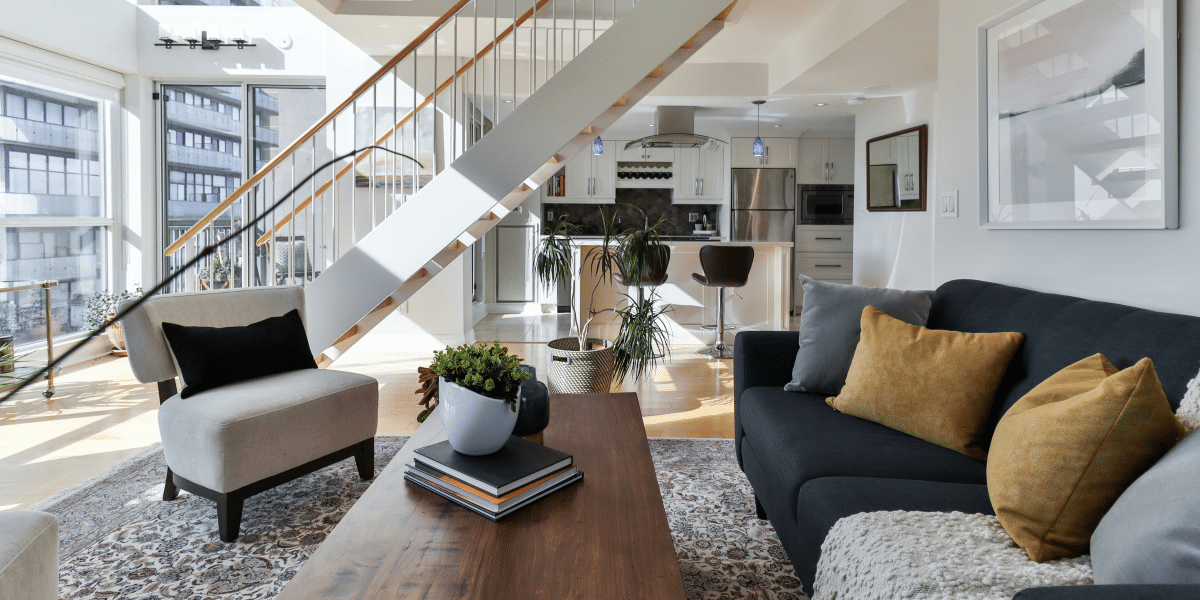
In an open-concept home, rooms aren’t separated by traditional walls. Instead, the spaces blend together, giving you a sense of openness and freedom. Imagine walking from your kitchen straight into your living room without any barriers in between—that’s the beauty of this design. It’s perfect for families who want to stay connected and for entertaining guests since everyone can interact more easily.
Benefits of an Open-Concept Layout
One of the biggest benefits is the increased natural light. Without walls blocking the sunlight, rooms can feel brighter and more welcoming. Open-concept layouts also make spaces look larger and more fluid, which is great if you want to avoid a cramped feel. Additionally, this design encourages a sense of togetherness, whether you’re cooking dinner or lounging on the couch.
Potential Downsides
While open-concept layouts have many perks, they’re not for everyone. They can sometimes lead to more noise and less privacy, especially if you have a busy household. It’s important to weigh these factors before diving into your renovation.
Planning Your Open-Concept Layout
Planning your open-concept layout is a crucial step in your renovation journey. It’s where your ideas start to take shape and become a reality. By carefully planning, you ensure that your new layout meets your needs and maximizes the space effectively.
Assess Your Space
First, take a close look at your current space. Identify the areas you want to connect and any obstacles you might face. Think about how you use each room and how you want to change that. For example, do you want to combine your kitchen and living room for easier entertaining? Knowing exactly what you want will guide your planning process.
Define Functional Zones
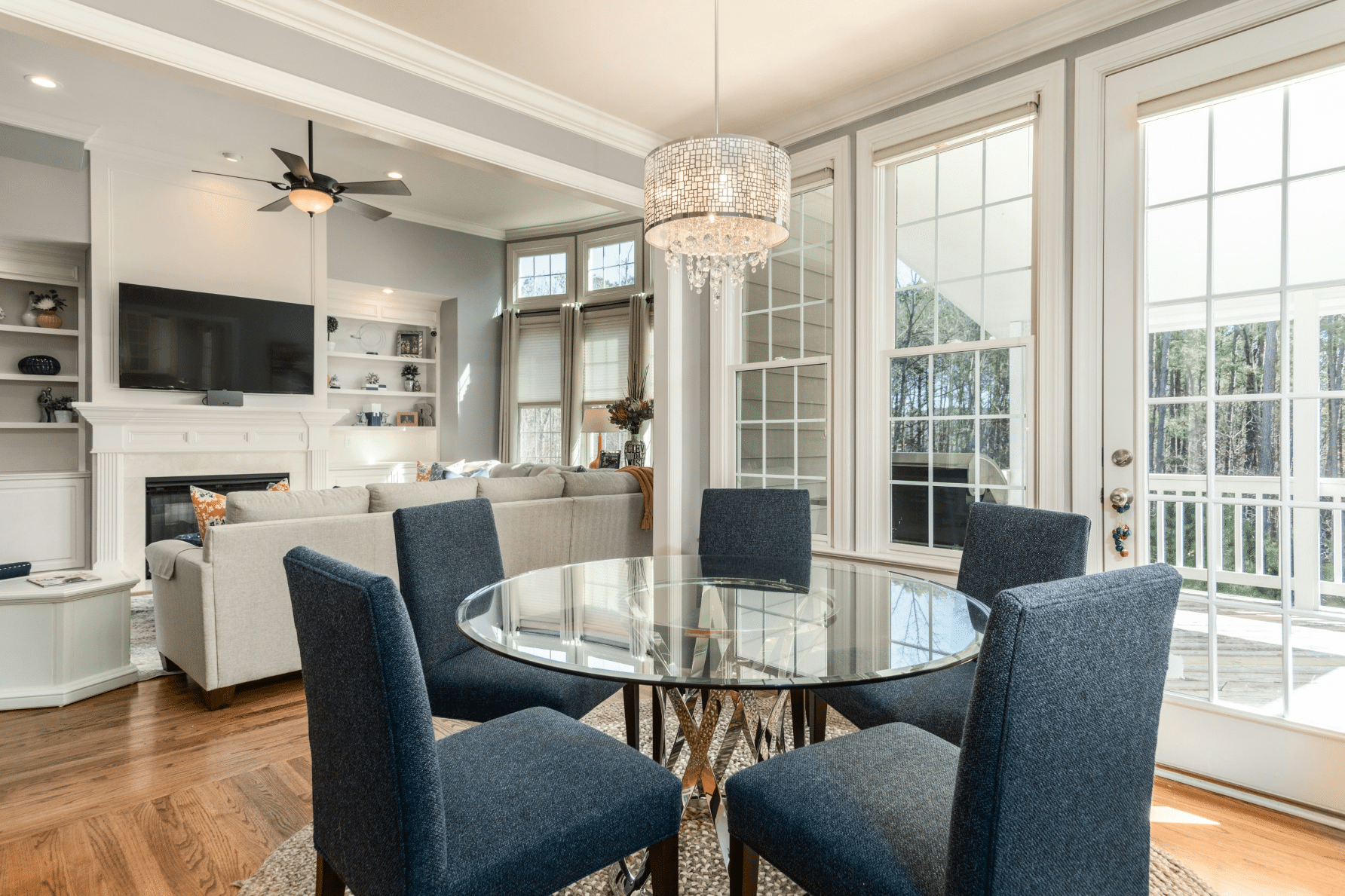
An open-concept layout should still have clear zones for different activities. Decide where you want to place your cooking, dining, and living areas. Even though these areas will flow into each other, using furniture and design elements to define each space can make the layout more practical. For example, a rug can be used to mark the living area or a kitchen island as a boundary between the cooking and dining spaces.
Consult Professionals
Depending on the scale of your renovation, you might need expert advice. Architects and designers can help make sure your plans are both stylish and practical. They’ll also ensure that any structural changes are safe and up to code.
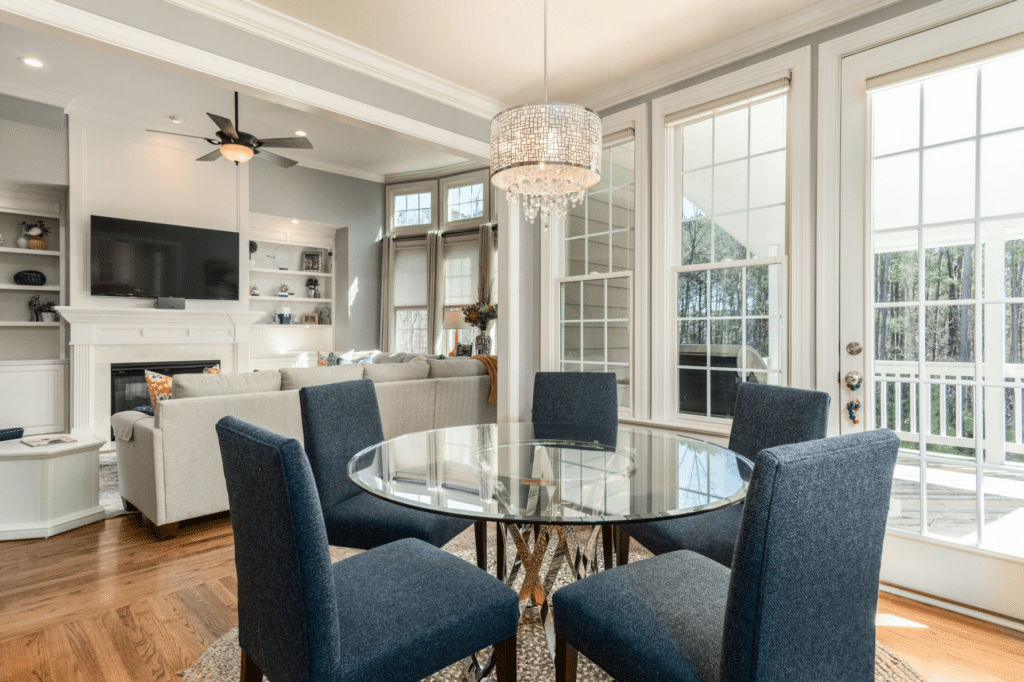
Photo: Unsplash.com
Removing Walls and Structural Changes
Removing walls and making structural changes is a big step in creating your open-concept layout. This process involves more than just knocking down barriers; it requires careful planning to ensure your space remains safe and functional.
Wall Removal
To start, you’ll need to identify which walls you can remove. Not all walls can be taken out without affecting the building’s stability. It’s important to figure out which ones are load-bearing, meaning they support the weight of the house. Removing a load-bearing wall requires special support, such as beams, to keep everything stable. This is where professional help becomes crucial. A contractor or structural engineer can assess your home and provide the right solutions.
Alternative Solutions
If removing a wall isn’t an option, consider alternatives like creating openings or installing glass partitions. These solutions can still open up your space while maintaining some separation. For instance, a large arch or a glass wall can provide a sense of openness without the complete removal of a wall.
Permits and Regulations
Before starting any demolition work, make sure you have the necessary permits. Local building codes and regulations ensure that the changes you make are safe and legal. Your contractor can help with this process and ensure that all the work complies with local standards.
Enhancing the Open Concept
Enhancing the open-concept layout is all about making the most of your new, spacious design. Now that you’ve removed walls and created an open flow, it’s time to focus on how to make the space both beautiful and functional.
Lighting Up the Space
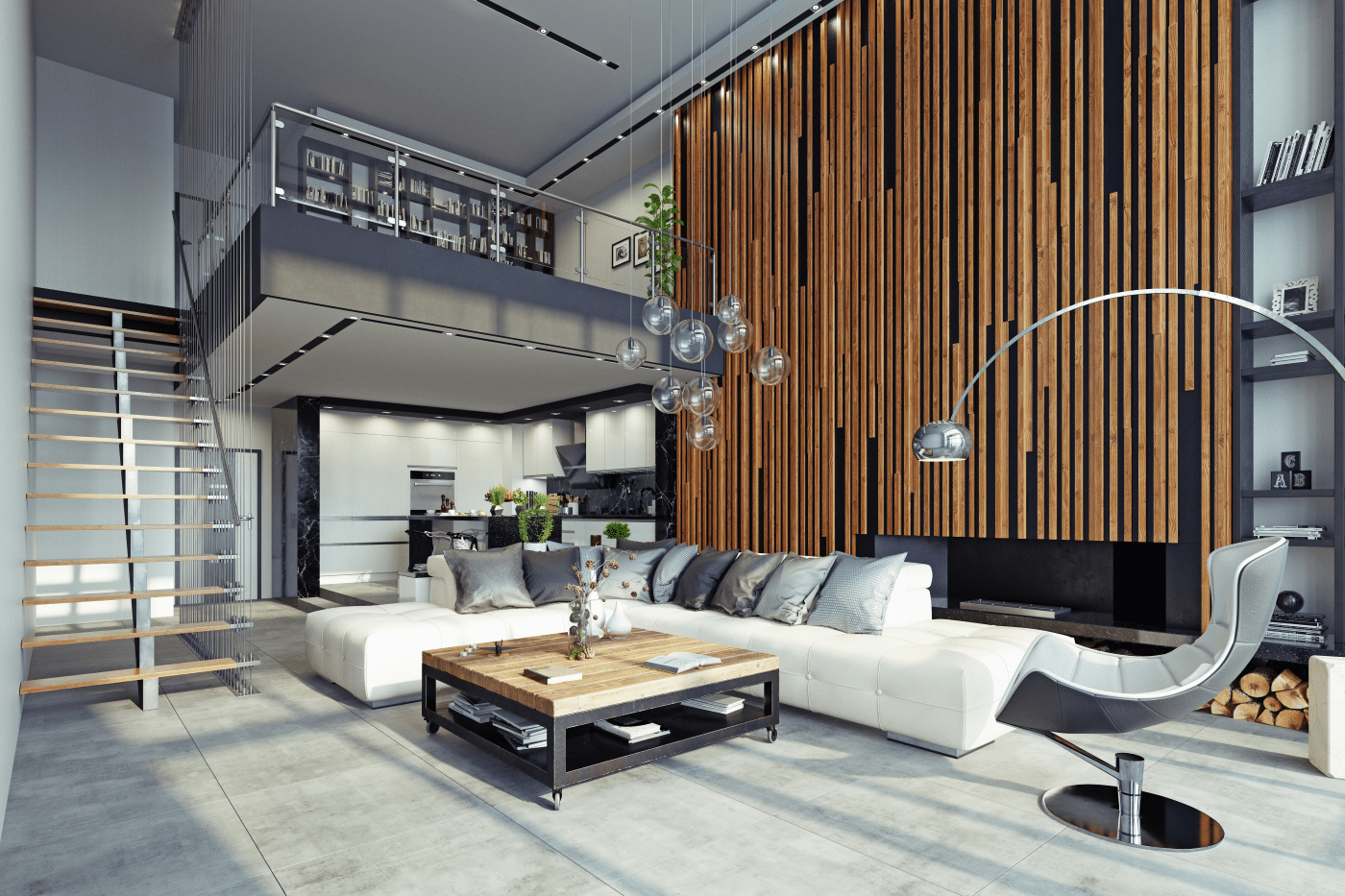
Good lighting can make a huge difference in an open-concept layout. Since there are fewer walls to block natural light, you should take advantage of it. Maximize natural light by using sheer curtains or blinds that let in sunlight. For artificial lighting, use a mix of ceiling lights, floor lamps, and table lamps to create a warm, inviting atmosphere. Layering different types of light helps to brighten up the entire space and set the right mood.
Smart Furniture Arrangement
Arranging your furniture wisely can define different areas within the open space without needing walls. Use furniture to create zones, like a sofa to mark the living area or a dining table for the eating space. Rugs can also help to visually separate different sections while keeping the space open and airy.
Color and Design
Color plays a big role in tying the open space together. Choose a cohesive color scheme that flows throughout the areas to make the space feel unified. Use accent pieces like cushions, artwork, or decorative items to add personality and make each area distinct while keeping a harmonious look.
Practical Considerations
When creating an open-concept layout, practical considerations are key to making sure your new space is both beautiful and functional. It’s not just about looks—think about how your open space will work for everyday living.
Smart Storage Solutions
One of the challenges of an open-concept layout is finding enough storage without cluttering the space. Built-in shelves and cabinets are a great way to keep things organized and out of sight. Consider multi-functional furniture, like ottomans with hidden storage or a dining table with built-in drawers. This way, you keep your space tidy while still having easy access to your essentials.
Managing Noise
An open-concept layout can sometimes mean more noise, especially if you have a busy household. To manage sound, think about adding soft furnishings like rugs, curtains, and cushions. These materials can help absorb sound and make your space quieter. Acoustic panels are another option if you want to tackle noise more directly. They come in various designs and can blend into your decor while improving sound quality.
Budgeting and Cost Estimates
Budgeting and cost estimates are crucial when planning an open-concept layout. Knowing your budget and understanding the costs involved will help you avoid surprises and make the renovation process smoother.
Key Cost Factors
First, consider the main costs involved. Removing walls and making structural changes can be expensive, especially if you need to reinforce support beams. You’ll also need to budget for new flooring, paint, and possibly updated lighting fixtures. Don’t forget to include the cost of any professional help you might need, such as contractors or structural engineers. They can provide accurate estimates and ensure that the work is done correctly.
Saving Tips
To keep your renovation on a budget, look for ways to save. Sometimes, doing some of the work yourself can cut costs. For example, you might handle painting or simple tasks while leaving the more complex work to professionals. Shopping for materials on sale or choosing budget-friendly options can also help. Consider using online resources to compare prices and find good deals.
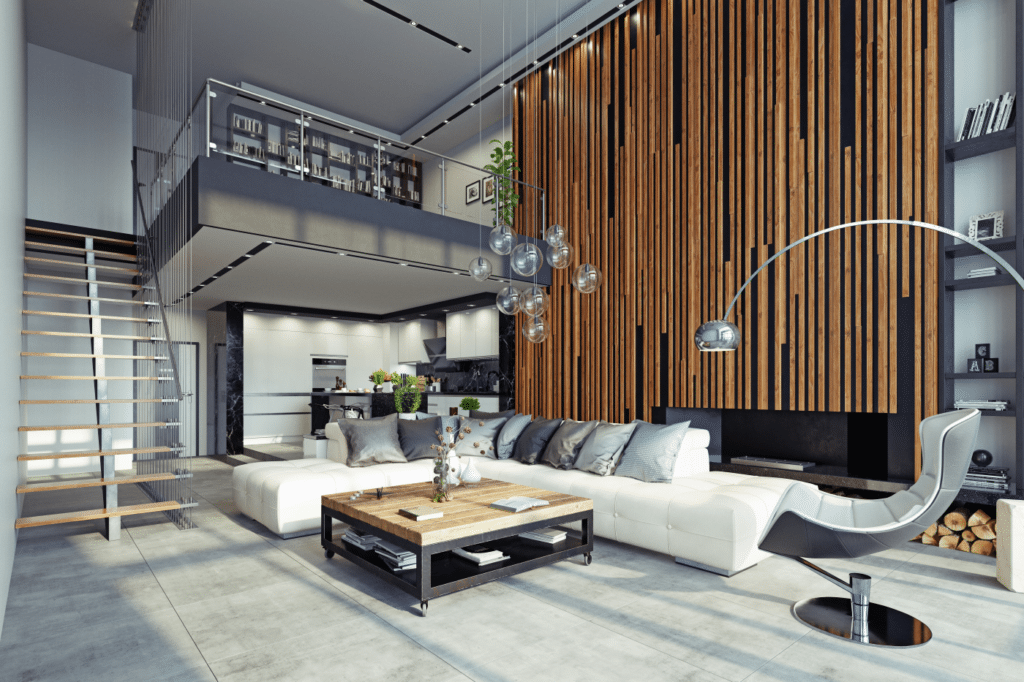
Photo: Unsplash.com
Finalizing Your Open-Concept Design
Finalizing your open-concept design is the exciting step where your vision comes together, and your space becomes truly yours. This is where you add those finishing touches that make the layout uniquely functional and stylish.
Adding Finishing Touches
Once the major work is done, focus on decorating and adding details. Choose furniture and decor that complement the open-concept layout and reflect your personal style. Think about adding area rugs to define different zones and artwork to create visual interest. Don’t forget to incorporate your favorite accessories, like cushions and plants, to bring warmth and character to the space.
Maintaining and Adjusting
After the renovation is complete, it’s important to maintain your new layout. Keep an eye on how the space functions and make adjustments as needed. For instance, you might find that adding a few more storage solutions or adjusting the lighting improves the flow and usability of your open-concept design.
Evaluating Your Space
Take some time to evaluate how well your open-concept design meets your needs. Are there any changes you’d like to make? Your feedback will help you decide if any tweaks are necessary to perfect the space.
Conclusion
Transforming your home with an open-concept layout is exciting and achievable with the right approach. By following these simple steps, you’ll create a stylish and functional space that enhances your daily living.
Don’t let the idea of renovation overwhelm you—embrace the change and enjoy the benefits of a more open and connected home. Ready to start? Your dream space is just a renovation away!
Published By: Aize Perez