Bridging the Past and Present: Karl W. Wilkes’ Artistic Time Travel

In a world where time stands still within the frames of captivating artwork, there exists a realm where the past and present intertwine, and the brushstrokes of a visionary artist bridge the gap between history and imagination. Enter the enchanting realm of Karl W. Wilkes, a master of artistic time travel, whose creations transport us to bygone eras while igniting our vision of a future yet to unfold.

In his brush lies a magical alchemy, seamlessly blending the essence of historical moments with the pulsating energy of the present. Karl W. Wilkes is not just an artist but a conduit between worlds, capturing the spirit of centuries past and projecting it onto the canvas of our collective consciousness. His works breathe life into forgotten narratives, beckoning us to wander through the corridors of time and embrace the profound connections that unite humanity across generations.

Through his art, Karl W. Wilkes opens portals to history that transcend the boundaries of time and space. He conjures landscapes of distant epochs with each brush stroke, resurrecting their colors, textures, and emotions. His art is a symphony of mediums, a fusion of diverse materials that coalesce to form captivating tapestries, sculptures, and murals. In his hands, the tools of creation become instruments of storytelling, whispering tales of triumph, struggle, and the indomitable human spirit.

Join us as we embark on an extraordinary journey through time and artistry guided by the brush of Karl W. Wilkes. Let us bridge the past and present, embracing the stories that shape us and kindling a zeal for boundless possibilities.

Karl W. Wilkes Bridging Past and Present Through Art_4

Photo Courtesy: Karl W. Wilkes
4 tenths of a second ( Mathew Robinson ballad) 24×26 oil on canvas 2022

The Artistic Alchemist

In the realm of art, Karl W. Wilkes emerges as an artistic alchemist, utilizing his creative prowess to unveil a mesmerizing collection of time-infused masterpieces. With meticulous attention to detail, Wilkes combines elements from different eras, weaving them together to create thought-provoking and visually captivating artworks. His pieces serve as portals to the past, allowing us to witness historical moments with newfound clarity and depth.

Wilkes’s artistic alchemy extends beyond traditional boundaries as he fearlessly experiments with diverse materials and styles. From paintings that evoke the textures and colors of ancient civilizations to sculptures that embody the spirit of bygone eras, each work is a testament to Wilkes’s ability to capture the essence of historical times.

Through his masterful blending of mediums and his unwavering dedication to his craft, Wilkes invites us to unlock the secrets of the past, illuminating the present and inspiring a future yet to be written.

Karl W. Wilkes Bridging Past and Present Through Art_3

Photo Courtesy: Karl W. Wilkes
“The Dawn “ 24×36 oil on canvas 2020

Walking Through History

Stepping into the hallowed halls of Carnegie Hall, visitors are greeted by a profound and immersive experience curated by the visionary artist Karl W. Wilkes. Wilkes breathes life into historical moments through his exhibitions, transporting viewers on a mesmerizing journey through time.

Wilkes’s exhibitions at Carnegie Hall serve as a gateway to pivotal events and figures that have shaped our collective history. With meticulous attention to detail, he captures the essence of these moments, infusing his artwork with a profound sense of authenticity and emotional depth.

Walking through the exhibition spaces, visitors are surrounded by vibrant canvases depicting iconic scenes and individuals from different epochs. From pivotal moments in ancient civilizations to the triumphs of the civil rights movement, Wilkes’s artwork preserves the spirit of these historical narratives, inviting us to bear witness to their significance.

Through his transformative exhibitions, Karl W. Wilkes pays homage to the events and figures that have shaped our world and invites us to participate actively in their enduring legacies. Walking through history at Carnegie Hall, viewers are enlightened, inspired, and reminded of art’s power to connect us with the timeless threads of human existence.

Karl W. Wilkes Bridging Past and Present Through Art

Photo Courtesy: Karl W. Wilkes
They spoke” Unspoken words heard visually series- 18×24 monotype 2000

Karl W. Wilkes’ Murals as Time Portals

Karl W. Wilkes’s artistic prowess extends beyond traditional canvases and exhibitions, as he harnesses the power of murals to create captivating time portals that inspire curiosity and ignite the imagination. Wilkes brings history to life through his mural artistry, transforming everyday spaces into immersive gateways to the past.

Wilkes’s murals serve as windows into the rich tapestry of human history, effortlessly transporting viewers to different eras and cultures. From bustling city streets to the walls of educational institutions, his large-scale artworks serve as captivating educational tools, engaging both young and old in a shared exploration of our collective heritage.

Each mural is a meticulously crafted masterpiece, resonating with historical details and symbolic imagery that breathe life into the stories they depict. Wilkes’s murals capture significant moments and amplify the voices and struggles of underrepresented communities, shedding light on diverse perspectives that shape our understanding of history.

More than mere decorative additions to the urban landscape, Wilkes’s murals become transformative experiences. They encourage viewers to question, discover, and delve deeper into the narratives they encounter. The vibrant colors and evocative imagery awaken a sense of wonder and curiosity, prompting us to contemplate the complexities of the past and its relevance to our lives.

Beyond their aesthetic appeal, Wilkes’s murals have a profound impact on the communities they adorn. They catalyze dialogue, fostering a sense of pride, unity, and cultural appreciation.

Through his mural artistry, Karl W. Wilkes invites us to reimagine our surroundings as portals to the past. His works inspire curiosity, ignite a passion for exploration, and remind us that history is not confined to books but lives and breathes around us. Wilkes transforms ordinary spaces into extraordinary time capsules with each brush stroke, leaving an indelible mark on the physical and emotional landscapes of the communities he touches.

Takeaway

Wilkes, the master of artistic time travel, has beckoned us to bridge the past and present, inviting us to witness pivotal moments and embrace the profound connections that unite humanity across generations.

Through his alchemical brush, Wilkes has breathed life into forgotten narratives, transported us to bygone eras, and sparked our curiosity about the intricate tapestry of human existence. His exhibitions at Carnegie Hall have opened portals to historical moments, illuminating the triumphs, struggles, and indomitable spirit of those who have come before us.

So let us carry the spirit of Karl W. Wilkes’s artistic time travel with us as we venture forth, cherishing the stories of the past, embracing the present, and kindling a flame of creativity and understanding that will illuminate the path to a brighter future.

Published by: Martin De Juan

Step Up Your Dance Game with the Right Footwear & Apparel

By: SEO Mavens

Whether you’re a seasoned performer or just starting out, having the right dance gear is crucial to excelling in your craft. From the all-important shoes to the functional yet stylish attire, your choice of apparel influences not only your performance but also your confidence on the dance floor. This comprehensive guide will help you navigate the world of dancewear, ensuring you make the premier choices for your individual needs.

The Importance of Proper Footwear

When it comes to dance, every step counts, and this begins with selecting the right pair of shoes. Your footwear needs to provide the necessary support and flexibility, allowing you to execute movements with precision and grace. But where do you start amidst the myriad of options available?

Finding the Perfect Women’s Dance Shoes

For the ladies, it’s crucial to find women’s dance shoes that fit well and complement the style of dance you are pursuing. Ballet, jazz, tap, contemporary – each genre has its own unique footwear. Ballet slippers, for example, should ideally be snug but not overly tight, offering protection while also giving a sense of the floor.

Choosing Appropriate Men’s Dance Shoes

Men, on the other hand, should seek out men’s dance shoes that offer adequate support, particularly around the arch and heel, to absorb the impacts from jumps and protect against injuries. A good pair of men’s dance shoes will be lightweight and durable, standing up to rigorous routines while ensuring the dancer stays light on their feet.

Apparel That Accentuates Movement

The premier dance apparel not only looks good but enables you to move with ease. Fit is paramount – you want clothing that is close-fitting but not restrictive, allowing you to showcase your moves without any hindrance.

Be Elegantly Equipped with Leotards for Women

One staple item in a dancer’s wardrobe is the leotard. Perfect for rehearsals or performances, leotards for women offer a sleek profile that lets instructors and audiences see your alignment and movements clearly. They come in a variety of cuts and materials, so it’s essential to find one that fits your body type and the requirements of your dance discipline.

When you’re practicing in the studio or performing onstage, the right leotard can make all the difference. It should wick away moisture, stay in place through a range of movements and complement your figure. Additionally, consider the aesthetics of your leotard – colours, patterns, and details like mesh or lace can all add a touch of personality to your performance.

Choosing Dance Apparel Based on Dance Style

Every dance style comes with its own aesthetic which often extends to the required apparel. Ballroom dancers, for example, don flowing gowns and tailored suits that enhance the smoothness and elegance of their movements. Urban dance styles like hip-hop might lean towards looser, more casual streetwear that allows for unrestricted movement and reflects the culture of the dance.

Moreover, the functionality of your dance apparel plays a significant role. Dancers often engage in sweat-inducing practice sessions and performances. Therefore, selecting garments made from breathable fabrics that offer flexibility and comfort is a must.

The Significance of Compression and Recovery

Compression clothing has become popular among dancers for its ability to aid recovery after intense sessions. These garments apply a certain amount of pressure to the body, promoting blood flow and reducing muscle fatigue. While not essential, they can be a valuable addition to your dance wardrobe, especially during periods of intensive training.

Accessories: The Finishing Touches

Your dance ensemble isn’t complete without the right accessories. These might include hair coverings like snoods or hairpins for ballet, knee pads for breakdancing, or scarves and shawls for belly dancing. Likewise, dance bags, water bottles, and warm-up attire like leg warmers or wrap skirts are functional extras that enhance your dance experience.

Finding What Works for You

The journey to finding your perfect dance wardrobe involves a lot of trial and error. Don’t be afraid to experiment with different styles and brands until you find what truly works well for your body and the type of dance you do.

Lastly, bear in mind that while aesthetics are important, the function and comfort of your dance shoes and apparel are what will ultimately allow you to perform at your best. So take your time, do your research, and consider investing in quality gear that will elevate your dance experience.

With the proper footwear and apparel, you’re set to embark on a dance journey that aims not only improved performance but also a deeper enjoyment of the art form. So lace up those shoes, step into your new leotard, and step up your dance game today.

Published by: Martin De Juan

Workplace Safety in Clearwater’s Hospitality and Construction Industries

Clearwater, Florida, is a hub for two major industries—hospitality and construction. With its booming tourism sector, the hospitality industry employs thousands of workers in hotels, restaurants, and entertainment venues. Meanwhile, Clearwater’s construction sector is continually expanding, with new developments and infrastructure projects in progress. While these industries offer many opportunities, they also come with significant risks. Workplace safety must be a top priority to protect workers from accidents and injuries.

Accidents in these industries can lead to serious injuries that affect not only the worker but also their families and livelihoods. Understanding common hazards and safety measures in hospitality and construction is crucial to maintaining a safe working environment. 

Common Hazards in the Hospitality Industry

The hospitality industry comes with various workplace hazards that can pose employee risks. Understanding and addressing these dangers is crucial for maintaining a safe work environment. Here are some common hazards in the hospitality sector:

  • Slip and Fall Accidents: Wet floors, spilled drinks, and uneven surfaces are frequent causes of falls in restaurants, hotels, and event venues.
  • Burns and Scalds: Kitchen staff are at risk of burns, cuts, and scalding from hot liquids and equipment.
  • Heavy Lifting Injuries: Housekeeping and maintenance staff often lift heavy objects, leading to back injuries or musculoskeletal disorders.
  • Improper Safety Protocols: Lack of regular safety training or failure to use non-slip mats in high-risk areas can increase accident rates.
  • Inadequate PPE: Not using personal protective equipment (PPE) like gloves or safety shoes raises the likelihood of injury.
  • Poor Hazard Communication: Failing to use clear signage to warn staff and guests of dangers like wet floors can lead to accidents.

Safety Challenges in the Construction Industry

Construction is one of the most hazardous industries, and Clearwater’s construction boom adds to the pressure to maintain strict safety standards. Common risks include falls from heights, machinery accidents, and exposure to harmful substances. Workers often handle heavy machinery, work on scaffolding, and are exposed to potential hazards like falling objects or unstable ground.

To improve workplace safety in the construction industry, employers must enforce the use of proper safety gear, including helmets, harnesses, and steel-toed boots. Regular inspections of equipment and work sites, combined with thorough safety training, can significantly reduce the risk of accidents. Ensuring that workers are aware of how to properly operate equipment and follow safety protocols is vital to maintaining a safe construction site.

Preventing Fatigue-Related Accidents

Long hours and demanding workloads are common in both the hospitality and construction industries, and this can lead to worker fatigue, which is a significant contributor to workplace accidents. In hospitality, waitstaff and housekeeping employees may work long shifts, leading to exhaustion that affects concentration and physical coordination. In construction, workers often endure physically demanding tasks for extended periods, increasing the risk of fatigue-related accidents.

Employers can reduce the risk of fatigue-related accidents by ensuring workers take regular breaks, managing shift rotations effectively, and encouraging workers to stay hydrated and rested. Construction sites, in particular, should have scheduled downtime to ensure workers aren’t overexerting themselves. Addressing fatigue improves safety and enhances productivity and overall worker well-being.

The Role of Personal Protective Equipment (PPE)

Personal protective equipment (PPE) is critical in preventing injuries in both industries. In construction, PPE such as helmets, gloves, safety goggles, and reflective vests are essential for protecting workers from potential hazards on-site. In hospitality, PPE can include non-slip shoes, gloves for handling hot or sharp objects, and proper lifting techniques to avoid back injuries.

Employers should provide PPE and ensure that workers are trained in its correct use. For instance, improper use of a safety harness in construction can be just as dangerous as not wearing one at all. Regular inspections of PPE and replacing worn-out gear are also essential to maintaining high safety standards and preventing avoidable accidents.

Reporting Hazards and Injuries

Both hospitality and construction workers should be encouraged to report any hazards or injuries as soon as they occur. In many cases, workers may hesitate to report unsafe conditions for fear of retribution or losing their jobs. However, promoting a culture of open communication can prevent small hazards from escalating into serious accidents. When workers feel empowered to speak up, employers can address issues promptly and improve overall safety conditions.

Workers should seek immediate medical attention for injuries and report the incident to their employer. Documenting the details of the accident is essential for workers’ compensation claims and any future legal actions. Consulting a personal injury law firm can help injured workers understand their rights and the steps needed to file a claim.

The Impact of Weather Conditions on Workplace Safety

In Clearwater, weather conditions can significantly impact safety in the hospitality and construction industries. In construction, workers are often exposed to extreme heat, heavy rainfall, or even the occasional storm, creating hazardous conditions such as slippery surfaces, compromised structures, or heat-related illnesses like heatstroke. Proper weather monitoring and preparedness are essential to minimizing risks, especially when working outdoors.

In the hospitality industry, outdoor restaurants, bars, and event spaces are also affected by weather. Wet surfaces from rain or condensation can increase the likelihood of slip-and-fall accidents, especially in high-traffic areas. Employers in both industries must implement safety measures tailored to local weather conditions, such as providing shelter, maintaining drainage systems, and ensuring workers are equipped with appropriate gear for extreme weather conditions.

Legal Rights and Workers’ Compensation Claims

In cases of workplace injuries, employees in the hospitality and construction fields are entitled to pursue compensation through workers’ compensation claims. This compensation is intended to cover medical expenses, lost wages, and rehabilitation costs for workers who have been injured while on duty. However, the process of navigating workers’ compensation can be intricate, and at times, claims are denied or not fully valued, leaving workers without the necessary support.

Should a workplace injury occur as a result of neglect or unsafe working conditions, seeking advice from top-rated personal injury attorneys can assist injured employees in exploring their legal alternatives. In certain situations, workers may be eligible for additional compensation beyond what workers’ compensation offers, especially if the employer failed to implement appropriate safety measures or maintain a secure work environment.

Published by: Martin De Juan

How to Pick the Right Web Designer in Charlotte

Understanding Your Web Design Needs

Pinpointing Your Website’s Purpose

When searching for a web designer in Charlotte, first think about what you want your website to achieve. Are you looking to sell items, share info, or showcase your work? Knowing that will help you find a designer who can make a site suited to your goals.

Defining Your Target Audience

Consider who you expect to visit your site. Is it young professionals, families, or business owners? Knowing your audience helps you choose a designer who knows how to reach them.

Setting Your Budget and Timeline

Be upfront about your budget and when you need the website ready. This helps narrow down choices and saves time during discussions with designers.

Researching Charlotte’s Web Design Market

Checking Out Local Web Design Agencies

Charlotte has several web design agencies. Look them up online and review what they offer. Some may cater to small businesses, others might handle larger clients.

Looking into Freelance Web Designers

Don’t overlook freelancers! Charlotte has talented solo designers who might give more personal attention. Browse local freelance directories or seek recommendations from friends.

Comparing In-House and Outsourced Options

Think about whether face-to-face interaction is important or if remote work is fine by you. In-house designers are great for regular meetings, while outsourcing could give more flexibility.

Evaluating Designer Portfolios

Reviewing Design Looks and Styles

Check out the websites each designer has made. Do their styles resonate with you? It’s like picking artwork—you want something that clicks with your brand.

Gauging Technical Skills

See if the sites in their portfolios are user-friendly and work well on various devices. A nice-looking site that’s slow or fails on phones isn’t very useful.

Checking Industry-Specific Experience

Has the designer worked on similar websites before? For instance, restaurant owners might benefit from designers with food industry experience.

Checking Credentials & Reputation

Confirming Professional Certifications

Certifications aren’t a must, but they can show dedication to the craft. Look for certifications in web design or related fields.

Reading Client Testimonials and Reviews

What do former clients say? Check reviews on Google and social media, or ask for references directly from the designer.

Looking into Business Longevity and Stability

How long has the designer or agency been around? A longer history can signal reliability but don’t dismiss newer talent if their work shines.

Talking With Potential Designers

Preparing Questions For First Meetings

List out what you need to know—ask about their process, handling changes, and post-launch support.

Discussing Project Scope and Deliverables

Be clear on expectations – How many pages? Will content be included or just design? Clarifying early prevents misunderstandings later.

Judging Communication Skills and Speed of Replies

Notice how quickly they respond and explain things clearly—you want someone who translates tech talk into plain language.

Comparing Prices And Services

Grasping Pricing (Hourly vs. Project-Based)

Some designers bill hourly; others by the project—Figure out what suits your budget better.

Analyzing What’s Included

Understand what you’re paying for – Hosting, maintenance, future updates?

Thinking of Long-Term Maintenance and Support

Websites need upkeep—Ask about ongoing support options and costs to avoid surprises.

Making The Final Call

Weighing Pros and Cons of Each Choice

List likes and dislikes for each candidate—This can clarify preferences.

Requesting and Reviewing Proposals

Get detailed proposals from leading choices—Compare easily.

Negotiating Terms and Contracts

Discuss terms openly—If unclear points exist in contracts, seek clarification—Good designers will explain and accommodate.

Recap

Choosing a web designer in Charlotte doesn’t have to be overwhelming—Take it slow, research well and trust instincts—the right designer will grasp your vision and bring it alive.

Published by: Martin De Juan

Anca Gherle: Bridging the Private-Public Divide for a Brighter Future

By: Chiara Accardi

Anca Gherle believes that lasting change comes from collaboration. For 14 years, she has navigated the complex dynamics between the private sector, government, and NGOs, driven by the belief that societal progress is achieved when diverse forces work together. Guided by a deep respect for those who came before her, Anca is focused on creating partnerships that benefit future generations.

Her journey reflects a commitment to fostering growth, trust, and stronger communities. With experience ranging from media relations to engaging with global leaders, Anca brings a unique perspective on today’s societal challenges. She believes that collaboration and transparency are key to building a resilient society that values every voice.

In this interview, we’ll explore Anca Gherle’s motivations, her experience, the challenges she faced, and the strategies she uses to bridge the private-public divide and drive meaningful change.

  1. How do you see AI shaping public affairs and policy-making, and how do you advise clients to navigate these advancements while addressing ethical concerns?

Anca Gherle: I believe AI can become our worst nightmare or our biggest opportunity to evolve, innovate, and grow a country’s economy by enhancing productivity within all sectors. 

At the end of the day it is in our power how to perceive this new digital area and make the most out of the new innovative AI tools, both in the private and also, within public administration processes. 

However, with these advancements come significant ethical concerns, such as data privacy, algorithmic bias, intellectual property, and the potential for AI to widen social inequalities and generate job losses for millions of people across the globe. 

The question here is how we will manage to avoid these foreseeable risks and develop a balanced approach to AI’s potential while tackling and prioritizing the existing ethical concerns. 

As an AI ethics expert, I acknowledge that the first step we should take in ensuring transparency in AI systems, learning how to master AI tools and understand how decisions are made. In order to tackle this step, the answer lies in investing in the inclusion of diverse voices, mitigating bias, enhancing our digital literacy, digital infrastructure, and governmental support for all categories of business.  

I am happy and grateful to collaborate and exchange knowledge with experts within the digital regulation field, such as Sabin Sarmas (president of the T&C committee within the Chamber of Deputies), from whom I truly learned the real perspective on the Romanian digital market. 

Thank you for making a difference and guiding me! 

  1. How does your cross-sector experience benefit your clients as Country Director for Romania? How do these perspectives enhance your strategic solutions?

Anca Gherle:  My cross-sector experience brings essential insights, experience, and skills from my work in media relations, global leadership, and non-governmental organizations (NGOs), enabling me to understand the unique challenges and opportunities each sector faces.

As a public affairs strategic planner and connector for global multinational companies with governmental bodies, I always strive to craft action-based solutions that are holistic, sustainable, and efficient for all parties involved. 

In my current role as Country Director for Aretera PA Romania, I benefit from the ability to see a project from multiple angles—economic, social, and regulatory policy changes. 

When advising our clients, I take into account how to align corporate objectives with national development goals, such as job creation or infrastructure investment, ensuring that the expansion is not only profitable but also socially beneficial. 

While developing these practical solutions, I am guided by my understanding of governmental priorities, regulatory environments, and opportunities. This perspective ensures that all needs are addressed, leading to more resilient and successful outcomes.

  1. What advice would you give young professionals aiming to impact public policy and corporate strategy? What skills and mindsets are essential for success?

Anca Gherle: As young professionals represent our future, I believe it’s our absolute most important duty to support them grow and help them grasp the skills needed to reach success and create an impactful change within all nations across the globe. 

I often believe that the mindset is definitely stronger than the skills learned in practice, dealing every day with changing landscapes due to technological advancements, global events, and shifting societal expectations. The young professionals out there who are reading this article, the mindset of integrity, responsibility and ethical decision-making is crucial for your success 

From my own experience, I believe that the skills needed to develop are analytical thinking, interpreting complex data and policy implications, communication skills, and effectively advocating and building consensus among diverse stakeholders. 

In today’s world, trust is the most valuable currency we have in this field. Building a strong network through authenticity, transparency and professionalism is an absolute necessity for successful partnerships and reliable coalitions. 

  1. What strategies do you use to foster trust and collaboration with stakeholders across public and private sectors? How do you ensure these relationships are strong and beneficial?

Anca Gherle: Creating a foundation of trust takes time and commitment to shape a culture of openness and accountability.

Every strong partnership starts with open communication and clear expectations addressed, in order to build the common goals and commitments needed to implement action-based solutions. The actions and strategy developed are based on factual and measurable data so we can bring bullet-proof evidence over the impact of any regulatory change or use the information in building an efficient strategy.  

I have always strongly advocated for participatory governance and through my activity, I am focused on creating a balanced approach through the involvement of experts, professors, civil society, and governmental bodies. 

These partnerships become more impactful and beneficial through proactive collaboration, agreement, and down-to-earth solutions. 

  1. Reflecting on your career, what has been the most rewarding project, and what made it stand out—impact, challenges, or partnerships?

Prior to mentioning the policies that I am most proud of, I would like to express my gratitude to the people who gave me the opportunity to make it possible! Thank you all for believing in me!

For myself, family comes first and their support during these years made a difference in my career path. My absolute gratitude goes to them! 

During my career path in the political and private sectors, I believe I have learned from the best. I am grateful for the political skills learned from Aurelia Cristea (former Minister of Social Dialogue), Emilian Pavel (Subprefect of Oradea county), Gabriel Petrea (Deputy General Director, Polytechnic University of Bucharest), Mihai Rotaru (CEO, UrbanAir), Claudia Breure (Managing Director, Mavence) and Chris Dobson (Managing Partner of Aretera Public Affairs). 

Reflecting upon my activity in the private sector, one of the most challenging projects of my career so far is advocating and implementing a digital regulation in Romania for intermediary apps. 

Through the “ridesharing law,” alongside experts, public affairs managers and governmental bodies, we eliminated the monopoly in the public transport sector and impacted more than five million Romanian citizens, and over 80,000 jobs have been created. 

Lastly, I believe the most rewarding project is taking up the challenge to set up and grow from scratch a team of experienced and professional people in Aretera PA Romania, that I am most proud of.    


Published by: Khy Talara

Stylish Women’s Office Wear: Skirts, Pants & Blouses

By: SEO Mavens

The professional wear landscape for women has undergone a significant evolution over the years. Gone are the days when women’s office fashion was restricted to strict, uniform-like suits with little flair or flexibility. Today, the modern working woman can transition seamlessly from the boardroom to an after-hours social scene with style and ease. This guide will explore the essential pieces that constitute a versatile and fashionable office wardrobe for the contemporary woman, from classic women’s skirts to the quintessential power suit.

The Fundamental Role of Women’s Skirts in Office Wear

Skirts have been a staple in women’s wardrobes for decades. Beyond their historical significance, women’s skirts have stood the test of time, offering a sophisticated and professional look suitable for the office. With a diversity of cuts and lengths, skirts can flatter every body shape and size, while also providing the necessary comfort and flexibility during a busy working day.

A pencil skirt is an indispensable item for any working woman. Its structured cut and knee-length style convey both professionalism and femininity. Paired with a blazer, it’s a tried and true ensemble for command-inducing presence at meetings and presentations. On the flip side, A-line skirts or those with a slight flare can lend a softer silhouette, perfect for networking events or casual Fridays.

The Rise of Women’s Pants in Professional Settings

With the shift towards more gender-neutral fashion trends, women’s pants have become an integral element of office wear. Initially borrowing from men’s fashion, trousers for women have been tailored to suit feminine proportions, offering an array of styles viable for the work environment. The modern woman can choose from wide-leg pants for comfort and a statement look, slim-fit trousers for a sleek silhouette, or the timeless straight-cut for a classic appeal.

When it comes to versatility, pants are unrivaled. They can adapt to any style – from conservative to trendy – depending on how they are accessorized. With high-rise waistlines and cropped lengths, trousers have been reimagined to cater to the modern woman’s needs, blending seamlessly into the after-work social scene while still maintaining an air of professionalism.

Picking the Perfect Work Shirts for Women

The foundation of any good office outfit is a well-fitted shirt. Selecting the right work shirts for women can make the difference between an outfit that just works and one that wows. Work shirts need to be professional but not necessarily plain or boring. Today’s options range from crisp button-downs to flowing blouses, accommodating every style and function.

For an assertive look, styling a tailored shirt with a high-waisted pant or skirt can accentuate the waist and present a polished appearance. Ruffled blouses or those with delicate patterns can soften the overall look and add a touch of personality to basic office attire. It’s the balancing act between comfort, style, and office decorum that defines the perfect work shirt.

Mixing Versatility and Style

The key to a versatile wardrobe that transitions from work to evening socials lies in select mix-and-match pieces. A capsule wardrobe, with a core set of adaptable items, allows for multiple combinations that look distinctively different for various occasions.

Invest in a blazer that can sharpen any outfit; it’s your go-to piece for amplifying professionalism. Think of a tailored blazer as your wardrobe’s Swiss Army knife – it’s functional, stylish, and multi-purpose. Similarly, a few pairs of sophisticated yet comfortable shoes, ranging from classic pumps to chic flats, are necessary investments. These pieces should offer comfort for long hours of wear while still maintaining an elegant appearance.

Accessorising For Impact

Don’t underestimate the power of accessories – the right piece can transform an outfit completely. Statement jewelry, scarves, or even a bold belt can take you from day to night with ease. Accessories are where you can inject some personal style and color into your workwear without compromising the professional tone.

Caring for Your Office Wardrobe

Maintaining your office wear is also vital to aim that each piece remains impeccable and long-lasting. Invest in good quality hangers and storage solutions to keep your clothing in shape. Pay attention to the care labels and opt for professional dry-cleaning for high-quality pieces, ensuring they’re always ready for wear.

Final Remarks

In conclusion, women’s office fashion has dramatically transformed from rigid and restrictive to a dynamic representation of individual style and professionalism. Essential items like women’s skirts, women’s pants, and work shirts for women form the cornerstone of a versatile and functional wardrobe that can dress a woman for success during any part of her day.

By understanding the interplay between style, functionality, and personal expression, the modern working woman can curate a wardrobe that not only represents her professional ambitions but also caters to her after-hours engagements—proving that office wear no longer has to be one-dimensional. With thoughtful selection and strategic pairing, the transition from conference to cocktails can be as effortless as it is stylish.

Published by: Martin De Juan
Dr. Amber Hill: Leading Change in Education with Literature

In an era where education continues to evolve, there are select individuals who significantly impact the landscape through their dedication, expertise, and vision. Dr. Amber Hill stands out as one such transformative leader. As the CEO and Owner of Epiphany Hill Enterprises LLC, Dr. Hill has dedicated more than 22 years to shaping the educational experiences of young learners and supporting educators and organizations with her holistic approach. Her work, which focuses on bridging gaps in early learning and promoting self-esteem through diverse literature, continues to leave a lasting imprint on communities across the United States.

A Leader with a Vision for Change

Dr. Amber Hill’s career in education has been marked by a steadfast commitment to enhancing the climate and culture of schools, ensuring that every student has access to a positive and supportive learning environment. As the Culture and Climate Systems Coordinator for Columbus City Schools, Dr. Hill has implemented strategies to create more engaging and empowering educational experiences. Her efforts are not only centered around children but also extend to professional development for educators, providing them with the tools they need to foster growth in their classrooms.

Through her company, Epiphany Hill Enterprises LLC, Dr. Hill has taken her mission even further. Offering a range of services that cater to both individuals and organizations, she has made it her goal to empower not just learners but also educators and communities. Her approach is rooted in the belief that educational success begins with nurturing the potential within each individual and creating inclusive environments that allow for authentic personal and professional development.

Empowerment Through Diverse Literature

Dr. Amber Hill Leading Change in Education with Literature_3

Photo Courtesy: Dr. Amber Hill / epiphanyhillenterprises.com

At the heart of Dr. Hill’s mission is the promotion of diverse, high-quality children’s literature. Epiphany Hill Enterprises LLC curates and provides books that not only engage young readers but also foster a sense of self-worth and belonging. The literature offered by her company prominently features positive portrayals of African Americans, which is vital for young readers who often lack representation in traditional educational materials. This exposure to diverse perspectives helps young learners develop a more comprehensive understanding of the world and encourages empathy and confidence in their own identities.

By focusing on children’s literature that is both culturally relevant and enriching, Dr. Hill ensures that her mission of building self-esteem through reading is accessible to a broad audience. Her work has been instrumental in helping children find joy in reading, creating early positive literacy experiences that set the foundation for lifelong learning.

Transformative Professional Development for Educators and Organizations

Dr. Amber Hill’s influence extends well beyond her work with children’s literature. Her expertise as an educator and leader is evidenced by the professional development programs she offers, which cover a range of critical topics. These include early childhood education, social-emotional learning, restorative practices, positive behavior intervention supports (PBIS),family engagement, culture and climate, and trauma-informed care,etc. Each of these areas plays a pivotal role in shaping the educational environment, and Dr. Hill’s training equips educators with the skills they need to succeed in today’s increasingly complex classrooms.

Dr. Amber Hill Leading Change in Education with Literature_2

Photo Courtesy: Dr. Amber Hill

One of Dr. Hill’s key contributions is her focus on creating inclusive learning spaces. She understands the importance of not only supporting students’ academic development but also addressing their emotional and social needs. Her programs on social-emotional learning and restorative practices have helped schools develop systems that support the whole child, fostering an environment where students can thrive academically, socially, and emotionally.

In addition to her work with schools, Dr. Hill provides similar professional development opportunities for organizations, enabling them to create more inclusive and supportive work environments. Her emphasis on transformative leadership and trauma-informed care equips organizations with the knowledge they need to address challenges, embrace change, and empower their teams.

Recognition and Community Involvement

Dr. Hill’s dedication to her mission has not gone unnoticed. She has received multiple awards for her leadership and contributions to education, including the 5 Star Step Up to Quality Award and the prestigious Education 2.0 Outstanding Leadership Award. Her recognition as one of Les Brown’s Legendary Speakers further solidifies her status as a prominent voice in the field of education and empowerment.

Beyond her professional accomplishments, Dr. Hill remains deeply committed to her community. She is an active member of Delta Sigma Theta Sorority Inc., an organization known for its commitment to public service. Her roles as a wife, mother, foster mom, and mentor reflect her dedication to nurturing and supporting others, both personally and professionally. This multifaceted experience allows Dr. Hill to approach her work with a unique perspective, making her relatable to educators, parents, and learners alike.

A Lasting Impact

Dr. Amber Hill’s work continues to resonate with those who have experienced her programs and services. Educators, in particular, have expressed how her professional development initiatives have transformed their approach to creating inclusive learning environments. Aundray Brooks, Principal of North Linden Elementary, praised Dr. Hill’s insights and strategies, saying “Dr. Hill’s professional development programs have transformed our approach to creating an inclusive and supportive learning environment. Her insights and strategies are invaluable.”

Dr. Amber Hill Leading Change in Education with Literature

Photo Courtesy: Dr. Amber Hill

Rodney Johnson, Principal of Cedarwood Elementary, shared similar sentiments,”Dr. Hill’s expert guidance and practical strategies are indispensable to our building. Her sessions are informative, fun, and engaging, providing invaluable insights that inspire and empower our staff. Her unique ability to combine deep knowledge with an energetic presentation style has ignited a passion for transformative change throughout our building. Thanks to Dr. Hill, our team is now equipped to create lasting, positive impact in our educational community.”

Conclusion

Dr. Amber Hill’s journey is a testament to the power of dedication, vision, and empowerment in education. Through her company, Epiphany Hill Enterprises LLC, she has provided young learners with access to diverse literature that fosters self-esteem and a love of reading. Simultaneously, her work with educators and organizations has created inclusive and supportive environments where both individuals and institutions can thrive. As Dr. Hill continues to inspire and uplift communities, her impact on the world of education remains undeniable, shaping the futures of countless children and educators across the nation.

Published by: Martin De Juan
The Ultimate Guide to Women’s Thermal Tops

Introduction

Thermal tops are a must-have in any woman’s wardrobe, especially as temperatures drop. These versatile pieces offer exceptional warmth, flexibility, and adaptability, making them ideal for a range of occasions and weather conditions. Whether you’re braving a chilly day or transitioning through seasonal changes, women’s thermal tops ensure you stay comfortable and stylish.

Key Features of Women’s Thermal Tops

Warmth and Insulation

Thermal tops are crafted from various fabrics designed to provide superior warmth. Wool blends, cotton blends, and synthetic materials each have unique thermal properties:

Wool: Known for its excellent insulation, wool traps heat efficiently while remaining breathable.

Cotton Blends: Soft and lightweight, cotton blends offer moderate warmth and comfort.

Synthetics: Engineered to retain heat while being lightweight, synthetic fabrics excel in moisture-wicking and quick-drying.

These materials ensure that thermal tops remain lightweight while delivering essential warmth, making them perfect for layering without added bulk.

Elasticity and Flexibility

The elasticity of thermal tops is crucial for both comfort and style. Stretchable fabrics ensure a snug yet flexible fit, allowing for a range of movement without restriction. This elasticity not only enhances comfort but also helps to contour and highlight your natural curves, creating a flattering silhouette. 

The fitted design of these thermal tops smooths over your body, accentuating your shape while maintaining ease of movement. Whether you’re lounging at home or on the go, the stretchy material ensures you stay both stylish and comfortable.

Current Trends

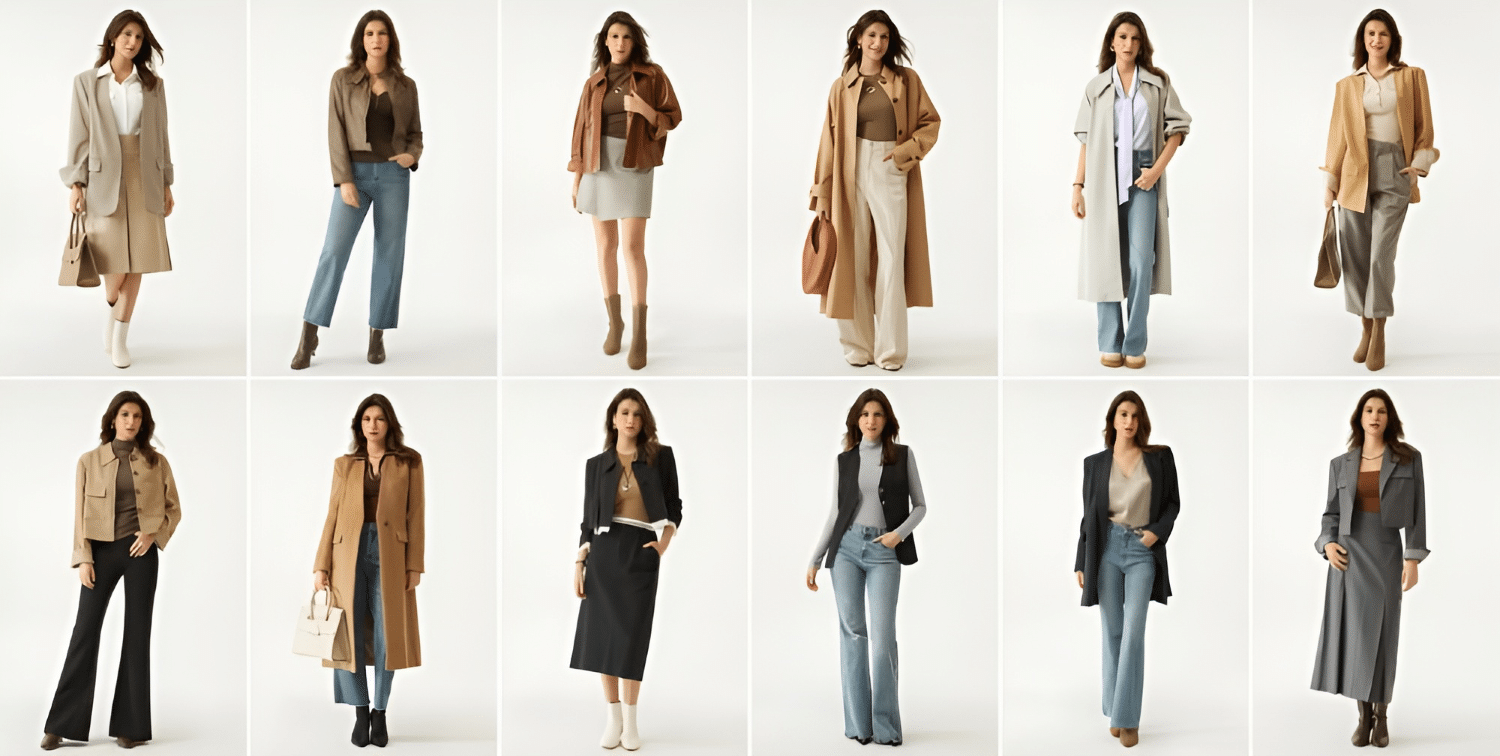
Thermal tops are embracing the latest fashion trends, making them not only practical but also stylish. One of the notable trends is the shift towards oversized styles. Oversized thermal tops offer a relaxed, modern look that’s perfect for layering. The loose fit provides an effortlessly chic appearance while still delivering ample warmth. These tops can be easily paired with skinny jeans or leggings for a balanced silhouette, or worn over a turtleneck for added coziness. The relaxed cut allows for comfortable movement and creates a casual, yet refined look.

Another prominent trend is the popularity of cropped thermal tops. These designs blend style with functionality, offering a trendy option that works well with high-waisted jeans or skirts. Cropped thermal tops highlight the waistline and provide a flattering silhouette that is both contemporary and versatile. They’re perfect for creating a layered look that transitions seamlessly from day to night. Pair a cropped thermal top with high-waisted trousers for a sophisticated office outfit or with a casual skirt for a laid-back weekend look.

These contemporary styles ensure that thermal tops remain a versatile and fashionable choice for today’s wardrobe. By integrating fashionable elements like oversized fits and cropped designs, thermal tops are not only practical for staying warm but also keep you in tune with current fashion trends. Whether you’re dressing up or down, these modern designs enhance your wardrobe with a blend of comfort and style.

Versatility

Thermal tops are incredibly versatile, adapting to various occasions and weather conditions. They can be styled effortlessly from casual to professional settings, making them a practical addition to your wardrobe. Their adaptability allows you to stay comfortable and stylish, no matter the occasion.

Styling Recommendations

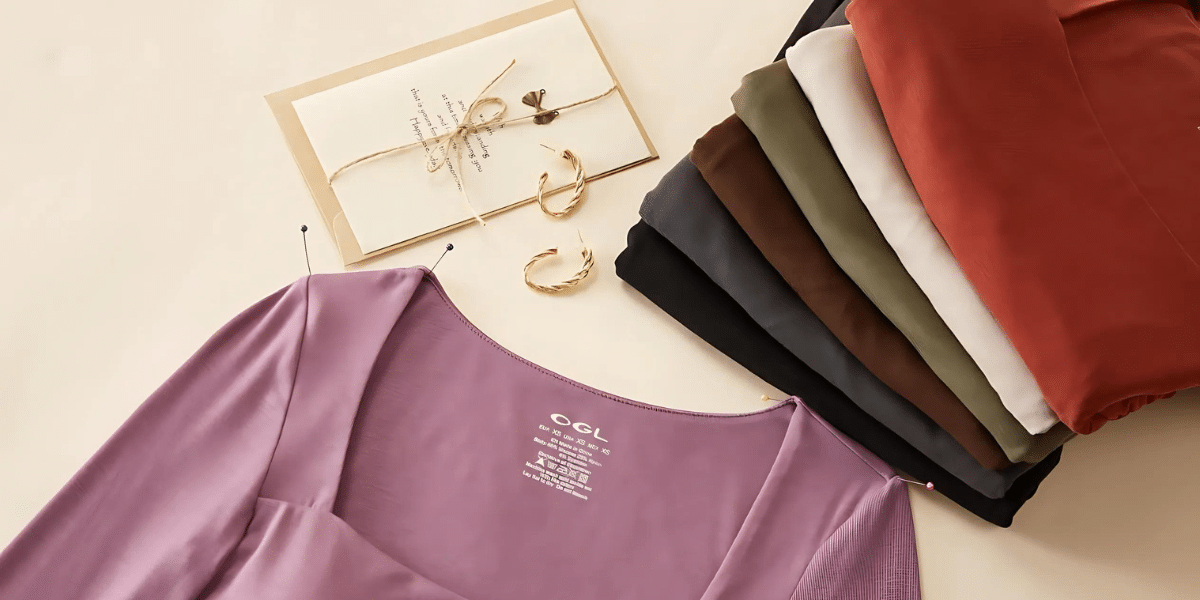
The Ultimate Guide to Women’s Thermal Tops

Photo Courtesy: OGL move

Casual Wear

For everyday comfort, pair thermal tops with jeans, leggings, or skirts. Opt for layering with casual outerwear like denim jackets or puffer vests for a relaxed, comfortable look. Thermal tops offer a perfect base layer that keeps you warm without compromising on style.

Work Attire

Integrate thermal tops into your professional outfits by pairing them with blazers, trousers, or pencil skirts. Choose sleek designs and neutral colors to maintain a polished appearance while staying warm. Thermal tops can seamlessly blend into your work wardrobe, providing both comfort and style.

Outdoor Activities

Thermal tops are ideal for layering during outdoor activities such as walking or running errands. Pair them with activewear or outer jackets for added warmth and functionality. Their flexibility and warmth make them perfect for active lifestyles in cooler weather.

Seasonal Versatility

Winter

During colder months, thermal tops offer essential warmth. Combine them with fall and winter essentials like scarves, coats, and boots to stay cozy. Their insulating properties make them a key piece in your winter wardrobe.

Transitional Weather

In transitional weather, thermal tops serve as an excellent base layer. They adapt well from cooler mornings to warmer afternoons, making layering easy. Employ layering techniques to adjust your outfit to changing temperatures, ensuring comfort throughout the day.

Why Invest in Fewer, Higher-Quality Thermal Tops?

Choosing a few luxurious, high-quality thermal tops over several lower-end options offers unmatched comfort and elegance. Premium materials provide a softer, more flattering fit and superior warmth, ensuring you feel cozy and chic. These well-crafted pieces are designed to last, maintaining their beauty and performance through countless wears. Investing in fewer, top-tier thermal tops not only enhances your wardrobe with timeless style but also supports sustainable and ethical fashion choices.

Summary

Incorporating thermal tops from OGL into your wardrobe provides numerous benefits, from unparalleled warmth and flexibility to versatile styling options. Invest in high-quality thermal tops to enjoy comfort and style in various settings, whether you’re navigating the coldest days of winter or transitioning through milder weather. Embrace the functionality and elegance of thermal tops and stay warm, no matter the season.


Published by: Khy Talara

Eco-Friendly Art: A Creative Revolution in Sustainable Painting

By: Anna Parker

In the world of contemporary art, we are increasingly seeing artists whose work goes beyond traditional ideas of painting. One such artist is Ekaterina Stolyarova. She has found herself in a creative path that reflects her deep connection to nature and a commitment to eco-friendly practices in her art. Ekaterina creates unique paintings, using only natural and organic materials, and her works are not just art pieces, but a message about the importance of protecting the environment. In this interview, we learn more about her creative journey, ecological principles, and the philosophy behind her art.

How did you come to realize the importance of using eco-friendly materials in your art?

It was a gradual realization as I began to immerse myself more deeply in nature and see how much we harm it. I grew up in a region where environmental pollution was especially noticeable, and this undoubtedly shaped my worldview. Over the years, I increasingly understood that my art should not only be a means of expression but also a way to show people that nature needs protection. Using eco-friendly materials is my way of saying, “We can create without harming the environment.”

Your work reflects a deep connection to nature. How do you choose the materials for your paintings, and how important is it to you that they are eco-friendly?

Choosing materials for me is a process of finding harmony between nature and art. I carefully research what paints, canvases, and other materials are made of, and how they affect the environment. I prefer materials that do not harm nature and naturally decompose. It is extremely important to me that every element of my work is eco-friendly because it’s not just about respect for nature but also a vital part of my creative process.

How do you manage to preserve the brightness and richness of colors when using natural paints, which may fade over time?

Natural paints can indeed change over time, but I see this as a positive aspect. There is something natural and even magical about it — just as colors in nature change, so can the colors on a canvas. To maintain brightness, I experiment with different layering techniques and study ancient recipes for making paints that help keep their vibrancy longer.

Many artists still work with synthetic materials. Why do you think it’s important to transition to natural alternatives like plant-based paints or organic fabrics?

Synthetic materials are easily accessible and often cheaper, but their use places a heavy burden on nature. Transitioning to natural alternatives is a step forward not only for art but also for the planet. Artists need to understand their responsibility because we are not just creating paintings but also shaping the world around us. By using natural materials, we set an example of how to create without polluting nature.

How do natural elements, such as light, water, or even air, affect your work? Do you have to protect your paintings from their impact?

Natural elements are an important part of my work. For example, light often helps reveal the textures and layers of paint, and water can add a natural patina effect. I don’t strive to fully protect my works from nature’s influence, as it is part of their life. Sometimes I intentionally allow natural elements to interact with my paintings, so they continue to “live” even after I have completed them.

In your art, you aim for simplicity and naturalness. Do you have favorite natural materials that you work with most often?

Yes, I am particularly fond of natural pigments that can be sourced from the earth or plants. For example, I often use ochre and indigo — they have an exceptional depth and warmth. I also enjoy working with cotton canvases and recycled paper. All this naturalness allows me to create works that truly breathe and live.

Many artists are afraid that eco-friendly materials won’t be as durable as synthetic ones. What would you say to them?

This is a common fear, but I would say that durability is a relative concept. Everything in nature changes over time, and that’s normal. Instead of trying to stop time, I prefer to see my works as living entities that can change and evolve. Eco-friendly materials are not about preserving everything in its original state but about respecting the life cycle of things.

Eco-friendly art requires not only a creative approach but also knowledge of materials. How do you learn and explore new natural paints and techniques?

I’m always in the process of learning. I read a lot, communicate with other artists who are also interested in eco-friendly materials, and experiment on my own. I enjoy discovering ancient techniques that artists before us used, as many of them created masterpieces using only natural paints and materials. This inspires me to try new approaches in my own work.

How do your works help people see the beauty of nature and think about preserving it?

My goal is not just to depict nature but to convey its fragility and greatness. When people see my work, I want them to feel that connection to the world around us. I believe that art can be a powerful tool for change, and if my paintings make someone think about the importance of preserving nature, then I’m on the right path.

What advice would you give to young artists who are just starting their journey and want to try eco-friendly materials?

Don’t be afraid to experiment and learn. The world of eco-friendly materials is only beginning to develop, and there is enormous room for creativity here. Start small — explore natural pigments, try using recycled materials. The most important thing is to remember that your art can not only be beautiful but also ethical, and that gives it a special value.


Published by: Khy Talara

John Nau III’s Dedication to Preserving American Heritage

By: Nic Abelian

John L. Nau III has long been known for his contributions to both the business world and the field of American history preservation. As Chairman of Silver Eagle Beverages, one of the Anheuser-Busch distributors in the United States, Nau’s business acumen has helped shape a significant enterprise. However, it is his passion for preserving and educating the public about American history that truly sets him apart. Through his philanthropic efforts, leadership in preservation organizations, and support for history education, Nau has made a lasting impact on how history is understood and valued in the United States.

Nau’s dedication to historical preservation is evident in his leadership roles within several esteemed historical organizations. Serving as Chairman of the Texas Historical Commission, Nau has been instrumental in safeguarding Texas’ rich historical heritage. His efforts have aimed at the preservation of countless historical landmarks across the state, helping to maintain a deep connection between Texans and their past. Furthermore, his leadership of the Civil War Trust, now known as the American Battlefield Trust, has been transformative. Under his guidance, the organization has saved thousands of acres of Civil War battlefields, preserving these critical sites for future generations. His work with the American Battlefield Trust goes beyond simple preservation; it represents a profound commitment to aiming that the stories of these battlegrounds remain accessible to all, allowing Americans to understand and appreciate the sacrifices made during the country’s divisive conflict.

John Nau III’s Dedication to Preserving American Heritage

Photo Courtesy: John L. Nau III

Nau’s contributions to history preservation are not limited to protecting historical lands. His philanthropy extends to various history education initiatives, demonstrating a deep belief that understanding the past is essential to shaping a better future. Through his support of institutions like the National Park Foundation and the George W. Bush Presidential Library, Nau has aimed that historical knowledge remains accessible to the public. His involvement in these institutions has helped enhance historical research and foster a greater understanding of pivotal moments in American history. By making history more available, Nau has contributed to creating a well-informed public that appreciates the complexities of the nation’s past.

In addition to his own efforts, Nau’s vision aligns closely with that of the Driving Force Institute (DFI), an organization dedicated to revolutionizing the way American history is taught. Founded on the principle that history should be engaging and accessible to the digital-age learner, DFI has redefined history education by producing short-form films that capture the essence of key historical events, figures, and themes. These films, each lasting between two and three minutes, are designed to cater to modern attention spans while still delivering rich historical content. By offering these films free of charge, DFI aims that educators have the resources they need to bring history to life for their students without the financial burdens often associated with high-quality educational materials.

With hundreds of films produced and a broad reach across the United States, DFI’s impact on history education is undeniable. From elementary to high school classrooms, teachers have integrated these multimedia resources into their curricula, making history more interactive and relevant for students. As digital content becomes increasingly prevalent in education, DFI’s innovative approach has been lauded for keeping students engaged and encouraging them to develop a deeper interest in historical studies.

Patrick Riccards, CEO of the Driving Force Institute, is a strong advocate of innovation in education, particularly in fields like history, which are sometimes perceived as outdated or irrelevant by modern students. “Our goal at DFI is to make history come alive for learners. By using short films that are accessible and engaging, we can help students connect with the past in a way that resonates with them”.

Nau’s alignment with DFI underscores his commitment not just to preserving the physical remnants of history, but also to fostering an understanding of history’s importance in the modern age. By supporting organizations like DFI, he continues to demonstrate his belief that history is not just a record of what has been, but a tool for shaping the future. His contributions to both preservation and education aim that history remains a vibrant and essential part of American culture.

John L. Nau III’s legacy is one of passion, dedication, and foresight. His tireless efforts in preserving America’s historical landmarks, his support for history education, and his commitment to making historical knowledge accessible to all have left an indelible mark on the field. As the Driving Force Institute continues to innovate in history education, it is fitting that Nau’s contributions are celebrated alongside their mission. Through his work, generations to come will have the opportunity to engage with the past in meaningful and transformative ways.


Published by: Khy Talara