Midian Lima: Crafting Soulful Echoes in the Heart of Gospel Music

In a world where digital streams are the new currency of musical success, Midian Lima stands as a towering figure, not just in the realms of Brazilian gospel but as a global phenomenon. With a staggering 2 billion views under her belt, Lima isn’t merely making music; she’s sculpting a legacy. Her journey, marked by an effusion of soul-stirring tracks, transcends the traditional boundaries of Gospel music, challenging and changing the narrative around spiritual tunes in the digital age.

Brazil, with its rich tapestry of musical heritage, might seem an unlikely crucible for the rise of a Gospel music icon. Yet, it’s precisely this backdrop that has allowed Midian Lima to flourish, casting a long shadow over contemporaries and establishing gospel music as a formidable force in a market dominated by samba, funk, and pop giants. It’s a bold statement in a country celebrated for its musical diversity, and Lima stands at the vanguard, a beacon illuminating the path for future generations.

“The Sky Opens,” Lima’s latest auditory gift, is more than just a track; it’s a testament to her evolving artistry and her unshakeable faith in the power of music to transcend mere entertainment. Garnering over half a million views in just a couple of days, this track is poised to join the pantheon of her previous hits, showcasing not just Lima’s vocal prowess but her ability to resonate deeply with her audience’s spiritual and emotional needs.

Her musical odyssey, from the viral sensation “Job” to her emotionally charged EP “Born for God,” highlights a consistent theme in her work: the power of faith and resilience. Lima isn’t just singing songs; she’s narrating life’s ups and downs through a lens of hope and determination. This ability to weave tales of faith, struggle, and redemption into her music has endeared her to a broad audience, making her not just a singer, but a storyteller whose tales echo long after the music stops.

Reflecting on her latest release, Lima shares her excitement and the deeply personal connection she feels to “The Sky Opens.” Her words reveal a singer who does more than perform; she lives her lyrics, infusing each song with her experiences, dreams, and prayers. This personal investment in her music is what sets Lima apart, making each track a window into her soul and a mirror reflecting the universal struggles and triumphs of her listeners.

Since stepping onto the gospel scene with “Miracle” in 2017, Lima has not just occupied space; she’s dominated it. Her tracks are not just listened to; they’re experienced, a spiritual journey that listeners embark upon with each play. It’s this profound impact that has solidified her position as a matriarch in the world of Christian music, her songs a constant companion to those seeking solace and strength.

But Lima’s journey is more than a catalogue of hits; it’s a narrative steeped in personal triumph over adversity. The story of her miraculous recovery from a potentially career-ending car accident in 2015 is a cornerstone of her legacy, transforming her music into a beacon of hope for those facing their darkest moments. With a foundation in faith and a lineage of musical talent, Lima has turned her life’s trials into anthems of resilience, inspiring an ever-growing legion of followers.

In essence, Midian Lima’s impact on Gospel music is a vivid portrait of artistry, faith, and resilience. She challenges the norms, pushes boundaries, and in doing so, redefines what it means to be a gospel artist in the modern era. Her songs, each a mosaic of her journey, offer a refuge for the weary and a battle cry for the hopeful, making her not just a vocalist but a visionary whose music will echo through the ages.

Published by: Martin De Juan

Choosing Safety First: Rental Cars

When it comes to renting a car for your travels, safety should always be a top priority. Whether you’re embarking on a road trip, exploring a new city, or simply need a reliable vehicle for your daily commute, selecting the right car can make all the difference in ensuring a secure and comfortable journey. With an array of car styles available for rent, it’s essential to understand which ones offer the best safety features and performance. In this guide, we’ll explore some of the safest car styles to consider when renting, providing you with peace of mind on the road.

Sedans

Sedans are one of the commonly used and practical choices for rental cars, and for good reason. These mid-sized vehicles offer a perfect balance of safety, comfort, and fuel efficiency, making them ideal for various types of travel. Sedans typically come equipped with advanced safety features such as multiple airbags, anti-lock brakes, traction control, and stability control systems, providing added protection in the event of a collision or loss of control. Additionally, their low center of gravity and stable handling make them well-suited for navigating highways and urban streets with ease.

SUVs

Sport Utility Vehicles (SUVs) are another excellent option for renters seeking safety and versatility. With their spacious interiors, rugged construction, and elevated ride height, SUVs offer enhanced visibility and protection on the road. Many SUV models come equipped with advanced safety technologies like blind-spot monitoring, lane departure warning, forward collision warning, and automatic emergency braking, helping to prevent accidents and mitigate potential hazards. Whether you’re traveling with family or friends, an SUV provides ample space for passengers and luggage while prioritizing safety and comfort.

Crossovers

Crossover vehicles blend the best features of sedans and SUVs, offering a winning combination of safety, efficiency, and agility. These compact or mid-sized vehicles feature car-like handling and fuel economy while providing the versatility and security of an SUV. Crossovers typically come equipped with a range of safety features, including electronic stability control, traction control, and advanced braking systems, ensuring a stable and secure driving experience in various road conditions. Whether you’re navigating city streets or venturing off the beaten path, a crossover offers the perfect balance of safety and practicality for your rental needs.

Hatchbacks

Hatchbacks are compact cars known for their agility, fuel efficiency, and practicality. While they may have a smaller footprint compared to sedans or SUVs, hatchbacks offer impressive safety features and performance. Many modern hatchback models come equipped with advanced driver-assistance systems, including adaptive cruise control, lane-keeping assist, and rearview cameras, enhancing overall safety and convenience. With their nimble handling and maneuverability, hatchbacks are well-suited for navigating crowded urban areas and tight parking spaces while providing peace of mind on the road.

Minivans

For larger groups or families traveling together, minivans are an excellent choice for rental vehicles. These spacious and versatile vehicles offer ample seating and cargo capacity, making them ideal for long-distance travel or weekend getaways. Minivans are designed with safety in mind, featuring multiple airbags, stability control, and rearview cameras to ensure the protection of passengers and pedestrians alike. With their sliding doors and low step-in height, minivans also offer easy accessibility for passengers of all ages, making them an ideal option for hassle-free travel.

When it comes to renting a car, the accident attorneys in Laredo remind us that safety should always be a top consideration. By choosing a vehicle with advanced safety features, reliable performance, and practical design, you can enjoy peace of mind on the road and focus on making memories during your travels. Whether you opt for a sedan, SUV, crossover, hatchback, or minivan, prioritize safety first and embark on your journey with confidence.


Published By: Aize Perez

Former White House CIO Theresa Payton’s Crusade Against Cyber Manipulation

Trailblazer Theresa Payton is leading the charge against cybercrime and digital manipulation.

Payton’s career began in the financial services sector, where she quickly rose to the executive ranks. As the first female White House CIO, Payton managed and maintained the IT infrastructure of the White House, ensuring the cybersecurity of White House networks and systems. She led initiatives to modernize and upgrade the White House’s IT infrastructure, including building the first 24/7 security operations center despite the constant cyber threats and compliance requirements of managing such a critical government institution.

Payton returned to the private sector at the end of 2008, later founding Fortalice Solutions to bolster cybersecurity defenses in both government and private sectors.

The Rise and Legal Quagmire of Digital Disinformation

In 2013, Payton noticed the emerging trend of targeted disinformation campaigns against executives, companies, and entire industries. These disinformation peddlers navigate within legal gray areas. Legislation has failed to keep up, and even targeted attacks such as the 2016 hack of the Clinton election campaign are not technically illegal. Because of these ambiguities, disinformation peddlers attack in the open without repercussion. The Tallinn Manual, published by NATO, only offers advice on handling international cyberattacks rather than legal recourse.

Payton’s extensive research into how our ideas, beliefs, and understanding of the world were being attacked led her to write Manipulated, a deep dive into how disinformation campaigns interfere with elections.

The Impact of Manipulation

Disinformation campaigns target nearly every aspect of our daily lives, from the stock market to the election outcomes, sowing distrust in experts and authorities. Disinformation campaigns target nearly every aspect of our daily lives, from the stock market to election outcomes, sowing distrust in experts and authorities. The proliferation of fake news has found a powerful ally in artificial intelligence. Sophisticated AI technologies, such as deepfakes, are being harnessed by malicious actors to craft and disseminate false narratives. Astonishingly, a vast majority of online content, surpassing 90%, is now manipulated using AI, highlighting its significant role in the distortion of facts.

A staggering 93% of videos on social platforms are synthetically produced, with a large portion being manipulated through AI for deceitful purposes. The Federal Bureau of Investigation has identified a worrying trend since 2017 involving the creation of counterfeit profiles for imaginary journalists. These profiles are used to produce and distribute articles laden with AI-generated falsehoods, some of which have been unwittingly published by legitimate news organizations. The artificial profiles are equipped with computer-generated images and elaborate fictional narratives and accolades, all designed to lend credibility to these nonexistent personas.

The FBI anticipates a rapid advancement in digital content manipulation technology within the next year to year and a half. As these technologies become more sophisticated, so too will the techniques employed by those intent on spreading disinformation. This projection signals a pressing need for concerted efforts to develop effective strategies to counteract the rising tide of AI-facilitated fake news, ensuring the reliability and authenticity of information in the digital age.

Manipulators have a common operating pattern—they post disinformation, masked as news on “independent” news sites, and then, using chatbots and fake profiles, spread the “news” across multiple platforms, often in connection with popular, innocuous-seeming hashtags (such as #VaccineSafety). The technique is repeated repeatedly, releasing a steady, relentless stream of disinformation.

The rise of accessible and free AI and “deepfakes” technology further compounds the problem, enabling manipulators to create video “evidence” of people saying or doing inflammatory things. In one case, after an investigative journalist spoke out on her belief that a cover-up had occurred to protect an influential man from accusations of child rape, she was accosted with forged tweets, and her likeness was inserted into a deepfaked pornographic video. The United Nations had to step in to protect her from the death threats that occurred as a result of these attacks.

Combating the Infodemic

Payton recommends that organizations take these steps to protect themselves:

  • Foster an awareness of potential disinformation, often in the form of sensational headlines on topics not reported by traditional news media.
  • Develop an incident response playbook for a potential cyberattack on your industry, brand, or executives.
  • Ask yourself what stories could potentially be made up about your organization or your leaders, and preemptively counter these stories with your own information.
  • Proactively scan for disinformation campaigns that could impact your organization.
  • If needed, bring in your organization’s Security Operations Center. If this does not exist, create this now.


If you see something, say something. Report false information when you find it on social media platforms. Now is the time to play offense—AI and deepfake technologies are still in their infancy. By taking action now, we can plot the course of a future where manipulation campaigns are easily identified and dismantled before they can harm.

Payton’s book Manipulated offers actionable tips and strategies for organizations on how to spot and stop manipulation campaigns before an attack occurs. Many organizations are using this book today to drive their security strategy.

Want to join the fight? Education is the first step in the fight against disinformation. When you have a deeper understanding of manipulator tactics and the broader conversation on internet security, you are in a much better position to protect yourself.

About Theresa Payton

President and CEO, Fortalice Solutions (est. 2014)

Theresa Payton made history as the first female to serve as White House Chief Information Officer and currently helps public and private organizations protect their most valuable resources. As one of the nation’s most respected authorities on secured digital transformation, Theresa Payton is frequently requested to advise Boards of the Fortune 500, CEOs, and Technology Executives. Theresa is a visionary in the digital world, leading the way as an inventor of new security designs, and has an approved U.S. patent in security. She provides advice drawing from her experience as a technologist, first and now veteran cybercrime fighter, and entrepreneur, masterfully blending memorable anecdotes with cutting-edge insights.


Published By: Aize Perez

Unveiling Grand Rapids, MI: A Haven for Adventure Seekers

Nestled in the heart of Michigan, Grand Rapids stands as a beacon of vibrant culture, rich history, and boundless adventure. From its bustling downtown to its serene parks and scenic waterways, this city offers an array of exciting experiences for visitors and locals alike. Whether you’re an art enthusiast, a nature lover, or a foodie seeking culinary delights, Grand Rapids has something to offer for everyone. Let’s embark on a journey to explore the most thrilling activities this charming city has to offer.

Artistic Marvels:

Grand Rapids is renowned for its thriving arts scene, notably highlighted by the annual ArtPrize event, which transforms the city into a massive art gallery. Marvel at the eclectic mix of sculptures, paintings, and installations scattered throughout downtown streets, parks, and museums during this exhilarating festival. For art aficionados year-round, the Frederik Meijer Gardens & Sculpture Park boasts stunning outdoor sculptures, meticulously manicured gardens, and captivating exhibitions that never fail to inspire.

Outdoor Adventures:

Embrace the natural beauty surrounding Grand Rapids by immersing yourself in outdoor adventures. Hike or bike along the scenic trails of Millennium Park, where lush forests and tranquil lakes provide a picturesque backdrop for exploration. For water enthusiasts, kayaking or paddleboarding down the Grand River offers a refreshing way to experience the city’s waterways while taking in breathtaking views of the skyline.

Brewery Scene:

Grand Rapids has earned its reputation as “Beer City, USA,” thanks to its flourishing craft beer scene. Embark on a brewery tour to sample an array of locally brewed beers, ranging from hoppy IPAs to rich stouts, while learning about the brewing process and the city’s beer culture. Don’t miss iconic breweries like Founders Brewing Co. and Brewery Vivant, where you can savor unique brews in vibrant atmospheres. But as cautioned by the Grand Rapids accident attorneys, always be sure to have a designated driver when enjoying this aspect of the city. 

Culinary Delights:

Indulge your taste buds in Grand Rapids’ diverse culinary scene, where innovative chefs showcase locally sourced ingredients and global flavors. Explore the vibrant Downtown Market, a foodie paradise offering artisanal goods, fresh produce, and delectable eats from around the world. Whether you’re craving farm-to-table fare, ethnic cuisine, or gourmet street food, Grand Rapids has an abundance of restaurants, cafes, and food trucks to satisfy every craving.

Live Entertainment:

Experience the pulse of Grand Rapids’ nightlife and entertainment scene by catching a live performance at one of its many venues. From intimate jazz clubs to bustling concert halls, the city hosts a variety of events showcasing local talent and internationally renowned artists. Immerse yourself in the vibrant energy of downtown’s entertainment district, where live music, theater productions, and comedy shows await.

Historical Exploration:

Delve into Grand Rapids’ rich history by exploring its historic sites and museums. Step back in time at the Gerald R. Ford Presidential Museum, where interactive exhibits and artifacts offer insight into the life and legacy of the 38th President of the United States. Wander through the Heritage Hill Historic District, home to beautifully preserved Victorian-era homes and charming streetscapes that provide a glimpse into the city’s past.

Family-Friendly Fun:

Grand Rapids offers a plethora of family-friendly attractions and activities guaranteed to delight visitors of all ages. Spend a day at the John Ball Zoo, where you can encounter exotic animals, ride the zipline, and explore interactive exhibits. Cool off during the summer months at Michigan’s Adventure, the state’s largest amusement and water park, featuring thrilling rides and aquatic adventures for the whole family.

Festivals and Events:

Throughout the year, Grand Rapids hosts a diverse array of festivals and events celebrating everything from art and music to food and culture. Join in the festivities at the Festival of the Arts, a three-day celebration showcasing local talent through performances, exhibitions, and culinary delights. Experience the magic of the holiday season at the Grand Rapids Art Museum’s annual ArtPrize holiday event, featuring festive decorations, live entertainment, and family-friendly activities.

Grand Rapids, MI, is a treasure trove of exciting experiences waiting to be discovered. Whether you’re exploring its vibrant arts scene, immersing yourself in nature, indulging in culinary delights, or uncovering its rich history, this charming city offers something for everyone. So pack your bags, hit the road, and prepare for an unforgettable adventure in Grand Rapids.


Published By: Aize Perez

Employers Being Challenged on Compliance May Stop Hiring

American employers are facing increasing burdens when it comes to hiring, especially for blue-collar positions. On top of recruiting challenges in a tight labor market, employers must navigate complex and frequently changing compliance rules around issues like healthcare, family leave, accommodations, and more. 

Unfortunately, the risks and costs associated with non-compliance have also grown over time. To make matters worse, employers now face increasing threats of litigation from rejected applicants alleging discriminatory hiring practices.

As a result, many employers — especially small and midsize businesses — are thinking twice before bringing on new hires. Some are even opting to freeze hiring altogether rather than expose themselves to compliance violations, lawsuits, or unbudgeted costs. 

“While this is understandable,” shares Jason Lamonica, COO of Spec on the Job, “widespread hiring freezes could spell trouble for an economy already teetering on the edge of recession after the pandemic’s blows.” 

Worker shortages have already emerged across many blue-collar fields like manufacturing, construction, and restaurants. Prolonged hesitancy around hiring threatens to lengthen any economic downturns and dampen the prospects for a timely recovery.

“Employers clearly need support, not more obstacles, to hire with confidence again,” says Lamonica. “Only then can job growth and economic gains have a chance to get back on track.” 

However, with litigation and regulatory risks mounting, hiring managers are understandably anxious. Unless policymakers take reasonable steps to simplify compliance rules, curb frivolous lawsuits, and provide hiring incentives, more and more positions may remain vacant for longer. The impacts on struggling industries and everyday Americans looking for jobs may be extremely painful.

The Main Challenges Around Hiring

When hiring new employees, particularly in blue-collar roles, employers must grapple with several key compliance challenges that have grown increasingly complex and risky in recent years.

One central area is providing affordable healthcare coverage and other statutory benefits. With costs escalating sharply, keeping up with annual reporting rules, and facing stiff penalties for violations, health insurance mandates have become a migraine for hiring managers. Additionally, a slew of state and local paid leave laws have been enacted to require sick days, family leave, bereavement leave, and more. Ensuring compliance with this patchwork of varying standards leaves companies exposed.

Employers aiming to follow best practices around inclusion and accommodation needs are also at heightened risk of litigation. Despite acting in good faith, businesses may face lawsuits if a candidate deems a question improper or an adverse decision discriminatory. For example, Title VII of the Civil Rights Act “protects employees and job applicants from employment discrimination based on race, color, religion, sex, and national origin.” 

According to Lamonica, employers with 15 or more employees must provide reasonable accommodation for employees’ sincerely held religious beliefs, practices, or observances that conflict with work duties “unless doing so would cause undue hardship for the employer,” he says. 

But exactly does “undue hardship” mean? Defending against allegations of this sort has increased, “and this has caused some employers to reconsider their hiring processes,” notes Lamonica. 

Finally, the most diligent hiring managers struggle to stay fully informed as legislation and regulations shift frequently while enforcement regimes toughen. An unintentional misstep could still yield fines or open the door to legal action, but few small or midsize business owners realistically have the time or resources to ensure every “i” is dotted and “t” crossed properly.

Facing this triple threat of complex requirements, litigation risks, and constantly moving goalposts, it is no wonder hiring managers are skittish about adding jobs. The associated burdens appear to outweigh the benefits for many companies these days, dimming outlooks for job seekers and economic growth alike. 

However, several reasonable reforms could help rebalance the scales.

The Broader Economic Impacts

Hiring freezes arising from increased compliance burdens and litigation fears do not bode well for an economy striving to recover from the impact of the COVID-19 pandemic. Worker shortages have already emerged as a hindrance in many blue-collar sectors like restaurants, manufacturing, and construction, and job openings outnumber qualified applicants across trades where demand remains steady or growing. Without an influx of new hires, project delays and production lags are expected to continue without an influx of new hires.

Supply chain disruptions may also intensify if trucking, warehouses, and ports lack adequate personnel for critical operations. As post-pandemic demand from consumers and businesses picks back up, worker shortfalls could mean lost sales, delayed orders, and myriad frustrations. Many industries are still ramping capacity back to pre-2020 levels, but persistent hiring struggles will only undermine this progress.

Over the long term, talent gaps are likely to also drive up labor costs. With fewer skilled workers available to meet operational needs, competitive wages and benefits must follow. Particularly if nationwide labor participation rates remain depressed following COVID-19, employees have negotiating leverage that necessitates higher compensation packages from employers looking to staff up. These rising costs may eventually filter down to consumers in the form of price hikes.

Ultimately, “every business slowed by short-staffing or facing unbudgeted costs from compliance missteps translates into another micro-level drag on macroeconomic turnaround efforts,” shares Lamonica. Aggregated over thousands of small and midsize companies, reduced output and revenue numbers can lengthen any recession. Alleviating hiring burdens could provide a societal lift when it is sorely needed.

Potential Solutions

While the risks and frustrations hiring managers feel are valid, steps can be taken to ease the growing burdens they face. Good-faith employers eager to add jobs amidst economic uncertainty deserve support, such as policy reforms and updated employer guidance to help resolve multiple pain points constructively.

To ease the compliance burden on employers, policymakers could streamline duplicative or contradictory regulations by standardizing the rules nationwide, providing clear safe harbor checklists, and guiding companies through the complex web of requirements. Additionally, measures aimed at curbing frivolous lawsuits over hiring practices could enable honest dialogue between employers and applicants without fear of legal retaliation as long as legitimate discrimination claims remain protected. 

Governments could also incentivize hiring through tax credits for jobs in high demand locally and via partially publicly-funded apprenticeship programs that train workers for roles suffering talent shortages. With a combination of simplifying compliance, reducing frivolous lawsuits, and implementing hiring incentives, good-faith employers would regain the confidence to accelerate their hiring capacities and contribute to economic recovery.

With balanced reforms like these, employers can regain the confidence to accelerate hiring, secure in the knowledge that good-faith efforts will not be punished. “This way, our economic engine can restart firing on all cylinders again,” Lamonica says. 

By constructively addressing legitimate employer anxieties, policymakers can pave the way for growth all stakeholders will share. Workers sidelined by the pandemic could find family-supporting jobs, struggling businesses may return to profitability with relief from exaggerated hiring burdens, and communities can access the talent and services needed to thrive once more.


Published By: Aize Perez

The AI That Beats the S&P 500: In Conversation with FINQ CEO & Founder Eldad Tamir

By: Omri Hurwitz

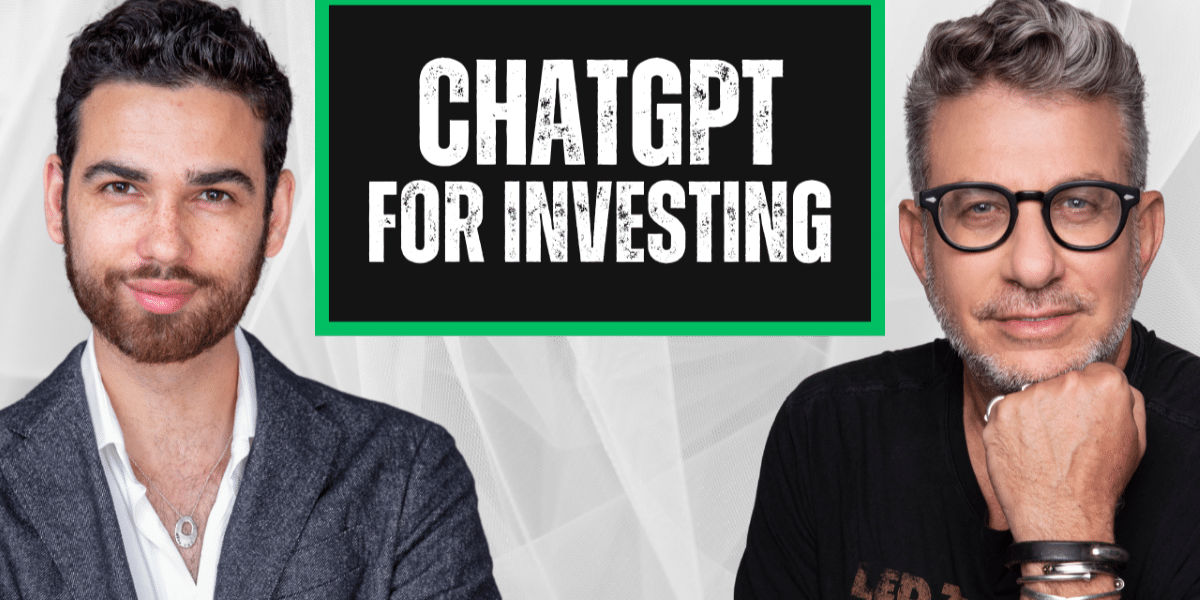
On today’s episode of Startups On Demand, I am joined by Eldad Tamir, CEO and Founder of FINQ – an AI-powered investment platform for everyone, where big data and science replace the biased human intermediary.

Today, Eldad talks about how FINQ has revolutionized the FinTech and investment landscape and explains how this AI has beaten the S&P 500 through data collection and analysis.

Omri: Thank you so much for being here today, Eldad. I want to start a little bit for the audience in the US that doesn’t know all about you because here in Israel, you’re a big-time celebrity. Tell us a little bit about your background.

Eldad: I started my career as a student at the University, so that’s almost like everyone else. Then, I had this bit of luck that I started working in one of the first-ever venture funds in Israel. It was really the beginning of the industry a long time ago, sometime in the mid-80s. 

I then did my master’s at the MBA and I really enjoyed the wealth of information of really understanding the high-tech business in Israel. I also did some managing consulting work later and lectured at the Tel Aviv University of Finance. I started Tamir Fishman 20 years ago and grew that up to be a big business here, doing both Investment Banking and Investment Management. 

I also participated in the local Shark Tank in Israel. I do a lot of media in Israel, kind of explaining to people what’s going on in the capital markets in the economy. So, you know, it’s always hard to translate financial economic issues into something people understand for some reason. The language is still kind of old. So I’m having fun, and generally, that’s amazing. 

Omri: There aren’t a lot of people who started in venture and made the shift into the capital markets. How come you made that transition?

Eldad: I like to do a lot of things. You know, a venture by itself is not as interesting. People who know me know for a fact that. Venture is one part of investing. There are many, many other fixed income and equities, hedge funds, and tons of products out there on the market, and venture is quite a small niche with a lot of PR. I always say I entered the investment world through venture, but that was not enough for me because there are many, many other products out there.

Omri: How did Tamir Fishman start?

Eldad: I went to management consulting, and from there, I went to a company named Evergreen. It’s a well-known firm here, and I started doing everything, like building the first asset management company and venture fund and creating a lot of affiliates with US-based companies for the first time in Israel. So I brought US companies to work in high-tech here in Israel, and then I left. Consulting is really not good enough for me because to tell other people what to do usually they do nothing with it, and so it’s not satisfying. And then, I went to work for one big investment company, and I realized that it was not for me because 90% of the time, it’s politics. Then I went to start my own kind of Investment Bank or investment house, whatever you want to call it. I wanted to do my own thing in the early days.

Omri: Let’s talk about FINQ. Now, there’s an AI that’s beating the market. Can you talk more about that?

Eldad: It’s like I had that vision for ages because I had my career both in capital markets investing the venture fund. Some people say fintech. But really, nothing happened in fintech. You know, transferring money through an application is not fintech. Fintech is combining those two worlds to create a third world, but if you look at the market today, fintech really is irrelevant because it doesn’t really help the clients. There’s almost nothing. Even the robo-advisors are kind of an extension of the old world. 

So, what we have created with FINQ is really a revolution. A revolution in terms of how we all utilize finance, like the same revolution that happened in many other industries. Like the way we take vacations, right? Once you called a travel agent, you would do practically what they told you to do, right? You need to have trust, right? Not in the data but in the person. Was that trust based on data? No. And this whole industry changed, right? Today, you look at data to decide which vacation spots you want to take. 

In the financial world, everything is still like in the 20s – there’s no change, right? Nothing really happened. There was a need and a huge market. Then we looked at the analog world – what does work for people who have money? And it’s like the family office model where people don’t buy products from the salesperson. Instead, you go to the family office. They do the gathering of limited data and then tell you what’s good and what’s not good. They have this supervision over the products, and they tell you when to buy, and they know what your goals are. That’s what we’re doing: a digital family office for the masses. 

AI really is the technology that’s needed here because we have to process tons of data. We have to know what the client wants, and by combining that, we create a lot of value for the customer. Now, it’s based on data. It’s based on science. And if you think of it, it will do better than any other family office. It will do better than the biased salesperson, the biased insurance agent, or the biased bank clerk, by definition, almost. So it’s really fun.

Omri: Let’s talk technical – how does FINQ’s AI work?

Eldad: I can tell you for sure that we are the biggest collector of equity market stocks, bonds, and funds in the world today. When we collect data, we put them in three families. Each family has a lot of branches, but to simplify it, we collect what we call professional data. Professional data is data from professional people who know the market, like research analysts, hedge funds, and people who analyze stocks and capital markets. But we don’t collect just one data – we collect all the data. So it’s not like one smart person telling you something, and if you think of it, if you get one smart person, you’re still gambling, right? But if you get 10,000 people who know a specific stock and talk about it and have their insights on it, you probably will get it right 90% of the time. It’s a huge difference. So, we collect data from the professionals. We collect what we call data from the masses, from not-too-professionals, because they also move markets, right? We need to know what the street thinks so it doesn’t matter if it’s right or wrong. It influences the market. 

This is the New World. The street power now can be measured. I don’t have to think about it or to ask about it. I can give you a digital number each day, each minute, about each stock and what the street thinks about it. Then obviously, the third factor is the company itself. Data that comes out in reporting in a company. We don’t just take the data as it is. We put it into our hundred algorithms and check them and see what works and what doesn’t work, and once we take all that data and put it together in machine learning and AI, you get science. 

Published by: Martin De Juan

Saurabh Abrol’s Meximodo: A Family-Focused Dining Experience in Metuchen, NJ

In the fast-paced world of hospitality, we see trends come and go all the time. Saurabh Abrol’s journey, however, is a testament to the enduring power of passion and expertise. As the brains behind Le Malt Hospitality Group, Abrol began his empire with Le Malt Lounge, Le Malt Royale, and Le Malt Imperiale.

Abrol’s latest quest? Adding a family-friendly dining experience to his roster for his daughters to enjoy. Since opening Meximodo in Metuchen, NJ, the lively Mexican eatery has quickly captured the hearts of locals and tourists alike. With a stellar blend of family, authenticity, and innovation, it’s not hard to see why.

From Le Malt to Meximodo

Every entrepreneur starts with a dream, and Abrol’s dream wasn’t just about creating restaurants – it was about crafting memorable experiences. His focus on customer service and unforgettable ambiance laid the groundwork for each destination. Meximodo, the latest addition, is more than a restaurant – it’s a manifestation of Abrol’s commitment to family, authenticity, and fresh ideas.

Bringing Authentic Flavors of Mexico Stateside

Responding to his daughters’ wish for a family-friendly spot, Abrol and his team, led by Chef Antonio Carballo, set out on a culinary journey to Mexico City. After exploring the Coyoacan Market and soaking in the city’s diverse flavors, the team returned home ready to bring the essence of authentic Mexican cuisine to Meximodo.

Chef Carballo’s undeniable skill adds a contemporary twist to tasty Mexican classics. Meximodo’s menu, featuring dishes like grilled corn with a smoky puree and inventive chiles en nogada, promises both crave-worthy and visually appealing options. With a record-breaking selection of over 1,000 tequilas and mezcals, Meximodo offers an unparalleled dining experience for even the most discerning palates.

Exploring Meximodo’s Unique Atmosphere

Meximodo was created to be a celebration of Mexican culture and a unique dining adventure. The lively indoor dining room mixes traditional Mexican elements with modern design, creating a cozy and welcoming atmosphere. The vibrant bar, adorned with a La Catrina mural, buzzes with energy, serving up creative craft cocktails and classic Margaritas alike.

The semi-private Rose Room offers an intimate setting for private events with its Tulum lounge-inspired decor. The outdoor patio, set in the heart of Metuchen’s bustling downtown plaza, transports diners to the lively streets of Mexico City with its modern yet rustic feel.

Each of Meximodo’s dining spaces is carefully curated to offer a unique facet of Mexican culture and culinary expertise. Together, they create a holistic and immersive dining experience, ensuring that every visit to Meximodo is a journey through diverse atmospheres, each with its own distinct flavor and charm.

Crafting a Legacy

From Le Malt Lounge to Meximodo, Saurabh Abrol’s journey has been more than a simple tale of business growth. It’s a story of ambition, resilience, and a steadfast commitment to excellence.

Meximodo’s opening signals a new chapter in the Le Malt Hospitality Group’s legacy, showcasing the fusion of family values, authentic culinary experiences, and Abrol’s visionary spirit. As we savor Meximodo’s flavors, we look forward to discovering what Abrol has in store next for the Le Malt brand.


Published By: Aize Perez

The Ripple Effect: How Cholesterol Impacts Your Body’s Systems

Cholesterol, often associated with cardiovascular health, is crucial in various bodily functions beyond just heart health. While its impact on arteries and blood vessels is well-documented, the influence of cholesterol extends to other systems within the body. 

Understanding the interconnectedness between cholesterol levels and overall health is essential for maintaining well-being. Let’s explore the ripple effect of cholesterol and its implications for different bodily systems.

The Role of Cholesterol in Liver Health

The liver, often hailed as the body’s metabolic powerhouse, plays a central role in cholesterol regulation. When we talk about cholesterol and liver health,  it is important to understand that cholesterol is produced in the liver and is essential for synthesizing bile acids, which aid in fat digestion. Moreover, the liver regulates cholesterol levels by removing the excess cholesterol from the bloodstream and excreting it through bile or converting it into bile acids. 

Thus, maintaining optimal cholesterol levels is crucial for liver health and overall metabolic function.

Cardiovascular System

Perhaps the most well-known association with cholesterol is its impact on cardiovascular health. Elevated levels of LDL (low-density lipoprotein) cholesterol, often referred to as “bad” cholesterol, can lead to the buildup of plaque in arteries, increasing the risk of stroke and heart disease. Conversely, HDL (high-density lipoprotein) cholesterol, known as “good” cholesterol, helps remove LDL cholesterol from the bloodstream, reducing the risk of cardiovascular events. 

Maintaining a healthy LDL and HDL cholesterol balance is paramount for cardiovascular well-being.

Endocrine System

Cholesterol is a precursor for synthesizing steroid hormones, including cortisol and aldosterone, and sex hormones, such as estrogen and testosterone. These hormones play crucial roles in regulating metabolism, stress response, electrolyte balance, and reproductive function. Therefore, adequate cholesterol levels are essential for maintaining hormonal balance and overall endocrine health.

Central Nervous System

Cholesterol is abundant in the brain, where it plays a vital role in neuronal structure and function. It is a key component of cell membranes and myelin, the fatty substance that insulates nerve fibers and facilitates efficient nerve transmission. Additionally, cholesterol is involved in the production of neurotransmitters, chemicals that enable communication between nerve cells. Disruptions in cholesterol metabolism within the brain have been implicated in neurodegenerative diseases such as Alzheimer’s disease. 

Thus, maintaining optimal cholesterol levels is crucial for preserving cognitive function and neurological health.

Digestive System

Cholesterol plays a lesser-known yet significant role in digestive health through its involvement in bile acid synthesis. Bile acids, synthesized from cholesterol in the liver, aid in the digestion and absorption of fats in the small intestine. These bile acids form micelles, which solubilize dietary fats and facilitate their absorption into the bloodstream. 

Moreover, cholesterol is essential for producing vitamin D, a fat-soluble vitamin necessary for calcium absorption and bone health.

Immune System

Emerging research suggests a link between cholesterol metabolism and immune function. Cholesterol is involved in the formation of lipid rafts, specialized microdomains within cell membranes that play a role in signaling and immune response. Additionally, cholesterol serves as a precursor for synthesizing oxysterols, lipid molecules that regulate immune cell function and inflammation. Imbalances in cholesterol metabolism may impact immune cell function, potentially contributing to inflammatory disorders and autoimmune diseases.

Conclusion

Cholesterol profoundly influences various systems within the body, extending beyond its well-known association with cardiovascular health. From liver metabolism to neurological function, cholesterol plays diverse roles in maintaining overall health and well-being. 

Recognizing the ripple effect of cholesterol underscores the importance of adopting lifestyle habits that support optimal cholesterol levels and holistic health. 

Published by: Nelly Chavez

Sreekumar Raghavakaimal – Unraveling Life’s Genetic Codes

By: Factfullguys

The name Sreekumar Raghavakaimal isn’t new in the realm of genomic sequencing, especially regarding diabetes and cancer research. But unlike most people in complex fields, Raghavakaimal’s career choice wasn’t inspired by a genome pioneer he had admired throughout his childhood. It was a product of a series of unfortunate life events.

Sreekumar Raghavakaimal was born and raised in Kerala, India, in a family of six. At an early age, he saw how prevalent diabetes was among his family members. Witnessing this firsthand and the tragic loss of his father and brother to cancer laid the foundation for his future career—one where an innate desire to understand what had led to these circumstances and scientific inquiry intersect.

How Did Sreekumar Raghavakaimal Start His Career?

Sreekumar Raghavakaimal’s career began at the University of Kerala. He pursued a Bachelor’s degree in Chemistry and Physics, graduating in 1991. Six years later, he graduated with a Master’s in Chemistry from the same institution. This period was vital to shaping his analytical skills and deepening his knowledge of chemical processes.

The pinnacle of his academic career happened in 1993. He graduated with his Ph.D. in Organic Chemistry from the Indian Institute of Technology, Chennai, India. His doctoral research was characterized by innovative experimentation and a keen acumen for organic compounds, which set the scene for his future scientific contributions.

Once he completed his Ph.D., Sreekumar Raghavakaimal joined the University of Wisconsin, Madison. There, he pursued his postdoctoral training in Bioorganic Chemistry & Physiology. During this time, Raghavakaimal took a particular interest in genomic programming related to finding the cure for diabetes and cancer.

What Challenges Did Dr. Sreekumar Raghavakaimal Face In His Early Career?

In his early career, Raghavakaimal faced various challenges. Before scientists discovered the human genome, they were restricted to low throughput assays, such as the RT-PCR approach, to study the molecular basis of diseases. For complex genetic diseases such as cancer and diabetes, using this approach was an uphill task.

Luckily, in 2001, there was a feat in the world of science that would also mark a defining moment in his career: the sequencing of human genomes. Scientists no longer had to use low throughput assays to understand the molecular basis for diseases.

This breakthrough in the field of science presented an opportunity for scientists and clinicians.

I was lucky enough to apply the microarray-based approach. With it, you can simultaneously study the changes in the entire human genome using a small amount of RNA to learn about genetic alteration in diabetes and cancer,” Raghavakaimal explained.

The onset of genomic sequencing and the development of high-throughput genetic testing, such as proteomic and microarray, have significantly contributed to the early detection of diseases.

What Are Sreekumar Raghavakaimal’s Scientific Contributions?

Throughout his career, Raghavakaimal has been committed to keeping abreast of the latest developments in cancer research and genomic programming. He does so by regularly reading scientific journals and attending conferences in genomic programming. So far, he has published over 50 peer-reviewed publications in acclaimed national and international journals such as the Proceedings of the National Academy of Sciences d the Journal of Biological Chemistry.

Raghavakaimal isn’t merely keen on conducting research in his areas of interest. He is also committed to applying ethics in his field by maintaining the integrity of his research participants.

The main goals of human research often include understanding real-life phenomena, studying effective treatments, and improving lives in other ways,” he states. “What you decide to research and how you conduct that research involve key ethical considerations such as protecting the rights of research participants, enhancing research validity, and maintaining scientific or academic integrity.”

What Misconceptions Does Raghavakaimal Face In His Line of Work?

Despite his achievements in the field, Sreekumar Raghavakaimal has faced various misconceptions in his day-to-day line of work. One of the most common misconceptions, he recounted, is that genomics is about rare diseases that have a small impact on public health. The second misconception he faces is that genetic factors are less important than environmental, behavioral, and social determinants of health.

What Are Raghavakaimal’s Thoughts on The Role of Genomics in The Future of Cancer Treatment?

Raghavakaimal is optimistic about the role of genomics in the cancer treatment revolution. He has witnessed its ability to offer solutions to conditions that previously could only be managed by medication.

However, he acknowledges that the field of cancer research still faces various limitations. He sees the need for a more comprehensive approach to gene expression profiling because the current methods, such as RT-PCR and microarrays, are limited as they often leave large swaths of the transcriptome unexplored. Addressing these gaps will be critical to advancements in cancer research.

He advises young scientists interested in this field to choose a motivating environment and a supervisor who will appreciate your service. He emphasizes the importance of learning the basic concepts and as many techniques as possible at the nascent stage of your career.

As for Raghavakaimal, he has seen this career evolve, especially since the sequencing of the human genome in 2001. But he also envisions a future where researchers, clinicians, and bioinformaticians apply technology such as AI. He anticipates that the application of AI to cancer genomics will promote the early detection of multi-cancer and easier determination of the site of origin for tumors. He said such developments can transform cancer screening, particularly for rare cancers. They can also enhance surveillance strategies for cancer survivors.

Through his work and contributions to the scientific field, he hopes that he can alleviate the suffering of those with genetic diseases such as diabetes and cancer as a way of commemorating the lives of those he lost to these genetic diseases.


Published By: Aize Perez

Toronto Alert: Find Out What Your Car is Really Worth in Cash

Good news for Toronto drivers. Now, you can sell your car online even more easily than ever by visiting https://topcashforcars.ca. When the thought of selling an old vehicle crosses one’s mind, the primary consideration often revolves around the price. Naturally, everyone seeks to maximize profits from their sales. However, expecting to sell a used car for its original price is unrealistic. Nevertheless, this doesn’t imply that it should be undersold, either. Here are some tips on calculating the potential cash value of a car.

Where to Get the Pricing for Your Used Car

Deciding on which car buyers will bring you a high price offer is the main idea. On the one hand, you can look for an individual or a company that is eager to pay top dollar for your used car. In terms of a second-hand market, it is possible only in the following cases:

  • Your car is impeccably good, and it remains among the most sought-after models in the market (for example, if it is of a premium class or it is famous for its low fuel consumption or good maneuverability).
  • You have a real exclusive, i.e., a rarity or a remodeled vehicle with advanced characteristics.
  • Your car doesn’t require any repair, and its regular maintenance is cheap.

These cases are not a guarantee that you will find a good buyer momentarily, but it’s always worth making an effort to try.

Selling your car online quickly can be a daunting task, especially if your vehicle doesn’t meet the current market’s high standards. However, there are still options available to you, such as utilizing scrap car removal services in Toronto. While these services may seem like a convenient solution, it’s essential to approach them with caution. Don’t immediately accept the first offer you receive, as you may still be able to make a profit from your old vehicle. Many auto recycling operators aim to purchase cars for the lowest possible price, regardless of their condition. Therefore, it’s crucial to do your research and calculate a fair price for your car beforehand. By taking the time to assess your options and negotiate with potential buyers, you can maximize the value of your old auto and ensure a more profitable sale. Additionally, consider exploring alternative avenues for selling your car, such as private listings or trade-in offers, to potentially secure a better deal. With careful planning and persistence, you can successfully sell your car online and achieve your desired outcome.

Topcashforcars.ca: Applying New Technologies to Get Accurate Results 

New technologies allow owners to sell their property remotely. That’s not surprising. Yet, you can also calculate the price in advance using online tools. For example, Topcashforcars.ca provides its visitors with a convenient and user-friendly online calculator that helps instantly calculate the price of a car based on multiple features. You simply indicate its model, age, brand, and condition and get the price you can claim. Yet that’s not all. For example, if your vehicle has some exclusive features you cannot indicate in a calculating tool, you can discuss them with the company’s manager, and they will re-calculate the costs and increase them.

So, even in a scrap car removal, you can apply for a good price and sell your car online for it.

Published by: Nelly Chavez