Reasons to Become a Successful Blogger in a New Country from Scratch: Insights from Nadiia Medvedchuk


Nadiia Medvedchuk embodies the epitome of success as a millionaire blogger who began her journey from humble beginnings in Ukraine to conquering the vibrant landscape of New York City. With unwavering determination and relentless drive, she transformed her passion for blogging into a thriving career. Today, Nadiia collaborates with some of the most renowned brands in New York, leveraging her unique perspective and cultural background to create captivating content that resonates with audiences worldwide. Her remarkable journey serves as a testament to the endless possibilities that await those who dare to chase their dreams and seize every opportunity that comes their way.

In today’s digital age, blogging has become a gateway to personal and professional success. The possibilities are endless for those daring enough to embark on this journey in a new country. Nadiia Medvedchuk, a seasoned blogger and influencer, shares her insights on why starting a blog in a new country can be rewarding.

Cultural Fusion

Embracing a new country means immersing oneself in its culture, traditions, and lifestyle. As a blogger, this provides a unique opportunity to blend your cultural background with that of your adopted home. By sharing experiences that resonate with locals and expats, you create content that appeals to a diverse audience, fostering a sense of connection and understanding.

Authentic Storytelling

Starting from scratch in a new country allows you to craft authentic and relatable narratives. Your journey of adaptation, challenges, and triumphs becomes the foundation of your storytelling. Audiences appreciate genuine content reflecting real-life experiences, making building trust and credibility as a blogger easier.

Niche Exploration

Venturing into uncharted territory opens doors to explore niche markets that may be underserved in your new country. Whether it’s cuisine, fashion, travel, or lifestyle, you can carve out a niche and establish authority within that space. You attract like-minded individuals who value your expertise by focusing on your passions and interests.

Reasons to Become a Successful Blogger in a New Country from Scratch: Insights from Nadiia Medvedchuk

Photo Courtesy: Nadiia Medvedchuk (@nadin5_)

Global Reach

The beauty of blogging lies in its ability to transcend geographical boundaries. Despite starting in a new country, your online presence knows no limits. You can reach global audiences with the power of social media and digital marketing. Collaborating with brands becomes more accessible as you demonstrate your ability to engage with diverse communities across continents.

Adaptability and Resilience

Building a successful blog in a new country requires adaptability and resilience. From language barriers to cultural differences, every obstacle presents an opportunity for growth. Navigating these challenges hones your problem-solving skills and strengthens your determination to succeed. Overcoming adversity builds character and sets you apart as a tenacious and resourceful blogger.

Reasons to Become a Successful Blogger in a New Country from Scratch: Insights from Nadiia Medvedchuk

Photo Courtesy: Nadiia Medvedchuk (@nadin5_)

Networking Opportunities

Establishing yourself as a blogger in a new country opens doors to a wealth of networking opportunities. Attending local events, collaborating with fellow bloggers, and engaging with industry professionals allow you to expand your circle and forge valuable connections. These relationships can lead to brand partnerships, sponsored content opportunities, and collaborations that elevate your blog.

Building a Lasting Legacy

Blogging is more than just a hobby or a career—it’s a chance to leave a lasting legacy. By documenting your experiences and insights, you create a digital footprint that withstands the test of time. Your blog becomes a treasure trove of memories, advice, and inspiration for future generations. Whether through written content, photos, or videos, your contributions shape the narrative of your journey and inspire others to follow in your footsteps.

In conclusion, embarking on the journey from scratch to become a successful blogger in a new country is thrilling and rewarding. By embracing cultural fusion, authentic storytelling, niche exploration, and global reach, you pave the way for personal and professional growth. You leave an indelible mark on the blogging landscape through adaptability, resilience, networking, and building a lasting legacy. So, dare to dream, explore, and make your mark as a blogger in a new country. The world is waiting for your story.

Published by: Martin De Juan

The Paperless Lab: Navigating the Transition to Electronic Lab Notebooks in Research

In the fast-paced world of scientific research, efficiency and accuracy are paramount. As technology continues to evolve, many laboratories are transitioning from traditional paper-based record-keeping systems to electronic lab notebooks (ELNs). This shift not only streamlines data management but also enhances collaboration and compliance with regulatory standards. In this article, we’ll explore the benefits of electronic lab notebooks and provide insights on how researchers can successfully navigate the transition to a paperless lab environment.

The Benefits of Electronic Lab Notebooks

Improved Data Organization

One of the primary advantages of ELNs is their ability to organize data in a structured and searchable format. With electronic notebooks, researchers can easily categorize experiments, annotate findings, and retrieve information with just a few clicks. This reduces the time spent on manual data entry and enhances overall efficiency in the lab.

Enhanced Collaboration

A printed or electronic lab notebook promotes smooth teamwork among colleagues, irrespective of where they are situated physically. Researchers can share experimental protocols, results, and observations in real time, fostering a collaborative research environment. Additionally, ELNs often include features such as version control and audit trails, ensuring transparency and accountability in the research process.

Compliance with Regulatory Standards

Many industries, including pharmaceuticals and biotechnology, are subject to stringent regulatory requirements governing data integrity and traceability. Electronic lab notebooks offer built-in security measures, such as user authentication and data encryption, to ensure compliance with regulatory standards. Furthermore, ELNs enable researchers to generate comprehensive audit trails and electronic signatures, simplifying the validation process during regulatory inspections.

Cost Savings

While the initial investment in electronic lab notebooks may seem daunting, the long-term cost savings can be substantial. By eliminating the need for paper, printing, and storage space, ELNs reduce operational expenses associated with traditional paper-based record-keeping systems. Additionally, electronic notebooks minimize the risk of data loss or damage, further reducing potential costs associated with rework or litigation.

Navigating the Transition to Electronic Lab Notebooks

Assess Your Needs

Before implementing an electronic lab notebook system, it’s essential to assess your lab’s specific requirements and workflows. Consider factors such as the size of your research team, the types of experiments conducted, and any regulatory compliance requirements. This will help you choose an ELN solution that aligns with your lab’s goals and objectives.

Choose the Right ELN Solution

With a wide range of electronic lab notebook solutions available on SciNote ELN, it’s crucial to select a platform that meets your lab’s needs and preferences. Look for features such as customizable templates, integration with existing laboratory instruments, and compatibility with mobile devices. Additionally, consider factors such as ease of use, scalability, and vendor support when evaluating ELN options.

The Paperless Lab: Navigating the Transition to Electronic Lab Notebooks in Research

Photo Courtesy: scinote.net

Provide Training and Support

Transitioning to electronic lab notebooks requires training and support for all members of the research team. Offer comprehensive training sessions on how to use the ELN platform effectively, including features such as data entry, search functionality, and collaboration tools. Additionally, designate a support team or point of contact to address any questions or issues that arise during the transition period.

Establish Data Management Protocols

With electronic lab notebooks, it’s essential to establish clear data management protocols to ensure data integrity and security. Define guidelines for naming conventions, data storage, and access control to prevent unauthorized access or data loss. Additionally, regularly back up your electronic lab notebook data to minimize the risk of data loss due to technical failures or system crashes.

Monitor and Evaluate Performance

Once your lab has transitioned to electronic lab notebooks, regularly monitor and evaluate the performance of the system. Solicit feedback from researchers to identify any areas for improvement or additional training needs. Additionally, track key metrics such as data entry efficiency, collaboration effectiveness, and compliance with regulatory standards to measure the impact of ELNs on your lab’s productivity and success.

Conclusion

The transition to electronic lab notebooks represents a significant step forward in modernizing research laboratories and enhancing data management practices. By leveraging the benefits of ELNs, researchers can streamline workflows, improve collaboration, and ensure compliance with regulatory standards. However, successfully navigating the transition to electronic lab notebooks requires careful planning, training, and support from all members of the research team. 

Published by: Martin De Juan

Anh Duong’s “The Incoherences Of A Gentlewoman” at Galerie Gmurzynska

Isabelle Bscher’s Galerie Gmurzynska hosted an Artist Reception for Anh Duong’s new exhibition, “The Incoherences Of A Gentlewoman,” at their New York location at 43 E. 78th Street. This showcase brought together over 20 captivating works, each a testament to Duong’s unparalleled talent. 

“The Incoherences Of A Gentlewoman” serves as a testament to Duong’s unwavering commitment to her craft and her ability to transcend artistic boundaries. Each piece in the exhibition offers a glimpse into the artist’s psyche, inviting viewers on a journey of introspection and revelation. As one navigates through the intricacies of Duong’s work, they are confronted with a rich tapestry of emotions and narratives, each painting a reflection of the human experience in all its complexity. Among the pieces showcased were “Between Epicureanism and Stoicism” (2022), “The Melancholy of Impotence” (2021), “Without Obsession I am Lost” (2022), and “The Gentlewoman or the Aggravation of our Incoherences” (2022), all rendered meticulously on canvas with oil. Those in attendance included actor George Hamilton, a Fashion Designer. Thom Browne; Founder of The Cinema Society, Andrew Saffir; Writer and Socialite Derek Blasberg; Journalist and Socialite Christopher Mason; and Michael Jackson’s former stylist, Rushka Bergman.

Duong (b. 1960, Bordeaux, France) is a globally renowned artist whose work belongs to public collections, including the National Portrait Gallery (Smithsonian Institute, Washington, D.C.) and the Statue of Liberty Museum, New York. The latter of which commissioned Duong to create 50 sculpted stars for their new museum entrance in 2019. Duong’s work is also collected by filmmakers, artists, architects and designers ranging from Patrick Painter to Bruno Bischofberger, Simon de Pury, Dennis Hopper Spyros Niarchos, and Domenico Dolce and Stefano Gabbana. Duong is known for her portraits, with her depictions of Susan Sarandon, Christian Louboutin, Vincent Gallo, Karen Elson and Anjelica Huston standing out among the rest. Many of these portraits are on display in the new show, which spans the breadth of Duong’s portraiture.

There is a characteristic fleshiness to Duong’s portraits that is distinct from the Neo-Expressionist thickets of Jenny Saville’s brushwork and the flat roseate nudes of Maureen Dougherty’s sprightly fêtes galantes. Duong’s paintings are executed in a veristic style and are theatrical in substance. There is also a cinematic quality to Duong’s use of light and her composition, her splinter scenes rife with narratives attested to by her titles (e.g., The Gentlewoman or the Aggravation of our Incoherences, 2022; Between Epicureanism; Apres la Dispute (After the fight), 2006; and Stoicism, 2022). More often than not, Duong’s subjects are women. Though they might flaunt the vaudeville garb of an 18th-century empress donned in russet-curled wigs and half-sheeted in knight’s armor, as in The Impossible Gender Frontiers (2022), Duong’s women are palpably real and contemporary. Their playful attire and how lamplight or the sun’s rays bounce through the furrows of their skin, revealing pocks and ridges. The artist’s most consistent motif changes in proportion, setting, and age. A confessional nature characterizes Duong’s work, which alternates between portraits, self-portraits, and still lifes featuring resplendent plants, bejeweled pumps, and empty paint tubes.

Established in Cologne, Germany, in 1965 and now situated in a striking edifice at Paradeplatz in Zurich, Switzerland, Galerie Gmurzynska stands as a globally recognized institution celebrated for its museum-grade presentations and meticulously curated showcases. Expanding its reach, the gallery unveiled a branch in New York’s esteemed Upper East Side in 2018, nestled amidst the prestigious cultural bastions of The Metropolitan Museum of Art and the Frick Madison. Seamlessly blending tradition with modernity, this locale embodies a harmonious convergence within a historic district renowned for its distinguished cultural landmarks. Leveraging enduring partnerships with these institutions and maintaining a research-centric approach, Galerie Gmurzynska boasts a repertoire of over 300 catalogs dispersed across libraries worldwide. Through its acclaimed exhibitions and pivotal contributions to museum retrospectives, the gallery continues to shape the contemporary art landscape with unparalleled distinction.

Published by: Martin De Juan

Oracle Kaia Ra on the Daily Practice of Connecting with Your Higher Self

By: Natalie Chen

In our journey through life, the concept of the Higher Self represents our most authentic and spiritually awakened state of being. This transcendent aspect of your true nature is believed to be connected to universal wisdom and offers a reservoir of untapped potential and inner peace. Establishing a daily connection with your Higher Self is not merely a spiritual practice but a transformative process that enriches your daily life, offering clarity, purpose, and a profound sense of fulfillment. 

Oracle Kaia Ra, the celebrated bestselling author of The Sophia Code, lends valuable insight to exploring the essence of your Higher Self. Through understanding and aligning with your Higher Self, Oracle Kaia Ra reveals how we unlock the doors to personal growth, well-being, and a deeper comprehension of our place in the cosmos.

Understanding the Higher Self

Understanding the Higher Self invites us to explore the vast, often untapped, spiritual dimensions of our existence. 

“Taking the time to go within and explore the consciousness of your soul is essential for discovering the essence of your Higher Self,” says Oracle Kaia Ra. “By venturing into these inner spiritual dimensions, you will encounter the core light of your being – an inner source of infinite wisdom, love, and peace that transcends your everyday experiences and can guide your human journey.”

Aligning with your divine purpose is a crucial step in this journey. Your divine purpose acts as compass, guiding you towards actions and decisions that resonate deeply with your Higher Self. This alignment fosters a life lived with integrity, purpose, and fulfillment. It challenges you to rise above societal norms and expectations, encouraging a life that truly reflects your innermost beliefs and aspirations.

A crucial aspect of identifying your Higher Self involves differentiating its consciousness from the ego structure. The ego, characterized by its attachment to identity, hierarchy, and external validation, often confuses your path and purpose with its transient desires and fears. In contrast, your Higher Self operates from a place of pure intention and universal connection, un-swayed by the fleeting dramas of the material world. Recognizing this distinction allows us to shift our focus from ego-driven pursuits to a more meaningful, spiritually enriched life. 

Oracle Kaia Ra on the Daily Practice of Connecting with Your Higher Self

Photo: Unsplash.com

Practices for Daily Connection

Cultivating a daily connection with our Higher Self is a transformative practice that requires dedication and mindfulness. Among the most powerful tools at our disposal are meditation techniques, which serve as a bridge to deeper self-awareness and spiritual insight. 

“Meditation allows for you to quiet the incessant chatter of the mind, creating a sacred space where you can connect with your soul’s essence,” notes Ra.  

Whether through guided visualizations, mantra repetition, or silent contemplation, meditation offers a pathway to inner peace and a profound sense of unity with the universe.

Mindfulness and presence extend the benefits of meditation into our daily lives. By practicing mindfulness, we learn to inhabit the present moment fully, observing our thoughts, feelings, and sensations without judgment. This heightened awareness cultivates a deep sense of presence, enabling us to experience life more fully and respond to situations with clarity and compassion. 

Integrating Higher Self into Daily Life

Integrating the Higher Self into your daily life transforms the mundane into the sacred, influencing your actions, decisions, and interactions with the world. 

“When we apply the wisdom of our Higher Self in decision-making, we move beyond the superficial layers of desire and fear, tapping into a deeper well of intuitive divine guidance,” says Ra. 

This process involves pausing to connect with our inner guidance before making choices, ensuring our decisions align with our true purpose and values. Nurturing positive habits is another crucial aspect of living in harmony with your Higher Self. These habits—whether they pertain to physical health, mental well-being, or spiritual practices—serve as daily affirmations of our commitment to personal growth and self-care. By consistently choosing actions that reflect our highest intentions, we create a life that is in alignment with our deepest truths and aspirations. 

Developing compassion and empathy is perhaps the most profound expression of your Higher Self in daily life. As we connect more deeply with our own essence, our capacity for understanding and feeling with others expands. Embracing your Higher Self enriches life, guiding us toward purpose, compassion, and unity in an ever-evolving journey of self-discovery and connection.

Published by: Martin De Juan

User Beware: Is AI All It’s Touted To Be? Business Consultant and AI Integrator, Michael Koeppel Shares His Insight On The AI Conundrum

According to Koeppel, there have been four significant technological changes in the past century that have had a substantial impact on the world. These changes include transportation, the computer, the Internet, and AI. AI is here to stay, although it will likely undergo significant transformations in the future. Therefore, we must acknowledge and comprehend both the positive and negative aspects of AI.

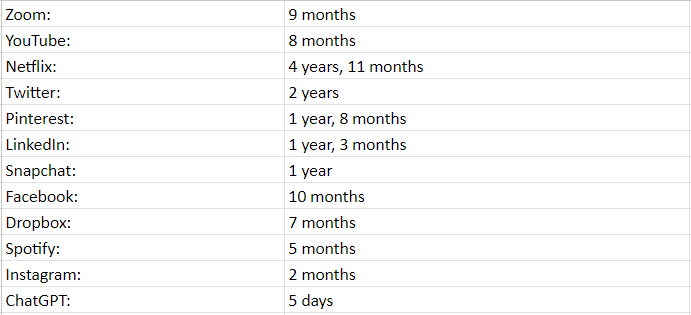
The emergence of AI has presented us with a tangible dilemma. While some view it as a remarkable leap into the future, others are more skeptical and perceive it as nothing more than an overhyped trend. So, who is correct? While programs like ChatGPT and Duet AI are gaining popularity as powerful tools, incidents of self-driving cars causing major accidents and AI misidentifying potential criminals continue to raise doubts about their effectiveness. Although we may not have all the answers, one thing is certain: AI is not going away. It is progressively permeating every facet of our lives, from customer service to healthcare and transportation. Therefore, we must adapt and learn to coexist with this AI revolution. The following table provides an overview of the growth and impact of AI.

The Time it took to reach 1 Million Followers:

User Beware: Is AI All It's Touted To Be? Business Consultant and AI Integrator, Michael Koeppel Shares His Insight On The AI Conundrum

Photo courtesy: Michael Keoppel

Michael Koeppel, a well-established business consultant and AI implementor, provides valuable insights on addressing and resolving the challenges posed by AI. Over the next five years, AI will probably start to diminish job opportunities for individuals with a college education. The advancement of AI technology will significantly influence the job market for college-educated professionals. It will be crucial for individuals to keep themselves informed about the latest AI developments and contemplate how their skills and knowledge can be utilized in a world where machines are increasingly capable of performing various tasks. Having a good grasp of AI and the ability to optimize its use will soon become as essential as proficiency in using a spreadsheet.

1. Verifying Data Hits

Chat GPT is impressive, however, it should not be taken as absolute truth. One of the main concerns highlighted by Koeppel is the current lack of discernment in AI when it comes to sourcing information. AI often struggles to filter or accurately segregate information when summarizing vast data pools. Koeppel explains, “AI is unable to determine what data is accurate and what is not. It simply reports what it discovers.” This challenge is comparable to navigating a data universe without a map, resulting in summaries that may lack context or precision. Koeppel acknowledges that tools like Microsoft’s Co-pilot are making efforts to improve information sourcing, indicating progress towards more responsible AI, but there is still a long way to go. “Validating data sources is essential; we are educating AI on the significance of proper sourcing, similar to teaching a child to cite their references in an essay,” Koeppel elaborates.

2. Recognizing AI’s Limitations

Furthermore, apart from its inadequate filtering capabilities, AI still has significant limitations when it comes to data input. Koeppel highlights the importance of recognizing these limitations, particularly in the processing and interpretation of data. He points out that AI faces difficulties in tasks such as analyzing Excel spreadsheets if the data is not formatted in a recognizable manner. This limitation highlights a more extensive problem: AI’s current inability to comprehend and deduce information in the same way as humans. According to Koeppel, “AI’s capacity to understand and interpret data beyond specific parameters is limited, indicating a gap in its import capability.” It is crucial to acknowledge this reality in order to effectively integrate AI into workflows without overestimating its capabilities.

3. AI as a Tool, Not a Differentiator

In Koeppel’s perspective, AI’s primary weakness lies in its incapacity to distinguish between end users. For instance, irrespective of one’s background, a similar input will elicit a similar output. Whether you are a university professor or a 5th-grade student, AI will provide you with the same result. The widespread availability of platforms such as ChatGPT implies that the responses can be uniform across various users. Koeppel suggests, “AI offers a level playing field for everyone. The key is in how you prompt AI, recognizing its strengths in subsequent queries, and mastering its interface efficiently.” While some may perceive this as a significant limitation, Koeppel emphasized the potential opportunities it presents. “Input quality determines output quality. Those who can effectively prompt AI to unleash its full potential gain a competitive advantage.”

4. AI Is Still the Future

While Koeppel emphasized the importance of AI in various sectors such as customer service and job automation, he also highlighted the significance of human involvement in the process. He pointed out that AI’s strength lies in its efficiency in problem-solving and task performance, particularly evident in the medical billing field. Despite his emphasis on the need for human oversight, Koeppel remains optimistic about AI’s potential for the future. He views AI as a valuable tool for business optimization, rather than a standalone solution. Koeppel also expressed skepticism about relying solely on government intervention to regulate AI technology, citing their struggles in addressing fundamental issues related to the Internet.

About the Contributor

Michael R. Koeppel, the Managing Director and Founder of Lakelet Advisory Group LLC, boasts an impressive 30-year career specializing in technology, manufacturing, and service organizations. A Certified Turnaround Professional (CTP) with credentials spanning from CPA to Certified in Financial Forensics (CFF), Koeppel’s expertise has led to significant roles including Director at Large for the New York State Society of Certified Public Accountants and expert witness in bankruptcy valuations. His work extends internationally, with notable contributions in European and Brazilian operations, underscored by a deep commitment to mentoring and education.

Published by: Martin De Juan

Is Google Making Students Smarter? Exploring the Rise of AI-powered Learning Tools

Technology plays an increasingly integral role in the rapidly evolving landscape of education. From interactive online resources to virtual classrooms, the digital revolution has transformed how students learn and educators teach. AI-powered learning tools are at the forefront of this transformation, promising personalized and efficient learning experiences. 

But amid the excitement, a pertinent question arises: Is Google truly making students smarter, or are there underlying implications to consider?

The Evolution of Education in the Digital Age

The advent of the internet and search engines like Google has undoubtedly revolutionized how students access information. With just a few keystrokes, an overwhelming amount of knowledge becomes instantly accessible. This unparalleled access has democratized education, leveling the playing field for learners worldwide.

However, the proliferation of AI-powered learning tools takes this accessibility to new heights, offering tailored learning experiences based on individual needs and preferences.

The Promise of AI in Education

AI promises to revolutionize education by providing personalized learning experiences, automating administrative tasks, and augmenting teaching methodologies. Adaptive learning platforms utilize machine learning algorithms to analyze students’ strengths and weaknesses, delivering customized learning paths to optimize comprehension and retention. 

Virtual tutors with natural language processing capabilities offer immediate feedback and guidance, enhancing student engagement and performance. Moreover, AI-driven content creation tools assist educators in developing interactive and dynamic learning materials, enriching the educational experience.

Addressing Academic Integrity Concerns

However, alongside the benefits of AI-powered learning tools, concerns regarding academic integrity loom large. The proliferation of sophisticated AI writing tools has raised questions about the authenticity of student work. The emergence of AI-written essay detectors reflects a proactive approach to preserving academic integrity in an era of technological advancement. These tools leverage machine learning algorithms to identify anomalies in student submissions, flagging potential instances of AI-generated content. 

While AI-written essay detectors safeguard against academic dishonesty, they also prompt discussions about responsible technology use and the importance of nurturing critical thinking and writing skills.

Balancing Technology and Pedagogy

As educators embrace AI-powered learning tools, striking a balance between technology and pedagogy becomes imperative. While AI offers unprecedented opportunities for personalized learning and efficiency gains, it must complement, not replace, traditional teaching methods. Human interaction, empathy, and creativity remain irreplaceable facets of the learning experience. 

Integrating AI into education requires thoughtful consideration of its ethical implications, ensuring that technology serves as a catalyst for learning rather than a barrier to human connection.

Cultivating Digital Literacy and Critical Thinking

In an era dominated by information abundance, cultivating digital literacy and critical thinking skills becomes paramount. Students must navigate a complex digital landscape discerningly, distinguishing between credible sources and misinformation. While AI-powered learning tools provide access to vast information repositories, they also necessitate a deeper understanding of how algorithms shape content consumption and perception. 

Educators play a pivotal role in fostering digital literacy competencies that empower students to navigate the digital realm responsibly and ethically.

Conclusion

In conclusion, the rise of AI-powered learning tools heralds a new era of educational innovation and opportunity. While Google and other AI-driven platforms offer unparalleled access to knowledge and personalized learning experiences, they also pose challenges to academic integrity and human-centered pedagogy. By embracing technology thoughtfully and cultivating digital literacy and critical thinking skills, educators can harness the transformative potential of AI while safeguarding the integrity of education. 

Whether Google makes students smarter transcends mere technological prowess; it reflects our collective responsibility to shape the future of learning in an increasingly AI-driven world.


Published By: Aize Perez

Exchanging Vulnerability for Validation: Guiding Gen-Z To Be The Next Wave of World-Changers

By 2030, Gen-Z will be the primary consumer and leaders of change in our world.  If that thought scares you, it’s because you haven’t learned how to successfully lead this upcoming generation. This generation of professionals seeks more than just a job; they are in pursuit of meaningful work, authentic leadership, and a culture that champions inclusivity and diversity. Dr. Anthony Giannoumis, a multi-generational translator, author, and leading researcher is developing a timely blueprint for leaders aiming to harness the full potential of Gen Z. By embracing vulnerability and fostering an environment of validation, leaders can unlock the innovative spirit and collaborative prowess of the next generation. This article delves into Dr. Giannoumis’s transformative approach to leadership, offering essential strategies for those preparing to guide tomorrow’s world-changers.

Tip #1 Create Space for Ideas

“The essence of exchanging vulnerability for validation lies in creating an environment where people are not afraid to share their ideas,” Dr. Giannoumis emphasized. This principle is about acknowledging and validating the varied traumas and challenges across generations, making it clear that perfection is not the prerequisite for contribution. “You don’t need a perfect idea. It’s about finding power in diversity,” he added, highlighting the necessity for leaders to appreciate and harness the strength that comes from diverse perspectives.

Tip #2 Understand The Power of Vulnerable Leadership

Dr. Giannoumis passionately advocates for leaders to embrace vulnerability themselves. “You as a leader, gotta be willing and able and enable other people to exchange vulnerability for validation,” he stated. This means opening up about uncertainties and actively seeking the team’s input on solutions. Such a stance not only sets a precedent for openness but also encourages team members to share their own ideas, fostering a culture where every voice is valued. “Learning to encourage ideas,  validating them and implementing what they’ve {your students or employees} come up with is a great way to encourage others to step up,” Dr. Giannoumis articulated, underscoring the essence of validating diverse thoughts to spur innovation.

Tip #3 Learn to Foster Trust Through Validation

Following an unexpected victory, led by a team of students with no common ground,  at a UN Geneva hackathon, Dr. Giannoumis discovered how to develop trust by cultivating an environment of psychological safety. “We were exchanging that vulnerability for validation… We trusted each other because we were creating that sense of safety within our team,” he reflected on the experience. This story not only highlights the importance of psychological safety but also demonstrates the incredible potential of diverse teams when they feel secure to share and validate each other’s ideas.

Exchanging Vulnerability for Validation: Guiding Gen-Z To Be The Next Wave of World-Changers

Photo courtesy: Dr. Anthony Giannoumis

Looking toward the future, Dr. Giannoumis pointed out the shifting dynamics with the rise of Gen Z in the workforce. “Gen Z is going to be the biggest consumer group in 2030… We’ve got to get out of this old top-down command and control mindset… thinking differently about how we manage and how we lead our teams,” he asserted. This insight calls for a leadership style that resonates with the values of authenticity, inclusivity, and impact, which are paramount to Gen Z.

If you are a leader looking to lead the charge in transforming Gen-Z into a workforce of change-makers and innovative leaders, visit Dr. Anthony Giannoumis’s website for more information and a copy of his latest book.

Published by: Martin De Juan

Defensive Driving in a Busy City

Navigating through the bustling streets of a busy city can be daunting for drivers, especially when faced with heavy traffic, congested intersections, and a myriad of potential hazards at every turn. In such environments, mastering defensive driving becomes not just a skill, but a necessity for ensuring the safety of oneself and others on the road. Understanding best practices for defensive driving can help reduce the risk of accidents and ensure the safety of yourself and others on the road in a busy city environment.

Understanding Defensive Driving

Understanding the importance of defensive driving in a busy city is crucial for ensuring the safety of oneself and others on the road. In urban environments where traffic congestion, pedestrian activity, and various distractions abound, defensive driving becomes paramount to navigating safely through the bustling streets. By adopting a defensive driving mindset, motorists can anticipate potential hazards, react quickly to unexpected situations, and mitigate risks before they escalate into accidents. Moreover, defensive driving promotes responsible behavior behind the wheel, such as obeying traffic laws, maintaining safe following distances, and staying focused on the road. 

Staying Focused and Alert

The constant flow of traffic, pedestrians, cyclists, and potential hazards on busy city roads demand unwavering attention behind the wheel. The Atlanta car accident attorneys at Piasta Walker Hagenbush understand the dangerous impacts of distracted driving in causing accidents on busy city roads. By remaining vigilant, drivers can anticipate sudden movements, spot potential dangers, and react swiftly to changing situations. Whether it’s navigating through congested intersections or maneuvering through tight spaces, maintaining focus allows drivers to make split-second decisions that can prevent accidents and ensure the safety those on the road. 

Moreover, staying alert helps drivers to identify erratic behavior from other motorists, pedestrians, or cyclists, allowing them to adjust their driving accordingly and avoid potential collisions. In busy city driving, where distractions are abundant, prioritizing focus and alertness is essential for practicing defensive driving and promoting overall road safety.

Being Aware of Common Hazards

In urban environments, numerous potential dangers lurk around every corner, from heavy traffic congestion and unpredictable pedestrian behavior to sudden lane changes and obscured road signs. By staying vigilant and proactive, drivers can anticipate these hazards and take appropriate measures to avoid accidents. 

Common hazards such as aggressive drivers, distracted pedestrians, cyclists weaving through traffic, and sudden stops due to traffic jams or roadwork require constant attention and quick reactions. Additionally, being aware of environmental factors like poor visibility due to weather conditions or low light can help drivers adapt their driving accordingly. By recognizing and actively avoiding these hazards, motorists can navigate busy city streets safely and reduce the risk of collisions or other road incidents.

Adapting to Changing Road Conditions

In urban environments, road conditions can vary rapidly due to factors such as weather changes, construction work, and traffic congestion. Being prepared to adjust driving techniques accordingly can help drivers navigate safely through these challenges. For example, during inclement weather, drivers should reduce speed, increase following distance, and use caution when braking to avoid skidding or hydroplaning. Similarly, in areas undergoing construction or repairs, drivers should be prepared for lane closures, detours, and reduced speed limits, maintaining awareness of signage and following instructions from road workers. Remaining flexible and adaptable to changing road conditions is crucial for drivers can enhance their safety and the safety of others on the road.

Anticipating Other Drivers’ Actions

Anticipating other drivers’ actions is paramount for practicing defensive driving. With countless vehicles sharing the road, each driven by individuals with varying levels of skill and awareness, predicting potential hazards becomes essential. By observing the behavior of surrounding drivers, such as sudden lane changes, erratic maneuvers, or signs of driver distraction, proactive drivers can preemptively adjust their own driving to avoid potential accidents. Anticipating other drivers’ actions allows motorists to maintain a safe following distance, prepare for sudden stops or lane changes, and respond appropriately to unexpected situations. Staying one step ahead and anticipating the actions of others on the road can help defensive drivers minimize risks and ensure their safety in a bustling city environment.

Published by: Martin De Juan

How to Build a Winning Company Culture in the Age of Remote Work

The shift to remote and hybrid work over the past few years has transformed company cultures. With employees spread out instead of sitting together in one office space, fostering a cohesive and positive culture can seem daunting. However, leaders can create thriving cultures with intention and effort even when teams are distributed. Here are tips for building a winning company culture in the era of flexible work models:

Promote Open Communication

With remote employees, it can be easier for miscommunications and feelings of disconnection to creep in. Make communication across the organization a priority. Encourage team members to actively communicate about projects, needs, or blockers. Institute regular check-ins between managers and direct reports and provide open channels for company-wide discussions.

Spotlight Values

Clearly articulate your company’s values and spotlight them often. Values unite distributed teams with a shared sense of purpose and priorities. Reference values when giving feedback and recognition and share stories of them in action. Rather than values just being words on paper or a website, demonstrate them in how you operate on a daily basis.

Invest in Relationships

When you don’t run into coworkers around the office, you must be more intentional about relationship building. Make spaces for water cooler chat that aren’t strictly work-related. Organize virtual coffee meetings for colleagues to catch up. Gather distributed team members through off-site retreats and team-building activities when possible. The personal connections will be fruitful in more aligned, invested teams.

Facilitate Inclusion

Remote work carries the risk of team members feeling unseen, especially those in minority groups. Survey employees about their sense of belonging and implement focus groups to better understand concerns. Offer mentorship and employee resource groups tailored to underrepresented populations. Confront exclusionary or biased language or behaviors swiftly and clearly. A diversity of perspectives and backgrounds leads to better innovation and results.

Offer Flexibility

Support employees’ well-being and productivity by providing flexibility regarding when and where they work. Empower people to adjust their schedules to fit duties outside of work and their personal or family needs. Your culture should celebrate outputs and outcomes rather than focusing on time spent online or strict 9 to 5 schedules. Provide asynchronous communication options so people can catch up on their own time.

Give Recognition

Appreciation and recognition build morale and loyalty among distributed employees who otherwise miss out on those “in the moment” expressions of thanks. Offer social recognition during meetings for recent wins and milestones—spotlight and praise cross-functional collaborations. Implement peer recognition awards or programs allowing employees to nominate and vote for coworkers who exemplify your values. Public and creative displays of appreciation make people feel valued.

Measure and Adapt

Regularly gather structured feedback from your employees through engagement surveys, stay interviews, or focus groups. Ask pointed questions about employees’ sense of connection, ability to balance work and personal life in a distributed environment, the effectiveness of communication practices, and more. Identify areas where remote employees may feel disconnected or hindered in order to address issues and continue optimizing your culture.

The move to flexible, remote work isn’t fading anytime soon. With some adaptation and innovation, leaders can build company cultures that are just as strong, aligned, and “team-spirited” as when teams occupy physical offices. It simply takes focus on the human experience and being creative to foster bonds across laptop screens. What tips do you have for nurturing culture in the age of remote work? I’d love to hear other ideas and insights in the comments below!


Published By: Aize Perez

Alisha Rabbani: Shattering Barriers from Toba Tek Singh to Aerospace and Entrepreneurship

From the vibrant village of Toba Tek Singh in Pakistan to aspiring for aerospace engineering and entrepreneurship, Alisha Rabbani’s journey is a narrative of breaking barriers and pioneering new paths. At 22, Alisha is not only an EASA-licensed Aircraft Maintenance Engineer but also a dynamic entrepreneur, digital marketer, and graphic designer. Her passion for aviation and e-commerce has propelled her to achieve remarkable feats, including training over a thousand students in digital skills and air force training tests. Alisha’s ventures, ECB Pakistan and PAF Information, are testament to her innovative spirit and dedication to empowering others.

Alisha’s story is one of resilience and ambition in a society where female entrepreneurship and higher education are not the norms. Through her agency, she has managed international projects and led successful e-commerce ventures, demonstrating the power of belief in oneself and the importance of self-taught skills. Alisha’s journey is punctuated by lessons learned from early mistakes in business, emphasizing the importance of verification and wise financial transactions.

Her distinct approach to business, focusing on daily tasks, market trends, and unique marketing strategies, sets her apart. Alisha advises aspiring entrepreneurs to specialize in a niche, avoid burnout by managing workload, and start small businesses alongside their studies to gain practical experience. Her success is supported by her family and her business partner, Abdul Rehman, who have been instrumental in her journey.

Alisha’s mission extends beyond personal success; she aims to bring goodness to the world by guiding and training students to undertake significant projects. Her life philosophy, believing in oneself even when no one else does, has been her guiding principle, leading her to finance her education and establish her own business against all odds.

Looking ahead, Alisha plans to expand her influence by establishing a training center for underprivileged girls and boys in Pakistan, aiming to change the culture around education and entrepreneurship in smaller cities. Her vision includes creating employment opportunities and inspiring thousands of students to pursue their dreams and passions.

Alisha Rabbani’s story is a beacon of inspiration, showcasing how belief in oneself, coupled with hard work and determination, can overcome societal barriers and lead to remarkable achievements. Her journey from a small village in Pakistan to the threshold of aerospace engineering and successful entrepreneurship embodies the spirit of innovation and the relentless pursuit of personal and communal growth.

Expanding on Alisha Rabbani’s compelling narrative, it’s evident that her success is deeply intertwined with her innovative mindset and unwavering determination. Her approach to overcoming obstacles and leveraging her unique skill set has not only paved the way for her accomplishments but also inspired countless others in her community and beyond. Alisha’s strategic foresight in embracing digital marketing and graphic design, alongside her technical expertise in aircraft maintenance, illustrates a multifaceted talent poised to make significant strides in both aerospace and entrepreneurship.

Alisha’s commitment to social empowerment, particularly through her plans to establish a training center, speaks volumes about her vision for a more inclusive and educated society. This initiative is poised to transform the landscape of opportunities available to young individuals in Pakistan, particularly those from underprivileged backgrounds. By focusing on imparting practical skills and fostering an entrepreneurial mindset, Alisha aims to catalyze a cultural shift towards self-sufficiency and innovation.

Moreover, Alisha’s personal story of resilience and self-belief in the face of financial and societal challenges is a testament to her character and leadership. Her ability to self-finance her education and carve out a successful career path reflects a profound level of independence and foresight. As Alisha continues to expand her ventures and embark on new projects, her journey remains a beacon of hope and inspiration, demonstrating the transformative power of education, entrepreneurship, and the unwavering belief in one’s potential.

To join Alisha on her journey, follow her on Instagram @alisharabanii. Here, you will not only be a part of her incredible journey but also witness the power of dreams and hard work.

Published by: Martin De Juan