From Viral Videos to Advocacy: Sara’s Inspiring Influencer Story

In the dynamic landscape of social media, where countless aspire to leave a mark, Sara’s journey stands out as a beacon of authenticity and inspiration. Her adventure commenced in her early teens when the digital realm of “musical.ly” (now TikTok) provided her a canvas to paint her dreams, share her life, and connect with the world. Facing the adversities of relocating across countries and navigating the turbulent waters of bullying, social media morphed into Sara’s haven—a place where judgment was eclipsed by acceptance and self-expression.

The year 2020 marked a pivotal chapter in Sara’s narrative, transforming her passion into a thriving career. Her content, imbued with honesty and creativity, resonated with a global audience, catapulting her into the limelight. This unforeseen journey from a hobbyist to an influencer-extraordinaire saw her traversing continents for music video shoots and basking in the recognition of worldwide news and television. Yet, it was her audacity to embrace her vulnerabilities that truly etched her name in the hearts of millions.

Sara’s journey towards embracing her own imperfections, particularly her dark under-eye circles, became a pivotal moment in her influencer career. By sharing a video that highlighted, rather than concealed, these so-called flaws, she tapped into a deep, collective yearning for authenticity in an age dominated by heavily edited images and unrealistic beauty ideals. This video didn’t just go viral for its content; it sparked a widespread dialogue about the nature of beauty, the pressures of perfection, and the liberating power of self-acceptance. 

It challenged long-standing beauty norms, pushing against the grain of a culture obsessed with flawlessness. The ripple effect of Sara’s video was profound, reaching into the fashion industry and influencing makeup trends on some of the world’s most prestigious runways. Designers and makeup artists, inspired by Sara’s boldness, began to incorporate similar looks into their shows, celebrating natural beauty quirks that society typically deems as imperfections. This movement towards embracing and highlighting natural features marked a significant shift in how beauty is represented and perceived. Sara’s act of vulnerability and self-love became a beacon of change, showcasing how individual acts of authenticity can have far-reaching impacts, changing industry standards and empowering others to find beauty in their unique traits.

Her comedic prowess, showcased in videos like “How to dress to attract a man,” further endeared her to audiences worldwide. Sara’s unique blend of humor and genuineness cultivated a space where laughter and relatability thrived, solidifying her status as not just an influencer but a beacon of joy and sincerity.

From Viral Videos to Advocacy: Sara's Inspiring Influencer Story

Photo Courtesy: Sara Carsten

As Sara looks to the horizon, her aspirations transcend the realms of social media fame and personal achievement. With a heart as expansive as her following, she dreams of leveraging her platform for advocacy—championing causes such as animal rescue and mental health awareness. Her impending venture into the United States is not merely a pursuit of broader recognition but a journey to amplify her impact, driven by the belief that the true measure of influence lies in the lives we touch and the change we inspire.

Sara’s narrative is a testament to the transformative power of staying true to oneself in a world that often demands conformity. Her journey underscores that authenticity is not just a path to personal fulfillment but a beacon that can guide others towards acceptance, laughter, and solidarity. As Sara continues to navigate the evolving landscape of social media, her story remains a source of inspiration—a reminder that in the quest to influence the world, embracing our true selves is our greatest strength.


Published By: Aize Perez

How Is Fault Proven In A Personal Injury Case?

During the process of a personal injury lawsuit, proving fault is the most difficult aspect of the process.

When a personal injury lawyer is attempting to recover damages for the plaintiff or their client, they need to be able to prove that the other party was at fault for the accident that resulted in their injury.

But how exactly is fault proven in a personal injury case? Let’s find out.

Understanding Personal Injury Cases

Before we dive into how fault is proven in an injury case, you need to learn about how personal injury cases work and the core fundamentals for how these lawsuits work. 

According to Cornell Law, “personal injuries include every variety of injury to a person’s body, emotions, or reputation”.

There are many types of personal injury cases that lawyers choose to take on, ranging from everything from car accidents to a slip and fall accident.

With these types of cases to keep in mind, there needs to be a legal basis for personal injury cases, such as who is at-fault for the accident, among other things.

Elements of a Personal Injury Case

To effectively establish a strong personal injury case, there are three critical elements that need to be established in a court of law. These include:

The Duty of Care And Breach of Duty

A “duty of care” is a legally required obligation that requires someone to act with a reasonable standard of care toward another. 

An example is when a drunk driver hits another vehicle, causing multiple injuries to the other party. Under this doctrine, it’s implied that the drunk driver violated his or her duty of care, causing a breach of duty to the party that became injured.

In determining what the specific duty of care is for each type of personal injury case, it all depends on the facts and circumstances of each specific case.

Establishing Causation

Causation, in simple terms, is the relationship between a cause and its effect.

It means that one person’s negligence needs to have caused an injury to the plaintiff. Now in personal injury cases, lawyers need to prove causation to establish a connection between the negligent parties actions that lead to their clients’ injury.

For instance, a lawyer can conclude that a dog bite that happened due to a negligent owner led to multiple injuries to the defendant such as broken bones or rabies.

A critical factor that can establish causation is proximate cause, which is the primary cause of someone’s injury, but there can also be multiple causes of someone’s injury.

Types of Evidence Used to Prove Fault

For most personal injury attorneys to prove fault, they need evidence to strengthen their claim wherever they can. The most common types of evidence that is used to establish the main elements of a personal injury lawsuit include:

  1. Witness Statements
  2. Documentation
  3. Photo and Video Footage

All of these elements above are critical in proving fault in a personal injury lawsuit, as any sort of evidence above can significantly strengthen your claim.

Common Challenges in Proving Fault

Just as witness statements, documentation, and photo/video footage can all be crucial forms of evidence in a court of law, there’s also common challenges in proving fault.

For example, let’s say that a lawyer brings in two separate witnesses from an accident to court. Now, all of a sudden, they both have conflicting statements that contradict each other and are not in support of your argument.

That is a common challenge in proving fault, but when gathering evidence, an attorney who focuses on personal injury has to be a detective at the same time. 

What this principle means is that they need to determine any area of fault from an accident, and find different corporate entities to go after. 

For example, a lawyer could go after an insurance company first, but then if they find out there has been a dangerous street in a city that has gone by with no improvements to safety over the years, that could be a solid target from a lawyer.

What To Do If You’ve Been Injured

If you have happened to be injured in the United States, it should be in your best

interest to call a trusted personal injury lawyer serving the greater Philadelphia region.

An attorney can help you protect your rights and also fight against those who may have injured you. Remember to take the time to hire an attorney that is also the right fit for your case.

The Personal Injury Standards Apply Across The United States

In summary, a lawyer can prove fault in a personal injury case by performing the following actions:

  1. Proving the Main Elements of A Personal Injury Lawsuit
  2. Using Various Types of Evidence
  3. Looking At Different Challenges In Proving Fault

Hiring a lawyer who focuses on personal injury can be the biggest difference maker when it comes to getting the compensation that you deserve. The best part is also that they work on what’s known as a “contingency-fee basis”.

So, if they don’t win, you don’t pay.

Remember that it should be of utmost importance to you to fight for the justice that you deserve.

Published by: Martin De Juan

Tips for Navigating Insurance Company Negotiations After an Accident

Dealing with insurance companies following an accident can be daunting. You might be coping with physical injuries, emotional stress, and the financial pressure of medical bills and vehicle repairs. Insurance companies have experienced adjusters whose job is to minimize the company’s payouts. Therefore, being prepared for negotiations is key to ensuring you get the compensation you deserve. Here are essential tips for skillfully navigating through insurance company negotiations after an accident.

Professional Legal Assistance

Consider hiring an attorney, especially if the accident involved significant injury or the insurance company is proving particularly challenging. An experienced personal injury lawyer can handle negotiations on your behalf and has the expertise needed to secure the best possible outcome.

Evaluating Your Claim

An experienced attorney can accurately evaluate the worth of your claim. They take into account not only your current medical bills and lost wages but also future expenses, pain and suffering, and any long-term effects of your injuries.

Access to Resources

Attorneys typically have a network of investigators, medical professionals, and accident reconstruction experts who can strengthen your claim. They will gather and compile the necessary evidence and expert testimonies to substantiate your case.

Reducing Stress

Dealing with the aftermath of an accident can be incredibly stressful. Legal representation takes the burden of the claim process off your shoulders so that you can focus on your recovery.

Better Outcomes

Statistically, claimants with legal representation tend to secure larger settlements or awards than those who represent themselves. Attorneys have the tools and know-how to build a robust case and to present it effectively.

Understand Your Policy

Before you even begin negotiations, make sure you understand your insurance policy’s coverage. Know the limits of your coverage, what is included, and any deductibles that may apply. You can’t effectively negotiate if you’re not clear on what your insurance company is obligated to provide.

Gather Complete Documentation

Compile all documentation related to the accident. This includes police reports, medical records, repair estimates, proof of missed work, and any out-of-pocket expenses. Having all your documentation in order strengthens your position and helps justify the compensation you’re seeking.

Do Not Settle Too Quickly

Insurance adjusters often offer a quick, initial settlement that may be tempting to accept if you need immediate financial relief. However, these early offers are typically much lower than what you may need or are entitled to—especially before the full extent of injuries and necessary treatments are known.

Be Aware of Tactics

Adjusters may use tactics like disputing your account of the accident, suggesting you were at fault, or downplaying your injuries. Be prepared for these strategies and do not be pressured to agree to them.

Avoid Providing a Recorded Statement

You are not obligated to provide a recorded statement to the other party’s insurance company. When they call you, simply express that you are not comfortable giving a statement without consulting with your lawyer first. These can be used against you in negotiations.

Do Not Sign Anything Without Understanding It

Never sign any document from an insurance company without fully understanding what it means. Signing too soon could mean you’re waiving your right to pursue further compensation.

Use Accurate Language

When discussing your claim, be precise in your language. Avoid saying things that suggest opinion or speculation, and stick to the facts. This helps maintain credibility and prevents your words from being misconstrued.

Negotiate Proactively

Start negotiations with a request that’s higher than what you need or what you are entitled to. This leaves room for negotiation and increases the likelihood of a favorable settlement.

Be Patient and Persistent

Negotiating with insurance companies can be a protracted process. Stay patient and stand firm in your position. Be persistent in following up on your claim and continue to provide evidence of the necessity for your requested compensation.

Navigating insurance negotiations successfully can make a significant difference in your post-accident recovery process—both physically and financially. By remaining informed, staying vigilant, and having the right support, you can effectively advocate for your needs and secure just compensation.


Published By: Aize Perez

What Damages are Recoverable in a Wrongful Death Case?

Experiencing the loss of a loved one is a heart-wrenching ordeal, and when that loss is the result of someone else’s negligence or wrongful actions, understanding the legal avenues available becomes crucial. Wrongful death claims serve as a means for surviving family members to seek compensation for the damages they have suffered. It’s important to outline the various types of damages that can be recovered in a wrongful death case, providing detailed insights into the legal process.

Understanding Wrongful Death Claims

Wrongful death claims are legal actions initiated by surviving family members or beneficiaries of a deceased person against the party responsible for the death. These claims aim to hold the negligent party accountable for their actions, seeking both financial compensation and a sense of justice for the emotional toll endured.

Economic Damages

Medical Expenses

In a wrongful death case, the family may recover medical expenses incurred before the deceased’s passing. This includes costs related to emergency medical care, hospitalization, and any medical procedures undertaken to address the injuries that ultimately led to the fatality.

Funeral and Burial Costs

Funeral and burial expenses are often recoverable, alleviating the financial burden associated with laying a loved one to rest. These costs encompass funeral services, burial plots, caskets, and related expenditures.

Loss of Financial Support

The family can seek compensation for the loss of financial support that the deceased would have provided. This includes income, benefits, and other forms of financial assistance the deceased would have contributed to the family’s well-being.

Non-Economic Damages

Pain and Suffering of the Deceased

Damages may include compensation for the physical and emotional pain suffered by the deceased before their death. This is particularly relevant in cases where the individual experienced significant suffering or distress due to the circumstances leading to their demise.

Loss of Companionship and Consortium

Surviving family members may seek damages for the intangible losses experienced, such as the loss of companionship, guidance, and consortium resulting from the death of their loved one. These damages recognize the emotional impact and disruption to the family structure.

Emotional Distress for Surviving Family Members

Damages may be available for the emotional distress experienced by surviving family members due to the untimely death of their loved one. This accounts for the psychological trauma, grief, and mental anguish endured by those left behind.

Punitive Damages

Explanation of Punitive Damages

In some cases, punitive damages may be awarded to punish the wrongdoer for particularly egregious conduct. These damages go beyond compensating the family and aim to deter the at-fault party and others from engaging in similar reckless or intentional actions.

Criteria for Awarding Punitive Damages

Courts consider various factors, including the severity of the misconduct and the need for deterrence when deciding to award punitive damages. The intention is to send a strong message that such behavior will not be tolerated within society.

Factors Affecting Damages

Circumstances of the Death

The type of incident leading to the death significantly influences the damages recoverable. For instance, the damages sought in a wrongful death resulting from a car accident may differ from those in a case involving medical malpractice or product liability.

Demonstrating Negligence or Wrongful Conduct

Successfully proving negligence or wrongful conduct is essential for establishing liability and recovering damages. This involves presenting evidence that the at-fault party failed to meet a standard duty of care, directly resulting in the tragic outcome.

Legal Process and Seeking Compensation

Importance of Legal Representation

Having an experienced Cherry Hill wrongful death lawyer is crucial for navigating the complex legal process and maximizing the chances of a successful outcome. An attorney brings expertise in handling wrongful death cases, ensuring that the legal rights of the surviving family members are protected.

Choosing a Wrongful Death Attorney

Consider factors such as experience, expertise, and communication skills when selecting an attorney to represent your case. A competent attorney understands the nuances of wrongful death law, has a history of successful cases, and communicates effectively with clients throughout the legal proceedings.

Statute of Limitations

Understanding and adhering to the statute of limitations is essential for filing a wrongful death lawsuit within the allowable time frame. Failing to meet this deadline can result in the loss of the right to pursue a legal claim.

Published by: Martin De Juan

Things You Didn’t Know About the Evolution of Taxi Services

Hello travel lovers! Today, I’m here with unusual facts about the interesting evolution of taxi services, an indispensable part of city streets. We’ve all taken a taxi at some point, but how much do we know about the history and transformation behind these services? Here are five surprising facts about the evolution of taxi services that you probably didn’t know.

The First Taxis Were Horse-Drawn

Before the advent of modern taxis, horse-drawn vehicles were the backbone of urban transportation. Towards the end of the 17th century, horse-drawn carriages began to be used in major cities like Paris and London to transport passengers to their desired locations. Although these carriages did not have a taxi meter, fares were calculated based on distance and time. With the invention of motor vehicles, pre-booked taxi services moved to a completely new dimension.

The Interesting History of Taxi Meters

Taxi meters are essential for taxis, and as the name suggests, the word “taxi” actually derives from “taximeter.” The first taxi meter was developed in Germany in 1891 with the purpose of calculating a fair fare based on driving distance and time. This invention played a significant role in making taxis a more reliable and preferred mode of transport.

The Color Story of Yellow Taxis

New York’s famous yellow taxis are recognized worldwide, but why yellow? In 1915, John Hertz, the owner of a taxi company in Chicago, decided that yellow was more easily distinguished from other colors and therefore taxis should be yellow. Research confirmed that yellow could be seen from a greater distance, leading Hertz to paint all taxis in his fleet yellow. This practice became popular over time and became a standard practice in many cities.

Taxi Drivers Becoming Cultural Icons

Taxi drivers have become cultural icons by featuring as significant characters in many movies and literary works. Their stories reflect the dynamics of city life and human relationships. The interesting events experienced by taxi drivers and the unusual relationships they establish with their customers are an integral part of urban culture.

Digital Revolution in Taxi Booking

Once, hailing a taxi required a wave of the hand or a trip to a taxi stand, but technology has completely changed this process. Thanks to online taxi booking services, you can now easily call a taxi with just a few taps on your smartphone. For instance, taxi booking platforms like Taxiyo.com or Uber offer airport transfers and urban transportation services worldwide, making your travel experience more comfortable and seamless. This digital transformation has made taxi usage more accessible and user-friendly.

The evolution of taxi services is not only an indicator of how transportation has changed but also of how technology, culture, and city life have evolved. From taxi drivers to taxi booking systems, these services continue to hold an important place in our lives. I hope these interesting facts spark new thoughts on your next taxi journey. Continue to discover new adventures in your travels!


Published By: Aize Perez

Navigating the Intricacies of Life Care Planning in Florida with Intercoastal Consulting

Florida, synonymous with sandy beaches, vibrant nightlife, and indigenous wildlife, is also home to a wealth of expertise in life care planning. Leveraging extensive experience in an array of cases, firms like Intercoastal Consulting & Life Care Planning (ICLCP) play a pivotal role in quantifying future cost of care and enhancing the quality of life for both catastrophically and non-catastrophically injured individuals. As a renowned life care planner in Florida, Intercoastal Consulting & Life Care Planning ensures that each individual’s future needs are meticulously planned and accounted for.

Life care plans, comprehensive documents detailing the future care needs of the parties afflicted, are often key in legal proceedings surrounding personal injury cases. From catastrophic injuries such as brain trauma, severe burns, and spinal cord damage, to less severe impairments that nonetheless impart chronic pain or restrict mobility, life care planning in Florida encompasses a vast range of scenarios. Intercoastal Consulting & Life Care Planning provides a sample life care plan, demonstrating their detailed approach in assessing and compiling future care needs for individuals facing a variety of challenges.

Intercoastal’s aptitudes extend beyond the most severe of cases. Non-catastrophic injuries, while less life-altering, are met with the same levels of attention and meticulous planning. Conditions such as spinal injuries, orthopedic traumas, and complex regional pain syndrome all fall under the firm’s purview. This versatility reemphasizes Intercoastal’s commitment to catering to all, regardless of the severity of physical suffering.

Exceptions are rare in the range of incidents (ICLCP) handles. From motor vehicle accidents to dog bites and adverse drug reactions, the firm’s proficient teams engage in a myriad of cases, allowing them to navigate the intricacies of expert testimonies and scientific evidence effectively. This breadth of expertise ensures readiness to meet the stringent demands of what’s known legally as the ‘Daubert standard.’

Over and above providing exclusive brand insights into Intercoastal’s offerings, it is pertinent to delve into the types of life care plans provided by Florida-based firms. The two main categories, catastrophic and non-catastrophic, albeit broad, exemplify the stark differences in case complexity and long-term care requirements.

Non-Catastrophic Life Care Plans are for those individuals with long-term medical needs and serious impairments. Even as they continue with their daily lives, albeit with difficulty, they experience an undeniable diminution of life quality. Catastrophic Life Care Plans are the domain of individuals who cannot resume normal life, their injuries being so severe and permanent as to require lifelong medical attention. Notably, careful construction of these plans beyond mere medical requirements, by factoring in projections for maintaining a quality of life that is maximized for improvement, further empowers victims of personal injury.

Their offerings are targeted towards personal injury attorneys representing victims of automobile accidents amongst others, embedded within Florida, yet extending their reach across the USA. Their work addresses the principal challenge of ascertaining the cost of future medical care in the wake of personal injury accidents. By providing quantifiable measures of projected care costs, they grant attorneys the means to advocate effectively for their clients.

To gain an informed and comprehensive view of Intercoastal Consulting & Life Care Planning and its services, one can visit its official website, exploring their offerings and the intricacies of life care planning in Florida. In an era where post-injury optimization of life quality is of paramount importance, there’s a unanimous consensus on the indispensable role that life care planning services play in personal injury lawsuits. Firms like Intercoastal illustrate how expert guidance can significantly improve the quality of life for individuals struggling with injuries, both catastrophic and non-catastrophic, in the Sunshine State. Innovation and compassion, indeed, can achieve wonders.

Media Contact

Company Name: ICLCP
Contact Name: Chris McDermott
Phone: (904) 201-9067
Address: 4320 Deerwood Lake Parkway #327
City: Jacksonville
State: Florida
Postal Code: 32216
Country: United States

Website: https://www.iclcp.com/
ICLCP Social Media:
https://www.facebook.com/LifeCarePlannerExpertWitness/
https://twitter.com/ICLCP_
https://www.linkedin.com/company/intercoastal-consulting-life-care-planning/

Published by: Martin De Juan

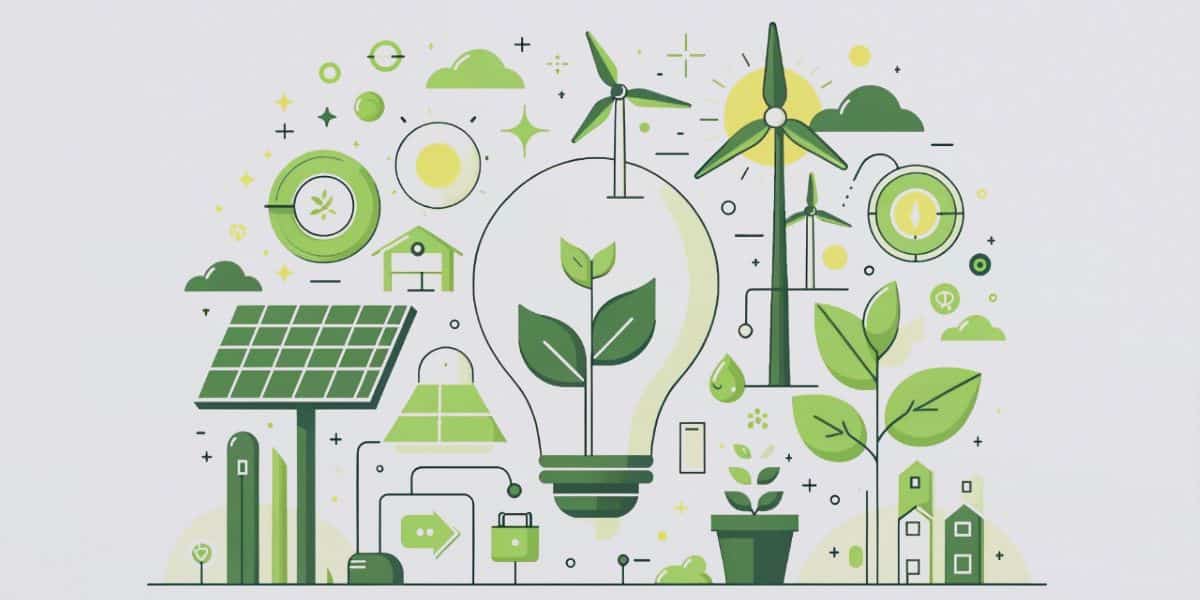
Green Innovations: Advancing Environmental Solutions Across American Industries

In recent years, there has been a notable surge in green innovations across various industries in the United States. From renewable energy technologies to sustainable manufacturing practices, American companies are increasingly prioritizing environmental sustainability. This article explores some of the key green innovations driving positive change and advancing environmental solutions nationwide.

The Rise of Green Innovations

Green innovations encompass a wide range of initiatives aimed at reducing environmental impact, conserving natural resources, and promoting sustainable practices. These innovations span across industries such as energy, transportation, agriculture, manufacturing, and construction. As concerns about climate change and environmental degradation continue to grow, businesses are recognizing the need to adopt more eco-friendly approaches to their operations.

Renewable Energy Technologies

One of the most prominent areas of green innovation is in renewable energy technologies. Solar, wind, hydroelectric, and geothermal power are increasingly being utilized as alternatives to fossil fuels. Advances in solar panel efficiency, wind turbine design, and energy storage solutions have made renewable energy sources more accessible and cost-effective. Companies like Tesla, with their innovative electric vehicles and energy storage solutions, are driving the transition towards a cleaner energy future.

Sustainable Manufacturing Practices

In the manufacturing sector, there is a growing emphasis on sustainable practices aimed at reducing waste, conserving energy, and minimizing environmental impact. Companies are implementing strategies such as lean manufacturing, circular economy principles, and the use of eco-friendly materials to create products with a smaller ecological footprint. From 3D printing technologies to closed-loop production systems, innovative approaches to manufacturing are revolutionizing the industry.

Green Transportation Solutions

Transportation is another sector undergoing significant transformation through green innovations. Electric vehicles (EVs), hybrid cars, and fuel-efficient engines are becoming increasingly popular as consumers seek more environmentally friendly alternatives to traditional gasoline-powered vehicles. Companies like Rivian, with their all-electric pickup trucks, and Lime, with their electric scooters and bikes, are leading the way in sustainable transportation solutions.

Sustainable Agriculture Practices

In agriculture, there is a growing focus on sustainable practices aimed at reducing chemical inputs, conserving water, and preserving soil health. Organic farming, regenerative agriculture, and precision farming techniques are gaining traction as farmers seek to minimize their environmental impact while maintaining productivity. Companies like AeroFarms, with their vertical farming technology, and Indigo Agriculture, with their microbial seed treatments, are driving innovation in sustainable agriculture.

Construction and Green Building Design

The construction industry is also embracing green innovations through sustainable building practices and materials. Green building design incorporates energy-efficient features, renewable energy systems, and environmentally friendly materials to create buildings with a reduced carbon footprint. LEED certification, passive building design, and net-zero energy buildings are becoming increasingly common as developers and architects prioritize sustainability.

John Gessin’s Perspective

John Gessin, an environmental consultant from Laguna Niguel, California, recognizes the importance of green innovations in advancing environmental solutions across American industries. “As businesses increasingly prioritize sustainability, green innovations play a crucial role in driving positive change,” says Gessin. “From renewable energy technologies to sustainable manufacturing practices, these innovations are essential for creating a more environmentally sustainable future.”

Conclusion

Green innovations are revolutionizing American industries and driving positive environmental change. From renewable energy technologies to sustainable agriculture practices, businesses across the country are embracing eco-friendly approaches to their operations. With continued investment in green innovations and a commitment to sustainability, the United States can lead the way towards a more environmentally conscious and sustainable future.


Published By: Aize Perez

The Teeth Whitening Industry: A Bright Opportunity for Oral Care Brands and Businesses

The teeth whitening industry represents a significant segment within the broader oral care market, offering both challenges and opportunities for brands and businesses looking to make their mark. As consumers increasingly seek out ways to achieve a brighter smile, the demand for effective and accessible teeth whitening solutions continues to rise. This article will delve into the various facets of the teeth whitening industry, highlighting key insights for oral care brands and businesses looking to capitalize on this growing trend.

The Market Landscape of Teeth Whitening

Rising Consumer Demand

The global teeth whitening market has witnessed a substantial upsurge in recent years, driven by an increasing awareness of dental aesthetics and a growing emphasis on personal appearance. The desire for a radiant smile transcends cultures and demographics, making teeth whitening a universal pursuit. With the advent of social media and the selfie culture, individuals are more conscious than ever about their smiles, fueling the demand for teeth whitening products and services.

Technological Advancements and Innovations

The industry has seen remarkable technological advancements, leading to a wider array of teeth whitening solutions. From over-the-counter products to professional services offered by dental clinics, the market has diversified to cater to various consumer needs and preferences. Innovations in teeth whitening formulations and application methods have also contributed to market growth, providing consumers with more effective and convenient options.

The Role of Teeth Whitening Vendors

Product Development and Consumer Trends

Teeth whitening vendors are at the forefront of product development, constantly seeking new formulations and technologies to improve efficacy and user experience. These vendors must stay abreast of consumer trends and preferences to ensure their offerings meet market demands. By understanding the shifting landscape of consumer behavior, teeth whitening vendors can tailor their products to align with the expectations of an increasingly discerning customer base.

Marketing Strategies and Distribution Channels

Successful teeth whitening vendors employ strategic marketing techniques to differentiate their products in a competitive marketplace. They also leverage various distribution channels, including e-commerce platforms, retail outlets, and partnerships with dental professionals, to reach a broad audience. In today’s digital age, a robust online presence is crucial for vendors to engage with consumers and build brand loyalty.

The Cinoll Company: A Case Study in Innovation

Pioneering Teeth Whitening Solutions

Cinoll is a company that has emerged as a leader in the teeth whitening industry. Their commitment to research and development has resulted in a range of pioneering teeth whitening solutions that resonate with consumers and oral care professionals alike. By focusing on the intersection of innovation and quality, Cinoll has established a reputation for delivering products that are both effective and safe for consumer use.

Strategic Partnerships and Global Reach

Cinoll’s success can also be attributed to its strategic partnerships and global distribution network. By collaborating with various stakeholders across the teeth whitening supply chain, the company has expanded its reach and solidified its position in the market. Cinoll understands the importance of adapting to different regional markets, ensuring that their products meet the regulatory requirements and cultural preferences of each locality.

Consumer Preferences and Market Segmentation

Over-the-Counter vs. Professional Whitening

The teeth whitening industry is segmented into over-the-counter (OTC) products and professional services. Consumers often gravitate towards OTC solutions for their affordability and convenience, while others prefer professional whitening for its perceived effectiveness and safety. Oral care brands must recognize these distinct market segments and develop targeted strategies to cater to each group’s unique needs.

Customization and Personalization

In an era where personalization is key, consumers are seeking teeth whitening options that can be tailored to their individual circumstances. This trend towards customization has prompted oral care brands to innovate with products that offer adjustable levels of whitening or are specifically designed for sensitive teeth. By offering personalized solutions, brands can enhance customer satisfaction and loyalty.

Regulatory Environment and Safety Standards

Compliance and Certification

The teeth whitening industry is subject to stringent regulatory oversight, with safety standards varying by region. Oral care brands must navigate a complex landscape of regulations to ensure their products comply with local and international guidelines. This includes obtaining necessary certifications and conducting rigorous testing to verify the safety and effectiveness of their teeth whitening solutions.

Ethical Considerations and Best Practices

Beyond compliance, there is an ethical responsibility for brands to promote best practices within the industry. This includes transparent labeling, honest marketing, and education around the proper use of teeth whitening products. By prioritizing consumer well-being, brands can build trust and credibility within the market.

Technological Trends Shaping the Future

The Digital Revolution

The rise of digital technology has transformed the teeth whitening industry, from mobile apps that simulate whitening results to AI-driven diagnostics for personalized treatment plans. Brands that embrace these technological trends can offer consumers a more interactive and engaging experience, potentially leading to greater market penetration.

Sustainable Solutions and Green Practices

Sustainability is becoming increasingly important to consumers, and the teeth whitening industry is no exception. Oral carebrands that develop eco-friendly products and adopt green practices can differentiate themselves and appeal to environmentally conscious consumers. This shift toward sustainability is not only beneficial for the planet but can also be a powerful marketing tool.

Conclusion

The teeth whitening industry is a dynamic and lucrative market with vast potential for oral care brands and businesses. By staying informed about consumer preferences, embracing technological advancements, and adhering to regulatory standards, companies can thrive in this competitive space. Teeth whitening vendors, including innovators like Cinoll, play a pivotal role in shaping the industry’s future. With the right approach, oral care brands can not only brighten smiles but also their business prospects.

As the industry evolves, the key to success will lie in the ability to adapt to changing market conditions and consumer needs. Those who can navigate this complex landscape with agility and foresight will find themselves at the forefront of the teeth whitening industry, shining as brightly as the smiles they help create.

Published by: Nelly Chavez

The Future of Blood Testing: How New Technologies Are Revolutionizing Diagnostics

The landscape of medical diagnostics is undergoing a transformative shift, with blood testing at the forefront of this revolution. Emerging technologies, including lab-on-a-chip devices and artificial intelligence (AI)-driven analysis, are not only enhancing the accuracy and efficiency of blood tests but are also making them more accessible and less invasive. This evolution promises a future where diagnosing diseases could be as simple as undergoing a quick, painless test, yielding results in a fraction of the time currently required. Among the pioneers in this field, GS Labs of Omaha, Nebraska, has made significant contributions, laying the groundwork for what’s now an accelerating trend towards more innovative diagnostic solutions.

The Rise of Lab-on-a-Chip Devices

Lab-on-a-chip technology miniaturized and integrates laboratory processes into a single chip, significantly reducing the amount of blood required for testing. These devices streamline blood analysis, making it possible to conduct complex tests quickly and efficiently at the point of care, rather than in a distant laboratory. The implications for patient care are profound; diseases can be diagnosed earlier, treatment can begin more promptly, and the need for multiple, often stressful, visits to diagnostic centers can be reduced.

Lab-on-a-chip technology is not just about shrinking the size of the lab equipment; it’s about reimagining the diagnostic process. It enables real-time monitoring of diseases, personalized medicine through rapid genetic profiling, and even the detection of biomarkers at levels previously undetectable with conventional lab equipment. This precision and immediacy can significantly improve patient outcomes, especially in critical care situations where time is of the essence.

AI-Driven Analysis: The Next Frontier

Artificial intelligence is setting the stage for a seismic shift in blood diagnostics. AI algorithms can sift through vast datasets to identify patterns and anomalies that might elude human analysts. This capability is particularly beneficial in the early detection of diseases, where subtle signs may not be immediately apparent. By integrating AI with blood testing, healthcare providers can anticipate and treat conditions before they escalate into more serious health issues.

AI-driven analysis extends beyond disease detection. It’s also refining our understanding of disease progression and treatment efficacy. For instance, by analyzing the results of regular blood tests, AI can help doctors tailor treatments to the individual, adjusting dosages and medications in response to the body’s response. This personalized approach to medicine not only improves patient care but also reduces the likelihood of adverse reactions and treatment-related complications.

The Impact on Healthcare

The integration of lab-on-a-chip devices and AI into blood testing is transforming healthcare delivery. With faster, more accurate diagnostics at their fingertips, medical professionals can make informed decisions quicker, improving patient outcomes. This efficiency also has the potential to reduce healthcare costs by minimizing the need for repeat testing and hospital admissions.

Moreover, these technologies are democratizing healthcare. They can bring advanced diagnostic capabilities to remote or underserved regions, where access to full-scale laboratories is limited. Mobile health units equipped with lab-on-a-chip devices and AI analysis can offer comprehensive diagnostic services, bridging the gap in healthcare accessibility.

Challenges and Considerations

Despite the promising advancements, the path to widespread adoption of these technologies is not without obstacles. Regulatory hurdles, data privacy concerns, and the need for significant investment in training and infrastructure are among the key challenges. Additionally, there’s the task of integrating new technologies into existing healthcare systems, which often involves overcoming skepticism and resistance to change among medical professionals.

Moreover, while AI and lab-on-a-chip devices can enhance diagnostic accuracy, they also raise ethical questions, particularly regarding data use and patient consent. Ensuring that these technologies are used responsibly and ethically is paramount to their success and acceptance.

Looking Ahead

The future of blood testing is bright, with lab-on-a-chip devices and AI-driven analysis leading the way toward a new era of diagnostics. These technologies promise not only to improve patient care but also to reshape the healthcare landscape, making it more efficient, accessible, and personalized.

As we look ahead, the legacy of pioneers like GS Labs of Omaha, Nebraska, serves as a reminder of the progress already made and the potential that lies ahead. Their early contributions have paved the way for ongoing innovation, ensuring that the future of blood testing is not just a vision but a rapidly approaching reality. The journey toward revolutionizing diagnostics continues, promising a healthier future for all.

Published by: Nelly Chavez

Masterful Communication: Vinh Giang’s Transformational Virtual Masterclass

Navigating our increasingly interconnected world requires not just technical capabilities, or financial acumen, but the penchant for strong, effective communication. As we emerge from the restrictive shells of the pandemic, it is these skills that are poised to dictate the trajectory of personal and professional advancements. The ancient adage, “man is a social animal,” still holds, but in the 21st-century reality, more fitting would be—“man is a communicating animal.”

Coming to the forefront of this communication revolution is world-renowned veteran magician and keynote speaker, Vinh Giang’s groundbreaking STAGE Virtual Masterclass. The Vinh Giang Masterclass compellingly dispels the notion of communication expertise as an inherent trait, instead positioning it as a skill that one could hone and perfect over time. It’s not a mere soft skill, rather it’s an essential skill fundamental to amplifying personal and professional impact.

The essence of effective communication is a complex blend of authentic storytelling, empathetic listening, charismatic presentation, and the ability to inspire and motivate others. This transformative journey, offered by Giang’s masterclass, taps into this multifaceted vein of communication — elucidating, empowering and enabling individuals to refine their communicative competences.

The Pareto Principle or the 80-20 rule provides an insightful perspective on this. It states that 80% of outcomes come from a mere 20% of causes. In the context of communication skills, even the tiniest changes in the way one communicates can swing doors to opportunities wide open, positively impacting the way they are perceived socially and professionally.

Structured to accommodate different learning styles and personal preferences, Giang’s masterclass is designed to strike a balance between learning and the application of that knowledge. Participants are introduced to not just theories or models but real life situations that can arise, pushing them to apply their skills practically. This approach hugely magnifies the masterclass’s transformative effect, resulting in a more engaging and relatable learning experience.

Amidst the COVID-19 pandemic, as the world quickly pivoted towards digital platforms, the importance of communication took center-stage. Be it virtual meetings, webinars, or digital conferences, equipped with effective communication skills became a mark of distinction. These unsuspected circumstances underscored the significance of Giang’s STAGE Virtual Masterclass, making it highly relevant and timely.

Having spent most of his career understanding communication from an unconventional perspective — applying the principles of illusion and magic, Vinh Giang brings a unique forte to his masterclass. Participants can expect to be guided by his vast experience and knowledge—unpacking and decoding some of the most impactful principles of communication. Giang’s charm, vivacity, and charismatic persona add an unparalleled flavor to the module, making the learning process enticing, interactive, and impactful. He doesn’t simply teach communication skills; he embeds them into the mindset of his students.

In essence, Vinh Giang’s STAGE Virtual Masterclass is a vital tool for those looking to move away from their communicative comfort zones, to explore new realms of interaction, influence, and impact. It’s an opportunity that offers deep dives into the realm of impactful communication, guiding people to become not just good, but masterful communicators. If communication is the key, then the STAGE Virtual Masterclass is the locksmith offering attendees the means to unlock their potential, providing them the necessary skills to navigate through both professional and personal terrains with confidence and charisma.

In a world that’s becoming increasingly condensed, yet paradoxically isolated, the power of communication becomes a beacon of light. Masterful communication has the capacity to bridge gaps, break walls, foster understanding and, ultimately, unite people. Such is the goal of Vinh Giang’s transformative STAGE Virtual Masterclass— to provide the tools and techniques necessary for elevating the competency and confidence of communicators, thus enhancing not just their personal, but also their professional lives.

Published by: Martin De Juan