

By: SEO Mavens
I’ve noticed a fascinating trend taking root in cities worldwide—urban gardening. More and more people are transforming their balconies, rooftops, and small backyard spaces into thriving green havens. This shift isn’t just about aesthetics; it’s a response to the growing desire for fresh, organic produce and a more sustainable lifestyle.
As urban dwellers, we often feel disconnected from nature and the food we consume. Homegrown produce offers a solution by reconnecting us with the earth, even in the heart of bustling cities. It’s not just about the food; it’s about the satisfaction of nurturing plants and the joy of harvesting something you’ve grown yourself.
This movement is gaining momentum as people seek healthier options and look to reduce their carbon footprint. With the adoption of new techniques and the encouragement of community initiatives, urban gardening has become increasingly feasible, offering city residents an engaging way to connect with nature.
The Rise of Urban Gardening
Urban gardening transforms limited spaces into verdant paradises, allowing city dwellers to embrace nature. This green revolution is fueled by community-driven initiatives and innovative methods. Rooftop gardens, vertical planters, and container gardening have become urban staples, enabling residents to cultivate fresh produce in apartments and small yards.
Home gardening not only offers access to organic fruits and veggies but boosts ecological sustainability. With local production reducing transport emissions, cities witness a positive environmental impact. Urban areas host community gardens that unite neighbors through shared planting and harvesting efforts, strengthening social bonds and fostering a sense of collective ownership.
Many city dwellers turn to cultivate fast-growing, space-efficient plants, with dwarf cherry trees being a prime example. These trees provide bountiful harvests and enhance aesthetic appeal, integrating trees perfectly into tight spaces. Growers can also use innovative techniques like aquaponics and hydroponics, which help maximize output without relying on large plots or traditional farming methods.
Recognizing the benefits, municipalities often support these endeavors by offering financial incentives and land-use policies favoring green spaces. These strategies not only promote public health but contribute to urban biodiversity. Urban gardening also sparks interest in sustainable lifestyles and nutritious diets, driving changes in consumer behavior.
This movement’s popularity signals a fundamental shift in how people view food access and environmental interaction. As more city dwellers explore home gardening, the urban landscape increasingly merges with natural elements, reshaping how communities connect to their daily sustenance.
Benefits of Urban Homegrown Produce
Urban homegrown produce offers numerous advantages that appeal to city dwellers seeking sustainable and healthier living.
Health and Nutrition
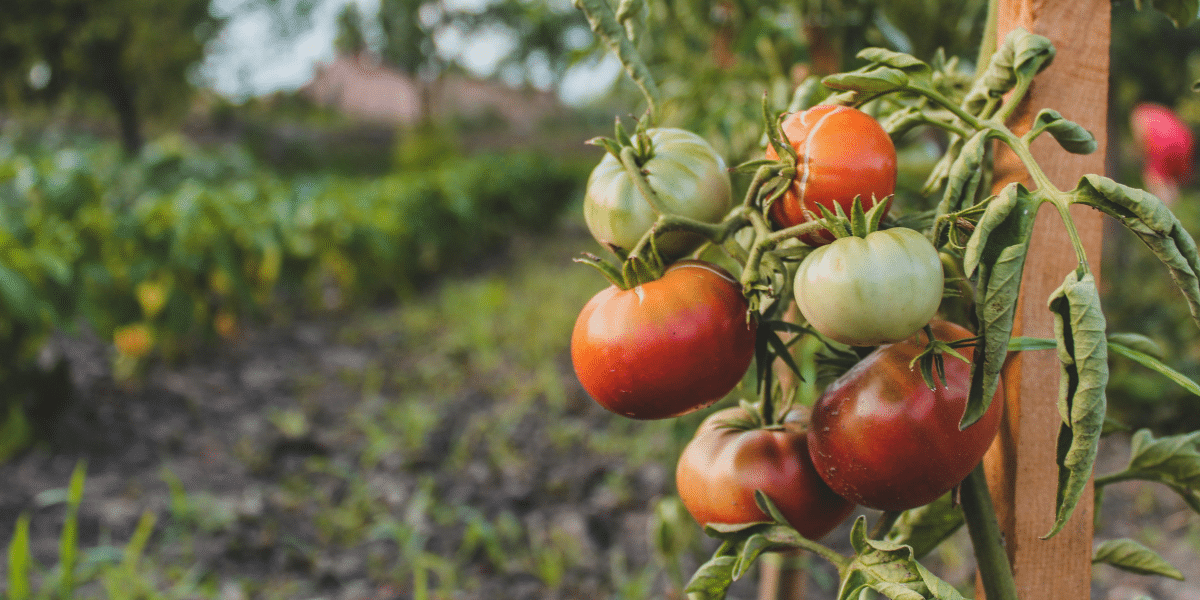
Growing produce in urban settings enhances health by providing access to fresh, organic fruits and vegetables. These homegrown foods contain higher nutrient levels compared to store-bought counterparts, as I can pick them at their peak ripeness. Vitamin-rich options like tomatoes and leafy greens support better dietary intake. Urban gardening reduces the need for chemical pesticides, promoting cleaner eating and lowering exposure to harmful substances. By cultivating nutritious crops, like dwarf cherry trees, I enjoy natural, unprocessed snacks right from my backyard.
Environmental Impact
Urban gardens significantly benefit the environment through reduced carbon footprints and improved air quality. By growing produce locally, there’s less reliance on long-distance transportation, thus decreasing greenhouse gas emissions. I contribute to biodiversity by planting various species, and this supports pollinators like bees. These green spaces help lower urban heat, providing cooler microclimates in concrete-heavy areas. Water-efficient methods, like drip irrigation, conserve precious resources while nurturing plant health. Overall, my small efforts create a ripple effect that positively impacts ecological sustainability.
Community and Social Benefits
Homegrown produce fosters stronger community ties and social interactions among urban residents. Community gardens act as gathering hubs where I collaborate with neighbors on planting and harvesting efforts. Sharing excess produce promotes a spirit of generosity and collective self-reliance. Engaging in group gardening activities bridges cultural gaps and encourages knowledge exchange, enhancing community resilience. These shared green spaces offer therapeutic benefits, reducing stress for city dwellers. Through communal involvement, I help create a vibrant, inclusive community committed to sustainable urban living.
Popular Methods of Urban Gardening
Urban gardening offers innovative solutions for growing produce in city spaces, combining creativity with sustainability.
Container Gardening
Container gardening transforms balconies and patios into productive spaces. Growing vegetables and herbs in pots enables city dwellers to cultivate fresh produce despite limited space. Lightweight containers made of metal, plastic, or clay accommodate various plant types. Some urban gardeners even opt for dwarf cherry trees due to their space efficiency and abundant yield. Focusing on soil quality is crucial, using compost-enriched potting mix to help ensure healthy plant growth. Containers importantly provide flexible placement options, allowing individuals to help maximize sunlight exposure.
Vertical Gardening
Vertical gardening creatively uses walls and fences to expand growing space upward. By stacking or hanging plants, gardeners can grow vegetables and flowers in tight areas. Fabric pockets, trellises, and modular systems support vertical growth. This method increases yield by utilizing every inch of space and improving air circulation for plants. Vertical gardens also enhance urban aesthetics by adding greenery to mundane structures. These systems help reduce urban heat and purify the air, creating a healthier environment in city settings.
Hydroponics and Aquaponics
Hydroponics and aquaponics offer soil-less growing solutions, ideal for urban settings. Hydroponics involves cultivating plants in nutrient-rich water, boosting growth rates and conserving water. Aquaponics combines hydroponics with aquaculture, using fish waste as fertilizer. These methods allow gardeners to produce high yields in confined areas without the constraints of traditional soil gardening. Both systems significantly decrease the need for pesticides by maintaining a controlled environment. Moreover, they offer educational opportunities for city residents to engage with sustainable farming techniques.
Challenges Faced by Urban Gardeners
Urban gardeners face unique challenges when cultivating produce in city environments. Despite their enthusiasm and dedication, several constraints impact their gardening efforts.
Space Limitations
Urban spaces often lack the necessary room for extensive gardening. Apartments and shared housing provide limited outdoor areas, forcing gardeners to maximize every inch. Strategies like vertical planters and compact dwarf cherry trees help overcome these limitations, but they can be tricky to manage without proper planning. Rooftop gardens offer additional space, though accessibility and structural integrity pose concerns. Balconies serve as another option, demanding careful arrangement to help ensure adequate sunlight and airflow. Skilled planning remains a necessity in these confined areas.
Resource Availability
Access to essential gardening resources in urban areas presents challenges. Soil quality often falls short, necessitating the purchase of nutrient-rich soil or alternatives like hydroponics. Water scarcity can complicate maintenance, especially in drought-prone regions. Reliable tools become vital, yet sourcing high-quality equipment can be inconvenient and expensive within city limits. Urban gardeners must navigate these obstacles, balancing sustainability with practical needs to foster healthy, thriving produce.
Published by: Annie P.