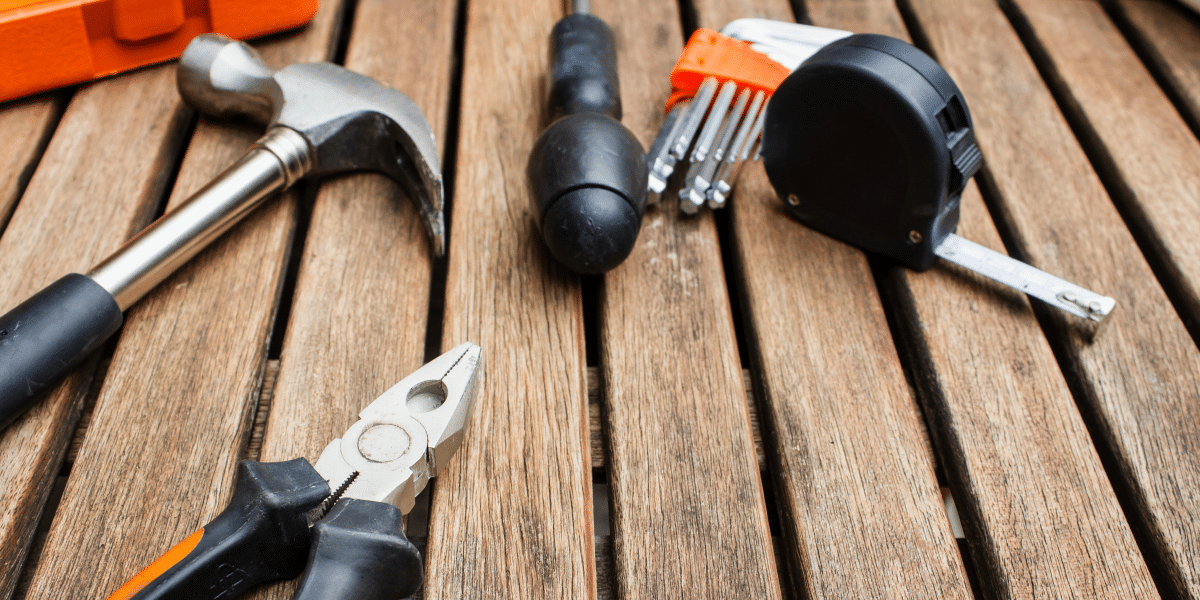


In today’s world, appliances are integral to people’s daily routines, making household tasks more efficient and manageable. However, when an appliance breaks down, it can disrupt lives and lead to costly repairs. This guide aims to empower you with the knowledge to perform DIY repairs on common household appliances. Not only can this potentially save you money, but it can also give you a sense of accomplishment. Before diving into any repair, prioritize safety by unplugging the appliance and wearing protective gear.
Essential Tools for DIY Appliance Repair
Basic Hand Tools
Petross Appliance Repair suggested that to tackle most appliance repairs, you’ll need a set of essential hand tools:
- Screwdrivers: Both flathead and Phillips screwdrivers are essential for removing screws from various appliance panels. These tools come in different sizes, so having a set can be very useful. A magnetic tip screwdriver can make handling screws easier, especially in tight spaces.
- Pliers: Needle-nose pliers and slip-joint pliers help grip and manipulate small components. Needle-nose pliers are perfect for reaching into tight spaces, while slip-joint pliers offer an adjustable grip for various tasks.
- Wrenches: Adjustable wrenches are versatile tools for loosening and tightening nuts and bolts. They come in handy when dealing with different sizes of fasteners without needing multiple wrenches.
Specialized Tools
Some repairs might require specialized tools:
- Multimeter: This device is crucial for diagnosing electrical issues by measuring voltage, current, and resistance. It’s indispensable for checking the functionality of electrical components and ensuring they’re getting the correct power supply.
- Nut Drivers: These are similar to screwdrivers but designed to turn nuts and bolts. Nut drivers come in various sizes and are particularly useful for appliances that use hex-head screws.
- Appliance-specific tools: Some appliances may require unique tools, like a washing machine spanner wrench or a refrigerator coil cleaning brush. Investing in these tools can make the repair process more efficient and ensure you don’t damage any components.
Common Appliance Problems and How to Fix Them
Refrigerator Issues
Refrigerators are one of the most critical appliances in any household. Common problems include:
- Temperature problems: If your refrigerator isn’t cooling properly, check the thermostat settings, clean the condenser coils, and ensure the door seals are intact. Dirty coils can reduce cooling efficiency, and a faulty thermostat might need recalibration or replacement.
- Ice maker malfunctions: Ensure the ice maker is turned on, check the water supply line for blockages, and replace the water filter if necessary. Sometimes, ice buildup can block the mechanism, so defrosting might also help.
- Unusual noises: Noises can be caused by a malfunctioning fan, compressor, or motor. Identify the source and replace the faulty part if necessary. Vibrations or rattles often indicate loose parts that need tightening or replacement.
Washing Machine Troubles
Washing machines can experience several issues:
- Drum not spinning: This can be due to a broken drive belt, a faulty lid switch, or a problem with the motor. Inspect these components and replace them if needed. Sometimes, resetting the machine or clearing out an unbalanced load can resolve the issue.
- Water leakage: Check the hoses and connections for any signs of wear or damage. Tighten loose connections or replace the hoses if necessary. Ensure the door seal is clean and intact to prevent leaks during cycles.
- Error codes: Refer to the user manual to interpret the error codes displayed on your machine. These codes can guide you to the specific issue that needs fixing. Resetting the machine or running a diagnostic cycle might clear the code.
Dishwasher Dilemmas
Dishwashers can also face a variety of problems:
- Dishes not cleaning properly: Clean the filter, check the spray arms for blockages, and ensure the detergent dispenser functions correctly. Hard water deposits can also affect cleaning performance, so using a rinse aid can help.
- Water not draining: This could be due to a clogged drain hose or a faulty drain pump. Inspect and clean the hose and replace the pump if required. Regularly clean the filter to prevent debris buildup.
- Door latch issues: Check the latch and strike plate for alignment and damage if the door doesn’t close properly. Adjust or replace these parts if necessary. A secure door is essential for proper operation and safety during cycles.
When to Call a Professional
Chris Langley, the director of Bifold Doors, shares that while DIY repairs can be rewarding, it’s essential to recognize when a problem is beyond your expertise:
- Complex electrical issues: If you’re not confident handling electrical components, it’s best to call a professional to avoid the risk of electrocution. Electrical problems can be tricky and dangerous, requiring specialized knowledge and tools.
- Major component replacements: Replacing significant parts like a compressor, motor, or control board can be complex and costly. A professional can ensure the job is done correctly, saving you from potential mistakes and further damage.
- Persistent problems: If you’ve tried multiple fixes and the issue persists, it’s time to seek professional help. Using a malfunctioning appliance can lead to further damage and higher repair costs.
Key Takeaway
DIY appliance repair can be valuable, potentially saving you time and money while providing a sense of accomplishment. Many common appliance issues can be easily resolved with the right tools and knowledge. However, always prioritize safety and know your limits. Don’t hesitate to call a professional if a repair seems too complex. Maintaining and repairing your appliances can extend their lifespan and ensure they continue to serve you well.
Published by: Martin De Juan