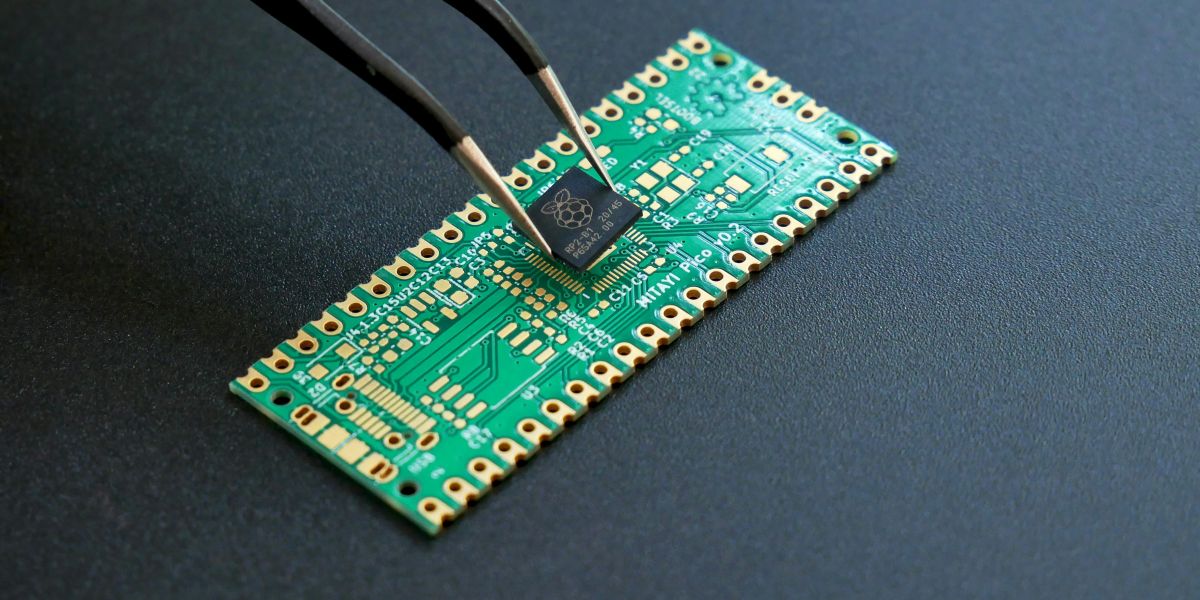


Everything from our smartphones to the massive data centers used for AI and cloud computing is powered by something that plays a central role in technology today: semiconductors. These are the core components of digital innovation, and their reliability and performance are important for the proper functioning of our digital world.
However, the complexity of non-visible components is often overlooked as devices and processed chips are manufactured. Even the smallest particles in electronics could compromise functionality. A single contamination or defect can significantly impact yield, performance, and other related aspects.
This is where the importance of the semiconductor cleaning process becomes evident. While other highly detailed technologies, such as lithography or etching, tend to take the spotlight, cleaning remains essential. Without its thorough execution, achieving node scaling and maintaining consistent quality can be challenging.
What Is Semiconductor Cleaning and Why Does It Matter?
During the chip design process, numerous particles and contaminants are created. Cleaning, as straightforward as it may seem, is the final step in chip design that ensures the remaining processes have been executed to optimize the chip’s functionality. Without achieving proper cleaning, advanced lithography, etching, and other processes that help define the chip may not perform optimally.
Beyond the Wafer – Cleaning the Equipment Too
Just like the PVD tools and chambers, which accumulate ‘skip’ build-up, the equipment itself needs to be cleaned. Over time, residue builds up on the chamber walls, liners, and shields, creating surfaces that can flake off and potentially damage wafers.
Unpredictable changes can occur if, and only if, the deposition process is not controlled. Cleaning the equipment is important to maintain the deposition process control, which, in turn, can help improve the durability and consistency of the deposition of components.
The Link Between Cleaning, Yield, and Reliability
The relationship between cleaning and chip performance is directly related. Improper cleaning can lead to particle defects, damaged chips, and lower MWBC (Mean Wafers between Cleaning), which is a key benchmark in the industry.
Reliability is not the only benefit, as cleaned equipment tends to result in chips that perform consistently over time. Stronger margins, faster time to market, and greater trust in the end product are often the results of the process.
Challenges Semiconductor Manufacturers Face
Maintaining the cleanliness and effectiveness of production lines is a complex challenge. As semiconductors shrink and become more intricate, manufacturers must contend with issues of yield, reliability, and profitability.
Contamination Risks in PVD Chambers
PVD chambers are essential for coating rigid substrates with thin films, but these chambers themselves can be a significant source of contamination. Over time, layers of deposited material on chamber walls, shields, and liners are prone to buildup, which, if flaked off, can lead to particle contamination of wafers.
Chamber cleanliness issues can affect the uniformity of films and device performance. For advanced nodes with tight tolerances measured in nanometers, small inconsistencies in the chambers can negatively impact the function of the chips.
Cost and Downtime Pressures
Manufacturers are increasingly aware of the time and monetary costs associated with the cleaning cycle. Equipment downtime and throughput must be balanced with cleanliness and output maximization, as these are the primary forces driving the industry.
Adding to this challenge is the cost of reclaiming precious metals like gold, platinum, and palladium. Inefficient recovery methods can result in significant monetary loss, making the issue not just a technical problem but also an economic one.
Precision at Nanoscale
As semiconductor devices decrease in size, the scope for error becomes narrower. A single particle, a tiny scratch, or even a slight change in the thickness of a deposition layer can cause an entire device to fail.
Cleaning becomes more critical as the precision required for these tiny devices is crucial. The expectations for reliability span numerous industries, including electronics, aerospace, and automotive.
How Advanced Semiconductor Cleaning Solves These Challenges
The challenges of contamination, cost, and nano-precision extend beyond standard cleaning. Advanced cleaning methods, surface treatments, and other engineering techniques are employed to ensure reliable yield and consistency while also addressing cost efficiency.
Precision Cleaning & Surface Treatments
Chemical Etching – Reliable Removal of Deposits
Stubborn residues on PVD shields, liners, or other chamber components can be removed through chemical etching. This method is different from other scrubbing techniques because it safely removes filled residues from sensitive surface components. It restores components and shields to their original condition.
Twin Wire Arc Spray (TWAS) – Textured Coatings for Stability
Adhesion and overall reduction of particle shedding from deposition films on chamber parts are improved by applying metallic, textured coating deposition. This treatment also helps stabilize the chamber for longer periods, reducing contamination and defects during runs.
Plasma Spray Coatings – Durable Ceramic Protection
Shields and liners can be coated with advanced ceramics, such as Aluminum Oxide (Al₂O₃) or Yttrium Oxide (Y₂O₃), which are resistant to erosion. This coating helps extend the lifespan of shields and reduces the downtime associated with frequent replacements.
Ultrasonic Cleaning – Gentle Yet Effective
Ultrasonic cleaning is useful for delicate objects. This technique uses high-frequency sound waves to lift particles from surfaces without physically contacting them, reducing the risk of damage.
High-Pressure Deionized Rinse – Precision for Delicate Parts
When necessary, high-pressure deionized (DI) rinses offer up to 600 PSI of pure water. This method effectively removes microscopic residues from critical components, ensuring there are no harmful chemical leftovers.
Metal Reclamation for Cost Efficiency
Aside from the cleaning process itself, fabs also gain significant value from recovering precious metals like gold, platinum, and palladium. Chemical reconcentration systems offer better results than mechanical systems for this recovery. These systems not only reduce waste but also contribute to sustainability by making chip manufacturers more cost-efficient and eco-friendly in light of rising material costs.
Engineering Support & Custom Solutions
Advanced cleaning systems are not only providers of cleaning solutions. They also offer customized solutions to meet the unique needs of each fab. Precision instruments, such as CMMs and CAD, allow for the accurate reproduction of gaps from old and specialized tools, ensuring systems are reliable and meet modern fabrication standards.
Spotlight on VEM – Your Partner in Semiconductor Cleaning
In semiconductor manufacturing, finding a partner that understands both the technical and business demands of chip production is crucial. VEM’s Shield Kit Cleaning Services are designed to address this by offering precision cleaning alongside reclamation, inspection, and engineering expertise.
A Full-Service Approach
VEM is committed to not just cleaning but to offering a comprehensive closed-loop process that ensures all components are carefully cleaned, valuable materials are reclaimed, and parts are inspected before being returned to production. This streamlined process results in faster turnaround times and improved quality for fabs.
Facilities and Expertise
Based in Silicon Valley, with an additional facility in Dallas, VEM has supported leading factories globally since 1987. The company has built a strong reputation for reliable and technically advanced services. To maintain semiconductor production, VEM adheres to the stringent Class 100 cleanroom standards.
VEM’s experience in next-gen chip production allows them to anticipate evolving production needs and provide tailored support to meet those demands.
Why It Matters for Chipmakers
VEM’s services offer tangible benefits, including cleaner tools that help reduce particle defects and improve yields, leading to more reliable chips. In the semiconductor industry, every hour counts, and the slight improvements offered by VEM can significantly enhance chip reliability.
The Future of Semiconductor Cleaning
As integrated circuit technology continues to evolve, the cleaning of semiconductors will remain a critical process. Future advancements will be focused on precision, supporting cutting-edge applications, and sustainability.
Growing Demand for Precision
With technology nodes shrinking into the nanometer range, there is virtually no margin for error. The cleaning process will remain essential to ensure the yield and reliability of future technologies. Highly controlled cleaning cycles will focus on optimizing detection and removal of contaminants.
Sustainability as a Priority
The industry is increasingly prioritizing the recovery of precious metals like platinum, palladium, and gold, which helps reduce operational costs while also minimizing resource depletion. Fabs are also adopting more eco-friendly cleaning processes that reduce waste and optimize water-to-chemical ratios.
Supporting Next-Gen Technologies
Emerging technologies such as AI, 5G/6G networks, and high-performance computing are raising the bar for chip manufacturing. These technologies rely on chips with high-density, high-performance components, and thus the demand for clean manufacturing environments will continue to grow. The evolution of chip manufacturers will always depend on the effectiveness of semiconductor cleaning.
Summary– Clean Equipment, Better Chips
Semiconductors, though hidden within a chip’s intricate and multistage manufacturing process, have a profound impact on overall device performance. Cleaned semiconductors contribute to improved yield, reduced expenditures, and extended equipment lifespan. However, achieving these results requires maintaining the precision necessary for manufacturing chips.
VEM services, along with other advanced cleaning solutions, offer effective removal of contaminants while enhancing the productivity of semiconductor manufacturing. Clean fabs contribute to the production of more reliable chips, and that reliability begins with efficient semiconductor cleaning.