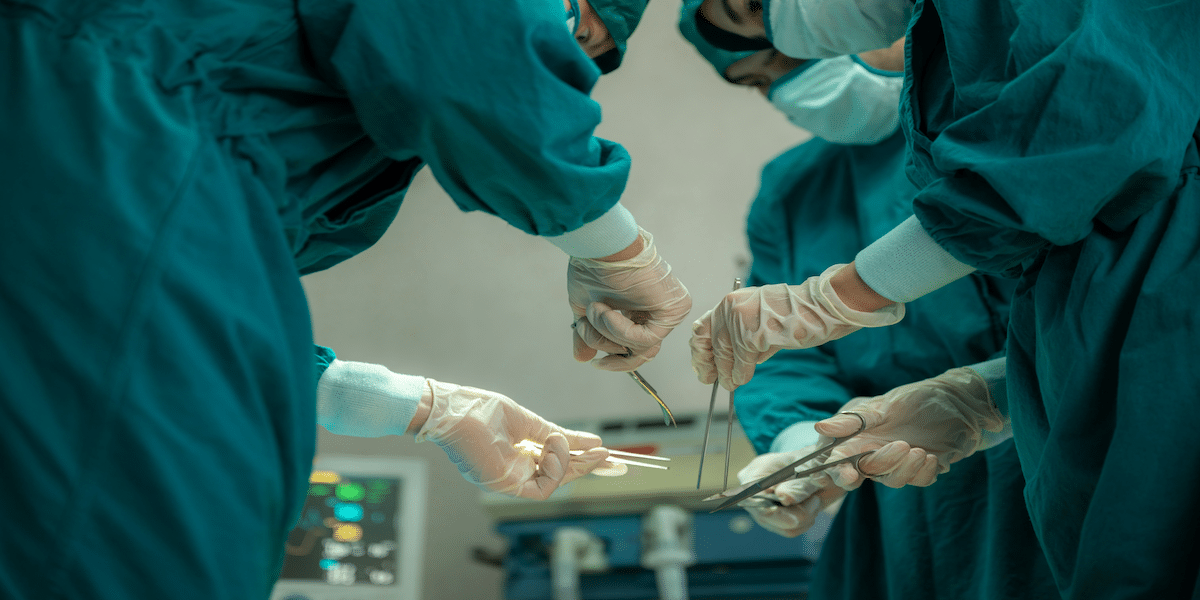


Image commercially licensed from Unsplash
Technology is increasing in every sector, and healthcare is no exception. While it enhances many services, saves time and provides enhanced means of diagnosing and treating patients, what happens when it goes wrong? A NJ medical malpractice lawyer that, despite the introduction of higher-level technologies, there are still many more malpractice issues that they would like to see. Each year in America, over 100,000 people are killed or injured because of medical errors.
The Medical Malpractice Problems
The most likely causes are down to anaesthetic errors, birth injuries, surgical errors, delays in treatment, missed diagnosis, or neglect in the emergency room. Whatever the error, it is fair to assume that in this day and age of medical technology, we will be part of your healthcare setting.
The Benefits of Technology in Healthcare
Technology has certainly created a lot of positive benefits for the healthcare sector. Many breakthroughs in lesser-known conditions have meant that doctors are better able to understand, diagnose and treat them. They have accelerated the rate at which certain problems can be picked up, which leads to a better prognosis. A lot of medical technology is designed to free up time for healthcare professionals so that they can be with their patients more. Patients living in rural areas have been able to experience better healthcare once their surgery was able to connect to the wider world and access more information. Recordkeeping has become streamlined, and the risk of human error has been significantly minimised. However, that does not mean that things cannot go wrong.
The Potential Downsides of Medical Technology
One thing that often happens is mistakes are made during the induction period while members of staff are getting used to the new technology. It may be that they forget a step or incorrectly use the system, meaning that information could be missed or entered in error with dire consequences. For example, if a decimal point is entered incorrectly when medication is being ordered, the patient may experience a deadly overdose. Treatment could be impacted if any of the information is processed incorrectly, so a lot of care still needs to be taken.
What If Technology Malfunctions?
Technology does have the capability to fail; whether it is because of the components or because of the human user, mistakes can still happen. It is really important that technology does not use up the complex training undertaken by healthcare professionals. If your instinct tells you that something is off with a receipt delivered by technology. This should be challenged. Common sense and knowledge should always prevail, and tests can be re-run to confirm results. If we strike a balance between the advantages of technology and the skills of a healthcare professional, hopefully, the incidence of medical malpractice can be significantly lower. One of the things it does is provide a trail of evidence in the form of emails and computer-sent orders, making it easier to establish what went wrong both for medical malpractice lawyers and for the ongoing learning of medical practice.