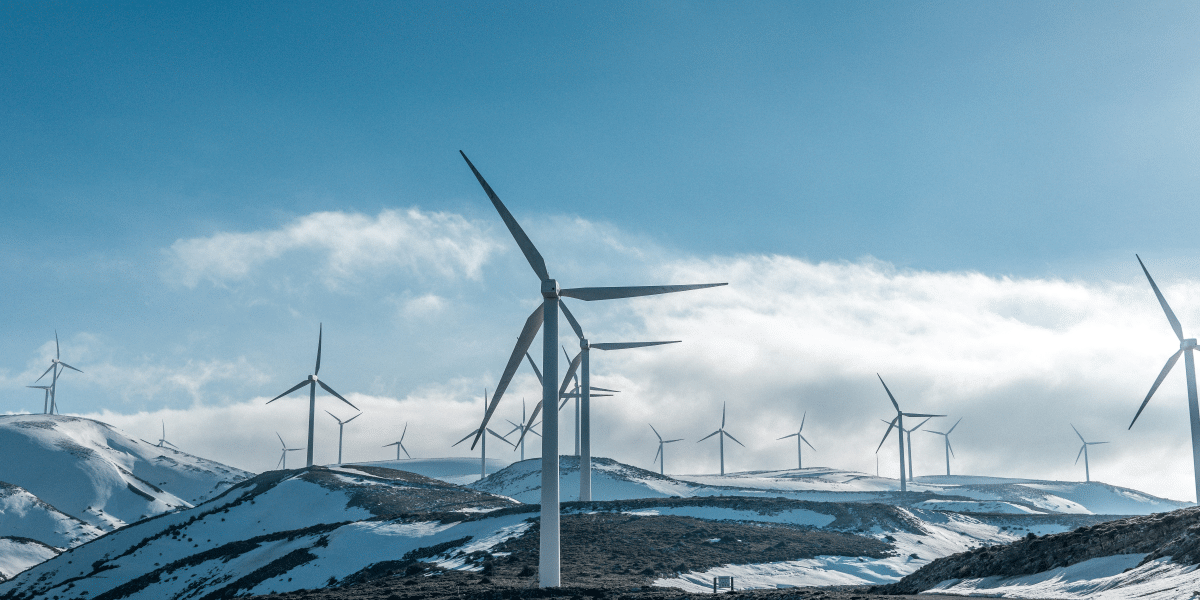


The energy industry is rapidly changing due to significant technological developments. This shift is steering us towards greener and more efficient energy use, driven by substantial advancements in renewable sources like solar and wind, improved battery storage, smarter electricity networks, and artificial intelligence.
This article explores ten technology trends that are defining the future of the industry, promising not only enhanced efficiency and sustainability but also crucial in meeting the growing global demand for clean energy.
Renewable Energy Tech
Renewable energy technology is rapidly improving and becoming more affordable, making solar, wind, and hydropower increasingly practical and cost-effective. Recent advancements in solar panel materials and wind turbine designs are making these energy sources not only easier to use but also more efficient. Improvements in hydroelectric power are enhancing existing facilities and enabling smaller projects.
Advanced battery technologies, such as lithium-ion, are not only improving in capacity and lifespan but also in safety and energy density. Additionally, flow batteries are becoming increasingly viable for large-scale and long-duration storage. These advancements in energy storage systems are vital for stabilizing the energy supply, promoting the use of renewable energy sources, and expanding their applications—from grid storage to electric vehicles.
Data Plates
One of the emerging tech trends is data plate utilization. When you speed up equipment inspections, you significantly conserve energy. This efficiency can be achieved through data plates, which help monitor and manage energy usage more effectively. Data plates are informational labels or tags typically attached to machinery and equipment that contain vital data such as model numbers, specifications, operational limits, and other manufacturer-provided details. This allows maintenance teams to quickly understand the capabilities and specifications without referencing manuals or online resources. Data plates shorten the duration of inspections, ensuring that equipment gets back online faster.
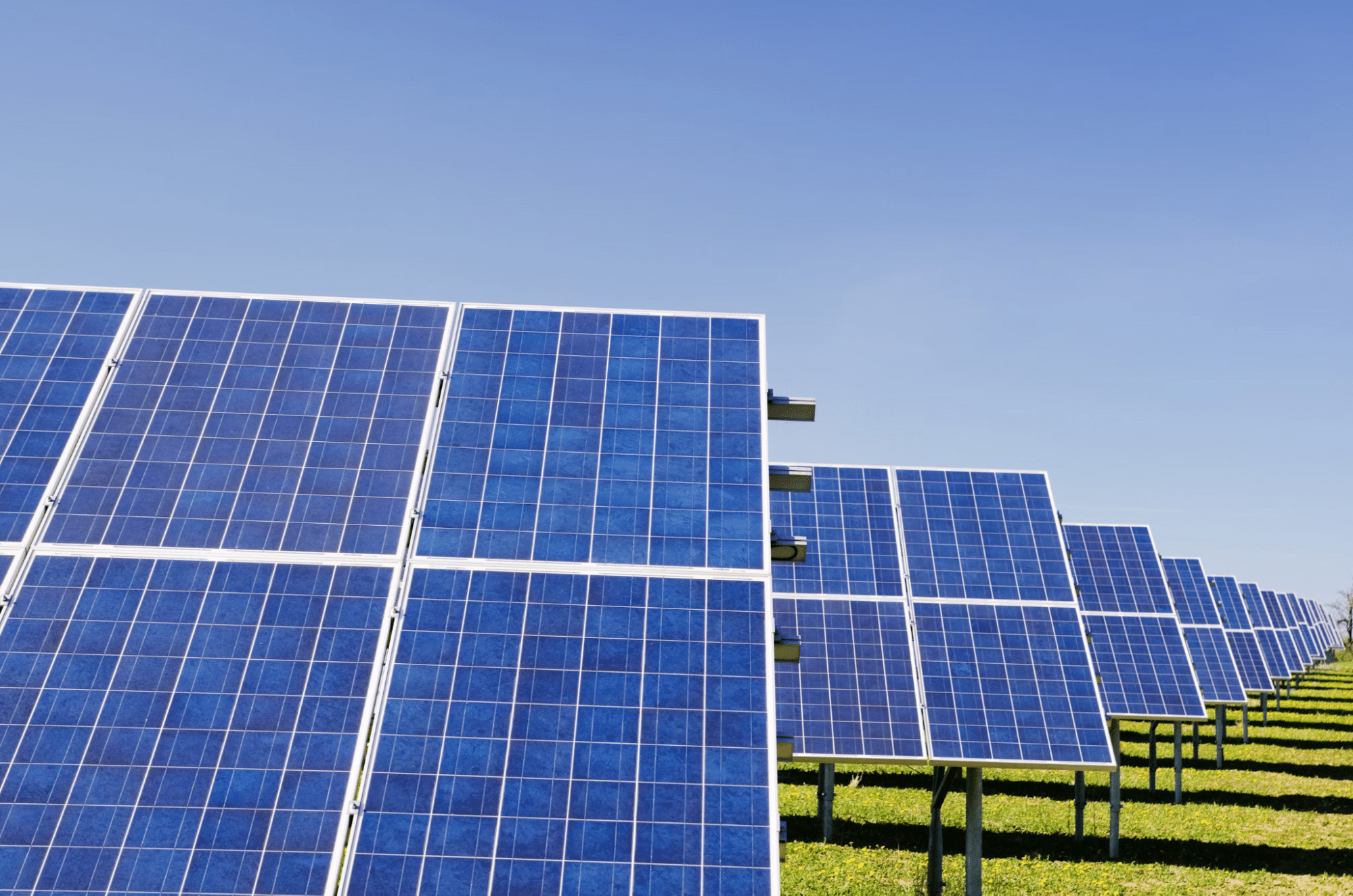
Photo: Unsplash.com
Smart Grid Technology
Smart grid technology is crucial for integrating renewable energy sources into the power grid in smart cities. It uses digital communication to detect and adapt to changes in local energy usage, improving both the efficiency and reliability of electrical distribution. Additionally, smart grids facilitate two-way communication between utilities and consumers, enabling dynamic pricing, energy savings, and more efficient energy consumption patterns.
Internet of Things (IoT) Integration
The Internet of Things (IoT) is changing how we manage energy by linking devices like smart meters and electric vehicles to gather and analyze data in real-time. This technology allows power companies to monitor energy usage, quickly spot power outages, and fix issues before they become problems, making the energy system more dependable. For consumers, IoT provides insights into energy usage, allowing them to adjust habits and reduce costs. Additionally, IoT supports the development of smart homes and cities, optimizes energy use, and enhances the integration of renewable sources, promoting greater efficiency and sustainability.
Hydrogen Fuel Technology
Digital transformation in the energy sector involves hydrogen fuel technology. Innovations in hydrogen production, storage, and fuel cell efficiency are making this technology more viable. Hydrogen, when produced via electrolysis using renewable energy, offers a high-energy, zero-emission fuel option, particularly for industries that are hard to electrify.
Carbon Capture, Utilization, and Storage (CCUS)
As the world aims for net-zero emissions, technologies that capture carbon dioxide emissions are critical. Advances in materials science are improving efficiency and reducing the cost of carbon capture technologies, making them an essential component of the global strategy to combat climate change. This can be achieved through cloud computing and process automation.
Advanced Nuclear Reactors
Advanced nuclear reactors significantly advance nuclear technology. SMRs enhance safety and cost-efficiency with their modular design suitable for various locations, while thorium reactors improve fuel efficiency and generate less radioactive waste compared to traditional uranium-based systems. These innovations mitigate common issues like safety risks and high waste production in nuclear power, providing a stable, low-carbon energy source that complements intermittent renewables, thus supporting a sustainable and secure energy future.
Nanotechnology can contribute to the efficiency and safety of nuclear reactors. For example, nanostructured materials could be used to improve the heat transfer properties of nuclear fuels or to develop better radiation shielding materials, which can enhance reactor performance and safety.
Artificial Intelligence and Machine Learning
These technologies optimize energy production and grid management. They can predict energy demand and adjust production accordingly, manage grid stability, and even control energy consumption in buildings through smart building technologies. These tools are also invaluable in predictive maintenance for energy infrastructure, reducing downtime and extending equipment life.
Virtual Power Plants
Virtual power plants (VPPs) are networks that link decentralized energy sources like wind farms and solar parks with consumers and storage systems. Managed through sophisticated software, VPPs coordinate these elements as a single, adaptable unit within the power grid. This setup enhances grid resilience by swiftly adjusting to energy supply and demand changes and increases efficiency by redistributing excess power as needed. VPPs are crucial for integrating renewable energy, enhancing system efficiency, and stabilizing the grid, contributing to a more sustainable and flexible power infrastructure.
Conclusion
The energy sector’s transformation is being driven by a synergy of technologies that not only promise to make energy use more efficient but also reduce its environmental impact. The future of energy looks increasingly sustainable and resilient, promising a cleaner, more efficient world. Each trend is a piece in the puzzle of energy transformation, and together, they are redefining the boundaries of what’s possible in the energy sector.
Published By: Aize Perez