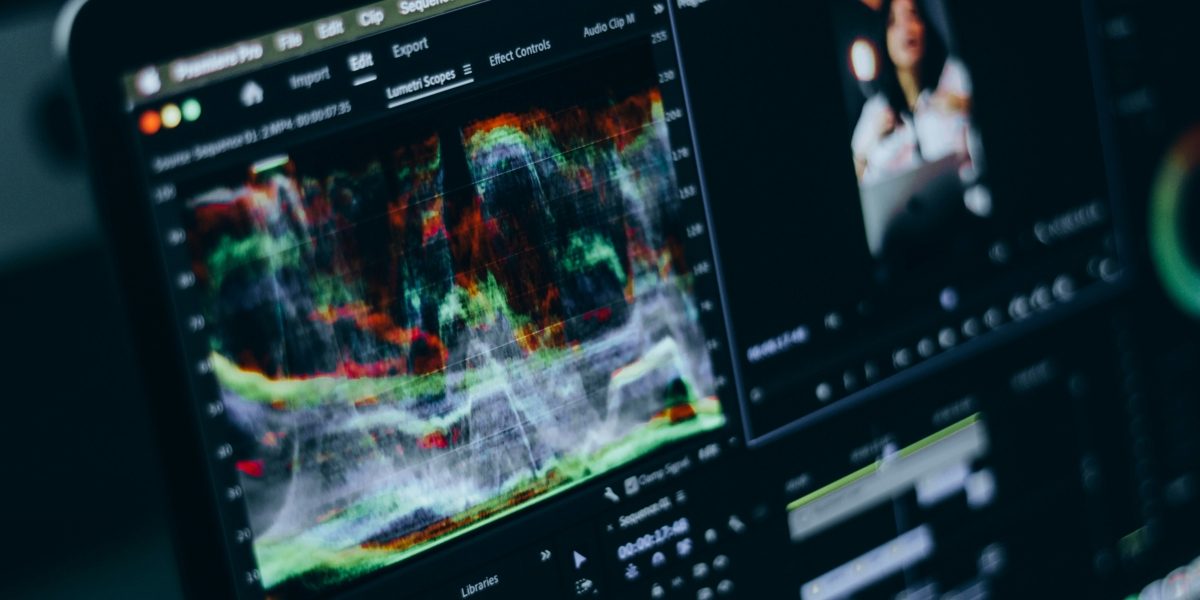

Artificial intelligence is changing how digital video gets planned, produced, and adapted for different audiences. The Seedance 2.5 AI video generator belongs to a wider group of tools built to turn written concepts and visual instructions into usable video with fewer manual production steps. As the technology matures, creators and marketing teams are looking harder at how these systems fit into a working content process rather than treating them as experiments to play with on the side.
What the Seedance 2.5 AI video generator brings to AI video production
Newer AI video systems have been built around one problem: making generated footage coherent and controllable enough for real creative work. Earlier text-to-video experiments often produced short clips that looked interesting but were awkward to fit into a broader production process. The newer generation targets people who need specific scenes, a consistent visual direction, and content that can be adapted for different formats.
The Seedance 2.5 AI video generator sits inside that category. Its relevance comes from the wider improvement in AI-assisted video generation, where a creator describes a scene, a concept, a movement, or a visual sequence and uses that description as the starting point for production. Rather than opening every project with cameras, locations, actors and a heavy edit, ideas can be explored digitally first, and only the ones worth developing go further.
Human creativity does not disappear here. It moves. Writers and designers spend more time on concept, storytelling, messaging, and audience expectations, while AI handles part of the early visual development.
More efficient workflows for content teams
Workflow efficiency is the most practical gain. Conventional video work runs through scripting, storyboarding, filming, asset collection, editing, sound design, and formatting. Even a short social media video can take surprising coordination.
AI-generated video can cut time out of some of those early stages. A marketing team might start with several campaign concepts and build visual drafts to compare them. Instead of committing to a full production straight away, they can use generated scenes to judge pacing, composition, and storytelling direction.
Iteration gets cheaper too. When a concept fails to carry the intended message, the fix happens at the prompt or planning stage rather than in a fresh filming session.
Applications in marketing campaigns
Marketing is one area where this has practical value. Brands routinely need several versions of the same creative material for different platforms, audiences and campaign stages. A single campaign can call for short vertical videos, product explainers, promotional visuals, educational clips and variations built for individual social channels.
AI video generation can help teams work those variations out from one initial creative concept. A campaign built around a new product could use generated scenes to test possible environments, customer situations, or visual themes before committing production resources.
Smaller marketing teams without much video-production capacity stand to gain here as well. Generated material still needs editorial review, though. Brand guidelines, factual accuracy, visual consistency and audience suitability stay with people, not with the tool.
Social media and short-form content
Social platforms have created constant demand for fresh visual material. Creators need to test different hooks, formats and storytelling approaches while holding a consistent publishing schedule.
The Seedance 2.5 AI video generator fits into that as one step in a concept-development workflow. A creator can start with a written idea, generate a preliminary sequence, review the result, then refine the concept before publishing it or combining it with other assets.
The advantage is biggest on subjects that are difficult or expensive to film. Abstract ideas, imaginative environments, historical settings and conceptual scenes can potentially be visualized without conventional production arrangements.
Supporting visual storytelling
Marketing is not the only use. Educators, independent creators, publishers and media teams can use generated visuals to work out how to present information or a narrative concept.
An educational video about a scientific process might use AI-generated scenes as supplementary visuals. A storyteller might use generated sequences to picture a fictional setting. The technology works as another medium for developing visual ideas rather than a substitute for conventional storytelling.
Quality control still matters. Generated scenes can carry inconsistencies in objects, movement, text or character details, and human review is necessary wherever accuracy or continuity counts.
Responsible use of AI video
Easier access brings its own questions. Copyright, consent, disclosure and the risk of misleading synthetic media all need attention. Generated content should not be presented as authentic footage where doing so could mislead viewers.
Professional workflows should keep fact-checking and editorial review in place, particularly when generated video carries news, education, public information or commercial claims.
A changing role for human creators
Tools such as the Seedance 2.5 AI video generator point toward a production environment where producing a first visual draft becomes far easier. The skill that matters more than is knowing what to create, how to describe it, and how to judge whether the result actually supports the intended message.
AI speeds up experimentation. Creative judgment stays where it was. Narrative structure, emotional tone, cultural context, audience relevance, and final presentation are not decisions to hand off to an automated system.
Workflow flexibility may be the real contribution. Instead of replacing established production methods, these tools give creators another route to test ideas, produce visual drafts, and move from concept to finished storytelling with fewer obstacles.