

Effective IT management plays a pivotal role in businesses’ success in today’s fast-moving landscape. Remote Monitoring and Management (RMM) software provides a solution for overseeing, controlling, and automating IT tasks from a distance. As technology advances, staying abreast of RMM software trends is essential for shaping the future of IT management.
This article explains what is RMM and explores RMM software trends that are reshaping how IT management functions.
1. Cloud-Based RMM Solutions: Empowering Remote Management
The influence of cloud-based solutions has revolutionized sectors, including IT management. Through cloud-based RMM software, organizations can remotely control their networks, devices, and systems from any location with internet access. This eradicates the necessity for on-site visits while ensuring monitoring and prompt issue resolution.
2. Streamlining Operations through Automation
Automation is gaining prominence within IT management processes by enabling professionals to allocate time to responsibilities. Modern RMM solutions integrate automated workflows to handle tasks such as applying software updates or conducting maintenance checks efficiently. By automating these activities, companies can enhance efficiency while ensuring consistent performance levels and minimizing downtimes.
3. Fortifying Security Measures
As cyber threats evolve, it is crucial to incorporate security measures across all IT management aspects. Modern Remote Monitoring and Management (RMM) software offers functions such as monitoring endpoint security, detecting intrusions, and conducting vulnerability assessments to protect networks and devices from attacks.
4. Utilizing PSA Tools
Professional Services Automation (PSA) tools provide an array of functionalities for project management, ticket handling, inventory control, and CRM operations. Integrating RMM platforms with PSA solutions promotes cooperation among departments in effectively managing client requests or projects and also promotes sustainable tech.
5. Harnessing Artificial Intelligence (AI) for Problem-Solving
The rise of AI-driven technologies is transforming how businesses oversee their IT infrastructure efficiently. Many RMM software now utilize AI-powered algorithms to analyze data, offer insights, and detect issues proactively before they escalate. These AI capabilities support proactive IT management practices and streamlined issue resolution.
6. Managing Mobile Devices Effectively
Mobile Device Management (MDM) has become a component of IT management strategies with the increasing presence of devices in work environments. RMM software now incorporates MDM features that enable organizations to remotely manage, secure, and monitor smartphones, tablets, and other mobile devices within their premises. This ensures data security and facilitates smooth device provisioning for employees.
7. Keeping an Eye on Internet of Things (IoT) Devices
As the Internet of Things (IoT) continues to grow in industries, RMM software needs to evolve to monitor and manage these new types of devices. Monitoring devices allow businesses to supervise and ensure the operation of connected devices, like sensors, smart appliances, and industrial equipment.
8. Using Predictive Analytics for Proactive Issue Resolution
RMM software with predictive analytics capabilities provides an advantage in IT management. These tools can anticipate issues and weaknesses by analyzing data and trends before they lead to disruptions. This proactive approach enables businesses to address problems before users notice them, reducing downtime and maximizing efficiency.
9. Adhering to Regulations: Meeting Compliance Requirements
Companies must ensure that their IT management practices meet all necessary standards in today’s digital environment. RMM software can produce reports that track system activities, security vulnerabilities, and patch management status, simplifying compliance documentation for audits and regulatory assessments.
10. Providing Remote Assistance: Improving Customer Satisfaction
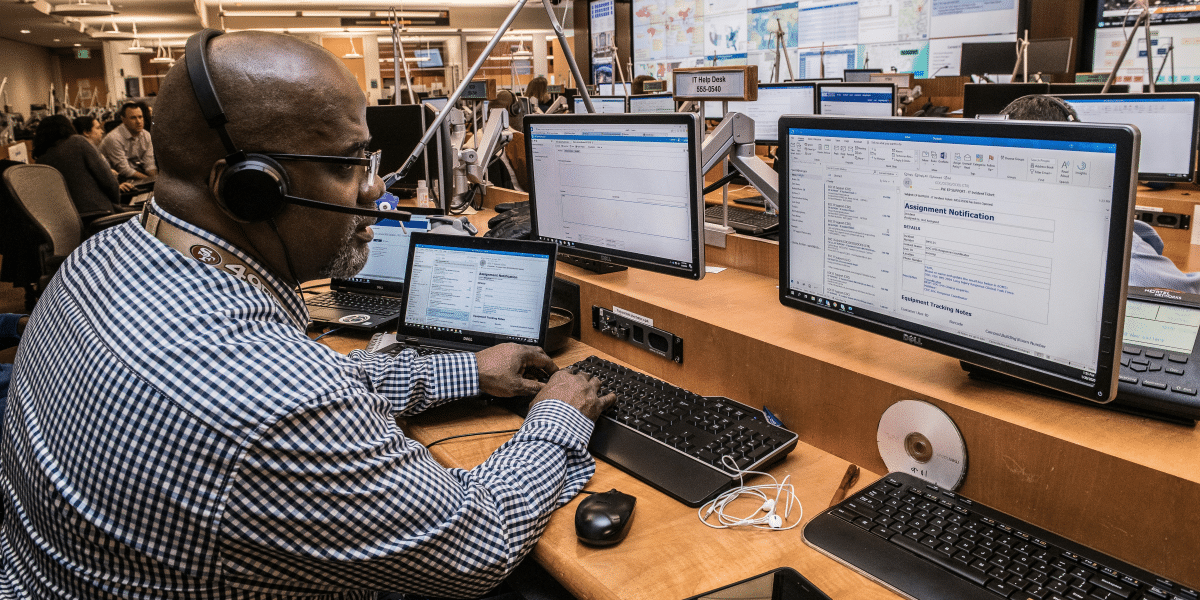
The inclusion of remote support features in RMM solutions is essential for offering assistance to end users. With remote control capabilities, technicians can remotely access devices for troubleshooting or technical support purposes. This helps make customers happier by reducing wait times and minimizing the need for in-person visits.
Conclusion
The mentioned trends are changing how IT management operates by offering solutions that improve security, boost productivity, and cut down on expenses. As technology progresses quickly, it’s crucial for businesses to keep up by adopting these trends in RMM software. By doing this, companies can enhance their IT systems and confidently navigate the changing digital landscape.
Utilizing cloud-based solutions, automation features strengthened security measures, integration with PSA tools, AI-driven technologies, MDM functionalities for mobile device management, and effective device monitoring strategies play a role in shaping a promising future for Information Technology in today’s world.
Published by: Martin De Juan