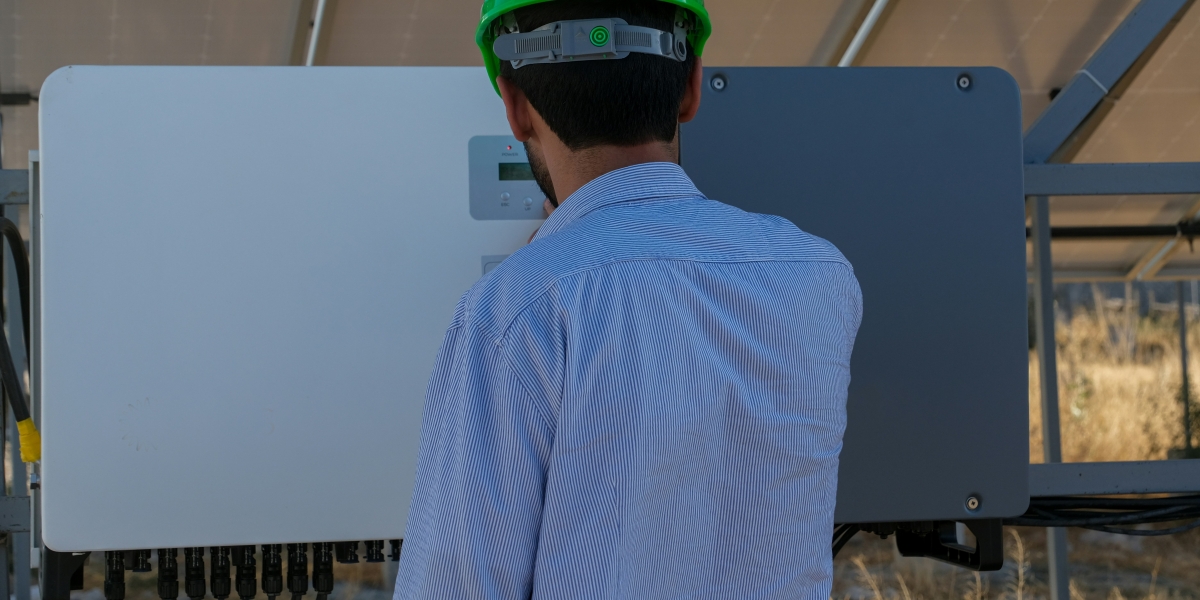


The Rack-Mounted Battery is increasingly viewed as an important component as smart homes continue to develop and sustainability becomes more integrated into modern lifestyles. This modular energy storage system allows homeowners to store solar energy, potentially reduce electricity costs, and maintain a more dependable backup power supply. All of this is made possible through a rack-based design that was once primarily associated with industrial systems.
What Is a Rack-Mounted Battery?
A rack-mounted battery is a rechargeable energy storage device installed in a metal rack or cabinet, similar to a server cabinet in a data centre. Battery modules are easily fitted into this frame, allowing users to increase storage capacity as their needs grow. Lithium iron phosphate (LiFePO4) cells are used in many systems, a chemistry widely regarded as stable and durable with a long service life.
Simply put, a rack-mounted battery is a modular, intelligent power bank for your whole home. It stores energy produced by solar panels or generated when electricity costs are relatively lower.
How It Works in a Smart Home
The following is the way a typical setup works:
- Energy Collection: Solar panels produce electricity during the day.
- Storage: The unused power is stored in the battery bank mounted on the rack.
- Usage: When the sun goes down or when demand increases, stored energy is released to the circuits of the home through an inverter.
- Smart Monitoring: Inbuilt software or a mobile application allows monitoring of real-time energy consumption, charging cycles, and performance statistics.
This intelligent communication between the battery and the home energy system can help improve efficiency, potentially lower electricity expenses, and support more sustainable household energy use.
The Benefits of a Rack-Mounted Energy Storage System
Scalability: Add or remove battery modules with relative ease as household energy requirements change.
- Safety: LiFePO4 batteries are generally considered less susceptible to thermal issues compared with some older lithium battery chemistries.
- Small Size: Racks are mounted on the wall or in a utility room and typically require limited space.
- Long Life: Many units have a life span of around or above 6,000 charge cycles, depending on usage conditions, which may translate to many years of operation in typical residential settings.
- Smart Integration: Many systems are designed to integrate with major smart home platforms and solar inverters.
An example is a 10kWh rack mount battery connected to a 5 kW solar system, which may store enough energy to support lights, appliances, and other essential electronics overnight or during certain power interruptions.
Selecting the Right Rack Battery
The following are some factors to consider when choosing a system:
- Capacity (kWh): The amount of energy that can be stored.
- Continuous Power Output (kW): This should be able to support the peak power loads of the home.
- Voltage and Compatibility: Must match the inverter and solar system.
- Cycle Life and Warranty: Some systems provide ratings above 5,000 cycles and offer warranties of around ten years, depending on the manufacturer.
- Temperature Range: Certain systems are designed to operate across a wider range of environmental conditions.
Established brands such as Dyness, Pylontech, FoxESS, and BYD are often referenced in residential and commercial energy storage discussions due to their presence in the market.
Installation and Maintenance Hints
Although the installation process must always be conducted by professionals, a safe installation normally entails:
- Location in an indoor, cool, and ventilated area
- Correct cabling and circuit breakers or fuses.
- Electrical faults should be avoided by grounding.
- Linkage to a Battery Management System (BMS) to monitor continuously
Repairs are usually minimal—the only thing to do is to keep the area clean, update the firmware, and monitor the battery health level with the help of the smart display or an app.
The Future of Home Energy Storage
With the increased use of renewable energy, the Rack-Mounted Battery will become the intelligent home power management standard. Homeowners will be able to enjoy greater efficiency and even energy trading opportunities in the near future with falling lithium prices, enhanced energy optimisation via AI, and closer integration with the grid systems.
You may be a tech fanatic, an eco-friendly house owner, or just someone who is sick and tired of paying more for the electric bill. A rack-mounted battery system can provide reliable, clean energy, at least where you need it.
Final Word on the Rack-Mounted Battery
Rack-mounted battery systems are increasingly considered a practical addition to solar-powered homes and home energy systems. As smart home technology advances, this type of modular storage may help households access cleaner power while maintaining greater control over how energy is stored and used, supporting the broader shift toward more sustainable residential energy solutions.
FAQs
1. What is a rack-mounted battery?
A rack-mounted battery is a modular energy storage system installed in a metal rack cabinet, similar to a server rack. It stores electricity, often generated by solar panels, for later use. This can help homeowners manage electricity usage and maintain backup power during outages.
2. How does a rack-mounted battery work in a smart home?
In a smart home setup, solar panels generate electricity during the day. Any unused energy is stored in the rack-mounted battery. When solar production decreases or electricity demand increases, the inverter supplies stored energy to power the home. Many systems also include smart monitoring through a mobile app.
3. What are the advantages of a rack-mounted battery system?
Rack-mounted battery systems offer scalability, space-saving installation, long cycle life, and enhanced safety, particularly when using LiFePO4 technology. They are also designed to integrate with many solar inverters and smart home energy management platforms.
4. Is a LiFePO4 rack-mounted battery safe for home use?
Yes. Lithium Iron Phosphate (LiFePO4) batteries are known for their thermal stability, long lifespan, and generally improved safety profile compared with some traditional lithium-ion battery types. When installed properly with a Battery Management System (BMS), they are widely considered reliable for residential energy storage.
5. How many kWh do I need for my home?
The required battery capacity depends on daily electricity usage and which appliances need power during outages. For example, a 10 kWh rack-mounted battery may be able to support essential loads such as lighting, refrigerators, Wi Fi, and small appliances overnight, depending on usage patterns.
6. Can I expand a rack-mounted battery system later?
Yes. One of the advantages of rack-mounted systems is modular expansion. Additional battery modules can often be added as energy needs grow.
7. Do rack-mounted batteries work during power outages?
Yes, if the system is connected to a hybrid or backup-capable inverter. During an outage, the battery may supply power to selected circuits depending on system configuration and available storage capacity.
8. How long does a rack-mounted battery last?
Many high-quality rack-mounted LiFePO4 batteries are rated for approximately 5,000 to 6,000 or more charge cycles. This may translate to roughly 10 to 15 years of service life under typical residential usage conditions, depending on maintenance and operating environment.