

By: Georgette Virgo
GenomiiAI introduces TwinsXM engine, an AI-powered wellness platform that remembers, correlates, and adapts to users’ health data over time. It builds a dynamic digital twin that delivers personalized and proactive care recommendations, especially for women navigating complex health changes in midlife.
Health is never static. The blood sugar spike recorded today might disappear tomorrow. The rash that flares after a stressful week can vanish as quickly as it arrived. Hormones, food, sleep, stress, and even the weather can shift how people feel from one day to the next.
For millions, especially women navigating the complex realities of their 30s, 40s, and 50s, this unpredictability is a daily challenge that most health apps, trackers, and even doctors fail to address. What happens when the advice they used yesterday no longer applies today? What if their health story is more than a collection of isolated data points?
GenomiiAI (Genomii), a precision wellness platform born from lived experience and scientific rigor, believes the answer lies in memory. Not the kind of memory that people store in their heads, but a digital memory that grows with them, remembers their struggles, and adapts to their changing needs.
At the heart of GenomiiAI is the TwinsXM, which stands for digital twins memory infrastructure. The creators designed this proprietary AI engine to do what no other wellness platform has managed: remember, correlate, and adapt to users, just like the human brain.
If GPT is the Encyclopedia, TwinsXM is the Memory
Most AI agents today are built for execution. They help people schedule meetings, summarize emails, or answer trivia. They are smart, but they do not know users personally. Execution can be replicated, replaced, or commoditized. However, understanding them over time and building a memory of their health journey is foundational and nearly impossible to copy. That is the idea GenomiiAI is building with TwinsXM.
“Most health apps today are built to respond. Track your food. Count your steps. Give you advice based on yesterday’s data,” says Sally So, GenomiiAI’s founder and CEO. “But life doesn’t happen yesterday. Stress levels change by the hour. Skin reacts overnight. Hormones shift weekly. What we eat, how we sleep, how we age; it’s all in motion.”
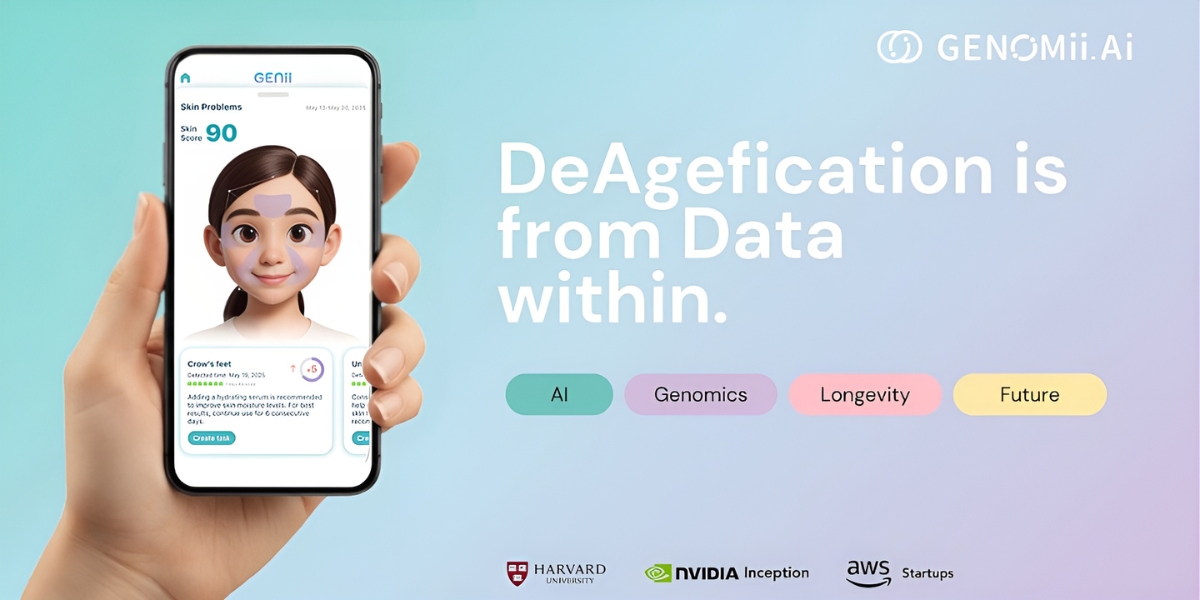
GenomiiAI engineered the TwinsXM engine to remember every input users share, from photos of their meals to the subtle changes in their skin captured by a selfie. It does not just store these moments. It learns from them, building a personalized lifestyle graph that links fragmented data, food, sleep, stress, hormones, and inflammation into a living, evolving model of the user.
How TwinsXM Remembers, Correlates, and Adapts
Imagine a woman in her forties who notices recurring skin inflammation. Traditional apps might recommend standard anti-inflammatory diets or generic skincare advice. TwinsXM takes a different slant.
It notices that her skin inflammation occurs most frequently after nights with less than six hours of sleep. This is particularly so when combined with high-stress workdays and meals containing certain ingredients. Strength training after 4 p.m. helps keep blood sugar stable the next day, even after eating carbs that usually cause spikes.
These observations form the basis for highly personalized recommendations—not generic advice but guidance tailored to her unique biology. They connect all these dots—not just today but next month and next year.
So argues that traditional healthcare systems are not designed to capture these nuances. Even the most sophisticated health apps typically provide what amounts to snapshots, static reports based on limited data points that fail to account for how these elements interact across time.
This is where the TwinsXM engine comes in. Unlike rule-based systems, it learns from users’ past behavior and builds unique predictive models. For instance, when someone logs a late-night snack, TwinsXM does not just note the calories. It checks his sleep data, skin health, stress levels, and even his genetic predispositions.
If it detects a pattern, such as late-night eating leading to restless sleep and morning puffiness, it flags and remembers this. Then, it adjusts its recommendations accordingly.
So explains, “It’s like having a doctor who’s been studying only me for years. It remembers things I’ve long forgotten, like the fact that my skin always flares two days after I eat strawberries, but only during summer months.”
Building for the Future: Digital Twins and Beyond
The promise of the TwinsXM engine is not just personalization but evolution. The more data users share, the more accurate and insightful the recommendations become. Over time, TwinsXM builds a digital twin, a dynamic model that reflects the user’s lifestyle and how their body responds. This digital twin becomes the foundation for proactive, preventive care, anticipating problems before they arise and guiding users through life’s inevitable changes.
GenomiiAI’s model is particularly timely as the wellness tech market shifts toward precision health and longevity. Women aged 30–50 now have a system that understands their unique needs and creates personalized lifestyle and diet plans.
For So, with the personalization that GenomiiAI brings, it becomes one’s loyalty health platform that they will find hard to delete. With features like personalized avatars, real-time insights, and social sharing, GenomiiAI is also culturally relevant, driving organic growth and engagement.
She mentions, “Think about the apps you can’t delete. Not because they’re convenient, but because they hold too much of your life. That’s GenomiiAI. Replacing us is like switching your personal doctor, therapist, and nutritionist all at once.”
Challenges and Future Directions
So understands some concerns may arise about how GenomiiAI can work harmoniously with actual health providers. She argues, “We’re not replacing healthcare providers. But we’re giving individuals the tools to be more informed participants in their care. When they visit their doctor with three years of precisely documented patterns rather than vague recollections, the quality of care improves dramatically.”
Health platforms like GenomiiAI represent a promising outlook on personalized prevention. The TwinsXM engine transforms the fragmented data users already generate into coherent, actionable insights. It offers a path toward truly individualized wellness, not based on statistical averages but on one’s unique biological story as it unfolds over time.
“In five years, we believe the health app people trust most won’t be the one with the most features. It’ll be the one that remembers them,” predicts So.
The future of health monitoring may not be in more sophisticated sensors or broader data collection, but in systems that remember users, connecting the dots between today’s choices and tomorrow’s outcomes, just as the bodies have been doing all along.
Disclaimer: The content of this article is intended for informational purposes only and should not be construed as medical or professional advice. Always consult with a healthcare provider or a qualified expert before making any changes to your health and wellness routine.