

As architecture becomes increasingly merged with the most advanced technologies, digital fabrication lies at the core of transforming design and construction paradigms. The intersection of robotics, 3D printing, and green concrete in building design is constructing the future of the profession. Isaac Cobo Displas is one of the names that have emerged at the forefront in this field, where innovation and sustainability converge. His involvement with these technologies spans his academic work to his professional practice, where he is constantly seeking to address the architectural requirements for preserving cultural heritage in an environmentally friendly manner.
By the start of the 21st century, digital fabrication had emerged as a significant issue in architectural education and practice. By combining traditional techniques with modern technologies such as robotics and 3D printing, the architectural community has been able to test innovative construction methods. Cobo Displas has been leading in this shift, especially within the realm of sustainable practice. His contributions at the University of East London (UEL), especially through the Digital Fabrication Lab (dfUEL), have been vital in enabling students and researchers to access high-end facilities such as robotic arms and 3D printers. Such technologies have provided avenues for exploring new approaches to sustainable design and construction. Hence, Cobo Displas has emerged as a notable figure in architectural practice and education.
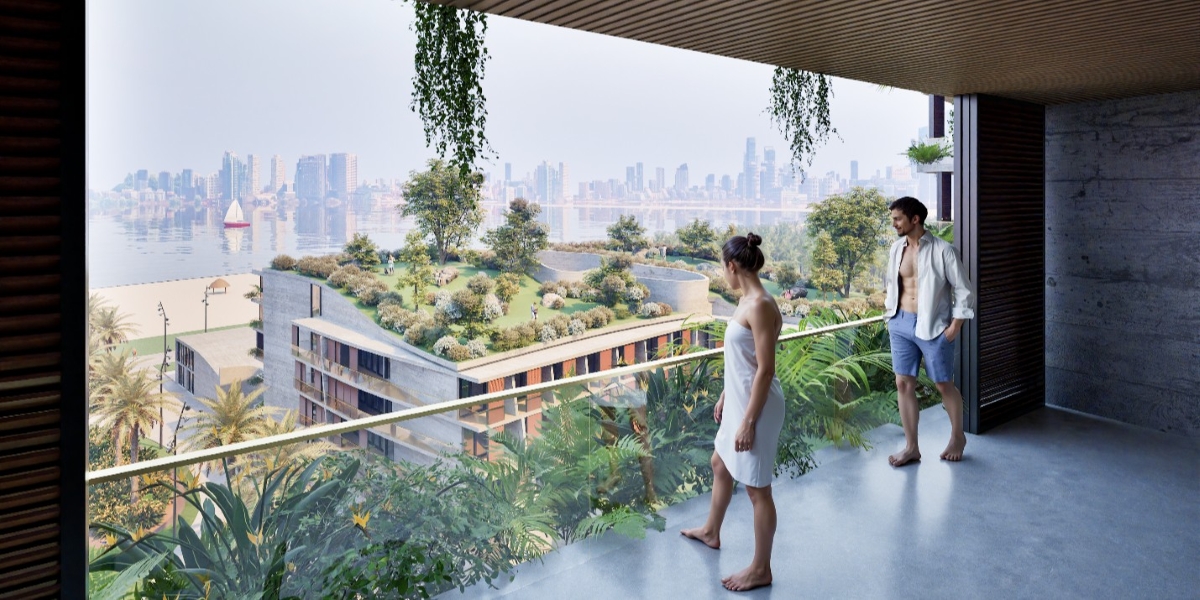
Among his projects, Cobo Displas developed a large hotel design concept featuring the world’s largest solar panels, initially conceived in 2008 in Dubai and planned for construction in the near future. This project reflects his interest in integrating renewable energy solutions within architectural design.
Cobo Displas’s practice focuses on projects that combine traditional restoration methods with the latest digital technologies. His involvement in robotic restoration demonstrates his ability to innovate without sacrificing historical preservation. A case in point is his role in the restoration of historic buildings, specifically castles, using eco-concrete. Eco-concrete, as a CO2-absorbing material, is an eco-friendly alternative to traditional restoration methods.
The use of eco-concrete in the restoration of cultural heritage is an exemplary milestone in the world of architecture. Unlike typical concrete, which is associated with high carbon emissions, eco-concrete captures CO2 and helps mitigate the building project’s overall environmental impact. Cobo Displas’s use of this material, particularly in the restoration of buildings such as castles, speaks to his forward-thinking approach to sustainable architecture.
Cobo Displas also serves on the board of companies such as Access Safety Advance, which develops “Stone 20,” a material designed to clean CO2 from urban environments. Furthermore, he is involved with Aquabotanika Farm. This UK-based company explores sustainable food production and incorporates similar eco-friendly materials in concrete manufacturing to address broader environmental challenges related to feeding the global population.
In addition to confirming his status as an innovator, Cobo Displas has developed relationships with international architecture companies and eminent architects. With his academic life at UEL, he has brought students closer to the world of architecture by introducing them to new research, digital fabrication, and sustainable architectural practices. His associations with global practices such as Zaha Hadid Architects, Grimshaw, Foster + Partners, and Arup have not only enriched his work but also provided students with exposure to real-world architectural problems. These associations foster dynamic interactions among ideas, making Cobo Displas’s teaching effective at bridging academia and industry.
Cobo Displas’s leadership at UEL has played a significant role in developing the next generation of architects. As a Senior Lecturer in Architectural Design, he has been instrumental in shaping the Diploma Unit 3 program, which emphasizes combining technology and sustainability in architectural design. The program provides students with an interdisciplinary focus on architecture, challenging them to investigate the overlaps among design, technology, and the environment. By employing cutting-edge machines such as 3D printers and robotic arms, students can work with these technologies directly, preparing for the realities of contemporary architectural work.
Aside from his teaching position, Cobo Displas has also conducted workshops under UEL’s Summer School schemes, where he has exposed students to new areas such as robotic restoration and environmental-concrete 3D printing. Such seminars have introduced students to real-world experience with the latest technology, giving them a unique peek into the architecture practice of tomorrow. His involvement in such programs has established him as a prominent figure in architecture education, helping the students learn skills and information that will empower them to shape the future of the profession.
Cobo Displas’s robotic restoration and green construction activities are just a subset of a broader architectural movement that seeks to integrate sustainability with technological innovation. As environmental issues and climate change become increasingly critical, the demand for sustainable architectural practice has never been higher. Cobo Displas’s role in this cause is evident in his use of eco-concrete and his focus on integrating digital fabrication into the restoration process. By pushing the limits of conventional restoration techniques, he has demonstrated that our built heritage can be preserved while addressing the pressing need for sustainability in the built environment.
His current research and teaching activities are contributing to the education of the next generation of architects to address the challenges and opportunities of practice within a changing technological and environmental landscape. As a distinguished practitioner at the intersection of architecture, technology, and sustainability, Cobo Displas will help shape the profession’s future, ensuring that architecture continues to serve people and the planet.
Cobo Displas further entrenched his presence in 2025 by lecturing at the Summer School alongside renowned architects in the profession. The activity provided students with invaluable exposure to the latest innovations and techniques in robot restoration and green building. With architecture’s career forging ahead, his work is bound to remain at the forefront of shaping a more sustainable, technology-based future.