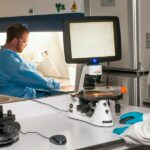


Visual inspections have emerged as a critical component of quality control across several industries. The technique involves examining products or components with the naked eye to detect defects, irregularities, or deviations from specifications.
From raw materials to finished products, visual inspections can be performed at various stages of the manufacturing process. They have proved essential to the safety, quality, and compliance of products with industry standards.
An inspection camera helps identify defects early in the production process, thus ensuring early redressal, reduced costs, enhanced customer satisfaction, and fewer product failures. This article explores the various applications of visual inspections in manufacturing along these lines and their role in maintaining industry standards.
Visual Inspections in Manufacturing
Visual inspections are used in manufacturing processes like assembly, machining, and painting. For instance, visual inspections in assembly ensure that components are properly positioned, aligned, and secured.
In machining, visual inspections expose defects such as burrs, scratches, and dimensional inaccuracies. In painting, they assess the quality of the finish, ensuring it is uniform, free of defects, and meets the required standards.
Visual inspections are also effective in identifying defects that might not be detected by other inspection methods. They are particularly useful for spotting cosmetic flaws such as blemishes, discolorations, and scratches. While these defects may not affect the product’s functionality, they can impact its appearance and customer satisfaction.
The detection of defects and potential problems early in the production process helps ensure products meet aesthetic and quality standards. Thus visual inspections can improve customer satisfaction and bolster the manufacturer’s reputation.
Quality Control Using Visual Inspections
Visual inspections are a crucial component of quality control audits and checks. They are used to ensure that products meet the required specifications and standards.
Quality control inspectors use visual inspections to identify non-conforming items—products that do not meet the criteria. This can include defects such as dents, stains, dimensional misalignments, or functional malfunctions.
By taking corrective action as soon as non-conforming products are detected, manufacturers can prevent these items from reaching the market. This helps protect the manufacturer’s reputation and aims for customer satisfaction.
Identifying non-conforming items also helps in understanding the root causes of defects and implementing corrective measures to prevent their recurrence.
Visual inspections are also essential for maintaining industry certifications and standards. Many industries have specific standards and regulations that products must meet. Visual inspections help verify compliance with these standards, ensuring the reliability and safety of the products.
The Role of Visual Monitoring in In-Service Inspections
Products that are actively in use are also subject to visual inspections, known as “in-service” inspections. These inspections can help detect wear, corrosion, or other signs of degradation that may indicate potential failures.
Early detection of products allows for timely maintenance, addressing issues before they escalate.
Visual inspections are particularly important for often-used products or those exposed to harsh environments. For instance, inspecting pipelines, bridges, and other infrastructure for corrosion or deterioration can prevent breakdowns and ensure the safety of these critical assets.
Apart from preventing failures, visual inspections can also help extend the life of products. Early identification and resolution of potential problems enable more effective maintenance scheduling and planning, reducing downtime and minimizing the need for costly repairs or replacements. This can translate to significant cost savings for businesses.
Emerging Visual Inspection Technologies
With the advent of advanced technologies, visual inspection is also evolving continuously, addressing challenges and creating new opportunities.
Take automated visual inspection systems for instance, that can quickly and accurately examine large quantities of products, reducing the need for human inspectors. These systems can be equipped with advanced image processing algorithms to detect defects that may be difficult for humans to see.
Augmented reality (AR) is another groundbreaking technology transforming visual inspections. AR can overlay digital information onto the physical world, providing inspectors with additional context and guidance. For example, AR can highlight specific areas of a product that require inspection or offer instructions on how to perform the examination.
These technologies offer several benefits, including improved consistency, accuracy, and efficiency. Automated visual inspection systems can significantly save time and reduce inspection costs, while AR enhances inspection precision and reliability. Besides, these technologies help standardize inspection protocols, ensuring uniformity across different teams and locations.
Challenges and Practices in Visual Inspections
Despite advances in visual inspection technologies, several challenges remain. Human error continues to be a significant factor, as inspectors may overlook defects or make incorrect judgments.
Subjectivity can also pose challenges, as different inspectors might interpret defects differently. Lighting conditions are another important factor that can affect the accuracy of visual inspections, with certain flaws being harder to detect under specific lighting.
It is essential to implement certain practices to address these issues. This may include providing inspectors with thorough training, establishing clear guidelines and protocols, and documenting inspection results. Ongoing training and continuous improvement are also necessary to maintain the effectiveness and efficiency of visual inspections.
Conclusion
Visual inspections are a crucial method for ensuring product safety, quality, and compliance with industry standards. They play a key role in protecting consumers and maintaining the integrity of products from manufacturing through to in-service inspection.
As technology advances, visual inspection procedures will become even more sophisticated and efficient in the future. Despite these advancements, visual inspections remain an essential tool for aiming product safety and quality. By investing in standardization, training, and technology development, we can enhance the effectiveness and reliability of visual inspections.
Published by: Holy Minoza