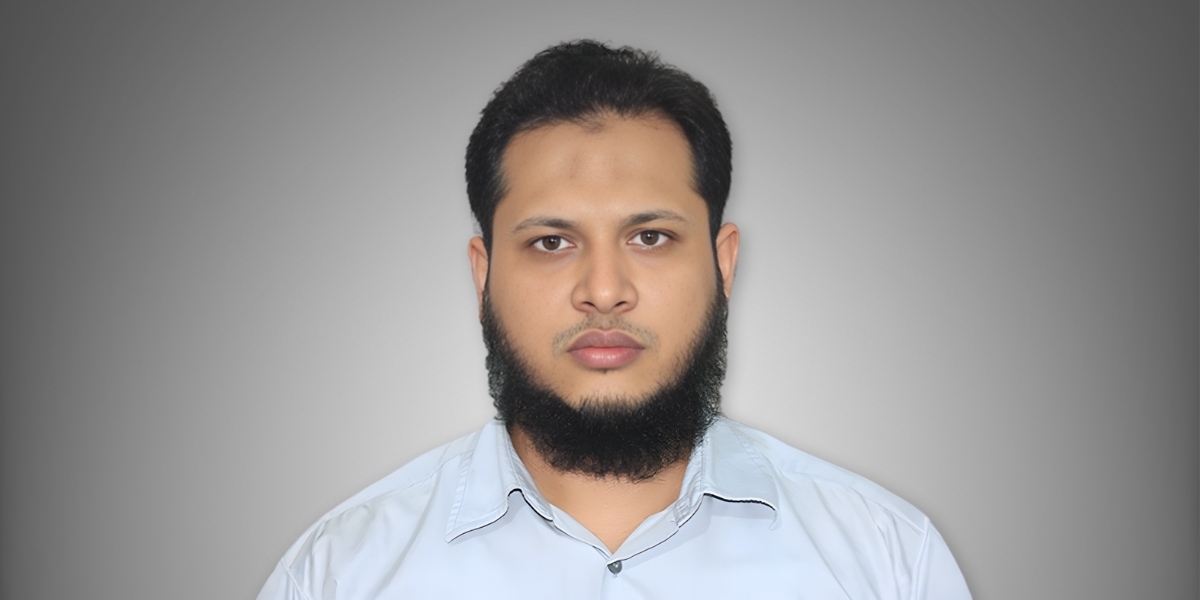


By: Michael Saylor
The American financial system is changing faster than ever. With rising fraud threats, unpredictable markets, and rapidly expanding digital transactions, financial institutions across the United States are under enormous pressure to stay ahead of risk. One researcher helping shape this shift is Md Saiful Islam, whose work in predictive analysis and financial data modeling is earning growing recognition for the way it supports financial security, responsible lending, and long-term economic stability.
Islam’s professional path began far from the modern research environment in which he works in today. He grew up in rural Bangladesh, later spending nearly a decade in the financial sector, gaining firsthand experience with the challenges banks face with incomplete data, outdated systems, and ever-present fraud risks. Those years helped him understand something important: institutions often struggle not because they lack the will to improve, but because they lack the right tools to see problems before they escalate.
That realization stayed with him when he moved to the United States to continue his studies in Business Analytics. At Trine University, Islam strengthened his training in financial modeling, forecasting, and data-driven risk assessment. He learned to build models that can track patterns, highlight inconsistencies, and more accurately anticipate outcomes than traditional reporting methods. This work eventually led him toward a broader mission, helping American financial institutions adopt smarter, more reliable ways of managing risk. A significant area of Islam’s research focuses on predictive modeling for credit risk, one of the most important pillars of financial stability. A single misjudged loan can affect households, small businesses, and, on a larger scale, the economy. Islam’s models analyze a wide range of financial behaviors, income patterns, repayment histories, spending habits, and market conditions to help lenders make clearer, more responsible decisions. These models don’t just flag potential problems; they help institutions understand why certain risks arise, guiding more transparent lending practices. His work on fraud detection has also drawn attention. Fraud is becoming more sophisticated, and institutions need faster ways to detect unusual activity. Islam’s financial models closely examine transaction patterns to identify behavior that appears out of place. While no system can stop every attempt, his approach gives institutions an early warning system—one that can significantly reduce losses and protect consumers. At a time when financial fraud costs the U.S. billions each year, contributions like this matter.
Another part of Islam’s research centers on financial forecasting, which helps organizations prepare for future conditions rather than simply react to them. Using historical trends along with real-time financial signals, his models help institutions estimate revenue changes, identify cost fluctuations, and understand the shifting conditions of their markets. Accurate forecasting supports better planning, steadier growth, and more resilient financial operations especially during times of economic uncertainty.
Islam’s academic work also reflects his growing influence. He has authored and co-authored several research papers, including publications in respected Q1 journals. Two of his notable works include:
- “Enhancing Adaptive Learning, Communication, and Therapeutic Accessibility through the Integration of Data-Driven Personalization in Digital Health,” and
- “Re-imagining Digital Transformation in the United States: Harnessing Business Analytics to Drive IT Project Excellence.”
His research contributions have earned him 139 citations, a number that continues to rise as others build on his work. Beyond publishing, Islam also serves as a reviewer for the IEEE and the American Journal of Interdisciplinary Innovations and Research (AJIIR), where he has reviewed multiple manuscripts. Serving as a reviewer is widely seen as a sign of trust within the academic community. It shows that journals rely on his judgment to assess the quality and accuracy of other researchers’ work. Islam’s influence is also visible in the broader financial context of the United States. Agencies such as the Federal Reserve, FDIC, and the U.S. Treasury have repeatedly emphasized the importance of accurate risk modeling, stronger fraud-prevention tools, and reliable forecasting. Islam’s work aligns closely with these national priorities. His models help institutions anticipate risk rather than respond after damage is done. They support healthier lending environments, promote fairer decision-making, and create a stronger foundation for long-term financial growth.
What makes Islam’s contributions stand out is not just the technical quality of its work but the practical value it offers. His research is grounded in real financial challenges, such as overextended borrowers, unpredictable markets, and fraud schemes that adapt faster than traditional detection methods. By addressing these problems directly, his work helps protect everyday people, from families applying for loans to small businesses relying on accurate financial forecasts. Colleagues describe Islam as someone who brings both analytical discipline and a strong sense of responsibility to his field. He often explains that economic data should not be used only for reporting; it should serve as a guide for clear, fair, and informed decision-making. This philosophy has shaped his approach and strengthened the real-world relevance of his research. As the U.S. financial system continues to evolve, the need for reliable predictive modeling will only grow. Markets are more complex, consumer behavior is changing, and institutions face rising pressure to manage risks with more precision. Islam’s research sits at the center of these challenges. His work provides tools that help institutions prepare for uncertainty, respond more quickly to threats, and operate with greater transparency.
Today, Md Saiful Islam is viewed as part of a new generation of financial analysts and professionals who combine industry experience, academic credibility, and a commitment to strengthening the systems the public relies on. His contributions continue to expand, offering valuable guidance for lenders, regulatory bodies, and policymakers working to build a more stable economic future.
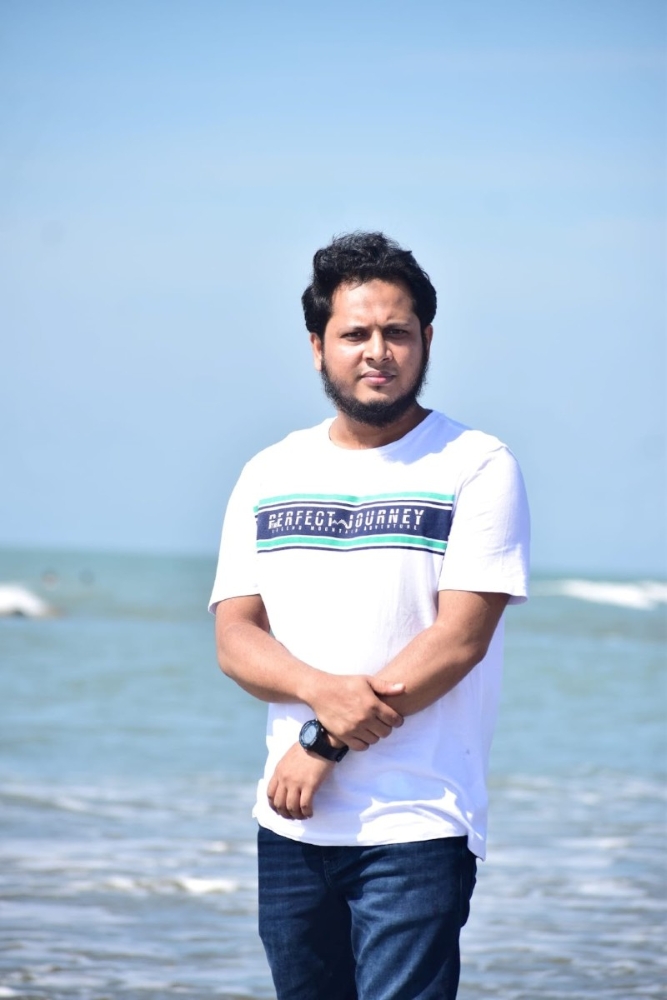
Photo Courtesy: Md Saiful Islam
At a time when the U.S. financial system demands stronger tools and clearer insights, Islam’s work represents a significant step forward. His predictive models are not merely analytical exercises; they are practical frameworks that help institutions operate more responsibly and securely. And as financial challenges continue to evolve, so too will the importance of researchers who, like Islam, are dedicated to improving how economic decisions are made.
Disclaimer: The views and opinions expressed in this article are those of the author and do not necessarily reflect the official policy or position of any financial institution, regulatory body, or affiliated organization. This content is for informational purposes only and should not be construed as financial advice or a recommendation. Always consult with a professional financial advisor before making any financial decisions.