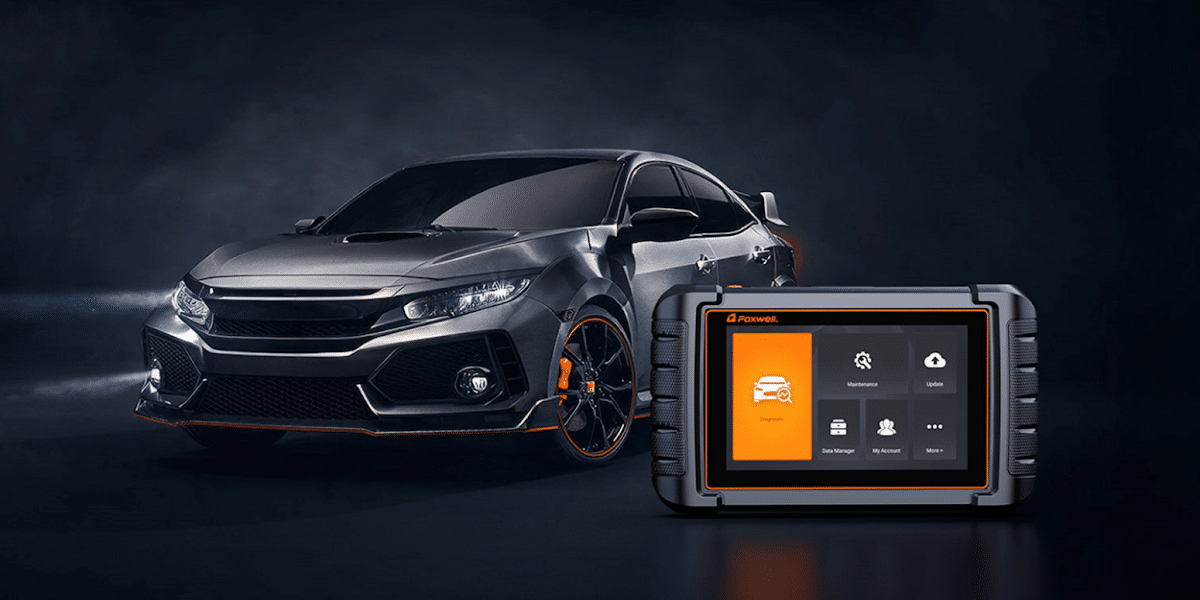


What is a Car Diagnostic Scanner
A car diagnostic scanner is a device that connects to a vehicle’s onboard computer system to read and interpret error codes and other data. These scanners provide valuable insights into the health and performance of a vehicle, enabling users to identify and address issues promptly. Car diagnostic scanners are essential tools for both professional mechanics and DIY enthusiasts. They offer a convenient way to diagnose problems, perform regular maintenance checks, and ensure vehicles are operating optimally. By using a diagnostic scanner, users can avoid costly repairs and improve the overall reliability and safety of their vehicles.
Types of Car Diagnostic Scanners
OBD-I
OBD-I (On-Board Diagnostics I) was the first generation of diagnostic systems introduced in the early 1980s. It provided basic error codes and limited diagnostic capabilities. While OBD-I systems are now obsolete, they paved the way for more advanced diagnostic technologies.
OBD-II
OBD-II (On-Board Diagnostics II) is the current standard for car diagnostic systems, introduced in the mid-1990s. It offers a wide range of diagnostic features, including detailed error codes, real-time data monitoring, and comprehensive diagnostic capabilities. OBD-II scanners are compatible with vehicles manufactured after 1996.
Bluetooth Scanners
Bluetooth car diagnostic scanners are compact devices that connect to a vehicle’s OBD-II port and wirelessly transmit data to a smartphone or tablet. These scanners offer convenience and portability, making them popular among DIY enthusiasts.
Handheld Scanners
Handheld car diagnostic scanners are standalone devices with built-in displays and controls. They connect directly to a vehicle’s OBD-II port and provide real-time diagnostic information. These scanners are favored by professional mechanics for their durability and advanced features.
Mobile App-Based Scanners
Mobile app-based car diagnostic scanners use a combination of hardware (a Bluetooth or Wi-Fi dongle) and software (a mobile app) to perform diagnostics. These scanners leverage the power of smartphones and tablets, offering user-friendly interfaces and advanced diagnostic capabilities.
Benefits of Using Car Diagnostic Scanners
Cost Savings
By identifying issues early and accurately, car diagnostic scanners help users avoid expensive repairs. Addressing problems before they escalate can save significant amounts of money in the long run.
Time Efficiency
Car diagnostic scanners enable quick and efficient diagnosis of vehicle issues, reducing the time spent on troubleshooting. This is particularly beneficial for professional mechanics who need to diagnose and repair vehicles promptly.
Early Problem Detection
Early detection of problems can prevent more serious issues from developing. Car diagnostic scanners allow users to monitor their vehicle’s health regularly, ensuring timely maintenance and repairs.
Increased Vehicle Lifespan
Regular use of car diagnostic scanners helps maintain a vehicle in optimal condition, extending its lifespan. By addressing issues promptly and performing routine maintenance, users can keep their vehicles running smoothly for years.
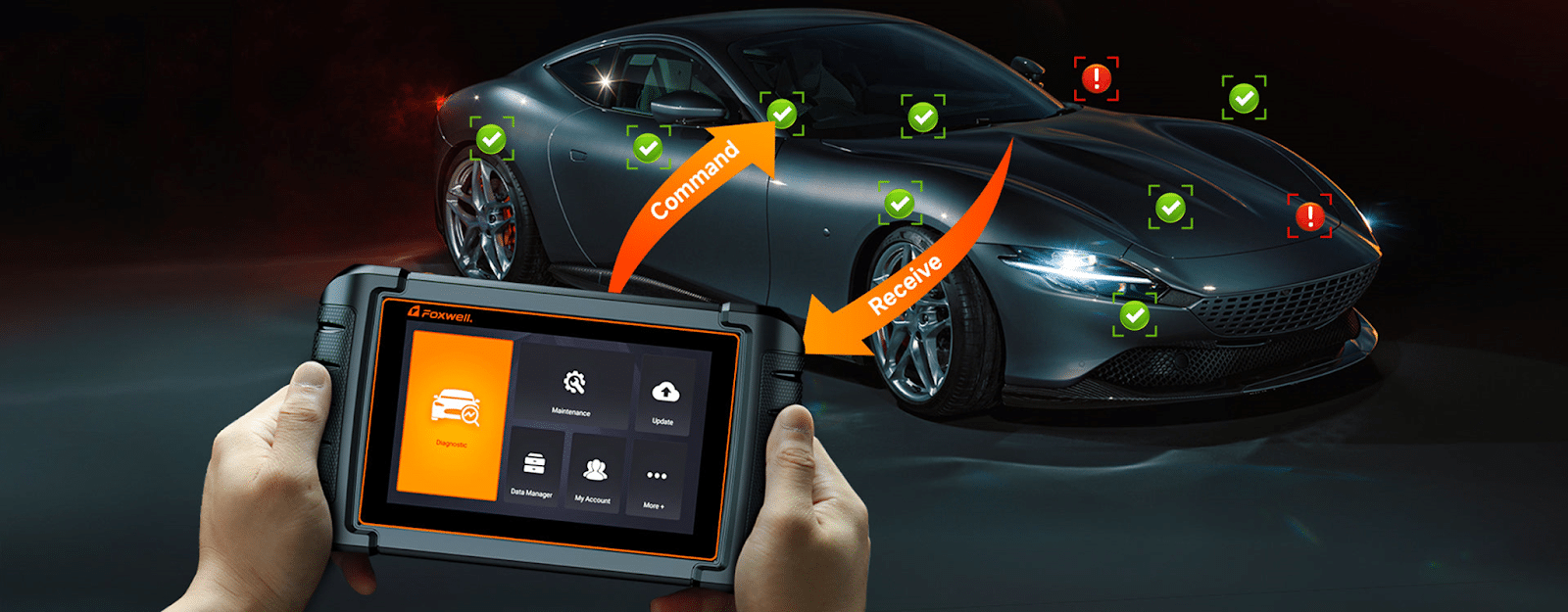
Photo Courtesy: foxwelldiag.com
Common Issues Diagnosed by Car Diagnostic Scanners
Engine Problems
Car diagnostic scanners can detect a wide range of engine issues, including misfires, fuel system problems, and sensor malfunctions. Identifying these problems early can prevent engine damage and improve performance.
Transmission Issues
Transmission problems, such as slipping gears or delayed shifting, can be diagnosed using car diagnostic scanners. These devices provide insights into the health of the transmission system and help users address issues before they worsen.
ABS Faults
Anti-lock braking system (ABS) faults are critical for vehicle safety. Car diagnostic scanners can identify ABS-related issues, such as faulty sensors or wiring problems, ensuring the braking system functions properly.
Emission Control Problems
Emission control systems are essential for reducing a vehicle’s environmental impact. Car diagnostic scanners can detect issues with components like the catalytic converter, oxygen sensors, and EGR valve, helping users maintain compliance with emission standards.
Battery and Electrical System Issues
Car diagnostic scanners can diagnose problems with the vehicle’s battery and electrical system, such as low voltage, faulty alternators, or electrical shorts. Addressing these issues can prevent breakdowns and ensure reliable vehicle operation.
How to Choose the Right Car Diagnostic Scanner
Compatibility
Ensure the car diagnostic scanner is compatible with your vehicle’s make, model, and year. Most scanners support OBD-II vehicles manufactured after 1996, but it’s essential to verify compatibility before purchasing.
Features
Consider the features you need in a car diagnostic scanner, such as real-time data, live data streaming, freeze frame data, and emission testing. Choose a scanner that offers the functionalities that match your diagnostic requirements.
Ease of Use
Select a car diagnostic scanner with a user-friendly interface and clear instructions. Devices with intuitive controls and easy-to-read displays can simplify the diagnostic process, even for beginners.
Price
Car diagnostic scanners are available at various price points, from basic models to advanced professional-grade devices. Determine your budget and choose a scanner that offers the best value for your money without compromising on essential features.
Brand and Reviews
Research reputable brands and read customer reviews to ensure you choose a reliable and high-quality car diagnostic scanner. Positive feedback and high ratings can indicate a trustworthy product.
Car Diagnostic Scanners in 2024
Reviews and Comparisons
In 2024, several car diagnostic scanners stand out for their performance, features, and user satisfaction. Some models include:
BlueDriver Bluetooth Pro OBD-II Scan Tool
Pros: Wireless connectivity, comprehensive diagnostics, user-friendly app.
Cons: Requires a smartphone or tablet.
Autel MaxiCOM MK808
Pros: Wide vehicle coverage, advanced features, large touchscreen.
Cons: Higher price point.
Innova 3160g
Pros: Live data, ABS/SRS diagnostics, repair solutions.
Cons: Slightly bulky design.
FOXWELL NT301
Pros: Affordable, easy to use, clear display.
Cons: Limited advanced features.
Launch CRP129X
Pros: Full OBD-II functions, extensive vehicle coverage, Wi-Fi updates.
Cons: Complex interface for beginners.
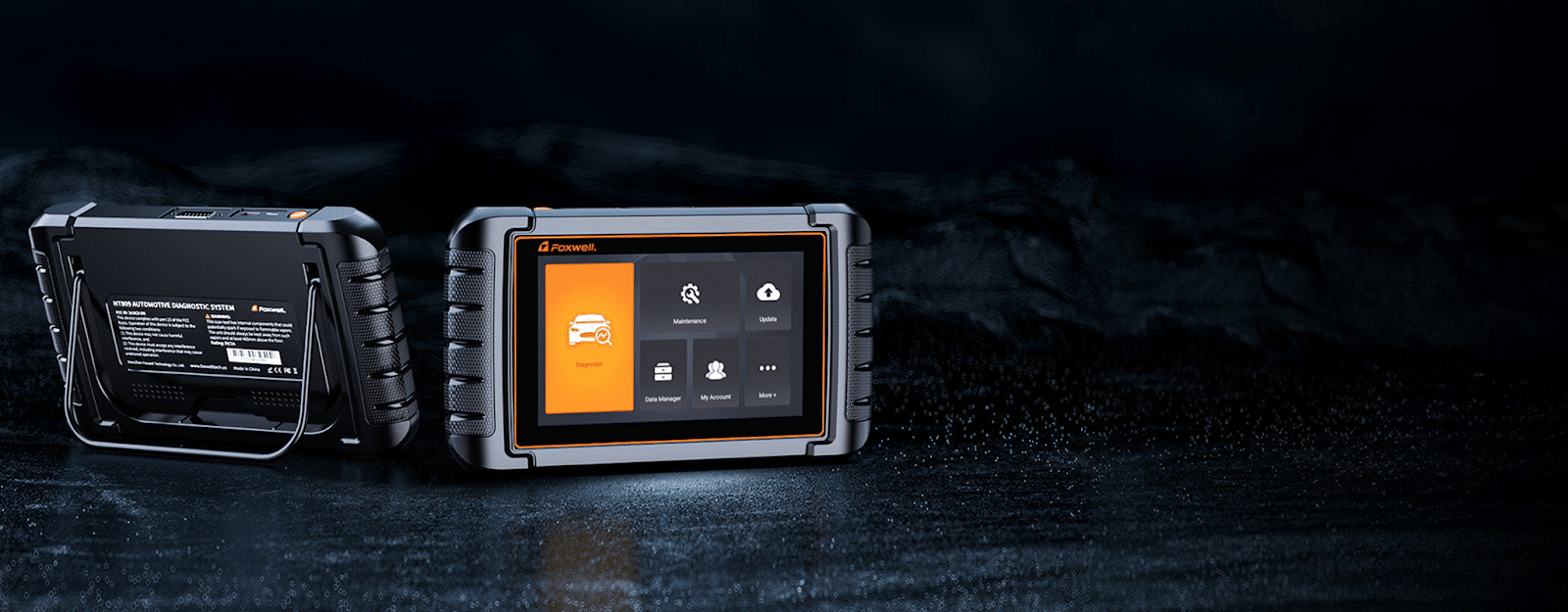
Photo Courtesy: foxwelldiag.com
Foxwell NT809 Car Bidirectional Scan Tool
Features and Benefits
The Foxwell NT809 is an advanced diagnostic scanner that offers a range of features designed to make vehicle diagnostics easier and more efficient:
Smart Scan: Equipped with Android 9.0 operating system and a 7″ touchscreen, the NT809 provides a fast and intuitive user experience.
Bi-Directional Control: This feature allows mechanics to perform active tests and send commands to the vehicle’s system, significantly reducing diagnostic time.
Full OBDII Functions + Full System Diagnostics: The NT809 covers all OBDII functions and can perform diagnostics on all vehicle systems, eliminating the need for multiple tools.
30 Reset Services: Includes common service reset functions such as oil light reset, ABS bleeding, and battery matching.
Auto VIN: Automatically retrieves vehicle information, simplifying the diagnostic process.
Live Data Record & Playback: Allows users to view live data in graph form and save or share diagnostic reports.
Online Feedback & Suggestions: Users can submit diagnostic issues online and receive professional troubleshooting from Foxwell.
Applications
The Foxwell NT809 is suitable for a wide range of users, including professional mechanics, advanced DIY enthusiasts, car dealers, and automotive students. Its comprehensive diagnostic capabilities make it a valuable tool for anyone involved in vehicle maintenance and repair.
Pros and Cons
Pros: Comprehensive diagnostic functions, user-friendly interface, bi-directional control, real-time data recording, online feedback.
Cons: Does not support control module coding and programming, does not support key programming.
Common Challenges and Troubleshooting
Connectivity Issues
If your scanner fails to connect to the vehicle, check the following:
Ensure Proper Connection: Verify that the scanner is securely connected to the OBD-II port.
Check Power Supply: Ensure the vehicle’s ignition is turned on.
Update Software: Install the latest software updates for compatibility.
Inaccurate Readings
If your scanner provides inaccurate readings, consider the following:
Calibration: Recalibrate the scanner according to the manufacturer’s instructions.
Battery Levels: Ensure the scanner has sufficient battery power.
Compatibility: Verify that the scanner is compatible with your vehicle model.
Software Glitches
For software glitches or malfunctions, try the following:
Restart the Scanner: Turn off the scanner and restart it to reset the system.
Reinstall Software: If issues persist, reinstall the scanner’s software or app.
Contact Support: Reach out to the manufacturer’s customer support for assistance.
Summary
Investing in a high-quality car diagnostic scanner can save you time and money while providing peace of mind. Regular use of these devices can help you stay on top of your vehicle’s maintenance needs and prevent costly repairs. Whether you’re a professional mechanic or a DIY enthusiast, a car diagnostic scanner is a must-have tool for keeping your vehicle in top condition.
Published by: Nelly Chavez