

By: Aneesh Upasanamandiram Baladevan
Manufacturers of heavy duty vehicles are in a period when every decision comes with a cost. Markets shift. Supply chains are knotting chains. The technology is developing more quickly than certain factories. One thought has now become clearer than ever in this swirl: smart design is the prerogative of the rich. It is a survival strategy.
Smart design does not always involve making a part harder or a truck greener. It is concerning to know how much individual nuts, welds, sensors, and software layers cost before they reach the production line. As soon as the engineers can see those costs with the naked eye, they can make a difference. That is when real efficiency begins.
How Design Decisions Set the Stage for Cost Savings
Most manufacturers treated cost as a matter for finance departments to address after the engineers completed their creative work. That old way is fading fast. The modern development team understands that the most appropriate time to influence cost is during the initiation of the design process. The modifications done in this first window are cheap and flexible. A change in material choice or geometry can be just two clicks away, rather than the future experience, which involves an expensive retooling process.
Unsung heroes of this phase have been identified using cost modeling tools. They enable teams to estimate the effects of decisions on labor time, supply chains, tariffs, and even global currency movements. Once engineers can test such conditions before cutting the prototype, they begin working on cost transparency rather than cost mystery. It can be used in heavy-duty automobiles, with their sophisticated construction and performance requirements. A clearer view of expenses will prevent engineers from incurring hidden costs and enable them to focus on building a structure that will not go to waste by ensuring durability.
Smart Manufacturing Puts the Theory Into Motion
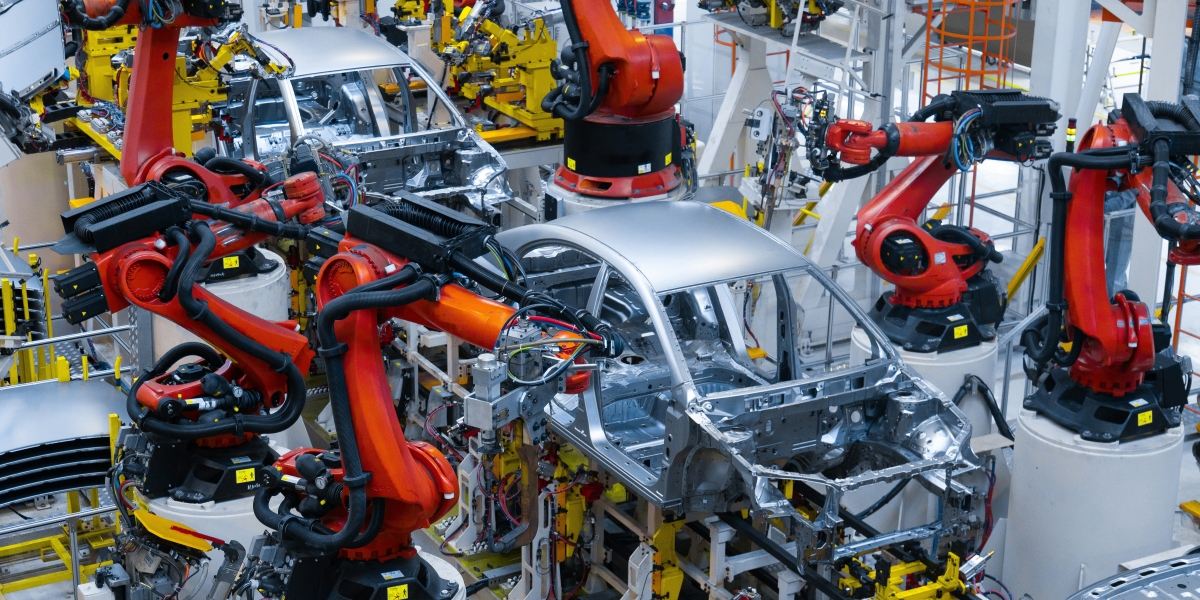
Intelligent manufacturing technologies can make decisions more concrete than the blueprint developed through cost engineering. The development of manufacturing tools that provide comprehensive virtualization of parts, machines, and processes has been one of the most important developments of recent years. This is a computerized mirror through which the engineer can experiment with everything in the production chain, including the machine’s behavior, before the real world is introduced.
And then, where should we come to be able to experiment with the behavior of a weld in the condition of being under some pressure without ever needing to heat a single atom of metal? Or, without stopping a machine on the factory floor, it can be determined how a machining process will respond to different temperatures, pressures, toolpaths, etc. Such lessons make the production more predictable and highly efficient. They may be applied to reduce a significant portion of waste and errors that would otherwise be very expensive, particularly for heavy-duty vehicles, especially those with custom parts.
Lower downtime is among the best results. Intelligent production units can monitor performance faults in advance, preventing disruptions to production. They can predict failures, monitor equipment health, and notify teams to make real-time changes. Every minute spent on the shop floor will directly translate into a reduction in costs and an increase in output—something to pay attention to in a business where margins will be closely monitored at all times.
When Collaboration Meets Cost Awareness
One of the most interesting features of contemporary cost efficiency is the shift in the mode of cooperation among teams. In the past, engineers were alone throughout the design process. Today, the gurus of cost are virtually and literally co-located so they can make performance- and affordability-balanced choices. Even business talks with suppliers, or competitive benchmarking, where teams research how similar other companies produce parts and how much profit can be generated, are influenced by these meetings.
Cost awareness will also be factored into developing the alliance between manufacturers and suppliers. The negotiable grounds between the two parties are separated into pricing, and the parties do not need to engage in a numbers game to streamline the process. This transparency in the heavy-duty vehicle business, where most parts are sourced from specialized suppliers, makes the supply chain healthier and more efficient.
Designing the Future of Heavy Duty Vehicles
The HDV motorcycle is being electrified, further robotized, and more intelligently automated. The inventions offer significant opportunities and new pricing challenges. Production requirements are high when products undergo rapid change, and the organization needs more than traditional cost measurement processes. They need design strategies that visualize change and adaptable production systems that do not cause significant disruption.
The integration of creative design and creative manufacturing is enabled by a single strategy grounded in open cost awareness, on-the-fly cognition, and joint problem-solving. The two are no longer buzzwords but measurable inputs. The heavy can be made with the best form of durability for the worst conditions, and the smart ones can be made with a sharp, price-friendly design first, before the steel touches the factory floor.