

By: Aigerim Nagmetova
Transforming Healthcare Through Innovation: Aigerim Nagmetova’s Journey
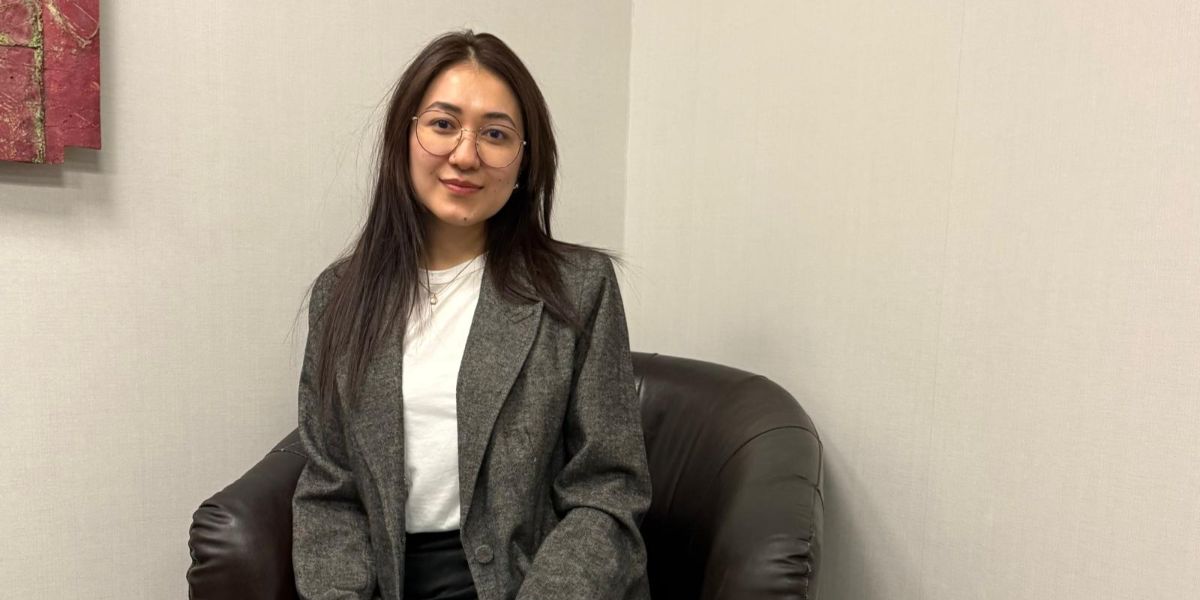
In the rapidly evolving landscape of healthcare technology, one name is gaining attention from Central Asia: Aigerim Nagmetova. As a data scientist and innovator based in Aktobe, Kazakhstan, Aigerim is working toward advancing the detection and prevention of blindness. With almost ten years of expertise in data analytics, she represents a new generation of tech leaders who actively engage with innovation in ways that challenge conventional methods.
Aigerim’s journey into information technology and data science is characterized by her desire to create a meaningful impact. Transitioning from a traditional analytics role to embracing machine learning and artificial intelligence (AI), she has developed a unique perspective on how data can contribute to real-world solutions. “I chose to enter this field on my own terms,” she explains. “While it was challenging, I have always believed in harnessing the power of data to foster valuable outcomes.”
A Personal Catalyst for Change
Aigerim’s groundbreaking work was inspired by personal experiences within her family. Her mother was diagnosed with type 2 diabetes, while her father faced challenges related to cataracts. These experiences raised her awareness about diabetic retinopathy—a condition that poses a significant risk for vision loss globally—and motivated her to take action beyond concern.
Recognizing an opportunity to contribute, Aigerim utilized publicly available retinal image datasets from platforms like Kaggle. She successfully developed a convolutional neural network (CNN) capable of identifying early indicators of diabetic retinopathy. To improve the accuracy and functionality of her model, she incorporated a segmentation approach using U-Net architecture, which allowed for the detection of subtle retinal anomalies such as microaneurysms and edema.
Bridging Technology with Clinical Practice
This innovative prototype quickly attracted attention from local healthcare providers interested in incorporating advanced technologies into their diagnostic processes. In 2025, Aigerim formalized her collaboration with a municipal polyclinic in Aktobe by integrating her AI system into their routine diagnostic workflows. This partnership marked a significant step in merging technological advancements with clinical applications.
Today, Aigerim’s tool supports ophthalmologists by flagging potential early-stage retinal diseases—before visible symptoms appear in patients. “Our system is not designed to replace doctors,” she clarifies. “Instead, it enhances their abilities by drawing attention to conditions that may otherwise be missed.” This collaboration between AI technology and medical professionals highlights how innovation can complement patient care without diminishing the expertise of healthcare providers.
A Broader Vision for Healthcare
The implications of Aigerim’s work extend beyond individual clinics and reflect larger trends within healthcare systems worldwide as they explore ways to leverage technology for improved patient outcomes. By addressing issues such as accessibility and early intervention through AI-driven solutions, Aigerim is helping to reshape how healthcare tackles chronic conditions like diabetes.
Additionally, Aigerim’s journey serves as an inspiring example of the potential impact individuals can have on their communities through dedication and perseverance. Her story underscores the belief that barriers can be overcome when one is committed to applying knowledge and skills for societal benefit.
Looking Ahead: The Future of AI in Healthcare
As artificial intelligence continues to transform various sectors—including healthcare—Aigerim Nagmetova remains an advocate for advancement driven by technological innovation. Her work reflects an understanding that genuine progress requires not only creative thinking but also collaborative efforts across disciplines.
With ongoing developments in machine learning applications in medicine, there is considerable potential for further progress similar to Aigerim’s work. The future could hold enhanced detection methods and improved treatment options as technology continues to integrate with clinical practice.
In summary, Aigerim Nagmetova exemplifies how an individual’s vision can contribute to meaningful changes in healthcare systems. Through her commitment and creativity, she inspires others to explore the possibilities where technology intersects with compassionate care—all aimed at making lasting improvements in health outcomes around the world.
Disclaimer: The AI system described in this article is intended to support healthcare professionals in diagnosing retinal conditions and is not a substitute for medical advice or professional care. Always consult with a healthcare provider for diagnosis and treatment options.