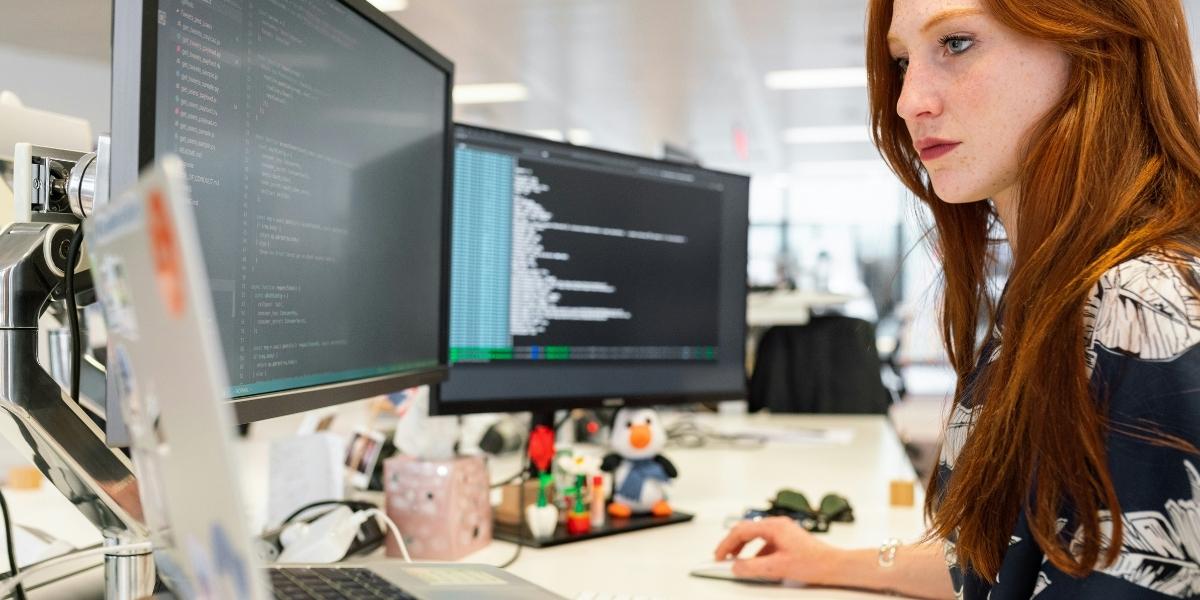

AI threat detection is becoming a key part of how New York City approaches security. From public buildings to private enterprises, the integration of artificial intelligence into surveillance and monitoring systems is changing how threats are identified and managed. While traditional security methods still play a role, AI technologies are being used to support faster analysis, reduce false alarms, and improve situational awareness.
In a city as complex as New York, where infrastructure spans skyscrapers, transit hubs, and densely populated neighborhoods, the need for scalable and adaptive security tools continues to grow. AI threat detection is being explored as one way to meet that need, especially in environments where human monitoring alone may not be sufficient.
How AI Threat Detection Works in Practice
AI threat detection systems typically rely on machine learning algorithms to analyze patterns and flag anomalies. These systems can process large volumes of data from cameras, sensors, and access control devices, identifying potential risks based on behavior, movement, or environmental changes.
For example, some buildings in Manhattan use AI-powered video surveillance to monitor entrances and exits. These systems may detect unusual activity, such as loitering near restricted areas or unattended packages, and alert security personnel in real time. In other cases, AI tools are used to monitor network traffic and identify signs of cyber intrusion before damage occurs.
One approach involves combining physical and digital threat detection. A system might analyze biometric data at entry points while simultaneously scanning for vulnerabilities in building management software. This kind of layered monitoring is being considered in high-risk zones, including financial districts and government facilities.
Applications Across NYC’s Infrastructure
AI threat detection is being tested and deployed in various parts of the city. Some hospitals use AI to monitor patient areas for safety risks, while transportation hubs explore predictive surveillance to manage crowd flow and identify potential disruptions.
In large commercial buildings, AI systems may assist with elevator access control, facial recognition, and perimeter monitoring. These tools are often integrated with existing security protocols, allowing for a hybrid approach that blends automation with human oversight.
A recent example involves the use of behavioral analysis algorithms in public spaces. These systems are designed to recognize patterns that may indicate a threat, such as erratic movement or unauthorized access attempts. While not definitive, these alerts can prompt further investigation and help prevent escalation.
Discussions around cybersecurity and cryptographic defense also intersect with AI threat detection, especially as more physical systems become connected to digital networks. Protecting these systems requires tools that can adapt quickly to new attack methods.
Benefits and Limitations of AI Threat Detection
One reason AI threat detection is gaining attention is its ability to operate continuously. Unlike human teams, AI systems don’t require breaks and can monitor multiple data streams at once. This may help reduce response times and improve coverage in high-traffic areas.
Another potential benefit is the reduction of false positives. Traditional security systems often generate large numbers of alerts, many of which turn out to be harmless. AI tools can be trained to filter out routine activity and focus on events that deviate from expected patterns.
However, these systems are not without limitations. AI threat detection depends on the quality of its training data and the accuracy of its algorithms. If the system is not properly calibrated, it may miss important signals or flag benign behavior as suspicious.
Privacy is also a concern. Some residents and advocacy groups have raised questions about how data is collected and used, especially in public spaces. Ensuring transparency and accountability in AI deployment remains an ongoing discussion.
AI threat detection in NYC
Several buildings in New York have begun integrating AI threat detection into their security protocols. At One World Trade Center, for instance, surveillance systems use AI to reduce false alarms and improve incident tracking. These systems analyze video feeds for specific behaviors and alert staff when something appears out of the ordinary.

Photo Credit: Unsplash.com
In Midtown, some financial institutions use AI to monitor access points and detect credential spoofing attempts. These systems may compare facial recognition data with stored profiles, flagging inconsistencies that could indicate unauthorized entry.
The use of drones equipped with AI is also being explored. These drones can patrol building exteriors, detect structural anomalies, and provide aerial views during emergencies. While still in pilot stages, this technology could offer additional layers of protection for critical infrastructure.
Insights from ongoing cybersecurity efforts suggest that AI threat detection may also play a role in defending against digital threats. As more systems become interconnected, the ability to identify and respond to cyber risks in real time becomes increasingly important.
AI’s Role in Urban Security
AI threat detection is not a standalone solution, but it may become a valuable part of NYC’s broader security strategy. As technologies evolve, there’s interest in developing systems that can learn from past incidents, adapt to changing conditions, and support decision-making across agencies.
Some experts are exploring how AI could assist with emergency response coordination. By analyzing data from multiple sources, such as traffic cameras, social media, and environmental sensors, AI systems might help responders prioritize actions and allocate resources more effectively.
There’s also potential for AI to support predictive maintenance in security infrastructure. By identifying signs of wear or malfunction in surveillance equipment, these systems could help prevent outages and ensure continuous coverage.
The future of AI threat detection in NYC will likely depend on collaboration between public agencies, private companies, and research institutions. Balancing innovation with ethical considerations will be key to building systems that are both effective and trusted.