

Navigating the modern cityscape requires more than just a GPS and a fleet of vehicles. As e-commerce continues to surge, the pressure on urban infrastructure has reached an all-time high. Businesses must now balance rapid delivery expectations with the physical constraints of crowded streets and limited parking. Mastering these logistics is no longer just an operational goal but a vital component of staying competitive in a fast-paced economy.
Efficiency in the last mile often determines the overall success of a supply chain. Integrating smart technology and data analytics allows companies to predict traffic patterns and optimize routes in real time.
Read on to discover how you can revolutionize your approach to city deliveries and lead the way in modern business operations.
1. Leverage Technology for Urban Route Optimization
Rush-hour gridlock, film shoots, and pop-up bike lanes are variables that can derail a perfectly planned route. GPS systems alone no longer suffice for high-stakes delivery environments.
If the status quo is maintained, we can expect a more than 60% average increase globally in the number of delivery vehicles on urban roads. High-performing fleets now ingest live streams of traffic camera feeds and city sensor data to dynamically re-sequence stops.
Heavy-Haul Specific Tools
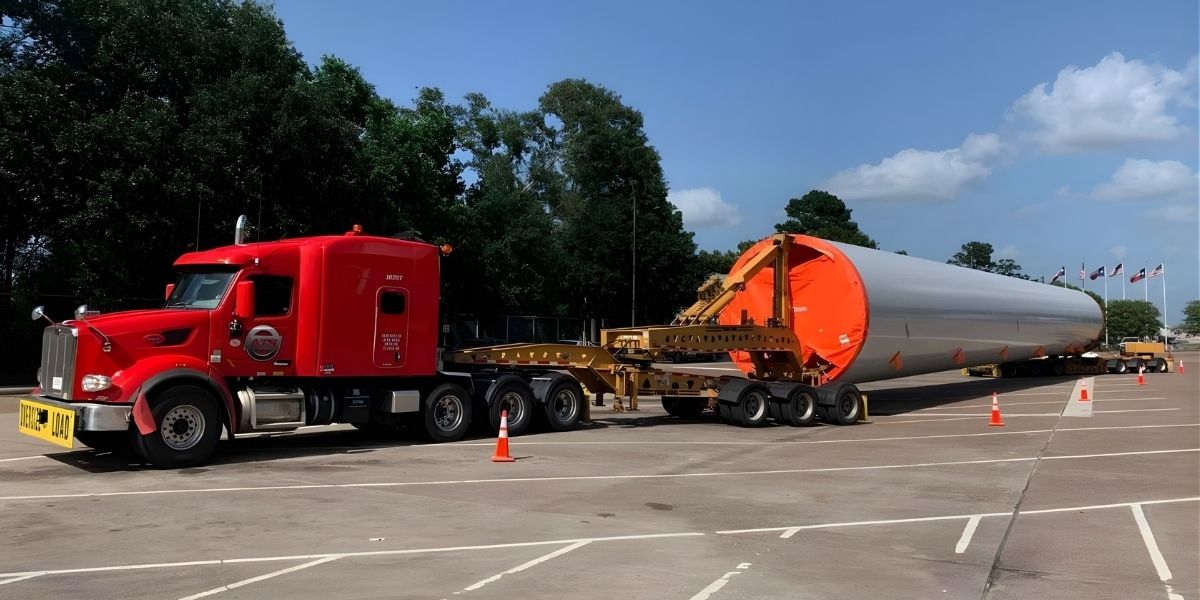
Heavy and oversized loads introduce additional layers of complexity, including bridge-height limitations and turn-radius constraints. Standard routing apps often fail to account for these physical barriers. Integrating load-dimension algorithms with real-time bridge-clearance databases enables logistics managers to automatically generate compliant routes.
For complex freight, referencing resources on Titan Worldwide’s heavy haul trucking logistics can help clarify how bridge clearances and turn-radius constraints are calculated into every route plan.
2. Navigate City Regulations With Confidence
Major metropolitan areas administer dozens of permit types for oversize moves, each with its own fee structure. In New York City, late filings can delay deliveries by up to 48 hours or result in fines of thousands of dollars per trip.
Understanding the specific requirements for divisible loads versus superloads is essential for maintaining a schedule. Compliance errors here directly impact profitability.
Managing Compliance End-to-End
Successful urban logistics requires a proactive approach to compliance, including daily checks with local transportation departments. From pilot-car coordination to arranging police escorts, handling compliance tasks centrally prevents administrative bottlenecks.
A well-coordinated 230-ton crane move through a city center at 2 a.m. without violations illustrates the payoff of precise permitting. Logistics teams should build a permit calendar keyed to city-specific lead times.
3. Embrace Sustainable Delivery Practices
Urban sustainability mandates are reshaping fleet compositions across major cities. City programs increasingly offer vouchers for zero-emission replacements, while congestion pricing models under review propose surcharges on high-emitting diesel rigs.
Switching a portion of an urban fleet to compressed natural gas (CNG) or battery-electric tractors can significantly reduce greenhouse gas emissions.
Consolidation and Carbon-Reduction Strategies
Sustainability also involves smarter load planning through micro-distribution hubs. Hubs located in outer boroughs allow for the consolidation of inbound heavy equipment before final delivery. By staging freight closer to final sites and deploying right-sized vehicles for the last mile, companies can reduce empty miles.
Real-world applications show that companies distributing products like moped scooters have slashed city delivery emissions by combining electric trucks with cross-dock consolidation strategies.
Strategic Next Steps
Optimizing urban logistics requires a blend of technology, regulatory knowledge, and sustainable foresight. To gauge readiness for the next quarter, logistics leaders should focus on key internal audits. Addressing these areas proactively transforms urban delivery from a logistical headache into a streamlined operation.
- Audit recent deliveries: Identify how many shipments incurred congestion delays or permit penalties.
- Review the tech stack: Ensure live traffic and bridge databases are fully integrated into routing software.
- Assess sustainability: Determine what percentage of city loads could shift to alternative-fuel equipment or consolidated hubs.
Your Next Steps
Efficiency in urban environments is no longer just about speed; it is about intelligence and adaptability. Now is the time to audit your current routing tools and compliance frameworks. Consider partnering with industry leaders to close gaps in your heavy haul and last-mile strategies.
| Author Profile: Titan Worldwide is the leading third-party logistics provider of heavy haul trucking and heavy equipment transport solutions for vital industries across North America. |