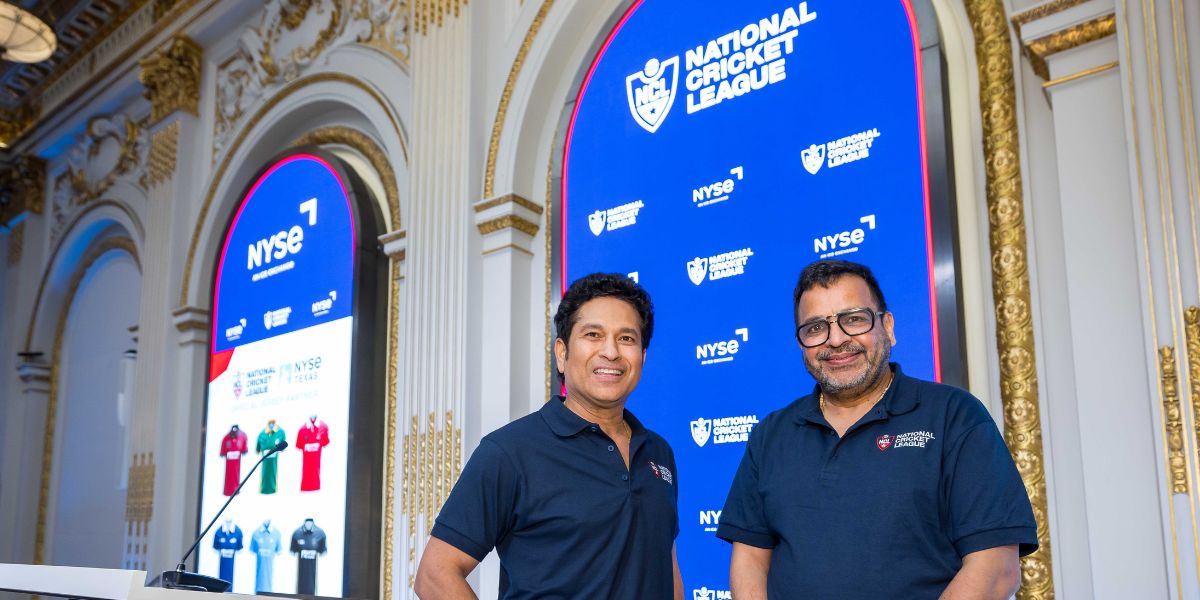


Cricket doesn’t need an introduction. It already exists, fully formed, deeply loved, and watched by an estimated 2.5 billion people worldwide. It is the rhythm of evenings in India, the backdrop of weekends in the U.K., the heartbeat of communities across the Caribbean, Australia, Africa, and the Middle East. For generations, it has functioned as a shared global language.
What’s new is not cricket’s scale.
What’s new is America’s relationship to it.
In the United States, cricket is no longer just something people bring with them. It’s something being built here intentionally, locally, and with patience. At the center of that effort is National Cricket League USA, which has taken a distinctly American approach to a global sport: build understanding before demanding loyalty.
The National Cricket League USA is not simply importing cricket; it is reshaping how the game fits into American life. Matches are designed to be shorter, more accessible, and easier to follow for first-time viewers. The format respects cricket’s traditions while adapting its pacing, presentation, and atmosphere to align with how American audiences actually watch sports.
This isn’t dilution. It’s translation.
By tightening match windows, blending competition with culture, and placing equal weight on the in-stadium experience and broadcast reach, NCL USA is demonstrating that cricket can thrive in the United States without losing its identity. Longtime fans recognize the game. New fans can enter without intimidation.
That philosophy extends beyond the professional field.
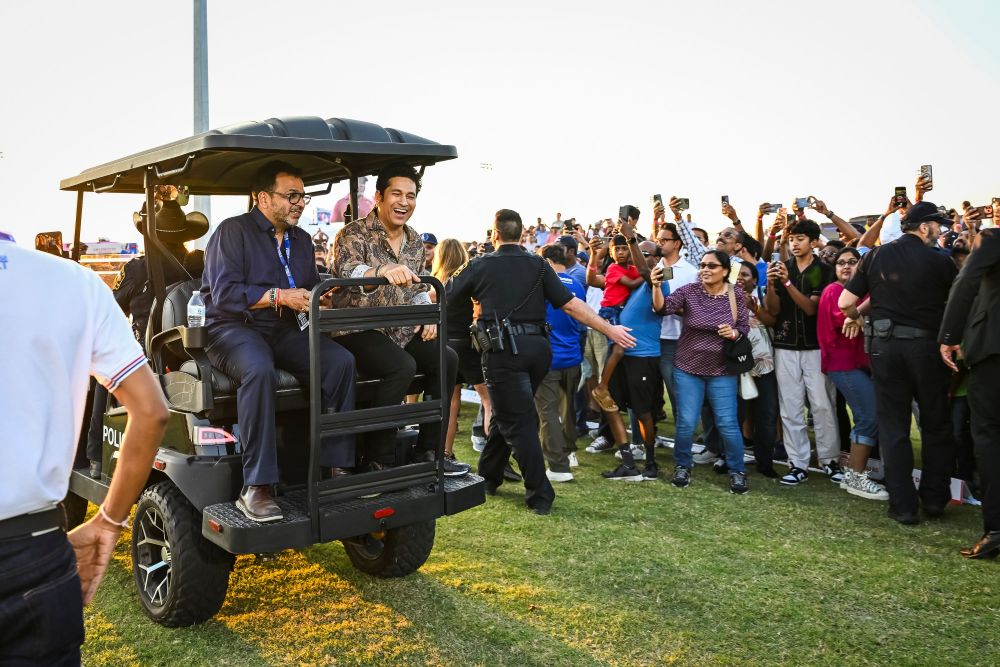
Photo Courtesy: NCL USA
Sports cultures don’t begin in stadiums. They begin in parks, in schools, on college campuses, and in neighborhoods where curiosity comes before allegiance.
NCL USA has focused on familiarity before fandom. Youth clinics introduce the game without pretense. Community nights welcome families seeing cricket for the first time alongside those who grew up with it. College partnerships turn discovery into habit. This isn’t about rushing adoption; it’s about building recognition.
At the same time, the audience is already there.
During the NCL USA tournament held in October, the league drew one of the most-watched cricket audiences in the country, with viewership spanning domestic fans and international audiences eager to see how cricket translates on American soil. For global viewers, the appeal was immediate: a beloved sport in a new setting. For American viewers, it was an invitation to watch without needing to already know, to stay long enough to understand.
That dual audience matters. Cricket doesn’t need to prove its global relevance. It needs to establish its domestic one.
The league’s ecosystem extends beyond the professional level. The Collegiate Cricket League plays a critical role in that transition, embedding the sport where experimentation thrives. College campuses are where cricket becomes social, picked up between classes, explained peer to peer, and shared organically. It’s where rules turn into instincts, and curiosity turns into community.
Together, NCL USA and CCL form a pipeline that looks less like a launch and more like a foundation. Youth to college, college to professional, participation in viewership. This is how American sports endure, not through spectacle alone, but through systems that invite people in.
All of this is unfolding with a clear horizon ahead. When cricket takes the global stage at the 2028 Summer Olympics, it won’t arrive as an unfamiliar import. It will arrive with context, played by kids who learned it here, followed by students who watched it here, and supported by fans who have already made room for it.
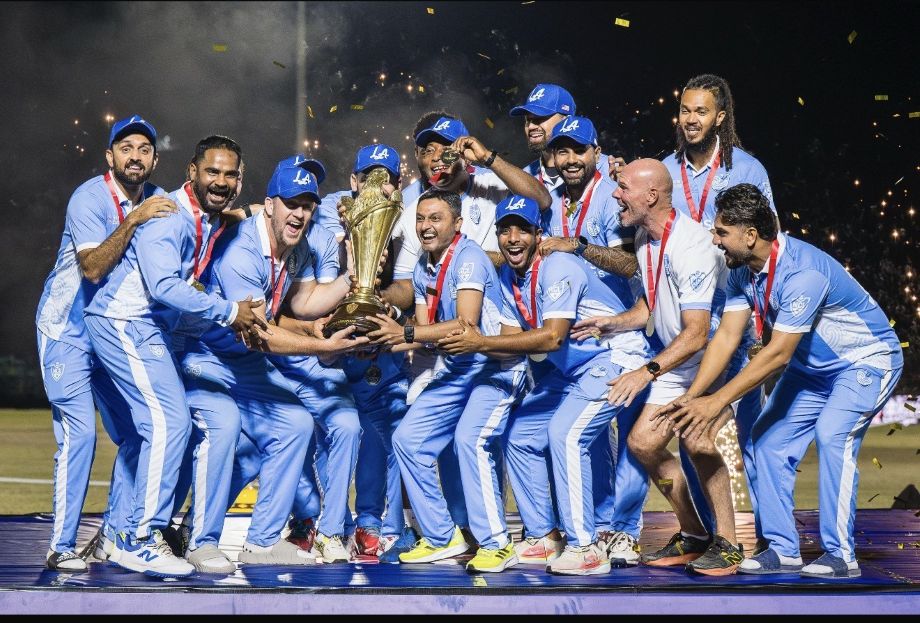
Photo Courtesy: NYSE
Cricket doesn’t need America to validate it.
America, however, is beginning to change what cricket can become.
By building a domestic foundation through the National Cricket League USA, the sport is gaining something it has never fully had before: a lasting American chapter, grown slowly, understood deeply, and connected to a global audience that already numbers in the billions.
That shift doesn’t announce itself loudly.
But it’s the kind that history tends to remember.