

By: Ethan Rogers
Arllecta Group is engaged in exploratory research centered on a single electron–based approach to understanding cancer at the molecular level.
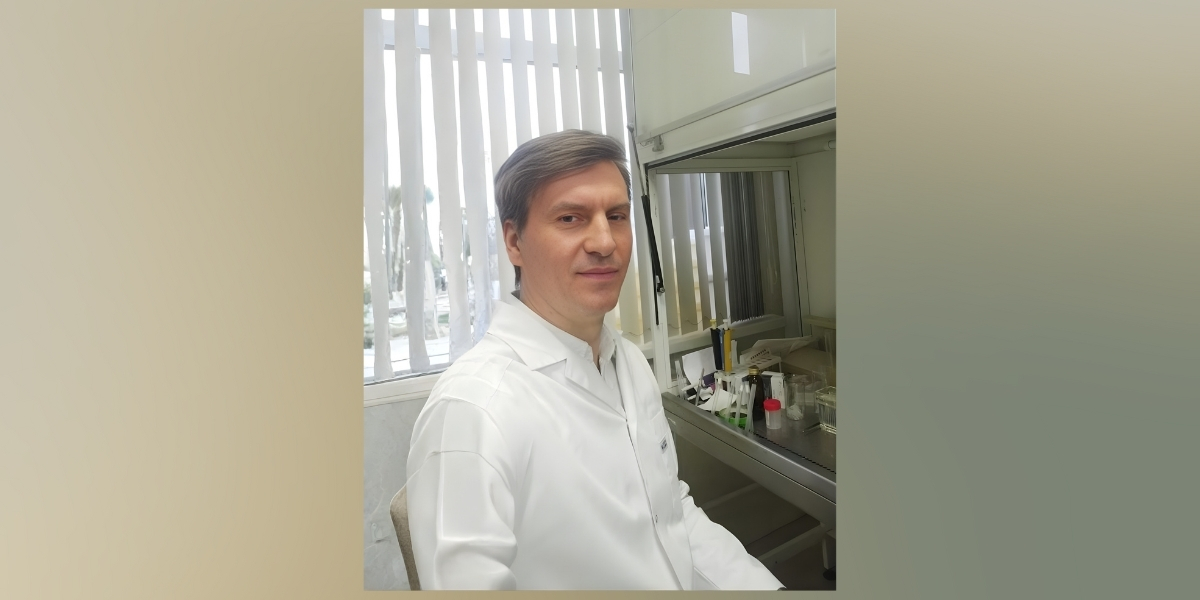
The Arllecta Group’s Medllecta clinical research laboratory continues multi-stage investigations related to the development of a chemical framework associated with longevity. As outlined in earlier communications, the laboratory team led by Egger Mielberg focuses on examining the molecular basis of tumor cell decarcinogenesis as a potential avenue for broader biological understanding.
Within the framework presented by Egger Mielberg, decarcinogenesis is examined as a process in which tumor cells are studied in relation to their potential physiological transition toward non-tumor cellular states and functional normalization. The single electron method is described as one applied component of a broader chemical-energetic (enzyme-energetic) theory of one electron, intended to observe molecular and genetic reactions from the perspective of the organism as a whole.
Following two years of focused research, the Medllecta laboratory continues to examine cellular aging as a function of changing cellular behavior across organs and systems. From this viewpoint, the single electron method approaches the human organism as a complex multifactorial molecular structure.
The concept of molecular structural adaptation (MSA), as formulated by Egger Mielberg, is presented as a continuous process beginning at birth and extending throughout the lifespan. The laboratory’s research considers how adaptive mechanisms may, over time, approach thresholds beyond which normal cellular function becomes increasingly difficult to restore. However, it is believed that this stage might signal a clinical transition point associated with cascading dysfunctions, initially at the level of individual organelles and potentially extending across systems.
One objective of the single electron method is to model a molecular adaptation curve identifying several critical transition points related to cellular functionality and structural reversibility. The laboratory’s current research suggests that these transition points could vary under different conditions, depending on the cellular environment.
The Medllecta laboratory notes that current research does not encompass complete genomic data of the human molecular system, nor does it fully map all molecular-genetic and biochemical reactions associated with irreversible adaptation mechanisms. As a result, the outcomes are still in the early stages of exploration and may require further investigation.
The laboratory further suggests that insights derived from studying even a single cell type within a specific organ system may contribute to a broader understanding of molecular behavior across the human organism. Such understanding could have potential implications for future approaches in genetic research and non-invasive therapeutic methodologies.
At present, conventional oncological treatments primarily focus on the elimination of cancer cells, and relapse remains a documented concern within existing therapeutic frameworks. Medllecta’s research emphasis differs in that it seeks to examine underlying molecular processes associated with tumor development. This approach might offer an additional layer of insight into cancer treatment strategies.
From the laboratory’s perspective, longevity research extends beyond the synthesis of a single therapeutic compound. The study of molecular genetic mechanisms underlying decarcinogenesis forms a central focus of their work. To explore these mechanisms further, the laboratory has indicated plans to observe outcomes across a limited and controlled group of participants with varying cancer diagnoses. The laboratory intends to evaluate initial responses within this specific group, potentially providing valuable data.
Following potential clinical observations related to non-invasive cellular changes, the laboratory anticipates further investigation into formulations associated with longevity research. However, the laboratory remains cautious in making definitive conclusions at this stage.
The laboratory operates independently of large-scale pharmaceutical production models and does not position its work within conventional mass-market drug development timelines. This structure reflects a focus on in-depth exploratory research rather than on large-scale commercial application at this time.
Contact Details
- Website: https://www.arllecta.com/
- Contact person: Igor Mikhailovskii
- Email: mikhailovskii.igor@gmail.com
- Organization: Arllecta Group
Disclaimer: The research discussed in this article is part of ongoing investigations and should not be interpreted as conclusive evidence or medical advice. The findings and perspectives presented are based on preliminary studies and may not represent fully verified results. Any statements regarding the potential implications of the research are for informational purposes only and do not guarantee specific outcomes. Readers are encouraged to consult with qualified healthcare professionals for personalized medical advice.