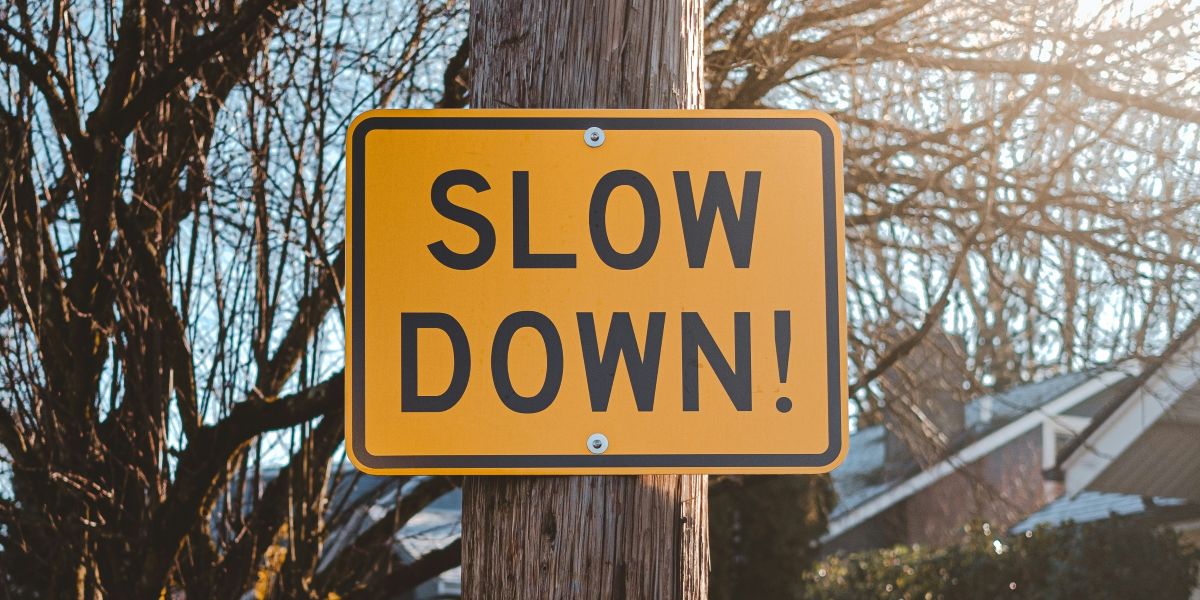


Kentucky’s updated “Slow Down, Move Over” law now covers all stopped vehicles with hazard signals, not just emergency responders. It’s a significant change for anyone driving here, since it means you may need to slow down or change lanes (if it’s safe to do so) for any car on the shoulder with its hazards on. This isn’t just about being courteous; it’s about reducing the likelihood of accidents and, in some cases, legal complications. If you drive in Kentucky, you should be aware of these changes and how they could affect you.
The new rules are designed to help keep roadside workers and stranded drivers safer. If you don’t follow them, you could face fines, and if you’re involved in a crash, the consequences might not be favorable in court. Drivers now need to pay attention and do their best to follow what’s required, or they could risk more than just a ticket.
These changes are part of a broader effort to improve safety on Kentucky’s roads. If you’re involved in a crash, it might be wise to speak with an experienced legal professional who can offer insight into car accidents and help you navigate the situation.
Key Provisions of Kentucky’s New ‘Slow Down, Move Over’ Law
The revised law clearly outlines what drivers should do when they see certain vehicles stopped on the roadside. It’s about protecting not just emergency responders, but anyone stuck with a broken-down car or working by the road. The aim is to encourage drivers to slow down, move over, and ideally avoid any incidents.
What the Updated Law Requires of Drivers
If you spot emergency vehicles with flashing red or blue lights, or hear sirens or bells, you’re expected to pull over to the edge of the road, steering clear of intersections, and stay there until they pass or you’re instructed otherwise.
You’re also not allowed to tailgate emergency vehicles with their lights and sirens on; you must keep at least 500 feet back unless you’re following them for a specific reason. Don’t park near stopped emergency units either. And if you come upon a disabled vehicle with hazard lights or reflectors, slow down or change lanes if there’s enough room.
Who Is Protected Under the Law
This isn’t just about first responders anymore. Firefighters, tow truck drivers, police officers, and people with broken-down cars now get some extra protection. Even those doing public safety or roadwork are included.
So, if someone’s pulled over with their hazards on, or if there’s emergency gear on the shoulder—like flashing yellow, red, white, or blue lights—you’re expected to give them space and slow down. The law is intended to cover nearly every situation where someone could be at risk on the side of the road.
Penalties for Violations
If you ignore the law, you’re likely to face fines, and in some cases, potentially even arrest. Kentucky takes these violations seriously, aiming to make sure drivers pay attention and don’t put roadside workers (or stranded drivers) in danger.
Repeat violations, causing injuries or damage, could result in more severe consequences. The goal is to emphasize how serious the state is about protecting people working or stranded by the road.
Role of Flashers and Visibility Measures
If your car’s stuck on the side, you need to turn on your hazard lights or put out reflectors so other drivers can see you. These signals are what tell everyone else to slow down or move over—which may help prevent a crash.
Drivers are expected to react when they see those lights. Also, you’re not supposed to drive over fire hoses or other emergency gear unless someone in charge says it’s okay. That gear is there for a reason, and driving over it could make the situation worse.
Impact on Accident Liability and Roadside Safety
With these changes, who’s at fault in a crash involving a stopped car may play out differently. The law is designed to protect people working or stranded on the side of the road, encouraging drivers to be more cautious when passing any roadside incident.
How the Law Shapes Accident Responsibility
Now, if you don’t slow down or move over when you see a car with hazard lights, and you hit something or someone, you could be held responsible. The law’s intention is clear: it’s not just about emergency vehicles anymore.
If you break the rules and someone gets hurt, you may face fines or more. The point is to make drivers think twice and, hopefully, keep everyone safer when cars are stopped on the shoulder.
Implications for Emergency Responders and Tow Truck Drivers
People working on accidents or towing cars are often in dangerous situations. The law seeks to make it less risky by requiring drivers to slow down and give others space.
Police, medics, and tow operators all stand to benefit from these new protections. By including any vehicle with hazard lights, the law casts a wider net to help keep more people safe. It’s not perfect, but at least it’s a step toward fewer roadside injuries and fatalities. Maybe it’ll help more drivers stay alert, which, honestly, is long overdue.
Safety Benefits for Roadside Workers and Motorists
Workers handling road repairs—and drivers stuck with car trouble—could feel a bit more at ease thanks to the law’s broader requirements. When drivers actually slow down or change lanes, it reduces the chance of another crash happening right next to a stopped vehicle.
These updates don’t just help first responders; utility and highway crews are also better protected. Honestly, if drivers are more careful around disabled cars, it might make a big difference. There’s a better chance to react if something unpredictable pops up.
Disclaimer: The information provided in this article is for general informational purposes only and should not be construed as legal advice. While we aim to provide accurate and up-to-date information, laws and regulations may vary and be subject to change. For specific legal concerns or advice, it is recommended to consult with a qualified legal professional.