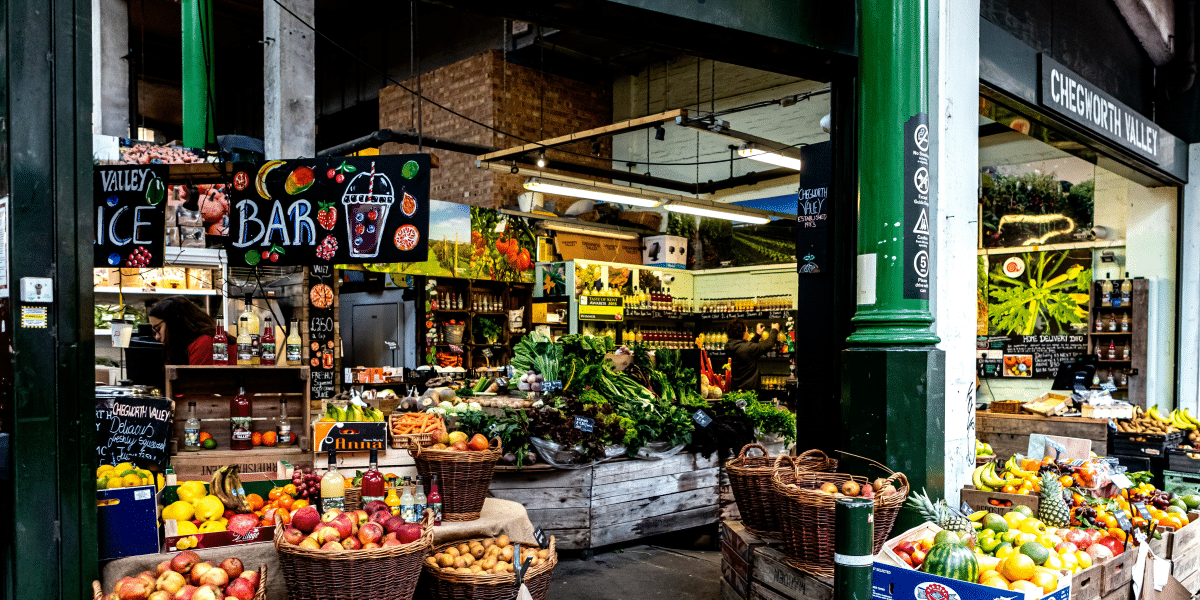


In recent years, the food retail industry in the United Kingdom has faced an evolving economic landscape marked by shifting consumer behaviors, supply chain disruptions, and rising costs. Food stores have been under pressure to adapt and thrive in a challenging environment. However, despite these complexities, the UK food retail sector has shown remarkable resilience, unveiling innovative solutions to cater to changing consumer demands and meet financial objectives.
Challenges Facing UK Food Stores
- inflation rate
- supply chain issues
- focus on sustainability
- online shopping
Inflationary Pressures
Inflation has been a significant concern for UK food stores, driving up costs for both businesses and consumers. The rising prices of raw materials, energy, and transportation have impacted profit margins and forced food stores to re-evaluate their pricing strategies. Retailers are also dealing with an increase in wages due to labor shortages, which has only added to their operational costs. Consumers, on the other hand, are feeling the pinch as grocery bills rise, prompting a shift toward value-for-money offerings and discount shopping.
Supply Chain Disruptions
Global supply chain issues have affected the availability of certain goods, and UK food stores have had to find creative ways to manage shortages. Brexit and the COVID-19 pandemic have further complicated these challenges by disrupting the flow of goods and increasing the cost of imported products. Food retailers have responded by improving relationships with local suppliers and enhancing their logistical capabilities to maintain stock levels.
Increased Focus on Sustainability
Sustainability has emerged as a crucial factor in consumer decision-making, and UK food stores have responded with a greater focus on reducing their environmental impact. Retailers have introduced initiatives such as eliminating single-use plastics, sourcing local products, and reducing food waste. For instance, Waitrose has committed to ensuring that all of its own-brand packaging is recyclable, reusable, or compostable by 2025.
Food stores have also started incorporating more plant-based options to cater to the increasing number of consumers seeking vegetarian and vegan products. This trend is driven by both health and environmental concerns, and retailers have been quick to adapt their ranges to meet this growing demand.
The Growth of Online Grocery Shopping
Online grocery shopping in the UK has seen tremendous growth over the past few years. The COVID-19 pandemic accelerated the adoption of online services, with many consumers trying online shopping for the first time. This trend has persisted even as physical stores have reopened, as people appreciate the convenience and time savings associated with digital shopping.
UK food stores have made substantial investments in their online platforms to accommodate increased demand. Click-and-collect services, in particular, have become popular among consumers who want to avoid delivery fees but still enjoy the convenience of ordering online. Retailers have also been working to make their online platforms more user-friendly and efficient, improving the overall shopping experience for their customers.
Hybrid Shopping Models
The line between online and in-store shopping is blurring, as consumers increasingly adopt hybrid shopping models. Many food stores now offer services that allow customers to order online and pick up in-store, while others have introduced digital features that enhance the in-store experience. For example, apps that provide in-store navigation or personalized offers based on shopping history are helping bridge the gap between online and offline channels.
Food stores are also experimenting with cashier-less shopping experiences, such as Tesco’s GetGo concept store, where customers can simply pick up their items and leave, with purchases automatically charged through their app. These innovations provide a glimpse into the future of grocery shopping, where convenience and speed are prioritized.
Innovations in Retail Operations
- invest in technology
- adopt automation
Adoption of Technology to Enhance Efficiency
Technology has played an integral role in helping UK food stores navigate current challenges. Many retailers are adopting advanced inventory management systems to better track stock and minimize waste. Artificial intelligence (AI) and data analytics are being used to analyze consumer behavior, allowing stores to optimize their product offerings and pricing strategies.
One particular area where technology has made a noticeable impact is in refrigeration systems. Food stores are increasingly investing in energy-efficient professional refrigerators such as glass-door drink fridges to reduce costs and improve energy sustainability. These innovations help in maintaining product quality while lowering operational expenses, ultimately benefiting both consumers and retailers.
Automation and Labor Solutions
The food retail industry has also begun embracing automation to address labor shortages and increase efficiency. Self-checkout systems and automated warehouses are becoming more common, allowing retailers to streamline their operations. Ocado, for example, has been at the forefront of using automation to fulfill online grocery orders, utilizing robotic systems to pick and pack items efficiently.
However, automation doesn’t come without challenges. Food stores must strike a balance between enhancing efficiency and maintaining a high level of customer service, as the personal touch remains an important part of the shopping experience for many consumers.
The Future Outlook for UK Food Stores
As the UK food retail sector looks to the future, retailers must adapt to an ever-changing economic landscape while responding to shifting consumer preferences. The focus will be on balancing efficiency with customer satisfaction, expanding health and wellness offerings, and committing to sustainability. By embracing technology, enhancing value-driven initiatives, and remaining agile, food stores will be better positioned to meet consumer expectations and secure long-term growth.
Continued Focus on Efficiency and Value
Retailers are also likely to invest in professional equipment, such as commercial fridges, to improve energy efficiency, maintain optimal storage conditions, and reduce overall operational costs. By using advanced refrigeration systems, food stores can reduce their carbon footprint and ensure product quality, which is crucial for consumer satisfaction. Investments in technology and automation will play a key role in these efforts, enabling stores to cut costs while enhancing the customer experience.
Growth of Health and Wellness Products
As consumer preferences continue to evolve, the demand for health and wellness products is likely to grow. Food stores are expected to expand their ranges of organic, gluten-free, and plant-based options, catering to health-conscious consumers. Retailers will also focus on promoting healthier alternatives through better labeling and product placement, making it easier for shoppers to make informed choices.
In addition, transparency regarding product sourcing and nutritional information will become increasingly important. Retailers that can clearly communicate the benefits of their products and align with consumer values are likely to build greater trust and loyalty.
Sustainability at the Forefront
Sustainability will remain a critical focus for UK food stores as environmental concerns take center stage. Retailers are expected to continue investing in eco-friendly packaging, reducing food waste, and supporting local suppliers to minimize their environmental impact. Consumers are becoming more discerning about the ethical and environmental practices of the companies they buy from, and food stores that can demonstrate a genuine commitment to sustainability will be well-positioned to attract these conscientious shoppers.
Retailers are also exploring ways to further reduce their carbon footprint, such as investing in renewable energy for store operations and partnering with sustainable suppliers. This commitment to sustainability helps the environment and enhances a brand’s reputation in the eyes of increasingly eco-aware consumers.
A Resilient and Evolving Industry
The UK food retail sector has demonstrated resilience and adaptability in the face of significant challenges. With inflationary pressures, changing consumer habits, and supply chain disruptions, food stores have had to evolve quickly, finding new ways to deliver value, convenience, and sustainability. By embracing technology, investing in efficiency, and responding to shifting consumer demands, the industry continues to find opportunities for growth and innovation.
The future of UK food stores will undoubtedly be shaped by an ongoing commitment to providing affordable, high-quality products while maintaining a focus on customer experience and environmental responsibility. As retailers strive to meet the needs of a diverse consumer base, their ability to innovate and adapt will be key to maintaining a competitive edge in an ever-changing economic landscape.
Published by: Annie P.