

Wellness used to sound like a full-time job. Early mornings, strict rules, expensive routines, all or nothing, right? That idea doesn’t really hold up anymore. Real life is busy. People are tired. And health now looks a lot more practical. The perfect routine? It probably doesn’t exist anymore. But small shifts in your lifestyle matter.
What you use at home, how you eat, how you move, and whether you rest enough all add up. Wellness today feels less like pressure and more like paying attention.
So, let’s have a look at how people are choosing health every day in ways that feel doable and real.
Redefining What Wellness Really Means
Wellness isn’t about chasing an ideal – not nowadays at least. Most people just want to feel better during the day. They need more energy. Everyone would like to have fewer aches. Oh, and of course, a clearer head. That change in mindset makes a difference. Instead of following strict plans, people focus on what works for them. Maybe that means slower mornings or fewer late nights. Maybe it’s learning when to push and when to pause. Wellness is personal. It fits around work, family, and real responsibilities. When health stops feeling extreme, it becomes something people can actually stick with.
Choosing More Natural Products at Home
People are paying more attention to the stuff they use every single day. Cleaning sprays, laundry products, skincare, all of it. If it touches their skin or fills their home, they want to know what’s in it. That’s why more households are moving toward natural, chemical-free options. It just feels like a smarter choice. Some people choose to buy from manufacturers such as The Wellness Company Melaleuca, known as a distributor of over 450 health and care products. The goal? Reducing unnecessary exposure and creating a healthier space to live in.
Making Food Choices That Feel Sustainable
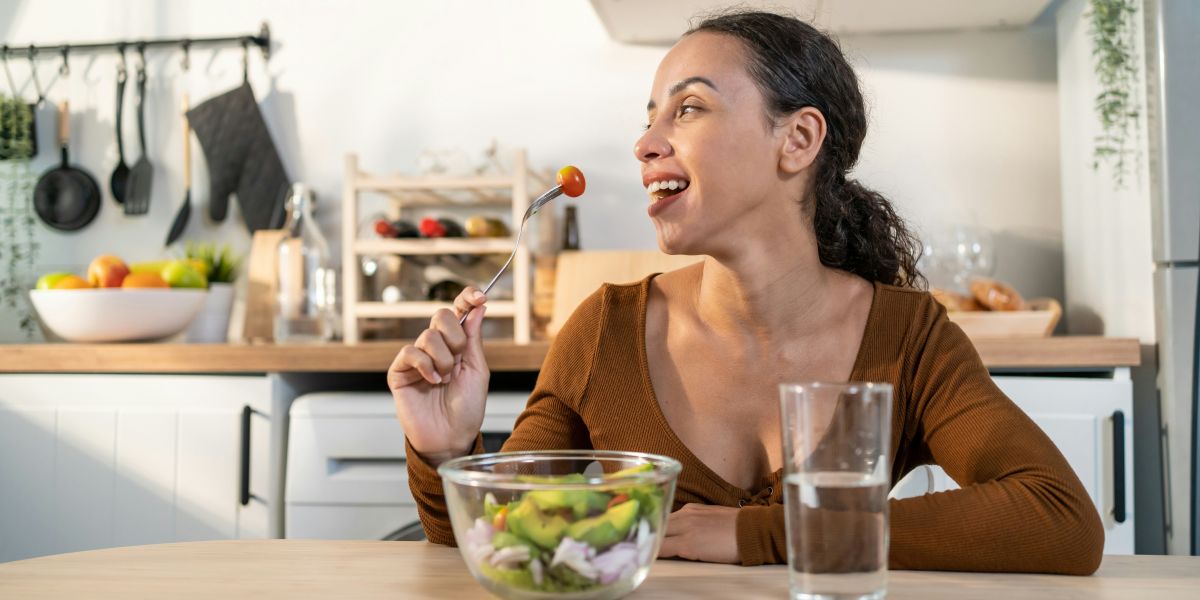
Food choices look different now, too. Strict diets don’t last for most people. Many are so done feeling guilty about eating. So, what do they focus on now? Balance. More home-cooked meals when possible. More whole foods mixed in. Less reliance on ultra-processed stuff.
People still enjoy what they eat, but they’re more mindful. This approach feels realistic. It supports health without turning meals into a constant struggle. When eating well feels flexible, it becomes easier to maintain over time.
Moving the Body Without Pressure
Who said exercise needs to be intense to matter? The idea has finally caught on that it simply doesn’t. People move in ways that fit their lives. They’ll walk more, stretch when they can, and when they have time, they’ll work out, too.
The pressure to do everything perfectly is fading. You’ve just got to keep moving – doesn’t really matter how you do it.
Sleep is a Health Tool
Sleep didn’t get much attention, did it? Well, now it’s finally getting the respect it deserves. Poor sleep messes with everything: energy, mood, focus, and even food choices. People notice that. Many are building better nighttime routines. They’re even cutting back on screens! All to protect their rest. A solid night of sleep makes the next day easier to handle. The idea that sleep can be compromised is so outdated now.
Staying Hydrated and Mindful of Daily Habits
Now, staying hydrated sounds pretty basic, doesn’t it? But it’s one of those things people ignore – until they feel off. Headaches, low energy, trouble focusing, and random crankiness. A lot of that comes down to not drinking enough water.
So, what do people do now? They’re making small changes. A bottle on the desk. A glass before coffee. Small reminders throughout the day. Nothing extreme. Just enough to stay ahead of dehydration.
It doesn’t stop at water either. People pay more attention to the little habits that shape their days. Sitting too long? Stand up and stretch. Staring at a screen nonstop? Step outside for a minute. These small daily choices don’t look impressive, but they keep the body running smoother.
Creating Healthier Home Environments
Home sets the tone. If it feels chaotic, life feels heavier. People are finally learning – a home is where wellness begins. That means cleaner air, calmer spaces, and fewer irritants. They crack open windows when the weather allows. Let light in. Cut down on clutter that stresses them out without realizing it.
Softer bulbs at night. Brighter spaces during the day. Even small changes like reorganizing a room or creating a quiet corner make a difference. A healthier home supports better sleep, better moods, and less background stress – who doesn’t need that nowadays?
Paying Attention to Mental Health Daily
“I’m fine”. That’s what people would tell themselves every day, isn’t it? And when did they ask for help? When things go really bad. That’s shifting. Now mental health is part of everyday care. People actually pause. They take short breaks. They embrace quiet mornings and breathe before reacting. It’s not about long routines. It’s about regular check-ins.
Some people journal. Others talk things out. Some just sit in silence for a few minutes. These small practices help release stress before it builds up. People also get better at setting boundaries. Saying no. Logging off. Protecting personal time. Mental health improves when people stop treating rest like a reward and start seeing it as necessary.
Learning to Listen to the Body
The body gives signals all the time. Tension. Fatigue. Hunger. Restlessness. Usually, people just brushed these signs off. Now they’re paying attention. Feeling worn down? It means you need to slow down. Tight muscles? That means it’s time to stretch or rest. Hunger means eating, not delaying it out of guilt or schedules.
Listening to the body builds trust. It prevents burnout and long-term stress. People stop forcing routines that don’t fit and adjust based on how they feel. This doesn’t mean avoiding effort. It means responding instead of ignoring.
Wellness today? It’s not flashy or extreme. It’s built quietly through everyday decisions that support how people feel. Drinking enough water. Creating calmer homes. Everything that we discussed above. These choices don’t require big sacrifices. They just need awareness and follow-through. When wellness fits into normal life, it becomes sustainable. That’s how people choose health every day, without overthinking it.
Disclaimer: This content is for informational purposes only and is not intended as medical advice, nor does it replace professional medical expertise or treatment. If you have any concerns or questions about your health, always consult with a physician or other healthcare professional.