

Cars are more than just a means of transportation; they are investments that, when cared for properly, can deliver years of reliable performance and retain much of their value. Unfortunately, many owners overlook small details in upkeep and usage that significantly impact a vehicle’s lifespan. Protecting your car’s value is not only about preserving its resale price but also about ensuring your safety and comfort while driving.
From consistent maintenance to smart driving habits, storage considerations, and thoughtful upgrades, there are many steps you can take to keep your vehicle in peak condition. Below, we explore the smartest ways to safeguard your car’s longevity and overall worth.
Regular Repair And Maintenance: The Foundation Of Longevity
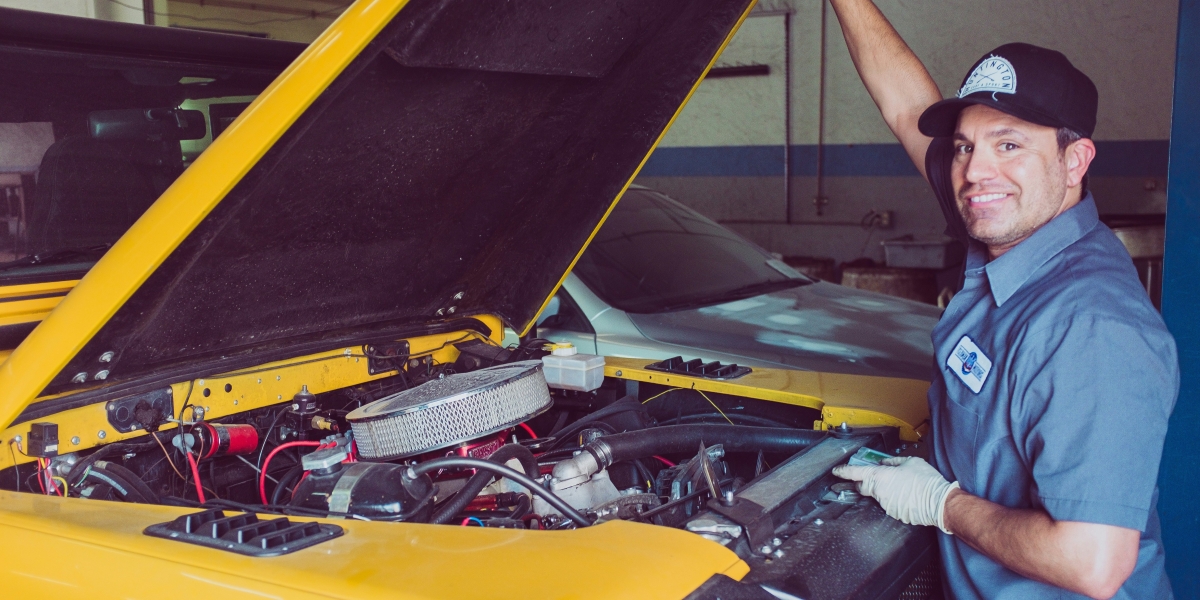
The most effective way to protect your car is through finding consistent car repair and maintenance services. Vehicles are complex machines, and even the smallest neglected issue can snowball into a costly breakdown. Following the manufacturer’s maintenance schedule—typically outlined in the owner’s manual—ensures that vital components such as the engine, transmission, and braking system are always in optimal condition.
Oil changes, for example, lubricate engine parts, reducing friction and preventing overheating. Replacing worn brake pads before they damage the rotors saves money while keeping you safe. Tire rotations extend tread life and improve fuel efficiency by promoting even wear. Beyond the basics, having a trusted mechanic inspect belts, hoses, and suspension systems prevents unexpected failures that can lower both performance and resale value.
Regular maintenance records also add credibility when it’s time to sell your car. A potential buyer is far more likely to pay top dollar for a vehicle with documented proof of care than for one with gaps in service history. Simply put, preventative maintenance is not just an expense—it is an investment in your car’s future value.
Protecting Your Car’s Exterior With Smart Care
While mechanical upkeep is essential, protecting your car’s exterior also plays a major role in preserving value. Sun exposure, road salt, and environmental pollutants can wear down paint and corrode metal over time. Washing your car regularly removes harmful debris, while applying a high-quality coating provides a protective barrier against UV rays and contaminants.
Parking under shade or using a car cover helps prevent fading and cracking in both paint and interior materials. In winter climates, rinsing off road salt prevents rust from developing on the undercarriage and wheel wells. Small scratches and chips should be repaired promptly to stop corrosion from spreading.
Attention to exterior care doesn’t just keep your car looking new—it signals to future buyers that the vehicle has been well maintained, making it easier to secure a better price at resale.
Driving Habits That Preserve Your Vehicle
How you drive directly impacts your car’s longevity. Aggressive driving—such as hard acceleration, abrupt braking, and speeding—places unnecessary strain on the engine, transmission, and brakes. Over time, this accelerates wear and leads to expensive repairs. Smooth acceleration, steady speeds, and gentle braking, on the other hand, minimize stress on critical components and improve fuel efficiency.
Warming up the engine briefly before driving in cold weather ensures proper oil circulation, while avoiding excessive idling prevents fuel waste and carbon buildup. Staying mindful of road conditions, such as avoiding potholes, also protects suspension systems and wheel alignment.
By practicing defensive and considerate driving habits, you not only reduce the risk of accidents but also extend the life of your car. These habits require no extra cost but deliver significant long-term savings and value retention.
Photo: Unsplash.com
Smart Storage And Seasonal Preparations
Where and how you store your vehicle matters just as much as how you drive it. Cars kept in garages or covered parking areas are less vulnerable to environmental damage. Extreme heat can weaken batteries and crack dashboards, while freezing temperatures thicken fluids and stress the engine. Using a garage, carport, or quality cover shields your car from these harsh conditions.
For seasonal preparation, it’s essential to equip your vehicle with the right tools for the climate. Winter tires, for instance, offer better traction in snow and ice, protecting both safety and tire longevity. In summer, checking coolant levels and ensuring proper air conditioning function helps avoid overheating.
If storing a car for extended periods; disconnecting the battery, inflating tires to the recommended pressure, and using fuel stabilizers prevent deterioration. Such precautions preserve both the mechanical and aesthetic condition of the vehicle, making it road-ready and valuable even after long storage.
Upgrades And Tech Additions That Add Value
While not all modifications improve a car’s resale value, certain thoughtful upgrades can protect longevity and make your vehicle more desirable. Installing seat covers and floor mats protects interiors from spills and wear, while window tinting reduces sun damage to upholstery and lowers cabin temperature.
Technological upgrades such as backup cameras, Bluetooth connectivity, or dash cams enhance both safety and convenience—features many buyers actively seek. Similarly, upgrading to high-quality tires or energy-efficient LED headlights not only improves performance but also adds to a car’s appeal in the used market.
It’s important to focus on upgrades that are universally beneficial rather than highly personalized. For example, aftermarket body kits or extreme modifications may limit resale opportunities. Instead, choosing enhancements that protect the car or improve everyday usability ensures you maximize both personal satisfaction and long-term financial value.
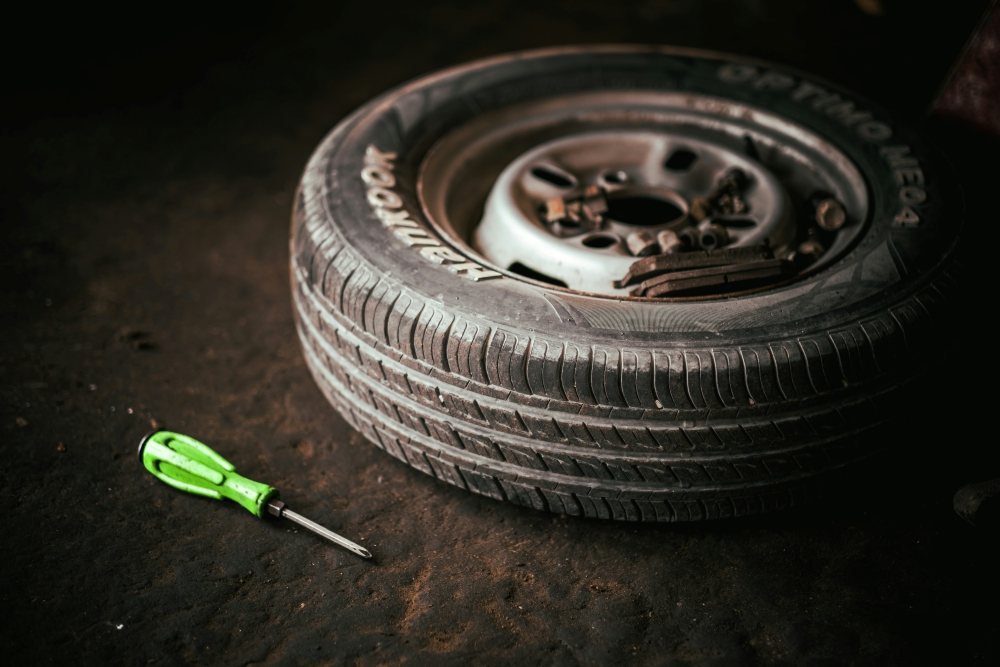
Photo: Unsplash.com
Endnote
Protecting your car’s value and longevity is not about one big decision but rather a combination of smart, consistent practices. Regular repair and maintenance ensure mechanical reliability, while exterior care and careful driving habits safeguard both appearance and performance. Proper storage and seasonal adjustments prevent environmental wear, and selective upgrades enhance usability and appeal without compromising value.