Vitamin C plays a key part in keeping us healthy, yet many people still overlook how to include it in their day‑to‑day lives. This article explains why vitamin C matters, how to get enough of it through your food, and what you might consider when choosing supplements. By the end, you’ll see how a simple addition — like a sweet citrus snack — can fit seamlessly into a healthy routine.
Why Does Vitamin C Matters?
Vitamin C supports our immune system. It helps white blood cells work better and strengthens the skin’s natural barriers. It also acts as an antioxidant, protecting our cells from damage caused by free radicals — unstable molecules linked to chronic diseases.
Vitamin C is also key for helping our bodies absorb iron from plant‑based foods. Iron is essential for healthy blood and energy. For kids and adults who eat mostly fruits and vegetables, vitamin C helps make sure they make the most of their iron intake.
In addition, vitamin C plays a role in collagen production. Collagen is a protein that helps keep skin, bones, teeth, and blood vessels strong. As we age, collagen levels decline, so getting enough vitamin C helps support healthy skin and joints over time.
How Much Vitamin C Do You Need?
The National Institutes of Health set daily guidelines:
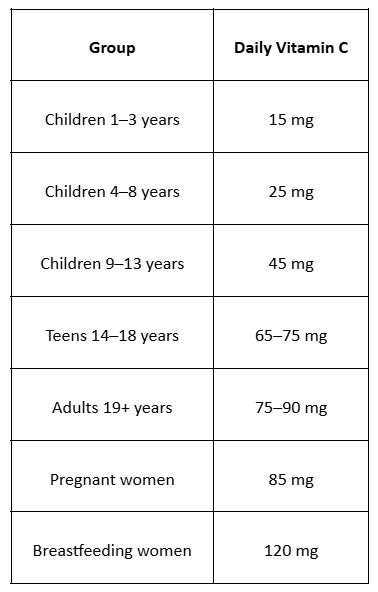
Smokers and people exposed to secondhand smoke are advised to get an extra 35 mg per day due to higher oxidative stress. Overall, it’s usually easy to meet your daily vitamin C needs with fresh foods.
Food Sources That Fit Into Daily Life
Fresh Fruit Plate Or Afternoon Snack
Citrus fruits are excellent natural sources of vitamin C. A standard Cuties® mandarin provides around 23 mg, covering about 25 percent of an adult’s daily need. That makes them an easy add‑on to snack time or after school. For a little inspiration, you can refer to ideas on healthy snack combinations and party themes featuring citrus and other fruits on the Cuties® party themes & healthy snacks blog.
Veggies with dip or salad
Bell peppers, especially red ones, are high in vitamin C — about 95 mg per medium pepper. Broccoli and Brussels sprouts offer 60–80 mg per cooked cup. Combine these vegetables in a salad or raw veggie platter for maximum benefit.
Smoothie or juice
A fruit smoothie with strawberries (98 mg per cup) and oranges or kiwis adds a big boost of vitamin C. Just skip added sugars and use yogurt or a low‑sugar base.
Other natural sources
Kiwi, papaya, pineapple, berries, tomatoes, and cantaloupe — all provide good amounts of vitamin C. A varied diet makes sure you hit your target naturally, without relying on supplements.
When You Might Need Supplements
Many people get enough vitamin C through diet alone. Still, some groups might consider a supplement after talking with a healthcare provider:
- People with limited diets or poor appetites
- Those recovering from surgery or with chronic inflammation
- Smokers or people exposed to smoke
- Anyone with a medical condition that affects nutrient absorption
If you do choose a supplement, pick a reputable brand and take no more than 500 mg per day unless advised otherwise. Very large doses can cause stomach upset or kidney stones.
How to make vitamin C part of your daily routine
- Morning habit: Add half an orange or some berries to your breakfast cereal or oatmeal.
- Packed snack: Keep servings of fresh fruit in the fridge for after school or work. Many grocery chains offer Cuties near the fruit section; you can find a store near you to stock up.
- Midday boost: Combine raw vegetables like peppers and broccoli with hummus or yogurt dip.
- Evening wind‑down: Blend a fruit and yogurt smoothie instead of reaching for a sugary dessert.
These small habits help build strong nutritional support over time.
Avoid Getting Too Much Vitamin C
While vitamin C is water-soluble and generally safe, consuming more than 2,000 mg per day may lead to mild side effects like diarrhea, nausea, or cramps. Long-term high intake could also increase the risk of kidney stones in some individuals. It’s usually recommended to stay close to the daily recommended amount, with a small increase if necessary.
Wrapping Up And Starting Today
Vitamin C offers a range of benefits — from immune support and collagen production to better nutrient absorption. It’s easy to get enough with fresh fruit, vegetables, and occasional smoothies. Just a daily mandarin habit or veggie snack helps keep things balanced.
If you’d like more fresh fruit options that are convenient and tasty, check the Cuties® store locator to see where to find them near you. And for healthy snack ideas or party inspiration, their blog is full of practical tips that keep routines fun and nutritious.
Common Questions Answered
Is Vitamin C Better From Food Or Supplements?
Yes. Vitamin C from food comes with natural fiber and other nutrients that improve absorption and support overall health. Food sources are also less likely to cause side effects.
Can Vitamin C Shorten A Cold Or Flu?
The evidence is mixed. Supplements may slightly reduce cold duration if taken daily, but using large doses once symptoms appear doesn’t seem effective. Still, strong overall vitamin C levels support general wellness and immunity.
Will Vitamin C Help Skin Or Hair?
It supports collagen production and acts as an antioxidant, which helps skin and hair health. But it’s one part of a balanced diet and good skincare routine.
Can Kids Get Enough Vitamin C Every Day?
Yes, if they eat fresh fruits and vegetables. Including fruit like mandarins provides a tasty, easy way for kids to meet their daily needs without fuss.
Disclaimer: The information provided in this article is for general informational purposes only and should not be construed as medical or health advice. Always consult with a qualified healthcare professional before making any changes to your diet, lifestyle, or supplement regimen.