

By: Atif Sharif
In London’s competitive housing market, loft conversions have evolved from a practical means of gaining space into a valued design investment. They are increasingly seen as a way to enhance a property, contributing to natural light, functional layouts, and architectural quality.
For many homeowners, the goal is not simply to add more square footage, but to create a space that meets specific lifestyle needs, ranging from quiet work areas to self-contained guest suites.
This shift reflects broader changes in how people live and work. Homes are now expected to serve multiple roles, and upper-floor conversions provide flexibility without the need for relocating.
When executed with care and attention to detail, an upper-floor addition can improve a property’s market appeal, support long-term usability, and create a more functional home environment.
The New London Brief for Home
Hybrid and remote working have increased demand for spaces that offer focus and privacy. These spaces allow a degree of separation from the bustle of street-level life and the busiest rooms in the home, creating a naturally quieter setting for both work and rest.
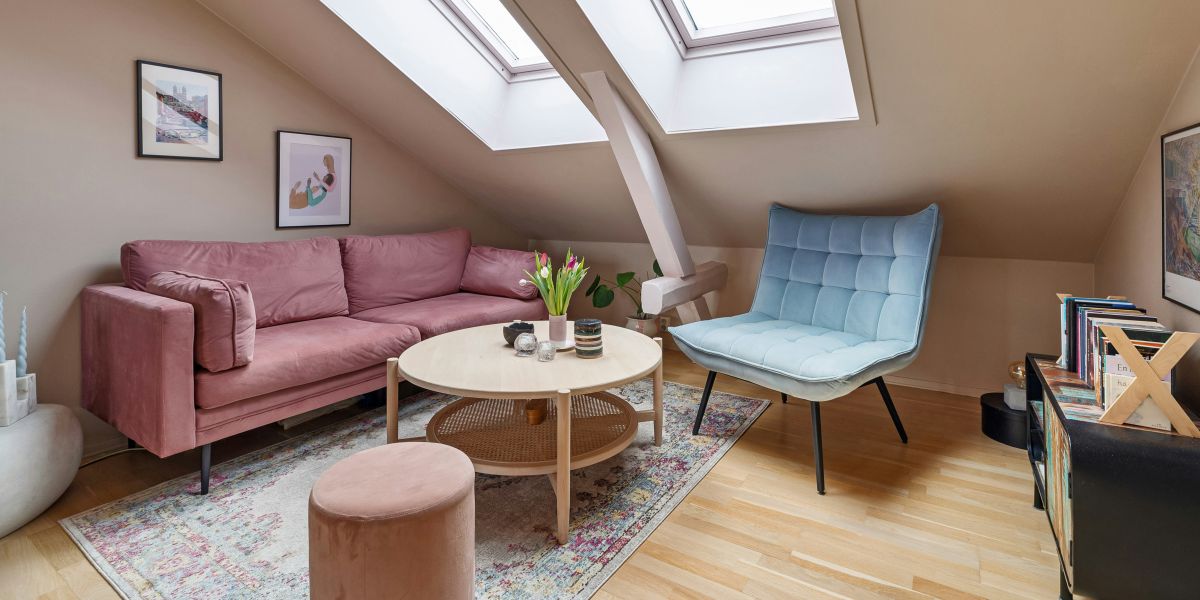
Natural light plays a significant role in this trend. Roof windows, dormers, and skylights help extend daylight hours in ways ground floors may not, improving room usability while reducing the reliance on artificial lighting.
London’s period housing stock is particularly suited to well-executed roof extensions. Victorian and Edwardian terraces, along with post-war properties, can accommodate attic conversions that add value without altering the street-facing façade.
Planning considerations are always important: sympathetic design, material choice, and proportion ensure that additions integrate well with existing structures and blend into the neighborhood character.
Innovate Builders is a London-based construction company known for their experience in loft conversions and full-home transformations. Their expertise helps ensure that design quality, planning compliance, and build standards align with the expectations of property owners who value long-term investments.
Established Neighbourhood Examples
Certain neighbourhoods have become informal case studies in how loft spaces can be thoughtfully elevated. In Hampstead, the architectural language of refinement has long been established. Upper-level rooms there tend to be integrated subtly, maintaining ridge discipline and favouring natural finishes that mature gracefully over time.
The spaces often feel calm and unassuming, even when they are generously proportioned. The views typically offer a soft perspective across gardens and chimneys, rather than seeking out the city’s skyline.
The atmosphere is both practical and inviting, offering a space that can be used for work during the day and for relaxed gatherings at night. There is a grounded appreciation for simple materials used well.
Hackney, on the other hand, presents a different rhythm, where Victorian forms provide a structured backdrop for contemporary changes. Dormers are sleek, edges remain precise, and interiors favour contrasts within a restrained palette: pale timber against white surfaces, fine black lines around glazing, and tactile textiles that feel understated yet refined.
Across these areas, a shared approach can be found in the roofscape. The successful projects understand that the appearance of the street matters. They approach the design quietly but still manage to draw attention.
Daily Rituals at the Top
A loft space succeeds when it supports daily routines without causing friction. It lends itself to rituals that enhance both work and wellbeing.
A yoga or meditation suite may be simple but not impersonal: a timber floor inviting bare feet, concealed storage for mats and props, and soft lighting that avoids glare during seated postures. The temperature is stable, and ventilation is carefully planned to ensure a pleasant environment between sessions.
According to a recently peer-reviewed study on ResearchGate, this kind of light supports visual accuracy, stabilises mood, and enhances creative output.
Storage is purposefully designed: chests at knee height, vertical racks hidden behind sliding panels, and a wash-up sink that feels more like a crafted basin than a typical utility fixture. Musicians often design spaces with a layered acoustic approach, including dense linings where necessary, flexible curtains, and careful attention to small gaps that influence sound.
Remote work creates a distinct set of needs. The home office is designed to be a study rather than a temporary workspace. A desk may be positioned at a side angle to the light, reducing screen glare, with a secondary perch available for reading or phone calls. The chair is carefully aligned with the desk and room layout.
Shelving keeps reference materials accessible without enclosing the space, and where possible, a small terrace becomes a natural way to refresh during work breaks, offering clarity between tasks.
Quiet Performance, Seamlessly Built In
Comfort is often the result of decisions whose value becomes evident gradually, through daily use. Insulation is strategically planned to eliminate cold spots; roof build-up is calibrated to avoid unnecessary bulk; airtightness is considered carefully at key junctions.
These details contribute to a room’s climate stability and overall performance, making it manageable during the colder London winters while also reducing long-term energy costs and minimizing seasonal maintenance.
Daylight is thoughtfully balanced with control. Roof windows have integrated blinds; larger windows may receive external shading, depending on the building’s orientation. The choice of glazing is made with clarity, longevity, and thermal efficiency in mind, ensuring consistent light quality throughout the year and protecting interior finishes from fading.
High-end loft conversion specialists often focus on this level of precision, coordinating materials, proportions, and technical details so the space is not only aesthetically appealing but also functional and comfortable over time.
The electrical plan is mindful of the need for various light layers: a base layer to move through the room, task lighting that flatters without causing glare, and accent lighting to highlight timber, art, or textures.
Energy systems are integrated discreetly. Where conditions allow, roof-integrated solar panels may contribute to household power needs without altering the roofline.
Battery storage, if used, is typically housed in a ventilated cupboard, operating without producing unnecessary noise. Heating is designed to function at lower temperatures, with simple and intuitive controls, placed effectively to provide comfort throughout the year.
The Making of a Loft
A peaceful outcome comes from a disciplined approach to design and construction. Architecture provides direction and proportion; the structure supports that vision; and tradespeople work in sequence to protect finished work as they progress.
The staircase is often the expressive feature of the project, an elegant design that connects the levels with ease. Handrails and balustrades are carefully crafted so the climb feels natural. Good stair design resonates first through the body, then through the eye.
Services are integrated smoothly, with short ventilation ducts, careful plumbing placement, and minimal disruption to the space. The construction process respects neighbors and the site, with deliveries planned thoughtfully and protection in place until the project is complete.
Coordination is key in London’s densely built environment. Structural engineers guide the placement of steel to maintain open space, while roofers and carpenters deliver clean, precise lines. Decorators work in the right sequence with the appropriate materials. Every detail, especially the staircase, is treated with care.
Future-Proofed London Living
A well-designed converted attic can easily adapt. A nursery can evolve into a study or a quiet retreat, with little need for major adjustments. Storage solutions are flexible, lighting scenes adjust with ease, and the room remains functional as household needs change.
This approach is also beneficial for the city. Thoughtfully building upwards strengthens urban areas rather than pushing outward. Roofscapes evolve, with terraces becoming green spaces over time. Homes achieve higher comfort levels with lower energy consumption, thanks to careful attention to the building envelope.
Value accrues in ways that are both visible and subtle: a floor that retains its charm after years of use, a bathroom that remains timeless, and a staircase that continues to impress every day. These qualities are quickly noticed by both buyers and current owners.
Insights from Falmouth University suggest that spaces that take into account psychological responses to light, proportion, and flow tend to remain attractive and functional over time, retaining both emotional and practical relevance.
This thoughtful approach results in a home that feels complete, rather than a series of fragmented improvements. It shows in daily use, but also in resale value, as homes that are well-considered hold their appeal.
A Strategic Approach to Added Space
From the vantage point of a loft, the city reveals its rhythm and patterns in a new way. You see the movement of terraces, the careful work of gardens, and a softened version of the streets below. The view becomes an extension of the home rather than an external distraction.
In that context, a well-crafted upper living space reads as one with a clear, deliberate purpose. It supports daily activities without strain, provides a welcoming environment for guests, and fosters calmness when the day ends.
Across London, homeowners are embracing this approach, carefully raising their roofs, respecting the rhythm of the street, and creating spaces that enhance their homes without disrupting them. The result is an elevated living space that quietly sets the tone for a home that works seamlessly.